
Translated material
10 years for a bag of tea
The Omsk Regional Court upheld the sentence of a single father for “drug smuggling” across the Russian-Kazakh border
At a meeting of the Presidium of the Omsk Regional Court on May 7, the convicted person for the “acquisition and smuggling of drugs” Alexei Novikov read out the arguments against the sentencing issued to him on video conferences. He pronounced them in an even voice, calm before detachment, as if it was not about him, who was serving a term in a strict regime colony for the second year. And only at the last, eighth, point, the voice trembled.
Alexey said that he became a single father, since his daughter’s mother was deprived of parental rights. She left her, and the four -year -old girl lives with her grandmother. The words were interrupted by tears that you can’t play, and the situation is not the situation to put pressure on pity: the sobs, no matter how loud they are, are not entered into the protocols of court hearings.

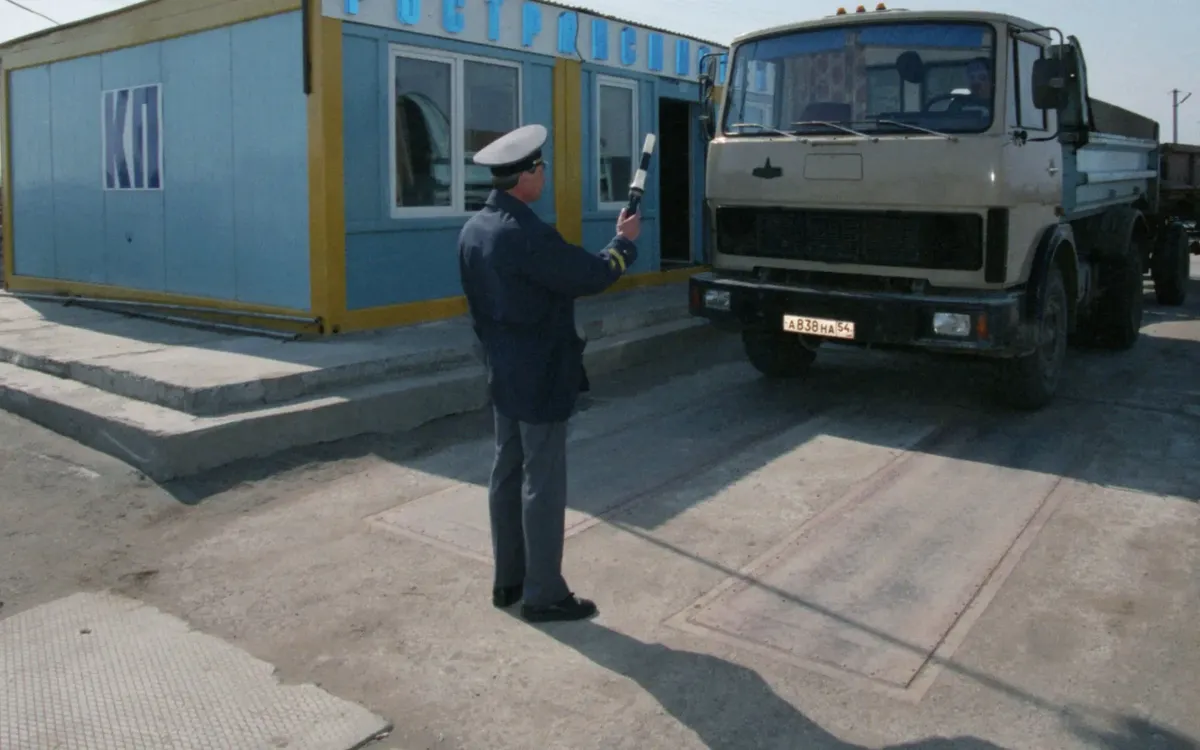
34-year-old Alexei Novikov was detained in September 2015, when he reached the Hitchhiking to his wife and daughter who lived in Samara, and decided to cut the path through Kazakhstan. At the border crossing of Isilkul-Autorozhnaya, Novikov trustingly approached the posture and asked if it was possible to cross the border on foot. The postman Mikhailov saw something suspicious in a man with a half-empty backpack, called Danilov’s colleague, and they conducted an inspection of the traveler’s things, during which they discovered a package with a “vegetable substance”.
Novikov explained to the border guards that this is tea from Peru ordered by him on the Internet, the text of the label in Spanish is translated as follows: “Six unique herbs for the prevention and treatment of diabetes.” Alexei did not suffer from this disease, but he treated all kinds of teas with addiction.

In general, he is a man not without oddities. Due to the birth injury, his mother Irina Pavlovna told us, in early childhood he was seriously ill. Doctors made terrible diagnoses: cerebral palsy, developmental delay, autism. “But I studied a lot with him. I found specialists who put him on his feet. At four, he learned to play chess, he already went to first grade himself ... ”
In the adolescence of Alexei, global ideas were overcome (and who did not have them at this age), which his mother seemed painful: he was looking for the meaning of life, "thinking about how to save humanity." Having become older, it seems, he landed: he married, worked as a masseur, tried to do business, but unsuccessfully. By the age of thirty again, Mom says, “hit mysticism”: he was looking for “enlightenment” ways, it used to starve for weeks, threw “extra things” and even furniture out of the house, believing that “to enlighten it to refuse material”. He became interested in “shamanic herbs”, which are many in Latin American teas, and spent on them the last money for the sake of enlightenment ...
It is clear that you can’t explain the guards of the Russian-Kazakh border of all this, but Alexei tried to enlighten them: he invited them to brew “dubious tea” and try to make sure of his safety. The border guards, of course, refused: they solved their problem, which is far from enlightenment.
Danilov took a package, retired somewhere and soon returned, saying that Novikov needed to linger. A few minutes later, an operational group arrived at the checkpoint as part of a detective - captain of the FSB Abdrakhmanov and a dog handler with a dog. Coker spaniel indifferently turned away from tea, without smelling anything criminal in it.
The border guards did not draw up an act on the use of a service dog, although they were obliged to do this, and they never mentioned it in all protocols.
But on the video shot by Abdrakhmanov himself, joined the case, the dog appears.
A package with “a substance of dark green color of plant origin with a characteristic smell of mint tea” (such is his literal description in the protocol) was seized in the presence of witnesses, and Novikov was released on all four sides.
Mysterious transformations of "substances with mint odor"
Three months later, Novikov was put on the wanted list: the FSKN examination discovered “artificial cannabioids” in Peruvian tea, that is, spice. On January 29, 2016, law enforcement officers detained him, took him away for 800 km in Isilkul and placed him in an investigative insulator, charging under the articles “illegal acquisition of narcotic drugs” (part 2. Article 228 of the Criminal Code of the Russian Federation) and their “smuggling” (part 3 of article 229.1 of the Criminal Code of the Russian Federation).
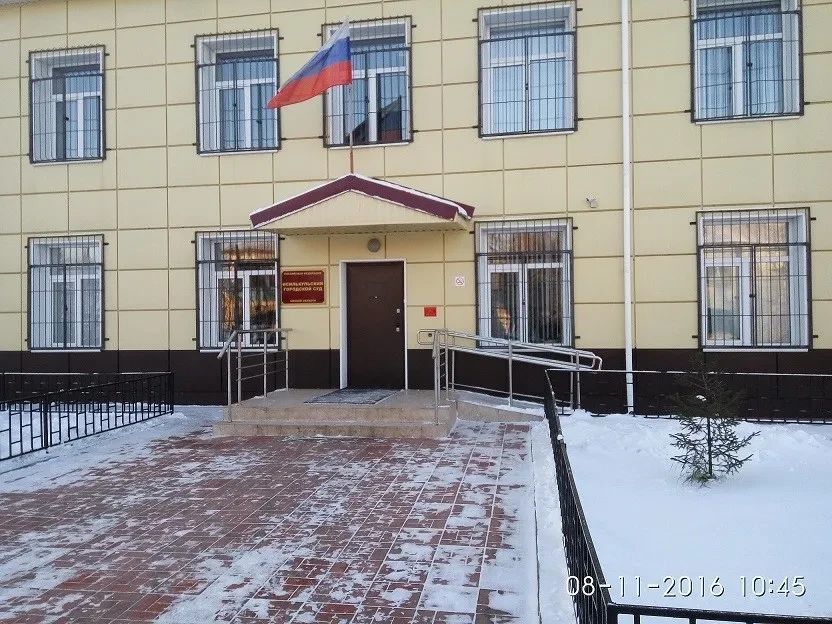
The case was referred to the Isilkul city court. Details of the trial were described on his website by the Novosibirsk lawyer Andrei Vlasov. Even to him, to a man to an exposure to who does not get used to the outrages of domestic justice, it seemed unique in his own way-he has not a single evidence of the guilt of the accused, but there are plenty of signs of falsification of material evidence.
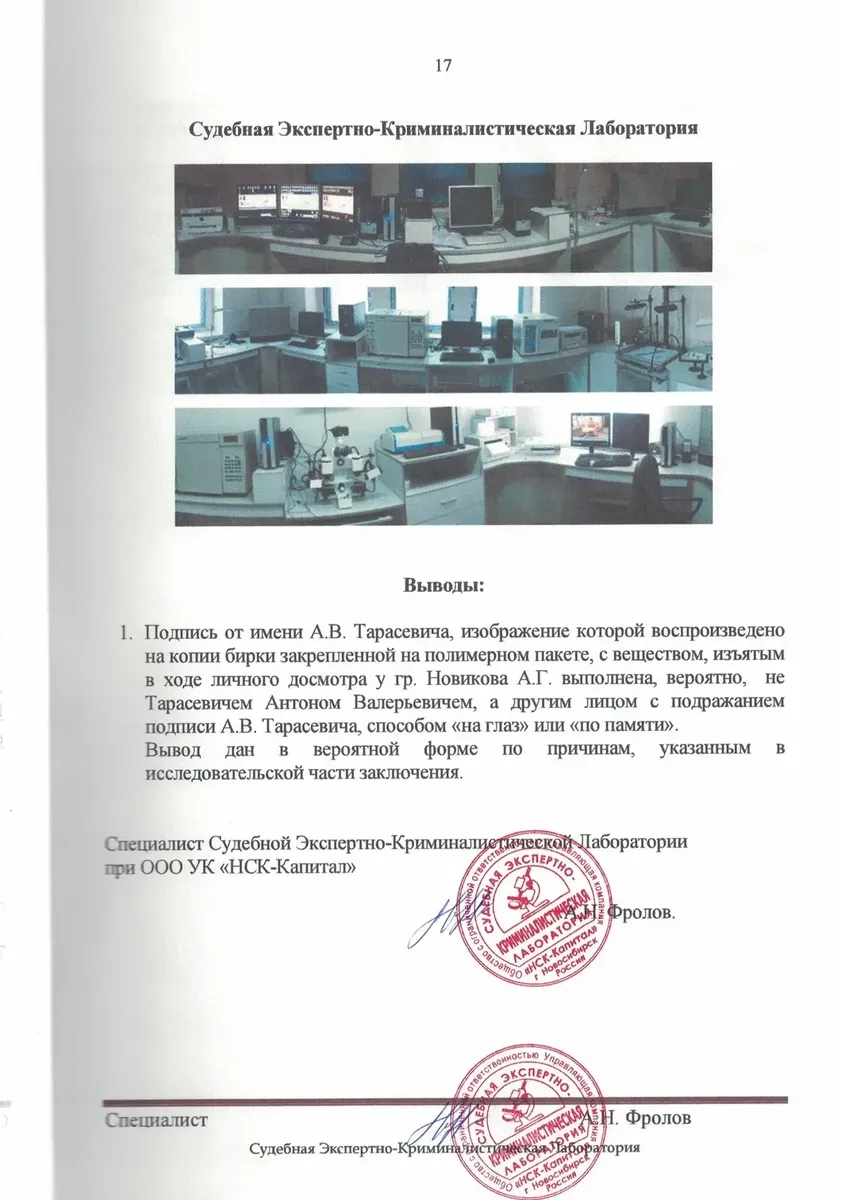
For example, the tag, which is sealed with a plant with a plant substance seized from Alexei Novikov is not at all the same that is attached to the package given by investigators to the expert. On the first there were signatures of the senior night shift of Alfimov and the aforementioned Abdrakhmanov, on the second - the senior daytime shift of Tarasevich. As follows from the testimony of all the surveyed witnesses - the college of Tarasevich, he left the checkpoint at 19.30, and the video shot by Abdrakhmanov on the service camera shows an even later hour - between 21 and 22.00.
At the hearing, Tarasevich said that he signed Birka in advance, and watched the seizure from his office in which the door was open, but it turned out to be not true: it was closed all the time in the video, and Tarasevich was not on it.
The video recording, according to the lawyer, is “seduced”, it is interrupted, there is no one file in it - there is no moment in the moment of seizure and packaging of “suspicious matter”.
These circumstances were not interested in Judge Beloborodov: she refused in a petition for handwriting examination, and an independent examination conducted by order of Vlasov showed that the tag and subscription of the witnesses, where the Tarasevich surname is listed, were signed by different people.
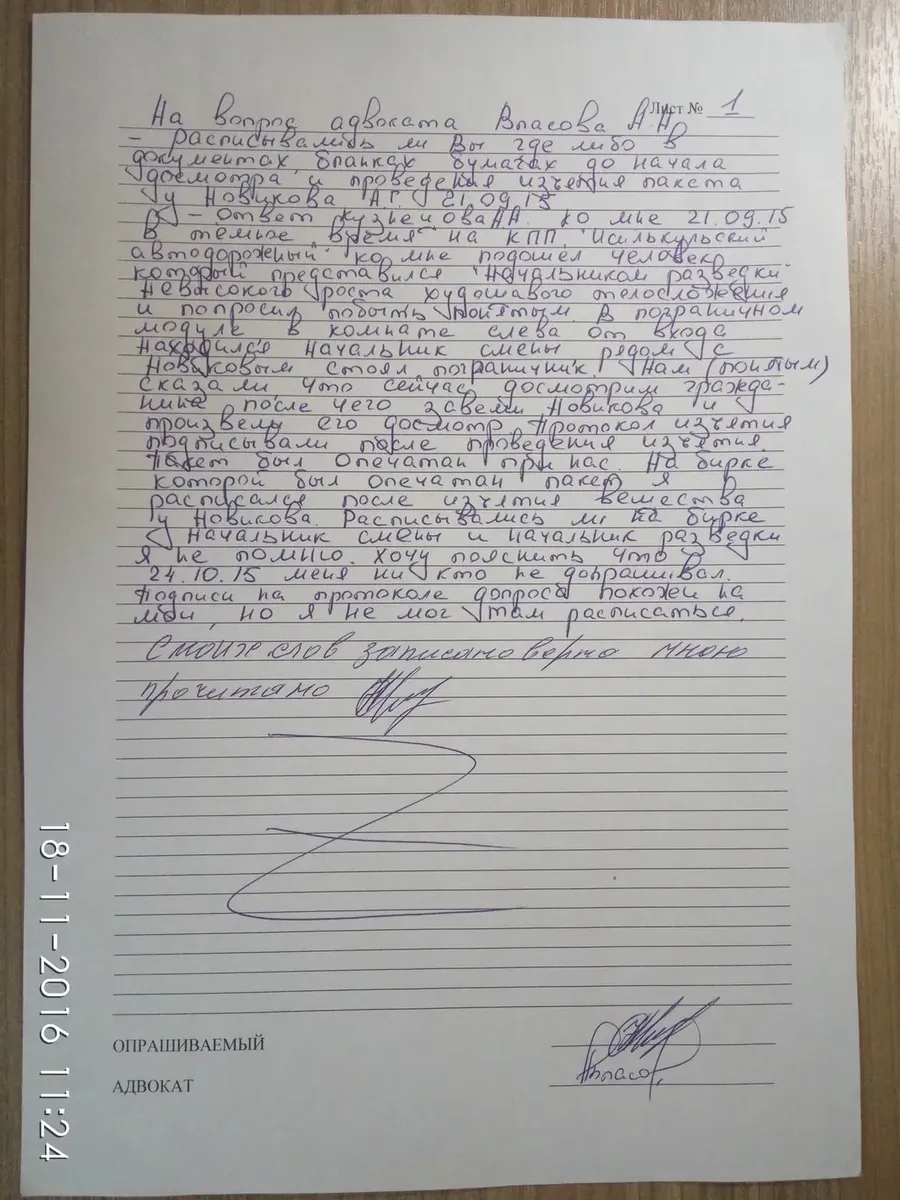
Fake, as it turned out, and signatures on the protocol of interrogation of one of the witnesses - Kuznetsov. He in writing confirmed to Andrei Vlasov that no one interrogated him, and he did not write “from my words,” he wrote. Nothing can be said about the second understandable, since he could not meet with a lawyer and did not come to the trial.
As expected, when the expert is transferred to the package with the material evidence, not only the tag attached to him changed, but also its contents. The label in Spanish, with a description of the advantages of Peruvian tea, has disappeared into the package, and the “dark green substance with a mint smell” was transformed into a “brown” with the smell of “sharp, specific”.
The lawyer applied to the prosecutor of the Omsk region, to the FSB department and the military investigative department of the IC of Russia for the Omsk garrison, asking them to “initiate criminal cases against persons who falsified the materials of the criminal case” - the senior shift of the border point of Tarashevich and the investigator of the Federal Penitentiary Service of the Federal Penitentiary Service, who forged the protocol of the interrogation of the understood.
The regional prosecutor sent Vlasov’s statement to Isilkulsky, which the lawyer complained about, and he sent him to the investigation department, from which there are no news to this day. The Federal Penitentiary Service of FSB wrote that she was not engaged in such matters, and the military investigation department did not in writing in writing, but verbally the applicant was informed about the refusal to institute criminal proceedings.
In November 2016, Judge Beloborodova announced the verdict to Novikov: 10 years and 1 month in prison in a maximum security colony. The regional court left the verdict unchanged, but the supreme did not like something in it, and he sent him to revise-to the regional cassation instance.
No intent when there are speculations
Now, Alexei Novikov is engaged in the organization of Rus Sitting. The lawyer Julia Kopeikina, working with her, told the “new” that the results of the examination actually do not prove anything:
“The expert did not substantiate why he attributed the studied substance to narcotic ones - there are no descriptions, graphs, there are no references to scientific data, although the Federal Law“ On State Expert Activities ”requires that the expert’s conclusions are scientific, repeated, verified. In addition, the study was carried out on unverified equipment - there is no information that the gas chromatograph used by the expert passes, as expected, an annual verification. I insist that this is not an expert opinion, but the speculations that the court did not check. ”

Even if the examination were carried out according to all the rules, the court would still not have the right to consider it evidence of “smuggling”, says human rights activist Sergei Yeremin.
“How could Novikov be, to know or assume that in the tea that he acquired on the Internet, there are narcotic substances? He did not hide from the border guards, but he himself went to the checkpoint on naivety, and did not try to hide the package, kept it in a backpack in a prominent place and presented it at the first demand. The article by which he was convicted suggests a direct intent, and if he is not there, then there can be no crime. Both the city court of Isilkul and the regional violated the fundamental principle of a civilized state - the presumption of innocence. ”
The crimes provided for in Article 228 and Article 229.1 of the Criminal Code of the Russian Federation are committed with direct intent - it implies that the perpetrator knows or at least suggests that the substances available under him are prohibited.
On May 7, in the Omsk Regional Court, the College of Judges, chaired by Elena Svetenko, respected the Supreme Court, excluding three words from the prosecution - the “acquisition of narcotic drugs”, but upheld the “drug smuggling”. The term of punishment remained the same - 10 years 1 month.
“This is a delusional sentence,” said Alexei Fedyarov, the “new” coordinator of Rus' sitting. “We will move on.” Human rights activists prepare a re -complaint to the Supreme Court of the Russian Federation.