
Translated material
Six amber beads
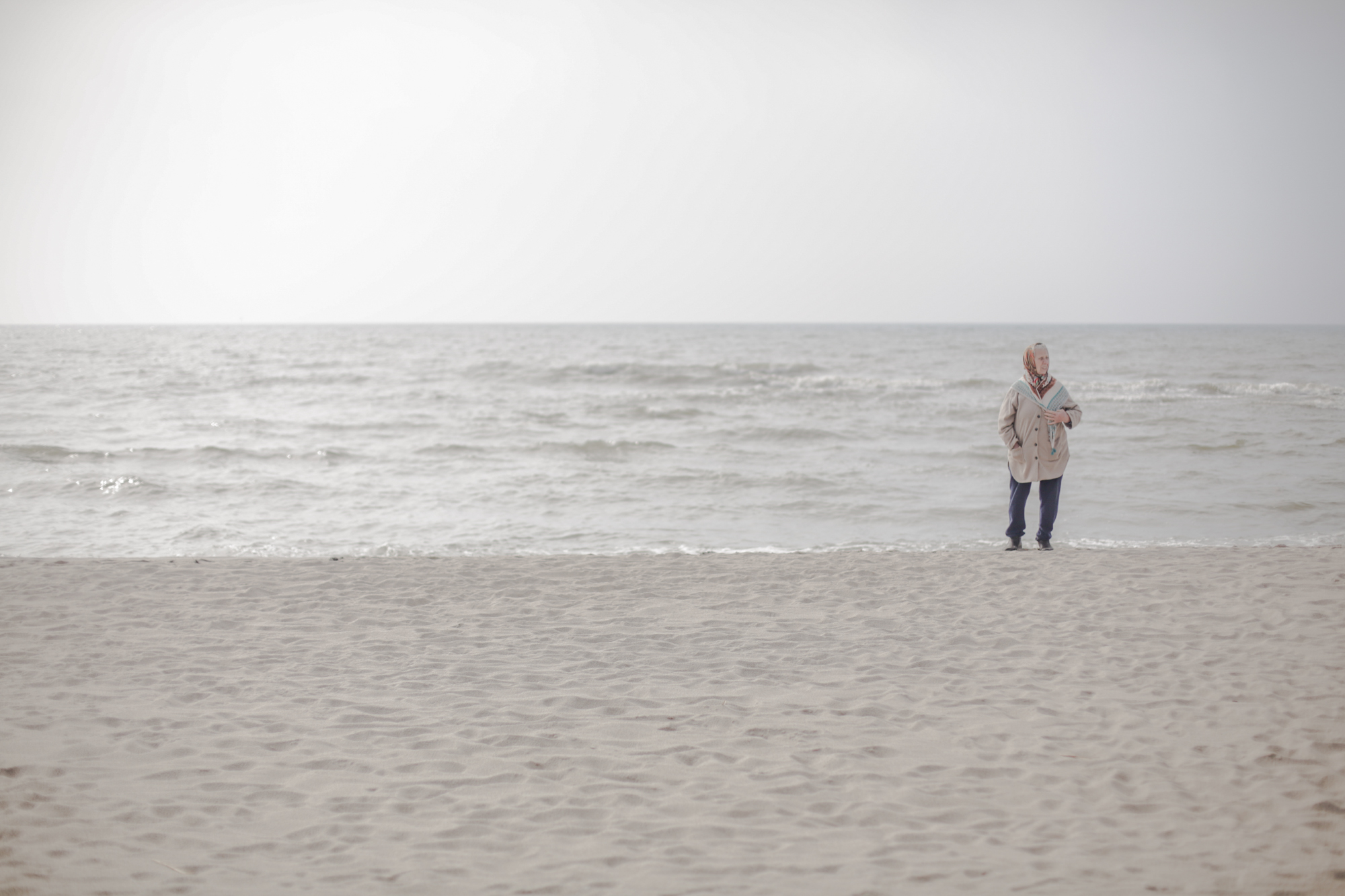
Nina Vasilievna “raised” the Kaliningrad region all her life, and everything that she had left at eighty years was a burned -out house and six amber beads
I knew that I would definitely not bring Yantarny from the village of Amber - a souvenir from amber. Firstly, I don't like amber. Secondly, souvenirs from amber in their mass are tasteless. Thirdly, hesitates to carry something that is a lot everywhere. And in the amber and all over the Kaliningrad region, amber stood. The word "amber" is found here in every third sign. This is the name of music groups, houses of culture, restaurants, cafes, shops. After a day, it is impossible to look at the red pebbles.
Blue flag and yellow stone
About 90% of the world stocks of amber is in amber. The village of Yantary arose in 1654, only then it was German and was called palmiker. And after the Great Patriotic War, he went to the USSR and renamed. Amber in Palmniken was mined from the moment of founding, but industrial production began from the end of the 19th century. In the USSR, the amber was continued to extract - in 1947 the amber plant took up this, which was formed on the site of the German company "Stantien and Becker". The bulk of the population of the village earns on the "sun stone". Someone works at the amber plant, someone makes souvenirs from amber, someone sells them, someone illegally mines it. From time to time, the Baltic Sea throws it ashore, right under the feet, huge pieces of amber.
Also, the amber is famous for its beach - wide, with a small sand, he was awarded the blue flag, an international award, which is awarded to the best beaches of the world.
Despite the fact that there are few warm days in the Baltic, due to architecture (there is something left of palmiken in the village), the beach and beauty the tourist travels here by buses. For a small village, the concentration of hotels and guest houses is great.
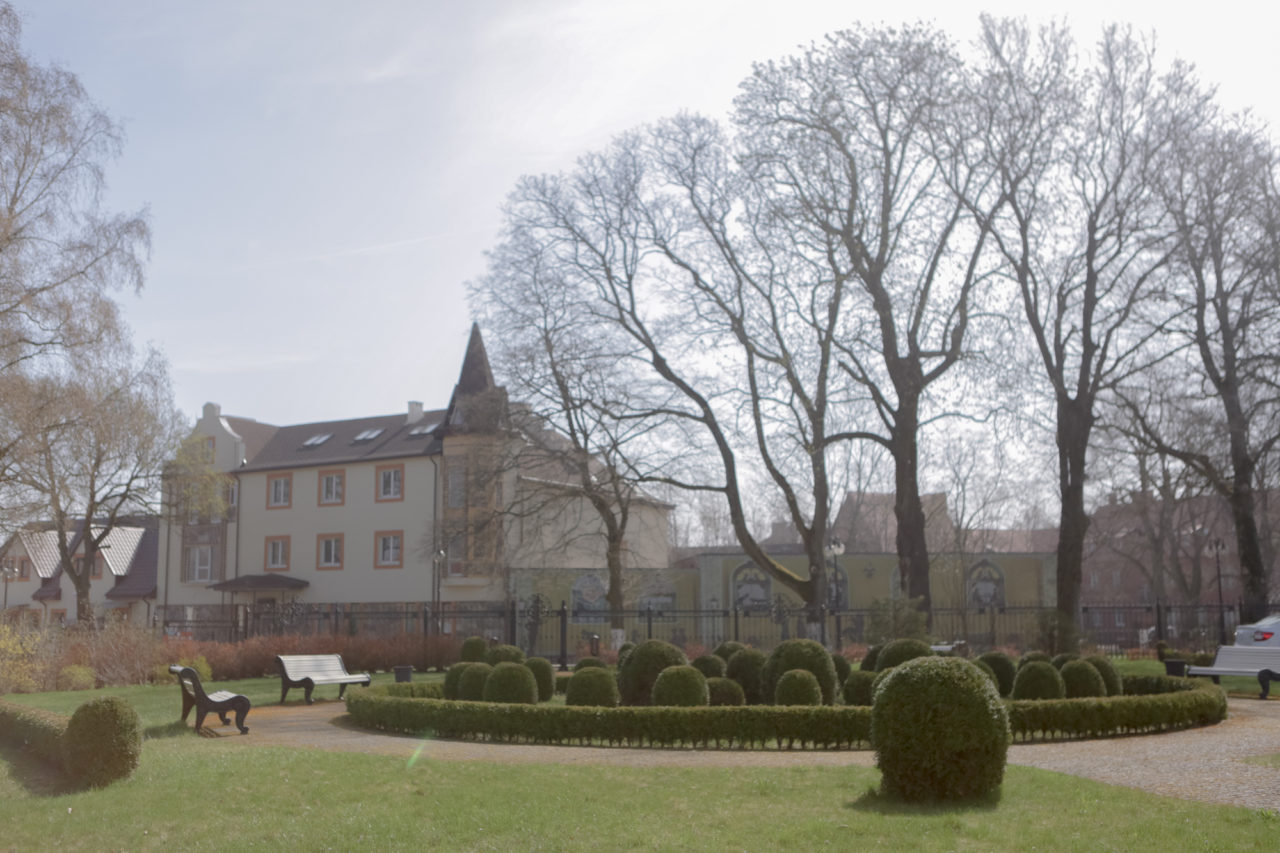 Sovetskaya Street : Anna Ivantsova for TD
It seems that in amber there is everything that is needed for the prosperity of a small village: anchor, successfully working production, tourism, proximity to the European Union (Poland and Lithuania). Europeans participate in joint projects and even give amber grants - a two -kilometer promenade along the beach was built just with the money of the European Union. But it’s enough to walk along the main street of the village, Sovetskaya, to understand that not everything is smooth.
20 buckets and 45 years at the plant
Nina Vasilievna Surnycheva lives in the Scandinavian quarter, on Sovetskaya Street, in one of those houses that were built in the 19th century for amber production workers. Neat, strong brick houses are still resident. Until the summer of 2017, the house of Nina Vasilievna was also residential. But the fire completely destroyed the roof and burned the attics, and the rains filled the apartments. It became impossible to live - people were evacuated where they could. And Nina Vasilievna remained.
Nina Vasilievna smells at home, as in sewers. The walls were covered with green mold - you run a finger, it remains wet mucus. On the second floor, under a holey burned roof, there are about twenty buckets, cans and basins - the grandmother collects water in them and regularly drains. If the rain goes at night, it practically does not sleep - the containers are quickly filled with water. At 81, it is hard to run to the second floor many times and carry full buckets, but Nina Vasilyevna has nowhere to go.
Parents of Nina Vasilievna arrived in the village of Bolshaya Povarovka near the Amber region from the Moscow region in 1948 on recruiting. After the war, people from all over the country were sent to the former German territory - it was necessary to "raise the region." Nina was eleven years old.
“I still remember the fear of war,” says Nina Vasilievna. - As they escorted to the front of his father and roared. How we sat with the brothers on the stove and listened to the howl of military aircraft over the house: uh-ou, wow! As they went out in the evening on the porch and saw incredible beauty sunset - it was a glow of burning neighboring villages. ”
Like all the residents of the country, the parents of Nina Vasilievna hoped that after the war a decent life would begin. But after the war, hard labor began.
Amber region
Nina Vasilievna's father came from the war with frostbitten legs. He walked with difficulty, tormented by pain, but worked at the state farm, like his wife. “They sowed grain, shed, and I have been with my parents in the fields, from childhood,” recalls Nina Vasilievna. - Mom worked in a pigsty, and I helped her there - she was also the whole patient after the war. At the age of seventeen, I went to the plant. Father died in 1963, mom a little later. "
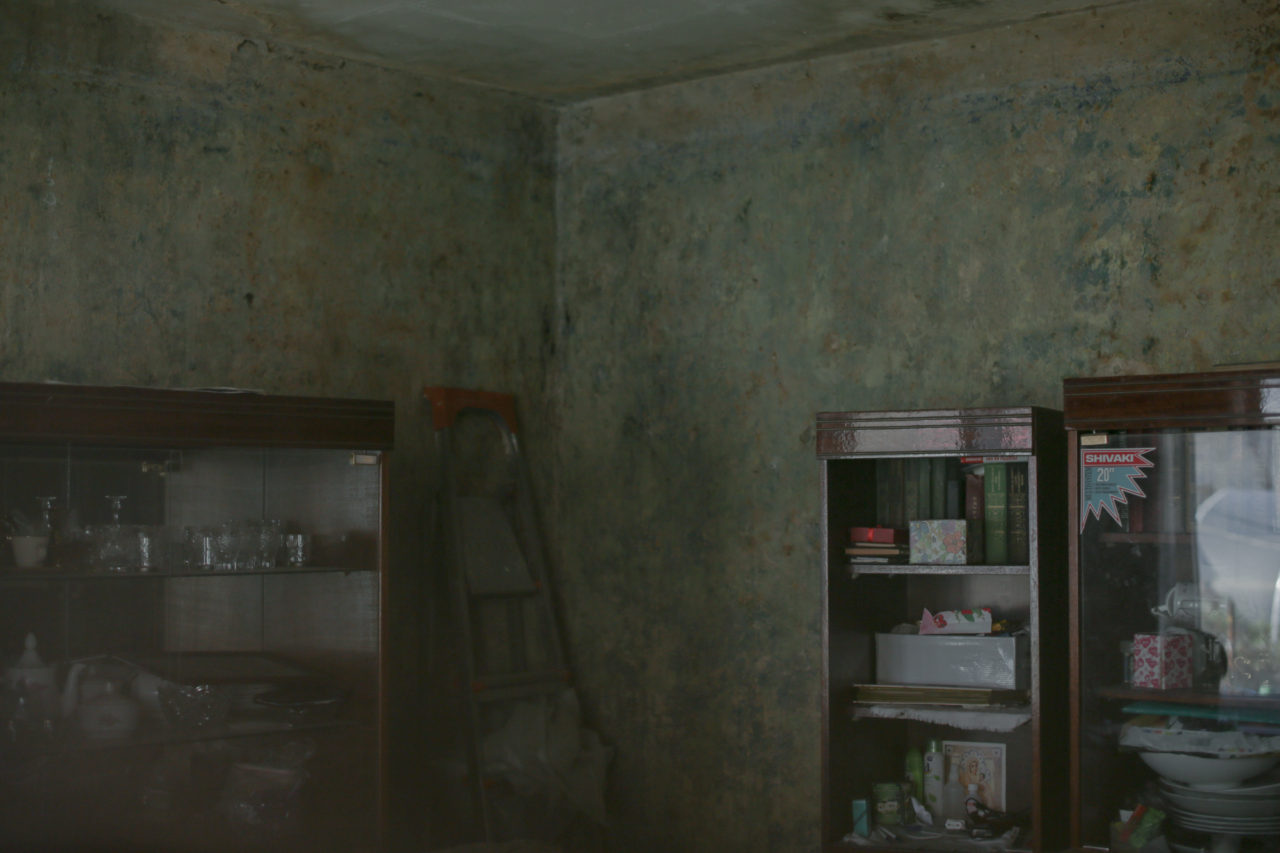 Nina Vasilievna photo: Anna Ivantsova for TD
 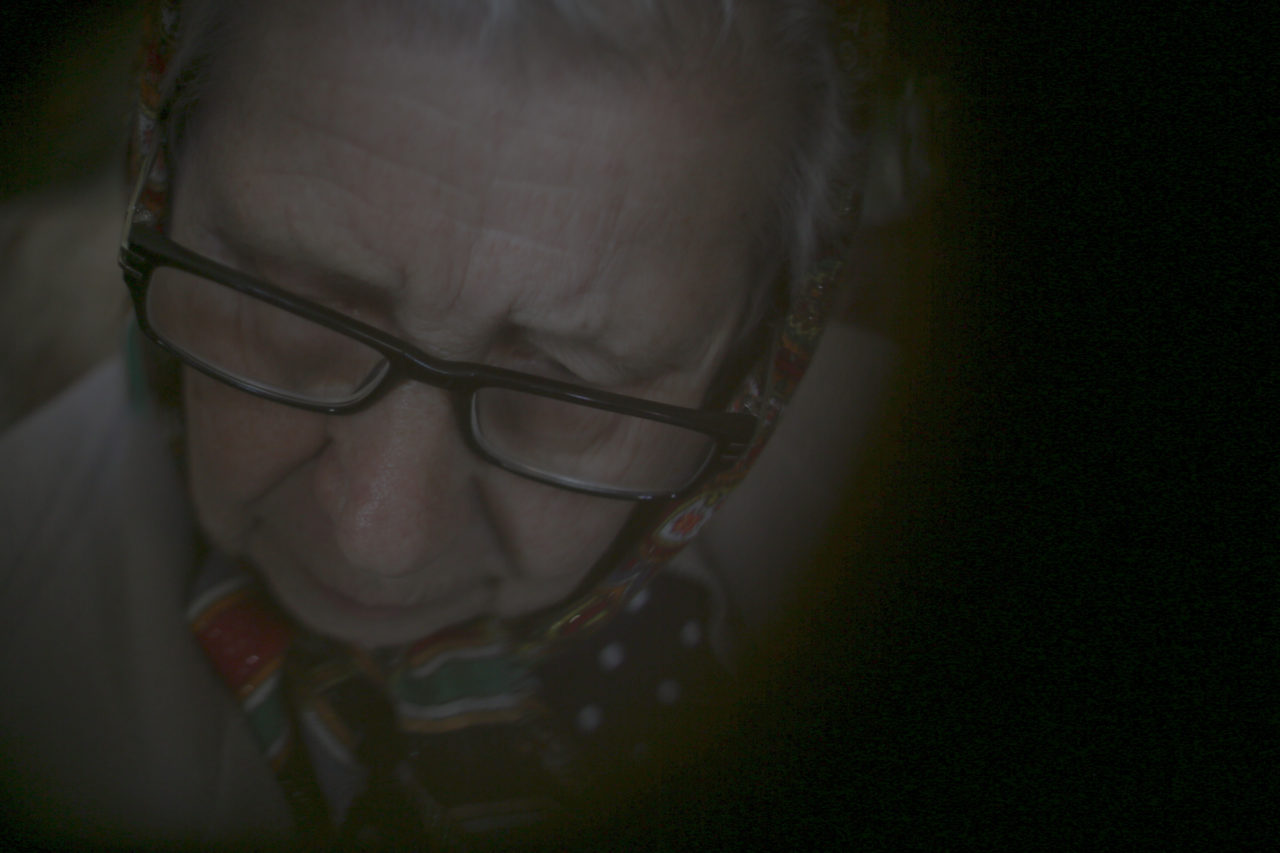 Nina Vasilievna photo: Anna Ivantsova for TD
At the amber plant, Nina Vasilievna worked for 45 years - she was a turner in amber, a locksmith, a cutter, a grinder. In recent years, I made beads.
The first three years went with colleagues to the plant on foot six kilometers. In the summer, they got on bicycles quickly, and in winter it was necessary to go through snow drifts for an hour and a half in the dark. To catch the machine, they went out at six in the morning. Then Nina Vasya Levna married and moved to amber. In 1971, they received an apartment on Sovetskaya, 30. A good German stove plus central heating, water, gas, high ceilings, strong walls. They made repairs, healed like people. Children went.
“It was hard to work, the knives were sharpened manually on the emery, on the bar,” recalls Nina Vasilievna work at the plant. - Amber is chopped into pieces, and then we make a workpiece. Could five hundred pieces of beads per day make it normal. Now everything is automatically there, they no longer do from under the knife. And then we were very tired. But they paid on time, they gave prizes. ”
Nina Vasilievna from amber has nothing at home. While working, I put off my defective beads - I made bracelets, rings, brooches to my friends. I didn't wear it myself. What was in retirement was given to her relatives. “And why am this amber, I have seen enough of it in my whole life,” she explains the emptiness in the bins.
Representative people should live here
The first time Nina Vasilievna's house caught fire in 2000. Then they put out quickly. The second time the fire happened in 2003. The roof (but the floors remained) and the attic burned. They threw away the whole house for repairs, at the same time they asked for money from the administration. The administration found money and then returned. People made repairs, and ten years later the house caught fire again.
“It caught fire at night, a cat woke me up. She is to me, then to the door. To me - to the door. I say: "Sonya, three in the morning, are you so early?" I let it out into the street, I look - the smoke is falling. They started to call the fire. They arrived, dismissed the hose. They wanted to give water, and the hose hung. There is no water. And while brigades from Kaliningrad and Svetlogorsk arrived, our roof was burned out. ”
After the fire, the rains immediately began. People parted through their acquaintances, expecting that until they restore the roof, they will be given temporary housing. But they were in no hurry to repair, and housing gave such a thing that it was easier to stay in a burned house.
 Sovetskaya Street : Anna Ivantsova for TD
At first, the administration offered the Surnychevo room in the hostel. When she talks about her, she jumps out of indignation from the soldered chair. “Here is this: a meter per meter! I say: "Do you want to put me in a single camera?" Then they showed me more the room - there are cracks in the floors, the sockets are pulled out with meat. They offered a nursing home, I say: “Why are you clinging? I am independent, the mistress for myself, why do I need it? " Well, the third housing was shown - in the former kindergarten. There were 13 degrees of heat in winter. And also mold on the walls ... So I stayed here. "
The first few nights spent the night at the daughter -in -law. The daughter called to her neighboring village. But interfering with other people's families is inconvenient. In addition, grandmother has her own - a yard dog and two cats, red and gray. “They threw them all, and I picked up. The dog was generally just fed, but he became attached, now he does not move a step. The second time, or something, them outside? "
Five years ago, Nina Vasilievna buried her husband. A little later, she survived the death of her grandson-the guy hanged himself because of unrequited love. Then the brother died, and then there was a fire. Nina Vasilievna, who was killed by grief, did not notice how she transferred a heart attack on her feet. “It became bad for me, my heart fell ill. Made an ECG. “Wow,” the doctor says. “Yes, you have a heart attack!” And so, after a heart attack, I drag a bucket with rain ... I all worn out. ”
According to investigators, the fire occurred due to faulty wiring. But the inhabitants are sure that they are burning intentionally to make room for hotels and restaurants. “We have a restaurant on the site of the clinic, where“ Becker ”now was a nursery. The main street, the “elite district”, so we burn us endlessly. Here the house burned down nearby, a little further - too, there were two there. Burn without end. There was one businessman here, said that representative people should live here. And we are not representative, we are Shusher. ”
Nina Vasilievna and other residents have an apartment in the property, but the local authorities promised to fix the burned roof. According to Nina Vasilievna, residents have been waiting for repairs for a year. “But they misunderstood the documents, then something else. Recently, I went to the first deputy of our mayor, Semikov. He said that everything would be soon. And I hear it every month throughout the year! It is already known that three and a half million were allocated for repairs, and where they were divided, I do not know. Everyone, like, is looking for a construction brigade, they cannot declare a competition in any way. ”
It is impossible to have a house for a long time to be at Nina Vasilievna - it is difficult to inhale mold. We ask her to take us to kindergarten-the very “housing” that she was offered in the city hall and where her neighbor, 83-year-old Polina Andreevna moved.
On the way, we meet a dark -haired woman with brightly painted lips. She leisurely walks along the street and takes pictures on the phone-pieces of paper, beer cans. Stops at the fence of a two -story mansion. Behind the fence, a man is picking in the ground. “You have a bank here. Raise! " - Commands. The man dutifully goes to raise.
The woman's name is Muradov’s love, this is a local official, works at the city hall in the housing and communal services department. She knows Nina Vasilievna well, like other administration employees.
“We sympathize with her very much,” says Muradova. - Such a disaster! And all the mayors blame. And our mayor is good, he tries, he does everything! It’s hard for him too, we have, now, now the plant transfers all the money to Moscow. Almost thirty million! And we cannot pay for the cleaning of the communal service on time ... "
When asked whether it is possible to talk with the mayor, Muradov reports that he is on vacation, "but on Facebook he goes." He asks me to add to her as a friend. “We are almost all on Facebook, so we are approaching the people. The mayor, here, is very active there, ”says the official and delegates to remove the next pile of garbage.
"I still want to live"
In the former kindergarten, in a huge room, Polina Andreevna Nazarova has been living for a year, has been sick and rarely go outside. She did not open the door right away. Grandmother was disappointed in officials and does not want to see anyone. But hearing that the journalists arrived, she had unlocked. And immediately burst into tears.
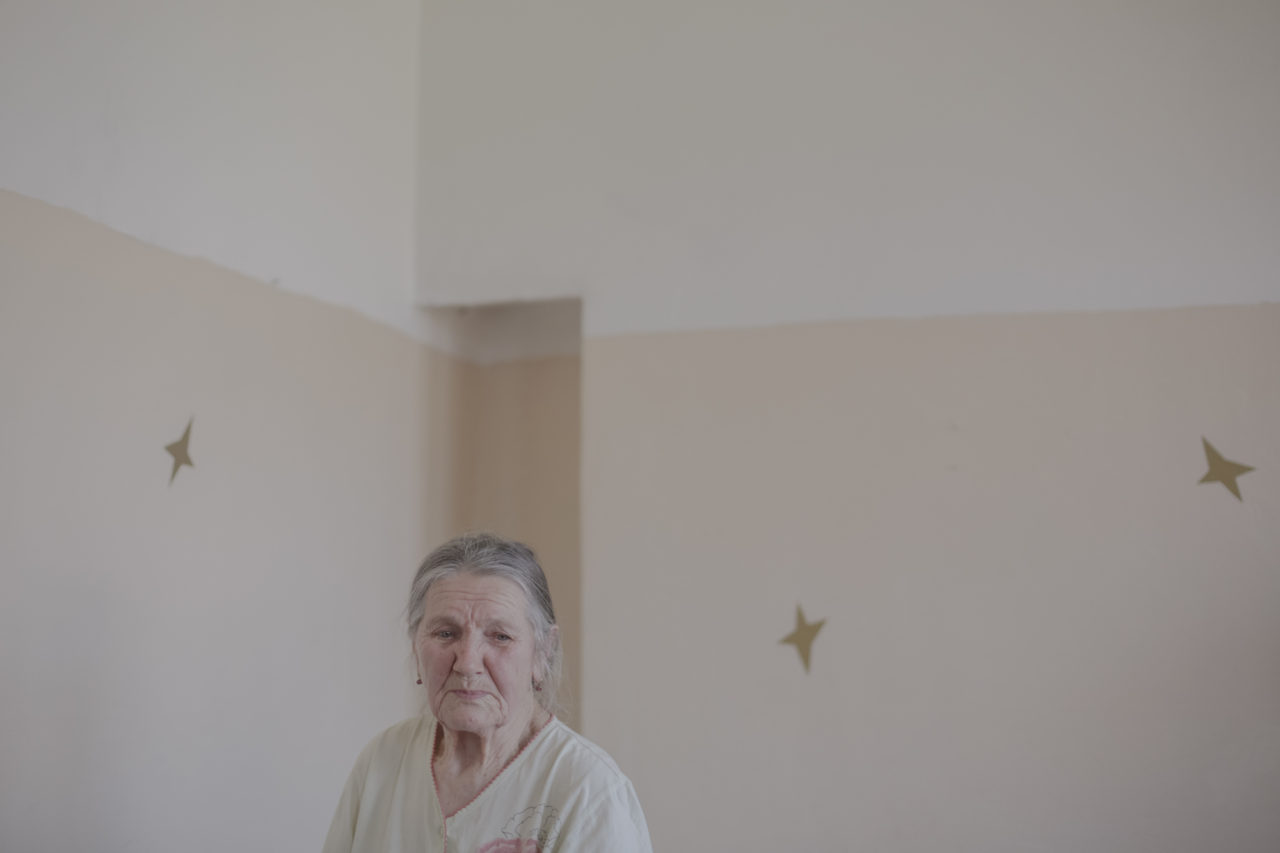 Polina Andreevna Photo: Anna Ivantsova for TD
 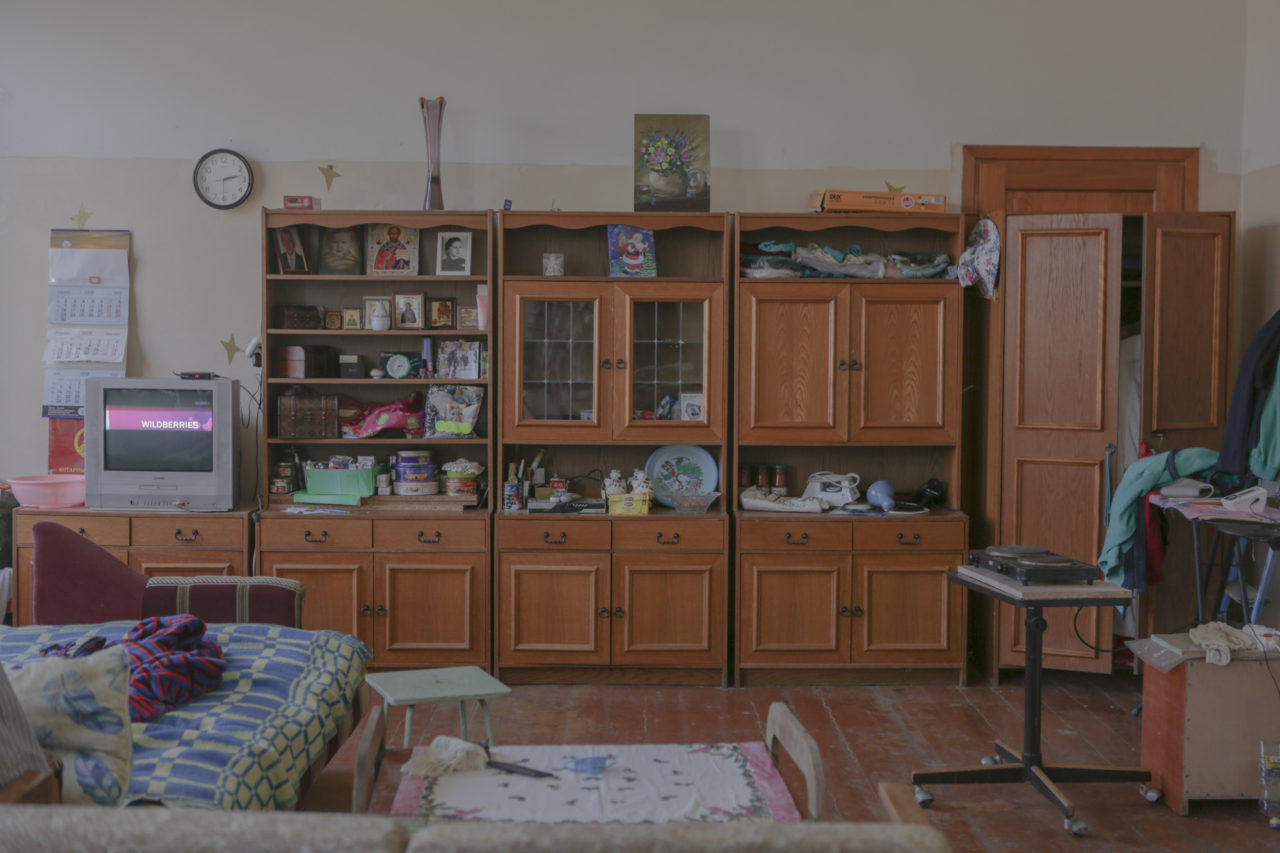 Polina Andreevna room in the former kindergarten photo: Anna Ivantsova for TD
Polina Andreevna is uncomfortable. Along the perimeter of a huge room with a floor of wide boards, multi -caliber furniture was placed (collected by acquaintances). Things hang on hooks. On the window, onions are collapsing. The side costs tiles. The sofa is laid out in the middle. In the corner of a bottle of water - the son brings. The toilet in the lobby is the toilets terrible. Polina Andreevna washed in the pelvis. She did not stay in the burned house, because her apartment got more. And she agreed to the kindergarten, because she did not want to go to her son’s family - a lot of people, did not want to interfere.
The Polina Andreevna family also recruited to the Kaliningrad region after the war. Her memories of the war are worse, she survived the concentration camp.
“The father was immediately taken to the front, as the war began. And my brothers fled to the forest from the Germans, partisa. Mom's brother was also partisans, went to her village for information. Well, someone handed us out. He was caught, hanged on a birch. And then they came to pick us up. It seems to be the forty -second year. A German officer went in, in such a green jacket, with a rifle. Says: "You are five minutes to fees." And my mother at this time just took out a cast iron from the stove. She dropped him, all the food poured to the floor ... Therefore, I remembered that they took us at lunchtime. "
In which concentration camp she was, Polina Andreevna does not remember. But he remembers how crowds of people were carried in dirty wagons full of manure - they sat and slept on him. Sometimes the door opened - a loaf of moldy bread flew flew up. Children rushed at her, and adults endured. Polina Andreevna remembers that at one of the long stops, her mother was taken away several times for interrogation - she returned to the children in blood and tears. He says that they took one of the girls: "They pumped out the blood of it to some German general." And when they were brought to their place, the first thing they were separated from their mothers - children to the left, women to the right. The younger brother of Polina was eager for his mother, he was hit on the head, remained disabled. Grandma cannot talk about life in a concentration camp, only cries. She only told how the mother brought them potato cleaning, and how tasty they were hunger.
“We were freed, the war has not yet ended. We returned to our village and did not find our home - they dismantled it. And after the war, the father recruited here. They landed us in Gusev (a small city in the Kaliningrad region. - TD), it was all broken. Parents went to work on a collective farm. We had nothing, we were bare and barefoot, almost died. ”
Polina Andreevna graduated from an agricultural college and worked for some time at state farms. Tired, asked for an amber plant. They accepted into the construction department, where she worked for thirty years. “I took wagons with forest, all building materials. Then they also hung a sawmill on me. I went on vacation for thirty years twice - there was once. ”
When Polina Andreevna married, they and her husband were given an apartment on Sovetskaya, 30. It was such happiness - their housing! The first fire managed to put out, flooded, but nothing was injured. “Then they made repairs later, so I was good, so cleanly! Such a kitchenette was good for me! And then the house caught fire again. ”
After the second fire, the apartment of Polina Andreevna suffered greatly. And the grandmother stubbornly walked around officials, asking for money for repairs. “And she spoke, and went, and wrote to the police. And they will come, come. And they came, and looked, and promised, and no one did anything, ”she says in one breath. - I wrote to the governor, arrived, gave a letter. And six months could not achieve an answer. I wrote to Putin, Medvedev. I didn’t know where to run, and suddenly I had a call: “Polina Andreevna, can you come to the governor on February 11?” And I was allocated 300 thousand for repairs. We did everything so well. I had such a kitchen, such a bath! And then it caught fire again ... All things burned, all documents. ”
After the third fire, Polina Andreevna fell down. There was a stroke, pressure, and recently found oncology. She has no strength to run around the offices of officials again.
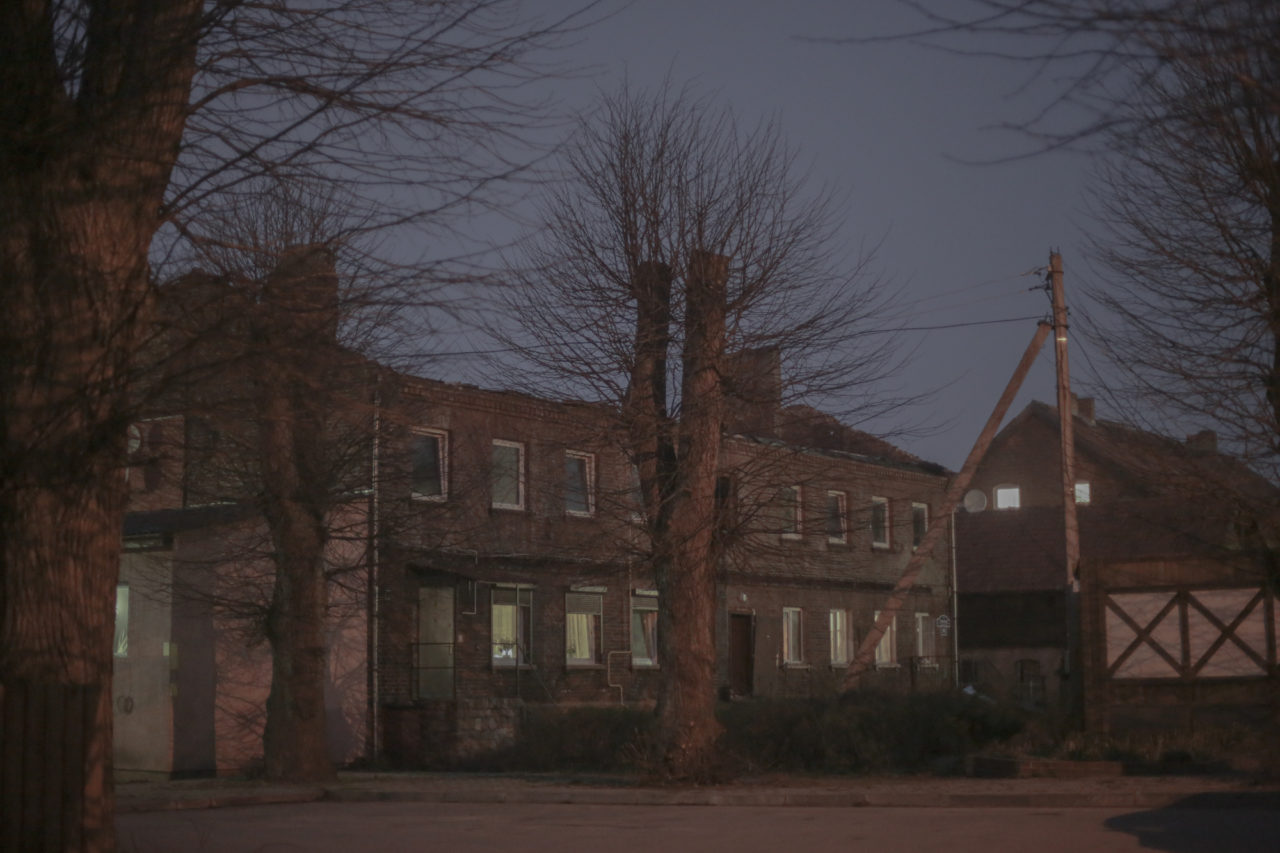 House Nina Vasilievna Photo: Anna Ivantsova for TD
Slowly joking from the sofa to the closet, Polina Andreevna takes out the box. There are medals in it. The order of the veteran of labor with the amber pebble is distinguished - issued by the plant. She looks at him and wonders why, having given so much strength to the “rise of the country”, it turned out that it was not necessary for anyone, in the old group of kindergarten.
“Look how to live here? I love cleanliness so much, but I couldn’t even wash this floor, ”Polina Andreevna stomps weakly on the floor and again poured with tears. - One of my son was killed. Left alone. They called me, but there the family is big, where am I there? I often need to write, they have a cat - I have an allergy. And here I have a husband in a cemetery, near ... "
Having calmed down, the grandmother concludes: “I think that the police in the collusion with the business. They want to make out all our homes. Yes, I would go even where, they would give normal housing. I have already suffered, this time I have no strength to fight. And I still want to live, baby. ”
The morning of the head
Sovetskaya Street stretches through the entire Scandinavian quarter and goes into a microdistrict with ordinary panel five -story buildings. Only its “old” part is of importance for tourism - German houses with tiled roofs, even two hundred years later, look pretty. The sidewalk is tiles, bushes and trees are neatly trimmed. Wherever you look - tents with souvenir amber.
To the promenade and the beach from Sovetskaya, three minutes on foot. Beautiful wooden stage with lanterns stretch along the shore two kilometers and half covered with sand. Locals, as they can, are mocking this fact. “They received money from the European Union, but there is no brains,” one of the locals comments. -It didn’t come to my head that the wind would be brought with sand. Russia, it is on the border of Russia! "
The mayor of amber Alexei Zalivatsky on Facebook five thousand friends. He leads his page, talking about what is happening in the village. And he even posts a video from a quadrocopter: recently, for example, they shot how the promenade brought up by sand (photographs and videos of this process on the page of the mayor has a lot, it seems, this is the main work of the administration). Zalivatsky posts pictures of the beach and vacationers. And on April 23, he published a joyful post that in 2018 the beach received confirmation of the appropriation of a blue flag. He also condemes the relatives of the drowned diver. It recommends that the ladies give amber eggs on March 8. Shares photographs of the process of salvation of a kitten from a tree. He boasts that in amber will there will be a championship in SAP surfing. It reports that they chose the contractors in advance to put the beach in order for the summer season, and they have already begun to work. It is worried that Telegram has not yet been blocked. Радуется красивым девушкам. А про сгоревший дом и людей, оставшихся без угла, мэр написал только два слова. Год назад, в день пожара, Заливацкий опубликовал несколько фотографий: сгоревшая кровля, пожарные машины и Нина Васильевна с собакой. «Утро главы» — написал мэр. Больше постов на эту тему на его странице я не нашла. В августе, спустя месяц после пожара, на странице Заливацкого появился пост сына Нины Васильевны Юрия. Он написал, что полиция отказала в возбуждении уголовного дела о поджоге их дома. Мэр не прокомментировал.
Администрация города находится в небольшом здании немецкой постройки вместе с отделом ЗАГСа. В 2016 году Алексей Заливатский, пытаясь решить финансовые проблемы муниципалитета, выставил его на продажу — под отель. Причем о торгах сообщил прямо на своей странице в Facebook. Продам, мол, дорого. Эта инициатива вызвала большой резонанс, прокуратура вынесла главе предостережение.
Сегодня Алексея Заливатского на месте нет, принимает его первый заместитель, Андрей Семиков — симпатичный молодой человек в белой рубашке. Восстановление кровли сгоревшего дома он держит на личном контроле и, говорит, очень переживает за судьбу жителей Советской, 30.
 Кусочек янтаря, который Нина Васильевна нашла, гуляя по пляжу Фото: Анна Иванцова для ТД
 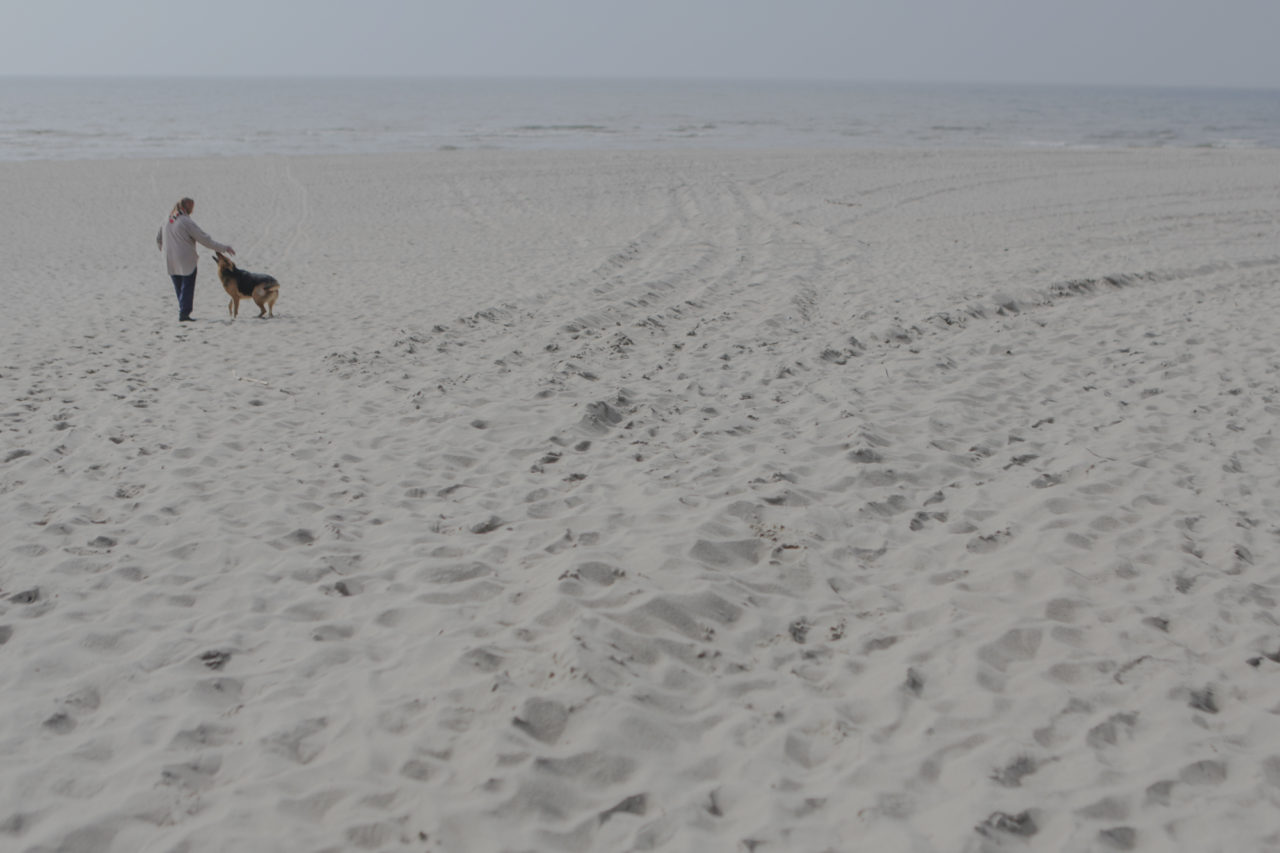 Нина Васильевна на берегу Балтийского моря Фото: Анна Иванцова для ТД
— После пожара администрацией было инициировано обследование дома, — устало, канцелярским языком, объясняет ситуацию чиновник. — Мы получили заключение, ввели ЧС, составили сметные расчеты и проектное решение. Отдали его в центр проектных экспертиз. Потом документы нам вернули, сославшись на градостроительный кодекс, и нам пришлось полностью делать проект реконструкции кровли. Мы за муниципальные средства разработали проект, отдали его на прохождение госэкспертизы. Время чуть-чуть затянулось, это не быстро. После этого мы отправили документы в правительство Калининградской области, они выделили 70% средств на реконструкцию, а мы тридцать — всего около трех миллионов рублей. Работы внесены в план-график, документы будут переданы в агентство по закупкам и торгам при правительстве области для проведения конкурсных процедур, ну, еще будет проверка документации…
— И все это время люди живут с дырявой крышей и заплесневелыми стенами.
— Мы предлагали им жилье.
— В нем невозможно жить.
- Yes, I understand. Но поверьте, нами выполнено все, мы не упускали нигде ни минуты, правда. Советскую, 30 я взял лично на свой контроль, все, по всем пунктам. Но, к сожалению, законы у нас такие, что все не быстро.
— Этот дом горел три раза, и есть еще на этой улице сгоревшие дома, вам это не кажется странным?
— Кажется, но правоохранительные органы работают над этим…
— Когда и если кровлю восстановят, кто будет делать ремонт в квартирах? Целый год по стенам течет вода, там грибок повсюду.
— Собственники.
Еще Андрей Семиков рассказал, что каждый пожар — сильный удар по бюджету, который невелик. Комбинат перечисляет большую часть средств в федеральный бюджет, Янтарному остаются небольшие поступления от НДФЛ и туризм, который развивают, как могут. Засыпанный песком променад, по словам мэра, будут реконструировать, сейчас направили в Евросоюз запрос на согласование работ — хотят поднять на полтора метра над пляжем.
— Это везде так. Зато у нас есть пляж и море, — подводит итог чиновник.
Человек ничего не стоит
Нина Васильевна живет неподалеку от спуска на променад. Но на море гулять не ходит, надо сливать дома ведра. Уговариваю ее выйти подышать морским воздухом.
Впереди семенит и оглядывается ее верный пес. А Нина Васильевна по привычке смотрит в песок — вдруг янтарь? Мелкие желтые камушки будто знают, кто может сделать из них бусы, и «бросаются» под ноги Нине Васильевне.
— Почему вы такие бедные, когда вокруг столько богатства?
Нина Васильевна долго смотрит в море, а потом говорит:
— Потому что отдельно взятый человек сейчас ничего не стоит. Как и вот этот отдельно взятый камушек янтаря. Мы больше пользы стране принести не можем, все, отработанный материал, в топку.
Напоследок мы заходим в Нине Васильевне на чай. Она зарывается в сервант и достает маленькую керамическую мисочку. «Сейчас покажу вам камушки, кое-что у меня осталось». Высыпает на диван содержимое: несколько янтарных замочков и горстка бусин: каленые (рыжие), естественные (белые) — всего штук шесть.
— Это все, что у вас осталось после того, как вы полжизни отработали на комбинате? — спрашиваю Нину Васильевну.
— Да, — отвечает бабушка и высыпает камни мне в ладошку. — На, возьми на память. Вот, красивый какой есть, с прожилками!
Я не могу забрать у нее последнее. Она смеется:
— Дочка, зачем они мне? Они мне ни туда, ни сюда, их не соберешь, не продашь. И новый дом на них не купишь.
Я говорила себе, что не привезу из Янтарного янтарь. Но привезла в Москву шесть самых дорогих на свете янтарных бусин.
The material uses links to publications of social networks Instagram and Facebook, as well as their names are mentioned. These web resources belong to Meta Platforms Inc. - It is recognized in Russia as an extremist organization and is prohibited.
The material uses links to publications of social networks Instagram and Facebook, as well as their names are mentioned. These web resources belong to Meta Platforms Inc. - It is recognized in Russia as an extremist organization and is prohibited.
Do you want us to send the best texts of “such cases” to you by e -mail? Subscribe to our weekly newsletter!
Калининградская область поселок Янтарный янтарь