
Translated material
Peskov urged to wait for the “substantive consequences” of Trump's instructions on “missile” sanctions against the Russian Federation: “It is hardly possible to argue perfectly”
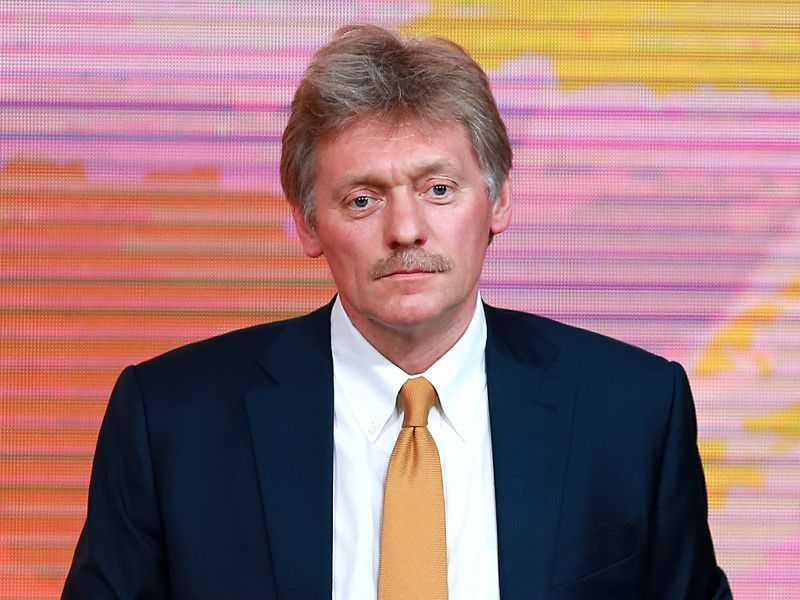
The Kremlin evaluates as an occasion for the introduction of new sanctions against the Russian Federation the order of US President Donald Trump to prepare a plan for introducing additional restrictions on Moscow due to the alleged violations of the provisions of the agreement on the liquidation of medium and lower-range missiles (INFMD). This was reported to reporters by the press secretary of the President of Russia Dmitry Peskov.
"We believe, of course. The Russian side has repeatedly stated that we do not accept any accusations that Russia can somehow violate the contract," he said on May 17, answering the question of whether they consider it in the Kremlin that Washington is looking for a reason for the introduction of new restrictive measures against the Russian Federation.
Peskov assured that "Russia clearly follows all the obligations that it took upon herself under this agreement, and intends to further fulfill these obligations, and in this case such instructions are amazed."
At the same time, he added that Moscow will wait for the consequences of the commission of President Trump before developing retaliatory measures. “Let us still wait for some substantive consequences of this assignment, it is hardly possible to talk about something perfectly about something,” said Peskov, noting that in Moscow “do not agree with the very formulation of the question” (quote for TASS).
According to him, constant threats of applying sanctions against Russia by the United States are regretted by Moscow. “Excessive enthusiasm for sanctions in Washington is well known and cannot but cause our regret,” the presidential spokesman added.
Earlier it became known that Donald Trump instructed the Secretary of State Mike Pompeo to prepare a plan for the introduction of additional sanctions against Russia in connection with the alleged violation of the INFMD.
The perpetual Treaty of the RSMD was signed by the United States and the Soviet Union in 1987 and included an agreement on the elimination of the missiles of the ground -based missiles of medium and lower range with a radius of action from 500 to 5.5 thousand km.
The United States accused Russia of violating the INFMD in July 2014 . Then Washington repeatedly repeated this statement. In December 2017, the State Department said that Washington would begin to take "economic and military measures" if Russia does not return to fulfill its obligations under the contract. Then the Politico Washington newspaper, referring to representatives of the Trump administration, said that the White House decided to impose sanctions against Russian companies and organizations that provided technological assistance in the development of cruise missiles prohibited by the contract.
Moscow has repeatedly expressed a categorical disagreement with these accusations, noting that there are no specifics in the statements of the American side. Russia puts forward oncoming claims for the implementation of the INFMD. In particular, President Vladimir Putin, during the last year’s December press conference, said : “We did not go out of contracts for the pro, the United States has been unilaterally. Now we hear talk about problems under an agreement on medium and smaller missiles. Apparently, information and propaganda work is being carried out for the possible exit of this agreement. Moreover, they have already left.”
“If it goes on, then there is nothing good. We ourselves are not going to go anywhere from nowhere,” the Russian leader assured.