
Translated material
Orion turned out to be a general from the GRU
Bellingcat experts established the identity of the Russian military involved in the confusion of Boeing MH17 over Donetsk. It turned out to be ex-Minister of Defense of South Ossetia, General Oleg Ivannikov
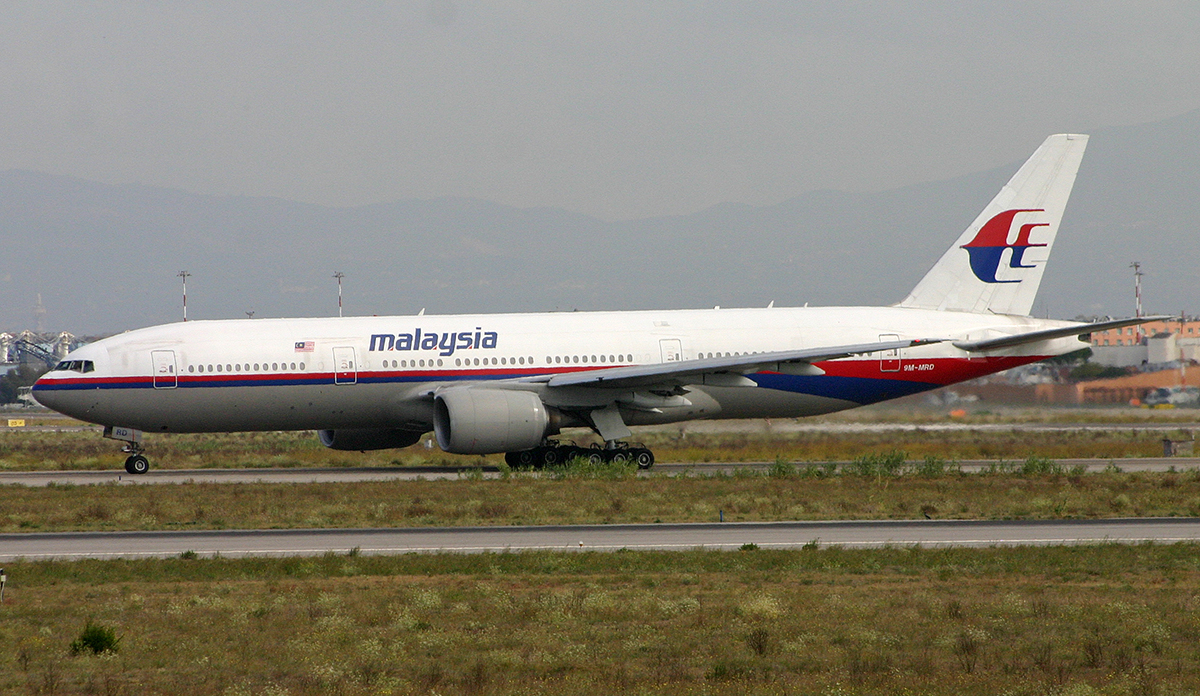
Photo: Commons.wikimedia.org
Bellingcat, The Insider and the McClatchy Washington Bureau convincingly installed another person involved in knocking down flight 17 “Malaysian Airlines” (MH17), a group of investigators at a press conference and publication on the Bellingcat website said on Friday. According to them, a person known as Andrei Ivanovich and under the call sign “Orion” is actually a senior Russian officer GRU Oleg Vladimirovich Ivannikov.
The New Times publishes the main conclusions and some excerpts from this report.
The main conclusions
In the course of the investigation on open sources conducted under the leadership of the BellingCat team, it was convinced that the person, known as Andrei Ivanovich or Orion, whose person is interested in the joint investigation group in connection with the criminal investigation of the MH17, is Russian citizen Oleg Vladimirovich Ivannikov: April 2, 1967).
The Bellingcat team with high confidence found that at the time of the MH17 confusion, Oleg Ivannikov served in the Main Directorate of the General Staff of the Armed Forces of Russia (GRU) and continued to serve there at least until September 2017
The Bellingcat team also established with high confidence that Oleg Ivannikov (under the pseudonym “Andrei Ivanovich Laptev”), as part of the secret operation of the Russian special services, first served as the chairman of the Security Council (2004-2006), and then the Minister of Defense and Emergencies (2006-2008) of the self -consolidated Republic of South Ossetia.
Ivannikov was sent to Ukraine in the first half of 2014 and was there at least until the beginning of 2015. In the course of work in the “LPR”, undercover, he coordinated and general leadership of the actions of Russian militants, pro -Russian separatists and the “private army” Wagner
The team of investigators led by BellingCat based on mainly data from open sources reconstructed the biography of Oleg Ivannikova. As described in detail in the biographical certificate below, Ivannikov was born in East Germany in the family of the Soviet general-master, studied at the Military Academy in Kyiv and graduated from the Aircosmic Department of the Moscow Aviation Institute in 1990. In the unidentified time between the release and 2003, Ivannikov began to serve in the GRU.
During work under cover in South Ossetia from 2004 to 2008. Ivannikov led the troops of the separatist region during the period when Russia and Georgia were competing for its reintegration. During the service of Ivannikov, an escalation of the conflict between South Ossetia and Georgia was observed. Russian mercenaries, together with the South Ossetian militias, attacked Georgian peacekeeping forces and even shot down the Georgian intelligence drone.
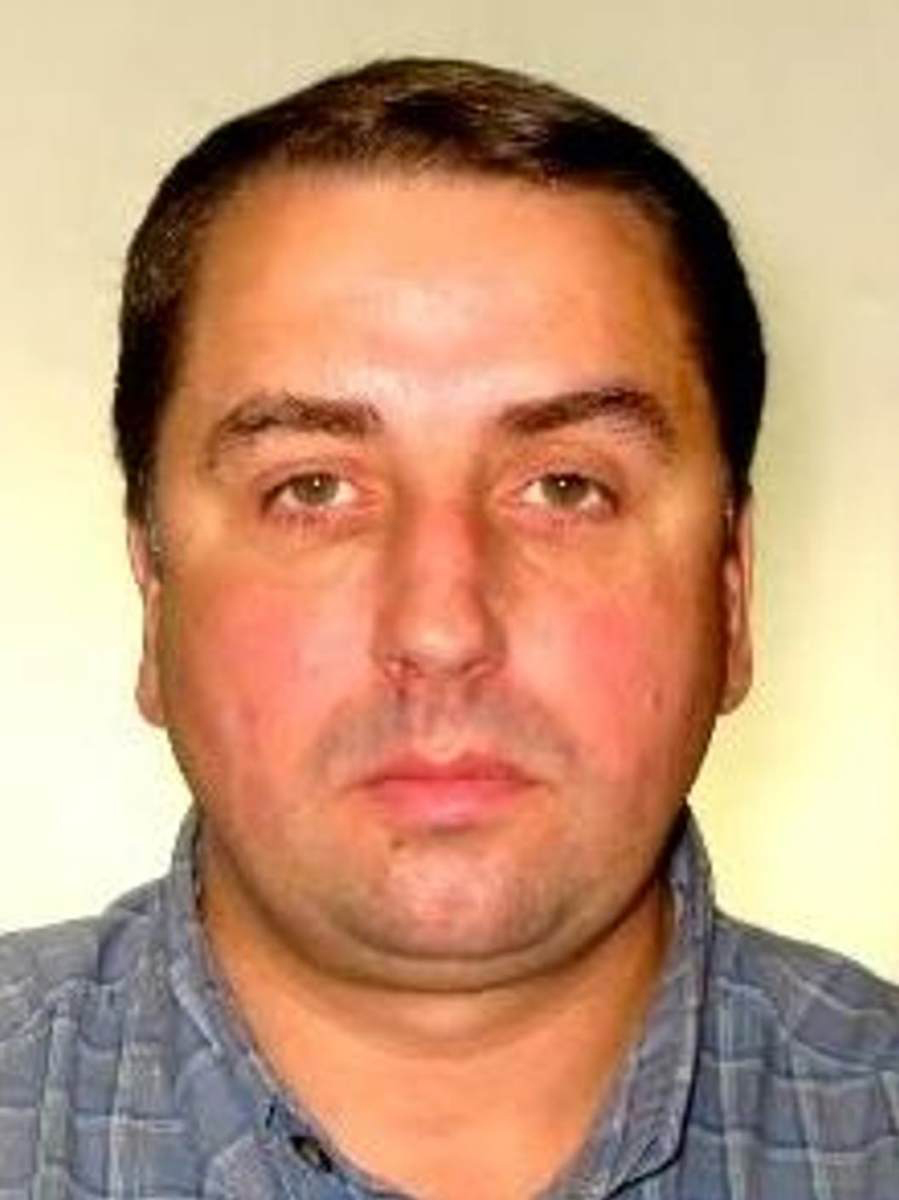
from 2012
Photo: ru.bellingcat.com
After leaving the Minister’s post in 2008, Ivannikov began to write a candidate dissertation in Russia entitled “The Comprehensive nature of the information war in the Caucasus”. Since 2012, Ivannikov served (under the present name, as a “military expert”) the director of the Russian Caucasus research center of the State International Institute of the latest states. In this capacity, he published more than twenty articles, mainly about the war in Syria and the Georgian-Yugooseta conflict. At the same time, he continued to play a limited role in the political life of South Ossetia through his alter Ego, in particular, having founded the Research Institute in South Ossetia and once publicly supporting the presidential candidate. Ivannikov continued to publish articles as the director of the Russia-Caucasus Center until the end of 2013.
The team of investigators also established with high confidence that Oleg Ivannikov was a man who wore the pseudonym “Andrei Ivanovich” and, according to various reports of Russian militants and separatists who fought for the so -called “Lugansk People’s Republic” (“LPR”), was a military adviser and the actual curator of the political leadership of the “LPR” in 2014. Ivannikov was sent to Ukraine at the unidentified time in the first half of 2014 and was there at least until the beginning of 2015. In the course of work in the “LPR” under the guise, he coordinated and general leadership of the actions of Russian militants, pro -Russian separatists and the “private army” of Wagner. Ivannikov also led the supply of weapons across the Russian-Ukrainian border. He performed these functions at the time of confusion MH17.
Although the SSG has already published evidence that the missile, which was shot down by MH17, was of Russian origin, it was in this investigation that the direct or indirect participation of the current high -ranking Russian military who worked in Ukraine was first established in the confusion of the liner.
Interceptions of the SBU
On July 18, 2014, the day after the MH17 of the MH17 on the East of Ukraine, the Security Service of Ukraine (SBU) published telephone conversations, it was reported, related to the crime, which led to the death of all 298 people on board the aircraft. One of the conversations dated July 14, 2014 (three days before the liner’s shot down) was reported between the former “Deputy Minister of Defense of the LPR” by Oleg Bugrov and the man called “Andrei Ivanovich” (callsign “Oreon”). According to the description of the SBU, “Oreon” is a Russian citizen and an GRU officer. During this conversation, the “Oreon” boasts that “we” had “beech” from which we can knock down Ukrainian planes.
<...>
The same person (Andrei Ivanovich with the call sign “Orion” (“Oreon”) was again mentioned on September 28, 2016, when the head of the joint investigative group (SSG), which is engaged in a criminal investigation of the MH17 shot down, published other telephone conversations and calls for witnesses. “Orion” and “Nikolai Fedorovich” with the call sign “Dolphin”.
Two recordings of telephone negotiations from the published SSG contained the conversations of Andrei Ivanovich "Orion" and Nikolai Fedorovich "Dolphin". Orion also appeared in another interception, where he talks with a third party. Dolphin, in turn, appears in two other conversations, also talking with another face. In our material about Dolphin, we noted that Orion calls the “dolphin” to “you”, while “Dolphin” calls “Orion” to “you”, which indicates that “Orion” is below the rank and/or younger than the “dolphin”.
As indicated in our investigation about Dolphin, it is impossible to accurately establish the role of Andrei Ivanovich “Orion” and Nikolai Fedorovich “Dolphin” in the MH17 shot down exclusively on the recordings of telephone conversations published by SSG in their call for witnesses. Although Orion and Dolphin, apparently, are discussing the crane and trailers, as well as the return of some military equipment to Russia, not one of them directly mentions the “beech”. In addition, the SSG did not indicate the date and time of intercepted negotiations. However, given that the SSG asked to share the information about these two persons who took part in the five conversations mentioned, and in the calls published by the SBU, Orion mentions “Buk” in the context of the knocking out of Ukrainian military aircraft just a few days before the death of the MH17, it is likely that “Orion” played the role at least in the transportation of the “BU) installation, which has shot down” Passenger liner.
The third conversation of Orion with another person is probably directly related to the MH17 knocking down, since the route and the column described in the conversation correspond to the route and the Buka column on the day of the tragedy.
Andrei Ivanovich while working in Lugansk maintained close contact with Moscow and even sent recommendations on political appointments to the adviser to Putin Vladislav Surkov
New Gazeta reported on July 13, 2015, based on an interview with former separatist sources that Orion was a military adviser to the LPR command and an officer from the Russian Ministry of Defense. This information is confirmed by the sources familiar with the situation in Lugansk in 2014-2015, in particular the posts on the blog of the former participant in the combat operations by the separatists, which states that the “Andrei Ivanovich” was sent to the “LPR” as an adviser from Russia, and that he worked with the then “Minister of Defense of the LPR” Igor Plotnitsky in the building of the military commissariat. According to this post, Andrei Ivanovich while working in Lugansk maintained close contact with Moscow and even sent recommendations on political appointments to Putin's adviser Vladislav Surkov. This military adviser, who, according to the mentioned post, bore the name “Andrei Ivanovich”, had two more features characteristic of the “Andrei Ivanovich” from intercepted telephone conversations: a characteristic high voice and experience in military intelligence.
In an interview with the Prochremevsky news site of Ridus on May 15, 2018, the former commander of the battalion of Russian-segraph fighters of the LPR Eustathius Botvinyev said that his actual commander was a certain “Andrei Ivanovich”, which was in the “LPR” in the summer of 2014. Botviniev also stated that Andrei Ivanovich was the direct curator of the then Minister of Defense of LPR Igor Plotnitsky, as well as Dmitry Utkin, who commanded the Russian private army, known as the Wagner PMC. Botviniev told Ridus that Andrei Ivanovich was from certain “public structures” in Russia, which provided financing, training and protection of the Wagner’s private army, which took part both in the Russian-Ukrainian military conflict and in the Syrian war.
Orion identification
In the originally published interception of the phone call dated July 14, 2014, the SBU indicated the phone number that the Orion used: +380634119133. The Ukrainian mobile phone number observed in the Video SBU was disconnected shortly after the publication of wiretaps.
The Bellingcat team studied many different databases of the phone numbers, trying to install this number. As a result, the phone was found in two applications for the exchange of phone numbers popular among Russian -speaking users. One of these applications was TrueCaller.
As can be seen in the screenshot from TrueCaller, the owner of the telephone number is described as “Oreon” - just like his call sign in the source video of the SBU. This spelling is somewhat different from the spelling of Orion, which was used in the subsequent publications of the SSG.
The operator of this mobile number, Life, as of 2014, sold anonymous SIM cards in the east of Ukraine. Therefore, the Bellingcat team suggested that it was unlikely to be registered for a real person to be identified.
At the beginning of 2018, working with several investigators on a joint project that is not related to this investigation, Bellingcat through a journalist working in Ukraine gained access to mobile traffic data for the Ukrainian number that appears under the Noreon name. In total, it was possible to find four Russian mobile numbers from which calls were sent or accepted from the Ukrainian number belonging to the “Ore”. Further, the Bellingcat investigation focused on these Russian numbers.
All four numbers were checked by various open databases of telephone numbers. Two numbers were found in applications for the exchange of phone numbers, and one of them - in two such applications at once. The Bellingcat team found the latter of particular interest.
In one of the applications, this number appeared under the name "Andrei Ivanovich GRU from the Husky." In another application, the same number is displayed under the name "Ivannikov".
The Russian phone number, which was called Oreon, is displayed in applications for the exchange of contacts as “Andrei Ivanovich GRU from the Husky” and “Ivannikov”.
Thus, the Bellingcat team pre -confirmed that a person with the call sign “Orion” is really known as “Andrei Ivanovich” and, possibly, is connected with the GRU. But more importantly, the team of investigators learned that he could be known under the name "Ivannikov". The commentary “From the Husky” next to the name in the first application suggests that the number was received on behalf of the person or organization known as “Husky”. We established a unit of special operations "DPR", which uses the call sign "Husky".
The online database indicated the full name of the owner of the telephone number (“Oleg Vladimirovich Ivannikov”), as well as his full Moscow address and date of birth. The house at this address is located opposite the Military Academy of the General Staff and is included in the residential complex of the Institute of Military Intelligence
After this opening, the team of investigators began to look in open sources other data on the Russian phone number related to the name "Ivannikov". The Bellingcat team managed to find this number in two databases: in an open Russian online base of phones and in a no longer working online store with an open database of customers and orders.
The online database indicated the full name of the owner of the telephone number (“Oleg Vladimirovich Ivannikov”), as well as its full Moscow address and date of birth (04/02/1967). The Bellingcat team found that the house at this address is located opposite the Military Academy of the General Staff and is included in the residential complex of the Military Intelligence Institute. A photo of a residential building found on a page in the social network of a relative of Oleg Ivannikova, who lives at the same address, was geolocated at the address indicated in the database of telephone numbers.
In order to finally confirm that the Russian citizen Oleg Vladimirovich Ivannikov (date of birth: April 2, 1967) is a person of interest to the SSG, known as Andrei Ivanovich or Orion, the investigators' team needed to get a sample of Ivannikov’s voice to compare it with samples published by SSG.
Attempts to call the Russian number Ivannikov did not bring success: the subscriber was constantly inaccessible.
The Bellingcat team, trying to contact Ivannikov on a different channel, found a stationary phone number registered for a relative of Ivannikova, who (according to the Russian open database) lives at the same address where Oleg Ivannikov is registered.
Journalists The Insider called a stationary phone twice to talk with Ivannikov. The first time the pipe was raised by a relative of Ivannikov, who said that he was not at home, and offered to call later on the same day. During the second call, Ivannikov was at home, but refused to speak. When his relative asked Ivannikov whether it was convenient for him to say, Ivannikov shouted from afar, “It’s inconvenient to answer me!” Although the resulting sample of Ivannikov’s voice was very similar to samples from the SSG, this sample was too short to conduct an examination and confirm the identity of the speaker.
After many months of monitoring the telephone number of Ivannikov in various messengers, in March the Bellingcat team noticed that the contact was online and again tried to call the same number. The call was made under the pretext of the need to contact another Oleg Vladimirovich Ivannikov, relatively well -known head of the NPO, who regularly appears in the media (see below in this investigation). When the call was accepted, our investigator asked if he said to Oleg Ivannikov. The person who answered the call answered "I am listening to you." Then the Bellingcat team asked the answering person if he was Oleg Vladimirovich Ivannikov, the head of the NPO. Ivannikov replied "No, but I hope to someday become them."
Although both audio -fragments are not enough for the computed examination of audio, the linguistic and acoustic comparison of the voices convincingly proves that these voices belong to the same person: in both samples there is a high tone of voice and intonation, extremely rare among male votes.
Based on the collected data, including complementary records in various open databases, registration records and voice data received during the investigation, the BellingCat team and the investigation partners with very high confidence conclude that Oleg Vladimirovich Ivannikov (Date of birth: April 2, 1967) - exactly the person, whose interest was expressed by the SSG in the personality Call to witnesses on September 28, 2016.
Resume
The team of investigators, led by BellingCat, concluded with a very high probability that a person known as Andrei Ivanovich, whom the SSG calls “Orion” and whose personality SSG asked to establish in a call for witnesses on September 28, 2016, is Oleg Vladimirovich Ivannikov, a citizen of Russia, the date of birth - the date of April 2, 1967
Identification was possible thanks to several coincidences, which together clearly indicate that Oleg Ivannikov and Andrei Ivanovich, whom the SSG and the SBU is called "Orion", is the same person. This is evidenced by the following:
- A phone call from the Ukrainian mobile phone, which was used in Ukraine, Andrei Ivanovich "Orion", to the Russian number registered with Oleg Ivannikova.
- Олег Иванников был или является офицером с военно-авиационным образованием и специализацией на ракетных системах.
- В 2017 году Олег Иванников указал адрес, определенный как штаб-квартира ГРУ в Москве. Андрея Ивановича «Ориона» бывшие сепаратисты называли офицером Минобороны, а СБУ — офицером ГРУ.
- Особенности речи, особенно характерная высота голоса, Андрея Ивановича «Ориона» и Олега Иванникова очень похожи друг на друга. Это нетривиальное совпадение, поскольку голос Иванникова очень необычен для мужчины.
Кроме того, команда Bellingcat и партнеры с высокой уверенностью установили, что Олег Иванников работал под прикрытием и в другом месте: в 2006-2008 гг он служил министром обороны самопровозглашенной республики Южная Осетия под псевдонимом «Андрей Иванович Лаптев». Расследователям удалось установить этот факт на основе косвенных доказательств, в том числе содержания научных и журналистских работ Иванникова, связи Иванникова и «Лаптева» с одними и теми же научными/некоммерческими организациями, совпадения имени и отчества псевдонимов «Ориона» и «Лаптева» и, что немаловажно, сообщений о сходстве их голосов.
Минобороны России направляло Иванникова как высокопоставленного офицера ГРУ военным советником и фактическим командиром в группы сепаратистов за рубежом, руководимых Россией
Тот факт, что Иванников — это «Лаптев», представляет собой последовательное и логичное объяснение роли Иванникова в двух различных военных конфликтах в российском «ближнем зарубежье» — в Грузии и в Украине. Российские СМИ ранее сообщали на основе интервью с пророссийскими сепаратистами, что Андрей Иванович «Орион» служил «советником военного командования ЛНР» и «является или был офицером Минобороны России». Эта роль крайне напоминает роль «Лаптева» в Южной Осетии. Таким образом весьма правдоподобна версия, что Минобороны России направляло Иванникова как высокопоставленного офицера ГРУ военным советником и фактическим командиром в группы сепаратистов за рубежом, руководимых Россией.
Результаты этого расследования позволяют по-новому взглянуть на использование Россией агентов ГРУ в специальных операциях в соседних странах. Кроме того, таким образом, скорее всего впервые установлена (в зависимости от того, обнародует ли ССГ фактическую роль Иванникова в цепочке событий, приведших к гибели MH17) прямая связь действующего высокопоставленного российского офицера, работавшего в Украине, с уничтожением пассажирского самолета.