
Translated material
Writers outside of literature
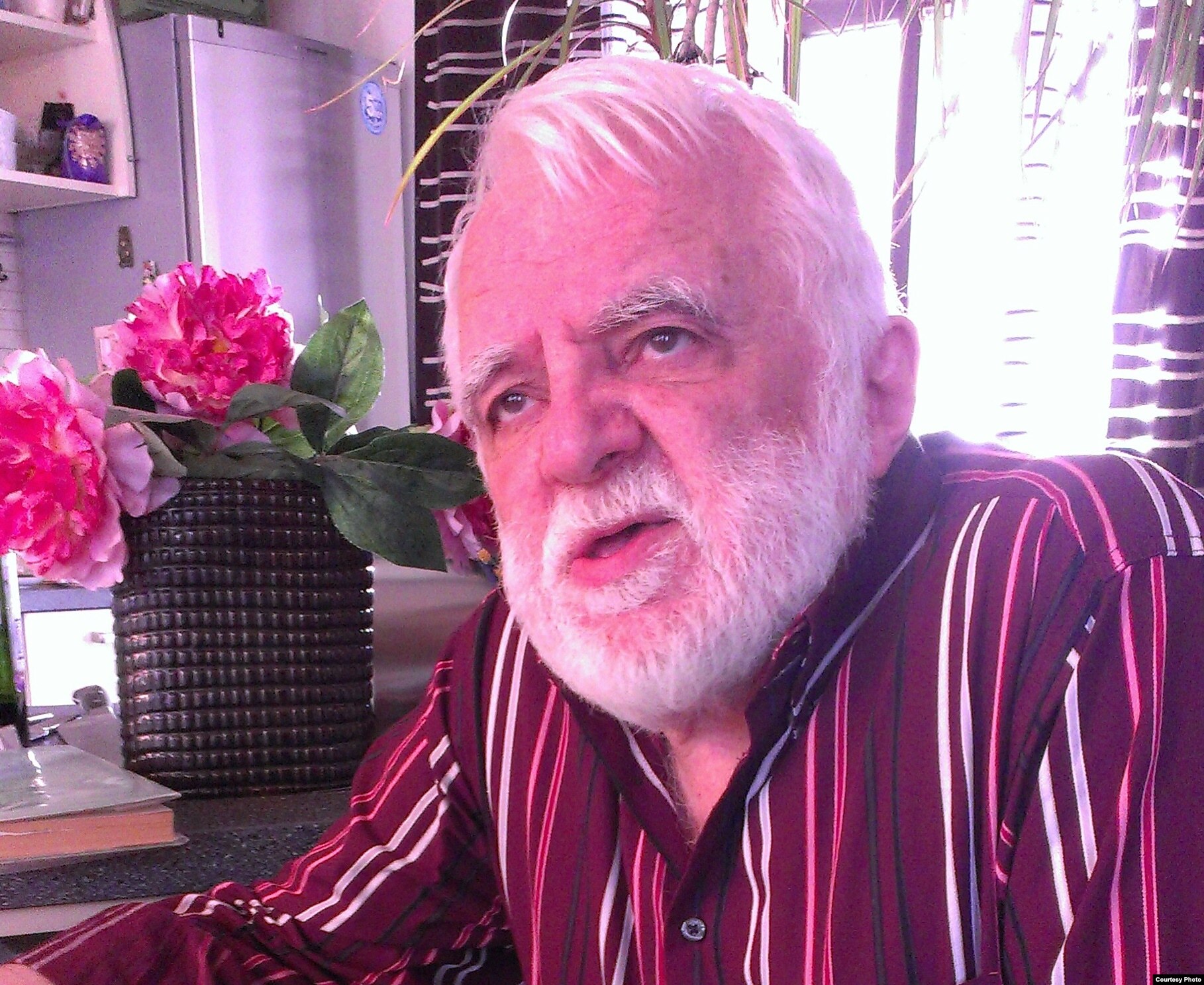
To the 80th anniversary of the literary critic Alexander Parnis.
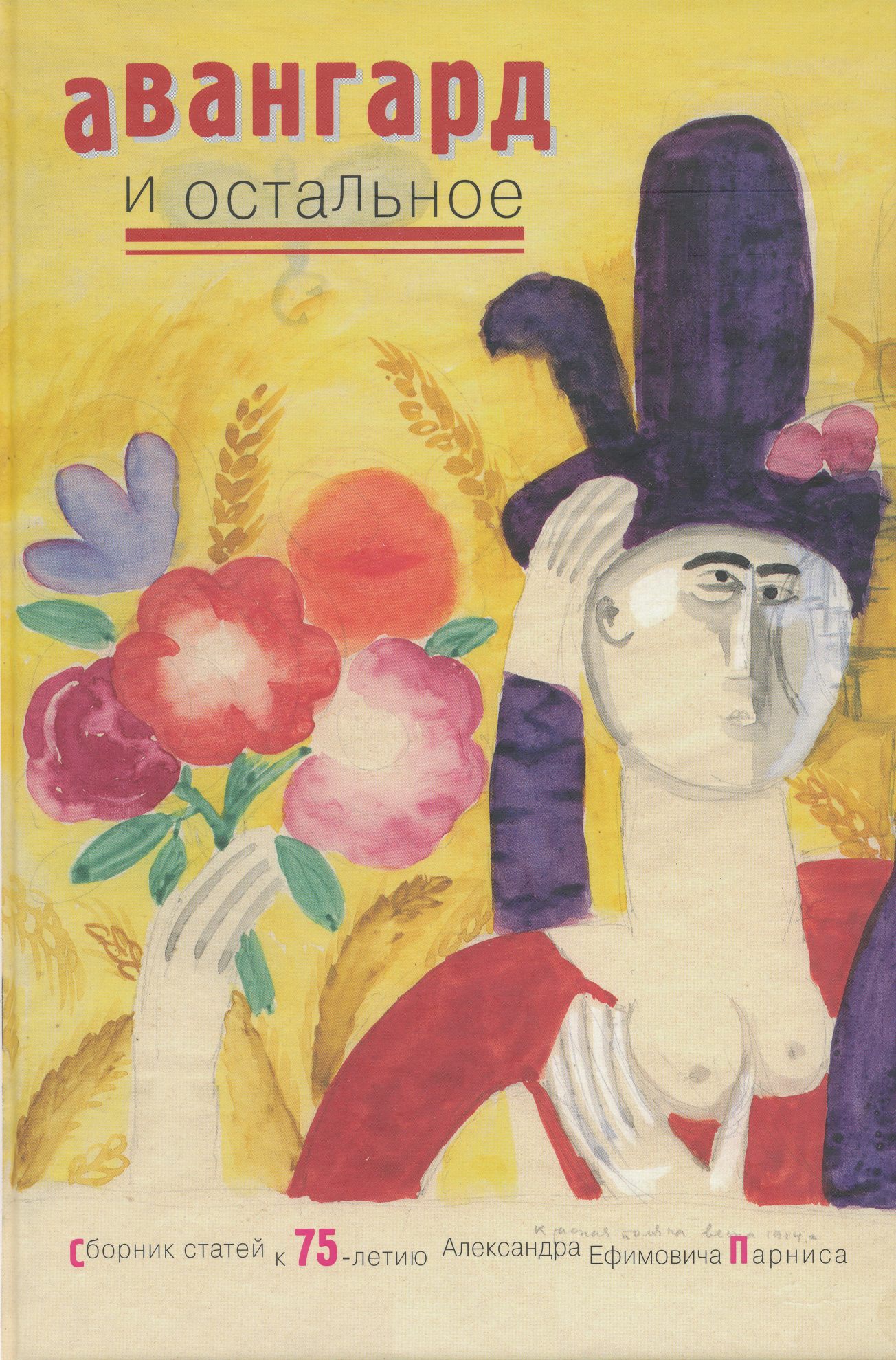
Ivan Tolstoy: Our listeners may know that literary critic Alexander Efimovich Parnis has performed many times in our programs. We celebrated his 70th anniversary and 75th anniversary, and now-a new glorious anniversary. But before we move on to a conversation with Parnis, Khlebnikov and Mandelstamothe, a few words about Alexander Efimovich from the collection of articles, published five years ago in the Moscow Publishing House "Three Squares" and called "Vanguard and the rest". Welcoming Parnis in his Ommage, Vadim Skuratovsky in 2001 wrote about the very young Parnis (early 1960s), who only started to study the work of his heroes:
“It was then that the first partisans appeared humiliated, or even completely disappeared by memory. First of all, literary. The recent Kiev schoolboy Sasha Parnis, long before his transformation into the venerable Alexander Efimovich Parnis, stopped his Polodeutsk pupil on what seemed to be not. He saw something that was not visible.
(...)
Well, for me it will remain a mystery, why and why that Kiev schoolboy, without abbreviation, decisively, with a striking biographical sequence, took over the work of the tickling of the forgotten. Labor in those conditions is both hard and ungrateful, and sometimes dangerous.
Maybe the young Parnis pushed his "learning" surname for this work? In the ancient, in its imagery of the Babel "Konarmia" there is also such a metaphor: "The brain that has entered into the fight against oblivion" ...
It is as obvious to me that in his “struggle against oblivion” Parnis, still a debutant, chose the most difficult, most mysterious figure of the Russian avant -garde, and maybe all world literature: Khlebnikov.
Parnis, still a debutant, chose the most difficult, most mysterious figure of the Russian avant -garde
One of the most touching - and the most painful - in that literature of poems:
I dreamed: Khlebnikov came to the Union of Poets,
The Prophet, who appeared in the Temple on the Trading ...
I guessed the truth by telling myself,
He was solemnly helpless and straight.
These are the Aseev lines that appeared in February 1962, exactly before the first of the Khrushchev pogrom of his trim. They say that now, after the publication of those lines, Roman Jacobson repelled their author an enthusiastic telegram. But all the local instruments of the close "ideological campaign" have already been made = prepared.
And it was then that A.E. Pancheis "dreamed" Khlebnikov.
And yet-why is Khlebnikov, and not another, more affordable poet of Russian literary Atlantis, whose outlines are difficult, but finally began to appear at that time?
(...)
It began - not so much textual as the textual epic of Alexander Efimovich, which lasted decades. And, it seems, still ongoing. Thousands and thousands of conflicts around these searches. "
Now our sound quote from the 2008 program, that is, ten years ago. Alexander Efimovich - about himself.
Alexander Parnis: My roots from Ukraine, I was born in a small place of Dunaevtsy, now little -known. Although for some reason it is written in the passport that the place of birth is Vinnitsa. My father worked as a math teacher at school, and when I was not yet a year, he persuaded my mother to move to Vinnitsa. This confusion occurs not only with me, it happened with the great Russian poet Khlebnikov. At first, everywhere, in all biographies, they wrote that he was born in Tundutovo, and when I went to Kalmykia in 1971, I found that Khlebnikov was not born in Tundovo, but was born in a neighboring village, which is now called small derbets. This is how it happens in life.
Ivan Tolstoy: What did your parents give you, what did you teach you, how did you try to instruct you on the right path?
Alexander Parnis: They did not really listen to me. I was three years before the start of the war, and I, unfortunately, do not remember myself at the age of three. But later, his father was called to the front, he fought in Stalingrad, and my mother and I were evacuated to the North Caucasus. I spent my childhood there, and there we met Victory Day. I remember watching the film "at six in the evening after the war." There I didn’t even go to school. Then, immediately after the war, we returned to Ukraine, and for some reason through Moscow. They stuck in Moscow, and here I went to first grade. We found relatives here, lived with them somewhere in the Baumanskaya in the basement, and I was sent to school there so as not to be late.
Ivan Tolstoy: But did you not stay long in Moscow?
Alexander Parnis: We are not stuck. Just a couple of months later, my father went to Kyiv to look for a place of work and found. I went to school, in my opinion, the 77th school was, then it became evening. But since we did not have housing in Kyiv, we could not live there. We went to my mother’s sister in the city of Uzin. Then it was a village, and now it has become a famous city thanks to the astronaut Popovich, who is also from the ultrasound. And I studied there until the 5th grade.
Ivan Tolstoy: And then - to Kiev?
Alexander Parnis: Then he moved to Kiev. Father was able, with all sorts of difficulties, by truth and by crook, to buy a small outbuilding in the courtyard of a house, terrible, such as Sarai, and there we spent five years of life.
Ivan Tolstoy: Father continued to be a teacher of mathematics?
Alexander Parnis: Father was a teacher of mathematics until the end of his life. This is his credo and his cross.
Ivan Tolstoy: In order to engage in the history of literature and become a philologist, something like this was to happen in life and you had to somehow form. Please tell us about this occurrence of interest in literature, in books, in writing.
Alexander Parnis: It was apparently in the last grades of the school. I had an interest in poetry, I began to collect poetry, which I still understood little about then, but already actively collecting the outgoing collections. It was immediately after school, in 1955–56. I began to collect some kind of library for myself, but basics were mainly. I met the scribes, and these are the most wonderful people, I still really love such a layer of the reading public. And these people always know a lot, something that almost no one knows. Therefore, almost every day about one of the Bukinistic stores of Kyiv on Korolenko Street, near the bookstore of the Lithuanian Fund, we always met. And my interest, my acquaintances with people are much older than me, real professional scribes ... I then knew what unofficial literature is. And then I already had some kind of interest, first of all, to the Bukinistic literature. And I have collected over the years a fairly decent library of Russian poetry of the beginning of the century. Although in Kyiv there were few people gathered this. This is now fashionable, and then I knew several good professionals and understood what I needed to collect. In 1960, a small volume of Khlebnikov was released, and from this my epic began, a serious introduction into this element of Russian book.
Ivan Tolstoy: Today, in 2018, we will talk with the anniversary about the non-literary hobbies of his heroes.
Alexander Parnis: I am not a theatrical person, I almost never go to the theater, and it had to happen that I was asked in the Astrakhan to advise a performance dedicated to Khlebnikov, “My Love”. Astrakhan fellow countrymen decided to put a performance based on the materials of Khlebnikov’s biography, about his lovers. Which is insanely difficult and difficult. I only have one essay about the artist Sinyakova, in which Khlebnikov was in love. I am terribly afraid of this topic, I am a documentary, as you know, and it is difficult for me to write and speak on all these topics, I do not know how to write about love, this is not mine. But it so happened that I was asked to be a consultant to this performance, they said that he would be completely built on the documents, nothing from himself, will be completely dedicated to the addressees of Khlebnikov’s love lyrics. Khlebnikov quite often fell in love, but these were unrequited love. I know one or two addressees of his lyrics who reciprocated him. Therefore, I took the work of advising them and tell them what I know about women in whom Khlebnikov was in love. I personally knew several of them, so I could tell and explain something to actresses who took the work of playing the role of the poet's beloved.
The Don Juan list of Khlebnikov is small. I managed to find the Kharkov heroine of his poems, the beginning of the poetess and actress Ekaterina Neumer. There was also a famous beauty, about whom Lifshitz writes in her book “One and a half -eyed Sagittarius”, Ksenia Boguslavskaya, several verses of Khlebnikov are dedicated to her. There was Nadezhda Nikolaev, who called herself the "bride of Khlebnikov." Vera Budberg, one of the famous sisters of the Sinyakovs and artist Julia Samorodova. And there was a woman in whom he was not in love, the famous translator of Kafka and Vonnegut Rita Wright Kovaleva. She met Khlebnikov in her youth and wrote a memoir.
The performance was November 9, 2017 in the Youth Theater, staged by the chief director of the Youth Theater Sergei Taraskin, along with his young actresses. And the performer of the role of Vera Khlebnikova was an unprofessional actress - this is the director of the Museum Khlebnikova Olya Kuzovleva. Oddly enough, the performance turned out.
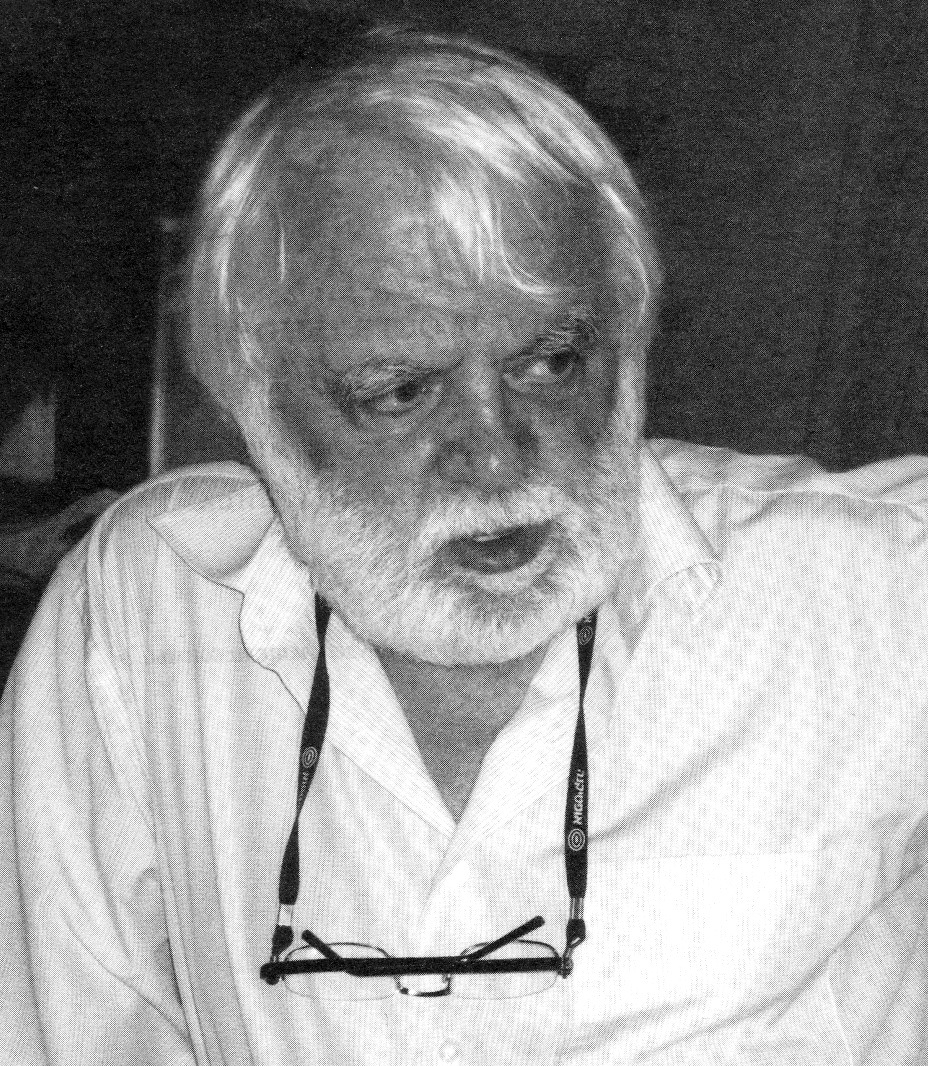
But when I was doing this, I did not know about another addressee of the Khlebnikovsky love lyrics. Now we are preparing the second volume of the Khardzhievsky archive. He himself closed his entire archive for 25 years, next year the term ends and we will completely get access, but I got earlier, since I was related to the return of this archive to Moscow. There was a diary of Khlebnikov, where I first read five or six notes that shocked me. A woman is mentioned, about whom I did not know anything. I feverishly began to look for some traces of her in Khlebnikov’s lyrics, but I found nothing. This is one of his last loves, a certain Marfusha, about which nothing was known, even her name was nowhere. He had five notes related to Marfusha:
September 20, 1920. "He arrived in Baku because of Marfushi."
September 28, 1920. "I met a birthday with Marfusha in Baku."
February 7, 1921. "The day of escape with Marfusha from the Kaisatsky village (he even indicates where she comes from)."
And the next phrase, amazing: "Marry!"
And nothing is known about this woman! I began to look in panic. I have a Kharkov list of his acquaintances - there are no traces of Marfushi. Finally, among Khlebnikov’s acquaintances, one Marfusha appeared in Astrakhan, and I suggested that they could be familiar. Khlebnikov had some attitude to the discovery of the Picture Gallery in Astrakhan, whose wife was called Marfusha. She was much younger than her husband, maybe we are talking about her? I wrote to the museum employees. Dogadin handed over his entire famous collection to the city, now it formed the basis of the Astrakhan Picture Gallery, and a year after the opening died. And she was considered an archive employee. Nothing is known about her, but it turned out that she could not be in Baku, she did not leave Astrakhan and, apparently, died in the 20s.
But then I remembered that I corresponded with some lady from the Kaisat village, I found my letters to her, and it turned out that I did not correspond with her, but with her daughter, because she was illiterate, so I did not remember her name. It was thirty years ago. I raised these letters and realized that it was about this amazing woman, this is an illiterate peasant woman, she was mentioned by Khlebnikov’s mother unexpectedly in the memoirs, which I printed several years ago. She was the wife of a sailor, the beginning of the Baku poet, who was friends with Khlebnikov, was published in the same Baku editions, but in the 30s he died, not having time to write any memoirs. I found his family, corresponded with my daughter, and it turned out that my mother did not say a word to me about her close relationship with Khlebnikov, which his notes were talking about. But what the poet’s mother wrote in the memoirs in 1928:
my mother did not say a word to me about her close relationship with Khlebnikov
“We were told by one sailor about Viti’s life in Baku before a trip to Persia. Vitya had a lot of manuscripts, they simply lay on the floor in the corner. Vitya, when he talked, pushed the toe of the boot into this paper mountain, saying:“ There are a lot of valuable things. ”The wife of one sailor, in origin - a peasant, but with a natural mind and mental sensitivity, said To her husband: "Viktor Vladimirovich at first glance seems a strange person, you won’t break anything, he is as if born to be a tall person, king or so high above others."
This is what phrase the poet’s mother remembered. But it is surprising that in 1921 this Alexander Loskutov, together with his wife from Baku, went to their homeland, to the village of Kaisatskaya, through Astrakhan, and Khlebnikov gave them a letter (this was written to me by a daughter from the words of his mother) to his parents. He went to his parents, met them, but she did not dare to go in by virtue of her modesty, waited for him on the street and did not meet them. But her phrase about Khlebnikov, Alexander Loskutov, retold the poet's parents. But I was most amazed at her modesty that when I corresponded with her, she did not say a word about her novel with the poet. Apparently, he offered her to marry him, although she was the wife of his acquaintance.
He arrived in Baku because of Marfushi and met his birthday with Marfusha in Baku. Here is such an amazing love in an illiterate peasant woman who left a mark in the life of the poet. But, unfortunately, it is still not clear to me whether these relations in Khlebnikov’s poetry were reflected, I have not yet discovered traces. It cannot be that he does not devote a single text to her. But this is a matter of the future.
Unfortunately, I do not have her portrait. Her relatives stopped responding to my letters back in the 70s, and now my attempts with their descendants to establish a connection (they live in Samara) do not lead to anything, they do not answer letters, although I know that they are alive.
Ivan Tolstoy: There is the concept of literary life. And if you expand it a little and talk about a certain cultural life, about the hobbies of Veliir Khlebnikov? Tell me how he was a man, what fascinated him, did he love music, did he love the theater?
Alexander Parnis: It’s hard for me to say something specifically about this. If he went to the performances, then it was in a very early period. Khlebnikov in Kharkov in 1919 went to productions to the art studio, since the participant of this studio was Ekaterina Neoymar, who really liked Khlebnikov.
But he is the author of several plays, he even participated in the production of one play in Rostov. In 1920, after Kharkov, he went to Baku and stayed in Rostov for several days. Rostov poets in the "Celland of Poets" staged the play "The Foreign Error". This was the only one-day production that was organized by the famous poet "Nobody" Rurik Rock, nee Goring. He then emigrated. You can’t live with this surname for a long time. In the 1920s, he published a book about cinema, but no one knew any traces of his future fate. And in Rostov, he headed a group of "nickels" and published "The Gospel of Rock Rock." In the "basement of poets" he organized a production with the theater team. They then became professional actors, moved to Leningrad, even Kuzmin wrote several reviews about these performances. This is the theater workshop, headed by director Pavel Weisbrem. The forces of the participants in this workshop carried out one production in Rostov, Khlebnikov helped the director. Until now, I can’t accurately establish the name of this director, there is only an assumption that the director was a certain Nadezhdov, then he worked somewhere in Vladivostok, nothing more about him is unknown. Khlebnikov advised this performance. The playwright Evgeny Schwartz participated in the play, he played one of the guests. He was a novice actor, but left nothing in his records.
Ivan Tolstoy: How much was Khlebnikov Musical?
He, apparently, had no hearing
Alexander Parnis: Apparently he had no hearing. The sisters of the Sinyakovs told me about this, in whom he lived in Kharkov, two of them were musically educated girls. Nadezhda Sinyakova, addressee of the early verses of Pasternak, and Oksana, then the wife of Aseeva. Although his mother played the piano, there was a piano at home in Astrakhan. But the most amazing thing is that he mentions his childhood in Volyn, they lived in the estate of the princes of the Chatorysky, and the owner of this estate was a student of Chopin Marianne Radziwill. She was still alive when they settled in her former estate, but she left for Poland and, it seems, was not connected with Russia. He mentions Chopin in the texts, and he probably remembers that in childhood his fate brought him with a devoted student of Chopin, in whose hands he died. Her portrait of the work of Yana Mateiko was preserved and is located in Krakow, in the Museum of Radziwill. By the way, for the first time I am in the book "Khlebnikov and Kalmykia" I give a picture of the burned palace in which they lived. This is the village of Podluzhnaya, the end of the 19th century.
Ivan Tolstoy: How was Khlebnikov connected with artists, with illustrators?
Alexander Parnis: This is a serious, large and complex layer of his artistic heritage. He in his youth, before he began to write poetry, studied drawing. Father invited a professional artist, at home there were two artists-teachers. This is a fairly famous Uzbek artist Pavel Benkov and student of the Chernov-Plesky Academy. The poet’s father himself painted, he had to be able to draw for his ornithological work and, of course, supported his children's interest in drawing. Khlebnikova’s younger sister Vera became a professional artist, and Khlebnikov from the whole family was close mainly with her, because they were spiritually connected, they had common interests and interest in painting. He supported in her her desire to become a professional artist. She left for Paris, visited the studio of Van Dongen, was his student, and then spent two years in Florence. So the family had traditions related to art, and Khlebnikov was originally about to become an artist. But his father really wanted him to inherit his profession and become a scientist, and for the first two years of the university, he studied at the natural department of Kazan University. But when he still studied at the gymnasium, he seriously engaged in artistic experiments. But his interest in art is significant, he always supported his sister's studies and was friends with many artists from his youth.
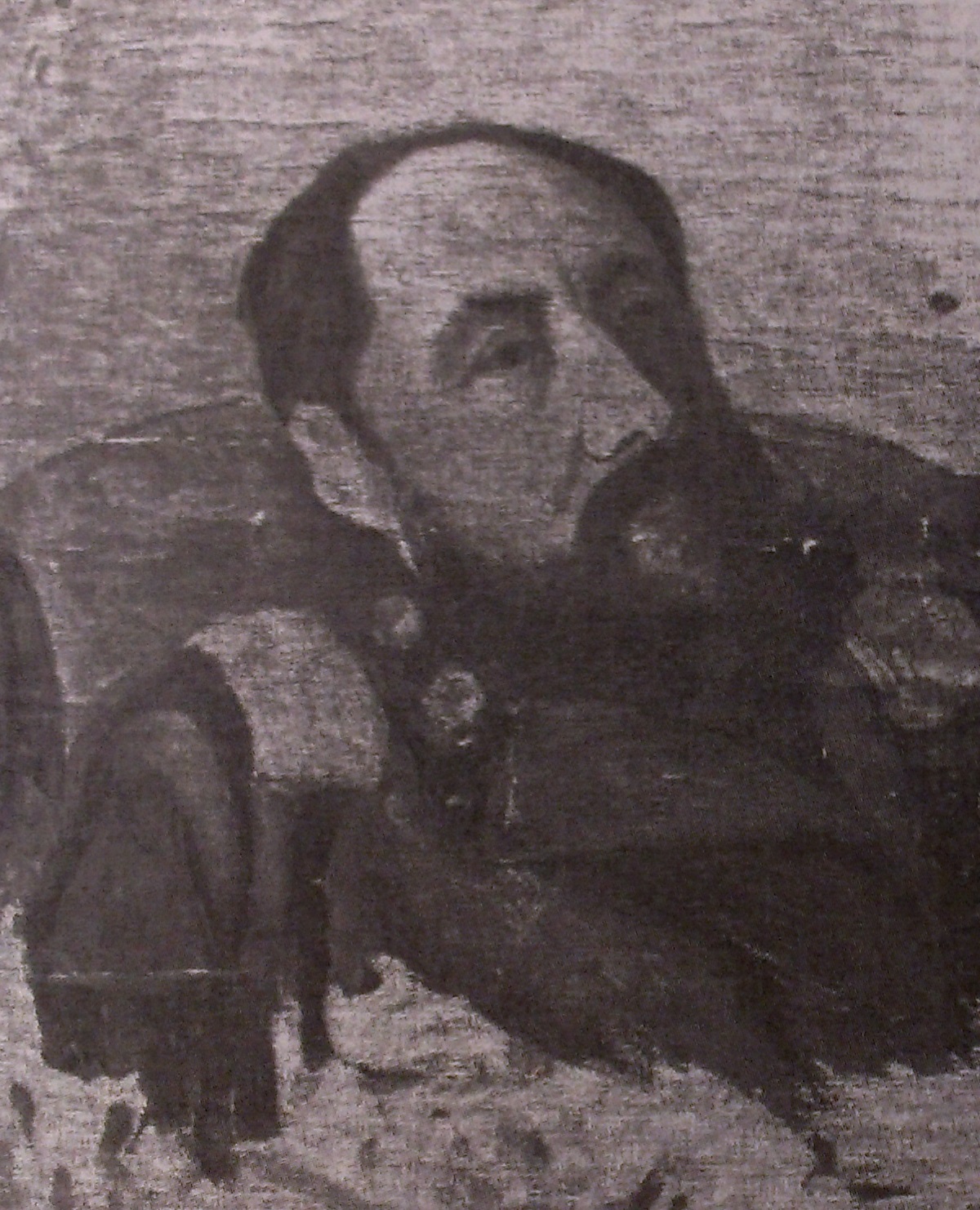
In 1908, at the very beginning of his literary activity, he made friends with Boris Grigoryev. They met in Sudak in 1908, it was the year of Khlebnikov’s transition to St. Petersburg University. And then he maintained a relationship with him all his life. Boris Grigoryev is the author of four portraits of Khlebnikov. And even one portrait is literary: in his novel "Young Rays", which was released in 1912, one of the heroes inspired by the image of Khlebnikov.
Ivan Tolstoy: And something preserved the hands of Khlebnikov himself?
Alexander Parnis: Yes, many drawings and painting have been preserved. In this book, I reproduce a portrait of my father, my portrait and portrait of my sister are his children's drawings. A month before his death in Santalovo, where Miturich took him out (Khlebnikov’s arbitrariness, he later married the poet Vera’s sister), Miturich painted a bathhouse in which, alas, Khlebnikov himself died, it was two or three weeks before his death, and he, going up to Miturich, said: “Can I draw?” And he made several logs in this drawing in this drawing with a pencil.
Ivan Tolstoy: Khlebnikov and books. Понятно, что Хлебников знаменит своей безбытностью и, тем не менее, он покупал книги, коллекционировал. Была ли у него библиотека, хотя бы в его походном сидоре?
Александр Парнис: Трудно говорить о человеке, который вел кочевой образ жизни, у него не было даже письменного стола, человек бродил и пел. Он мог с собой в лучшем случае возить две-три книги, не больше. Он останавливался в любом месте, где его застанет ночь, поэтому в его вещевом мешке или наволочке могли быть две-три книжки. И все же несколько книжек сохранилось из его личной библиотеки. Но большая часть книг – это все-таки семейные. Например, сохранилось одно из изданий книги переводов Корнея Чуковского из Уитмена. Хлебников очень любил Уитмена, одно из первых изданий Уитмена каким-то образом оказалось у Хлебникова, эта книга сохранилась и сейчас находится в музее Хлебникова в Астрахани, с его пометами.
Его призвали в армию в Саратов в 1916 году, он там познакомился с одним поляком, с которым вместе служил, который подарил ему свою книжку на польском языке с надписью. Я разыскал этого поляка. Как вы понимаете, ни один от меня не уйдет, если он знал Хлебникова. Это был образованный поляк, который любил и знал русскую поэзию. Хлебников подарил ему свои стихи, рукописи, они не сохранились, но сохранился один манифест, случайно попавший в коллекцию Лидина, "Труба марсиан", с надписью этому поляку. Но Лидин не знал, кому они надписаны, там было написано: "Моему знакомому Ковалю". Коваль – это прозвище этого поляка, на самом деле его фамилия Земацкий. Он рассказал Хлебникову, что у них в студенческие было общество друзей, они объединились в "группу Ковалей". Хлебников включил его имя в свое утопическое "Общество председателей земного шара", состоящее из 317 человек. Он туда включал известных композиторов, поэтов, ученых и красивых женщин. Но, к сожалению, 317 не набралось. Но на выставке, на которой мы с вами были, было выставлено два листа из этого списка, где собственноручные были подписи участников этого общества, но фамилия Земацкий была только в печатном виде, а где он расписался – я не видел. Боюсь, что сам Земацкий об этом не знал, Хлебников мог его заочно включить.
Композитор Артур Лурье по моей просьбе написал мемуары, которые называются "Наш марш"
Там были замечательные люди, например, Артур Лурье, который возглавлял Музо Наркомпроса и был близким другом Ахматовой. Он по моей просьбе написал мемуары, которые называются "Наш марш". Он в 1918 году к знаменитому стихотворению Маяковского "Наш марш" написал музыку, эти ноты вышли отдельным изданием. Весь текст Маяковского написан от имени всей группы тогдашних футуристов, а Лурье входил в эту группу. Он успел написать немало. К сожалению, они путаные, там есть ряд неточностей, но для меня это все равно очень важно. Оригинал ко мне не дошел, он напечатан в американском "Новом журнале" в 1969 году, уже после его смерти.
Иван Толстой: Вы со дна морского достаете людей, которые вам нужны.
Александр Парнис: Я поставил себе такую странную задачу. Это было, с одной стороны, безумие, а, с другой стороны, полезно. Была такая сотрудница в бывшем Музее Маяковского на Таганке, Варвара Аветовна Арутчева, которая выступила с идеей создать словарь знакомых Маяковского. По тому же принципу я решил создать словарь друзей и знакомых Хлебникова. Поэтому я наводил справки о каждом человеке, который так или иначе мог с ним пересекаться. Тогда не было компьютеров, все это было безумно сложно, но мне многое удалось. Я, например, разыскал человека, который один раз случайно видел Хлебникова в поезде из Ростова в Баку, в купе они разговорились, на вокзале расстались, а вечером, придя в бакинское отделение РОСТа, он неожиданно снова его встретил, и больше никаких встреч с ним не было. Даже если человек жил за границей. Например, я искал людей, которые могли с Хлебниковым встречаться в Персии. А не так просто было найти в Москве через сорок лет, тем более из такой закрытой страны, как Иран. И мне кое-кого удалось найти, я был у посла Ирана в СССР.
Иван Толстой: Если у Хлебникова не было письменного стола, у него наверняка время от времени был обеденный стол?
Александр Парнис: Нет, у него ничего не было. Он ушел из дома рано, когда перевелся в Петербургский университет, это 1908 год, начал самостоятельную жизнь и жил за счет денег, которые посылал отец. У отца было пятеро детей, они не все выжили, но он содержал всех своих детей, хотя все они уже были взрослыми. И в советское время он тоже помогал. Младший брат Хлебникова Александр был артиллеристом и пропал во время гражданской войны, сестра была зубным врачом, но была больна и жила в семье, а Вера жила какое-то время с семьей, а после смерти Хлебникова вышла замуж за Митурича и уехала в Москву. Так что из семьи осталась только одна Вера.
Я думаю, что у него было постоянное голодание, он все время страдал от этого. У него не было никаких заработков, он практически нигде не работал, он работал единственный раз в Астрахани, но жил тогда у родителей и проблемы этой перед ним не стояло. Он сотрудничал в астраханской газете "Красный воин" и печатался там. Но когда он жил в другом городе, он жил на случайные заработки, и ему приходилось очень плохо. Он явно был болен. По рассказам одной из женщин, с которой он жил в Харькове в коммуне (а там было человек шесть или семь, там художники жили, сотрудники политотдела, один из сотрудников привез Хлебникова, он жил вместе с ними, они его кормили), она приготовила целое ведро супа и Хлебников незаметно съел все ведро. То есть человек явно страдал серьезными заболеваниями в этом смысле. Он всегда у кого-то жил, своей семьи у него не было и жизнь была непростая. Поэтому он так рано умер.
Я хочу рассказать еще одну историю, связанную с одним архивом. За все эти годы мне удалось разыскать четыре архива Хлебникова, которые находятся не на государственном хранении, а в частных руках. Одна история с архивом, который я нашел в Баку в подвале, вычислив, что там должны быть бумаги Хлебникова. Я это вычислил, не выезжая из Москвы. На это было потрачено два года жизни. Я это говорю к тому, что люди из моего окружения знают, что я разыскиваю бумаги и материалы, связанные с Хлебниковом. Как-то мне позвонила одна моя знакомая, замечательный человек Таня Гармаш, издательница. Она сказала, что у одних дилеров есть портрет работы Митурича и, по всей видимости, у них находится тетрадка Хлебникова. Мы с внуком Митурича Сережей поехали смотреть. Это оказался известный дилер, сейчас уже покойный, Олег Лукашин, у которого оказалась большая картина маслом начала века, изображающая всадника, нарисованная в каком-то ателье. Сережа моментально подтвердил, что это работа деда. У нас не было денег, чтобы ее приобрести. Это оказалась дипломная работа Петра Васильевича Митурича, когда он кончал Академию художеств в 1913 или 1914 году.
Она мне сказала, что у этого Олега есть тетрадка Хлебникова, я помчался смотреть и знакомиться с этой тетрадкой. И был поражен! Я с ней работал, это оказалась тетрадь с пьесой Хлебникова "Снежиночка", которую я опубликовал в одном из первых своих изданий Хлебникова 1986 года. И она находилась в рукописном отделе ИМЛИ. Я пришел в ужас, поехал в архив, чтобы убедиться. Я не мог поверить своим глазам: вещь находится на государственном хранении и продается. Я спросил у заведующего архивом, и он признался мне, что несколько месяцев назад из их архива пропала эта тетрадка.
Если бы я продал эту рукопись, я бы мог до конца жизни жить ни о чем не думая, потому что эта тетрадка стоит миллионы
Я стал искать способы, как ее приобрести. Вместе с Таней Гармаш мы собрали очень большие деньги, заплатили, и я сказал, что верну эту рукопись в архив. И я вернул это в архив. Но меня не только не поблагодарила дирекция, а фактически выперли из института под благовидным предлогом сокращения штатов. Спасибо не сказали и деньги не вернули. Вот такие парадоксы.
There is no prophet in his fatherland. Если бы я продал эту рукопись, я бы мог до конца жизни вместе с этой Таней жить ни о чем не думая, потому что эта тетрадка стоит миллионы. Недавно на одном из аукционов была продана книга Хлебникова с надписью за 17 миллионов! Только надпись одна. А это – тринадцать страниц, целая тетрадь!
Иван Толстой: Но жизнь исследователя связана не только с подобными драматическими эпизодами, но и с заслуженными находками и узнаванием. Вот один из парнисовских сюжетов, тоже вне письменного стола.
Александр Парнис: В 1971 году я поехал в Калмыкию в поисках места рождения Хлебникова, потому что там вопрос довольно запутанный, в биографиях Хлебникова сообщалось, что он родился в калмыцкой степи, без точного названия места. Почему-то называли село Тундутово. И когда я приехал в Тундутово, в советское время оно называлось Городовиково, я понял, что Хлебников там не родился. Во-первых, ни один человек не знал фамилии Хлебникова. Это такое русское село в калмыцкой степи в окружении калмыцких поселков, а Хлебников пишет, что он родился "в устье Волги среди исповедующих Будду кочевников". Тогда я нашел одну калмычку, которая жила в соседнем селе, и она мне указала дом попечителя, то есть дом, в котором жил отец Хлебникова. У меня тогда не было фотоаппарата, и я по глупости не мог сфотографировать. И вот через два или три года после моей поездки этот дом сожгли местные жители, хотя он простоял более ста лет. И это – единственная фотография дома, в котором родился Хлебников, случайно найденная у одного краеведа.
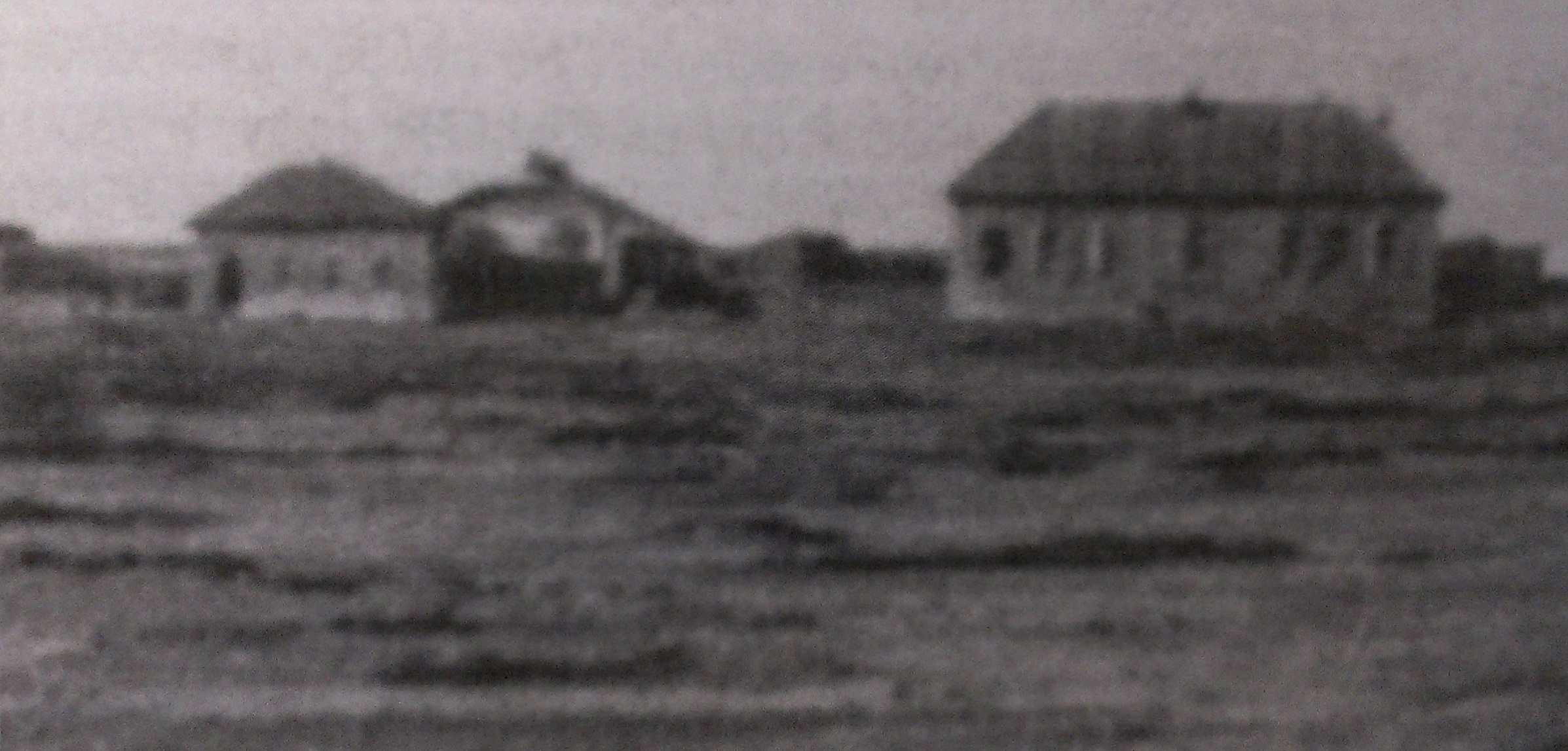
Иван Толстой: Как называется эта деревня?
Александр Парнис: Она тогда не имела названия, это была зимняя ставка, я даже толком не знал, что означает ставка. А это место, где оседлые калмыки во время своих кочевий иногда на зиму останавливаются в каком-то определенном месте. Но они жили в кибитках, а для отца Хлебникова был выстроен дом. Уже в советское время это превратилось в село Малые Дербеты. Но дома уже нет. Это единственная фотография дома, снятая в 20-х годах.