
Translated material
Gasoline for 50 and above
The increase in fuel prices has become a political problem
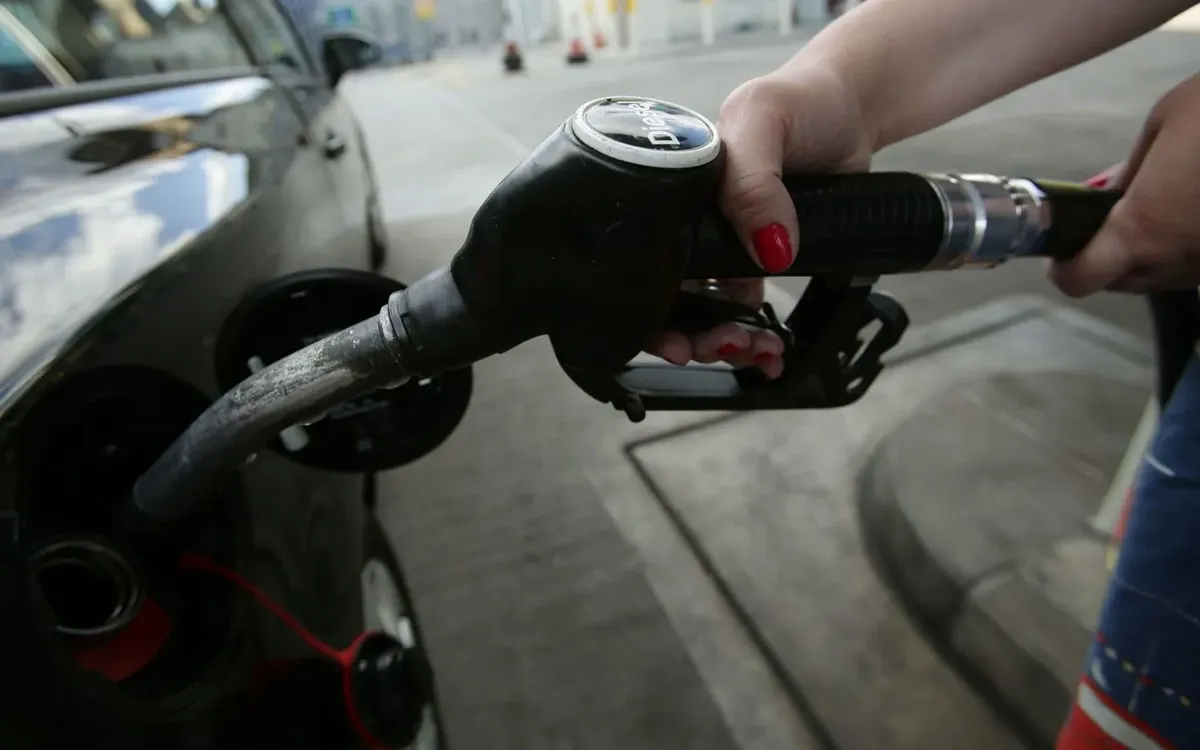
Usually Russians are not so easy to impress gasoline prices. The people got used to the fact that this process is irreversible and obeyed by its own laws independent of world prices for raw materials. But in recent months, the pricing from the gas station has been too aggressive - the average growth rate of gasoline prices and diesel fuel came close to 2% per week.
As a result, the problem became political in nature. Since mid -May, in the Russian regions, from Irkutsk to Dagestan, hundreds of drivers entered protests.
Moreover, in some cases, these rallies found support from the local authorities. In Novosibirsk, the mayor of Anatoly Lokot visited the picket, and one of the deputies of the Legislative Assembly of the Kamchatka Territory defiantly moved to the horse nicknamed the rocket and demanded that the parking spaces be organized near the parliament to bind the animal.
The prerequisites for the new "marches of empty canister" were formed gradually. According to the Federal State Statistics Service, from January to the end of May, retail prices for motor fuel in the middle of the country increased by 7-8% with total inflation of 1.6%. Apart from the Far East, Moscow was especially sharp: last week the average cost of gasoline in one week increased by a ruble, some metropolitan gas stations sold a liter of 95th for 47 rubles.
The main reason for the take -off of fuel prices is a combination of the high cost of hydrocarbons in world markets and a relatively weak ruble exchange rate.
In such conditions, it is much more profitable to export oil products abroad than to supply them to the domestic market. The main share in a decrease in the volume of shipment of oil products by Russian refueling, according to the FAS, came on Rosneft, which received the order from the antimonopoly service to correct the situation. In the state -owned company, in response, they referred to the planned repair of the refinery.
An increase in export alternative, traditional seasonality and repair work added a double increase in gas excise taxes to which the government went this year. The experiment was not successful: fuel prices by 65–70% are formed at the expense of tax payments (quite a normal situation for world practice), so the effect of additional indexation of excise taxes was too sharp. However, such a result could be foreseen: “New Gazeta” in November warned that gasoline prices would be in the period after the completion of the presidential election. Although in Russia the state does not have mechanisms for direct regulation of fuel prices, informal political agreements work here regularly.
In a poll, FOM for the Bulletin of the Central Bank, a third of the respondents called the May rising price for gasoline “very strong”. Inflational expectations of the population over the next 12 months increased to 8.6% versus 7.8% a month earlier. The rise in price of gasoline has the ability to warm up the prices for everything else, since the transport component is laid down in the cost of most goods.
Against this background, on May 22, the government decided to reduce excise taxes from June 1, but this was not enough - gasoline continued to rise in price. A week later, Deputy Prime Minister Dmitry Kozak, who now oversees the fuel and energy complex, held an emergency meeting with the largest oil companies in the government. Oil jackets promised to restrain gasoline prices in June in exchange for reducing excise taxes a month earlier than planned. Excise taxes per ton of fuel in early June will be reduced by 3,000 rubles for gasoline and 2000 for diesel fuel. A re -increase in excise taxes scheduled for July (minus 700 rubles per ton) will also be canceled. The volume of budget revenues will be 140 MRLD rubles, which is compensated by 1.7 trillion rubles of additional oil and gas revenues.
At the same time, at the meeting, Kozak admitted that the promised reduction in excise taxes will no longer help to bring down the prices of gasoline.
The authorities expect to at least stabilize the situation in the market, ensuring parity between export and exchange prices for fuel. But it is likely that even for this, the Cabinet will have to develop additional measures to support the oil refinery. For example, it is proposed to introduce a system of “floating” excise taxes, in which fees from oil workers are automatically reduced when a certain level of oil prices reaches. More stringent options are also discussed: to inflate export duties or limit the export of oil products. But the excessive enthusiasm for a “whip” is fraught with a Venezuelan script with empty gas stations and the heyday of the black counterfeit fuel market. In addition, this contradicts the tax maneuver, according to which export duties should continue to decline.
The government so far has no reason for panic actions. Inflation, although it is growing, is below the target values of the Central Bank - the increase in fuel prices will add tenths of percent to the total price growth. Yes, and gasoline in Russia is still relatively cheap: 72 cents against $ 1.16 on average in the world. Nevertheless, a psychological mark of 50 rubles per liter with a high probability will be overcome. And if the government will not soon determine how exactly the oil industry should be regulated, then the rise in prices will continue in turbulent mode.