
Translated material
Russian lessons
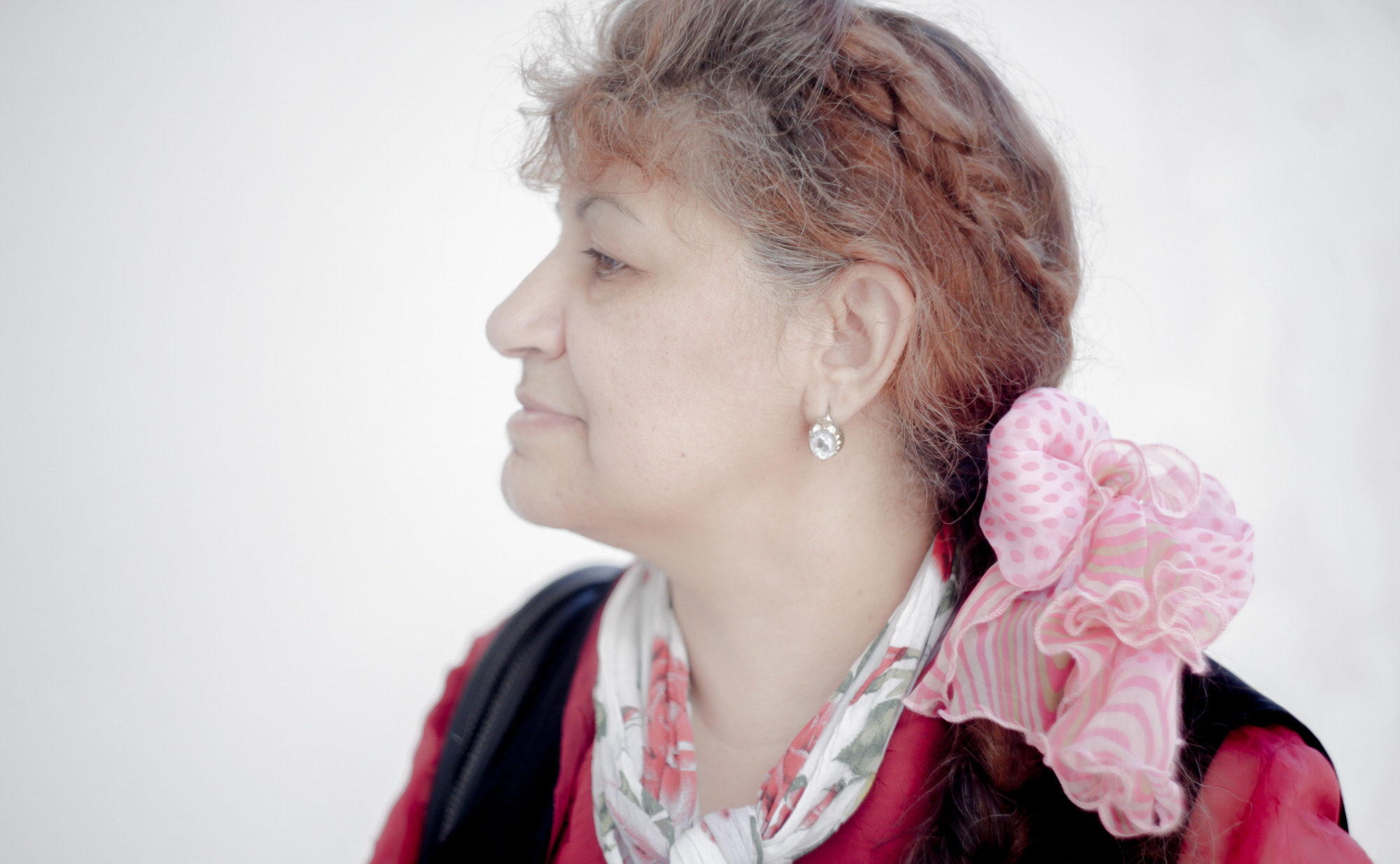
In Syria, Safaa Shila wedding dresses, in Russia it draws a Russian forest and helps other refugees integrate into Russian society
We help civil assistance to helpIn the five -story building
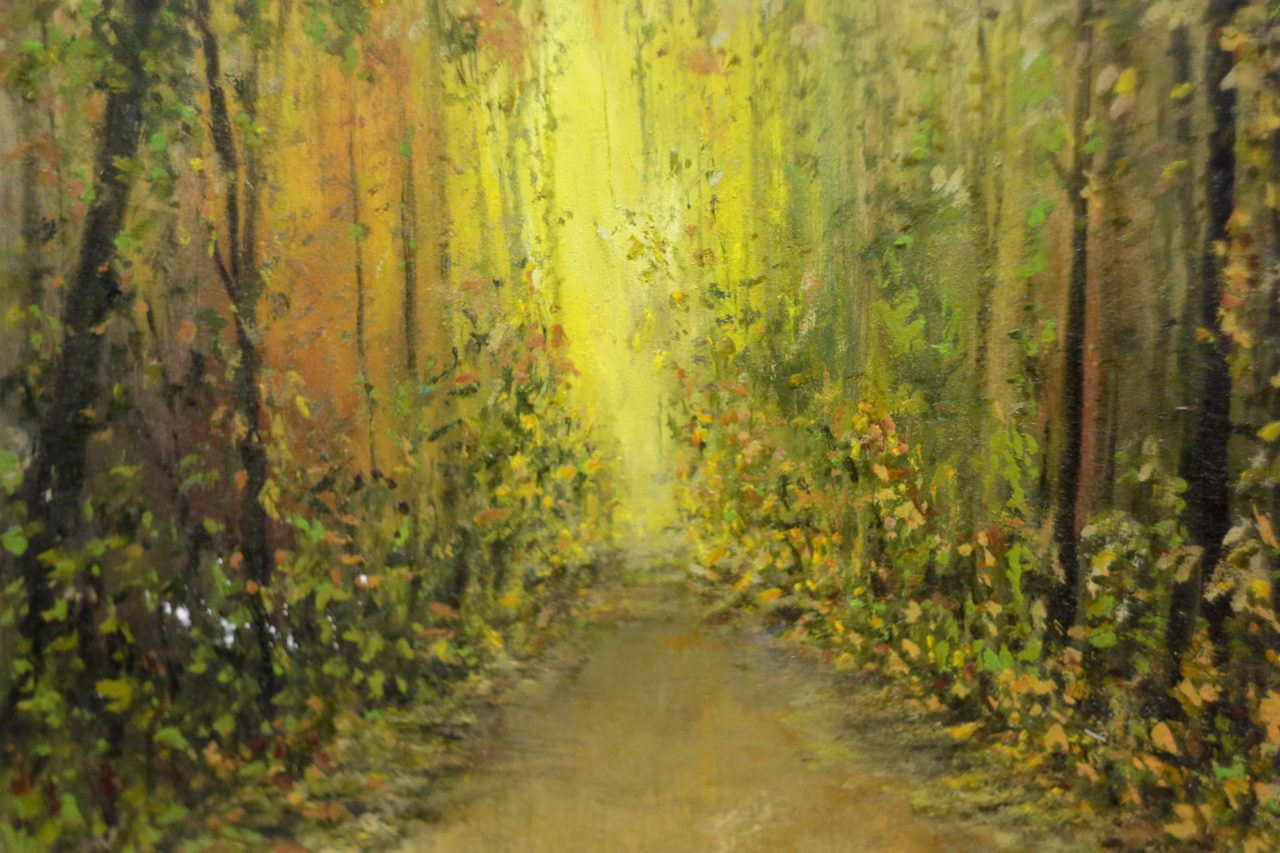
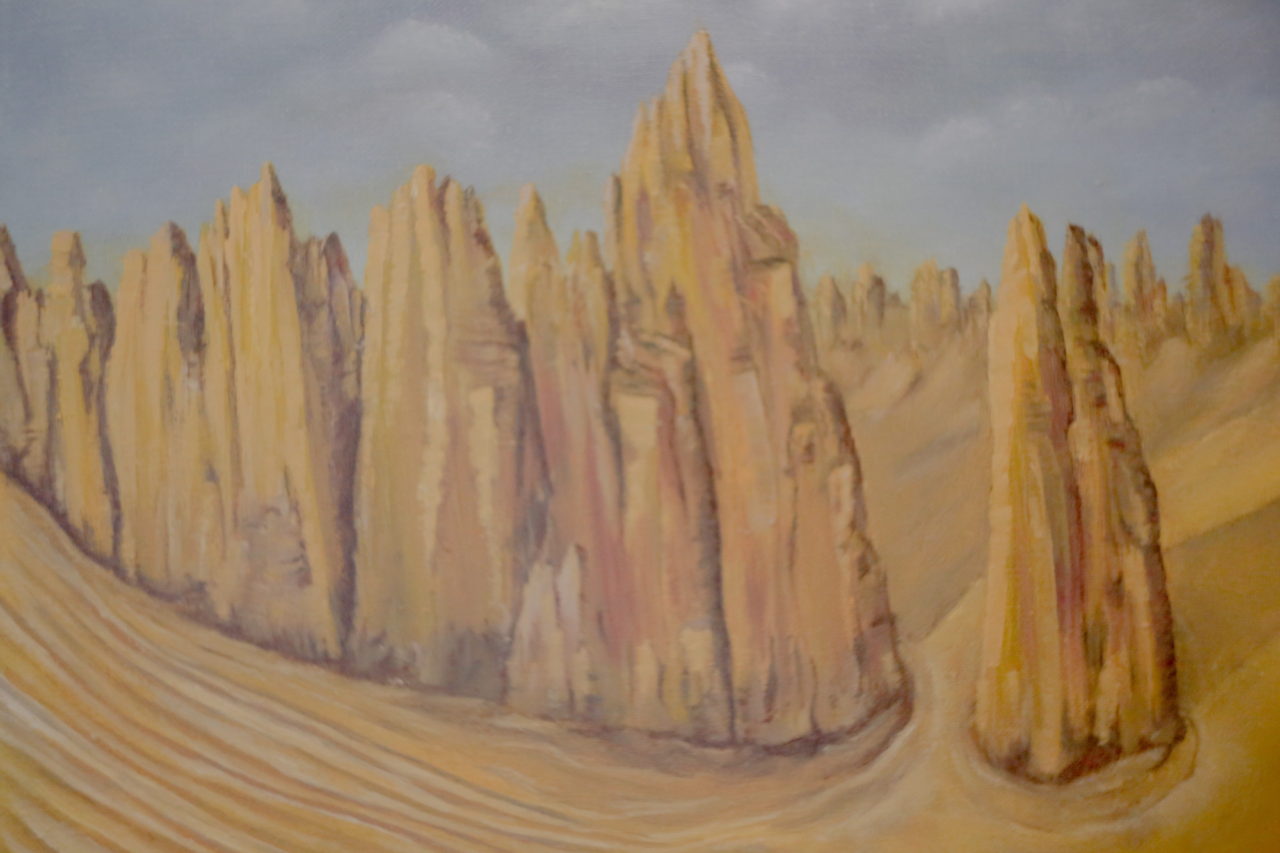
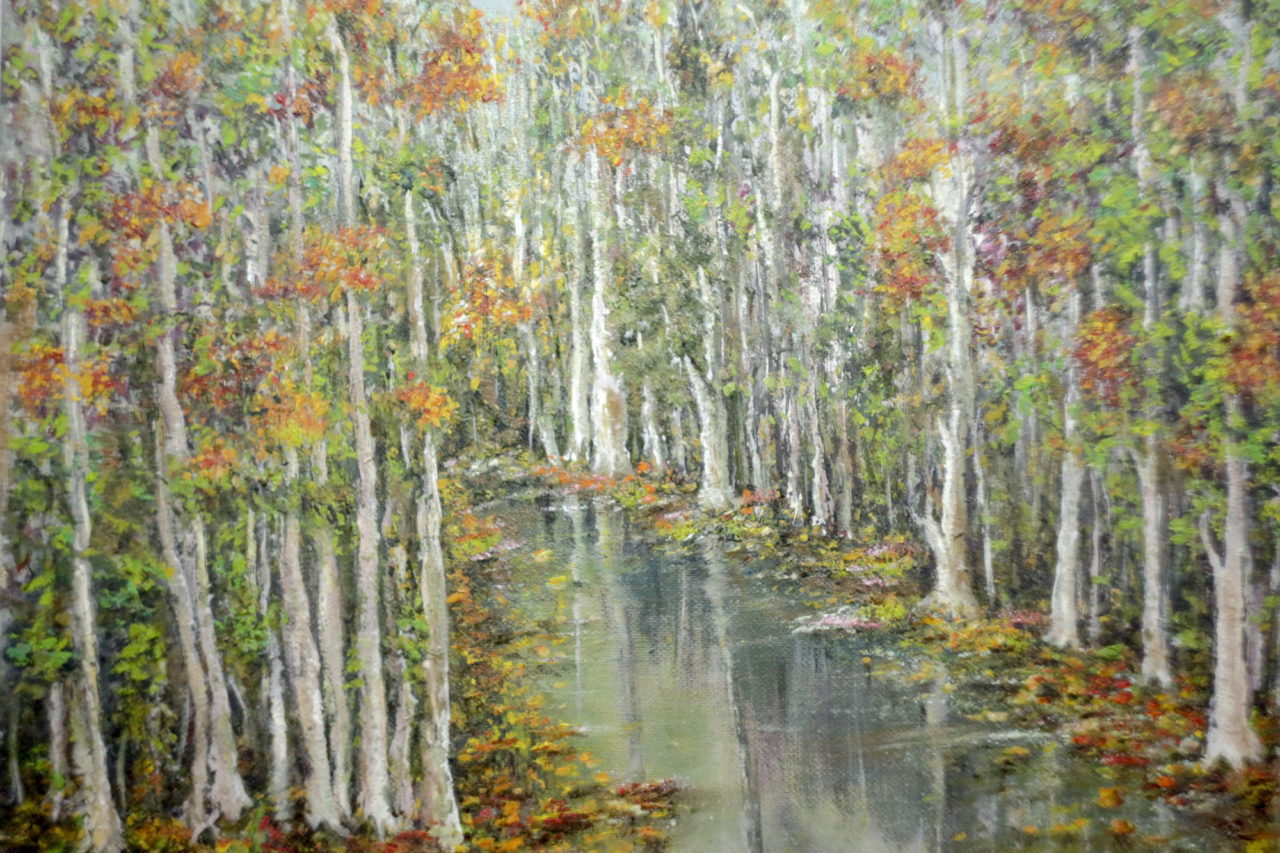
Safaa draws a green Russian forest, the coolness of the summer thicket. The color is delicate, bright, rich. The Russian forest is well sold out - in the flea market in Izmailovo. She lives with money from the sale of paintings. More precisely, survives.
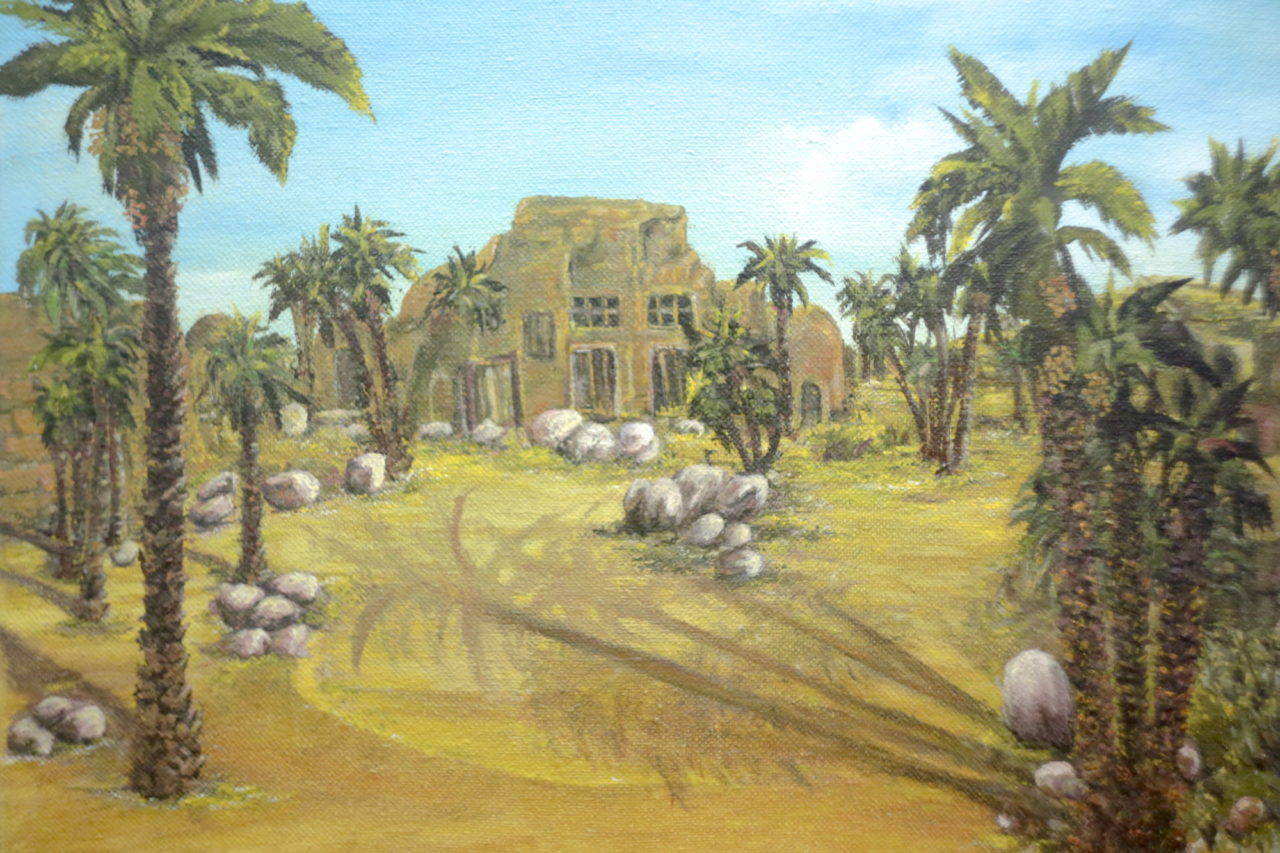
But in the soul of Safaa, completely different paintings are its native Syria, languishing in the sun, low stone houses and palm trees. Such as in the photographs in her old smartphone. Hama, a city on the shores of Oontent, not far from Homs, away from Damascus. She has not seen him for three years - since she ran away from the war to Russia.
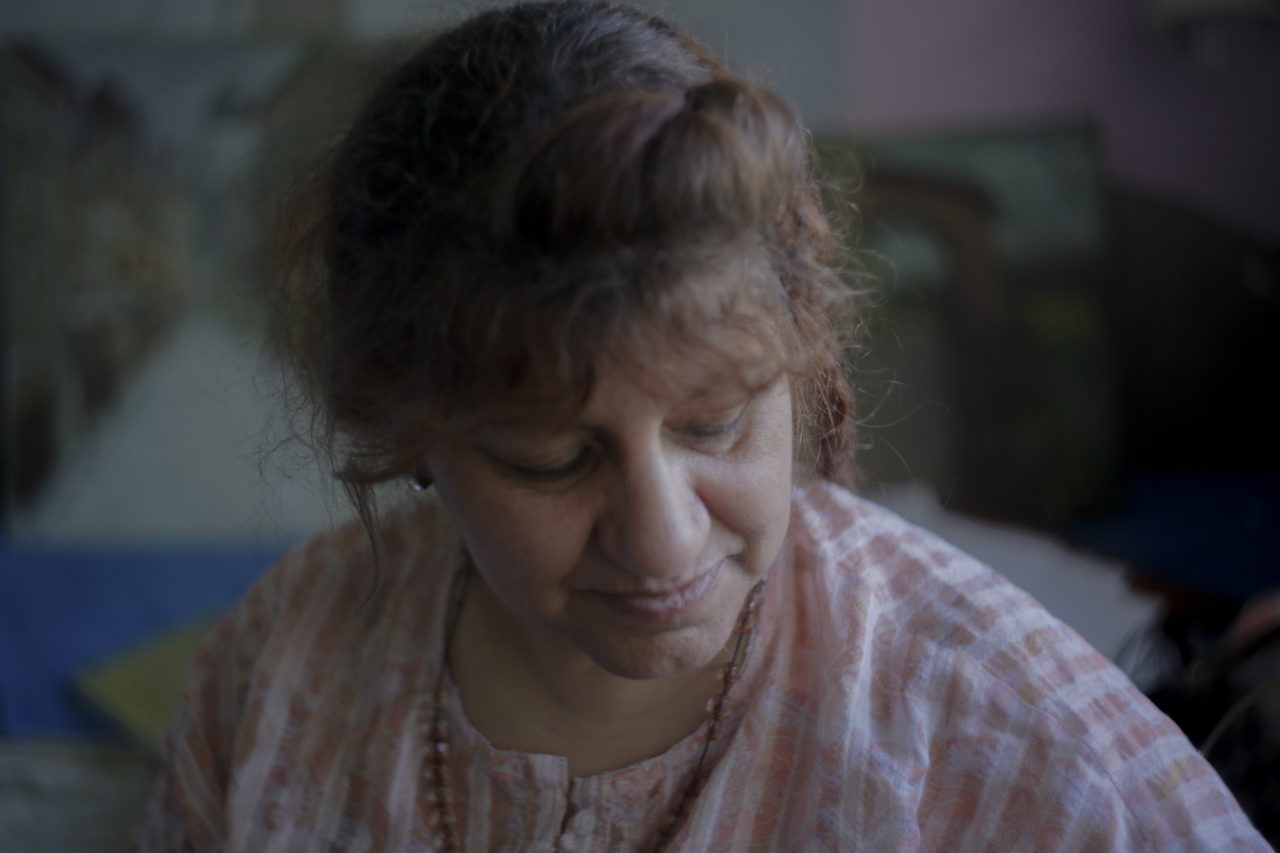
Safaa fifty -four years. Hair is braided into a tight braid, gray hair breaks on the temples, the bangs curl. In the ears of the pebbles, the clothes are modest. By education, Safaa Chemist - in Syria, she led this subject at school, and in addition, she taught Arabic. And then she took it and fulfilled a long dream - opened her small factory for sewing dresses. Her dresses turned out to be incredible beauty.
“When the war began, the weddings stopped playing. Everyone began only black clothes, ”says Safaa.
The workshop was bombed, the equipment was destroyed.
Not at home at home
Safaa in Russia for three years. Now she rents an apartment in a shabby five -story building in Noginsk near Moscow. Lingerie is dried on the street, all the neighbors know each other - and they tell you exactly how to find her apartment.
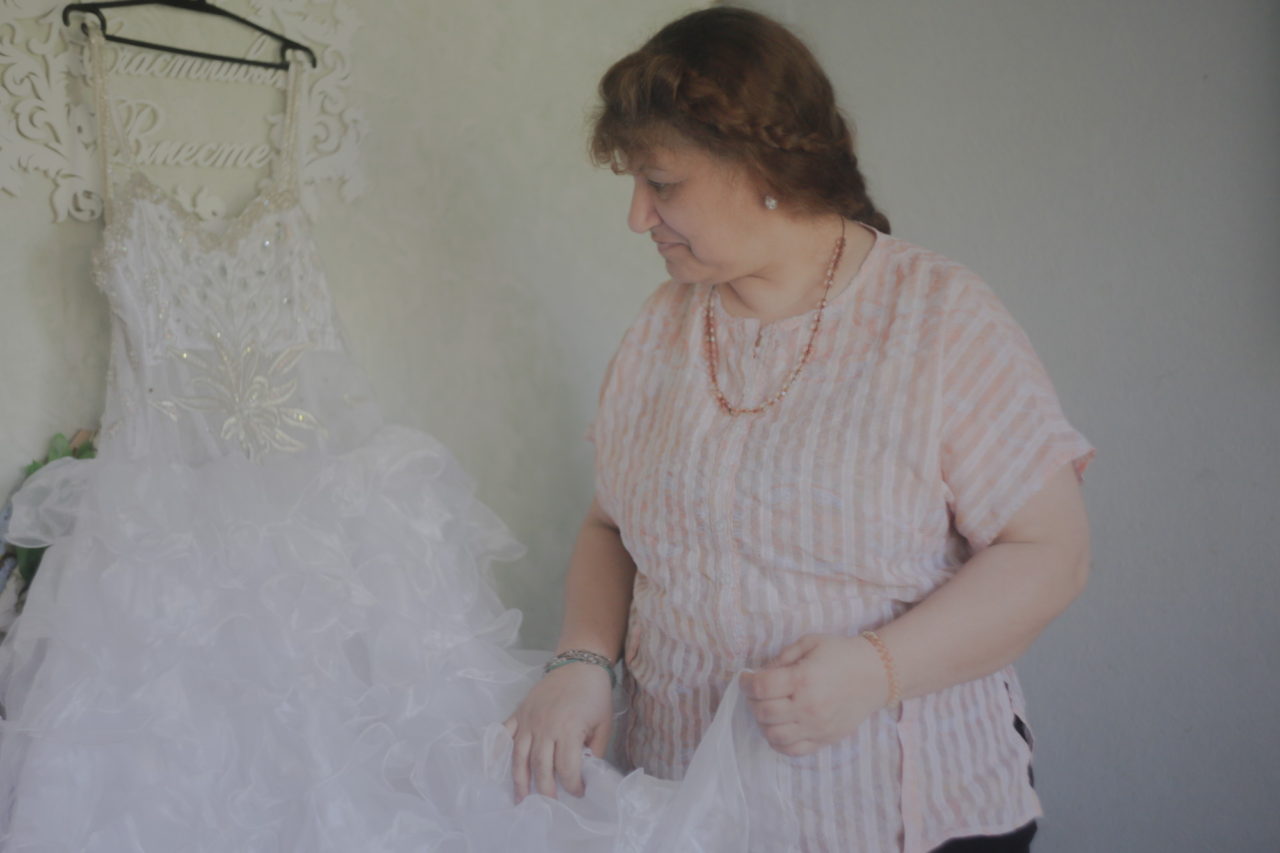 Safaa at home in Noginsk Photo: Anna Ivantsova for TD
Safaa is reluctant to visit - not because he does not want to see us, he is simply shy of his modest housing. Two rooms, cheap wallpaper, crowding, creative mess. Safaa survives exclusively for money from her work. She not only writes pictures - also makes lampshades, sews wallets, draws up baskets for weddings. The most important and valuable exhibit of this simple apartment is snow -white, on thin straps, showered with stones and beads dress. Safaa brought him from Syria - from that peaceful, country where wedding outfits were still in demand. Probably, it should serve as an example of the master’s work or a memory of a peaceful life, but looks like a foreign object, an alien from another life.
From the dress, my gaze jumps into nesting dolls and other Russian souvenirs. She bought them so that at home, where she would certainly return, they remind of the Russian stage in her life.
Alamir, the youngest son of Safaa lives in another room. He is twenty -three years old, he studied at the university in Damascus. Shells got into the university, and twelve of his classmates died. He managed to leave for Russia after his mother and enter the preparatory courses at the university - to learn the language, then to enter the engineer. But the Russian embassy in Syria issued a visa to him for a year. To extend it, you need to return. Not to the country where his mother sews wedding dresses. And in the one where shells still explode near the capital, and the militants of ISIS prohibited in Russia again unfold the attack on Palmyra.
Why to Russia?
In Russia, Alamir now lives on the basis of the current - so far - visas. He is one of the seven thousand Syrians living today in Russia, according to Rosstat.
The Office of the UN Supreme Commissioner for Refugees recommends that all countries preserve the moratorium on the return of the Syrians to their homeland. But Russia has its interpretation of this issue. At the end of 2017, the status of “refugee”, according to the Ministry of Internal Affairs, in the Russian Federation had only two Syrians, the status of “temporary asylum”, which is issued for a year, 1128 Syrians . Every year, a refugee with the status of “Temporary Shelter” must come to the Department of the Ministry of Internal Affairs on migration issues and confirm his status-that is, to prove that it is still impossible to return to his homeland. Sometimes in the refusals of the Ministry of Internal Affairs is guided by the reports of the Center for the Reconciliation of the warring parties on the territory of Syria or the Ministry of Foreign Affairs of the Russian Federation, which refers to the “stabilization of the situation” in Syria.
In 2017, 688 Syrians applied for temporary asylum in Russia, only 352 people received it. Safaa is one of these lucky ones, and her son Alamir is not.
The refusal to provide asylum can be appealed. The procedure can drag on for a long time, and all this time a person is legally in the country by law, but at the same time cannot officially get a job. In this suspended state, most Syrians live in Russia. Including Alamir.
Why in Noginsk?
This city near Moscow is one of the few places in Russia, which was familiar to the Syrians before the outbreak of civil war. There are eight sewing factories belonging to the citizens of the Arab Republic: opening a business, they invited compatriots to work. With the outbreak of war, the community grew refugees. According to the Civil Assistance Committee (GS), at least a few hundred Syrians live in Noginsk. Not so few, but not many: in a small city, police officers, one might say, know all the Syrians and regularly check documents from them.
“Civil assistance” is perhaps the only NGO in Moscow who is engaged in helping refugees and migrants. In 2016, the GS began to hold legal consultations for refugees in Noginsk. It was this organization that helped Safa to appeal the refusal and achieve status when, immediately upon arrival in Russia, the woman tried to get a temporary shelter on her own - and was defeated.
Russian, not Russian
“ The people in Russia are very good,” says Safaa, “but you have to come here to visit. It’s hard to live here. ”
Safaa still cannot understand the cruel language of Russian bureaucracy - and therefore began to study the Russian language at a school organized in Noginsk as “civil assistance” within the framework of the “right to education” program.
 Safaa at home in Noginsk Photo: Anna Ivantsova for TD
Initially, the GS organized integration courses for the children of Syrian refugees in Noginsk to help them learn the Russian language and prepare for school. In fact, it turned out that these classes are the only educational opportunity for children. Despite the fact that the Constitution of the Russian Federation states that every child has the right to study in a Russian school, obstacles often repair foreign citizens. The reason is the incorrect interpretation of order No. 32 of the Ministry of Education and Science on the Rules for admission to educational institutions. It says that in addition to the main package of papers, foreign citizens must “additionally” provide a document “confirming the applicant’s right to stay in the Russian Federation”. “Additionally” in this case means “optional” (this was explained by the Supreme Court back in 2015), but from refugees they continue to require citizenship, then temporary residence permit or other documents and, on the basis of their absence, do not take children to school. So far, “civil assistance” has managed to achieve only four Syrian children in the School of Noginsk.
“The school is the main place of integration for the child, in it children learn to speak Russian, get acquainted with our culture, find friends,” says Natalya Gontsova, the coordinator of “ civil assistance”. - Those guys who do not go to a Russian school are cut off from society and are left to their own devices. A child without education and interaction with society is more at risk of being in marginal or even criminal circles. ” Gontsova believes that the integration of Syrian children is important primarily to the host, that is, the Russian side, because those guys who remain to live in Russia, thanks to knowledge of language and culture, will be able to become qualified workers in the future. “ And those who leave will become carriers of Russian culture abroad,” the coordinator adds.
At first, the integration courses of “civil assistance” in Noginsk were designed only for children, but the Syrians of all ages, including Safaa, began to study here. Now she teaches the Russian language and, on a volunteer basis, teaches children a native Arabic.
“Civil assistance” wants to appoint a coordinator to the school, who could interact with parents who own only Arabic, and Safaa would be perfectly coped with this.
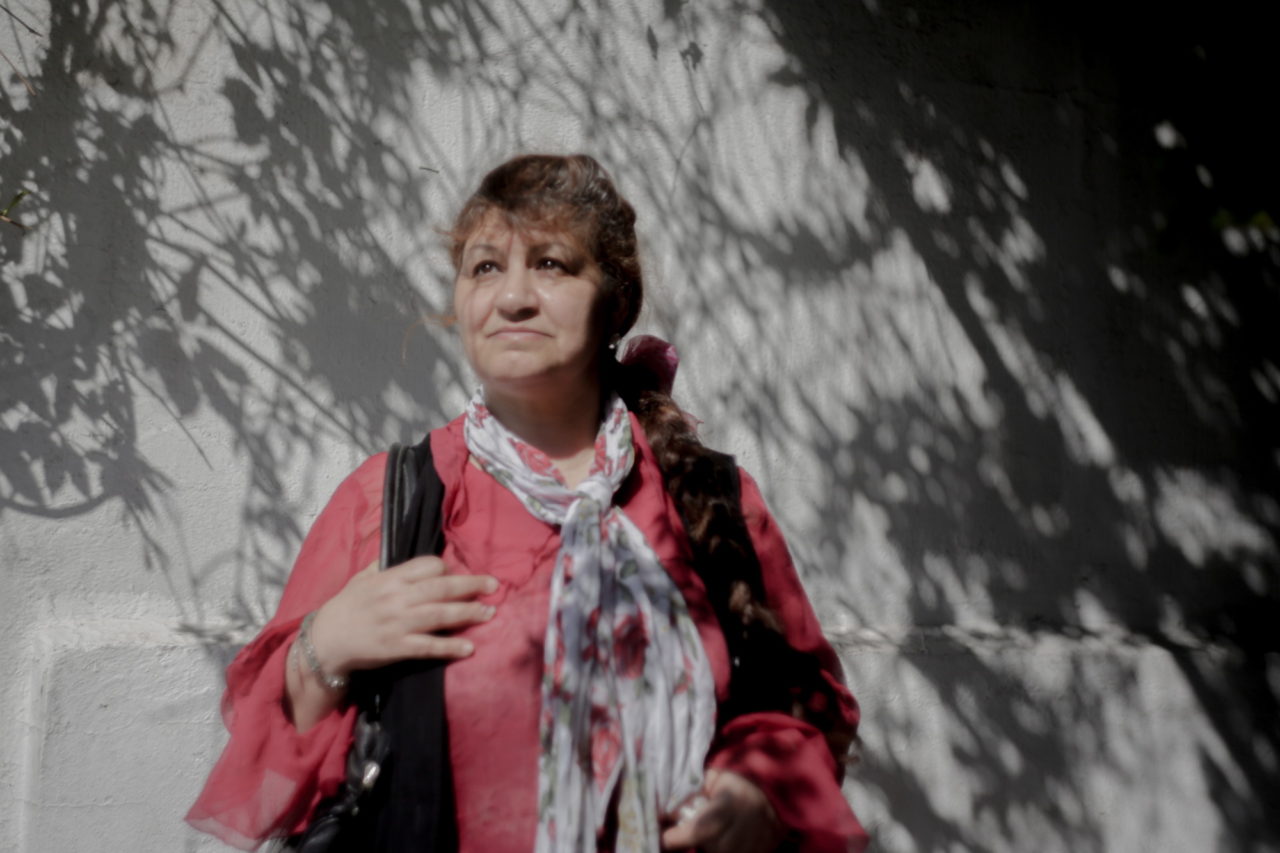 Safaa walks near the office of the Committee "Civil assistance" Photo: Anna Ivantsova for TD
“Elena Yuryevna, a Russian teacher as a foreign in our center, does not speak the Arabic language, which makes communication with his parents,” says Gontsova. “In many cases, children themselves can help with the translation, but it happens that you need to solve some issues directly with their parents.” Safaa owns a Russians at a sufficient level and is familiar with almost all Syrian women living in Noginsk. “She is a very responsible and initiative, ideal candidate for the role of a coordinator,” Natalya notes.
However, without financial assistance that consists of our donations, the work of the coordinator may not begin, and the functioning of both school and the Noginsk unit of “civil assistance” as a whole may stop. NPOs have money for renting premises for integration courses in Noginsk until the end of the year, to pay for the teacher’s work until the end of August.
Safaa began to help the school for refugees not for mercantile reasons, but because of the fidelity of the teacher's profession and gratitude to those who at one time disinterestedly assisted her herself. Let us and we will help “ civil assistance ” . Draw a monthly donation for the project “Right to Education” for any amount - 50, 100, 300 rubles - or make a one -time fee. And then the refugees, in their native cities of which there is a war, will feel a little better in Russia, and their children will not only have education, but also a chance to fully integrate into Russian society.
Do you want us to send the best texts of “such cases” to you by e -mail? Subscribe to our weekly newsletter!