
Translated material
TTK Mobile mobile operator began work in Western Siberia
Competition in the mobile market is intensified - from June 13, the new TTK Mobile mobile operator is ready to serve subscribers in the Novosibirsk, Kemerovo region and the Altai Territory.
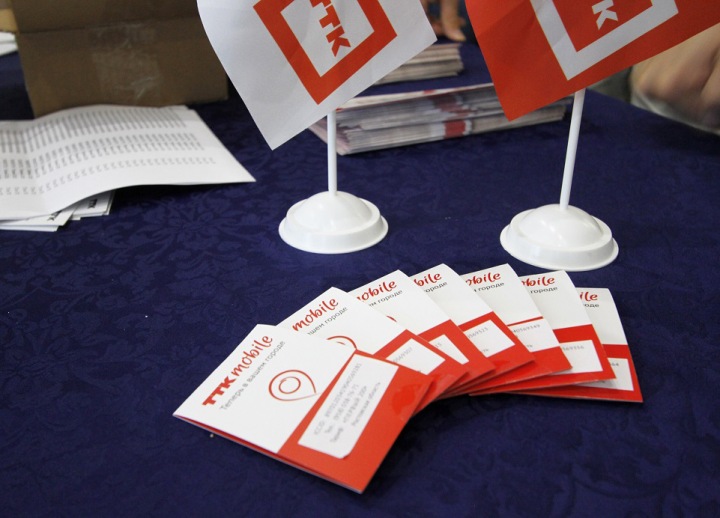
The company expands the geography of its presence-today residents of seven regions of the country can buy a SIM card from TTKMOBILE, and the operator’s ambitious plans to provide mobile services throughout Russia throughout the year.
The TTK company provides maintenance services for operators and the largest Russian corporations, operates and serves the fiber-optic communication lines with a length of more than 76,000 km and the throughput of more than 3.4 TBIT/s. The TTK Eurasiahway transcontinental highway has connections with communication networks of almost all neighboring countries, including China, Japan, Mongolia, DPRK, Finland, Baltic countries and the CIS.
TTK is already familiar to the subscribers of Western Siberia with their offers on broad -lamp access on the Internet, now a mobile application has appeared in the assortment line. A partner providing companies for the implementation of the Virtual Mobile Communications Operator (MVNO) became Tele 2.
“The arrival of the new player is always an additional impetus for the development of the market, the emergence of interesting price and grocery offers, and the improvement of the quality of the services provided,” said Alexei Nozdrin, adviser to the president on the commercial activity of the TTK during a press conference. “In our case, you can get the whole range of services from one operator, comfortable tariff plans, unique services.”
One of the key advantages is the lack of additional tariffing of intercity calls and roaming within the country, international roaming is carried out on the basis of Tele 2. Residues by packages of services are transferred to the next paid period, subscribers receive unlimited access to popular networks and messengers. When moving from another cellular operator, the phone number is saved.
The main shareholder of TTK - Russian Railways OJSC, owns 99.99% of the company's shares, today most of the country's stations and 3,600 wagons are equipped with a company to provide wireless mobile access. Investments in development are tens of millions of rubles, the project can potentially pay off within a year.