
Translated material
Live to retirement. In Russia, the retirement age will increase
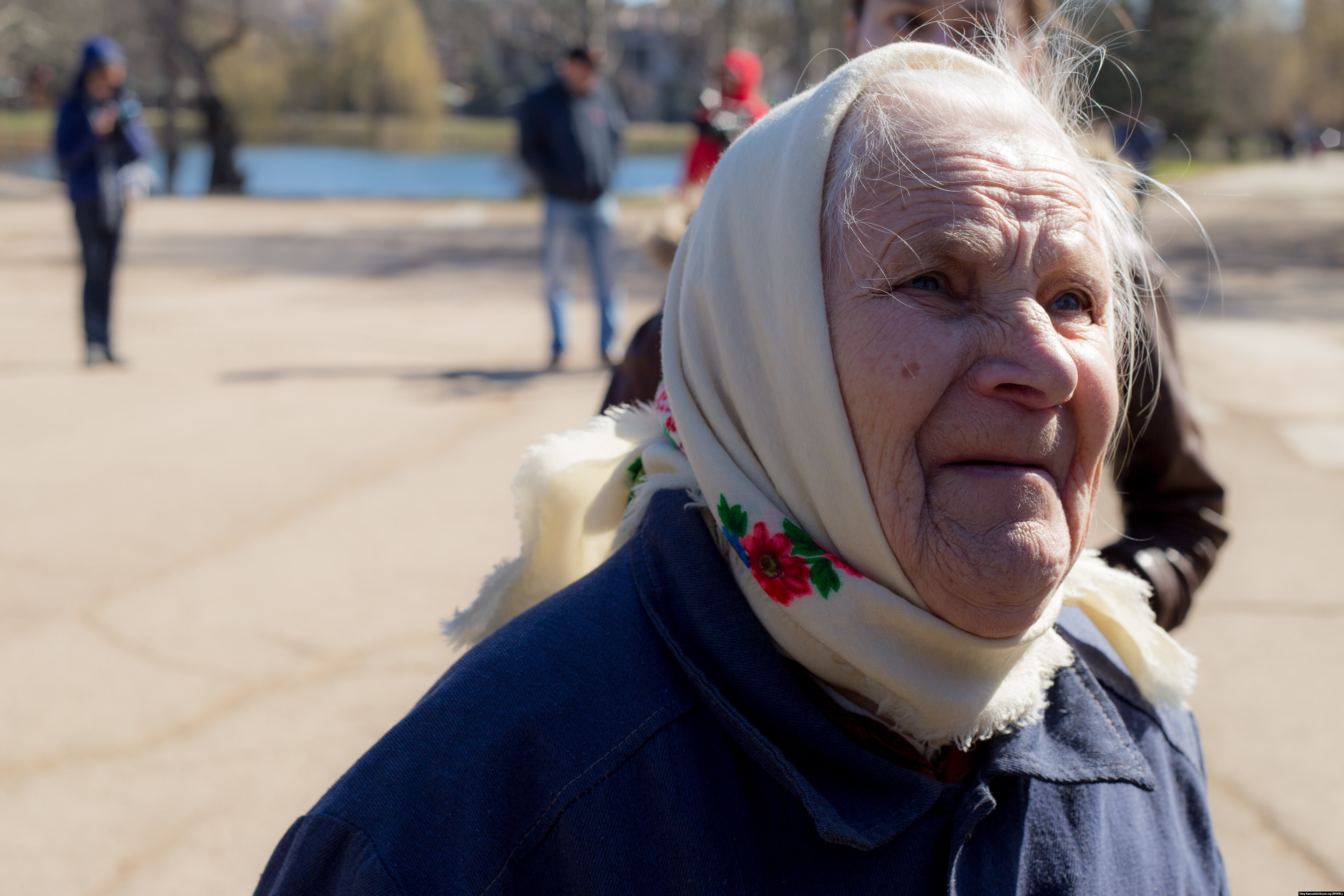
The Russian government proposes to raise the retirement age of up to 65 years for men and 63 years for women. Prime Minister Dmitry Medvedev said the reform should be carried out in stages. The corresponding bill is planned to be submitted to the State Duma on June 14.
They will begin to increase the age of retirement in Russia in 2019, Prime Minister Dmitry Medvedev said on Thursday at a government meeting. The transition period will stretch for 15 years, thus, the age of retirement for men will be increased to 65 years by 2028, for women - up to 63 years by 2034. For people with a large work experience, the government proposes to provide for the possibility of retirement two years ahead of schedule. A social pension (paid to those who could not officially develop the necessary work experience) women will receive at 68 years old, and men - at 70.
Medvedev promised that the existing benefits for the early retirement will be saved. This right will remain with those who work in harmful or dangerous production, women who have five or more children, disabled people and some other categories. According to the prime minister, the reform will contribute to the growth of pension payments "approximately 1000 rubles per year."
The final version of the government bill of pension reform may be submitted to the State Duma of Russia on June 14. Earlier it was reported that deputies can consider it in July - before deputies left for parliamentary holidays.
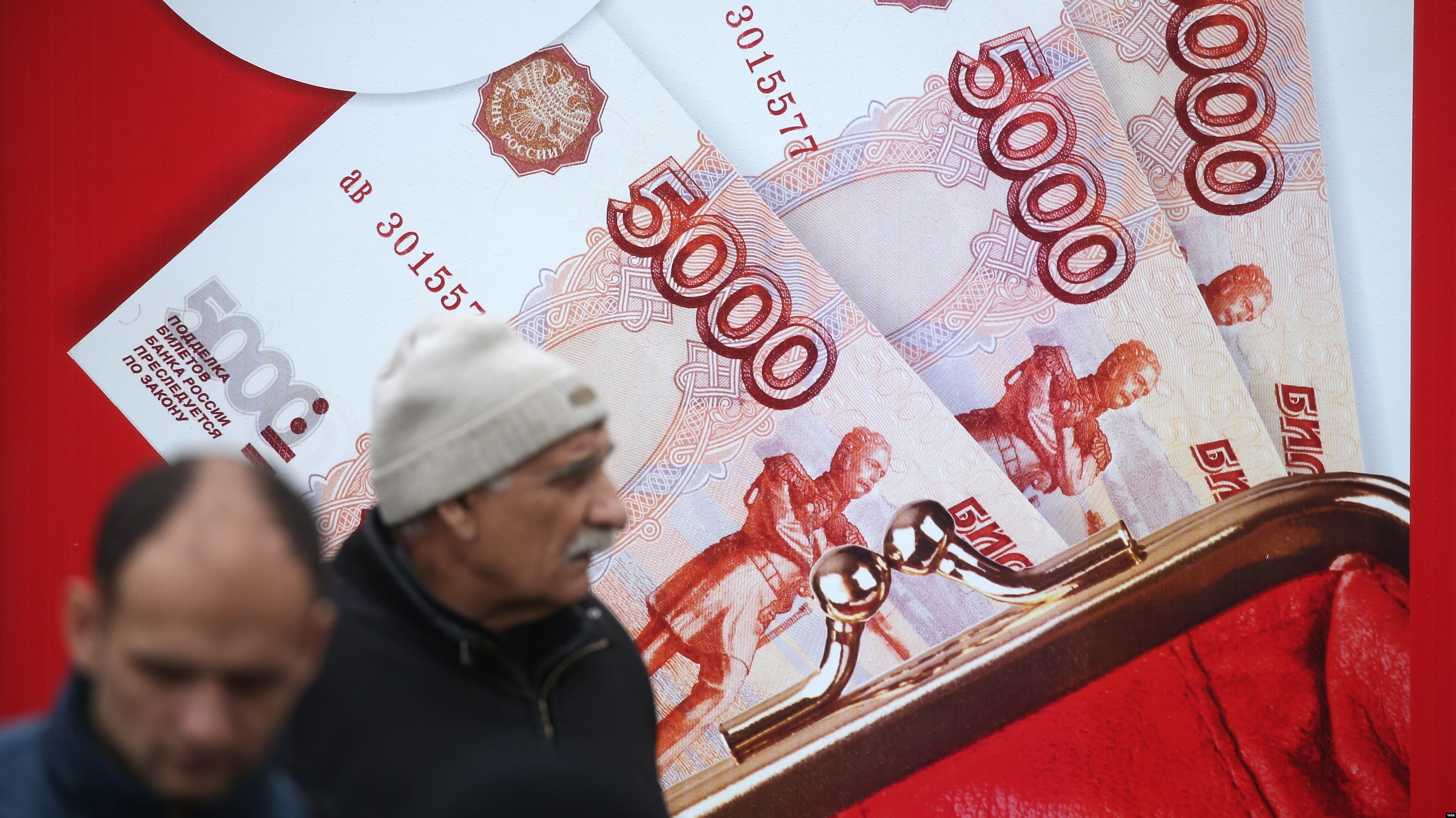
The upcoming reform can be confidently called unpopular. According to a survey of the Public Opinion Foundation, only 9 percent of Russians approve the idea of raising the retirement age, 82 percent opposed. A third is afraid not to survive until retirement. Now in Russia, men retire at 60, women at 55. The expectation of life in Russia, according to the World Health Organization for 2016, is 71.9 years.
Why did the government decide on such an unpopular reform right now? The Deputy Director of the Institute of Social Policy of the Higher School of Economics (HSE) Oksana Sinyavskaya reasoned:
- The last 15 years spoke about this reform, but earlier the main arguments against this measure were that in Russia a very low life expectancy remained in Russia for a long period and mortality was practically not reduced. This was caused by many reasons, including the transformation that took place in the socio-economic sphere. The second argument, why they were not dared to this measure, was that the external economic conditions were extremely favorable, and high energy prices made it possible to calmly solve current problems within the pension system through more intense transfers from the federal budget.
In recent years, the Russian pension system has significantly depended on revenues from the federal budget. Now the situation has changed. On the one hand, we see positive dynamics in life expectancy, and some experts believe that this dynamics will remain in the future due to, say, more good health in medium and young generations. On the other hand, the economic situation has also changed, the budget cannot definitely not increase its transfer to the pension system. Moreover, representatives of the Ministry of Finance have repeatedly said that they would like to reduce the transfer that is already in the Russian Pension Fund. Together, this was distinguished by the government to decide on proposals to increase the retirement age.
- Do you think that this reform can be effective for solving budget problems and improving the quality of life of current pensioners?
- In general, yes. Both the assessments of our institute and other expert assessments that I have seen show that raising the retirement age is one of those measures inside the pension system that gives a fairly significant fiscal effect. In this sense, the tasks that the government set to increase the amount of pensions can be achieved. If the age is not increased, then the indexation will be approximately at the inflation level, and the pension will more and more lag behind wages. An increase in age allows a higher pension due to two sources. Firstly, they will increase at a higher rate of pension to all non-working pensioners, and secondly, those people who will retire later will already have a longer labor insurance experience, they will have more an individual pension coefficient and, accordingly, their individual pension will also be higher, ”said Oksana Sinyavskaya.
The vice -rector of the Academy of Labor and Social Relations Alexander Safonov spoke out against raising the retirement age on the air of Radio Radio :
- I am not a supporter of raising the retirement age, because we missed the situation when it could be done to balance the pension fund. Still, all countries decide to increase the retirement age during the period of economic growth: when you determine that you leave additional labor in the labor market, you need to understand where it will go, because if people of older ages do not find work, then it makes no sense to increase the retirement age.
Evgeny Yakushev, Executive Director of the Non -State Pension Fund, on the air of Radio Radio, agreed that raising the retirement age raises the issue of employment of the older generation:
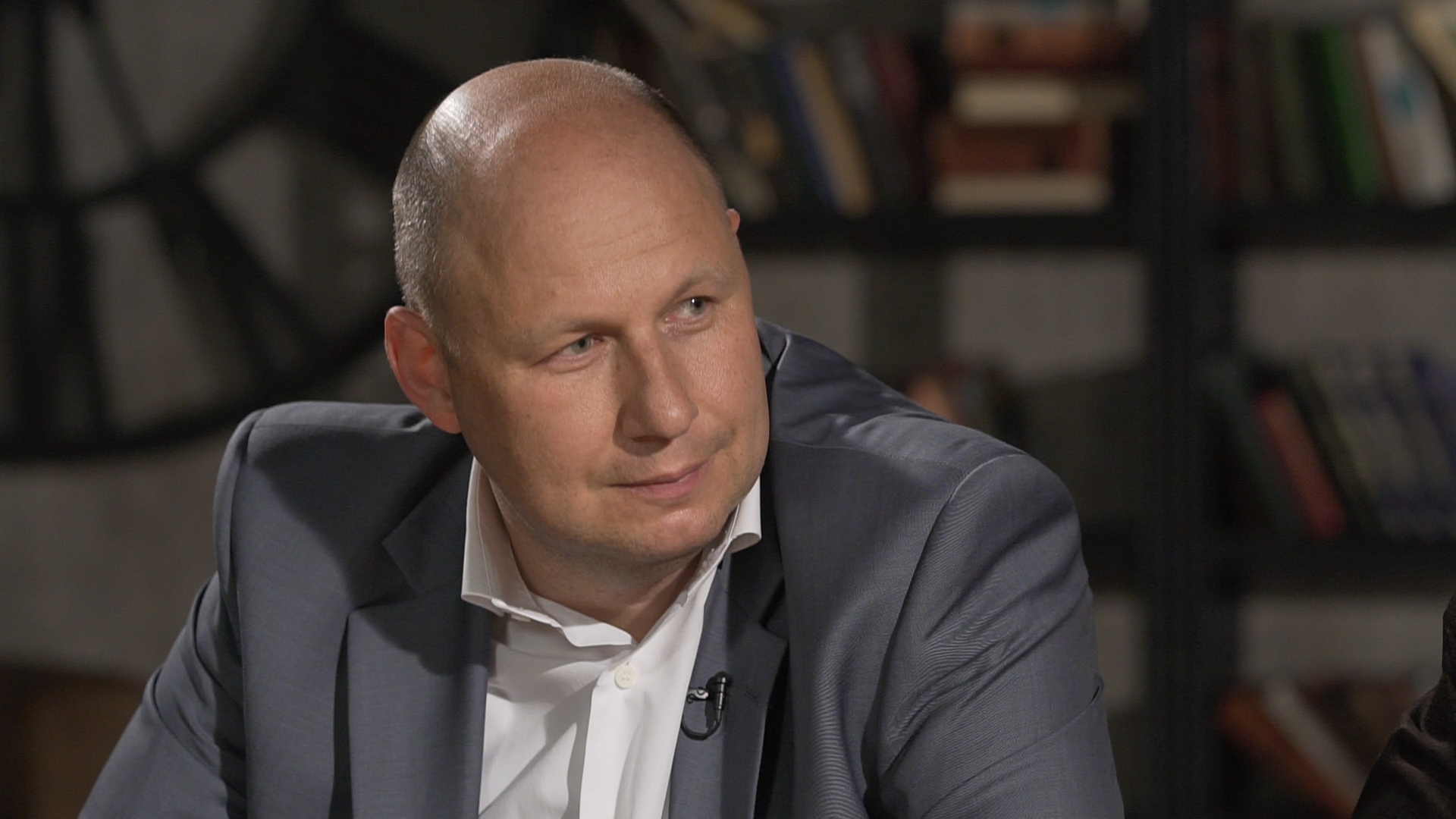
- You need to understand very well what to do with the older ages that remain in the market. This means a very large set of measures to change the labor market: partial employment, some mentoring that will allow people to socialize. Another important thing in a change in retirement age: if a person feels well, he is active, it can work, then he needs to give the opportunity to retire later, but then this pension will be more. And vice versa, if you feel bad and cannot work, then you should retain the right to retire, but it will be lower. The most important thing is that raising the retirement age leads to raising pensions.
According to Oksana Sinyavskaya, despite the stagnation of the Russian economy, the demographic situation in the country favors raising the retirement age:
- Over the past 20 years, so many countries have decided to raise the retirement age, which is already easier to name countries in which age has not been revised. They increase it in different situations, including, for example, the countries of southern Europe increased the retirement age during periods of economic difficulties. As for Russia, here, despite the fact that the economy is currently in stagnation, there is a rather favorable situation for such a measure: the labor market includes a small generation of people born in the 90s. Therefore, Russian employers find themselves in an unusual situation for themselves, when they do not have a massive influx of labor, due to which they could abandon the work of older workers. In this sense, the aging of the population is the very help, which, I hope, will allow this reform relatively painless. But, of course, there are problems of discrimination when hiring elderly workers, and, apparently, the government should offer not only raising the retirement age, but also some measures to train, retrace, assistance in the employment of older people.
- Nevertheless, the reform does not cause support from the population. According to one of the surveys, about 30 percent of the respondents generally expressed concern that they may not survive to retirement.
- Life expectancy is growing, but you can not live to the current retirement age. We preserve the problem of high mortality in men after 40–45 years. But the last dynamics allows us to hope for a fairly good picture of mortality in the coming decades. As for the relationship of the population, there may be different estimates, and our research gave slightly higher numbers. But, of course, this measure in any country was very popular. And we still have the general discontent of people with the level of salary, the attitude of employers to them and working conditions. Therefore, there is such a desire - to get the right to well -deserved rest a little earlier, including being able to combine a pension and salary, which is possible with us. And this is also a factor that affects the negative attitude of people. But so far this negative attitude is not active, that is, to expect such performances as they were in the monetization of benefits in 2005, I would not, ”says Oksana Sinyavskaya.
Doctor of Political Sciences Mark Urnov also does not see the grounds for social protest in connection with the new reform and does not share the discontent of Russians by increasing the retirement age:
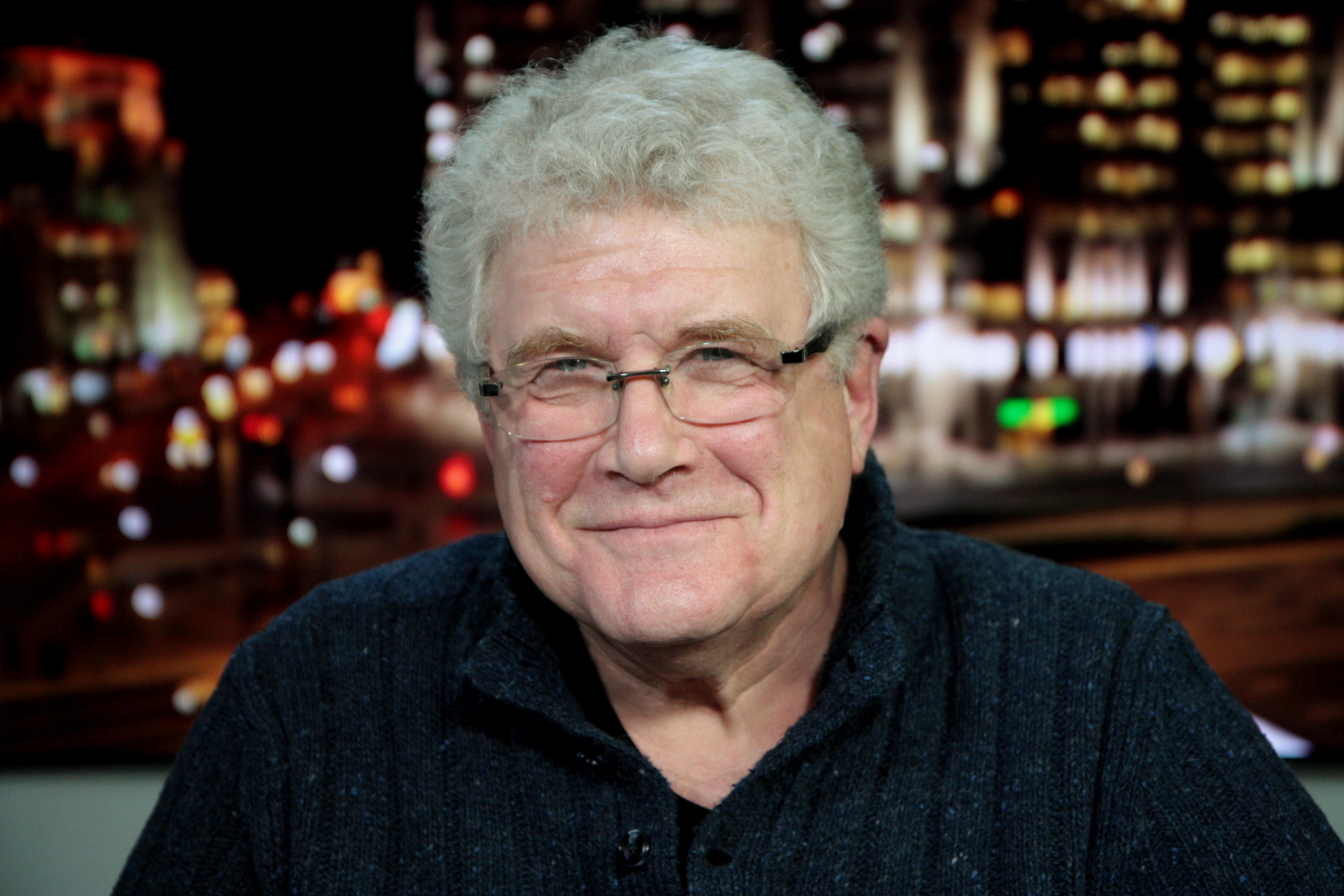
-Honestly, it was long to carry out this reform, because, firstly, the population is aging, and those pension funds that are present today are clearly not enough for normal payment of pensions. Secondly, we are by no means in the best budget condition now, so it’s hard to find additional resources. I belong to the minority of the Russian population that supports this reform, and I am not quite clear why many people are dissatisfied with. We have most of the gross domestic product, as you know, at state and semi -state enterprises, and our pensions, to put it mildly, are low. But when the retirement age rises, it is much more difficult to dismiss a person from state organizations, therefore, instead of being provided after a more or less tolerable wage at a very low pension level, he is given the opportunity to work further and more or less normally provide normally. So people are given the opportunity to receive more than they could receive if they, guided by pension legislation, would simply be sent for a well -deserved rest. It is clear that this emotionally causes dissatisfaction - they want to force us to work longer, and we are already old ... But in fact, after all, who cannot work, he retires, and who can work, continues.
- Can this discontent to develop into a social protest?
- In no case. There may be some small protests, but I do not see any powerful protest potential in society now, neither among middle-aged people, nor in the pension category. Different parties can try to play this somehow, but I do not think that this can be promoted to serious protest movements, with road ceiling and so on. The reform is carried out softly and in the interests of just the elderly, who are forcibly sent to retirement. For people who work at state -owned enterprises, this is beneficial. If I were a propagandist, I would now focus on explaining to people who retire, that they are given the opportunity to simply extend a more or less decent existence. Salary - 30, 40, 60 thousand per month, and when you retire, you have a maximum pension - 14 thousand. Choose! I understand that this means recognizing the extremely low level of pension provision, but it is, in principle.
- According to surveys, many Russians are afraid not to live to a new retirement age ...
- Well, this is not connected with pension provision, but with the health status of the Russian population. It is bad, and the rupture in the level of health in the age cohorts of aging between Russia and developed countries is very large. But this is in no way connected with the level of pensions. If they asked me: what do you want to die at work or retirement, I would definitely answer that I want to die while in working condition, ”says political scientist Mark Urnov.
Almost 43 million pensioners live in Russia, about 40 million of them receive old -age insurance pensions. In 2018, the average amount of such a pension was 13,172 rubles. Chukotka pensioners receive most of all, where the minimum pension is nearly 21 thousand rubles. The smallest pension in the country is 7 thousand rubles - in the Kursk region. In 2018, the imbalance of the budget of the Pension Fund is almost 2.5 trillion rubles.
-

Svetlana Pavlova
The editor of the RS information service, the host of information programs, correspondent of the Moscow Bureau. On RS since 2009.
Subscribe
Born in Moscow in 1985. She graduated from the Faculty of Journalism of the RSU. Collaborated with the Favorite Internet Gazeta and the magazine "Ogonyk"