
Translated material
Wi-Fi standard developers presented the WPA3 security protocol
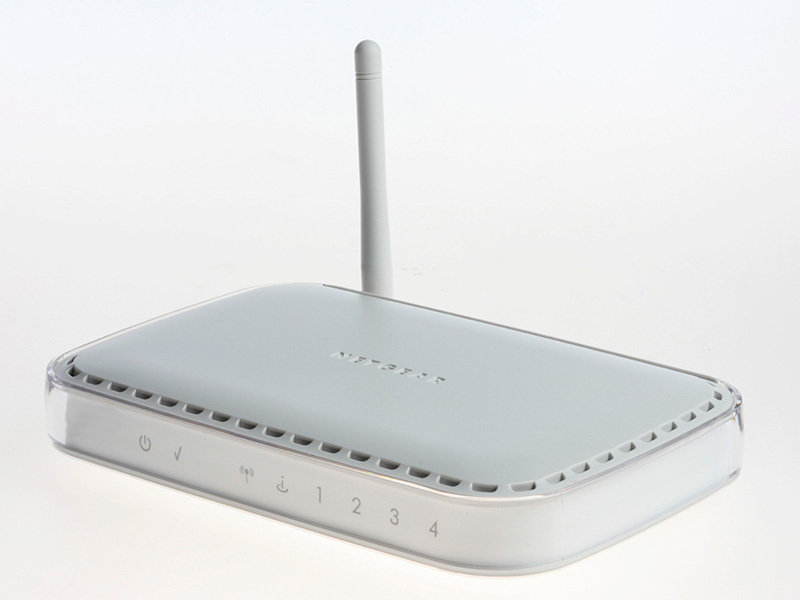
The Wi-Fi Alliance group officially introduced the third generation of the WPA (Wi-Fi Protected Access) protocol announced in January this year, which should replace the WPA2 protocol since 2004.
According to The Verge , the WPA3 protocol is characterized by improved protection-although outwardly we are still talking about protecting Wi-Fi networks using a password.
WPA3 provides protection from hacking by breaking passwords. In this type of attack, the hacker grabs data from the Wi-Fi stream, sends them back to the victim’s device and selects the password again and again until it finds a coincidence. But WPA3 uses a safe protocol for creating the keys between devices, known as the simultaneous authentication of equal elements (Simultaneous Authentication of Equals, SAE). It is arranged so that the hacker will have only one attempt to guess the password before intercepted offline data will become useless. For constant selection, physical access to the router and the lack of special protection on it will be needed, CNews explains.
Another important difference between WPA3 and the previous version of the protocol is that the hacker, which nevertheless succeeds in breaking the network, will be able to see the data that pass through it on the live air, but will not have access to old data.
Finally, WPA3 will allow users to easily adjust the connection on gadgets without a display and buttons using the Easy Connect function, and the cryptographic standard with a 192-bit key, similar to the CNSA (CMMMERCIAL NATIONAL SECURITY algorithms) algorithm, will be available.
Currently, the new standard is just starting its way. Now, manufacturers of devices with Wi-Fi have to release models with WPA3 support, as well as, if possible, update existing gadgets. According to Wi-Fi Alliance, the process of transition to WPA3 is activated at the end of 2019, when the introduction of a new generation of Wi-Fi (802.11AX) begins. At the same time, some companies have already reported their support for WPA3 and 802.11AX. So, Qualcomm began to produce chips for 802.11ax.
Recall that in October last year, a group of researchers in the field of cybersecurity found serious vulnerabilities in the WPA2 encryption protocol. Experts found an exploit called Krack, which allows attackers to intercept the entire traffic of the user of the Wi-Fi access point, including payment data and other sensitive information, as well as to implement malicious code.