
Translated material
"History has a blindfold"
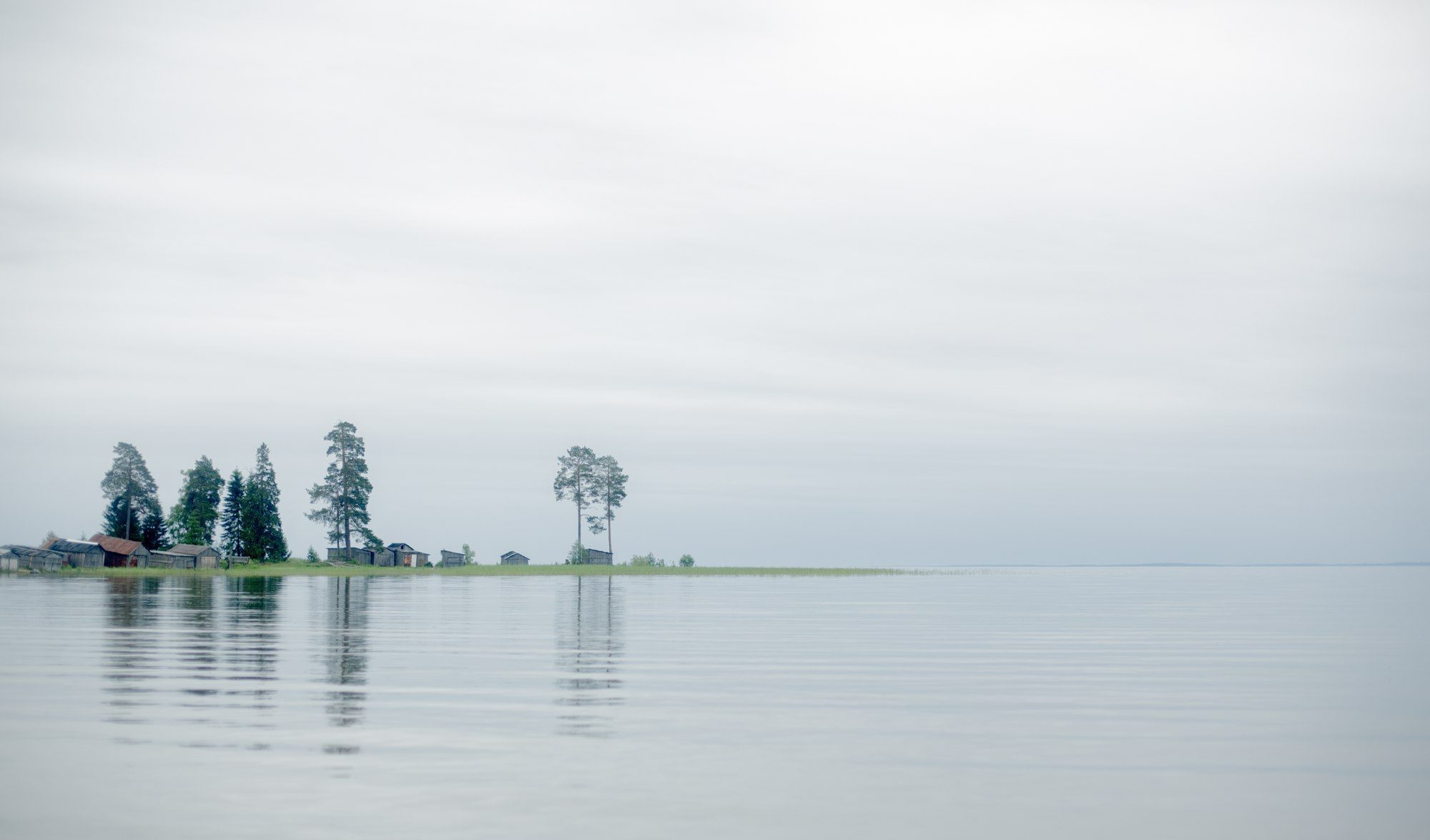
That the inhabitants of the surrounding cities and towns are thinking about Sandarmokh, mass executions and repression
In 1997, Yuri Dmitriev, along with Irina Flig and Veniamin Iof, found the burial place of the first Solovetsky stage, 1111 people. But later it turned out that much more people were buried in the same tract: Belbaltlag’s prisoners exiled to Karelia and just residents of the surrounding villages: rolleries, carpenters, storekeepers. The fact that their relatives did not disappear in distant camps, but lie nearby, in twenty - forty kilometers, local residents learned only then. And they returned the taken away memory.
Taisiya Fedorovna Makarova, Medvezhyegorsk
In the morning we went to school, and dad was going to work. He was a head of the way, worked across the road from the house. So we didn’t see him anymore: we came home - but he was not, they took him right from work. In the evening of the same day, we had a search at our place. Mom had a box, she put letters to the older daughters there, they lived in Petrozavodsk. They [investigators] shook all of her, and we had nothing more, bed, and that’s all.
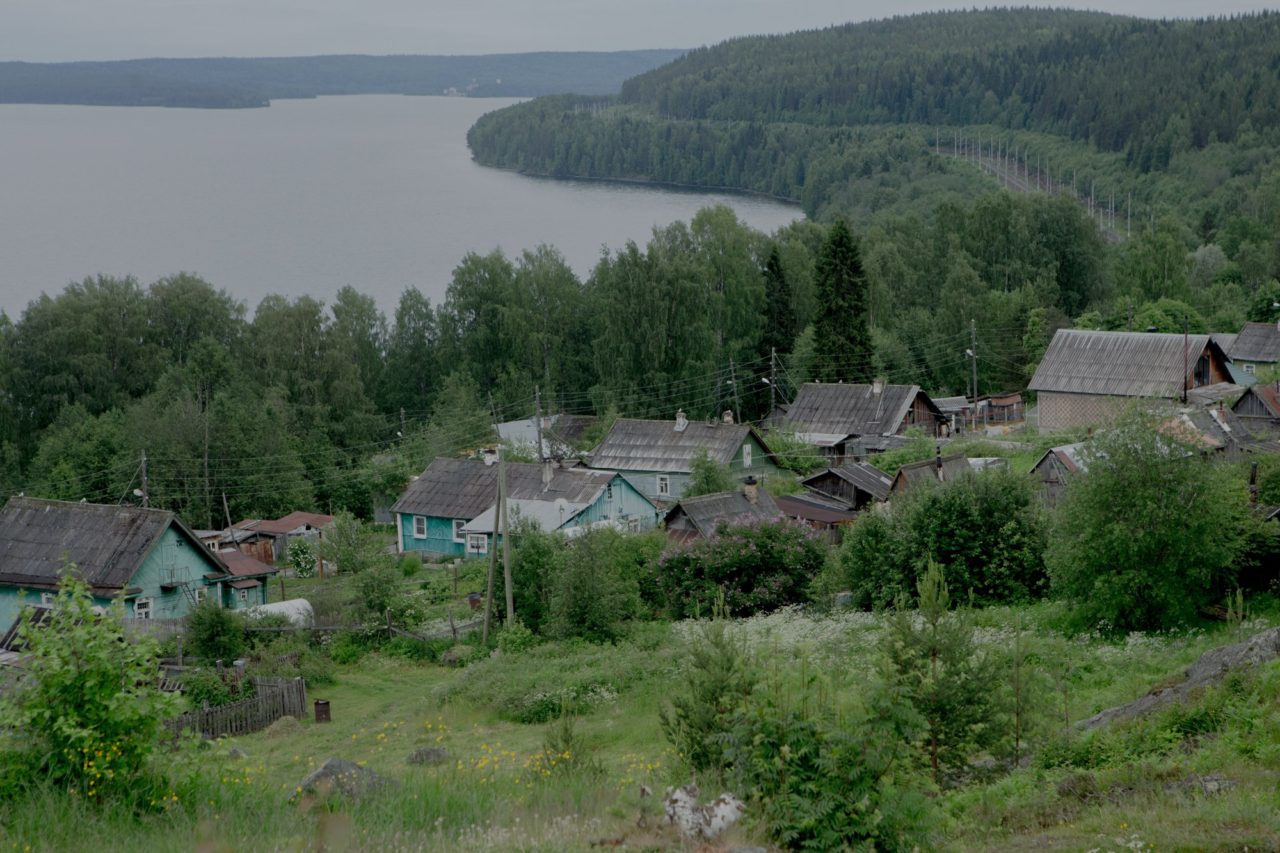 Medvezhyegorsk photo: Anna Ivantsova for TD
It was the 37th, I was ten years old. I remember that everyone was taken away, our house was in the center, and nearby was a bus stop. In the morning you go, and you can hear only tears and crying. People go to work and cry with a roar: they took someone from everyone.
In the evening, there were also tears at home: my father came to us, my older sisters from Petrozavodsk arrived. In all, the pope had six of us, and without him it became very bitter to live. Hard.
We were looking for him, mom went to Medgor, the sisters wrote, but they didn’t tell us anything. Once they took the gear, we handed the boots: everything was already hung up, and he was taken in felt boots. So more and not a word. We lived in the lamp, and when the prisoners were led to the channel by our house [In the village of Radoen, the first gateways of the Belomore-Baltic Canal are located in the village. - approx. TD ], we sat on the bench by the house and looked: suddenly we will see dad. And there were a lot of them, they walked, and walked, and walked. We did not see anyone, and our mommy died, not knowing where it is. So we did not hear anything about him and did not know.
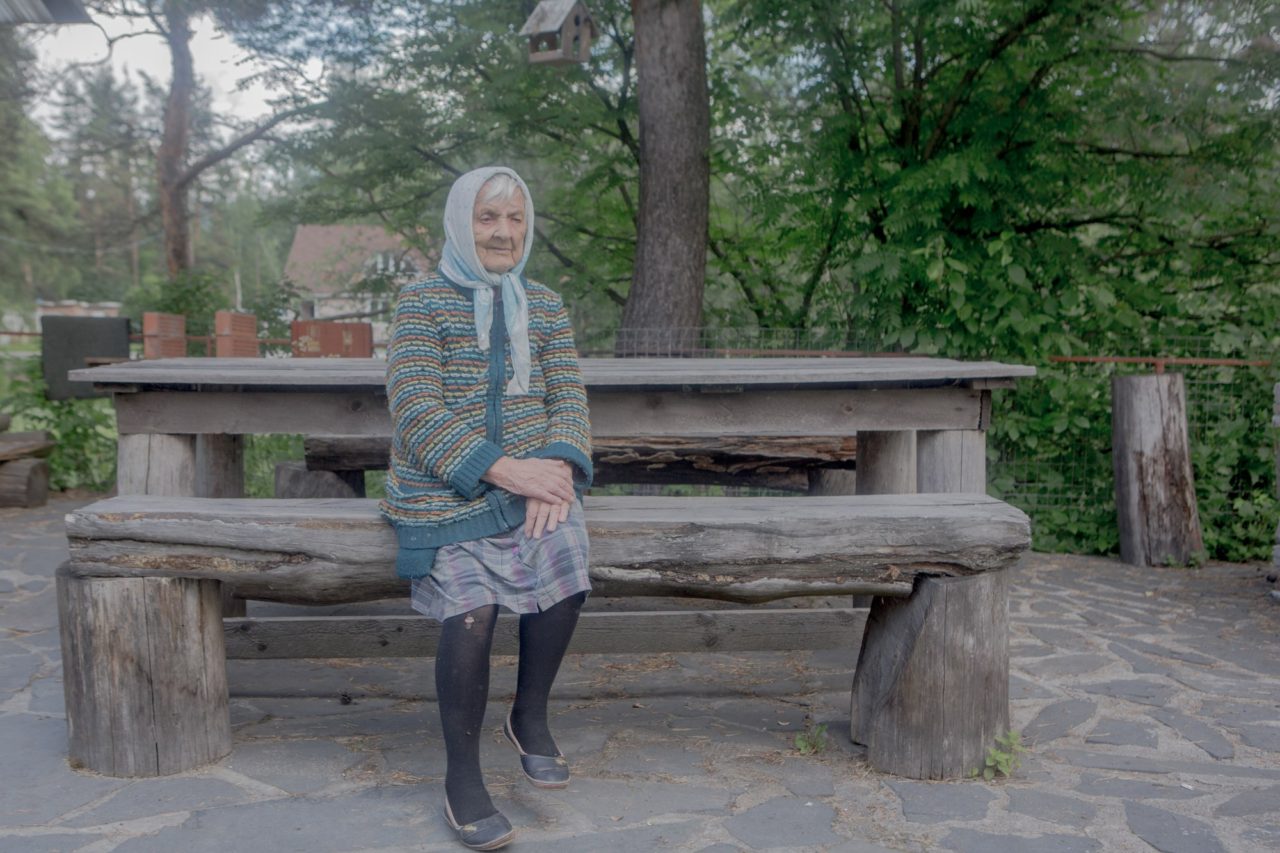 Taisiya Fedorovna on the territory of the Medvezhonok Hotel in Medvezhyegorsk Photo: Anna Ivantsova for TD
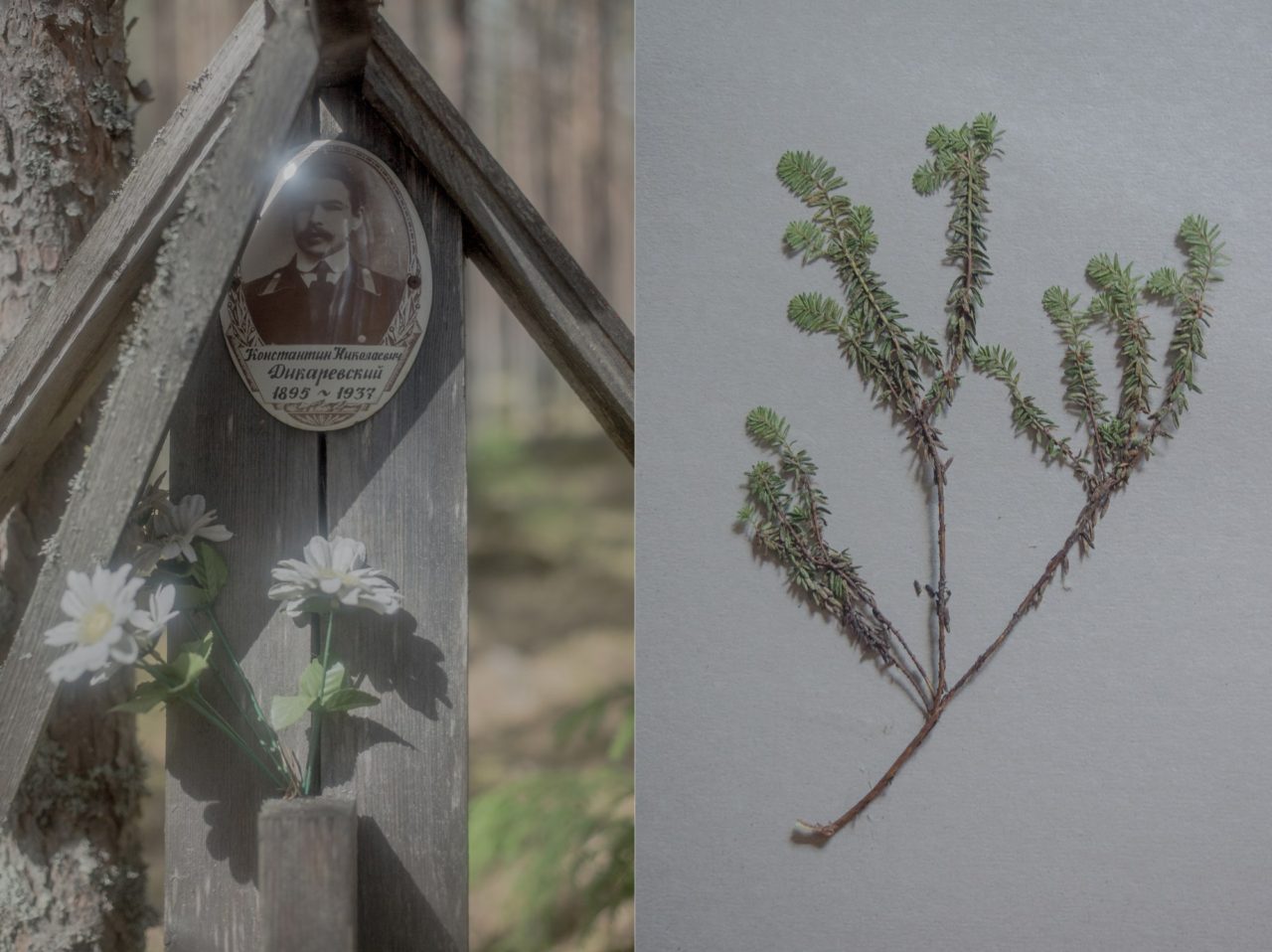
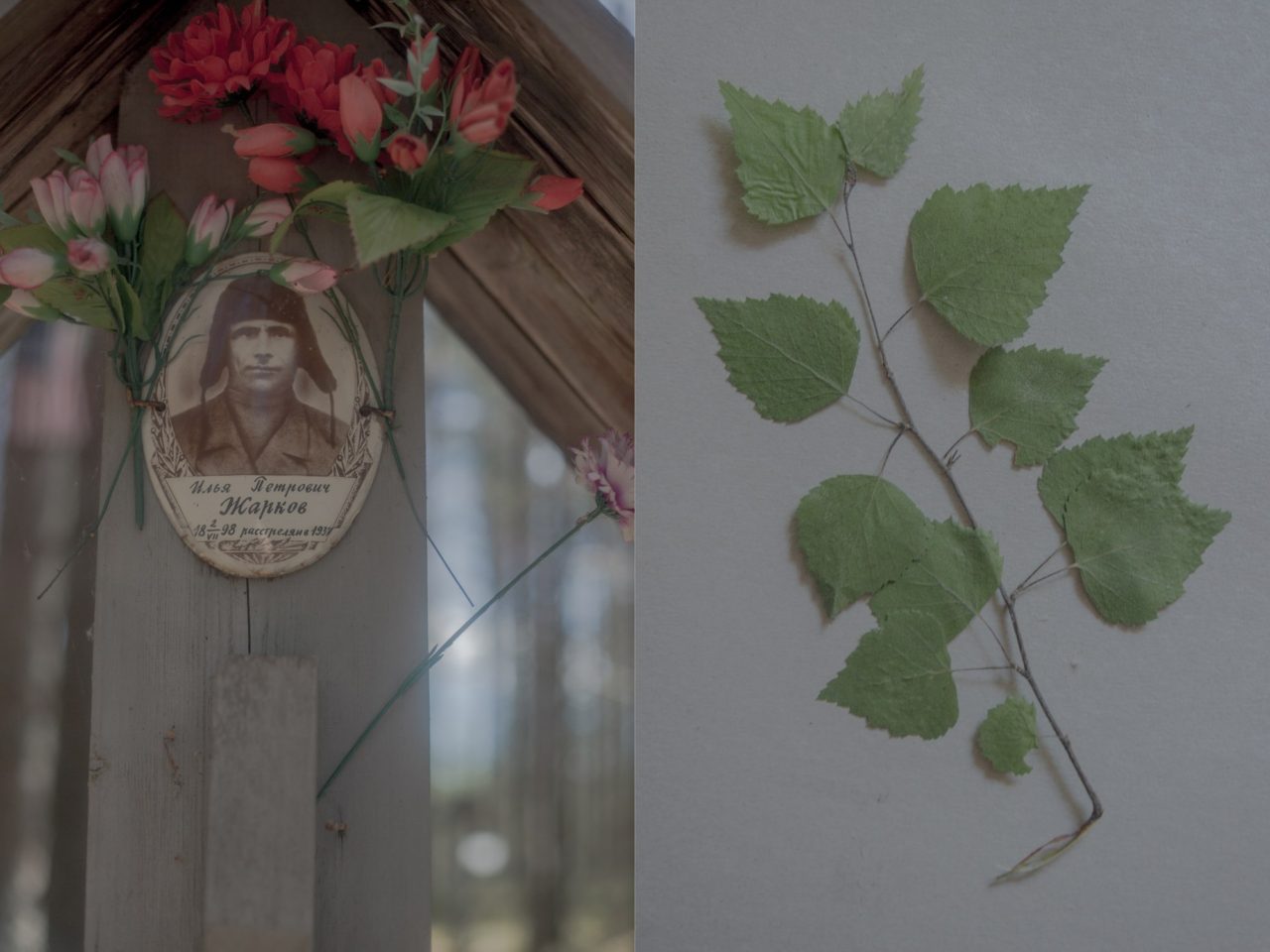
Only when the excavations began with us in Sandarmokh [in 1997, Yuri Dmitriev and his colleagues discovered a mass burial of those who were shot near the Medvezhya Gora station, about nine thousand people were buried there. - approx. TD ], we learned that he is there. They looked into the “Memorial Book” [Books with lists of repressed residents of Karelia, which were also also Yuri Dmitriev. - approx. TD ] and found his last name. Everyone cried, everything. We went to Sandarmokh with the sister of Rai, go there, we go through the forest, and as if we were attracted to some kind of place. There they erected a monument to him.
When I found out that dad was there, it became insulting. They did not let him live! After all, if he were alive, we would have a completely different life, we would have learned everything ... But now we at least know where he is, we can come to him. I think then they were looking for pests, and they took the innocent people. And they were not to blame for anything and could live and live.
 Medvezhyegorsk photo: Anna Ivantsova for TD
___________________________________________________________________________
“The convicts to the highest degree of punishment were brought by car to the place intended for this, that is, to the forest, they pulled out large pits, and in the same place, in the indicated pit, they ordered the arrested to go down his face, after which they fired at the arrested revolver.”
From the investigation of Mikhail Matveev, the captain of state security, who led the executions of the Sandarmokh
___________________________________________________________________________
Lyudmila Yakovlevna Stepanova, Medvezhyegorsk
They came for ours at night , knocked on the door. He immediately realized that it was behind him: we had a house in the village, there was not even a road there, only walk, who else could it be at night? He, even when he was arrested for the first time and released, said to his mother: "Dasha, if they come at night, this is after me." So it was. Mom said that we took all the men from the village then, there was one groom Yasha, the most non -pound of all.
___________________________________________________________________________
“Having started the operation in the Medgor, I faced the fact that the operational machine that had in the 3rd department on the way with people to the place of pronouncing the sentences was out of order on a very busy road, where I had to stand for several hours. There were cases when the repressed shouted that they were being taken to shoot, and in order to prevent possible excesses from the convicts, I suggested that Schondysh make wooden “blocks” as a cold weapon. ”
From the testimony of Matveev in court
___________________________________________________________________________
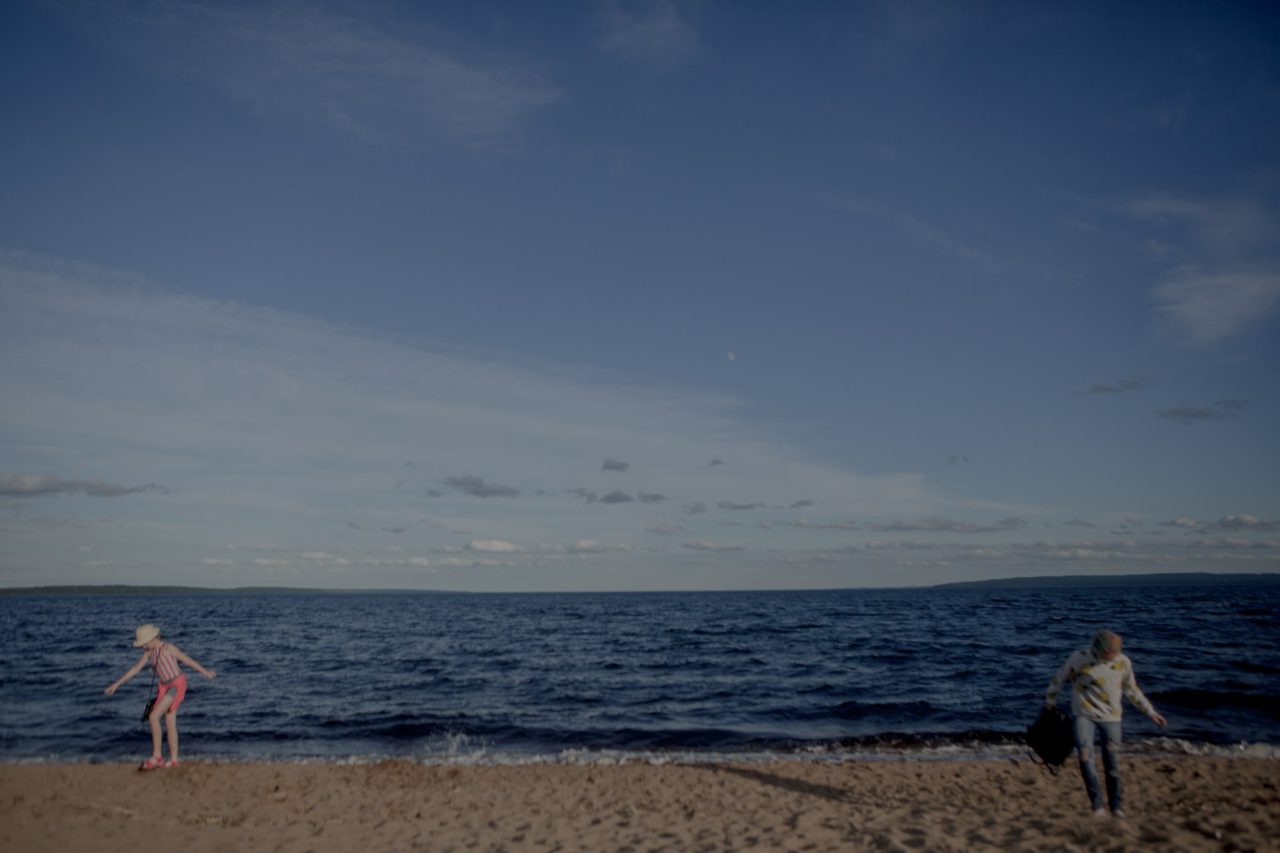 Park of Culture and Rest in Medvezhyegorsk Photo: Anna Ivantsova for TD
There are five of us left with my mother, all the girls: from the age of 28, from 32 years old, from 34 years old, I have been from the 37th and Valya from the 39th. We were already from her from another father. When the war began, I was four, and the youngest was two. And we were evacuated in Zaonezhie.
And there we began to starve. The youngest, Valya, then died: she was lying in the house on the bench, extending her hand and says all the time: “Give-da-Dai.” And my sister and I were lying, swollen like two chocks, already died. Then our mistress fell ill, mother began to care for her, and she allowed us to give us yogurt from under the sour cream. So we survived.
After the war, we returned home. It was very difficult for her mother without a husband: she was sent to logging, and we all the same with my sister, she was eleven, I am eight. I went to school in the soldier's boots that I found in our house. Once my mother went to ask that they would give us some fabrics, we sew their clothes. She was then told: “You close your mouth. Do your husband know where? And you will be there. "
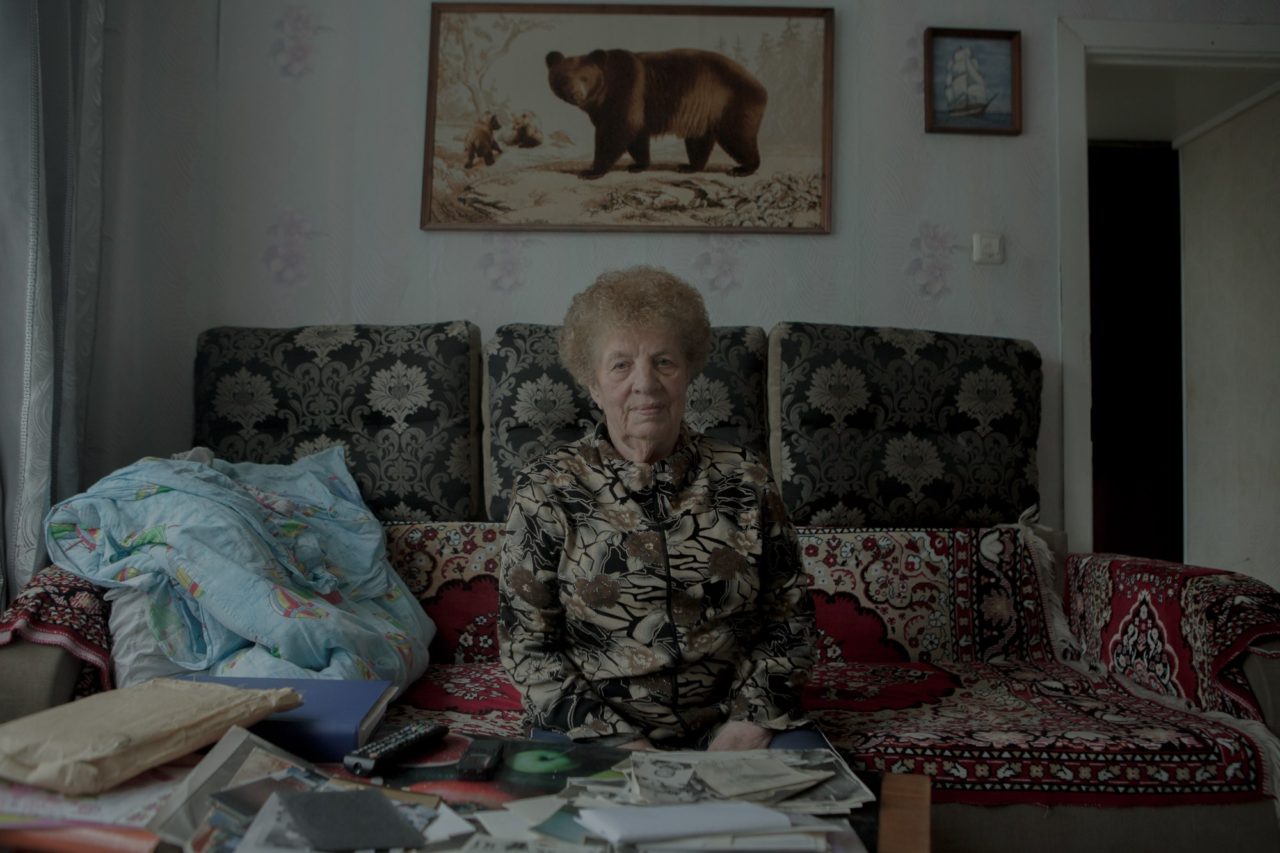 Lyudmila Yakovlevna photo: Anna Ivantsova for TD
___________________________________________________________________________
“The insulator itself, where people were prepared for sending for execution, did not correspond to reality. The walls in the insulator were wooden, and the slightest scream could affect the faces sitting in the isolator convicted of VMN, and such working conditions forced us to be afraid of the slightest scream. ”
From the testimony of Matveev in court
___________________________________________________________________________
We did not know anything about him. I finished four classes, went to work, my mother gave me to the nannies in the Bear Mountain. Learning further did not work. Then she went to work on the [Belarusian-Baltic. - approx. TD ] channel. It was already said about him that he was built on the bones.
And in the 50s, paper came that our Fedor died in Norilsk from typhoid fever. And 100 rubles were sent with her: then my mother divided this money into four sisters and gave each one for 25 rubles. I bought myself a stapel for a dress.
And then it turned out that he was not taken to any Norilsk. In the 90s, to us everyone who was shot, they distributed “Memorial Books”. There we found him, but not only him, but all of ours, rustic. There is his brother and aunt's husband, Gorbachev. Of course, I am shocked: they said that he died somewhere in Norilsk, but it turns out, here he is, nearby! Forty kilometers were taken and shot.
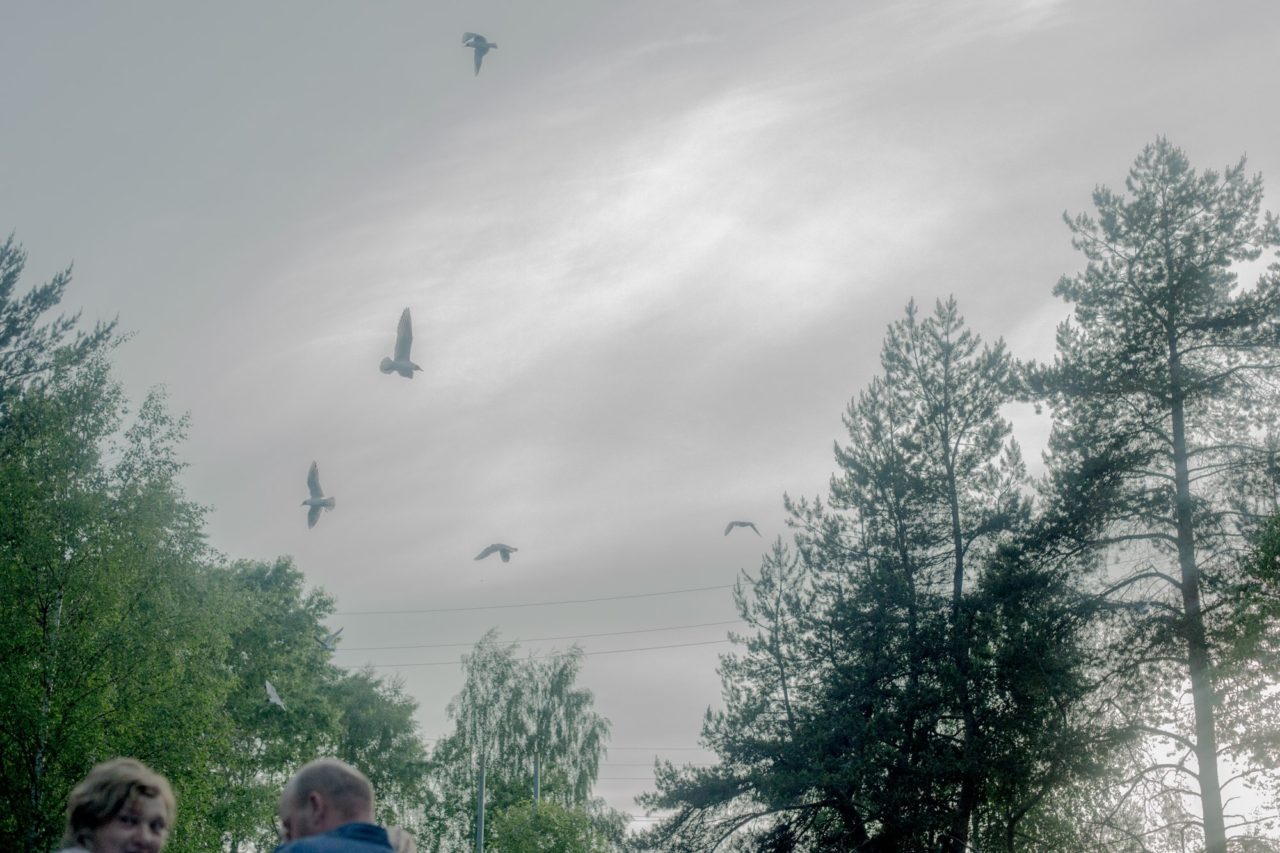 Celebration of the City of Medvezhyegorsk Photo: Anna Ivantsova for TD
I think that the country's top leadership is responsible for this. Non -guessed people died. Our carpenter was, so what is it for? I knitted firewood. Just wrecking: all men were taken before the war.
___________________________________________________________________________
“At the end of November or at the beginning of December, the M-in 1937 was in the room of the hand binding, when one convicted person arranged a large excess, I, afraid that his scream would come to the insulator, in which there were over three hundred people sentenced to VMN, and they could arrange a riot, inflicted one blow to him with a backbone.”
From the testimony of Dolinsky in the court in the case of Matveev
___________________________________________________________________________
Tamara Semenovna Shikov, Sosnovka village
My grandfather and maternal grandmother, Alexandra Dmitrievna and Ivan Fedorovich, lived in the Kalinin district. In the 37th grandfather was taken. We have never heard anything about him. I just heard that her former neighbor once came to my grandmother and said that he saw him in 1941 in a south in the penal battalion. So he disappeared there. Grandma had five children, she understood that she could not survive alone with them. Therefore, she decided to go to Leningrad and leave the children at the station to be arranged in an orphanage.
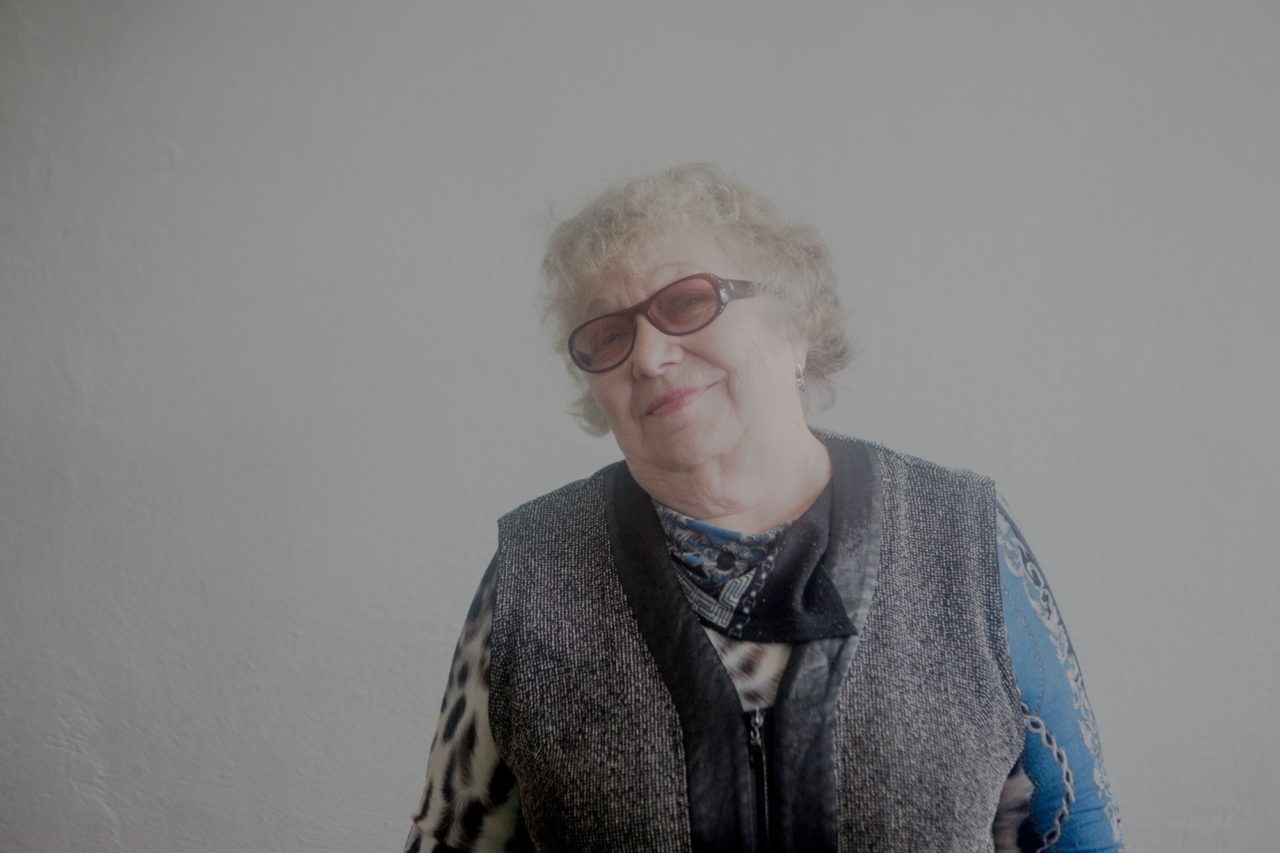 Tamara Semenovna Photo: Anna Ivantsova for TD
She left the eldest with her, gave a infantry to a childless family, and the rest got into the orphanage. Then the war began, the eldest sons were in the army, she took my mother to her, and the younger girl was evacuated with the orphanage from Leningrad, and the train fell under fire. Mom and grandmother were evacuated to Siberia, and there we lived until 1953, because the collective farmers were not given passports. In 1953, Stalin died, we were given passports - and we left for Karelia.
Grandmother did not marry again, she repeated everything that there was no one better than her Vanya. But they were afraid to say something about it, they were afraid of my whole life, and when I asked her, she said: “Grandma, let's try to find it,” she answered: “Do not turn it away. I'm afraid of that time. " I searched for him in the lists, never found.
 Embankment of Lake Onega in Sosnovka Photo: Anna Ivantsova for TD
I still cannot realize the events of those years. Before the war itself, her neighbor came to my grandmother. He fell to her feet and said: “Alexandra Dmitrievna, forgive me. I brought it to your Vanya. " And out of envy, it came out of envy: my grandfather was clever, worker, a master of all hands. For that, he burned. How to explain this? The neighbor came, repented, asked for forgiveness. But she said: "God will forgive you, but I cannot give you forgiveness."
And in Sandarmokh the place was always not good. Even when nothing was opened yet and we did not know anything about it. Once my husband and I went on bicycles for mushrooms. We drove far and got there [to Sandarmokh. - approx. TD ]. They began to pick mushrooms, but I felt uneasy. I say to my husband: “Edik, let's get out of here as soon as possible. I'm terrible here. "
Alexandra Alekseevna Basalaeva, Pindushi
I have both grandfathers repressed. Papin's father was a sapper, served in the Life Guards in the Semenovsky regiment, in the sapper brigade. He received two St. George Cross: one first degree, one fourth degree. He was on the collective farm a brigadier, and someone brought him to him: he was accused of having died, and for this he was sent for ten years to camps in Komi. He survived, but returned the whole patient.
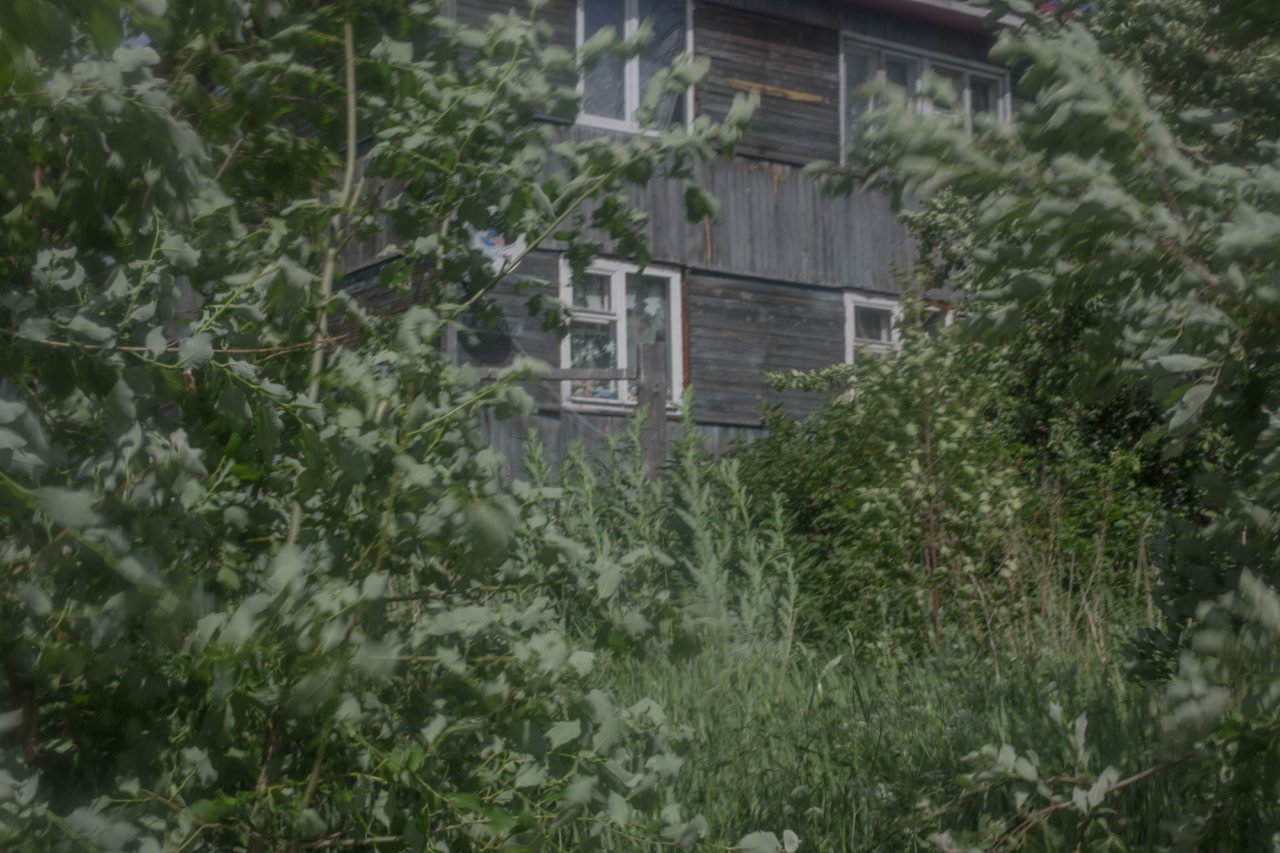 Pindushi photo: Anna Ivantsova for TD
Mom's dad was a fist: two ten lands, forest. We arrived at night and took it. The chairman of the collective farm reported him, and he was shot, he lies near Leningrad. Mom told me about her father, my grandfather, who was shot, said that he was a wonderful master, clean, clever ... tells, but adds: "Sasha, do not tell anyone." And she said again: “The history of the story is blindfolded. But the time will come, and everything will open. The time will come, people will find out what was happening in 1937-1938. ”
Mom herself, Apollinaria Kirillovna, worked as a saleswoman at the Idal station in the war and told me : “There is a queue, and one of the people asks:“ Polina, give me a bread for tomorrow! ” She says: “I won’t give it. You will eat at once, and then you will not have.” The boss explained to her and explained to her: “Even if they cry, they say, give me! You yourself are revised, and do not come on.” Both mom and dad left the village, because it was very difficult in collective farms, both had four classes of education.
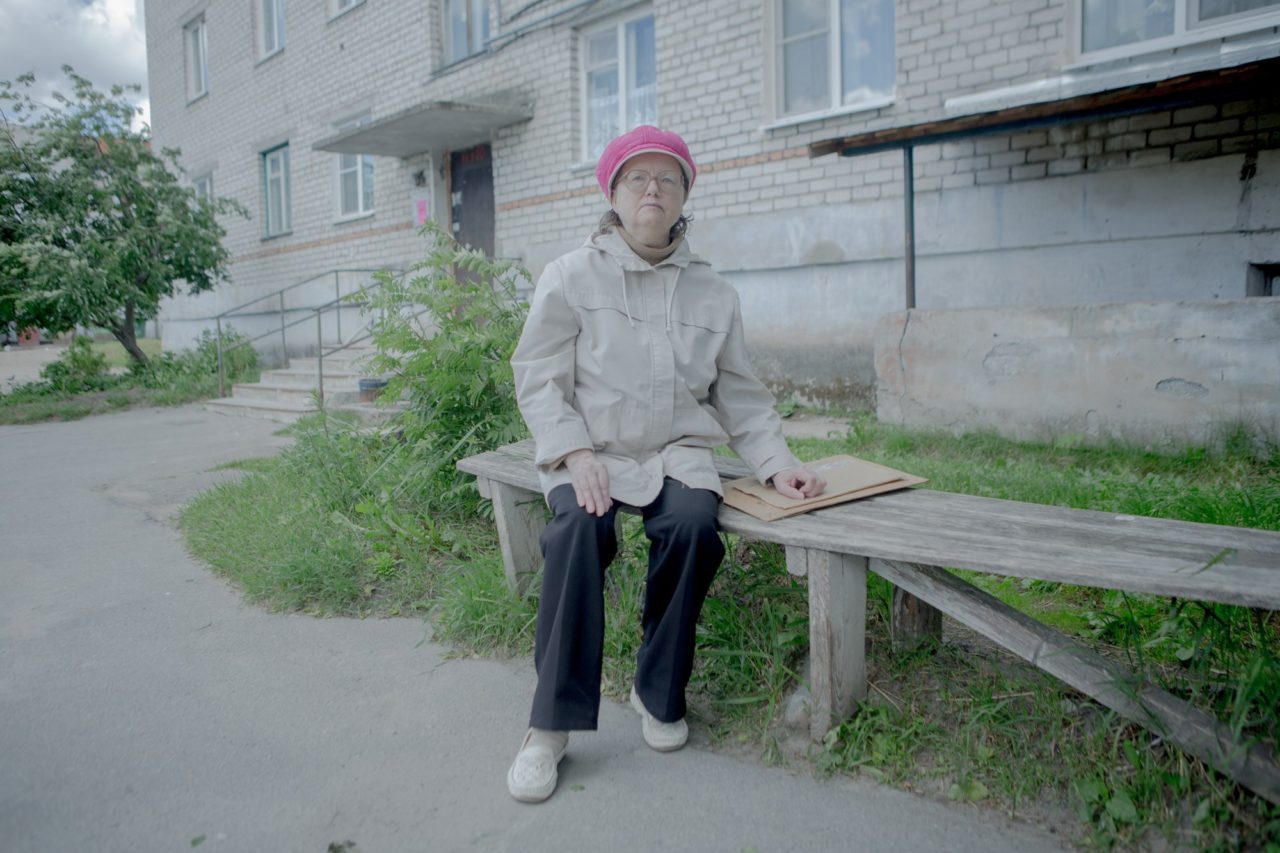 Alexandra Alekseevna on a bench in the courtyard of her house in Pindushas photo: Anna Ivansova for TD
When I found out about Sandarmokh in the 97th, I was shocked. Now I go there every year on the fifth of August. I put the flowers to some grave and remember both grandfathers. I do not understand why they shot innocent people. I wrote to the FSB, both of me were sent, one grandfather and the second. After all, it’s funny to read! Some kind of ridiculous pity. Stalin announced that the class struggle was aggravated, so they began to grab just strong men who had a strong economy.
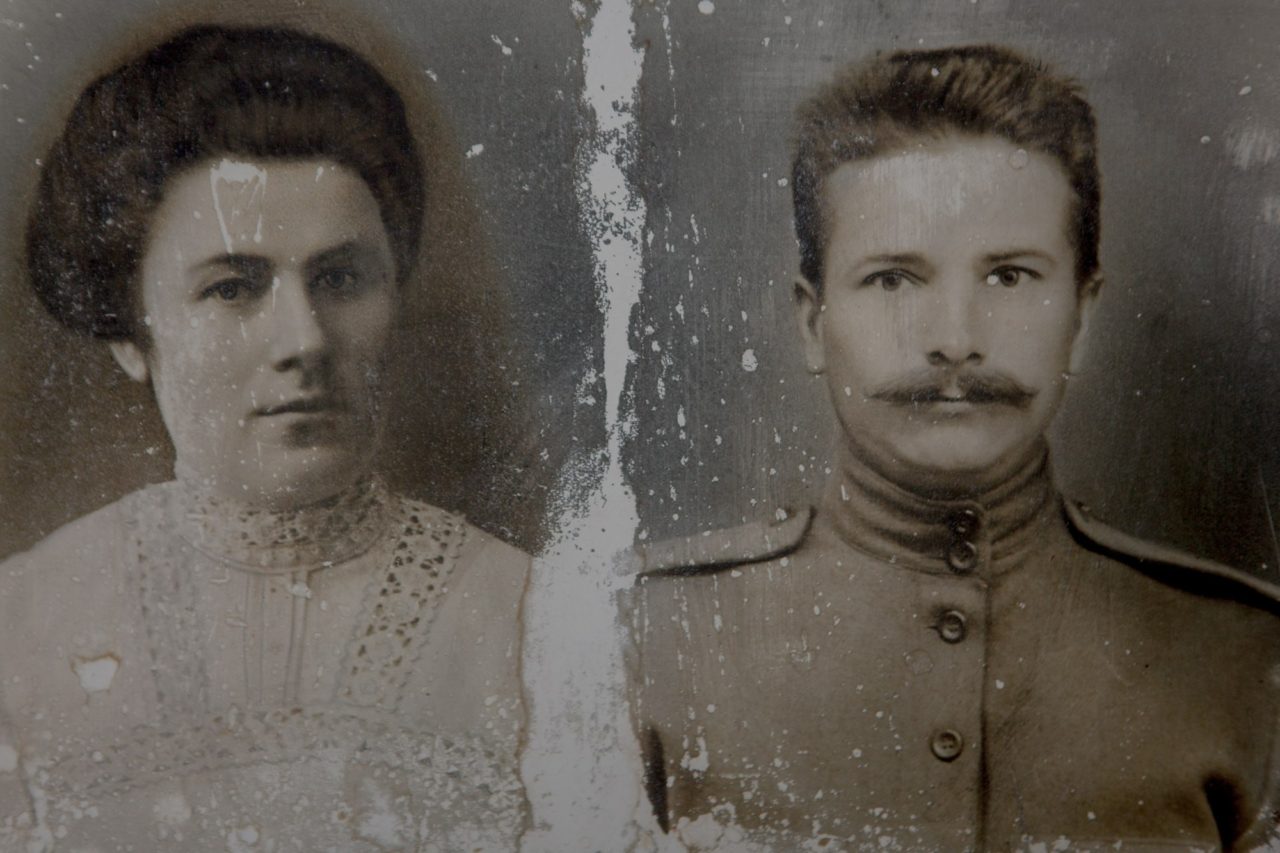 Grandfather and grandmother Alexandra Alekseevna. Grandfather Kirill Ivanovich Kolotushkin was repressed and later shot photo: Anna Ivansova for TD
___________________________________________________________________________
“Once on the route, a cargo car with people deteriorated and stood in the village of Pindushi. At this time, one of the convicts began to shout that the audience could hear. In order not to solve our work, it was necessary to take the appropriate measures, but there was no way to shoot in the car, it was also impossible to tie his mouths with a towel, since the arrested lay with a continuous cover at the bottom of the body, and I, in order to pacify the shouting convicted person, pierced the convict with iron cane, thereby stopped screaming. ”
From the testimony of Mikhail Matveev
___________________________________________________________________________
Elena Ershova, village of Bryukhovo
It so happened that both of my parents became Bryukhov residents. The great -grandmother on the paternal line said that they knocked on them at night and took her great -grandfather on the Black Vorona . And she was sent here with two sons here, to Karelia. They were both Finns. Pyotr Fedorovich and Anna Davydovna Rautanen, lived in Leningrad, in the Toksovsky district. On my mother’s line, my grandfather was also repressed: he was captured in the war, then the Americans released him from the concentration camp, and he was immediately arrested in the USSR and also sent him to Karelia.
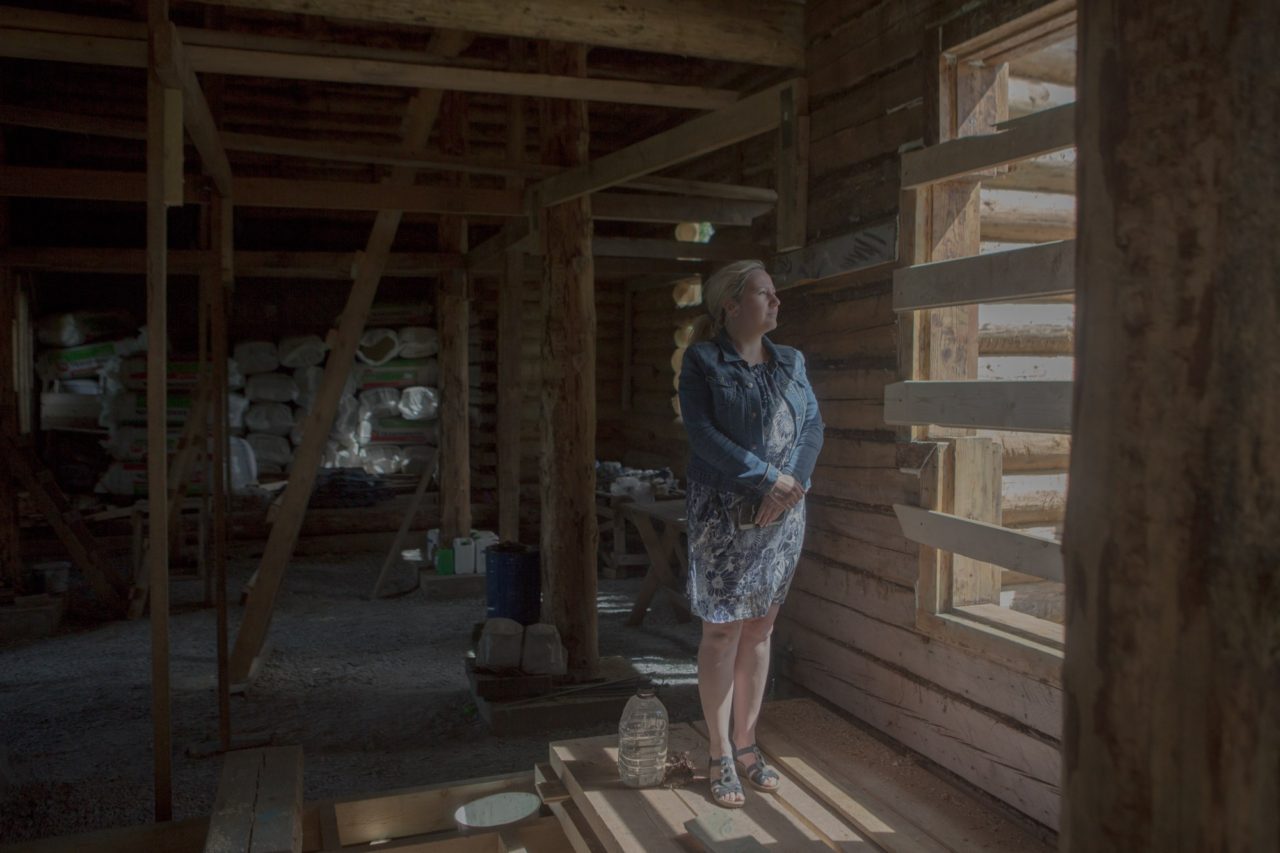 Elena photo: Anna Ivantsova for TD
I remember the great -grandmother well. She spoke perfectly in Finnish and always stood out: possessed several languages, sewed completely different dresses for herself, sewed unusual ruffles there, her appearance was completely different ...
In 1956, the great -grandmother was sent for death for death: they wrote that great -grandfather died in 1942 from an abscess of the lungs in the Kirov region. But in fact, he was shot almost immediately after the arrest. We already found out when we raised archival documents. I think that the story of my family is one millionth what was in the country. People went through hell. We even know about Sandarmokh, but how much more can there be along the channel of the same burials that no one will ever find?
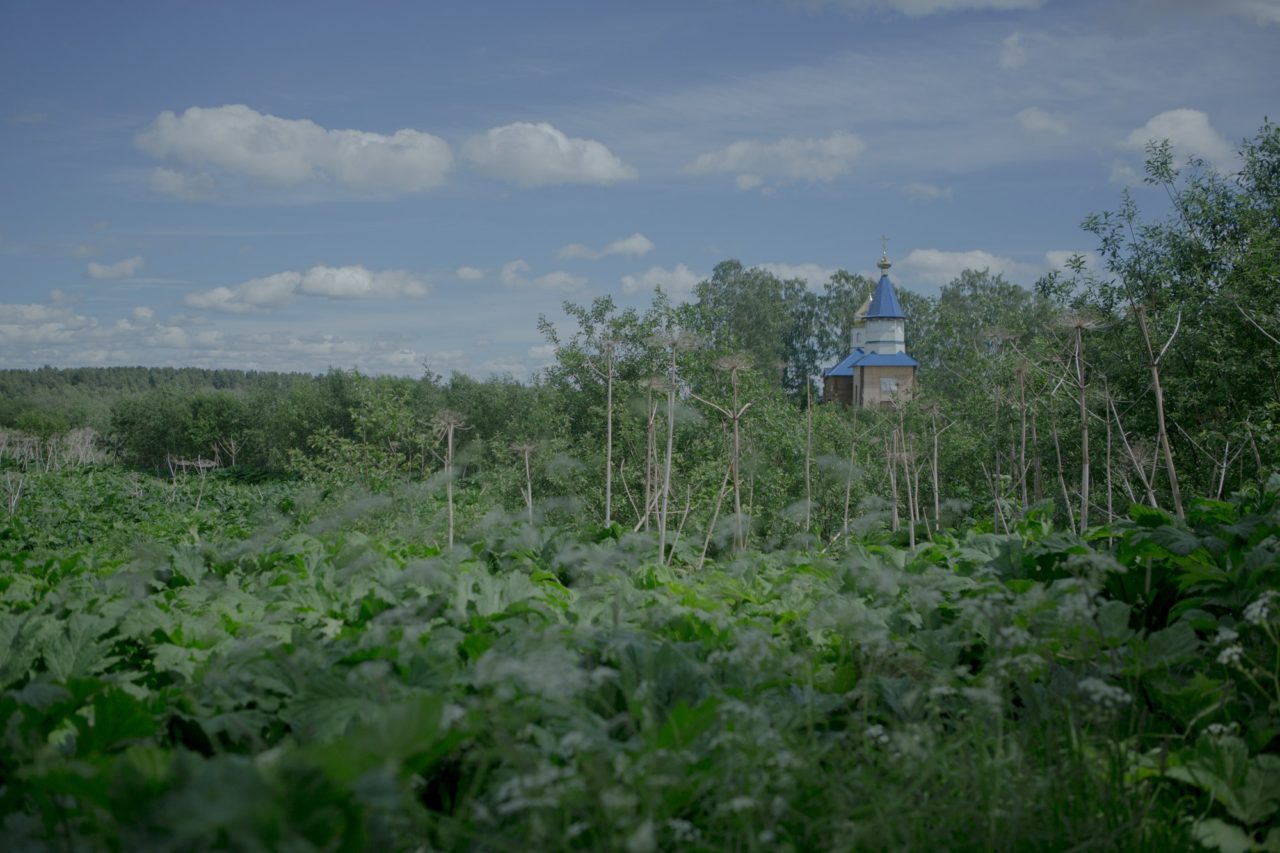 Church of the Nativity of the Blessed Virgin Mary Photo: Anna Ivantsova for TD
We had a dilapidated wooden church in Bryukhov: it was closed back in the 30s, but the services and altar were here until 1942. Then she stood in desolation for a long time, collapsed, and our heart was doused with blood. Now we are restoring it . And this church and Sandarmokh, this is all one era. We restore the destroyed, we are engaged in the past so that our children have a future.
Mikhail Matveev - the captain of state security (before the revolution - the engineer of the locksmith). In 1937 he led the execution of 1111 prisoners of the first Solovetsky stage. According to the results of the work, he was awarded, but in 1939 he was arrested. Together with him, employees of the NKVD department of the Belomore-Baltic Canal Shondsh and Bondarenko were arrested. They opened the case of excess of official powers and the "inhumane" handling of prisoners. During interrogations and in court, the arrested enkavedeshniki told how exactly the executions were carried out. Matveev was given 10 years of camps, but already in 1941 they were released ahead of schedule, and he continued the service in the NKVD. He died in 1971.
Do you want us to send the best texts of “such cases” to you by e -mail? Subscribe to our weekly newsletter!
The historical memory of Karelia of repression Sandermokh Yuri Dmitriev