
Translated material
May approved the Brexit plan
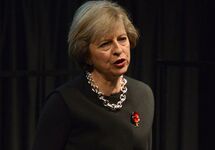
British Prime Minister Teresa May approved a plan for the country's phased exit from the European Union. The application about this is posted on the website of the British Cabinet of Ministers.
The plan provides that Britain and the EU will create a free trade zone. At the same time, Britain undertakes to harmonize its trade rules in the future, including agricultural products, with European ones, but only as much as these norms provide unhindered trade. London will have the right to independently determine tariffs and conduct a trading policy. The final decision on trade rules will be made by the British parliament.
In addition, Britain plans to adhere to general standards with the EU and in other areas - ecology, employment, consumer protection. It is emphasized that London will not allow these standards to "fall below the current level."
London plans to conclude an agreement with the European Union on the abolition of customs control on the future border between the EU and Britain.
The free movement between the EU and Britain will stop - London will introduce border control for European citizens. At the same time, the British and EU residents will still be able to travel in both directions and apply for work or study.
Britain will leave the jurisdiction of the European Union - now the highest legal force will have decisions of national courts. At the same time, the British courts will take into account the decisions of the European Union court in those areas where the kingdom retains general norms with the EU.
The agreement was the result of negotiations between supporters of the immediate and phased exit from the EU in the office of ministers. The decisive internal consultations took place on Friday. According to The Guardian, some conservatives, including the head of the Foreign Ministry Boris Johnson, demanded to take a more stringent position.
The British media reported that on Thursday, Johnson met with former Prime Minister David Cameron, and both agreed that the proposed May plan was the “worst in the world”. According to The Times, May sent a letter to the conservatives in which she threatened to dismiss dissatisfied ministers, including Johnson, if they try to weaken Britain’s position in negotiations with the EU. She called on the ruling conservative party to unite.
According to the results of the referendum, held on June 23, 2016, 51.9 percent of subjects spoke out of the EU, 48.1 percent, respectively. At the same time, out of the four components of the United Kingdom, Brexit supporters received the majority only in England and Wales, while Scotland and Northern Ireland advocated the continuation of membership in the European Union. So, in Scotland, Brexit opponents gained 62 percent of the vote, supporters - 38 percent.