
Translated material
The legacy of the "eastern threat". 75 Soviet monuments are demolished in Poland
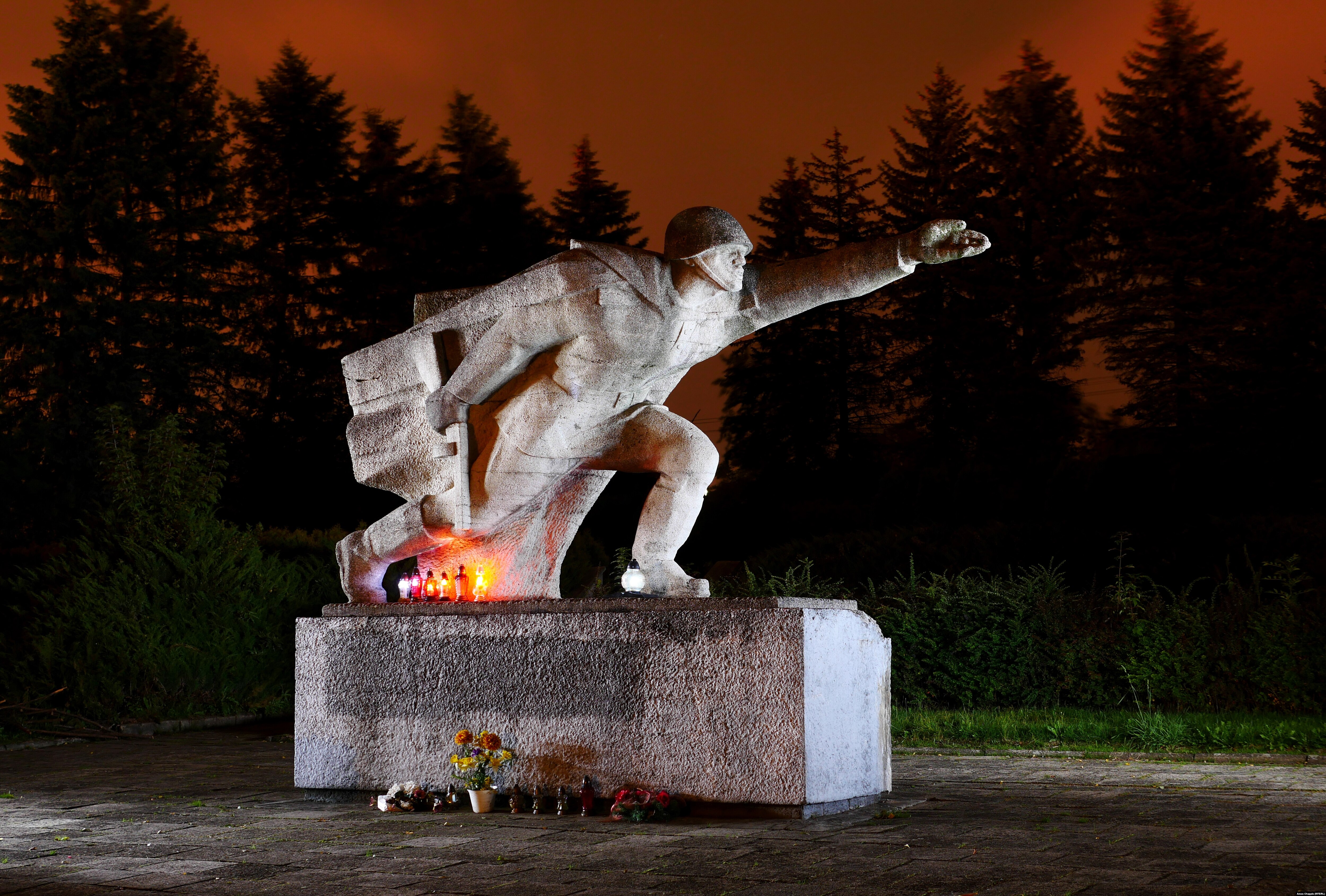
By the end of 2018, the authorities of Poland will demolish a total of 75 monuments of the time of the USSR related to the Red Army, Soviet partisans and prisoners of war. In Russia, this decision predictably caused a storm of indignation and accusations against Warsaw.
The Polish Institute of National Memory recommended that the country's authorities demolish 75 monuments related to the Red Army, Soviet partisans and prisoners of war, which were built after the Second World War. This was reported by Kommersant with reference to a list of monuments provided by the Polish party.
The document includes monuments from 13 Polish voivoders. Some of them are already dismantled. Only four of them are located in large cities - this is a monument of gratitude to the Red Army, erected in the Scaryshevsky Park in Warsaw, two obelisks in Vroclav and a memorial plaque in Lodzi. The rest are in provincial small cities and villages. Monuments located in the burial places of Soviet soldiers will not be demolished - they are subject to international conventions and agreements between Russia and Poland on the burial of the victims of wars and repressions. Similar cemeteries in Poland - about 700.
According to the official representative of the Ministry of Culture and National Heritage of Poland Anna Bochan, Warsaw is of the opinion that the document concerns only the protection of cemeteries and memorial complexes and does not apply to the symbolic monuments of the Brotherhood in arms or gratitude to the Red Army.
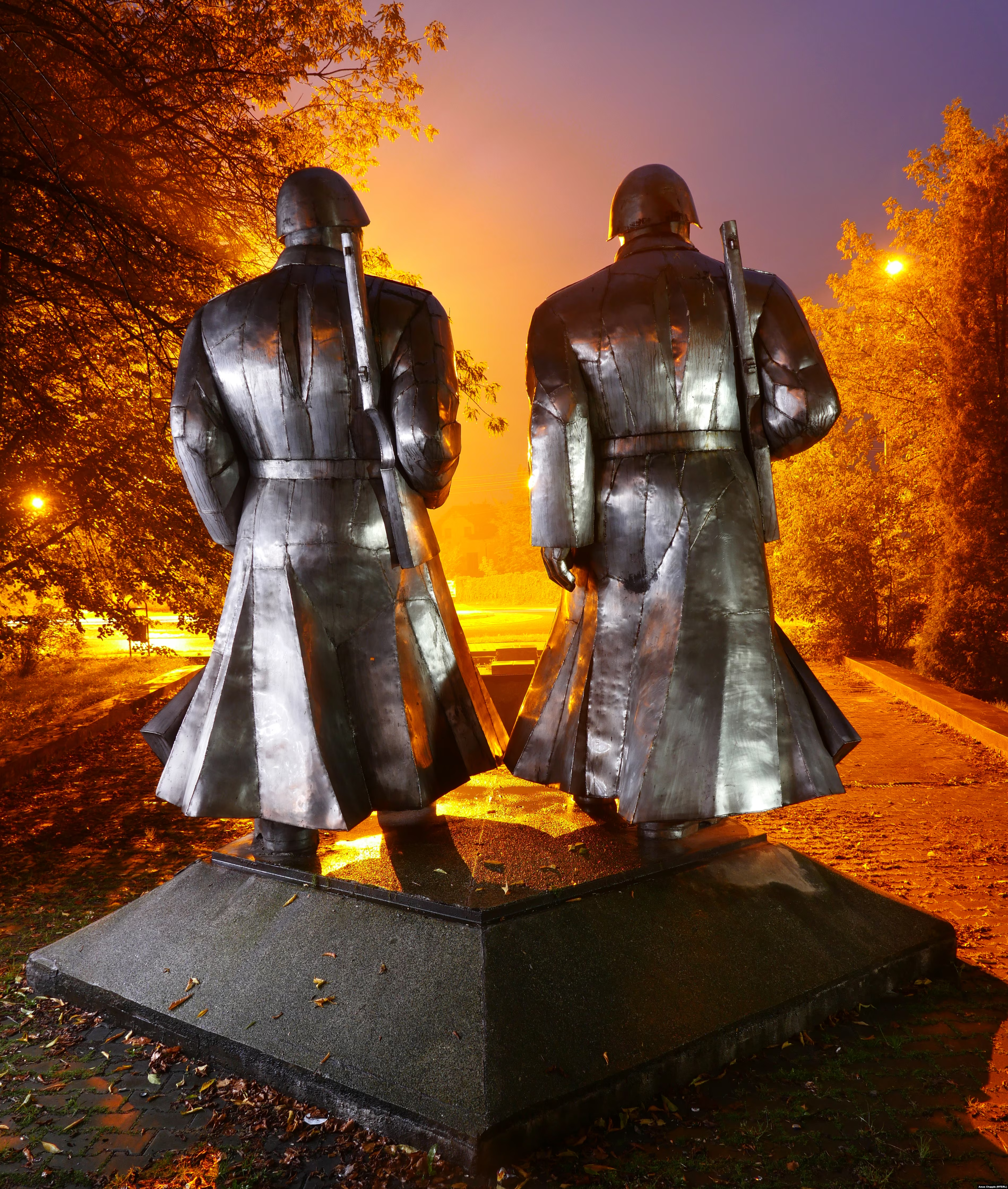
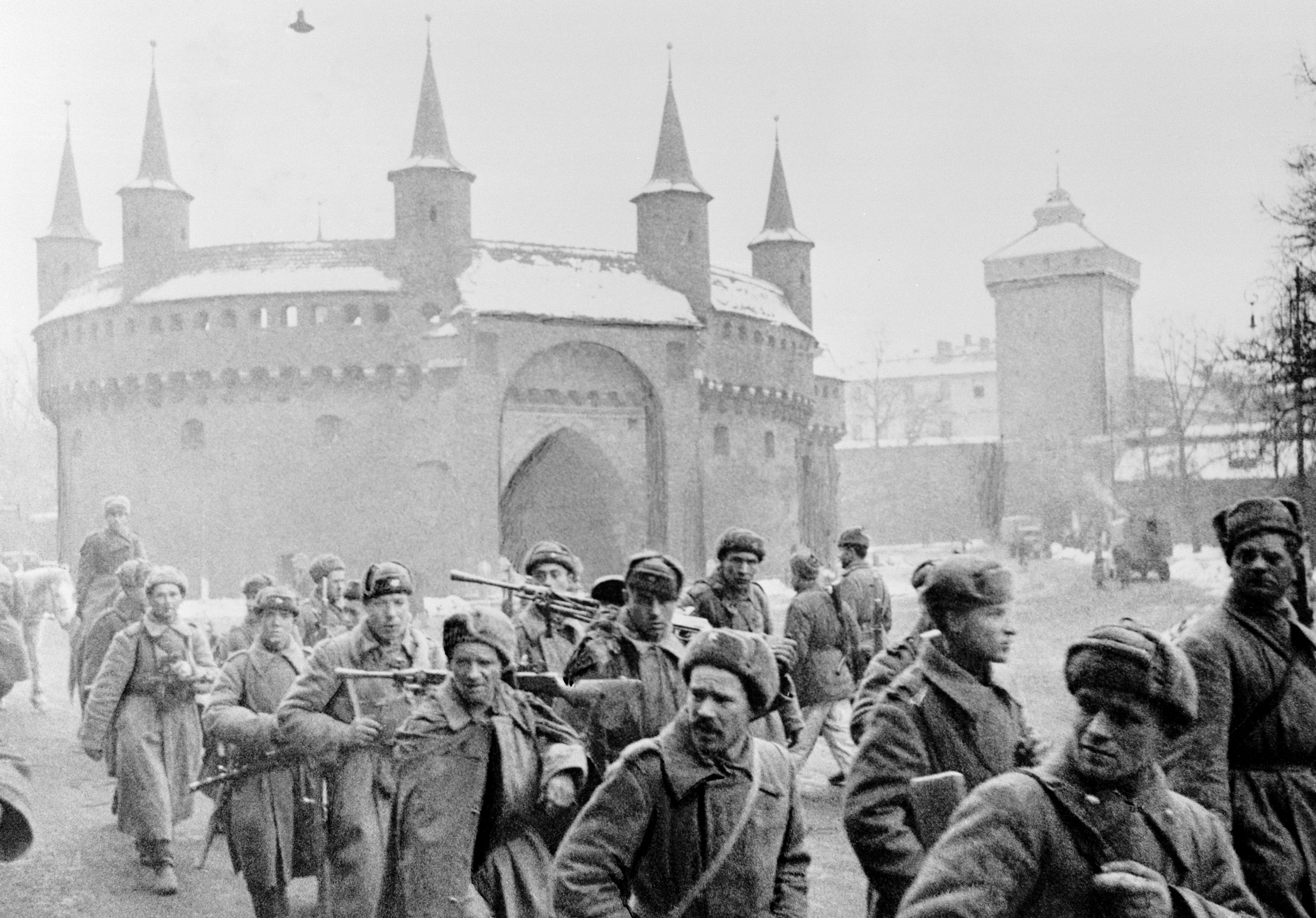
Last year, Polish President Andrzej Duda approved the amendments to the law on the prohibition of propaganda of communism or other totalitarian system in the names of buildings and objects. They provide for the demolition of monuments of the Soviet era. On the territory of Poland, according to various estimates, there are 469 such objects, of which 250 are devoted to the Red Army.
Moscow resolutely protests against the campaign expanded at the state level in Poland to demolish monuments to Soviet soldiers, the official representative of the Russian Foreign Ministry Maria Zakharova said on this, adding that such actions are damaged "our joint history." Deputy Minister of Defense of Russia Pavel Popov, on July 6, commenting on the decision to demolish monuments and obelisks, said that Poland in the first half of 2018 became a leader in the number of acts of vandalism in relation to Soviet monuments - as he claims, 33 similar cases were recorded in the country. The chairman of the Federation Council Committee on International Affairs, Konstantin Kosachev, suggested that "the actions of the Polish authorities hides a consistent line to rewrite history."
The Polish journalist, a former correspondent of the "Gazeta Wyborcza" in Moscow, Vaclav Radzivinovich, who worked in the Russian Federation with breaks since 1997, is considered one of the best experts in Russia in his homeland. At the end of 2015, he was deprived of accreditation of the Russian Foreign Ministry and sent to Poland after a Russian official said that he was “personally offended” by his performance at a press conference on the demolition of Soviet monuments in Poland.
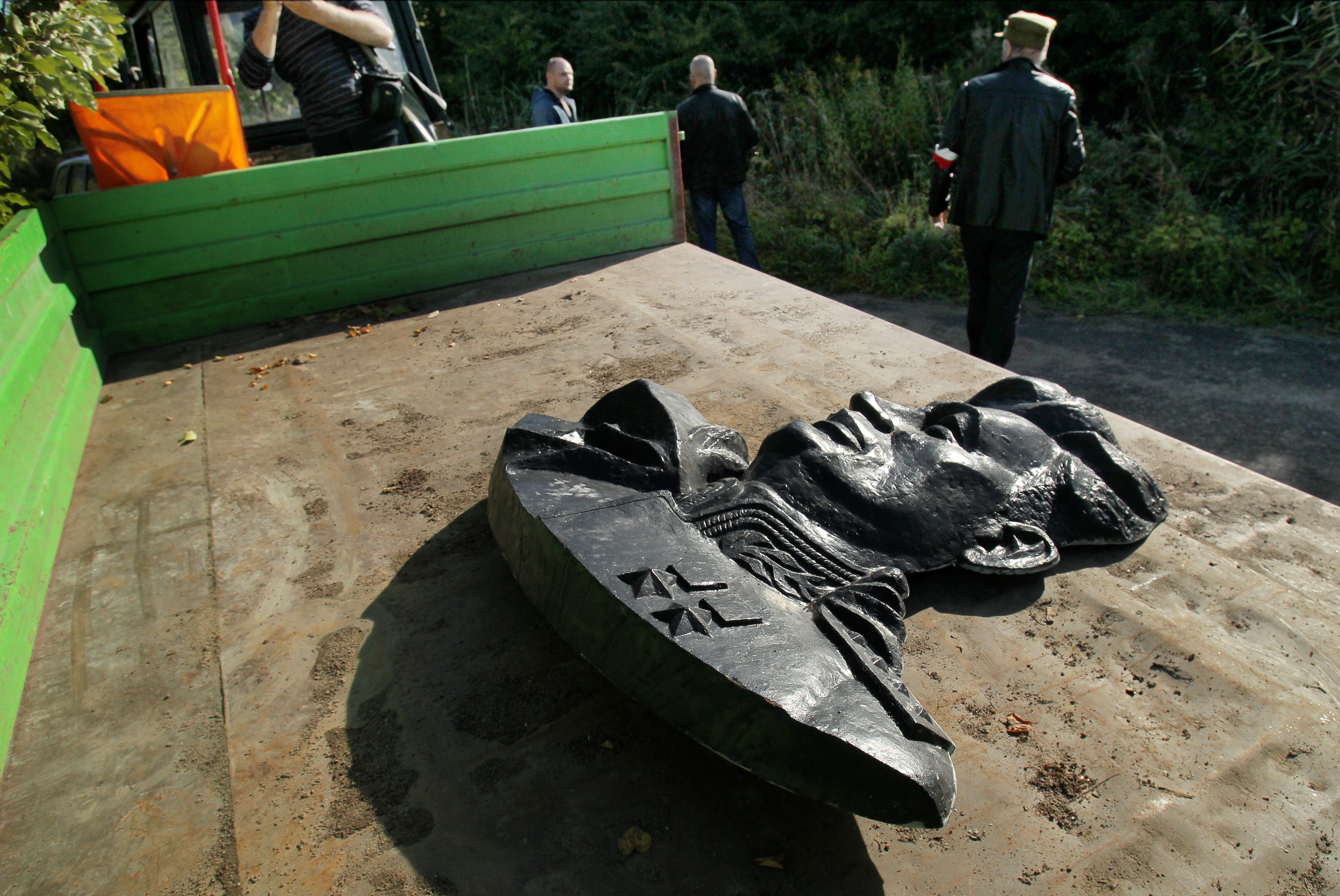
Radzivinovich then said that the Poles relate to the figure of General Ivan Chernyakhovsky (just his bas -relief was then dismantled in the Polish town of Penenzo) not like Russians, and that he himself has repeatedly seen in Russia itself not in the best condition. However, according to the official version, the expulsion of Radzivinovich was not related to his words and journalist activities, but became Moscow to send Russian journalist Leonid Sviridov from Poland, whom the Polish intelligence agencies accused of espionage.
About how to perceive the current decision of the Polish authorities to continue the demolition of Soviet monuments, and the similarity and differences in the historical myths of Russia and Poland Vaclav Radzivinovich argues in an interview with Radio Liberty:
- In Russia, reports of new plans of Warsaw caused a storm of various emotions. And in Poland itself, how emotionally this topic is discussed?
- It is not only about the monuments of the Soviet Army or its military. Everything that reminds the Poles of the era of communism is demolished. It is precisely decommunization that is on the basis of the law from Polish streets, the name disappears from the Polish cities that remind of communism. Different emotions in people here are the very facts of changes in the names of streets and squares in cities. For example, I live near the street Vincentiy Pstrovsky . It was such our Polish Stakhanov. This is a large street, many people live on it. And its name was changed, although the locals very decisively opposed this, because they were simply used to it. They do not want to change anything and say: "It was a simple worker, Shakhtar. He was tortured by work to death. Why do all this?" First of all, they are unhappy with what somehow complicates people's lives in a practical sense. But in general, the process of demolition of monuments of communist times has been going on for quite some time, it began in the 90s. There are people who would like to protect some of these monuments, and they can also be understood. And there are Poles who independently try to care for these monuments. But these are small groups of people.
- For Russia, despite many decades, the theme of World War II, World War II is still extremely alive and painful, since it is constantly used by power and various public forces in its political games. In Poland, they still relate to the memory of that war, and for Poles the Second World War - is also a painful theme, and not just a difficult period that has gone into history?
Everywhere there are myths that are not very close to history, but are very close to religion
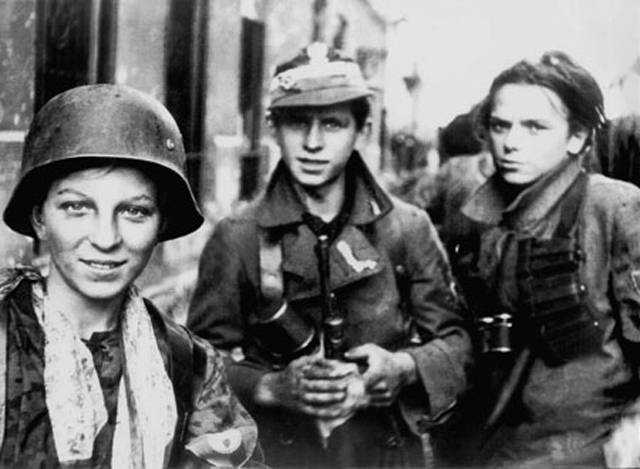
- I lived and worked in many countries and I know that everywhere there are myths that are not very close to history, but are very close to religion. And here we are also not about history, but about mythology. All peoples have their own fundamental myths, which become the basis for thinking. In Russia, this is the myth of the Great Patriotic War. Poland also has its own myths - this is, first of all, the myth of the army of the Kraiova and Warsaw Uprising of 1944 . And the new myth, which is imposed on Polish society, about the fighters of the Polish underground, who in the late 40s fought with the new communist power . A lot is being said about them now, the authorities are trying to introduce this topic into the educational program in schools, there are a lot of events related to the memory of these fighters. This has not yet happened. Of course, people remembered and knew that there was an underground war with communism in Poland, but did not pay painful attention to those events. Now this topic is becoming, perhaps, even the first Polish myth.
- In Russia, critics of the decision to continue to demolish these monuments say that in general the current Polish authorities deliberately impose their consistent mythology in the heads of modern Poles in order to eliminate the most different real events of the Second World War, not only related to the USSR and the Red Army - and not always pleasant for memories. For example, related to the Holocaust. In this regard, recent frictions with Israel are recalled, due to a scandalous, just canceled law , which introduced criminal liability for those who will talk about the participation of the Poles in the destruction of Jews.
-In general, the authorities always, not only in Poland, are trying to supplant something inconvenient and do not need from the memory of their society today. If we are now talking about monuments to the soldiers of the Red Army in Poland, we must accept, first of all, the Russians, that in Poland the approach to the events of the Second World War is not as simple as they wanted in Russia. Poland remembers on September 17, 1939, when the Red Army, along with the Wehrmacht Hitler, tore the country. In Poland, a crime is remembered in Katyn and Poles's links to Siberia in 1939-1940. In Poland, they remember that after the war, Moscow imposed on us its system and its power. And all this must be accepted in aggregate, and not replaced from the memory of the people as done in Russia.
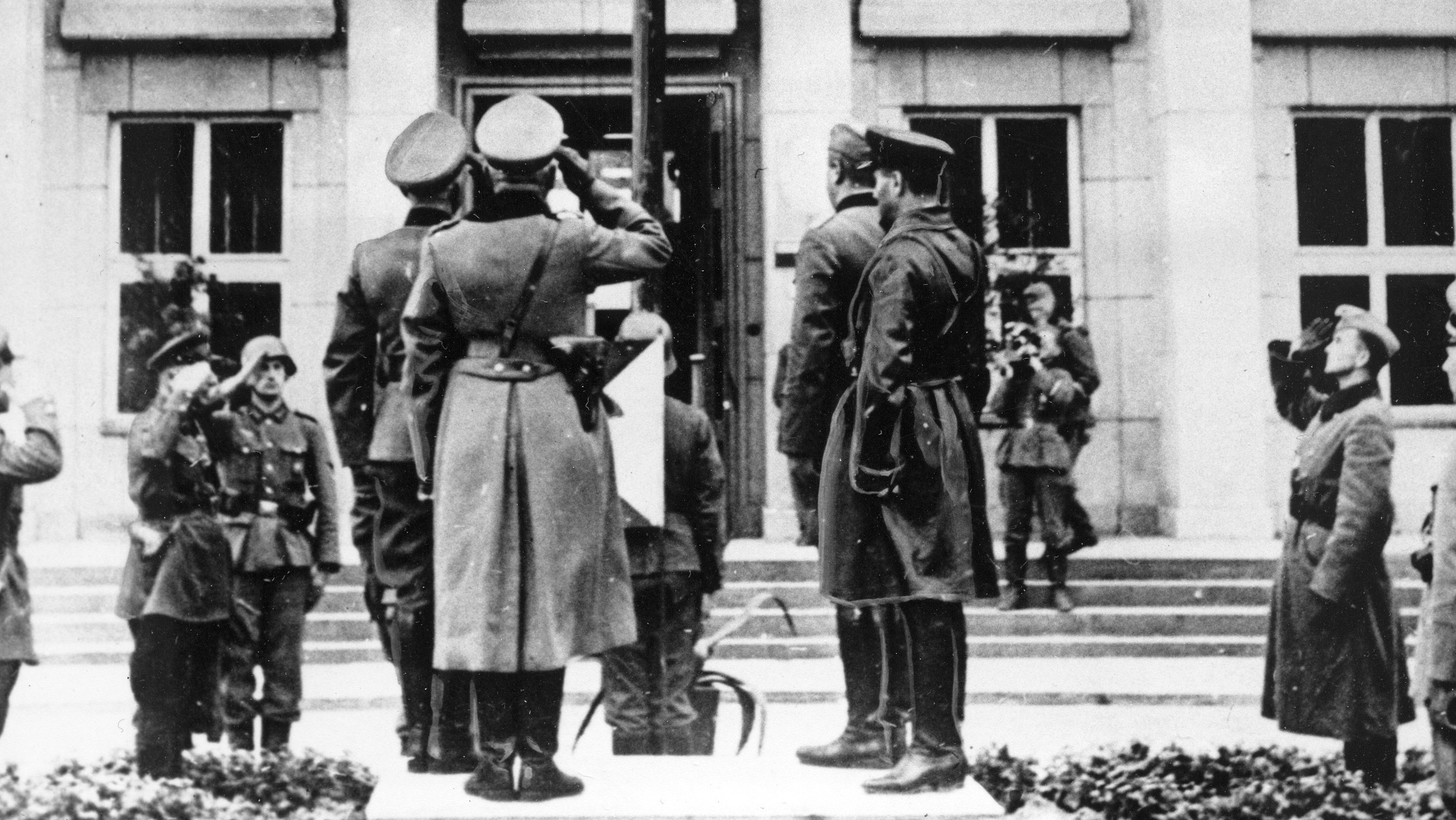
As for Poland itself, yes, you are right, and we are also trying to oust or shut up uncomfortable moments of history. In this context, we can recall that in 1938 Poland also took advantage of the moment and pulled off a piece of Czechoslovakia , which Hitler then occupied. Recall that in 1968, Polish soldiers, along with the Soviet and others, also occupied the same Czechoslovakia. But this, as our current government believes, is somehow better not to talk.
There were many cases when the Poles gave out Jews to the Nazis and even killed them themselves
Of course, there are a lot of tragic moments that concern fate and Polish Jews. There were many cases when the Poles gave them to the Nazis and even killed themselves. And the authorities are trying to shut up all this and talk only about the heroism of those Poles who saved the Jews. Yes, and there were a lot of them. In Israel in the Museum of Yad-Vasha there are the names of more than 6 thousand Polish righteouss in the world. This is a huge number - but it is only one side of the coin, and there is a second, very sad.
- This week was the anniversary of the gloomy event in the post -war history of Poland - the Jewish pogrom in the cell that happened a year after the end of the war, July 4, 1946. About this and similar (after the war, this pogrom was not the only one) tragedies in your country, there are many publications, discussions?
- A mourning event about this is taking place every year. There, people come to the place of those events, lay flowers, ascend prayers, and remember. This is not to say that it is forgotten. I know this is good, because my friend is engaged in the organization of memorable events.
- How widely all these topics and discussions affect the bulk of the Poles? It is one thing - politicians, intellectuals, journalists, elite. And how important are relations with the outside world, and with Russia, of course, for most ordinary people, what are their main fears and hopes associated with the foreign policy of their country today? The possible collapse of the European Union, the problem of illegal migrants or a “growing threat from the East”, which the Polish media write a lot about - which in reality causes more tense expectations?
- In our atmosphere, an “eastern threat” is always hiding. Maybe she sat down even in genes, which is not at all strange, because many moments of history remind of her. These moods were very intensified after the annexation of Crimea, after the intervention of Russia in the east of Ukraine. But this was always the case, and under communism too. In the early 80s, when the "solidarity" opposed the communist power, when martial law was introduced , the question was in the air: will they come "they" or will not come? How will they react? When will Soviet tanks appear on the streets again? But this is such a fate with us, our and your people!
In our atmosphere, an "eastern threat" is always hovering
Maybe now this Russian topic has somehow slightly faded into the background, because we now have big problems with the European Union. And better to say, the European Union has problems with Poland! The society constantly states that, perhaps, our current power, which is very Euro -secular, anti -European, will try to withdraw the country out of the European Union, which many people are very seriously afraid of. Because most Poles are Euro enthusiasts, they would like to stay in the EU. This threat is closer now and more real. After all, it is also said that if we leave the European Union, the only way that we will have, to rush into the arms of Moscow! It is difficult to imagine this, but there are also such moods among a certain part of the Poles, ”says Vaclav Radzivinovich.
-

Alexander GOSTEV
The editor of the RS information service, international observer, author and editor of the heading and podcast "Atlas of the World"
Gosteva@rferl.org