
Translated material
In the United States, an investigation of the murder of a black teenager in 1955 resumed. The killers knew from the very beginning, but they were justified
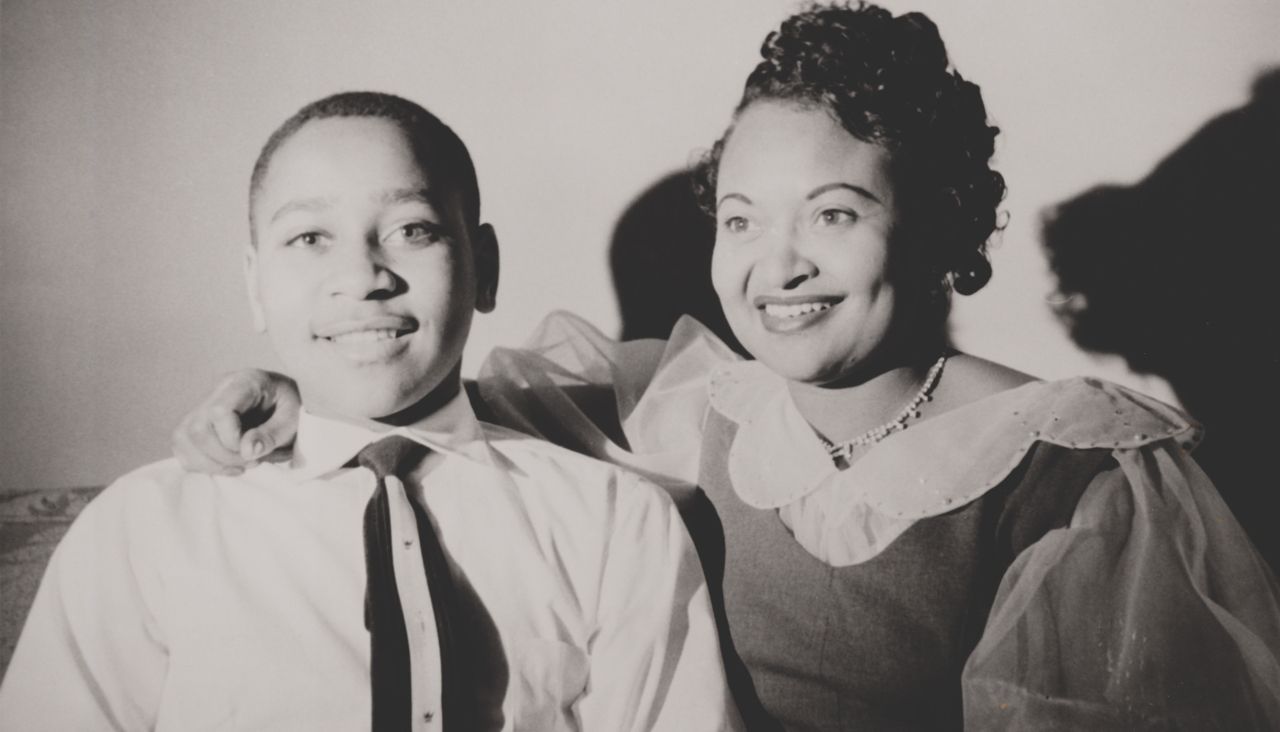
The US Department of Justice resumes the investigation of the murder of a black teenager Emmett Till, committed in 1955 . As officials stated, new circumstances appeared in the case - which ones have not yet been reported. Perhaps this is the recognition of a woman whose words became the reason for reprisal against Till.
The teenager was suspected of harassment and killed
14-year-old Emmett Till lived with his mother in Chicago. In August 1955, he came to visit his relatives to the town of Moni, Mississippi, in the south of the country, where there was still a strict racial segregation . Walking with other teenagers, he went for sweets in one of the surrounding shops, which belonged to the spouses Roy and Caroline Bryantam. The woman at this time was in the shop alone.
At the trial, 21-year-old Caroline claimed that Emmett made several obscene hints. Looking at her, he allegedly cheered up. And paying for sweets, asked: "How about a walk, baby?" Then he took her hand, ordered not to be afraid of him, used the “unprintable word” and said that he had already “visited white women”.
Late at night, 24-year-old Roy Bryant and his half-brother, 36-year-old John Mila, arrived at the house of the cousin of Tilla, where a teenager was visiting the teenager. The teenager was pulled out of the bed, transported to the barn, pierced his eyes, after which they shot him in the head and, tied a load of 32 kilograms to the neck with barbed wire, threw the body into the Tallahatchi River. The mutilated corpse was found two days later.
White jury justified the suspects
Tilla was buried in an open coffin. The mother of the teenager, who wanted to show all the horror of racial violence, demanded not to close him. The funeral, which was attended by tens of thousands of people, caused a resonance throughout America. Time magazine subsequently wrote that a photograph of the mutilated body of a teenager became one of the most impressive pictures in the history of journalism.
Brian and Mila were arrested almost immediately, but the jury of jury, in which only whites were, justified them. The defense insisted that the defendants just wanted to scare Till, they allegedly left him alone the same night. Another argument of lawyers was that there were no sufficient grounds to consider the found body belonging to Till. As a result, the jury acquitted both even under an article on the abduction - despite the fact that Brian and Milan admitted in it.
The press of the southern states at first demanded the punishment of Bryant and Milam, but then fell upon the dark -skinned. African Americans and their defenders were accused of wanting to untie a new civil war, panic rumors spread in the southern states that the northerners were preparing for a new campaign against them. One of the local newspapers received information that Till's father, who served in the US Army during the Second World War, was executed for rape - this strengthened the belief that the boy could really molest Caroline Bryant.
The killers admitted the crime, but were not punished
The next year, Brian and Mila gave a paid interview with Look magazine, which was confessed to the murder. They avoided punishment due to the norm on the inadmissibility of re-prosecution for the same crime. For their story, they received about four thousand dollars from the magazine.
After the interview, both had problems. Many former acquaintances stopped communicating with them, their stores, which were declared a boycott, went bankrupt, African Americans refused to work on their farm, and the salary of a white worker was much higher. Banks refused to issue loans to Brian and Milam. For some time, both had to move to Texas, but there many refused to deal with them. Milan died of cancer in 1980.
Roy Bryant divorced his wife. In a few conversations of recent years, he contradicted to himself. He stated that he did not kill the boy. He admitted that together with his brother they “finished the bitch's son” well ”and“ threw the asshole into the river. ” Then he insisted that he had the right to “protect his wife”: “If Emmett had not done things, there would have been nothing!” In 1994, Bryant died of cancer.
The murder of Emmett Till was a starting point for a new stage in the struggle for civil rights of dark -skinned Americans. Mait Emmett made a great trip around the country, campaigning against discrimination. It is believed that this was one of the most successful propaganda campaigns, which mobilized African Americans to participate in civil rights. However, within four years after the trial from the district where the murder occurred, more than 20% of African Americans left.
Carolin Brianer admitted that she had a member of the boy
Timothy Tyson, the author of the book about the murder of Till, Caroline Bryant stated that there were no harassment from the teenager. She agreed to him. According to Bryant, she was afraid of her husband and decided not to argue with him when he began to blame Till of harassment. These confessions were published in 2017.
It is not known what the new investigation is connected with, but it is possible that it is with the recognition of Caroline Bryant. Senator Dag Johnson, representing Alabama, believes that the investigation will have to establish whether the Brian's testimony in 1955 was given under pressure or was it part of the idea aimed at concealing the crime. Another possible reason is that not all the accomplices of the murder are still established. During the consideration of the case, many residents of Moni acted as witnesses, but it is possible that they saw or knew much more than what they talked about.
The matter is important for modern United States, because many similar cases are much less known. CNN journalist John Blake writes that often the killers continued to live in their native places, and the families of their victims, on the contrary, had to leave, fearing new persecutions. The resumption of the investigation of the murder of Till gives hope that justice will be restored in these cases.
The Trump administration was accused of using the case in order to disown charity charges . This, in particular, said Timothy Tyson, thanks to which Caroline Brian, the public became known about the reservation by Caroline. However, Senator Democrat Dag Johnson doubts the presence of such a connection. He believes that law enforcement agencies really consider the new information of a deserving attention.
Dmitry Kartsev