
Translated material
They are going to allow private property in Cuba
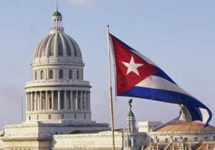
The deputies of the National Assembly of the People’s Power of Cuba next week are going to adopt a draft new Constitution of the country, which will enshrine the right to private property. This was reported by the BBC with reference to the Gamma Cuban newspaper.
The Cuban parliament is likely to approve the document at the meeting on July 22-23. Then during this year the project will be submitted to the referendum.
Private property in Cuba has not been since 1959, when Fidel Castro came to power in the country. In 2011, as part of the market reforms begun, Cuban citizens were allowed to buy and sell cars and real estate.
The consolidation of private property in the Constitution can contribute to the greater legislative protection of private owners and foreign investors in Cuba. In June, the current chairman of the State Council of Cuba Miguel Dias-Kanel said that the future reform of the country will be headed by the former Cuban leader Raul Castro.
The current Cuba Constitution, adopted in 1976, completely prohibits having private property and engage in business. However, in fact, this ban is no longer respected - market reforms in the country have been carried out since 2010.
In addition, the new basic law will limit the stay of the same person as president by two five years. Now is the time of stay in the post of head of state - the chairman of the State Council of Cuba - is not limited. At the same time, the main law will be mentioned by the Communist Party as a dominant political force in the country.
The new Constitution prohibits the discrimination of residents of the country on the basis of gender, ethnic origin and disability. The deputies also proposed to introduce a amendment to the draft basic law, allowing same -sex marriages.
The latest amendments to the Cuban Constitution were adopted in 2002. They fixed the "constant" socialist nature of the country's political system.