
Translated material
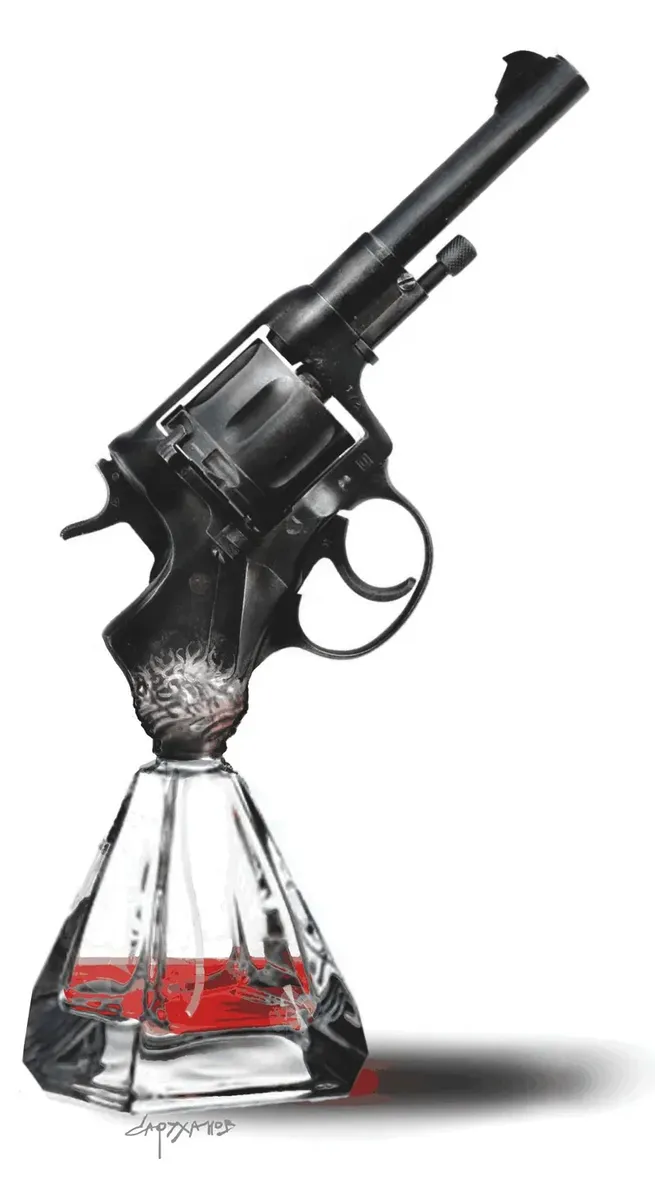
Chanel No. 37
The shot house on Nikolskaya, 23 becomes a perfume boutique
Eighty -year -old Alexei Georgievich Nesterenko goes to a single picket at the shooting house (23 Nicolskaya) in absolutely any weather every Wednesday for seven years in a row.
From 1935 to 1950, death sentences were carried out in this house, and they shot in his basements. It was here that they were sentenced to death of Father Alexei Nesterenko - George Nesterenko.
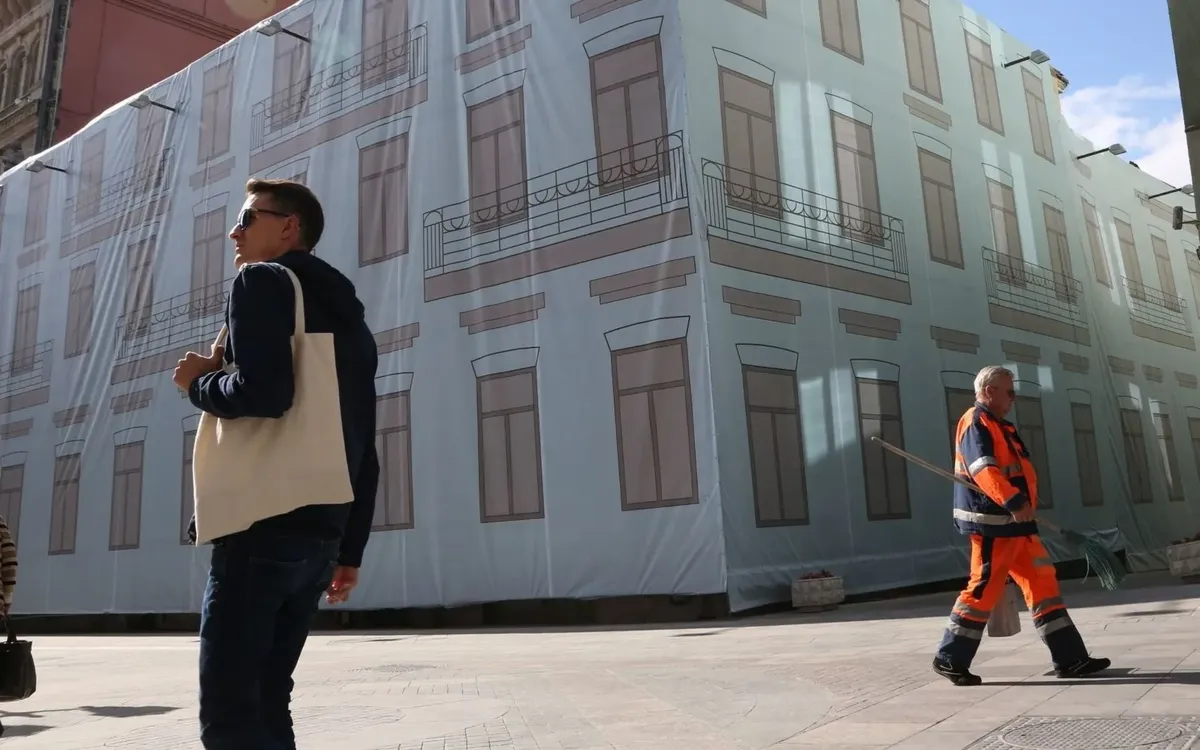
Today the house is covered with a green net, behind which is a high fence. Everything is under enhanced security. Repair (restoration?) Work is underway.
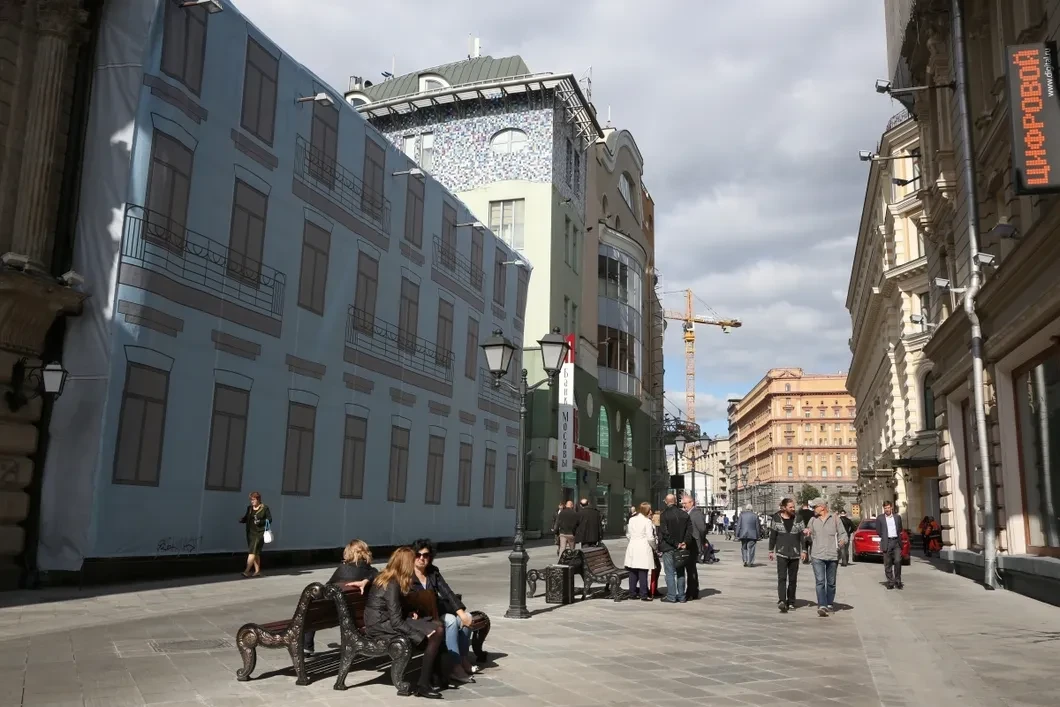
In 2019, the current owner of the building, businessman Vladimir Davidi, plans to open an elite perfume boutique in a shot house.
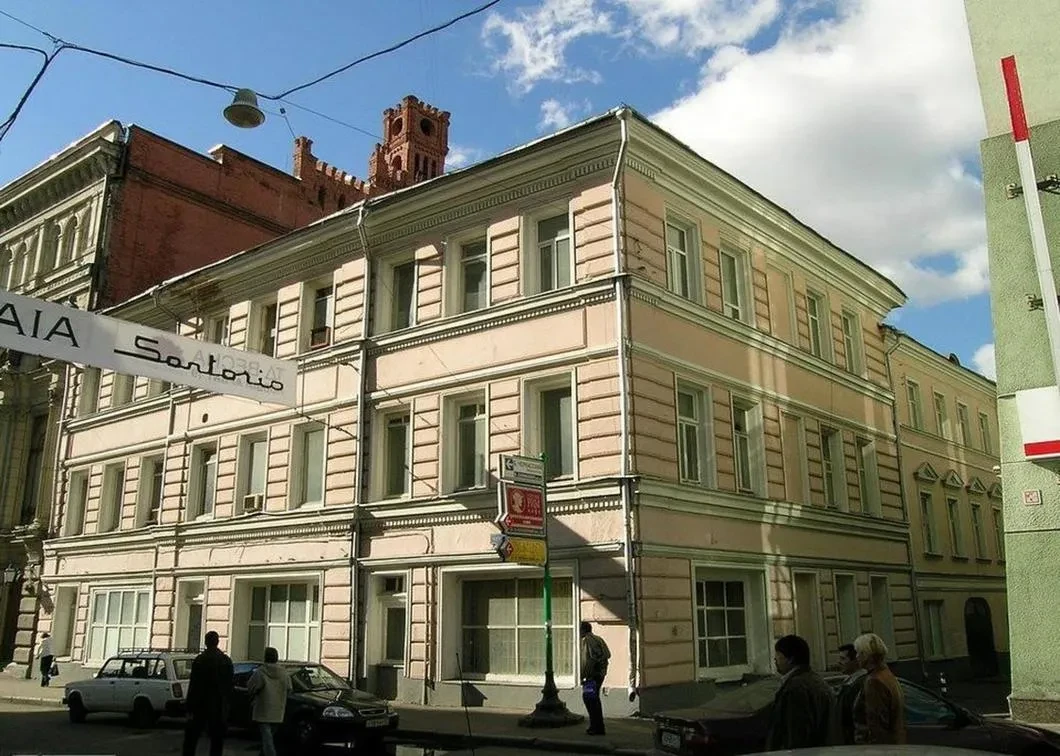
This house is five centuries. Of course, not everything, not entirely. However, it is known for certain that it is based on the stone chambers of the seventeenth century.
The most ancient part of the building was built five centuries ago immediately behind the wall of Kitay-Gorod, on the passage, which led to the church of the Trinity Church in the fields and bordered the priest of this church. In the construction book of those times there is a record that the house belongs to the boyar Ivan Nikitich Khovansky.
In 1621, Khovansky was named Stolnik, in 1650 he pacified the rebels in Novgorod and Pskov, then he was a governor in Smolensk, took part in the war with the Poles and defeated them under the place of boys. Ivan Nikitich was related to the royal family: he was brought by the grandson Mikhail Mikhailovich Saltykov, the cousin of Tsar Mikhail Fedorovich Romanov.
So, a house is quite a house.
In 1792, Count Nikolai Petrovich Sheremetev bought it. Count Sheremetev was a brilliant and versatile person, close friend to both Alexander I, and Paul I. Married the fortress actress Parasha Pekchugova, built the Ostankino theater for her, and when she died, in memory of her - a strange house with a hospital and almshouse.
It is under the Count Sheremetev in the 1790s that this three-story house with basements on 23. (If they could have foreseen the Sheremetevsky basements from the 18th century than they will become in the 20th century!)
Since 1808, the house owned-and already until the revolution of 1917-the Moscow craft government.
And back in 1835, a writer Stankevich lived here with a friend. And Belinsky, Aksakov, Granovsky, Turgenev, Bakunin, Botkin came to visit him.
And exactly one hundred years later-in 1935-this house becomes shot.
The military board of the Supreme Court of the USSR moves here. Perhaps, when choosing a place, the proximity of Lubyanka is also taken into account - many memoirs tell about the underground passages between these buildings.

Only from October 1, 1936 to November 30, 1938, 31 thousand 456 people will be sentenced to shoot here (6857 more to imprisonment).
Everything happened without lawyers and witnesses. No appeal of the sentence, no petitions for pardon.
The death sentences were carried out immediately. Within an hour or day. The meetings took 10-15 minutes.
The protocol of twenty lines, hearing, the collegium is deleted, the college is returning and everything is a sentence.
In case of execution, relatives were reported: ten years of camps without the right to correspondence.
The military collegium in these years is the central link in the mechanism of repression.
It was on Nikolskaya, 23 to the execution of Babel, Pilnyak, Meyerhold, Tukhachevsky, Bukharin, Zinoviev, Kamenev, Rykov. And 25 more union commissaries and 19 republican, 13 commander, 43 Komkors, 85 brigade commanders, 100 most famous professors, 300 directors of leading enterprises. And the fathers of Maya Plisetskaya, Olga Aroseva, Alexander Zbruev will be sent here a death sentence.
The Military Collegium is just the executor of the decisions of the NKVD, the will of Stalin and the Politburo. The lists of persons of the military collegium of the USSR Armed Forces personally sign Stalin and members of the Politburo personally. Such lists are known 383.
On the form of the military collegium, the commandant writes directions to the crematorium "to burn the executed." The corpses are folded in cartridge boxes and are sent on covered cars to the crematorium of the Donskoy Monastery.
In the 90s of the last century, traces of bullets and sleeves were still seen in the basements of a shot house on the walls.
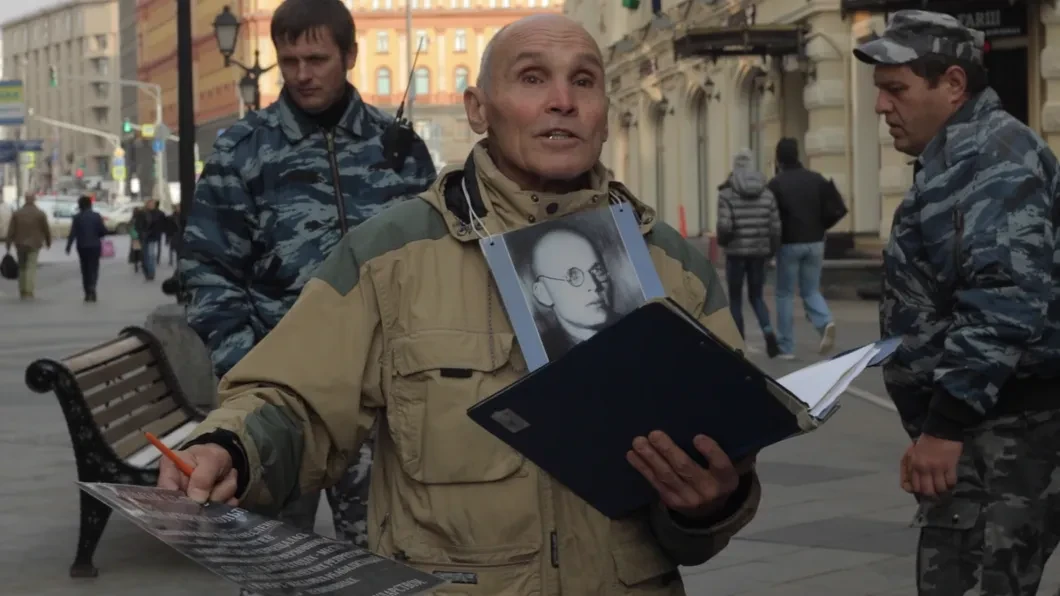
Father Alexei Georgievich Nesterenko was arrested on September 10, 1937.
“I was 25 days. They shot his father only a year later. For some reason not immediately. But I did not know anything. Born in 1937, four years later, in evacuation, we were in Alma-Ata. I thought my father did not return from the war. We had a lot of unaccounters at our school, everyone, it was believed that the fathers died at the front, and then he graduated from the school, it was necessary to fill out the questionnaire upon admission to the institute, I ask my mother what to write about her father, well, she told. And I wrote in the questionnaire: "My father was arrested by the NKVD bodies, convicted by the Military Collegium of the Supreme Court of the USSR for 10 years without the right to correspondence."
It was 1954. Stalin has already died. But I still did not take documents to the institute. I had to write a letter in the name of Voroshilov. And in 1956 there was rehabilitation. They issued a certificate that my father was not to blame for anything. So I - consciously - the son of the enemy of the people spent only two years.
Only then it dawned on me what horror my mother survived. She was left alone with three children. All relatives shied away from us, fled. Some even replaced surnames. The father was arrested as the head of the planned department of the Research Institute of Civil Air Fleet. Mom, when I was looking for him in various prisons, was perplexed: he is not a military man, but an economist. Yes, what was the difference in Stalinism: a military, not a military ... "
In the 50s of the last century, the Military Collegium transferred this house to the Moscow city military registration and enlistment office, which was located here until the middle of the zero. And then he was under the jurisdiction of one of the subsidiaries of the Bank of Moscow. Having barely entered into possession, this subsidiary decided to demolish the historical building and build an entertainment complex here.
The shooting cellars were going to replace the underground parking, the courtyard, where they loaded the convicts in the "funnels" of,-the winter garden.
2008: New Gazeta publishes an open letter to the president of Bank of Moscow OJSC Andrei Borodin: the initiative group of businessmen and deputies proposes to "compensate for losses from the creation of the museum."
Complex negotiations - and there is a compromise: the Bank of Moscow transfers two huge shooting basements under the museum. This most terrible part of the house has not changed in any way since the 30s of the last century.
But exactly at that time, Borodin is accused of theft and put on the wanted list, the Bank of Moscow becomes part of the VTB bank, and the new owner of the shot house is more than in a strange way to detect.
On December 10, 2012, Novaya Gazeta even announces the search for the wishes to remain unknown to the owner of the shooting house.
The owner was either, then again it turned out that he was not him. At one time, according to our data, the house could go into the ownership of one of the founders of the Metropol group, Mikhail Slipenchuk. However, the press service of Metropol officially stated at that time that there was nothing to do with this building.
So: Slipenchuk or not Slipenchuk, it was not clear. Moreover! This man (owner), although invisible, is very powerful.
Judge for yourself.
On the one hand - Russian President Vladimir Putin. And on the other hand, this nameless owner. And who wins? Owner.
Here is the order of President Putin dated 01.12. 2012, and in pursuance of this order by the working group for perpetuating the memory of the victims of political repressions, a draft concept of the federal program is adopted. This program includes the creation of a unified museum-memorial infrastructure of Moscow. And the project of this is supposed to create the Memorial Museum "Firing House". And all this was agreed with the Presidential Administration, the Council for the Development of Civil Society and Human Rights, as well as the constant interdepartmental commission of the Moscow Government to restore the rights of victims of political repression.
And what?
And nothing.
The owner of the house on Nikolskaya, 23, the former State Duma deputy Slipenchuk, for many years without doing anything good for this building, is hiding from journalists, behaves brazenly and in a prickly one. Ignores the order of the president, and openly spits the public.
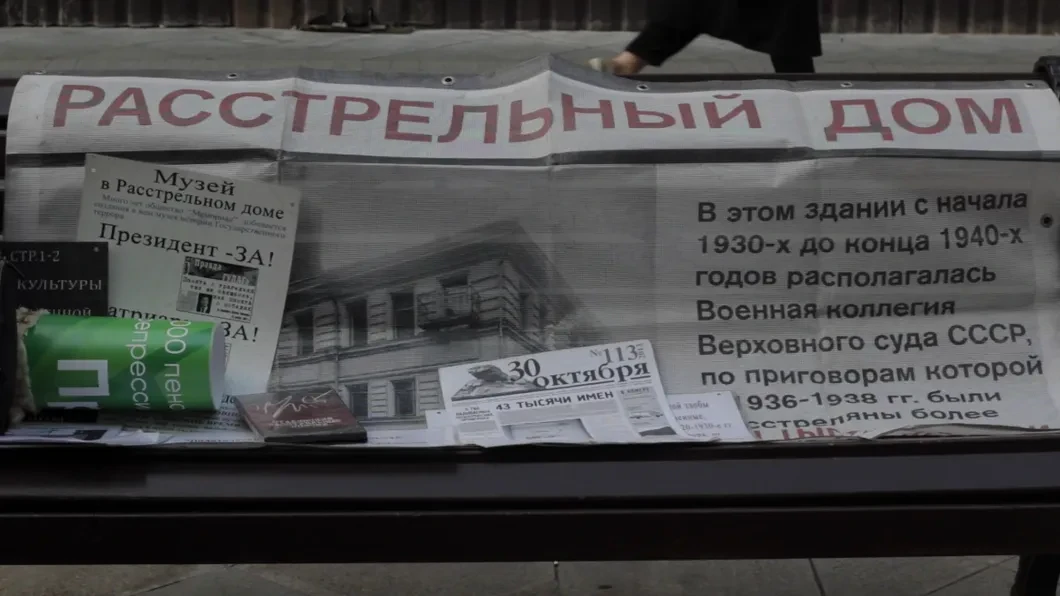
By the way, the struggle of the Moscow public for the house on 23 to become a museum, it began not from the middle of the zero, but much earlier: from the late 80s of the last century. That is 30 years ago!
The New Gazeta devoted dozens of publications to the shooting house. In 2013, I also wrote about this.
I remember, it was then, five years ago, everything went to the fact that the house in the very near future, right the other day, should be museum.
The Department of Culture of the city of Moscow, the State Museum of the History of the Gulag, the Memorial Society, New Gazeta, the Archnadzor movement, the Commission of the Public Chamber for Culture and preservation of the historical and cultural heritage for many years, united, did everything so that the execution house has become part of (perhaps the most important) of the Great Museum dedicated to the history of the political repressions of the USSR. And-part of the unified museum-memorial infrastructure of the city of Moscow.
And suddenly, before the very mayor's elections in 2013, I read the message of RIA Novosti: “The acting mayor of Moscow Sergei Sobyanin examined one of the objects of cultural heritage in the center of the capital: the building of the Moscow craft council, which should be restored and proposed to place a hotel or a profitable house there.”
And in the very message of RIA Novosti: “The representative of the owner said that the building was originally trading, it also housed the apartments of temporary residence.”
Was the building originally trading? And the XX century will jump with his executions? Why - closer to trade? You can, initially, to the boyar of Khovansky? Or there is scary? I pacified the rebels in Novgorod and Smolensk and somehow I would have coped with one slopenchuk!
And again I quote the representative of the same owner from the same 2013: “At present, the object is not used ... A security obligation is issued ... Preparatory work for restoration is also underway: fixation of the facades, development of the project in accordance with the approved object of security, research work is underway.”
Who exactly is the preparatory work for restoration - was not deciphered. Who claimed the "subject of security"? And what are such research work?

Count Nikolai Petrovich Sheremetev, for example, knew all of Russia. He was one of the richest nobles and the most generous benefactor. The house on Nikolskaya, 23 - is unique. This is not anywhere in the world.
Slipenchuk did not show to anyone. Even the mayor (at that time by the acting) Sobyanin. Hid behind the representative.
The new owner of the shooting house Vladimir Davidi behaves in the same way.
At first, Davidi went into the unconscious: I don’t know anything about the past at home. He was given a historical certificate. In the certificate, everything was described in the most detailed way: about both the stone chambers of the 17th century, and about executions. Davidi did not react in any way.
Many times museum workers wanted to meet with Davidi. Failed. Davidi also does not communicate with reporters.
His last comments on the topic (no, of course, not a shot house!) Of their perfume business were in RBC in 2016.
In 2008, the 13-year-old grandson of Alexei Georgievich Nesterenko Luka decided to compose a family tree of the family and turned to his grandfather for help. And his grandfather with horror found that he had a continuous cliff, a dead end, nothing but a certificate of rehabilitation of his father, at all. He rushed to the Memorial. And they prompted how to act.
“Well, I wrote to the FSB, from there they answered: you can come to the archive. You know, I had a shock. He studied his father carefully. I learned about his brothers, sisters. I did not know anything about them. And after 70 years I have been sitting in the archive, peering into the face of my father, whom they are about to be shot ... Of course, I have never seen this photo before. Now she is always with me. And I go to the shot house with her ...
The owner of this building on Nikolskaya is hiding from everyone. On the green grid, behind which a high fence is drawn, his phone supposedly hangs, but no one answers calls. ”
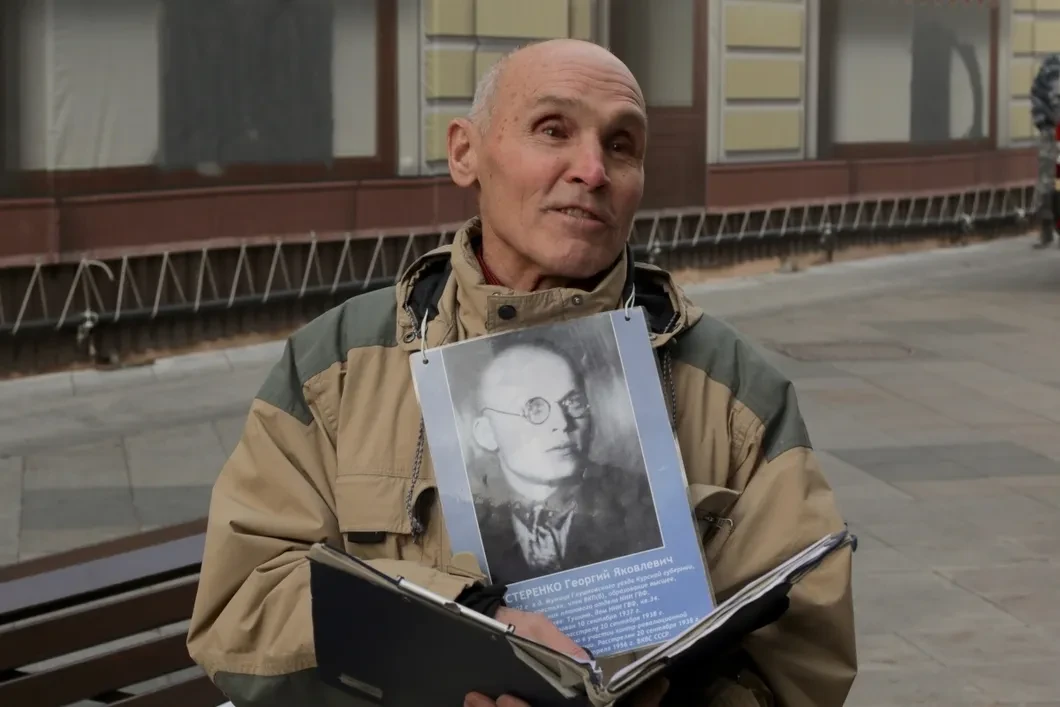
In 2013, on the eve of the previous mayor’s elections through “New” in that publication “Firing House. Nikolskaya, 23 ”I wrote a letter to Sergey Sobyanin.
She wrote that wounds, of course, heal, but there are scars that grow along with wounds. That the shot house cannot be written in quotation marks and in small letters. What the quotes are there! He is alive, this house! A living witness of history. And we have no other choice of how to make a museum here. Unless swallow all this humiliated, to lose in silence ... that this is not about the intricacies of restoration work, but about the hierarchy of goals and values. About saving what we consider to be values.
I must say, Sobyanin reacted to our publication and a letter. No cafes, profitable houses and hotels on Nikolskaya, 23, neither in 2013, nor later appeared.
In 2014, the Moscow City Hall promised to redeem the shot house in the property of the city and open a branch of the Gulag Museum of History there. But the then owner - I remind you of Slipenchuk - broke the price twice as high as the market. And then the crisis began ... In short, the city hall said that the purchase of this building would not be pulled.
And in 2016 it became known that the house was sold to Vladimir Davidi.
About ten years ago Nesterenko got closer to the Memorial. And even earlier he became an activist of “Apple”.
“I used to vote for the“ Apple ”all the time. And my wife, whose father was an enkavedeshnik, also always voted for the “apple”. Here we have such an exemplary Soviet family - my father was shot, and my wife worked in the NKVD.
I am a candidate of technical sciences, material scholars, a chemist, worked for both Korolev and Kurchatov. In short, to space. And when the electronic industry collapsed (this is 1995), attached a watchman, worked after three. From 1997 to the 2015th year, he taught at his native Mendeleev Institute. And all his life he translated technical literature from English into Russian for the publishers “Energy” and “Peace”.
In 2006, my wife died. I was very worried. From loneliness began to walk around the libraries. I read the binge of Shalamov, Solzhenitsyn, Pasternak, Rybakov, Trifonov, Kopelev ... In every book he recognized his life. I was so ashamed. I missed all this. “Samizdat” did not hold in his hands. Lived "uncomplicated." And only after seventy years, he celebrated.
So: I didn’t just see it, but I was wildly tormented that you had to do something, I had to do something ... I went on the heels of Sergey Adamovich Kovalev: what to do, what to do, told him ... I went to the smoking room everywhere, although I did not smoke myself. And then one day he looks at me so seriously, why am I trembling, why are I jumping, like a sparrow, and says: what do you want from me? So that I get up in a single picket? Everything, a short circuit. I realized that we need to scrap people, look for allies. ”
In 2014, at the house on 23, 23 put portraits of the people sentenced in it to be shot.
Photos from the investigative affairs of the chairman of the Blind Anton Mirsky, Tokarya German Znamensky, director of the confectionery factory Matilda Pramnek, as well as Babel, Meyerhold, Pilnyak and many others. Only 30 huge portraits printed on iron plates. 30 people out of 31,456, whom I remind you! - From October 10, 1936 to November 30, 1938, the Military Collegium of the Supreme Court of the USSR precisely here, in this house, sentenced to death.
The exhibition was organized by the Museum of the History of the Gulag. Most of the portraits were provided by the Memorial Society.
The faces of those who were sentenced to death (and, perhaps, shot in these basements), were on the same level with the faces of pedestrians.
People walking along the elegant Nikolskaya stopped, carefully peered into portraits.
It is only a pity that this exhibition lasted only two weeks. And no matter how much they went to the city hall for permission - it was not possible to repeat it in four years.
"Do you know why it is so important that I give a wave against Stalin?" - Alexey Georgievich asks me. And then he answers himself:
“Because we are now in a state of tug of rope. Half of Russia still lives in the myths and lies of old propaganda. And on the other hand, one can rejoice that 65 years after the death of Stalin is still half the country on our side. Previously, when Stalin died, there was no other half, there was a complete paralysis. And now ... here they tell me: in inconsolable time we live ... Yes, it is not unlucky! Half of the country is on our side, and that's good!
The grandson of Luke and his friends helped me make a video about a shot house. And in connection with this, I was a fuck ... I asked the guys with gas spray cans that they draw graffiti, and they directly on the asphalt on Nikolskaya made me advertising: “A shot house. See YouTube. "
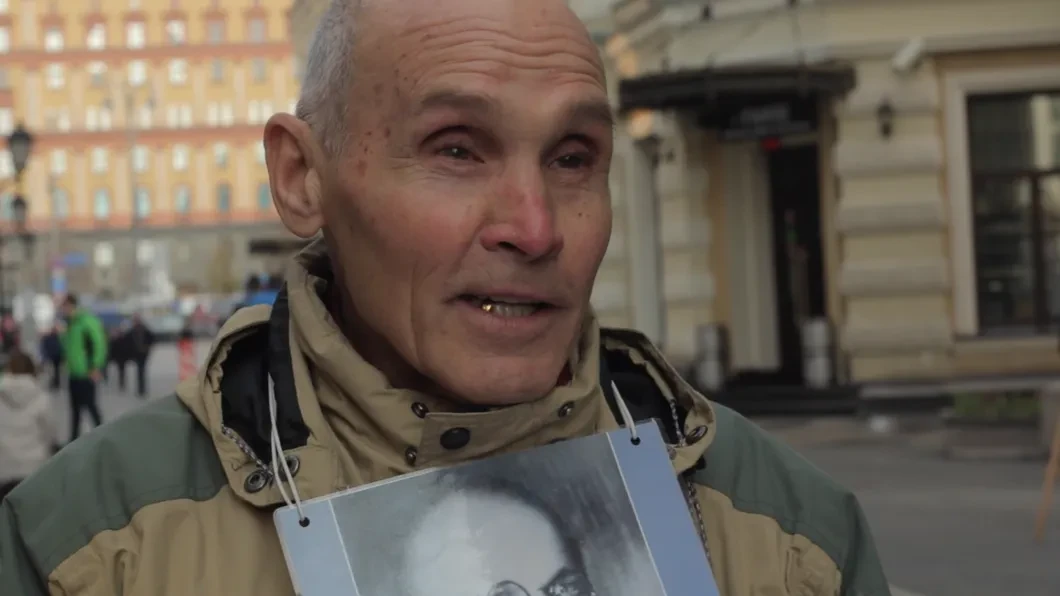
... The architect Lavrov, before the arrest, created marvelous sculptures in the Art Deco style, only very few of them today in the Tretyakov Gallery, and mostly in private collections in Europe.
... An unknown Siberian engineer collected a unique camera from utility parts and made hundreds of amazing photographs in the Gulag, they can be seen at the University of Irkutsk.
In theowers to them. Пушкина хранится удивительная художественная коллекция, которую успел собрать выдающийся экономист Чаянов до того, как его посадили (в тюрьме он написал книгу об истории западноевропейской гравюры).
Дом на Никольской, 23 мог бы стать местом памяти этих и тысяч других расстрелянных людей. Талантливые ученые, инженеры, художники, музыканты, архитекторы, народные умельцы… Их книги, картины, фотографии — спасенные и возвращенные в культурное поле…
Собрание вещей — собор лиц.
Очень важно, чтобы память об этих людях была бы представлена в том самом месте, где однажды сломали их судьбы. Именно в тех стенах, где выносились им смертные приговоры, и в тех подвалах, в которых их расстреливали. В здании, к которому в длинной очереди через всю Никольскую стояли люди. Они жаждали хоть что-то узнать о судьбе своих близких. Но в ответ слышали только: «Десять лет без права переписки». А спустя десятилетия получали справку о реабилитации — маленькую бумажку о том, что их родной человек, оказывается, ни в чем и ни перед кем не был виноват.
Нестеренко неутомим.
«Я вот писал недавно очень интеллигентной Ирине Прохоровой: «Ну что Ваш брат Михаил покупает какой-то там баскетбольный клуб… Может, ему и другим миллиардерам скинуться и выкупить у нынешнего владельца Расстрельный Дом и сделать там Музей репрессий?»
Спрашиваю Алексея Георгиевича: как полицейские к нему относятся.
«Ой, что, вы, они меня любят. Правда, правда, не смейтесь. Вот один полицейский около меня на Никольской как-то долго стоял, расспрашивал обо всем. Потом стал рассказывать про своего отца. У него отец на войне погиб, и он никак его могилу не может найти, в самом начале войны это было, и тогда все овраги трупами завалили. И вот этот полицейский так что-то проникся историей моего отца, что стал больше меня возмущаться: «Я даже удивляюсь, почему вам до сих пор не удалось музея здесь добиться. И какое право имело московское правительство продать этот Дом?» Я ему говорю: «Да это не правительство Москвы продало, правительство Москвы, наоборот, пытается выкупить этот здание…» Долго я его в этом убеждал, а он не верил. Вообще-то смешно: я защищаю московское правительство от московского полицейского…
А люди разные у Расстрельного Дома останавливаются. Вот молоденькие курсанты идут. Заинтересовались, листовки у меня взяли, говорят, у себя в казарме повесим. Ради таких тут и стою».
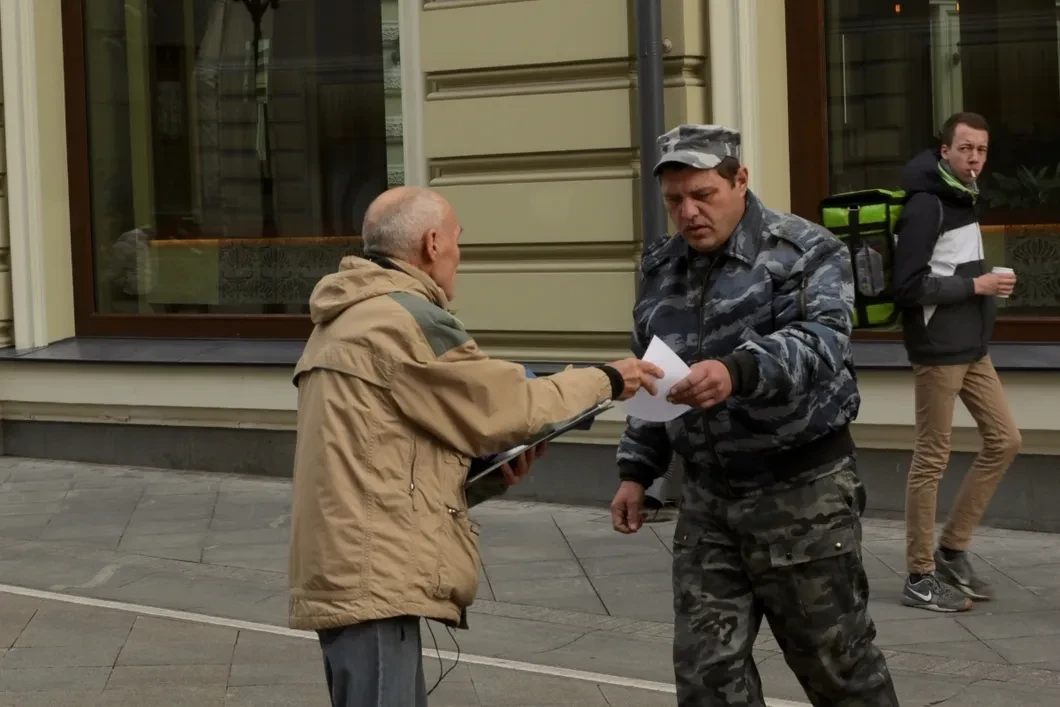
У Нестеренко двое сыновей и пять внуков. И если вначале сыновья так себе прохладно к его кипучей деятельности относились, то сейчас помогают. А внуки вообще — поддержка и опора. Как началось с Луки, так и продолжается. Теперь даже самый младший, семилетний Петр, подключился.
«Решать любую задачу надо радостно и находить союзников. Вот и я, несмотря на всю страшность и трагичность темы, не с угрюмым лицом стою на Никольской, а улыбаюсь прохожим. И рассказываю всем не зло, не в истерике, а с документами в руках. И всех выслушиваю в ответ. Даже совсем недоброжелательных, тех, кто говорит, что все это фальшивки, и Сталин был хороший. Таких, увы, много. Так мне ж именно с ними и надо работать, да?
Или вот: несколько священников недавно очень резко высказались против Сталина. Один из них, например, публично сказал: «Сталин — это чудовище, духовный урод, а Бутово — наш Бухенвальд».
Сын мне говорит: «А-а, не верю я попам…» А я ему: «Ты не прав, надо уметь находить союзников везде и надо уметь объединяться».
Мы живем в сложносочиненном городе. В этом городе право на свободу мнений, мыслей, чувств и действий имеют все. А не только бизнесмен Давиди.
Господин Давиди будет долго смеяться, но в нашем сложносочиненном городе есть гражданское общество.
А гражданское общество — это, по-моему, включенность людей друг в друга. Молодых и пожилых. Богатых и бедных. Разных национальностей и статусов. Всех во всех. Включенность, а не выключенность и вычитание.
Да, мы все должны уважать институты частной собственности. Но по мере развития общества усложняются и сами институты частной собственности. И усложняется, а не упрощается, всё для них. Им, институтам частной собственности, тоже приходится считаться с теми, кто рядом. Покупая «актив», бизнесмен отлично знал, чем начинает владеть.
Иначе будет по Шаламову: «Ха-ха-ха. Фокстрот — «Освенцим».
Собственник Давиди отлично знает, что открывает бутик в том Доме, где вынесено самое большое количество смертных приговоров в нашей стране.
Алексей Георгиевич Нестеренко не любит, когда говорят, что он стоит на Никольской, 23 в одиночном пикете.
«Это у меня «Музей под открытым небом». Вот как есть Музеи одной картины. Так и у меня это Музей сталинских расстрельных списков. Где я рассказываю не только о своем отце, но и о судьбах других мучеников».
И — помолчав: «Я не уйду отсюда, пока жив».
Мы просто обязаны поддержать этого человека. Вовне, над и в стороне быть не имеем права. Парфюмерные бутики не должны пахнуть кровью.
PS
Г-ну Давиди передано предложение о выкупе Расстрельного Дома. Оно отвергнуто.