Translated material
The resurrection of Bialystok
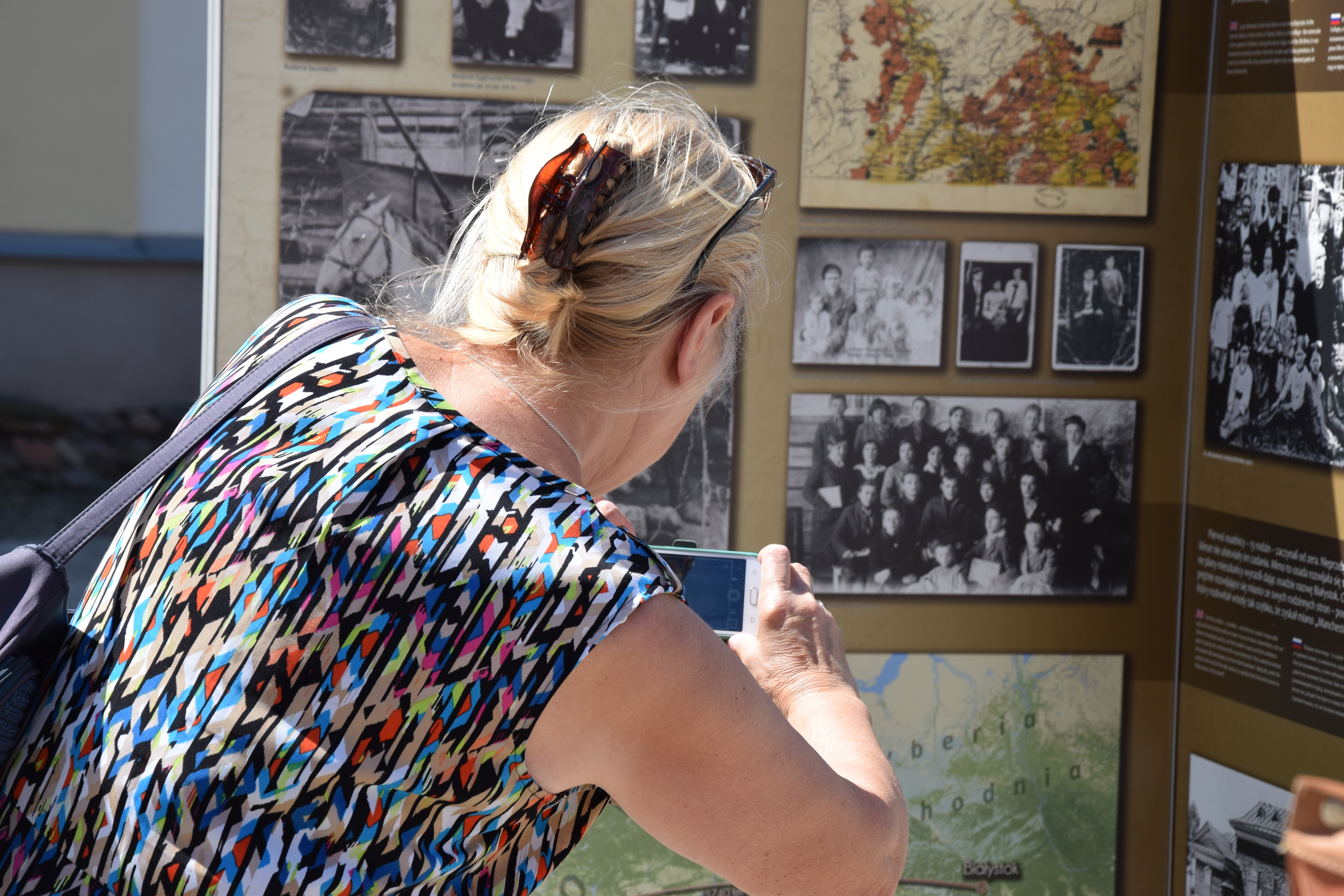
In the north-east of Poland, on the central square of the city of Bialystok, an exhibition dedicated to the namesake of this city-the village of Bialyok in the Tomsk region. Two Bialystok - Siberian and Polish - share several thousand kilometers. But they are united by much more - thousands of Poles in the will of fate in past centuries found themselves in Siberia, including in Tomsk Bialya.
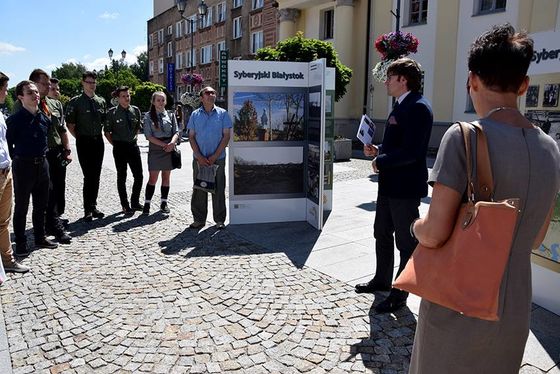
Bialystok is a city in the north-east of Poland, the administrative center of the Podlaski Voivodeship with a population of about 300 thousand people. The first mention of Polish Bialystok dates back to 1437. The official date of the founding of the Siberian village of Bialyok is considered 1898, the Poles-migrants from the Grodno province created their small settlement here. Since January 1, 2017, a Museum of Memory of Siberia has been operating in Polish Bialya. The current exhibition in Kostyushki Square is dedicated to the history of the Siberian village of Bialystok.
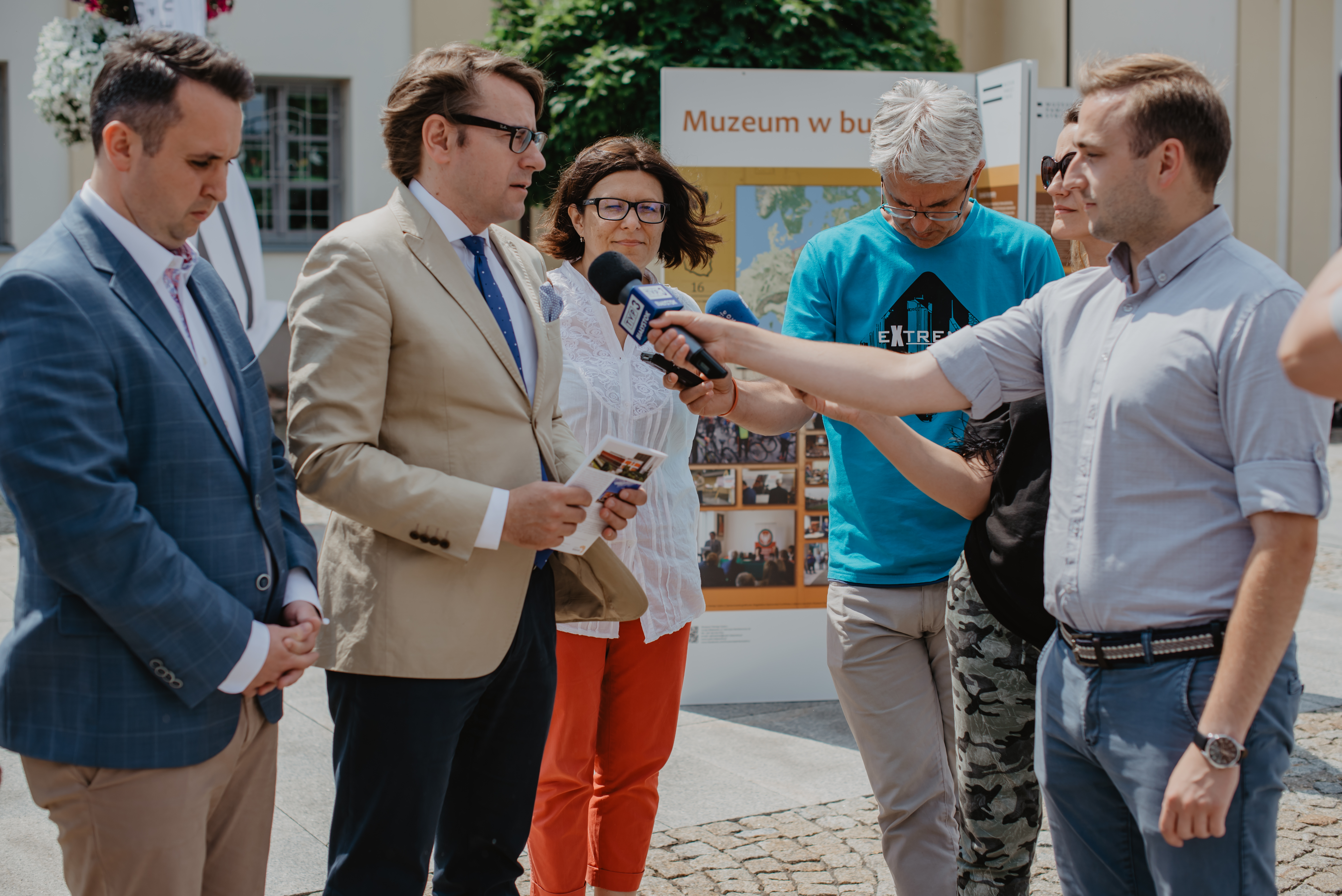
“The exhibition has a very simple name -“ Siberian Bialystok, ”says the curator of the exhibition Peter Poplavski . - It is worth emphasizing that this is not the first exhibition of this kind. Last year, we already held an exhibition called “Siberian Bialystok: Resurrection”, which is dedicated to the tragedy of the church burned there. Now the church is gradually resurrecting, and we all the time remind the inhabitants of the Polish Belostok that the action of collecting funds for restoration of the church is still going on.
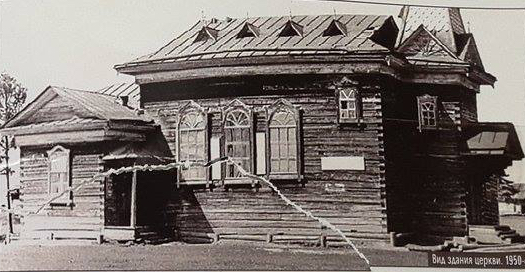
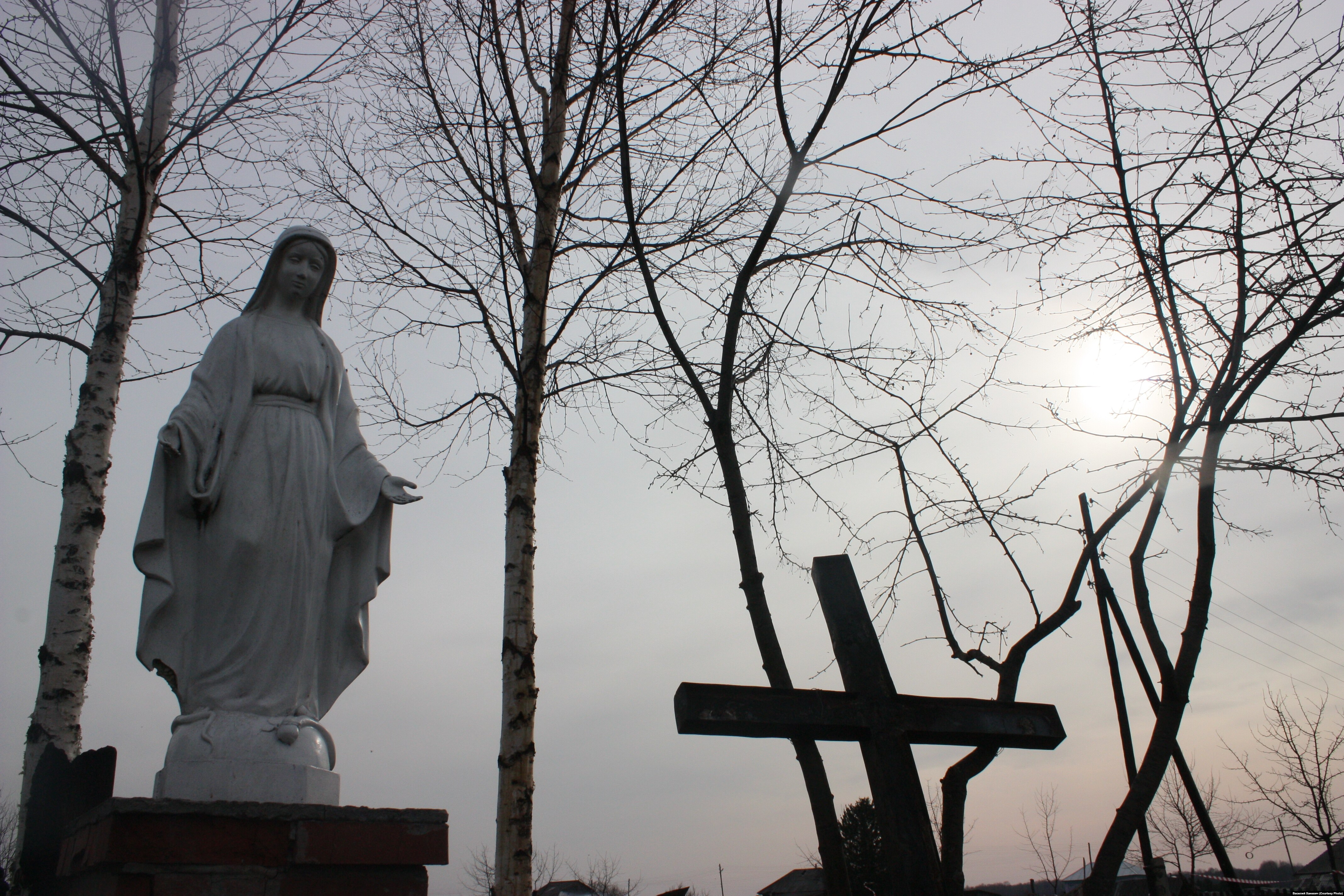
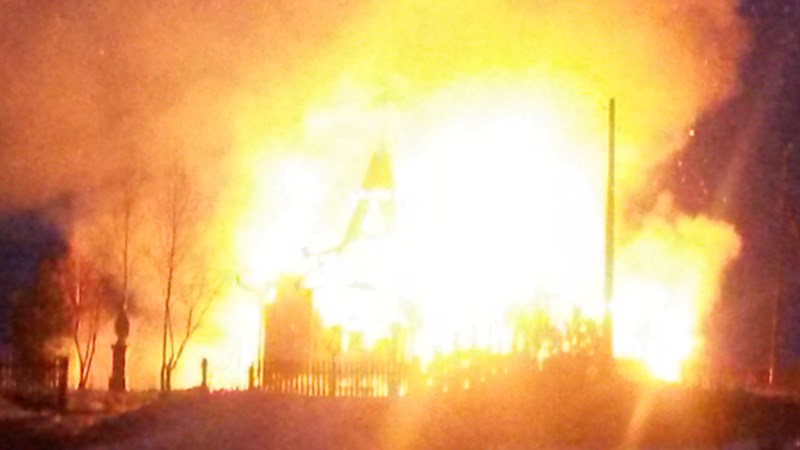
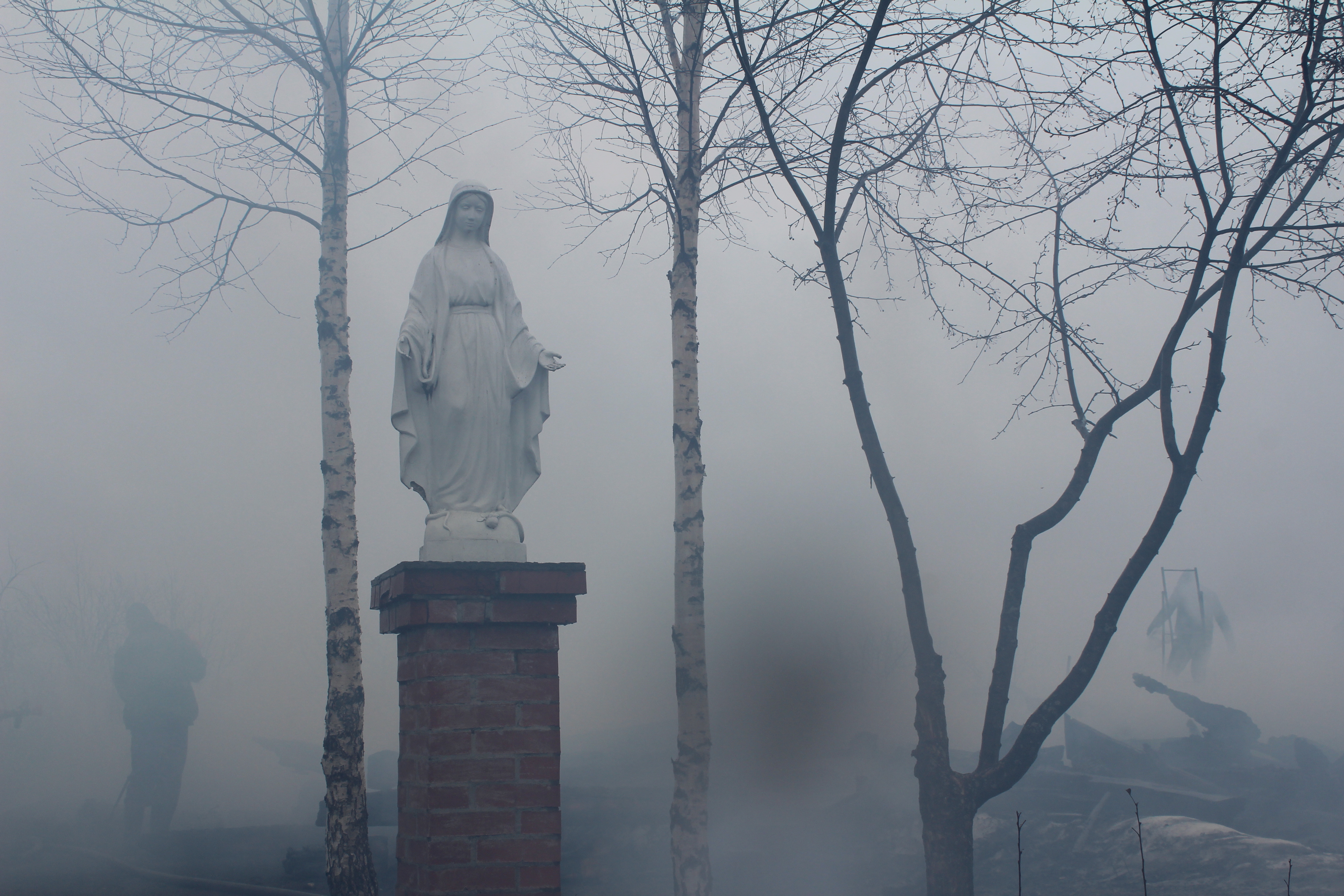
Now 244 people live in Siberian Bialya. The village church of St. Anthony of Paduan, built in 1908, was closed by the Soviet authorities in 1940, during the so -called "godless five -year plan." And returned to the local Catholic community only in 1990. On the night of April 18 to April 19, 2017, the church completely burned down. On June 5, 2017, at the initiative of the Catholic community of Tomsk, fundraising began to restore the temple.
The Polish political scientist Agnieshka Kanevsk has been rallying funds for the restoration of the Catholic Church for several months.
- When I decided to go to graduate school and chose a topic related to the Poles in Siberia, the question arose where to look for sources - well, of course, in Russia! And I arrived in August 2014 in Tomsk to work in the archives. I arrived only for one winter, and then spring came, summer came, autumn, winter, another winter came, and so only three years in Siberia turned out. And there is a very important place for me now-this is the village of Bialyok and the Temple, which burned in April 2017 two to three days after Easter. And I am now in Poland, I am a coordinator of the collection of money to restore this temple. Although I am far from Siberia, I seem to be around, ”says Agnieshka.
To date, 80 thousand euros have already been collected - more than half of the required amount
“Personally,” says Monika Shareiko , an employee of the exhibition museum’s exhibitions, “shocked photos of a burned -out church with all its details - a broken mug, scorched by the fire of the Virgin Mary, a blackened cross.” In these frames there is a drama of the inhabitants of Bialystok, who lost literally everything. The church for them was not only the place of religious ceremonies, but also the meeting place. Young people and elderly people gathered there, sang Polish songs and recalled the traditions of Polish holidays. Now there is a danger of extinction of Polish culture in that rather poor, given to the smallest group of people lost in Siberia, whose life was largely built around the church. The more important work on the restoration of the church, which volunteers in Siberian Bialya conducts with the help of, including Polish donations.
- How many in present -day Poland know that in Siberia there is its own Bialystok?
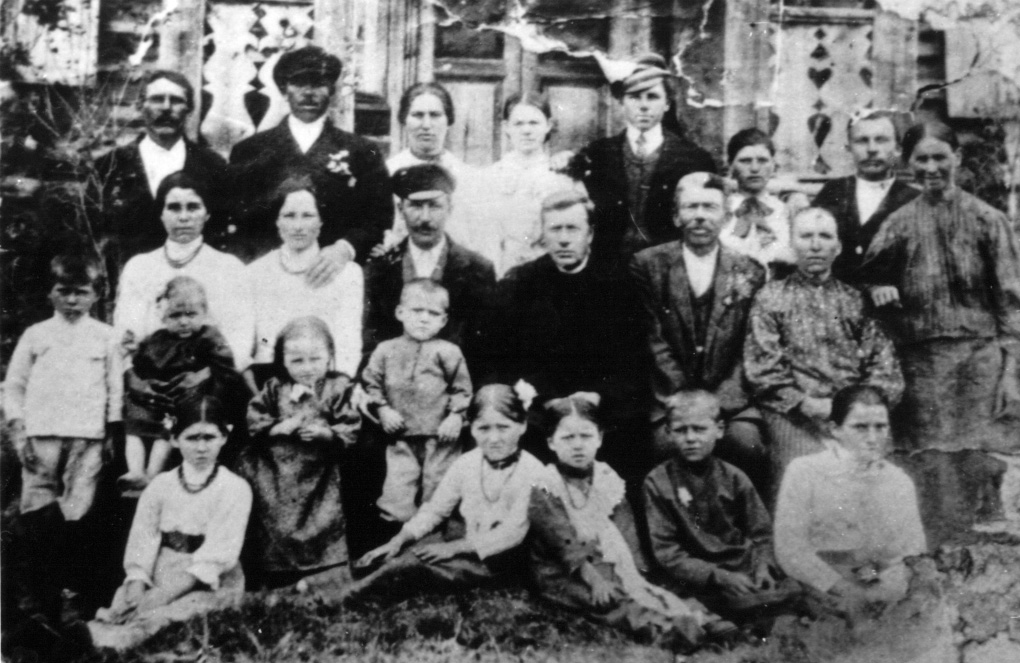
During the so -called Polish operation, the NKVD came to Bialystok people in uniform and from each almost a house was led under the escort of Poles. The entire adult male population was arrested one night
“Of course, it depends on the region,” says Peter Poplavski. - We have a special situation in Bialystok, because our city and the Siberian village have the same names, so information about this is transmitted in certain circles, of course. And I would not say that every Pole knows about the Siberian Belostok. This is also one of the reasons why we organized the exhibition - we want as many people as possible to find out that there is another white -stroke on Earth, almost four thousand kilometers from here, and for us it is largely for us, as it is twisted.
- Do you have the impression that the fate of the Poles in Siberia people in Poland can be interested in?
- Undoubtedly. And the case is not limited to two exhibitions that appeared in the space of our city for several days. These exhibitions then fall into other places - for example, to shopping centers where people go every day. We want to show these materials in other cities of Poland. But it is here, in Bialystok - probably thanks to the name - this connection with Siberia is felt in a special way. It was from here that the first immigrants went to the east, who then found their villages in the vicinity of Tomsk. And the descendants of which were repressed during the years of Stalin's terror. The memory of those events in Siberia remains largely due to the research of Vasily Khanevich.
Vasily Khanevich - historian, teacher, public figure, head of the Memorial Museum "Investigative Prison of the NKVD" in Tomsk. Born in Bialystok, a descendant of Polish immigrants. Member of the Society "Memorial". He conducted an investigation into the “Bialystok tragedy of 1938” - this is the name of the historians of the NKVD special operation, during which almost the entire male population of the village was shot.
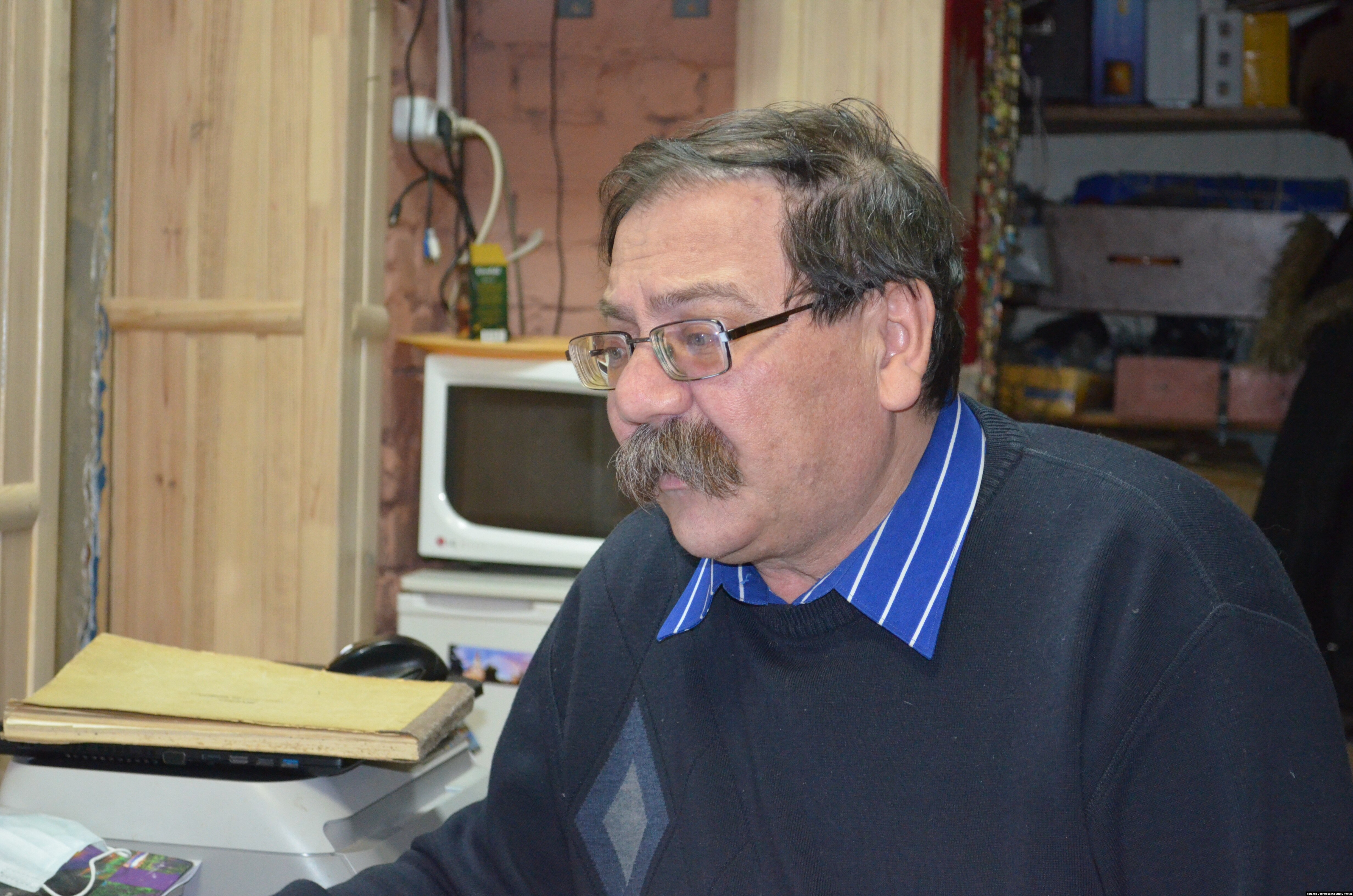
- During the so -called Polish operation of the NKVD, people in uniform came to Bialystok and from each almost a house took the head of the family under the escort. The whole adult male population was arrested one night, ”says Vasily Khanevich.
The daughter of the repressed and a resident of the Siberian Bialystok Anna Medilet recalls:
-In the morning they built them in a large, large column and drove them. Lead and lead these men. Everyone cried. We were small, and I remember how terribly it was. They stood, looked out the window and cried, cried.
- Father was already sick, he was weak. He was put on a sled in the stage ... He died dear, he was thrown away with the sled and then went, - recalls the daughter of the repressed, a resident of the Siberian Bialystok Maria Markish .
In 2003, a memorial complex was opened in Siberian Bialya to the victims of Soviet political terror and who died during the Great Patriotic War. The complex includes a four -meter high Catholic cross and steles with the names of the villagers who died during the years of repression and war.
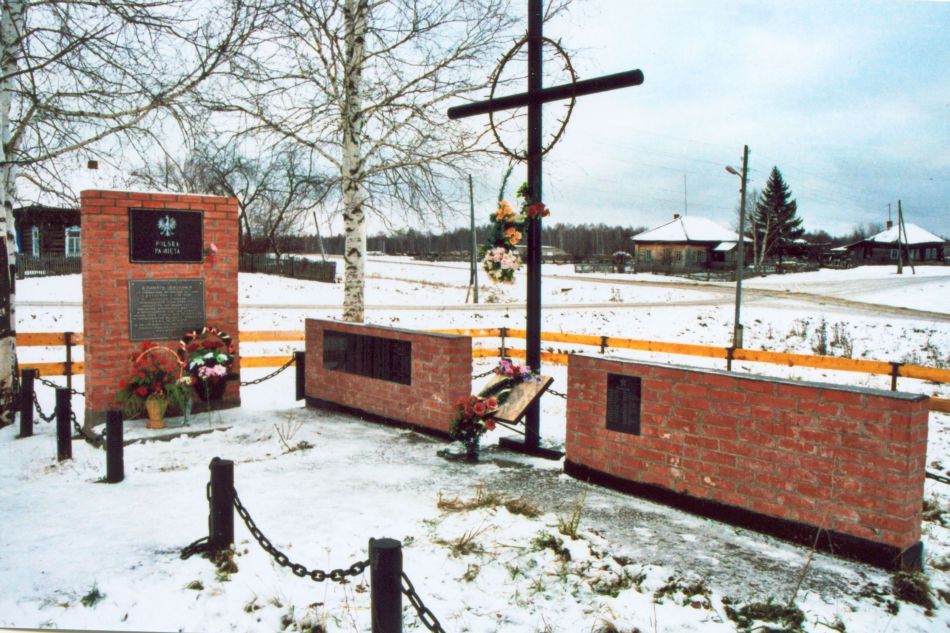
For an exhibition in Polish Bialystok, Vasily Khanevich provided archival documents and photographs preserved in Siberia.
“These are priceless historical and documentary evidence that reflected one of the most important moments in the history of the Siberian Bialystok - the“ Polish ”operation of the NKVD in 1938, when most men arrested and then lost their lives,” says Peter Poplavski . - It was a turning point when the Polish villages in Siberia cut their wings. The inhabitants of Bialystok had previously had problems with the Soviet government, when the Bolsheviks tried to close the village church. But this physical destruction of men led to the decline of the village. It is unimaginable that such a small village, where only a few hundred inhabitants, became the goal of such a special operation of the NKVD and survived such a terror. Incredibly simple. In the history of the inhabitants of the village of Belostok, the tragic story of the numerous once Polish diaspora in Siberia was reflected.
- Is it possible to say that almost every Pole in family traditions contain his own plot associated with Siberia?
“The majority is probably stored,” says Peter Poplavsky . - I can’t say for all the Poles, there are more than forty million in Poland itself and a few more - beyond, but we can say for sure that many of our compatriots have such stories in families, and if not in families, then friends. I think that almost every Pole faced the history of deportations to the Soviet Union. Many people know those who were there, many have such people in families, or they are familiar with their descendants, with those who, after the Second World War, remained abroad of Poland.
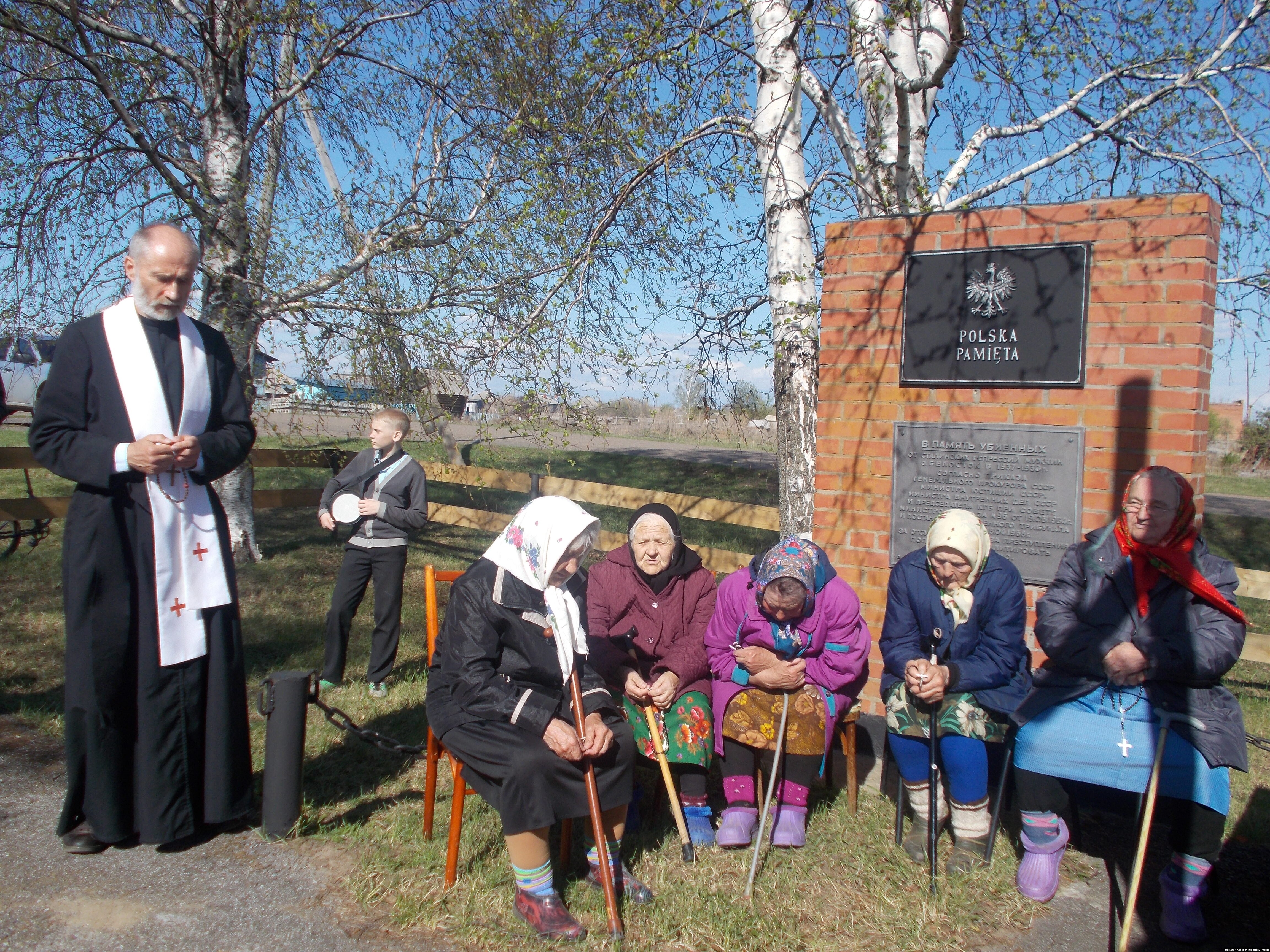
“At least every fifth resident of the Polish Bialystok was exiled to Siberia,” adds Monica Shareiko , “during the deportations of the twentieth century, in the 40s. You can easily calculate that almost every family in our city touched deportation, if you look at statistics. Now the demographic culture of the inhabitants of our Bialystok has changed, a lot of people who moved from other regions, but in the 50s everyone could say that in his family or among his acquaintances there is a person who was exiled and, perhaps, did not return from this link.