
Translated material
Will one and a half rooms become a museum?
The apartment next to the one where Joseph Brodsky lived was bought out by a millionaire who dreams of opening the poet's museum
Behind the wall
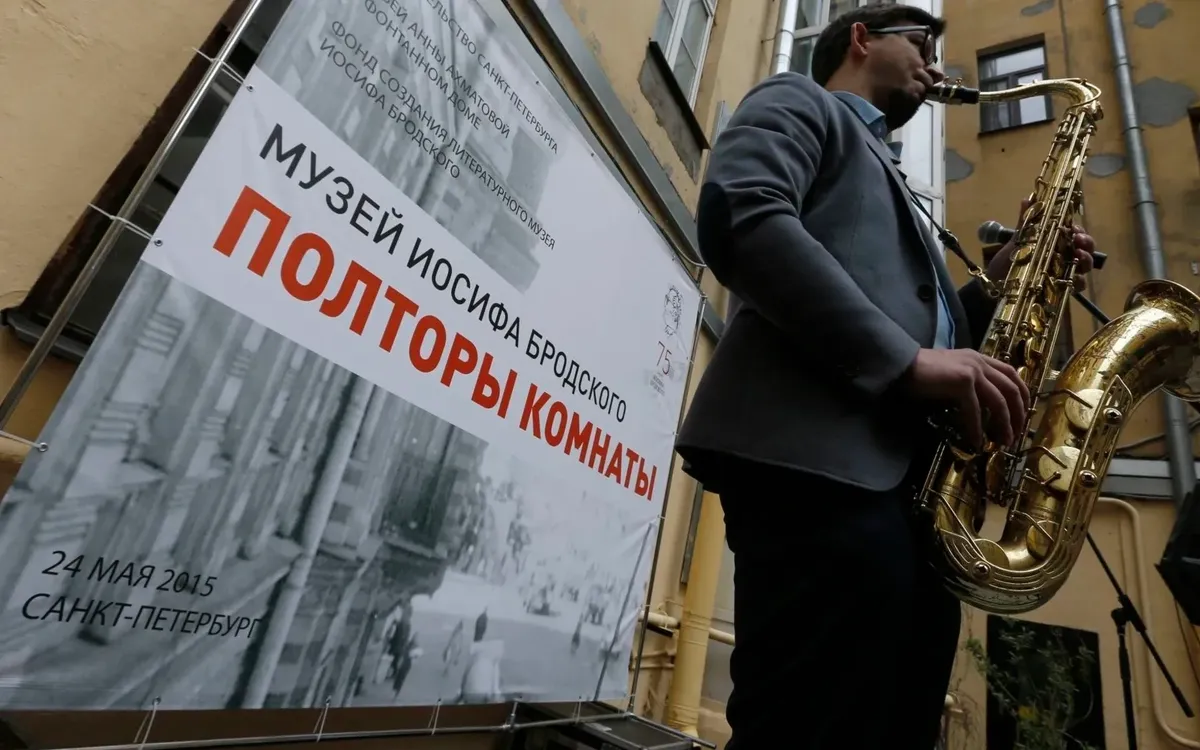
The fact that Maxim Levchenko caught fire in the idea of opening a museum in the house of Muruzi (24 Liteiny), where the family of the future Nobel laureate lived in one and a half rooms has long been known. Then Mr. Levchenko decided to attach a neighboring apartment to the former communal apartment, having bought it from the then owners, the Malyshevs spouses. But finally it was possible to conclude a deal only in July this year. During this time, Levchenko was headed by the board of trustees of the Brodsky Museum, which owns four of five rooms in a former communal apartment behind the wall. Including the fund belong to the memorial one and a half rooms. The Malyshev spouses, one of the conditions for the conclusion of the transaction to sell their apartment, put forward the demand to include them in the trusteeship of the future museum. Which was recorded in the contract.
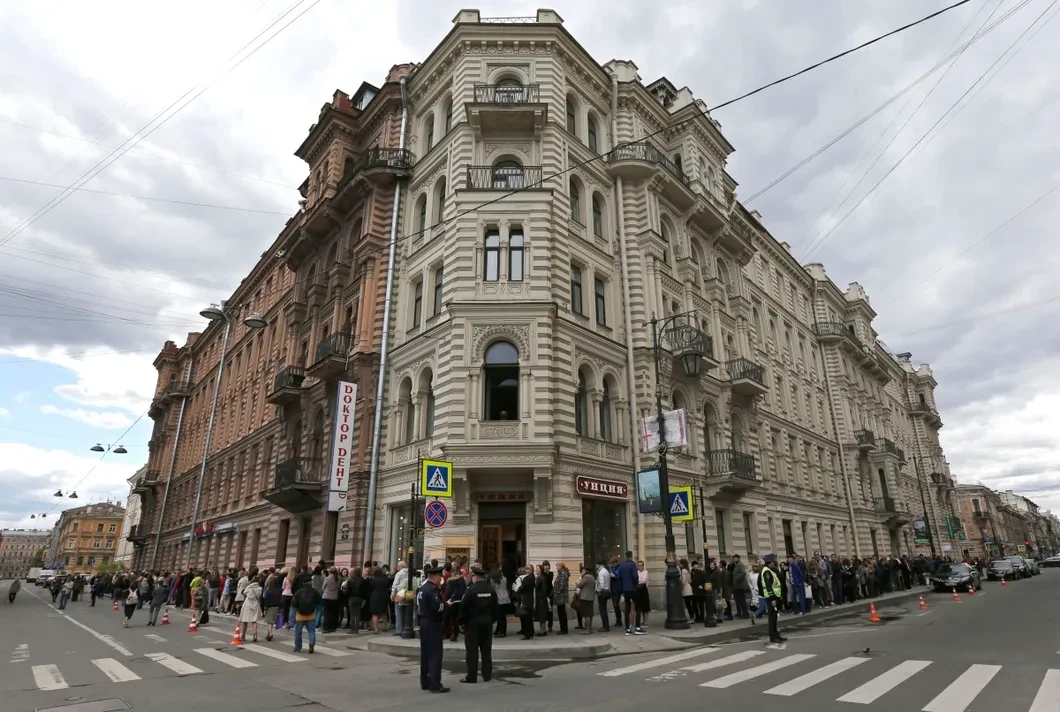
The Muruzi House is occupied by a whole quarter, the windows of Brodsky’s memorial apartment on the second floor overlook the Street of Pestel and on the corner of Pestel and Korolenko. The apartment, bought by Maxim Levchenko, adjoins her from the side of Korolenko Street. This apartment, according to the Malyshevs spouses, was never communal, and after the purchase they decided to maintain a historical layout, including an anfilad of rooms walking along the facade.
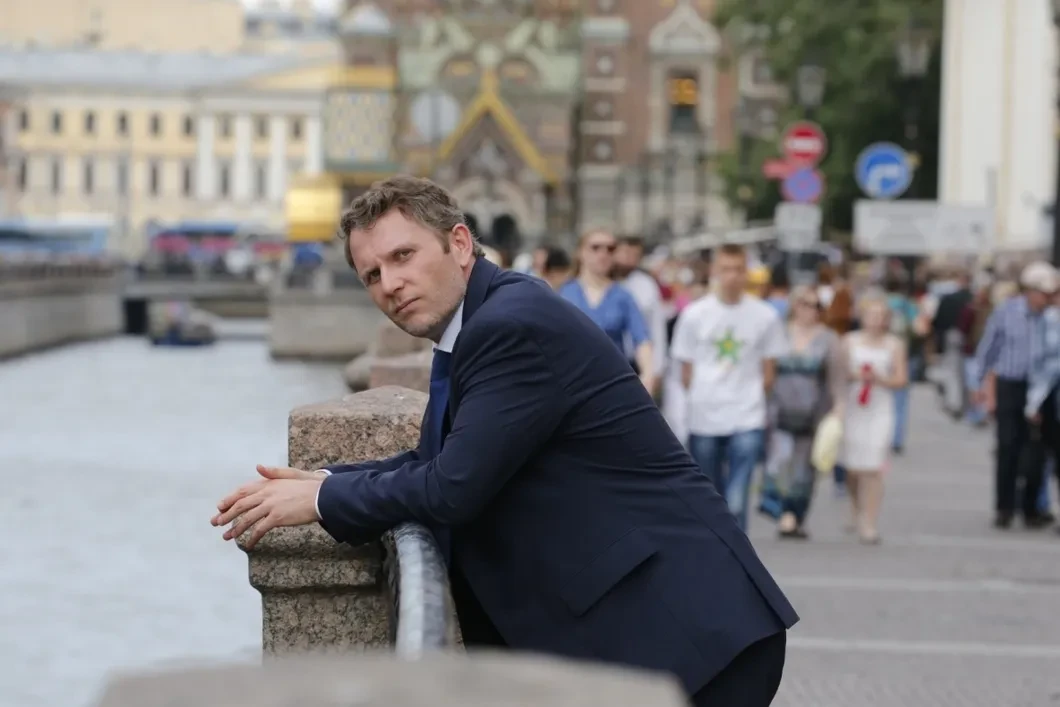
Maxim Levchenko does not hide the amount of the transaction - he purchased an apartment for almost 36 million rubles, and is ready to invest at least $ 1 million in the museum project.
Medist apartment
The apartment itself, where the Brodsky lived, turned out to be a real trap for the Brodsky Museum Fund. By 2010, with the support of the city authorities, members of the Fund managed to find sponsors for ransom of four rooms. But the owner of the largest room Nina Vasilievna Fedorova abandoned all the most tempting offers and continues to live in the apartment so far.
It's not only about her. According to the law, in order to make a museum in the apartment, it must be transferred to a non -residential fund. And for this, all rooms under it should also be non -residential. But the owners of the apartment on the ground floor do not want to sell it.
In addition, at the request of the Ministry of Culture, the museum in the apartment is required to have two entrances-outputs, one of which should be separate. From the apartment where Brodsky lived, there are two entrances-exit, but they are all common with the rest of the residents. If it were possible to buy an apartment on the ground floor, the issue would be resolved. But while the situation resembles a vicious circle.
Are there any ideas?
One and a half rooms of Brodsky are standing empty all this time, sometimes visitors come here by special agreement with the leadership of the Brodsky Museum Foundation. The purchase of a neighboring apartment, as the participants of the fund and employees of the Museum of Anna Akhmatova, where Brodsky memorial things are stored, can open new prospects.
“Private initiative is the only real opportunity to make the Brodsky Museum,” Nina Popova, director of the Akhmatova Museum, is sure. - And we are ready to cooperate, of course, if it is our joint exhibition projects, which will coincide with our idea of the idea and embodiment.
The chairman of the Council of Founders of the Fund for the Creation of the Museum of Joseph Brodsky, Mikhail Milchik, said that he had already discussed various plans with Levchenko.
- This is a question not of the near future, although I look at all this venture in the most positive way. I like the idea of a museum built on contrast, one part is memorial, atmospheric, with a spirit of time, the second - with modern exhibiting techniques, focused on young people.
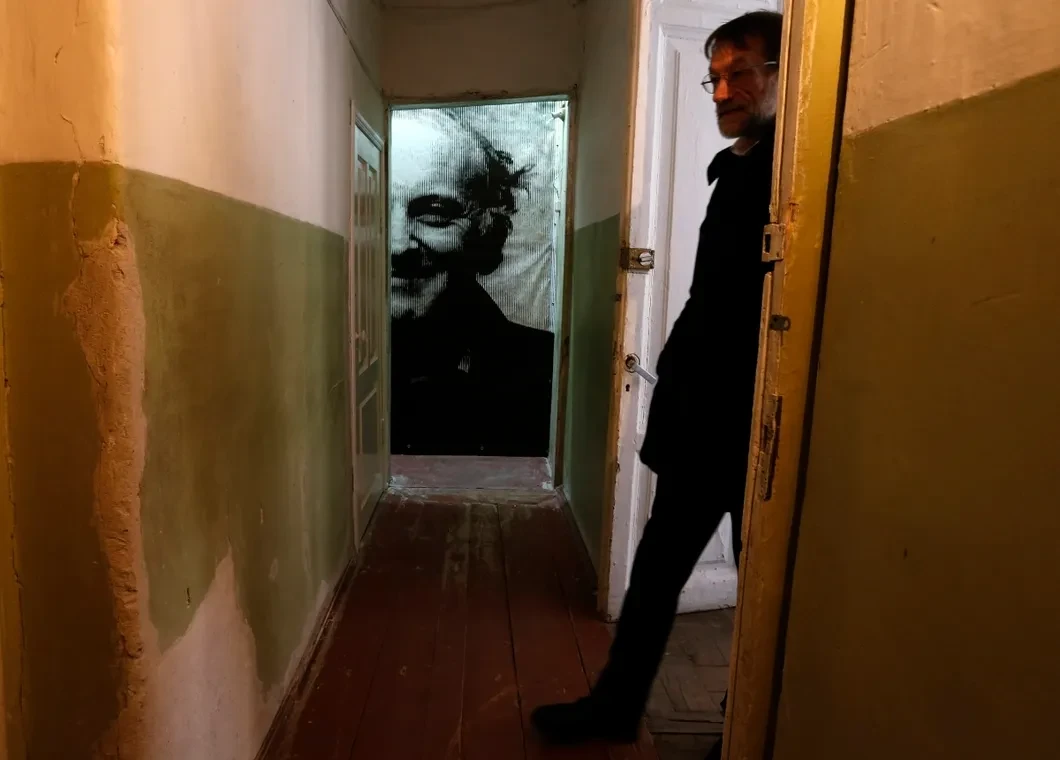
In the new apartment, according to the preliminary plan of Levchenko, there will be technical premises, lecture halls, a library. The memorial part of the future museum is, in fact, a former communal apartment and its one and a half rooms. But even if you combine two apartments, the problems do not disappear anywhere. Indeed, under the memorial part of the future museum there remains a living apartment. Not to mention the fact that for unification it is necessary to solve many legal problems: the house is an architectural monument, it will not be easy to obtain a permit for redevelopment. In addition, no museum will provide its exhibits even for a temporary exposition to a room not processed from the fungus.
But Mr. Levchenko himself does not seem to scare all these difficulties.
- We plan to make a public cultural space in a new apartment, which in the future will grow into the Brodsky’s private museum. Although this is not the near time, there are many problems, but our team is ready to solve them. It is important for us that from this private apartment of the future private museum, access to one and a half rooms is provided, we understand that they are of the main interest. There is already a plan for how to do it.
According to Novaya, on August 1, a working meeting of all participants in the future project is planned for August 1 - the employees of the Brodsky Museum of the Museum and the owner of the neighboring apartment. The fate of the future museum will be decided on it.