
Translated material
Tehran rejoice?
The European Union is trying to protect its economy from US sanctions against Iran
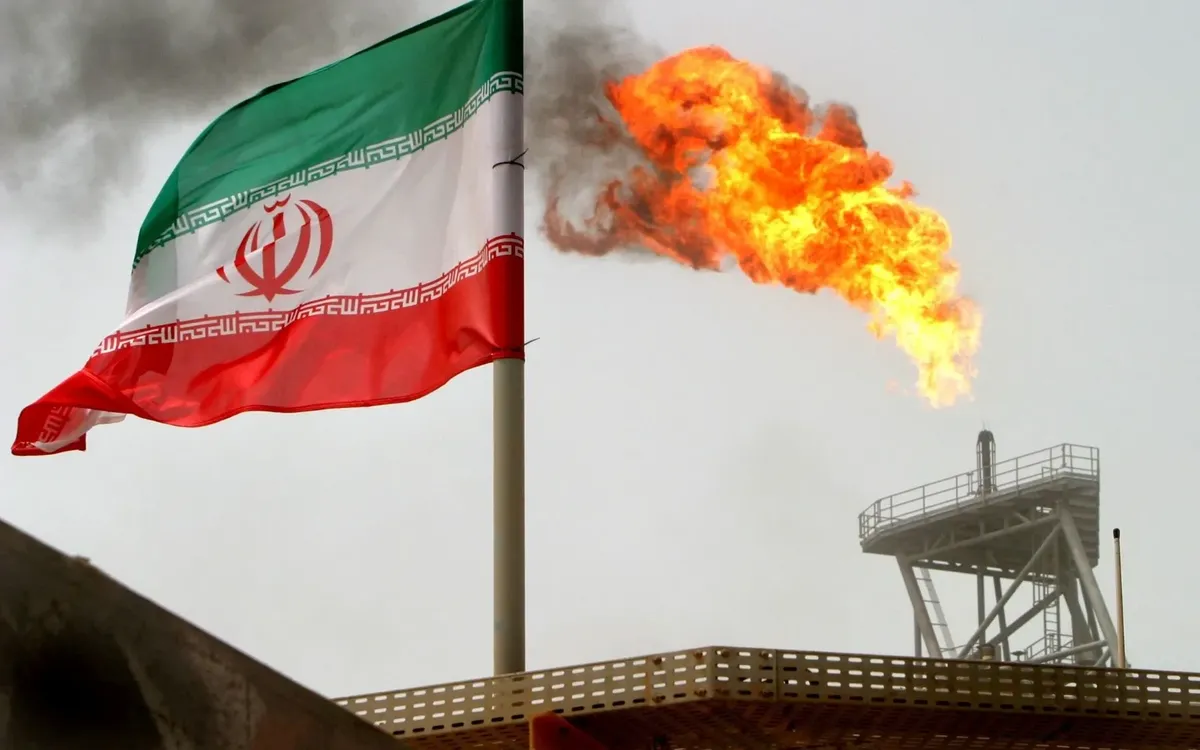
On Monday, the United States unilaterally left the Iranian agreement. Washington resumes large -scale sanctions against the Middle Eastern country. The actions of the American administration caused a “deep regret” in Europe - this is stated in a joint statement by foreign ministers of Great Britain, Germany and France. In addition to the political consequences of this step, the European Union and the UK emerging from it are worried about the economic component: continuing to trade with Iran, European companies now also fall under US sanctions. In order to protect their companies and prevent the complete cessation of trade relations with Tehran, the European Union for the first time since 1996 is ready to apply the “blocking statute”, which prohibits companies from trade with Iran due to extraterritorial sanctions.
Background
The so -called Iran agreement - “A joint comprehensive action plan” (SVPD) is a document signed in 2015 by Iran, USA, Great Britain, Germany, France, Russia and China. In accordance with it, Iran agreed to abandon the enrichment of Uranus, reduce existing reserves, take out most of the centrifugs from the country and allow the Magate International observers to their facilities. In response from Iran, most of the sanctions were lifted, returning it to international trade. Barack Obama and European leaders then called the agreement on Iran an important diplomatic success in the eastern direction.
Donald Trump during the election campaign actively criticized the agreement for its incompleteness: most of the restrictions for Iran ends in 2030, in addition, the contract does not say anything about testing the ballistic missiles and Iranian policy in the Middle East. Having become the president, Trump threatened to leave the agreement several times, referring to the data on which Iran continues to enrich Uranus. Although the Magate International observers say the opposite - what Iran fulfills the agreement - in May Trump made the final decision: to get out of the agreement and resume sanctions. On Monday, this decision entered into force.
US position and Iran's answer
US sanctions, in particular, suggest: a ban on the purchase of American securities by the Iranian government; a ban on trading with Iran gold and other precious metals; a ban on trading graphite, steel, coal; ban on transactions in the automobile sector; The ban on any transactions with the participation of the Iranian currency - Rial. This is the first portion of sanctions. The second will enter into force on November 5 and affect the energy sector, oil trade and transactions with the Central Bank of Iran.
It is assumed that companies that will continue to trade with Tehran will also fall under American sanctions - they will be closed to the US market entrance.
In his statement, Trump described the Iran of 2015 as “terrible and one -sided”. According to him, "Iran has a choice: to change his threatening, destabilizing rhetoric and integrate into the world economy, or to continue the path of economic isolation."
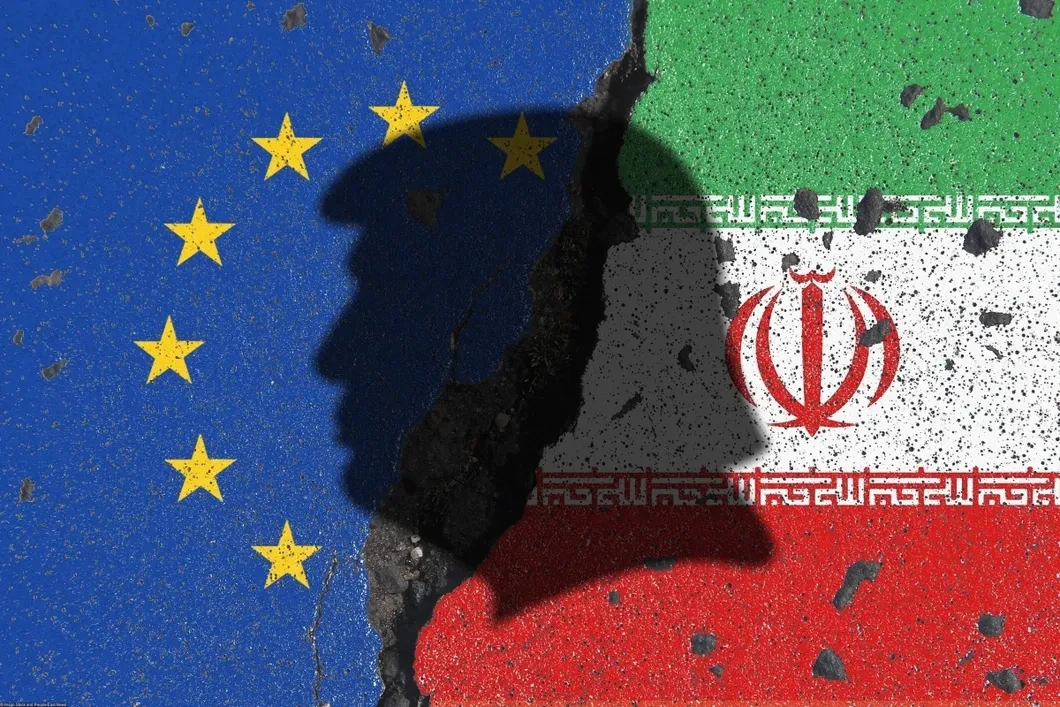
Even in May, US Secretary of State Mike Pompeo outlined the conditions under which the United States is ready not to impose sanctions: if Iran completely refuses to enrich uranium and develop nuclear weapons; will release all American citizens who are in custody; will cease cooperation with the Hezbollah terrorist groups, Hamas, and Islamic Jihad; He will withdraw his military from Syria.
Thus, the United States puts before Iran new conditions not provided for by the 2015 agreement. Pompeo, however, called them the corresponding "international standards."
Iranian President Hassan Rukhani called the US actions a “psychological war”, the purpose of which is to “cause a split among the Iranians.” “Negotiations with existing sanctions do not make sense,” said Rukhani. - We always act supporters of diplomacy and negotiations. However, honesty is necessary for this. ”
Back in early June, after Trump's words about future sanctions, Iran said that the enrichment of Uranus would resume in response. The head of the atomic energy organization Iran Ali Akbar Salehi warned that the construction of a new facility for the production of centrifuges would soon begin.
What to do to European companies
European leaders condemned the US withdrawal from a transaction on Iran. “The SVPD works in accordance with its goals aimed at ensuring that the Iranian program remains exceptionally peaceful,” the Foreign Ministers of Foreign Affairs, Germany and France said in a joint statement. - This is a key element of non -proliferation of nuclear weapons, critical for the safety of Europe and the whole world. <...> The abolition of sanctions is an important part of the transaction, aimed not only at positive economic and trade relations with Iran, but also to the well -being of Iran citizens. ”
Now, the document says, the purpose of the European Union will maintain these relations and protect the European economy contrary to American sanctions. For Europeans, this is a much more urgent question than for the United States. It is easy to compare: the volume of trade operations of the United States and Iran in 2017 amounted to 201 million dollars, while the European Union with Iran was $ 25 billion. In particular, the French company Total, participating in the development of a gas field, is actively working with Iran; Royal Dutch Shell, investing in the energy sector; And Airbus, which has already put several aircraft in Iran. Last year, Renault signed a deal with Iran $ 780 million, undertaking to put 150,000 new cars.
Now these companies should choose: continue to trade with Iran and risk the American market, or to complete all transactions with the Middle Eastern partner. To prevent the latter, the European Union initiated the so -called
“Blocking Statute” is a mechanism in accordance with which European companies are prohibited from operating in accordance with the requirements of the White House, otherwise they will be threatened with court claims.
In order to get out of existing transactions with Iran, European companies will need a special resolution of the European Commission. In addition, the mechanism makes it possible for companies that may suffer from American sanctions to appeal against the US administration.
The blocking statute entered into force on Tuesday. Despite the presence of this mechanism, experts doubt that European companies will be ready to risk the American market in order to maintain transactions with Iran. So, in June, the leadership of the French company Total stated that it would be forced to curtail all operations if the United States does not guarantee their exemption from sanctions.