
Translated material
Interrupted journey
Memory of the former Izvestia journalist Albert Plutnik
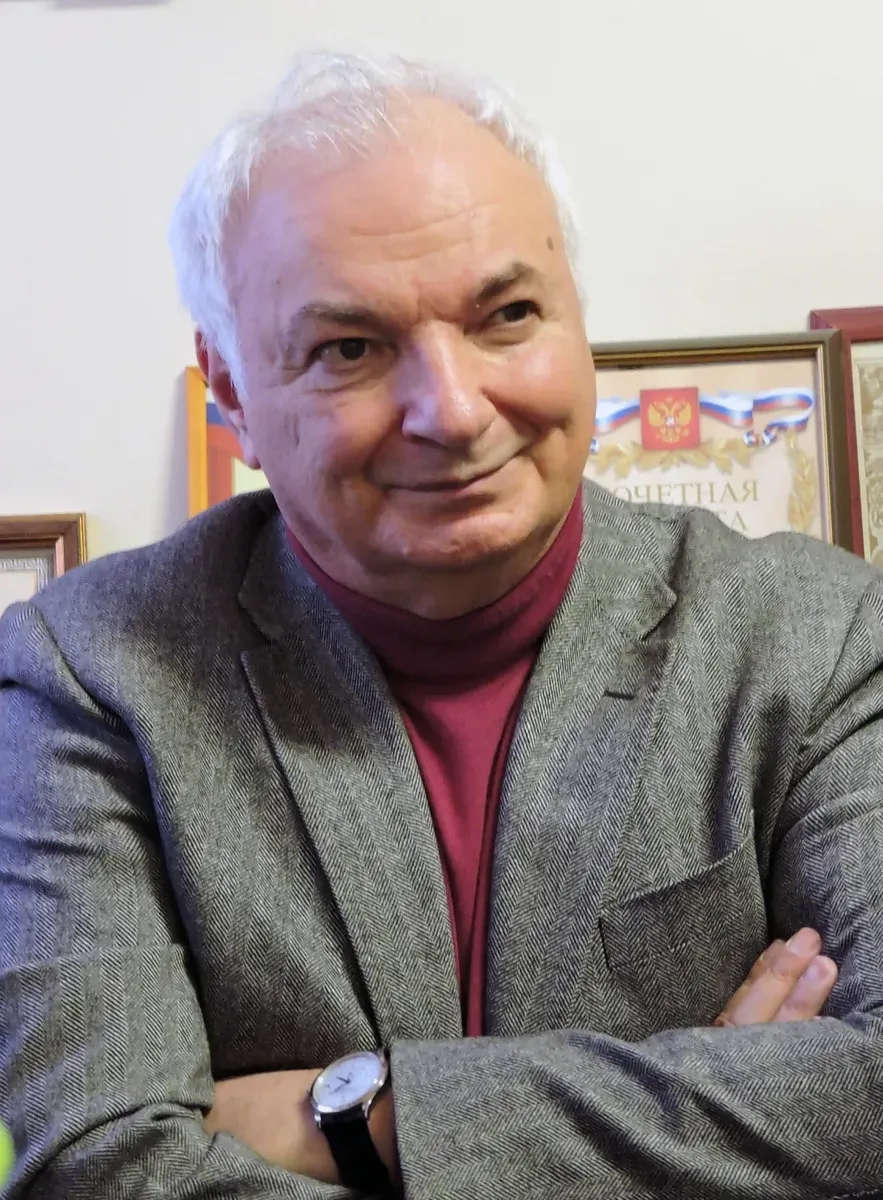
“... In my opinion, the main thing in the profession of a journalist, this, probably, probably an unpertured profession, which is like a very general character, not similar in this sense-the ability to constantly, without days off, work according to conscience.
This is important, of course, for a person of any business. But for the journalist, the absence of a demanding, sensitive conscience is a certificate of professional insolvency and even inferiority, the undoubted evidence that a person did not take up his own business. A unscrupulous journalist is nonsense, but, alas, everyday life, like a singer singing under the “plywood”. He opens his mouth, and his voice sounds someone. ”
So recently, Albert Plutnik wrote for a professional magazine, Izvestan from the legendary cohort, which once made a glory to the newspaper. A person whose work has become a recognized standard of this very “conscientious journalism” who speaks exclusively in his voice.
Today, friends and readers of Plutnik first celebrate his birthday - without him.
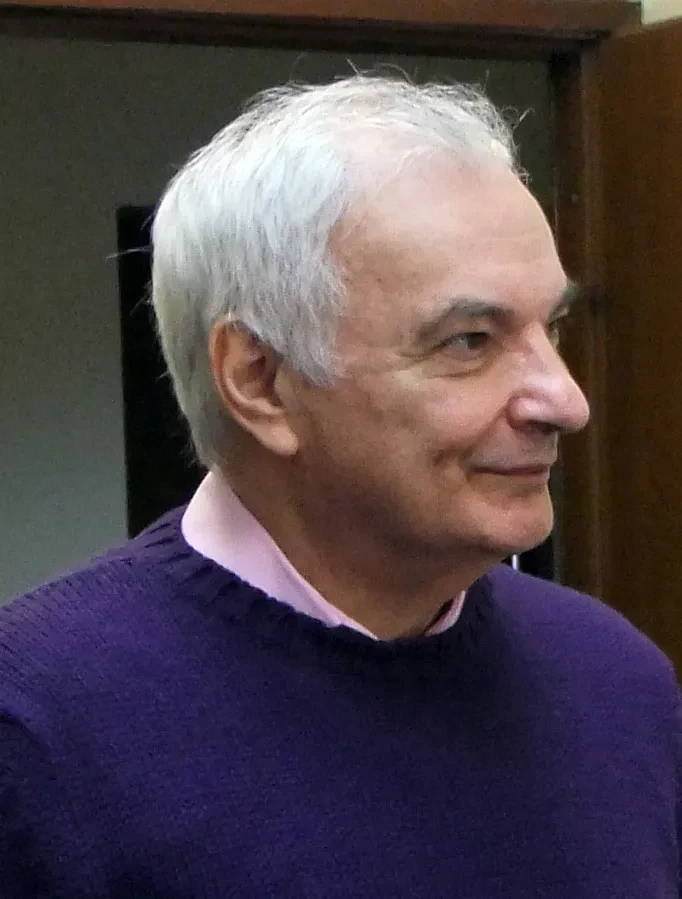
... In the spring of 1997, the Izvestia split occurred. As if someone prudently neglected tornado swept away from Pushkinskaya. Some left immediately, a single team, to launch “new news”, others left their home one by one (including Alik and our common friend, the first deputy chief Anatoly Druzhenko, who then became the deputy of the main “literature” - this was how the entire journalistic workshop turned to him). We continued to communicate with the three: by phone, tete-a-test, in colleagues. Once I suggested making our conversations to the public. And in the winter of 2007 the book “With Journalism is over, forget! About friends-comrade, drama "Izvestia" and the decay of the profession.
Publishers asked everyone to give their short autobiography for the cover. Alik turned out like this:
“I was born in 1941 in the Moscow region. He lived in Tsaritsyn. This is in the recent past - near Moscow, now - the Moscow area. The shock of youth - was accepted at Moscow State University, at the journalism department. Then-Izvestia, where he also did not hope to get, but where he worked from 1966 to 1999. Lithuanian, Lithuanian employee of the letter department, special corner of the department, special corner of the departure-agriculture, rights and morality, Soviet construction, deputy editor of the Department of Morality and Law, editor of the Society Department, and Political Heater. In the last two positions - a member of the editorial board (elected by the team). Laureate of the Prizes of the Union of Journalists of the USSR and Moscow, as well as the Golden Pen of Russia Prize.
The dying Fellini managed to notice: "Death is a journey." Of course, everyone is destined for their route. On June 26, the phone from afar Olya Plutnik came from afar: "There is no Alik ...". No, in fact, he did not leave, stayed. This is for the time being, we continue to flounder in the ocean of a pulsating and fussy time. And Plutnik lingered at the side, at the eternal pier. Observing, among other things, how the Alik family, with the assistance of friends and colleagues, will gradually give four grandchildren and young journalists his enviable inheritance - unrelated manuscripts, unpublished interviews and thoughts, unfinished correspondence.
On the last June Thursday, at the Troekurovsky cemetery, everything was said to Alika's classmate. The wire ceremony turned out to be concise, worthy and, sorry for the inappropriate, perhaps definition, elegant. That is how the rare aristocrat of the printed workshop lived and wrote. Anyone who provided all -Union Izvestia for thirty -three years in a row with articles that the country spoke about the next morning after publications, its first persons reacted, and readers responded with bags of letters.
Gagik Karapetyan - especially for "New"