Translated material
Media: Greece calls its ambassador to Russia
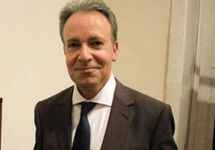
Greece recalls its ambassador in Moscow Andreas Friganas. This was announced on Friday night by RBC with reference to a number of Greek media.
According to some reports, the decision by the decision of the Greece Foreign Ministry Nicos Kotzias personally made the decision.
At the same time, the site Madata denies that the ambassador is called to Athens.
TASS, however, with reference to a certain "diplomatic source in Greece" confirmed information about Friganas's review. The agency claims that another diplomat will be appointed in his place.
On August 6, it was reported that Friganas was called to the Russian Foreign Ministry . There, the ambassador was awarded a note “informing about the mirror measures accepted by the Russian side in response to the unfriendly actions of Athens in relation to Russian diplomatic employees and citizens.” What measures were meant, they did not specify on Smolenskaya Square.
On July 11, it became known that Greece sent two Russian diplomats , and forbade two more entry into the country. The newspaper Kathimerini called the name of one of the exiled officials - this is a certain Viktor Yakovlev.
The Russians were accused of attempts to intervene in the internal affairs of Greece and actions that undermine national security. According to Kathimerini, it was about illegal collection and dissemination of information, as well as attempts to bribe Greek officials.
It was noted that Moscow tried to strengthen the influence on bureaucracy and clergy, including through the Imperial Orthodox Palestinian society, and also intervened in the conflict around the name Macedonia .
The press secretary of the Russian Foreign Ministry, Maria Zakharova, called the decision of Athens a "dirty provocation" and threatened Greece "consequences". Later, Smolenskaya Square said that the "anti-Russian" decision of Greece "was dedicated to the NATO summit", which was held just on the 10th day of July, and that it "stands in Washington".
In response to the Greek Foreign Ministry, Moscow was accused of "unchanging disrespect" to their country. “It was such a negative way of thinking” by Moscow, noticed in Athens, and ultimately led to the expulsion of Russian diplomats. The evidence that the officials of the embassy tried to intervene in the internal affairs of Greece and took actions to undermine its national security were represented in a timely manner to Moscow.
After the expulsion of Russian diplomats, Athens refused to issue Schengen visas at least ten clergy of the Russian Orthodox Church. Among them were an employee of the missionary department of Igumen Agafangel (Belykh) and the former head of the press service of the Patriarch of Moskvsky Archpriest Vladimir Vigilyansky.