
Translated material
Quiet modest guys. 17 people were killed
Daniil Turovsky tells the full story of the GTA GTA - Islamists, whom the state considers simply robbers
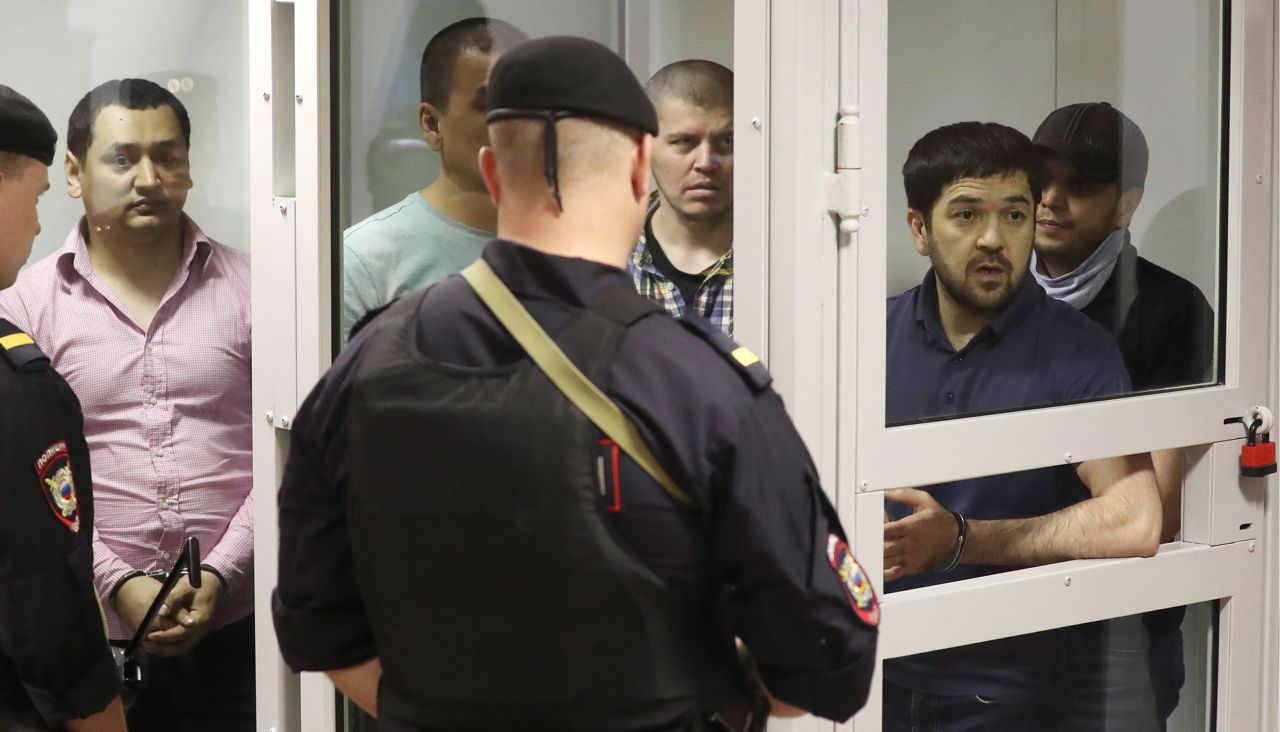
On August 9, the Moscow Regional Court sentenced the members of the so-called GTA gang, who in the early 2010s attacked cars and killed drivers in Moscow and the Moscow Region. The GTA GTA has become one of the most high -profile criminal plots of the current decade: federal channels followed the investigation of the case; Folk patrols tried to look for criminals. As a result, only a few participants in the group received prison terms - four more were shot a year ago in the court building, when they, according to the investigation, tried to escape. The Special Corps of Medusa Daniil Turovsky got acquainted with the materials of the case and the memoirs of investigators, talked with the relatives of the gang participants - and restored the history of the group, which was led by two people who declared that they were trained in the Pakistani camp for future terrorists.
Chapter 1
Fight in the forest
On the evening of November 26, 2013, three friends from Ryazan, Pavel, Evgeny, Roman, went to Moscow to pick up the bookmark - 100 grams of spice purchased from the salary.
The road took about four hours. Having found the bookmark, around midnight they went back to Ryazan. They took the dose; After some time, Eugene became ill - not far from Kolomna, young people stopped the car to rest and breathe.
The place was deserted: an empty night road, around the field and forest. Friends were sitting in a car with the light on. About twenty minutes later, the novel suddenly saw a car parked on the other side of the road, from which people in black clothes with hoods came out - and almost immediately he heard pops: unknown people began to shoot from pistols. Roman dived under the seat; Eugene yelled: "Let's go!"
The novel was filled with glass - windows crashed from the shots in the car. Blood flowed from his head, his hand went limp. Eugene understood: we had to leave, but Paul, who was sitting at the wheel, lost consciousness. A minute later, the shots stopped - looking out into the street, Roman saw that the attackers got into their car and left, not checking what happened to their victims.
Roman pushed away a friend from the driver's seat and got behind the wheel himself. After some time, he reached the Diaghilev region on the outskirts of Ryazan. His friends were still unconscious. The young man called his relatives, explained to them where the car was standing - and went to the hospital, where a bullet was taken out of his shoulder.
Pavel and Eugene were less fortunate: the ambulance rode to them for several hours; All this time, a car with bloodied men stood at the school bus stop, attracting the attention of passers -by.
When the doctors nevertheless arrived, Pavel somehow came to his senses. He poorly understood what was happening, and said that in the back seat - the corpse of Eugene. A few hours later, Pavel himself died in the hospital.
Three months later, in the evening of February 25, 2014, the banker Vladimir Kirilluke, who was headed by the “idealbank”, returned home - to the elite cottage village near Istroy. Having phoned his wife and dressed up, he sat on a bicycle, called a dog behind him and went to ride around.
Leaving the forest, he saw four men who were going to block the road with a fallen tree - later it turns out that the gang participants were training, and Kirilllyuk prevented them.
When the wife arrived home, the banker still did not return. A few hours later, unable to get through to her husband, she went to the checkpoint in the village. The guard said that some time ago their dog ran into the gate, and the driver passing by told him about the fight that he saw half a kilometer from the village: three people beat a man lying on the ground. The wife of Kirilllyuk, along with the guard, armed with lanterns, went to the alleged place of the fight - and found the body of the banker there. About 20 times he was hit with a knife; They shot twice in the head. Kirilllyuk did not stole anything.
Three more and a little month, in the evening of June 3, 2014, the police officer Oleg Tolmachev came home to his apartment in Solntsevo, changed from uniforms in shorts and a T -shirt and left for a walk. Then his wife called her lover - and the two of them decided to ride a car.
They returned around midnight. When their car was already standing at the house, Tolmachev returned - and his wife decided to wait until he entered the staircase. When a man got out of his car, three unknown people attacked him - they knocked on the ground and shot several times from pistols. The wife wanted to rush to him, but her lover stopped her, saying that witnesses were killed in such cases. Then they called a neighbor - she also worked in the police. She told the man and the woman to stay in the car while she calls the outfit and doctors.
Tolmachev’s body was found in the bushes next to the parking lot - the criminals threw it with garbage. The killers took two mobile phones, cologne and sunglasses from the policeman.
Young people, a banker and a policeman were not the first and not the last victims of people in black. Similar murders - when random people were shot on roads or parking lots on the outskirts of Moscow or in the suburbs - have occurred since 2012; As a rule, between midnight and four hours in the morning. For many victims, the attackers did not take anything - neither money, no car, nor other values.
Chapter 2
The person who caught the gang
In August 2014, the 37-year-old senior investigator for particularly important cases of the Main Investigation Department of the Investigative Committee, Alexei Stadnikov, returned by car from the vacation, which he spent in the Urals. Closer to the night, he stopped on the side of the M-5 highway to relax a bit. A few days later he had to return to work-and start a new investigation: before that, her herds were engaged, for example, by serial killer Sergei Martynov and a gang, which organized an explosion in the house of Sheikh Said-Efendi Chirkey in 2012.
On the same night, 31-year-old dancer Albert Yusupov rode along the same highway. At some point, his wheel exploded-but the man did not have a jack with him, and he called a friend to come and help. A short time, Yusupov sat in a car with an open door, playing on a mobile phone. When they began to shoot him, he still tried to run away - the man’s body was found in the middle of the road. The attackers did not rob him - they were frightened by the light of headlights in the distance.
Comparing the circumstances of the crime with several previous murders on the roads, the employees of the Investigative Committee decided that the same people were behind the crimes. In September 2014, several criminal cases were combined into one - and the investigation was headed by Alexei Stadnikov. When he was in the place of the murder of Yusupov, he remembered that he had an night in the car on the same road that night.
By that time, the roads had already written a lot about roadside murders in the media. On federal channels, stories about the “death route” (in fact of the murder took place in different parts of the Moscow region, and not only on large roads): they said that the bandits were either Ukrainian saboteurs, or sectarians. They also recalled the “gang of Amazons”-a gang group, whose participants-among them were several women, including a mother with a 13-year-old daughter-from 2003 to 2013 killed police and motorists in the Rostov region. The most noticeable version stated that the criminals are computer gamers who have crossed the murders in the game Grand Theft Auto to real crimes. So the name "GTA gang" appeared.
In September 2014, about 150 street racers - fans of the blogger Eric Davidych Kituashvili and participants in the automobile community Smotra.ru - began to patrol the roads, forests and fields near Moscow. “We are looking for the forests with the help of a thermal imager, we call on all gas stations, check everyone, search the cars. People treat with understanding when we explain who we are looking for, ”said Davidich. “We are armed, and catching three idiots with pistols will not be difficult.” Activists moved with weapons and in body armor, violated the rules of the road, often forcibly searched and beat people - and also blocked the suspicious, in their opinion, drivers in cars before the police arrived. About their raids, they shot the film “If not we? Then who? " ( So in the title - approx. "Medusa" ), where they said that they used the plane to search.
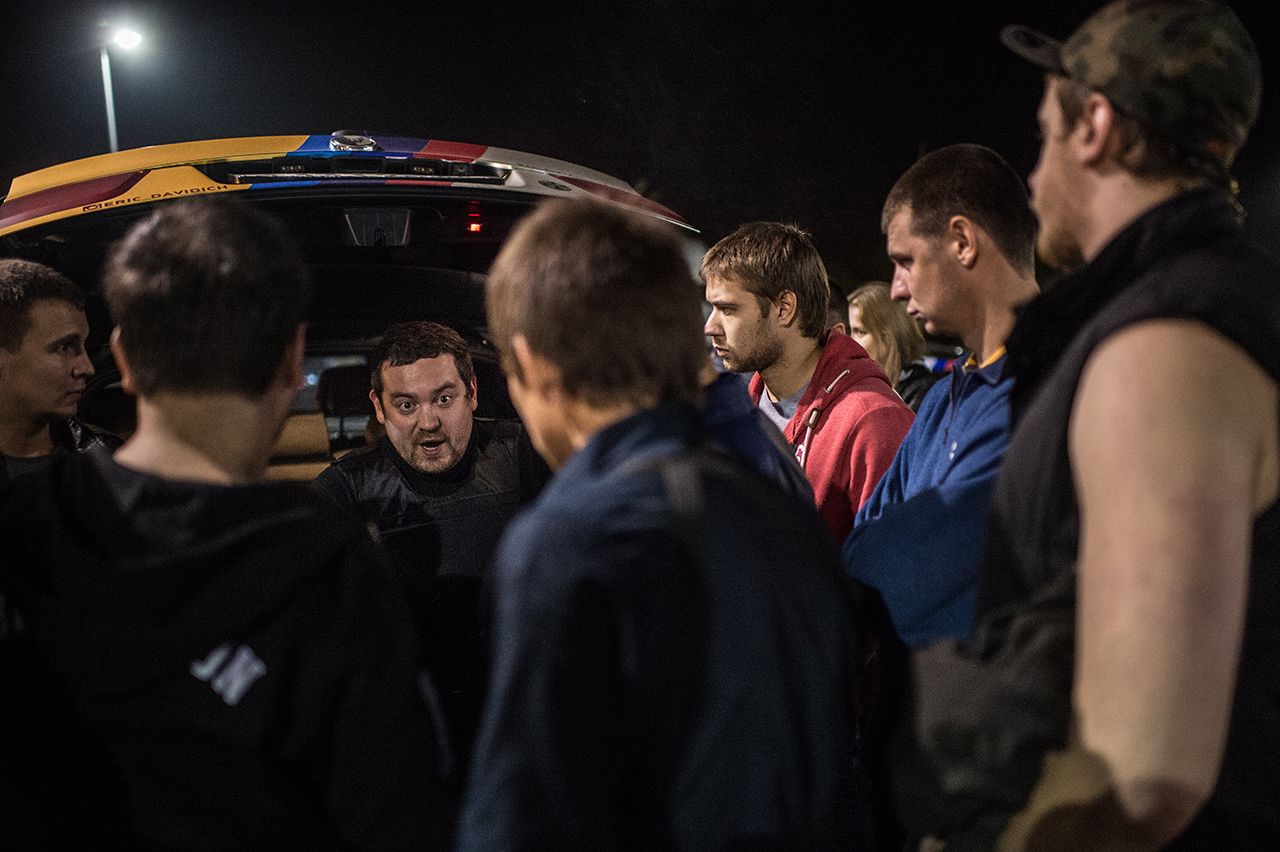
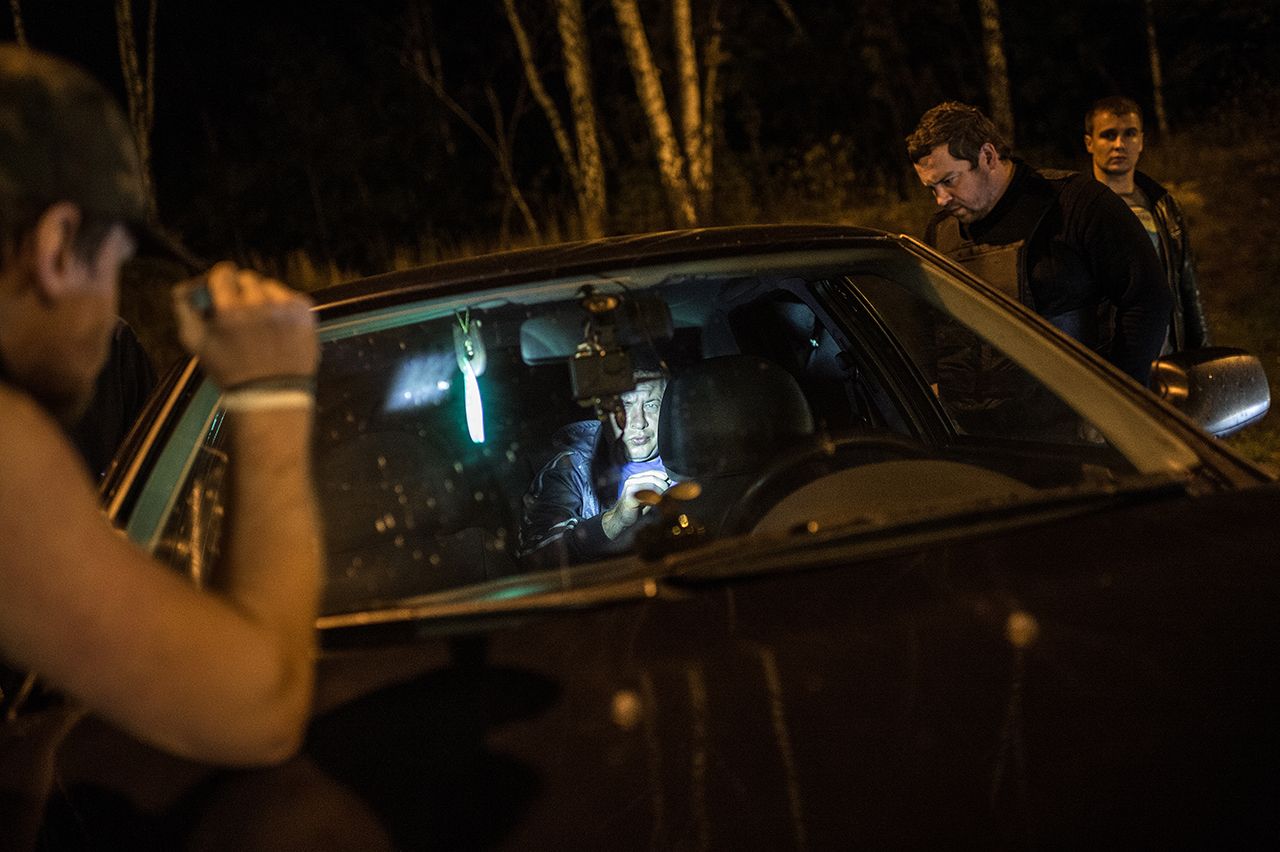
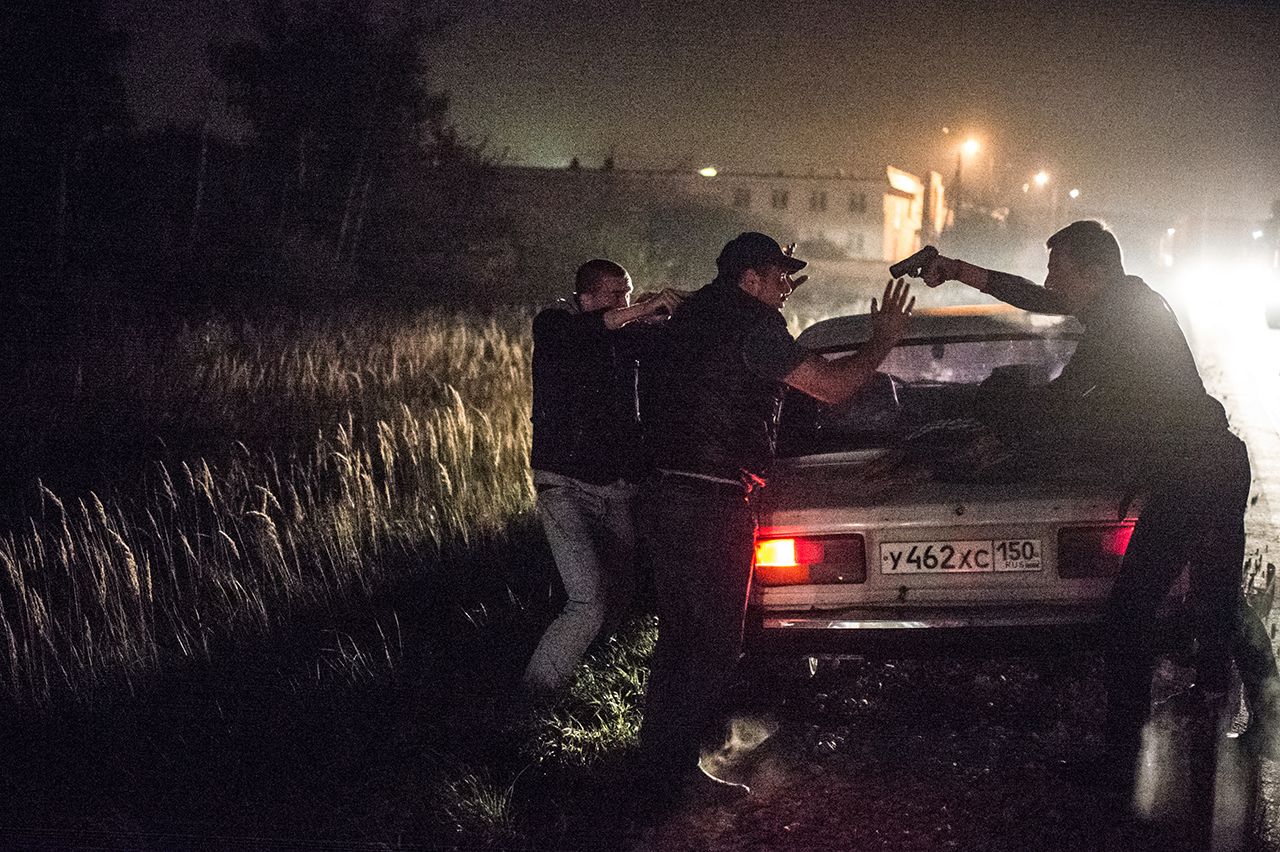
In 2016, when a criminal case of fraud was opened against Davidich, in court he stated that he was a “man who caught the GTA gang, and the police connected later. “We, 250 people, lived in the forests for several months and searched for these people,” the blogger claimed. - I have a thanksgiving paper confirming this. After I went outside, no one else was killed. ”
In the same September 2014, the investigation group had the first serious clue (the materials of the criminal case by that time had already been more than 30 volumes). On the night of September 3, a driver named Borisov - his name is not in the materials - stopped refueling to MKAD in Yasenevo. When he went outside, having paid, three men attacked him-they shot on their feet and hit him with a bat, and then grabbed something in the car and fled.
An employee of the gas station entered the noise, who called the police and an ambulance. At this time, another car stopped at the gas station - her driver recognized the men what happened, refuel and left, but returned a few minutes later. He said that he saw three attackers on the sidelines of the Moscow Ring Road nearby - and suggested that they catch up. Borisov jumped into his car - and soon they already pursued a gang car. In the area of the trade union street, they managed to press the attackers to the side of the road - and then Borisov saw a pistol directed at him. The pursuit of this ended - but the driver shot a seven -end video, which also got the car number. He, along with the brand of the car, Borisov and informed the police.
Soon, investigators established the route of the attackers that night - and recognized the owner of the car: they turned out to be Fazliddin Hasanov, who came to Russia from Uzbekistan. When they began to follow him, it turned out that he constantly communicates with two other migrants - Khazrathon Dodkhonov and Ibaidullo Subhanov (he then called himself Rustam Usmanov). The imprint of Dodkhonov (it was stored in the FMS) found in one of the cars that the gang attacked; The genetic material of Hasanov is on a glove found in one of the places of the crime.
The observation was established after all three suspects. At that moment, Subkhanov worked as a security guard of a private house in a specific-an idyllic village next to Moscow, where expensive two-three-story mansions are on the streets named after Russian writers. The owners spoke about Subhanov as a person "extremely polite, helpful and modest." He talked a lot with acquaintances from Tajikistan and Uzbekistan, as the operatives found out, they went to large routes and wandered through nearby fields, and also conducted handle training and hand -to -hand combat in the forest. After training, they read the Qur'an. As it turns out later, Subkhanov told the group to the group that “without [the study of Islam] you can’t fight for their good life”, but it is necessary to kill to “take the property from those who have set it up unrighteously”.
Investigator Alexei Stadnikov also suspected that the gang was not killing for the sake of money: the attackers were far from always taken from the victims - and rarely more than a few thousand rubles. Not in all cases, the bandits took phones and other things-although once one took a cologne, the other-black glasses. Once the criminals found the cars that were attacked in the trunk, women's clothes - one of them gave her wife shorts, but she did not like them.
As the former press secretary of the IC Vladimir Markin said from the words of the investigator in the book “Murders, terrorist attacks, disasters”, herders thought that crimes were a kind of training, which was also aimed at “tieing these young bandits with blood, completely subordinate to themselves.”
When he took up the work of the GTA gang, it seemed to Stadnikov that he needed to rush: he felt as if he was taking time “in debt from the bandits”, and delay could lead to new victims. As the investigator recalled later, he almost did not see his family for two months, slept for four hours, often in the office. Hermitors and his group studied hundreds of material evidence: bullets, sleeves, spikes, shot cars; Sagices with particles of biological materials - then, saliva, blood. They followed the participants of the group throughout Moscow and the Moscow Region; They penetrated their houses and apartments when they left. In one of the sheds, they saw mannequins for shooting training. In another - details for homemade pistols.
Two months later, the circle of suspects narrowed up to 10 people. On the night of November 5, 2014, the special forces surrounded the extension on the site in the specific, where Subkhanov lived. One of the operatives hid behind a tree and demanded that the suspect leave the house. Subkhanov managed to call two group participants, for whom the investigation did not follow (they tried to leave for Tatarstan, but they were calculated according to the call and detained), but refused to go out - instead he threw a grenade into the special forces. He was killed by return fire.
Nine other group participants were detained on the following days in different parts of the Moscow Region. They were accused of killing 17 people.
Chapter 3
Box with the inscription "Bumblebee"
The extension, which was stormed, stood on the section of Alexei Staroverov, the head of the Office of the General Prosecutor General of the Russian Federation, who, a year before, turned out to be the most wealthy employee of his department: for two with his wife they earned almost 50 million rubles (the wife of Old Believer, in particular, owned the company together with Natalia Tsepovyaz, the wife of the leader of the Kushchevsky organized crime group, Vyacheslav Tsepa -ragged with the nickname of the villains). Old Believers came home with guard and miletic, and Subkhanov lived with him for three years - as investigators later said, "it would not have occurred to anyone to look for traces of bloody murders for a protected fence, in fact, in the family of a responsible employee of Justice."
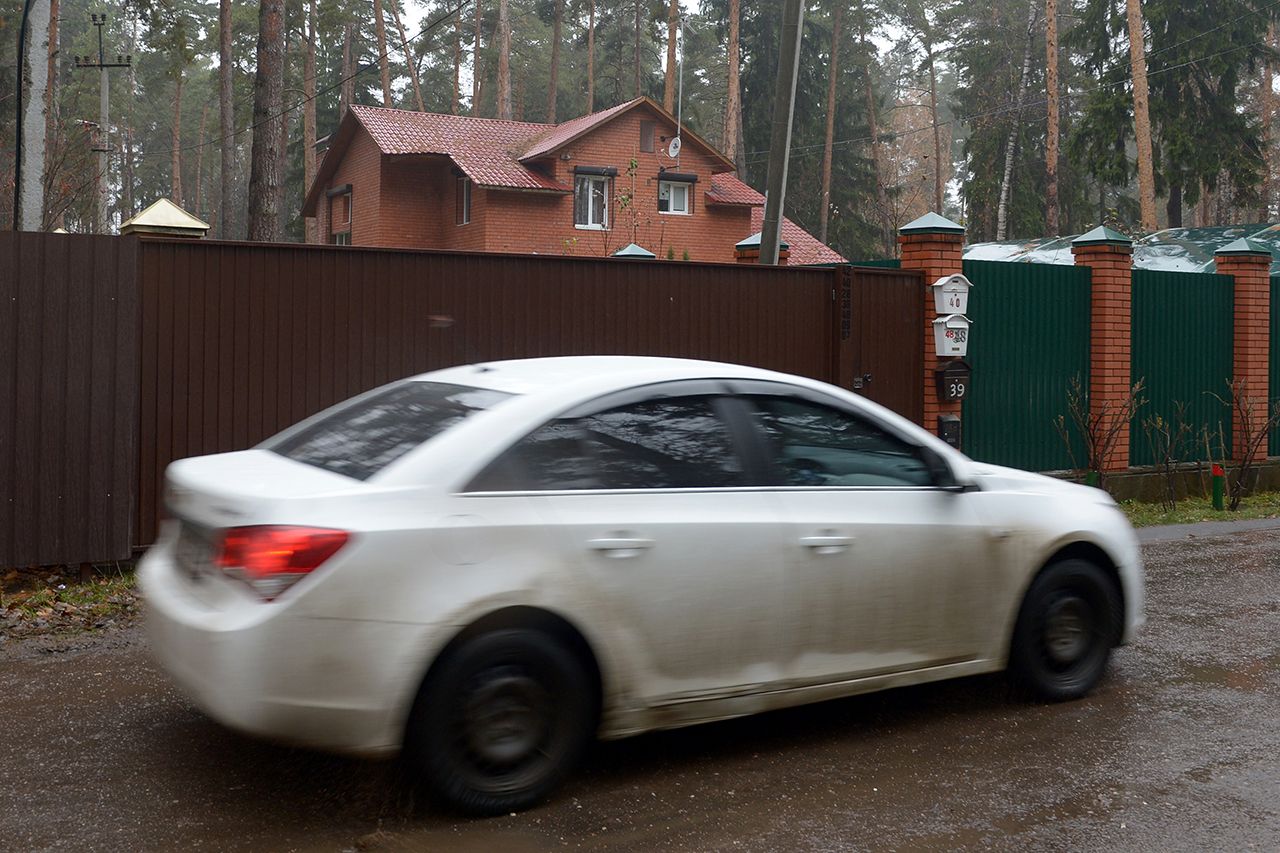
Immediately after the detention of the groups against the Old Believers, a criminal case was opened for storing weapons, but the next day his colleague, deputy general of the prosecutor, canceled the decision. The official was interrogated as a witness - and in December 2014 he quit the civil service and became a businessman. The investigation stated that there was no complaints about Staroverov.
Of the gang members, not only Subkhanov lived and worked outside the city. Fazliddin Khasanov - he was the “gunsmith” of the group - settled in the extension in the village of Pozdnyakovo near Krasnogorsk, on the garden plot belonging to the official of the Ministry of Health. The owners of the house where Khasanov lived and was a watchman and a handyman recalled him as a "educated man professing Islam."
When investigators came to the extension, they found there not only knives for pruning plants, a lathe, a welding machine and two inflatable mattresses. The room resembled a hut of Unabobert, where an American amateur terrorist kept the ingredients for making bombs. Tens of parts for pistols, an explosive recipe, gunpowder in the packaging from chewing gum, about 500 rounds, optical sights, brushes for cleaning trunks, a box with chemical components of explosives, cords, and homemade detonators were found there. Even in the room, a 34-page notebook in a cage was discovered, which was completely filled with instructions on the methods of murder, warfare and conspiracy in the Uzbek language-they also found the like among other participants in the group.
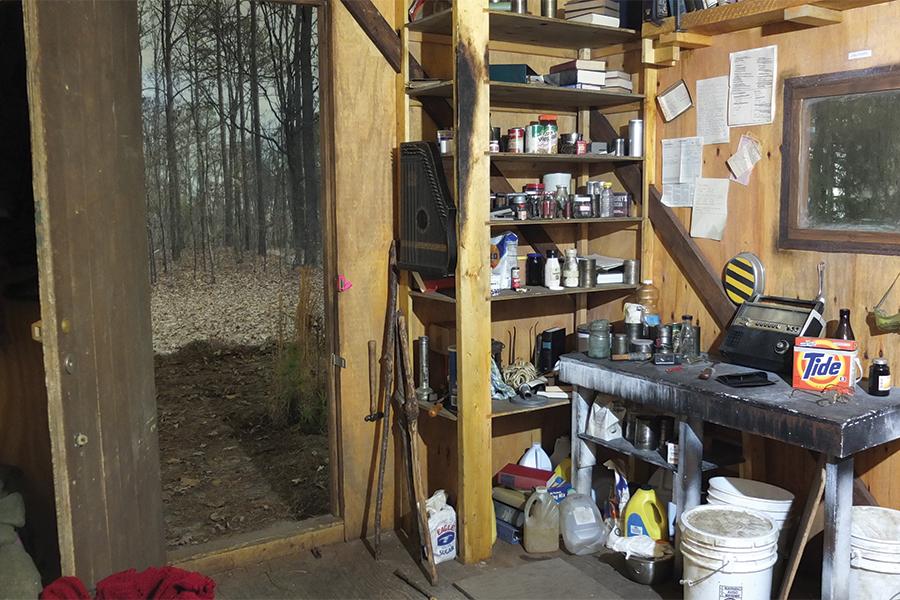
Khasanov remade pneumatic pistols into gunshot and made spikes, which in the summer of 2014 began to throw under cars (which is why many murders began with the fact that the wheels burst at the cars). He also had a separate laboratory-in the Garden Partnership “Rest” near Kolomna: there were dozens of flasks, tubes, bulk and liquid substances for the synthesis of explosives-as well as the book “The Fortress of a Muslim”, which is recognized in Russia extremist and which is often found from activists of the Hizb-Ute-Tairer organization.
In the same area near Kolomna, where there was a laboratory, the sapper found a cache with cartridges, workpieces for weapons, passports of the dead and car numbers. “Such quiet modest guys,” the owners of the site told the investigation. - In the afternoon they always helped us. In the evenings, they only disappeared or closed in their outbuilding and chemicals something. We thought-they would make something to sell ... "
При обысках у членов группировки находили не только оружие и книги. Из автомастерской, где работали некоторые участники банды, изъяли деревянные манекены, обтянутые тканью и скотчем, — их использовали для тренировок при стрельбе. В уличном туалете одного из домов нашли труп таксиста — «бомбилы», которого застрелили еще в 2012 году, чтобы ездить на его машине. Субханов объяснял преступление еще и тем, что водитель «не соблюдал Коран». Именно это убийство стало для «банды ГТА» первым.
Chapter 4
Равшан из Пакистана
Днем участники банды работали на стройках и в автомастерских. Ночью переодевались в темную одежду и шли убивать.
Ибайдулло Субханов — выходец из киргизского города Ош — основал группировку вместе с братом Холиком. На одном из допросов тот говорил , что Субхановы провели некоторое время в Пакистане — в тренировочном лагере радикальных исламистов они обучались стрельбе, партизанской войне, минированию и конспирации. «В 2010 году нами руководил Равшан, он проповедовал джихад, — вспоминал Холик Субханов. — Мы входили в джамаат — боевую группировку в „Союзе исламского джихада“, мы были воинами Аллаха, рядовыми членами. В случае нашей смерти мы стали бы шахидами».
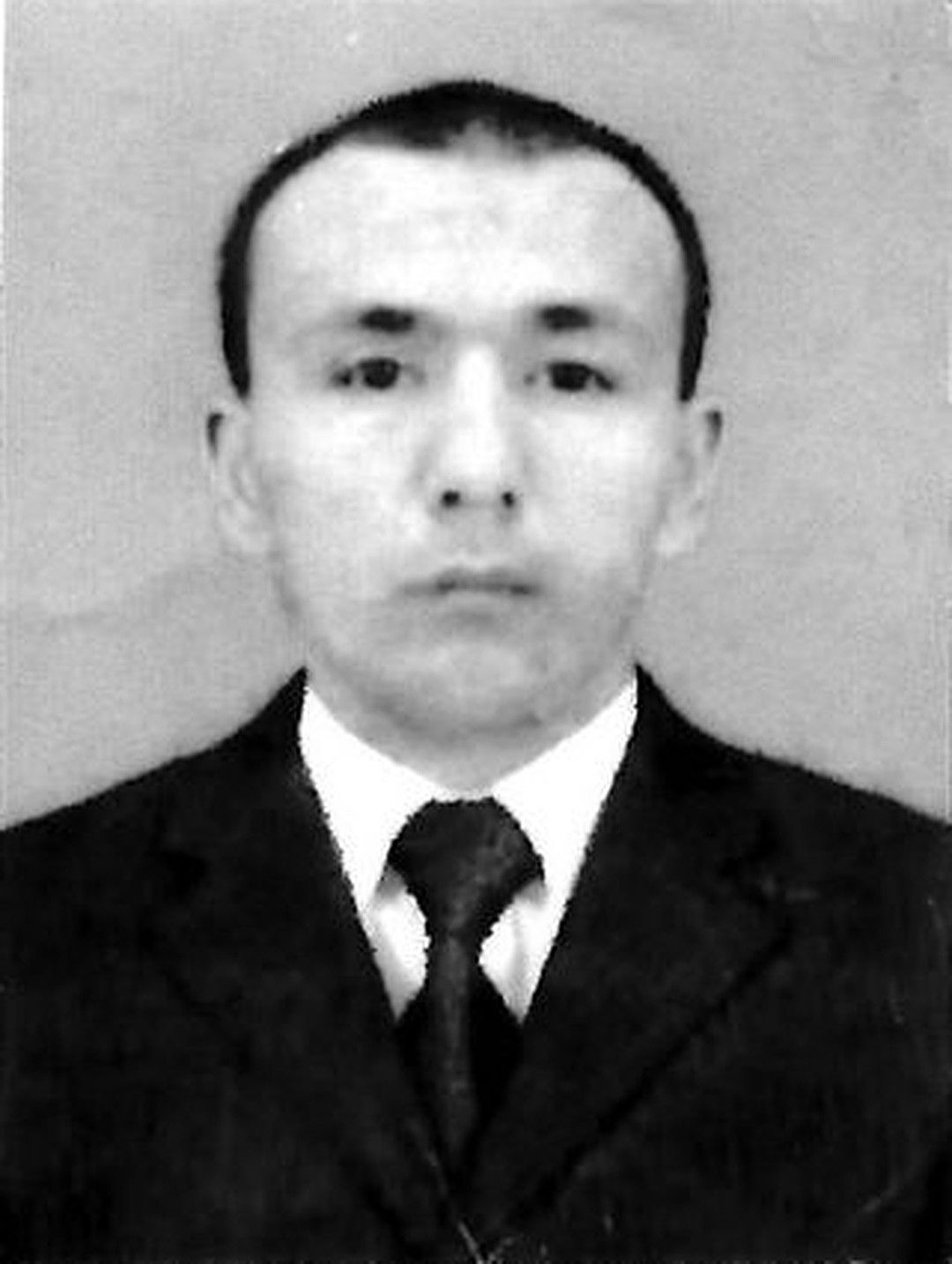
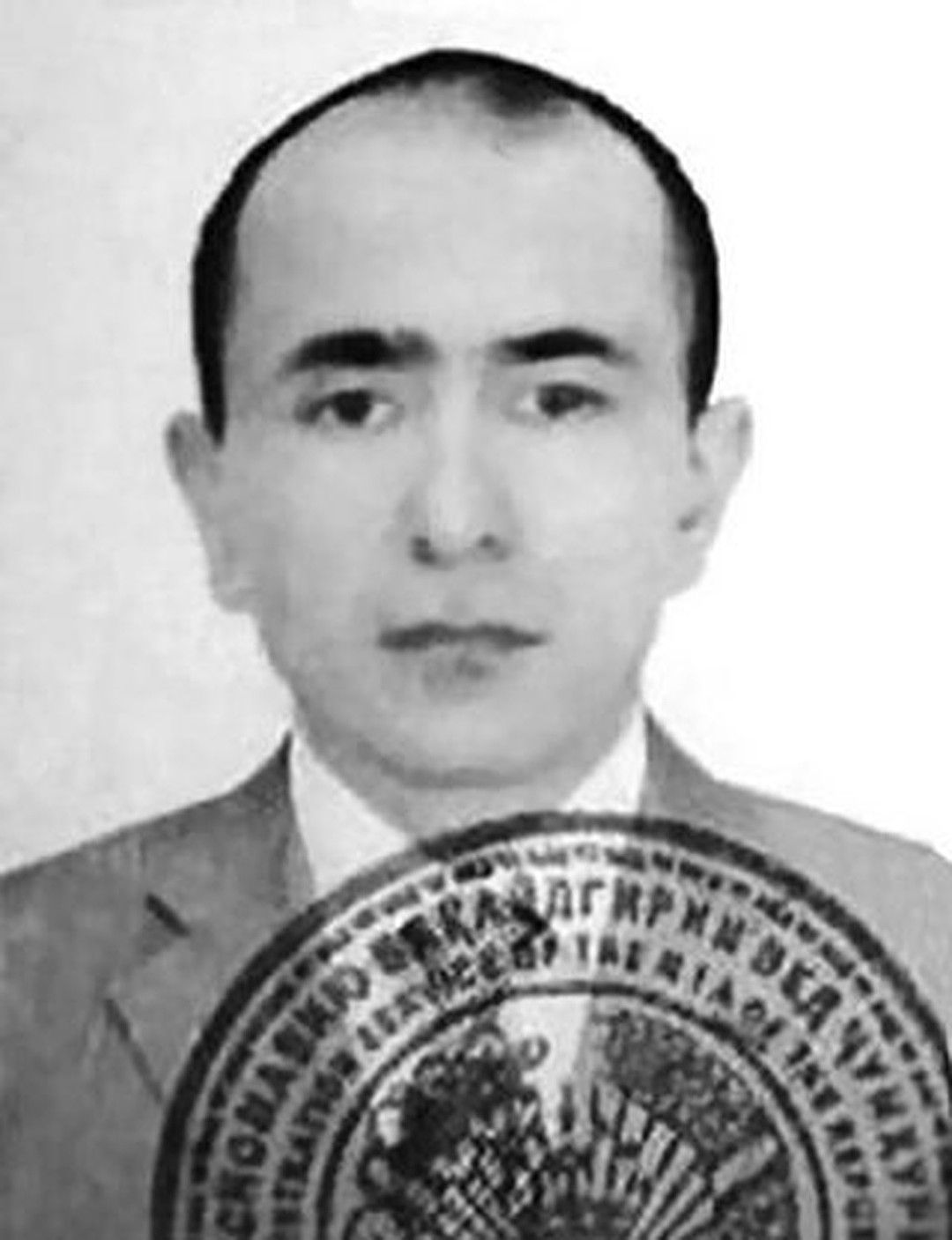
«Союз исламского джихада» — боевая исламистская организация, которая состоит преимущественно из выходцев из Средней Азии и провозглашает своей целью создание исламского государства на территории Узбекистана и Таджикистана. Тренировочные лагеря «Союза» расположены в Пакистане. У группировки есть связи с «Талибаном» и «Исламским движением Узбекистана» (ИДУ) — террористической организацией, которую считали представительством «Аль-Каеды» в Средней Азии. Боевики ИДУ в конце 1990-х вторгались в южные районы Киргизии, потом устраивали теракты в Бишкеке и Оше, а в 2015-м объявили, что присоединяются к «Исламскому государству». Радикальные исламисты из постсоветских стран нередко оказывались в лагерях ИДУ — одним из них был Равиль Мингазов, россиянин, которого только в январе 2017 года отпустили из американской тюрьмы в Гуантанамо («Медуза» подробно рассказывала о его судьбе).
Из Пакистана братья Субхановы нелегально переехали в Иран — а весной 2011 года встретились в России и поселились в подмосковной деревне, где местный житель предложил им последить за домом. «Мухаммед ( так представился Холик — прим. „Медузы“ ), с которым я в основном и общался, был такой вежливый, обходительный. И явно находился под влиянием своего старшего брата Махмуда ( Ибайдулло ), — говорил потом следователям владелец участка. — Тот был очень религиозен, а еще и характером сильнее брата. Бывало, наорешь на них матом, если ничего не сделано, так Мухаммед бежит меня успокаивать, обещает все исправить. А Махмуд видно, что злился, убить был готов».
В 2012 году Равшан — руководитель братьев в лагере в Пакистане, с которым они продолжали созваниваться в Skype, — передал Субхановым указание перечислять ему деньги на военные нужды. После этого они начали сбивать «боевую группу» в Москве.
Группа собиралась из трудовых мигрантов, приехавших в Россию на заработки, — в основном из Согдийского района Таджикистана. «Медуза» подробно рассказывала о том, как мигрантов радикализуют и вербуют в экстремистские организации. Например, в 2014 году в бытовки к мужчинам, работавшим на стройках в Москве, по вечерам приходили чеченцы, которые агитировали их поехать в «Исламское государство», где они смогут получать нормальную зарплату и не «жить как рабы». Автор гимна Таджикистана Гулзанар Келди говорил на заседании местного парламента, что одной из главных причин того, что таджикская молодежь присоединяется к экстремистским группам, является бедность: «Наша молодежь, которая большую часть времени занята поиском денег на жизнь, образование и создание семьи, услышав обещания [лучшей участи], поддается соблазну».
К осени 2013 года в группировке Субханова набрался костяк из 10–12 человек. Один из них — Абдумуким Мамадчонов, который с 2003 года работал в России на стройках, — вспоминал, что Ибайдулло Субханов часто разговаривал с ними про «религию другого направления», а через год после знакомства «предложил поехать в Пакистан для джихада». Другой — Анвар Улугмурадов — говорил, что группировка собиралась устроить военный переворот в Узбекистане, где власти «довели народ до нищеты», а в качестве мишеней на тренировках они иногда использовали фотографии президента Узбекистана Ислама Каримова. Хазратхон Додохонов рассказывал следователям, что часть денег, полученных во время убийств, Субханов переводил в Пакистан на «помощь мусульманам».
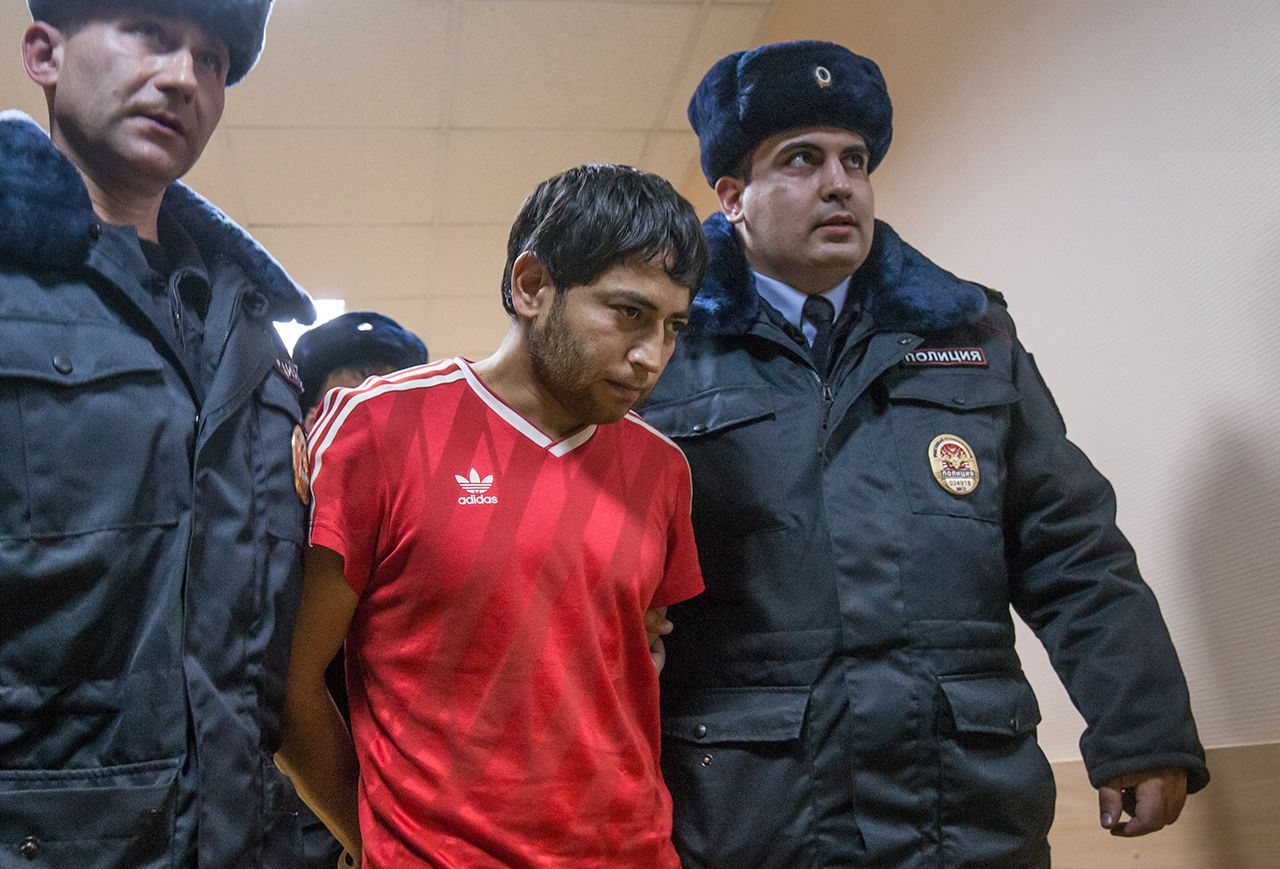
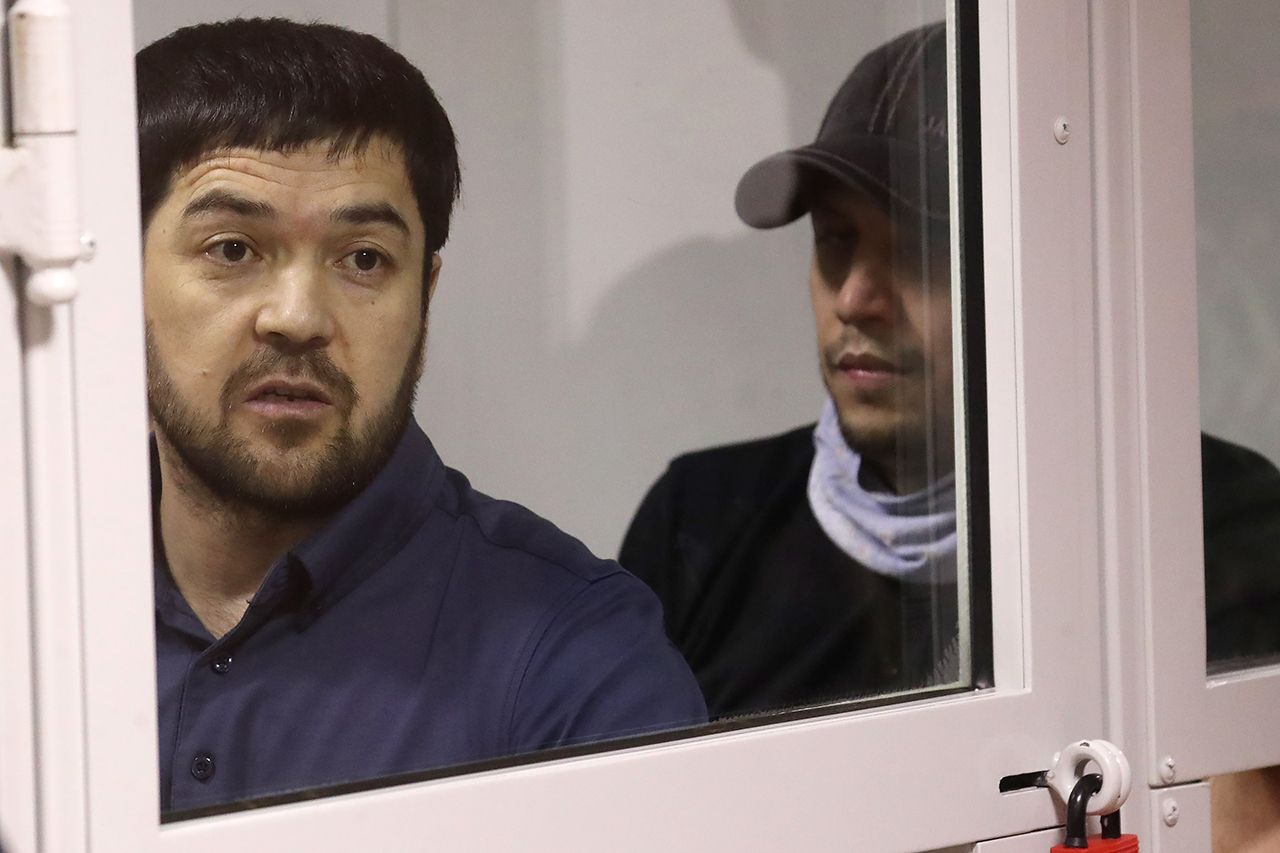
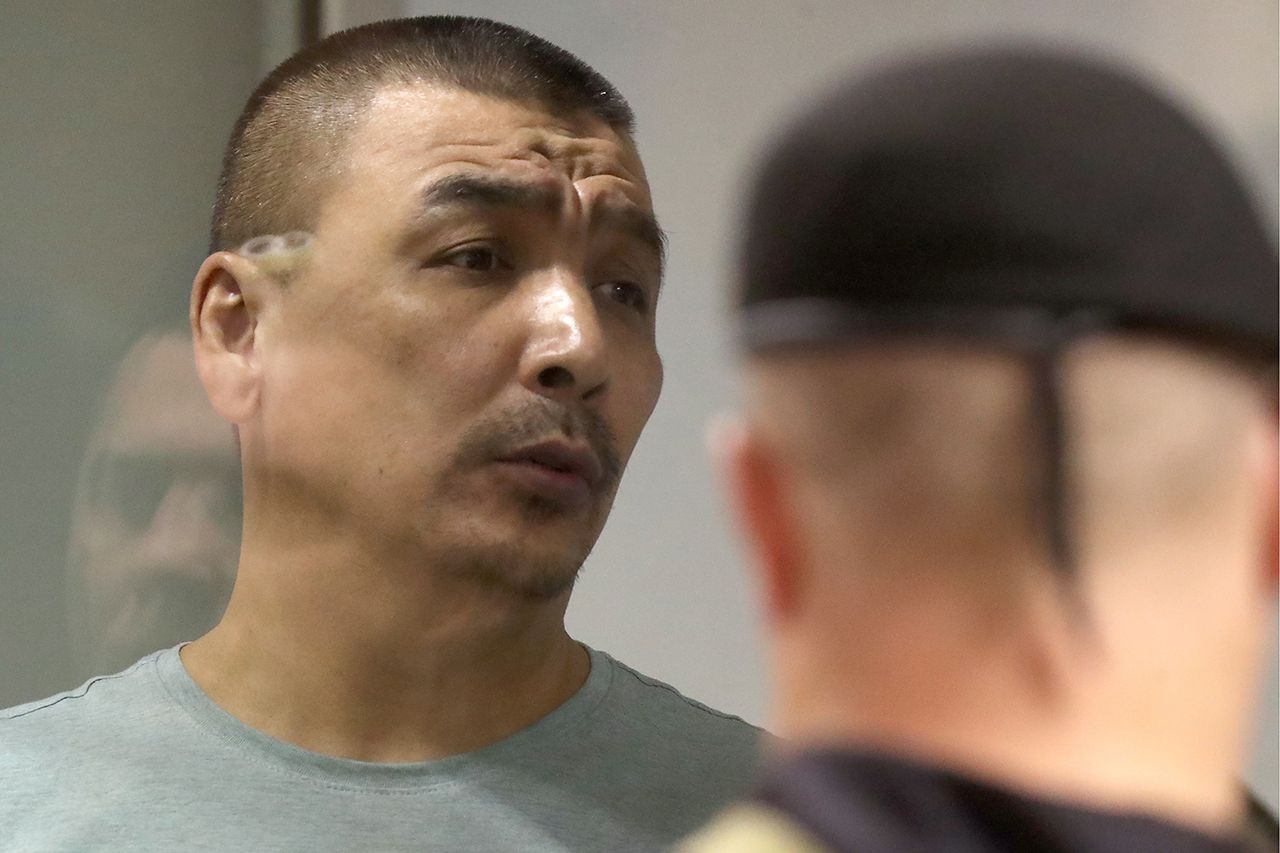
Еще один участник банды, Умар Хасанов, в 2013 году переехал в Москву из Новосибирска, где ремонтировал квартиры. В столице он хотел открыть кафе — земляк Ибайдулло Субханов обещал помочь и в свою очередь попросил познакомить его с человеком, перепродающим машины, которого знал Хасанов. Когда Субханов заплатил продавцу за автомобиль 5,5 тысячи долларов, но не получил машину, он решил, что Хасанов его обманул. На следующий день его похитили, привезли в незнакомую квартиру в подмосковном поселке Радумля, избили, отобрали документы и заявили, что он должен будет отработать деньги «в автосервисе». В преступлениях, как заявлял Хасанов, он начал участвовать, чтобы выплатить долг.
Субханов помогал участникам группировки с жильем — некоторые жили в квартирах в том же поселке Радумля и работали там в автосервисе; там же тренировались и читали Коран. Все вместе иногда встречались дома у Холика Субханова — тот работал на садовом участке. Его владелец позже вспоминал, что «они вели себя как герои фильма „Берегись автомобиля“: то один родственник приедет, то другой».
Когда участников «банды ГТА» задержали, президент России Владимир Путин отдельно поблагодарил за это министра внутренних дел Владимира Колокольцева, добавив, что «по сути это преступление террористической направленности». О том же писали и официальные СМИ — так, «Российская газета» сообщала , что «бандиты уничтожали совершенно незнакомых людей по идейным соображениям, как неверных».
Несмотря на это, впоследствии ни полиция, ни следователи не говорили о «банде ГТА» как террористах или исламистах. В суде по делу группировки эта тема тоже не звучала.
Chapter 5
Гуль и Совершенный
Когда преступников арестовали, они подробно рассказали следствию, как убивали. Состав нападавших часто отличался — у всех были свои функции: например, Зафар Гулямов следил за тем, чтобы их не заметили. Как он сам рассказывал , в банде он оказался случайно: потерял работу, по приглашению двоюродного брата пришел в автосервис, куда потом приехал Ибайдулло Субханов и предложил «поехать в одно место». Тогда преступники убили двоих на трассе М4; Гулямов, по его словам, только наблюдал за дорогой и перетаскивал вещи убитых.
Как рассказывали участники «банды ГТА» на допросах и в суде, на каждую операцию они брали телефоны с новыми сим-картами — Субханов покупал их на Савеловском рынке, где их продают без предъявления паспорта. Ездила банда чаще всего на машинах с латвийскими или белорусскими номерами. Идя на дело, преступники обменивались зашифрованными сообщениями. У всех были клички , большинство — на арабском. Фазлиддина Хасанова называли Акмаль («Совершенный»), Анвара Улугмурадова — Киргиз, Умара Хасанова — Абид Муслим («Поклоняющийся раб»), у Абдумукима Мамадчонова — Сторож. У Ибайдулло Субханова была кличка Гуль: в арабской мифологии это оборотень, который живет вдоль дорог и охотится, убивая путников.
В ноябре 2013 года Мамачдонов, Додохонов, Субханов выехали из Радумли в Дедовск, чтобы забрать там у родственников «гостинцы из Таджикистана — сухофрукты». Возвращались ночью; на обратном пути на дороге они увидели автомобиль с проколотым колесом — Эдуард Микиртумов ехал на утреннюю рыбалку на Рыбинское водохранилище и в тот момент возился с домкратом. Остановившись неподалеку, мужчины спустились в овраг, надели медицинские маски и перчатки, достали пистолеты и пошли обратно. Убив Микиртумова, они оттащили его тело подальше от дороги, забрали из автомобиля 20 тысяч рублей, ноутбук и телефон — и поехали по домам. Друзья-рыбаки нашли тело Микиртумова через несколько часов.
Через несколько недель четыре человека под руководством Субханова встретились около ВДНХ и поехали в район железнодорожной платформы Лось. Там они забрались на гаражи и проверили, нет ли на крышах камер наблюдения. После этого они пошли к бытовкам рабочих — Субханов поднялся в одну из них, зашел внутрь и сразу начал стрелять. Добивали другие; погибли четыре рабочих, вся комната — холодильник, стол, стены — была в крови. Грабители забрали с собой сумку, в которой были старые спортивные брюки и футболки.
Днем 2 мая 2014 года супруги Лебедевы поехали на дачу, чтобы забрать оттуда сумку-холодильник — они хотели взять ее с собой в отпуск в Краснодарский край. После этого Лебедевы выехали на трассу М4, соединяющую Москву с югом страны. В это же время Субханов, Гулямов и еще два члена банды остановились в лесу у трассы, надели одноразовые перчатки и маски, взяли пистолеты и достали крестовидные шипы, чтобы разбросать их на дороге. Они уже делали так за пару дней до того, но в ту ночь никто на шипы так и не наехал.
Примерно через полчаса преступники услышали громкий хлопок. Выпрыгнув из укрытия, они побежали в сторону остановившегося неподалеку автомобиля, рядом с которым, рассматривая пробитое колесо, сидел 64-летний Анатолий Лебедев. Они убили его несколькими выстрелами в голову, а потом застрелили жену, сидевшую на пассажирском сиденье. Из багажника Субхонов с подельниками забрали сумку (там нашлись 5 тысяч рублей, конфеты и одежда), с женщины сорвали сережки. Детям Лебедевых на следующий день сообщили о случившемся полицейские.
Некоторым жертвам удавалось сбежать от банды. В июле 2014 года Ирина ехала из Москвы по той же трассе М4 — и обнаружила, что у нее сдулось колесо. Когда она остановилась, женщина увидела, что в ее сторону с ножами и пистолетами бегут несколько мужчин. Ирина нажала на «газ» и позвонила в полицию, передав им GPS-координаты места происшествия, — но когда полицейские приехали, там уже никого не было.
К концу лета 2014 года — незадолго до того, как их поймали, — участники «банды ГТА» уже были вооружены автоматами Калашникова и вместо черной одежды начали носить камуфляж. В «лаборатории» они готовили взрывчатку.
Chapter 6
There is nothing to lose
Суд над «бандой ГТА» длился полтора года. Гособвинение представляла прокурор Светлана Артемьева — до этого она работала по делу БОРН .
1 августа 2017 года в Московском областном суде прошло очередное заседание. На нем объявили, что участникам банды грозит пожизненное заключение. Около двух часов дня судья отпустила участников процесса; подсудимых начали спускать на первый этаж, чтобы развезти по СИЗО.
Пятерых обвиняемых — это были Холик Субханов, Мирзомавлон Мирзошарипов, Абдумуким Мамадчонов, Фазлиддин Хасанов и Хазратхон Додохонов — сопровождали только двое конвоиров, мужчина и женщина (по инструкции каждого из преступников должны были охранять двое). В лифте участники банды начали что-то обсуждать на таджикском. «Нам нечего терять, всех перестреляем, — произнес один из них. — Аллах Акбар!»
Участники группировки начали прыгать, после чего лифт застрял между вторым и третьем этажами здания Мособлсуда. Они избили конвоиров, отобрали у них оружие. Сотрудник суда побежал к шестерым сотрудникам Росгвардии, которые в тот момент охраняли других подсудимых в зале заседаний на третьем этаже. Те разделились на две группы: одна устроила засаду на третьем этаже, другая — на втором.
Прорываться бандиты решили на третьем. «Мы заранее выключили свет, как нас учили сделать оборону. Преступники шли напролом, — вспоминал сотрудник Росгвардии. — Открываются двери [лифта], звучат первые выстрелы, сразу же первыми выстрелами моего товарища ранили, мой второй товарищ из глубины комнаты открыл огонь».
На одном из видео перестрелки видно, как преступники забегают в один из залов суда заседания, после чего один за одним падают. Один из них пытается встать. Находящийся в комнате полицейский берет стул, чтобы защищаться. В «клетке» судебного зала все это время находится подсудимый.
Четверо из пяти преступников погибли.
На следующий день источник «МК» в спецслужбах предположил , что участников банды спровоцировали на побег, чтобы «ликвидировать». В августе 2018 года родственники участников группировки рассказали «Медузе», что не верят в то, что погибшие пытались бежать. Они считают, что мужчин убили, чтобы они «не говорили лишнего на суде».
Другие участники событий и специалисты отрицали подобные версии. Глава Росгвардии Виктор Золотов сказал , что без «летального исхода» было «не обойтись». Адвокат Умара Хасанова назвал «версию об инсценировке» «полной хренью». «Если бы нашим доблестным органам это пришло в голову, они сделали бы это в следственном изоляторе. Лучше, чем там, это нигде не сделаешь, — объяснил юрист. — Там зэков попроси подконтрольных — и все. В обычной камере вообще никогда не находят, кто убил. Так что вряд ли их решили ликвидировать».
«Очень много бытует слухов, но если задуматься, для внесудебной расправы можно было бы найти более простой, а не столь изощренный способ», — резюмировал замглавы Росгвардии Сергей Меликов.
Единственный оставшийся в живых участник перестрелки — Хазратхон Додохонов — попал в больницу с огнестрельным ранением головы. Сильно позже его все-таки допустили до суда, где он больше не сказал ни слова — и ни на что не реагировал. На одной из психиатрических экспертиз он заявил, что, когда очнулся от наркоза, «ощущал чудовище у себя за спиной, испытывал внутри себя джинна, который разговаривал с ним».
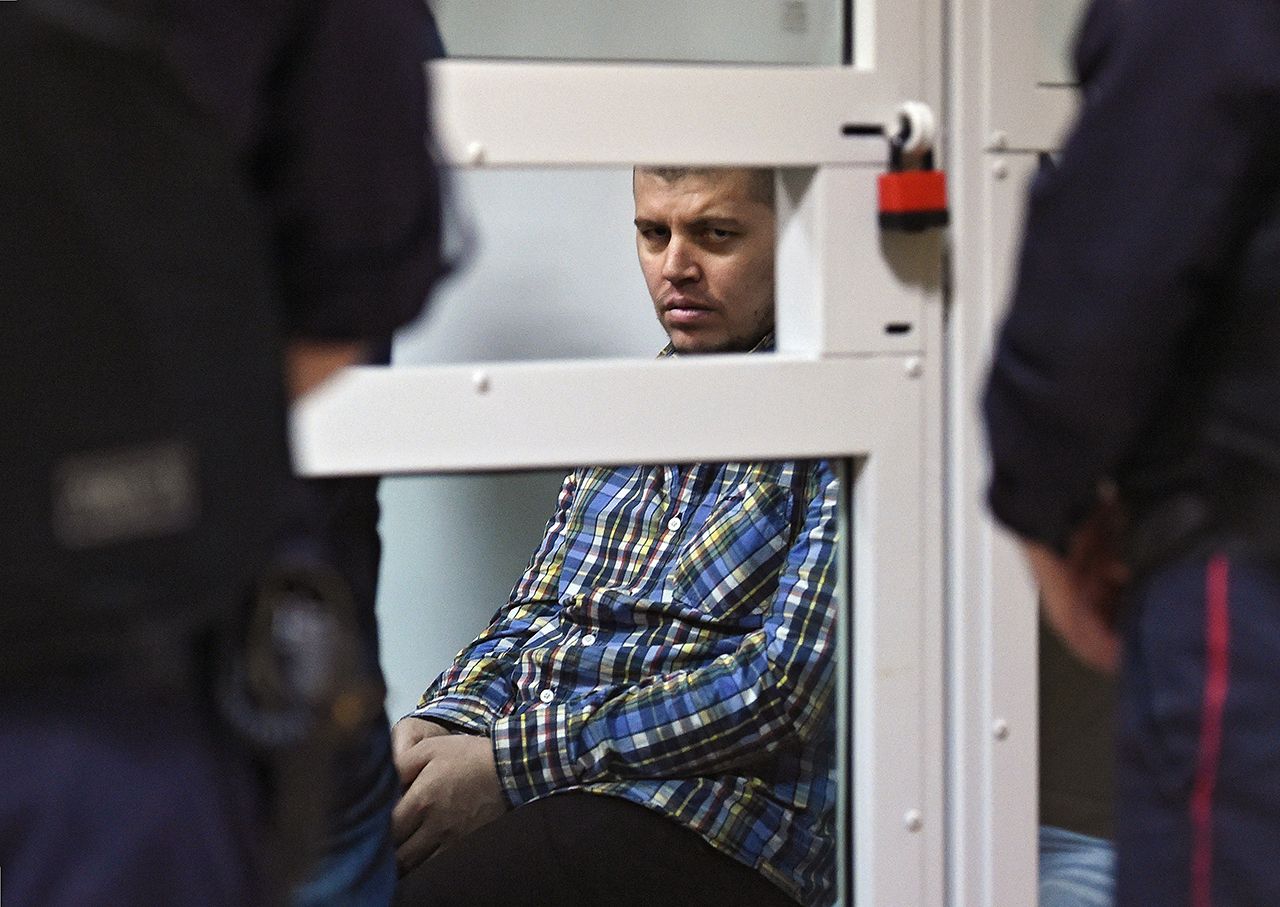
Родители Додохонова рассказали «Медузе», что за четыре года после задержания им ни разу не удалось переговорить с сыном. «Думаю, все это произошло из-за того, что не было рядом нас, родителей», — сказал его отец.
В начале августа суд приговорил четверых участников банды к пожизненным срокам; Гулямов, который следил за дорогой, получил 20 лет тюрьмы. Еще трое человек, связанных с бандой, объявили в международный розыск.
Двум членам банды удалось уехать из России — но не от суда. Муроджон Каримов получил в Таджикистане 19 лет за экстремизм по делу, не связанному с делом «банды ГТА». 38-летнего Фаррухджона Аъзамджонова задержали в Таджикистане в 2015 году. МВД республики тогда сообщило, что помимо участия в «банде ГТА» он вербовал граждан Таджикистана и Узбекистана в ряды «Исламского государства».
Daniil Turovsky