
Translated material
Fakeles people
Jan Palach had followers and predecessor
Among the young part of Russian society, people who say that they know what was happening in Czechoslovakia in 1968 - five per hundred.
The rest do not know or do not want to know. But among those who stated that they knew about what was happening there, less than the fifth part agreed that it was “the people's uprising against the regime imposed by the Soviet Union”, and less than the tenth - that it was “an attempt to democratic renewal of socialism”. For another quarter, I understood this as the then leadership of the USSR - it was supposedly an attempt to tear Czechoslovakia from the socialist camp, that is, from “us”, and the same number of a trouble -free version that it was, they say, the machinations of the West.
Those few who remember the invasion of Czechoslovakia of the half -million army, it is memorable that she did not meet armed resistance. There were victims among the civilians, those who without weapons tried to resist what Yeltsin later called "aggression." They died under the caterpillars of tanks or from the fire of machine guns. Eternal memory to them!
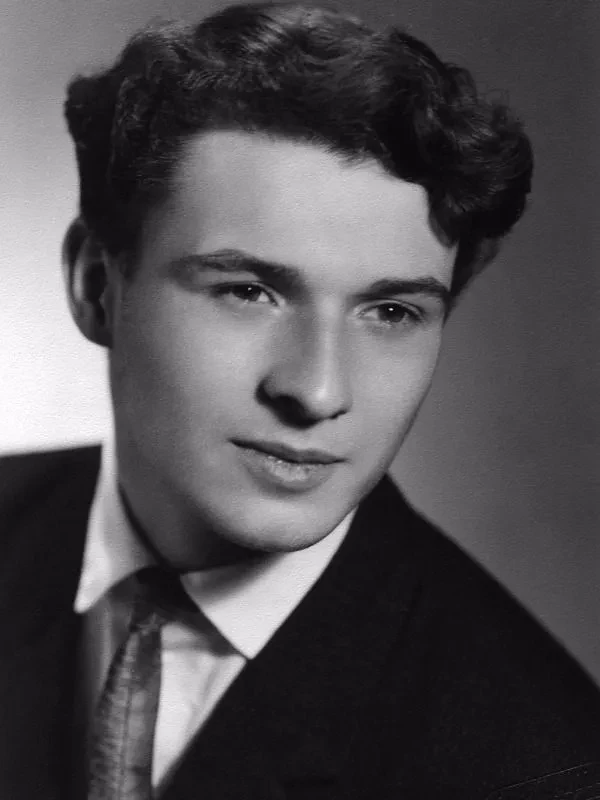
The resistance of aggression and the established dictatorship regime had another special form. In January 1969, the world circled the news of self -immolation, a perfect young man named Jan Pajah. He explained the motives of his act in his letter written on the eve of the act:
“Given the fact that our peoples were on the border of despair and humility, I decided to express my protest and wake up popular consciousness.”
The letter did not then become known to the public of Czechoslovakia and the rest of the world. But the fact that he wanted to express his act was understood. And those who tried to classify any information about him, and those who tried to tell everyone about it.
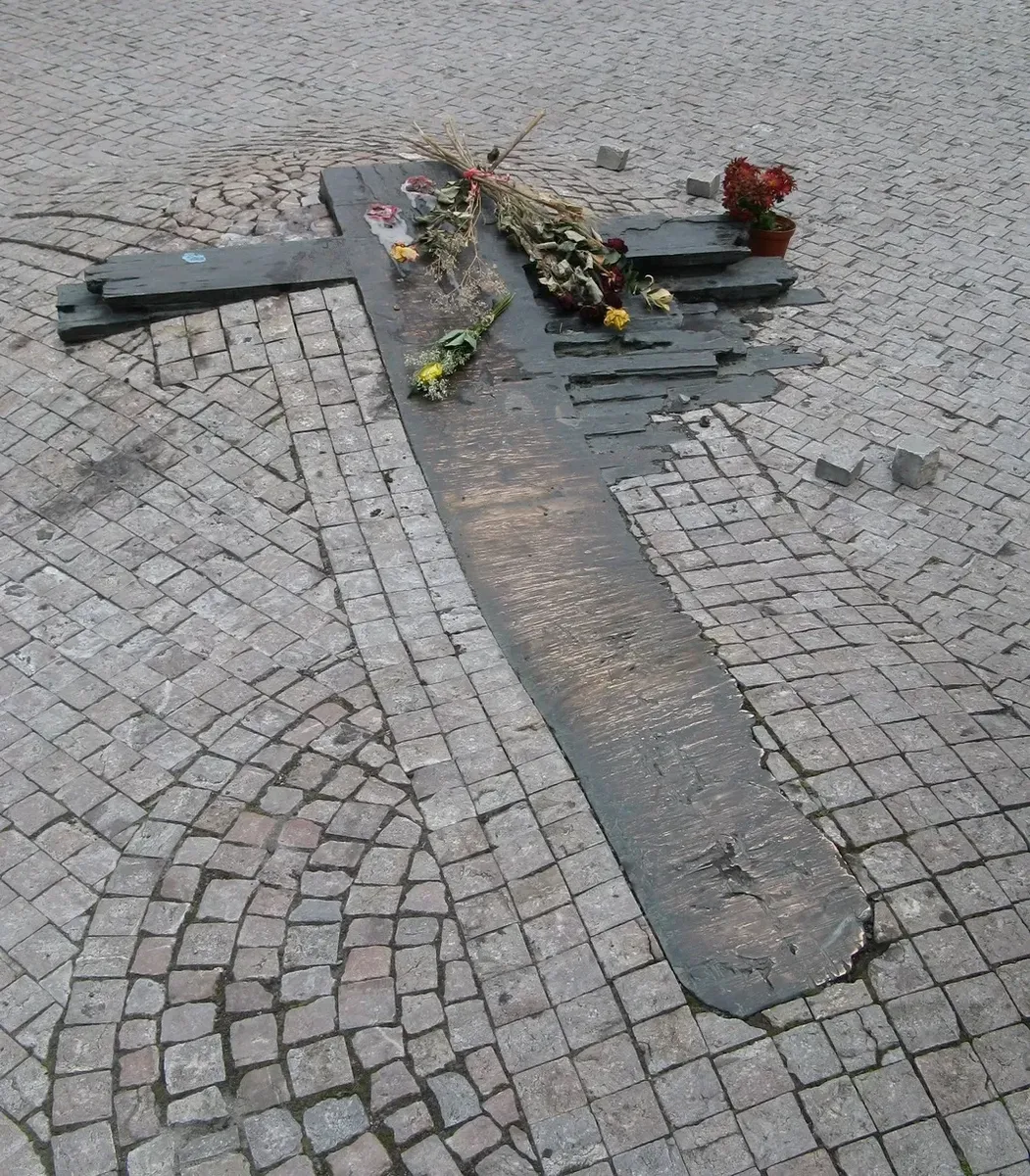
According to sources, the general secretary of the UN at Tan reported the condolences on the occasion of the death of Jan Pajah, the Prime Minister of Italy Mariano Rumor and the chairman of the government of India India Gandhi, who said that thanks to his act, Jan Pajah, along with Mahatma Gandhi, became one of those who heroically gave his life in the struggle for justice. His memory was also honored by Pope Pavel VI, who wrote in his ambassador on January 26, 1969: “We cannot approve the tragic form of this act, but we must maintain its value in memory, for he indicates the highest power of self -sacrifice in the name of love for his neighbor.”
We also know about the act of Jan Palach. It is much less known that his example prompted almost three dozen citizens of Czechoslovakia to commit the same act. Most of these cases were not reported then. The act of a young man named Jan Zayits received some fame. He explained the goal of conceived actions as follows: “I am not doing this to be mourned, and not to become famous, and not even because I was crazy. I decided on this act only so that you finally truly deliver and throw off the yoke of the handful of dictators! ”
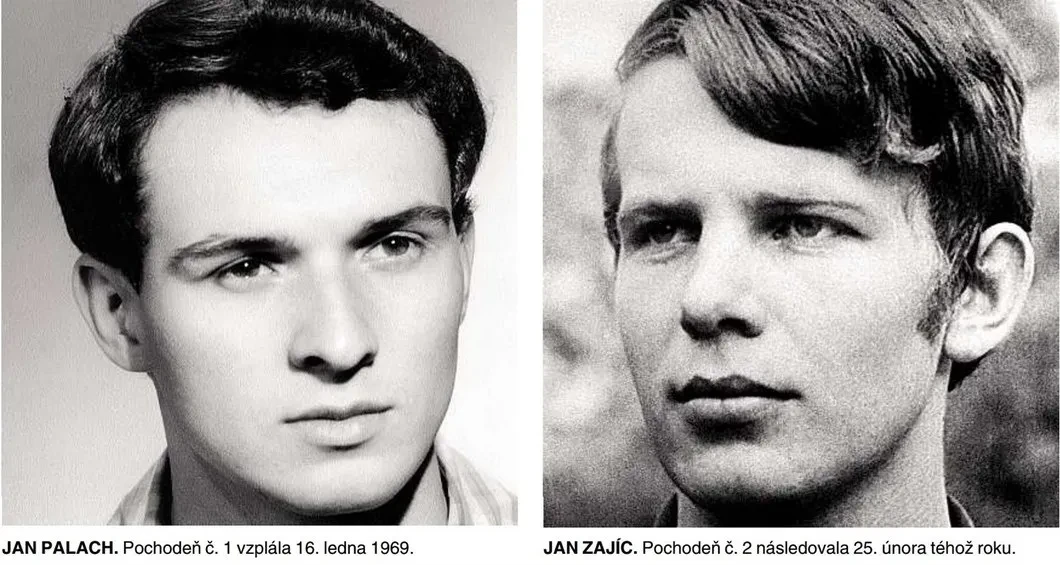
It is even less known that Jan Palach had not only followers, but also had its predecessor.
The first gesture of protest against the invasion of Czechoslovakia, committed in the form of self -immolation, belongs to a Polish citizen. Almost immediately after the entry of the troops, in early September 1968, at the stadium in Warsaw, Ryshari Sitsvets doused himself with a fuel and set fire to. Before leaving for Warsaw, the Sivets wrote a message on a tape recorder, in which he appealed: “People in whom at least a spark of human feelings smolder! Come to your senses! Hear my scream! The cry of an ordinary person, the son of a people who loved his freedom and freedom of someone else's most, more of his own life! Come to your senses! It's not too late! "
Have those covered by fire reached their goal, about whose actions no one knew years? Or those whose scream was still heard? I will not undertake to say. The entered troops stood there for another two decades. But in the end they had to leave.
Almost all sacrificed themselves were as young as those young Russians who know anything about what was happening in Czechoslovakia.
Alexey Levinson , “Levada Center”,-specifically for “New”