
Translated material
“You perfectly understand that this arrest is illegal”: a letter from the dissident about the 1968 action
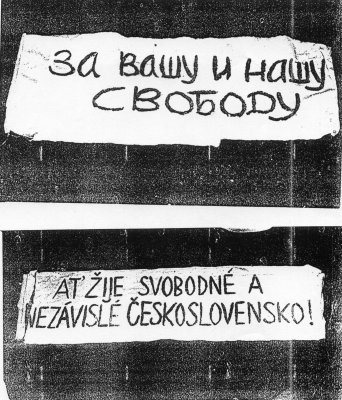
On August 25, Moscow was detained by participants in the meeting dedicated to the fiftieth anniversary of the “Demonstration of Seven” - shares on the Red Square of 1968 against the commissioning of Soviet troops into Czechoslovakia. OVD-info publishes a letter from Soviet dissident Peter Grigorenko, seized during the search on November 21, 1968. The documents were returned in 1997 and transferred to the archive of the international memorial. The letter is published for the first time. Spelling and punctuation of the original are preserved.
Pyotr Grigorenko was one of the initiators of the collection of documents on the demonstration, compiled the text of “Letters of 95” against the court over the participants in the demonstration, and helped the Crimean Tatar movement a lot. He was first arrested in 1964 for participating in the “Union of the struggle for the revival of Leninism” - the organization distributed Anti -Khrushchev leaflets. Grigorenko was unclenched from Major General to Private, recognized as insane and placed in the Leningrad Special Psychiatric Hospital, from where he was released in 1965. In May 1969, Grigorenko was again arrested and recognized as insane. Until 1974, he was in a psychiatric hospital, and after liberation he returned to human rights. In the early 1990s, a psychiatric diagnosis was recognized as false.
In the Politburo of the Central Committee of the CPSU.
On Sunday on August 25, at 12 o’clock in the afternoon, on Red Square, they were arrested for participating in a demonstration of protest against the illegal invasion of Soviet troops in the socialist Czechoslovakia Pavel Litvinov [1] , Larisa Bogoraz [2] , Vladimir Dremluga [3] , Delona [4] , Faynberg [5] [6 ] [6]
The prosecutor’s office of Moscow intends to give all their prosecutor's office to the court “for violation of public order”.
You are well aware that this arrest is illegal. The right to demonstrate is guaranteed by the citizens of the USSR by the Constitution of our country [7] . There was no violation of public order by the demonstrators. They expressed their will by raising the banners with the corresponding inscriptions and demonstrated sitting in a place where there were neither the movement of urban transport, nor enterprises and institutions, the work of which could be prevented.
The public order was grossly violated by those who hooligan attached to the demonstrators, roughly taking off their posters, stomping them, beating even women. Unfortunately, no one stopped or detained these hooligan violators of public order. On the contrary, the police acted with them at the same time and arrested the beaten, not beaters. What arbitrariness! And what a shame for our "socialist" country!
On many facts of the past, I was convinced that the official authorities in our country do not care about its prestige, not only do not care about winning her new friends in the ranks of progressive people in the world, but how deliberately committing more and more actions that frighten her old and sincere supporters. This is fraught with great dangers and I, as a patriot of my homeland, try to once again call for help the state mind. Therefore, I turn to the Politburo with a request to give an order to immediately release all those arrested for the demonstration on August 25, 1968
Understand that no one in the world will believe that in this case they are not judged by the demonstration. The whole world will understand, even those who selflessly believed that they were not demonstrated in the USSR because they are arrested and condemned for this, and not because the moral and political unity of society has been achieved.
The progressive public of the Soviet Union and the whole world will become clear, also that the trial of Litvinov, Bogoraz and others is at the same time the reprisal for their courageous appeal to the world community [8] .
I hope that my call will be heard and correctly understood. If this does not happen, I will consider myself the right to take any measures available to me to protect my arrested friends and to combat the ever -increasing lawlessness in our country.
P. Grigorenko.
August 31, 1968
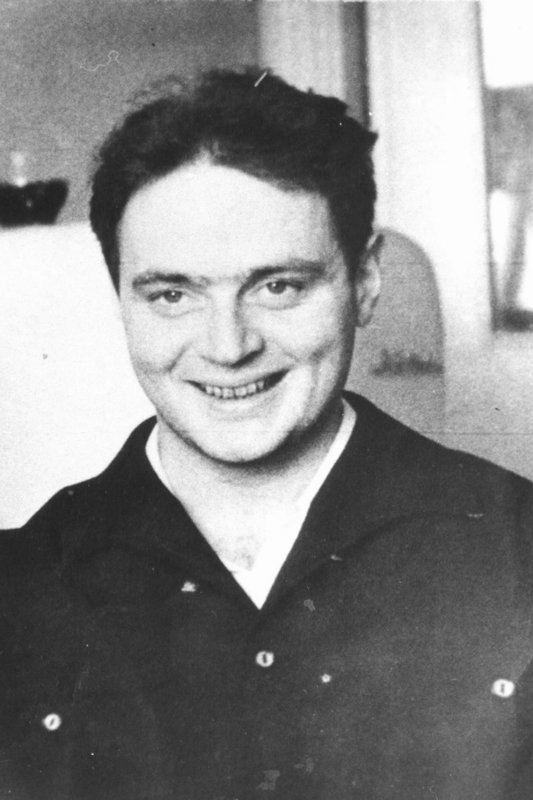
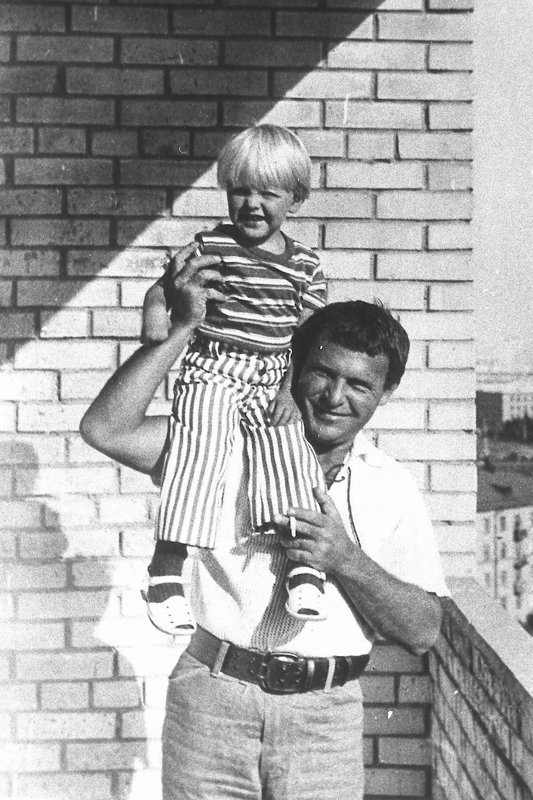
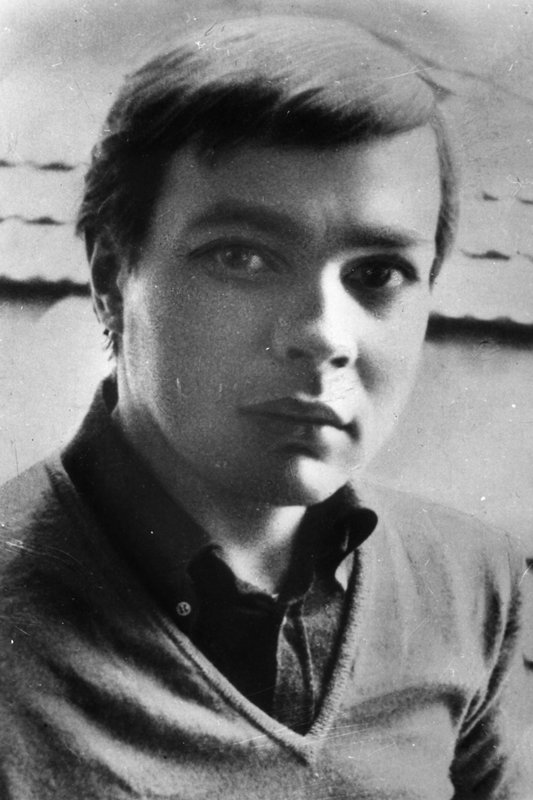
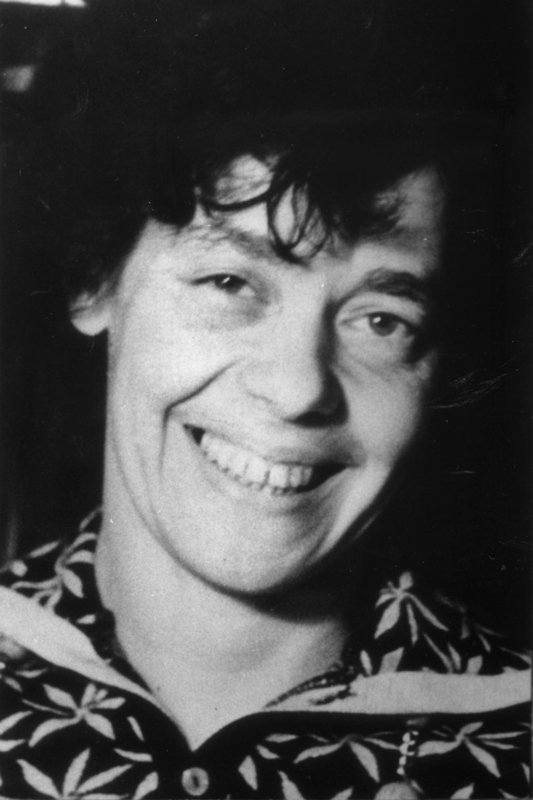
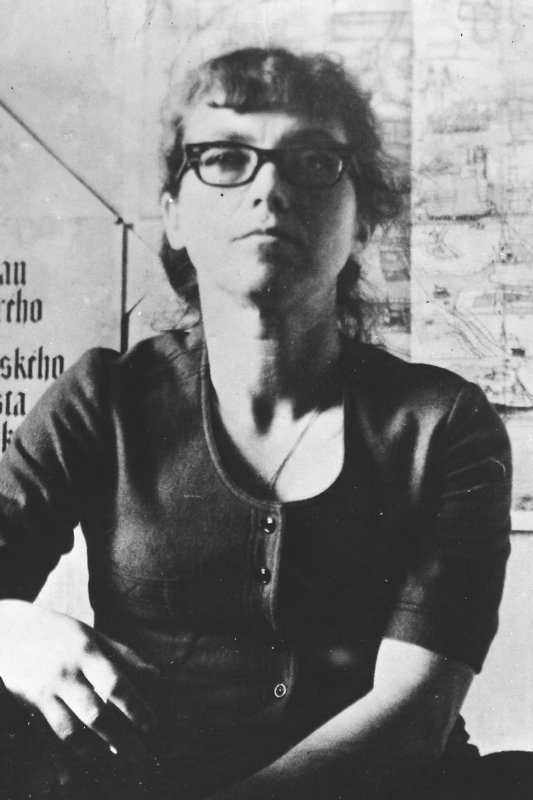
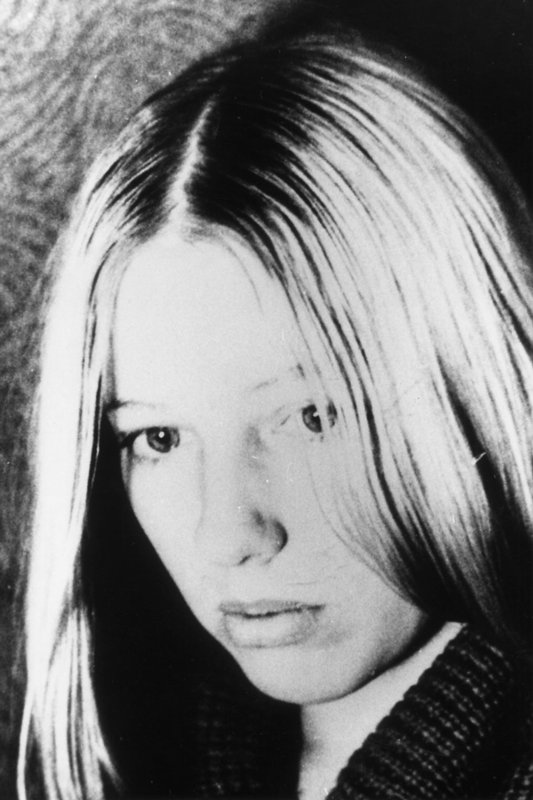
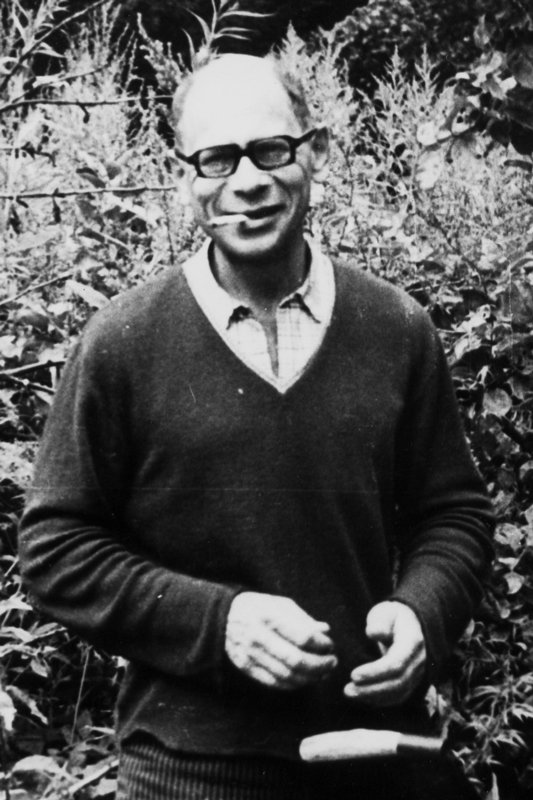
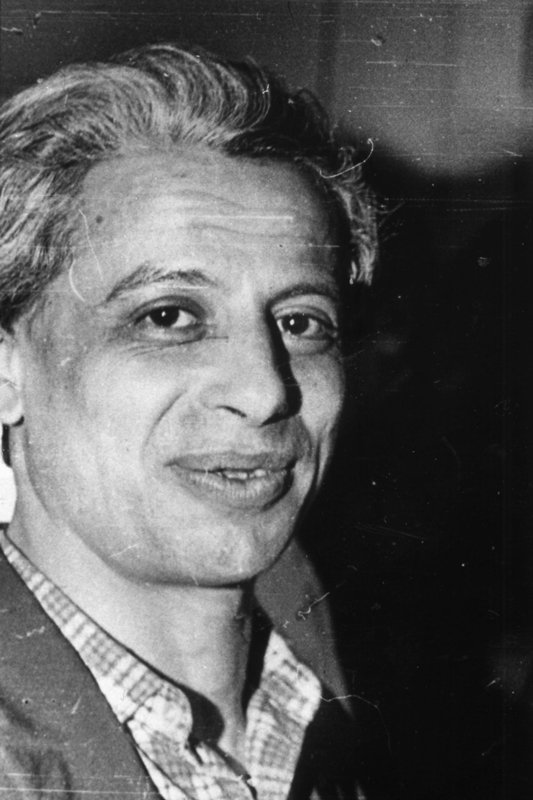
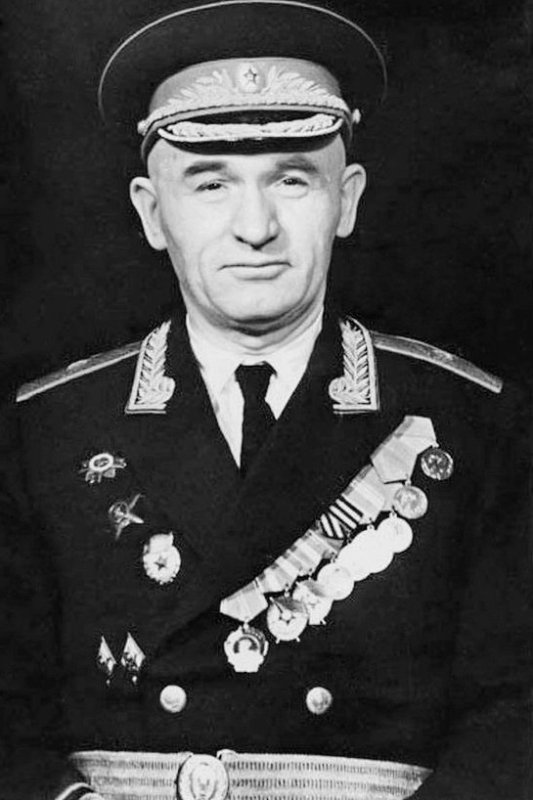 In the photo, the participants of the demonstration on August 25: Pavel Litvinov, Vladimir Dremluga, Vadim Delone, Larisa Borogaz (first row, from left to right); Natalya Gorbanevskaya, Tatyana Baeva, Konstantin Babitsky, Victor Finberg (second row) and Peter Grigorenko / Source: Archive of the International Memorial.
[1] Litvinov Pavel Mikhailovich (b. 1940), physicist. For participation in the demonstration, he was sentenced to five years of link.
[2] Bogoraz Larisa Iosifovna (1929–2004), philologist. For participation in the demonstration, she was sentenced to five years of exile.
[3] Dremluga Vladimir Alexandrovich (1940–2015), worker. For participation in the demonstration, he was sentenced to three years of camps. He was convicted in the camp for another three years.
[4] Delona Vadim Nikolaevich (1947–1983), poet. At the time of the demonstration, he already had a conditional term for participating in the demonstration on January 22, 1967. For participation in the demonstration, he was sentenced to two years and ten months of camps.
[5] Fainberg Viktor Isaakovich (b. 1931), guide. He was recognized as insane and until 1973 he was in a special psychiatric hospital.
[6] It is strange that Grigorenko does not mention Konstantin Babitsky. The non -collection of Natalia Gorbanevskaya can be explained by the fact that she was released and it was incomprehensible whether the initiation of the case would follow this or not.
Babitsky Konstantin Iosifovich (1929–1993), linguist. For participation in the demonstration, he was sentenced to three years of exile. Gorbanevskaya Natalya Evgenievna (1936–2013), poet, editor. She was arrested in December 1969 for the creation of the Navy collection on the demonstration on August 25, recognized as insane and was in a psychiatric hospital until 1972.
The eighth participant is Tatyana Aleksandrovna Baeva (b.1947), human rights activist. The remaining participants in the demonstration persuaded her to say that she was in the square by chance. She was released, and the action went down in history as a "demonstration of seven." In addition, Inna Korkhova, Maya Rusakovskaya, the wife of Pavel Litvinova (followed her husband into exile), and Mikhail Leman were detained on the square.
[7] Article 125 of the Constitution of the USSR of 1936: “In accordance with the interests of workers and in order to strengthen the socialist system, citizens of the USSR are guaranteed by the law: a) freedom of speech, b) freedom of printing, c) freedom of assembly and rallies, d) freedom of street marches and demonstrations. These rights of citizens are ensured by the provision of printers and their organizations of printing houses, paper reserves, public buildings, streets, communications and other material conditions necessary for their implementation. ”
[8] Grigorenko refers to the appeal of Pavel Litvinov and Larisa Bogoraz “to the world community” (01/11/1968), from which the practice of circulating dissidents began not only to Soviet, but also to international authorities.