
Translated material
The very first school
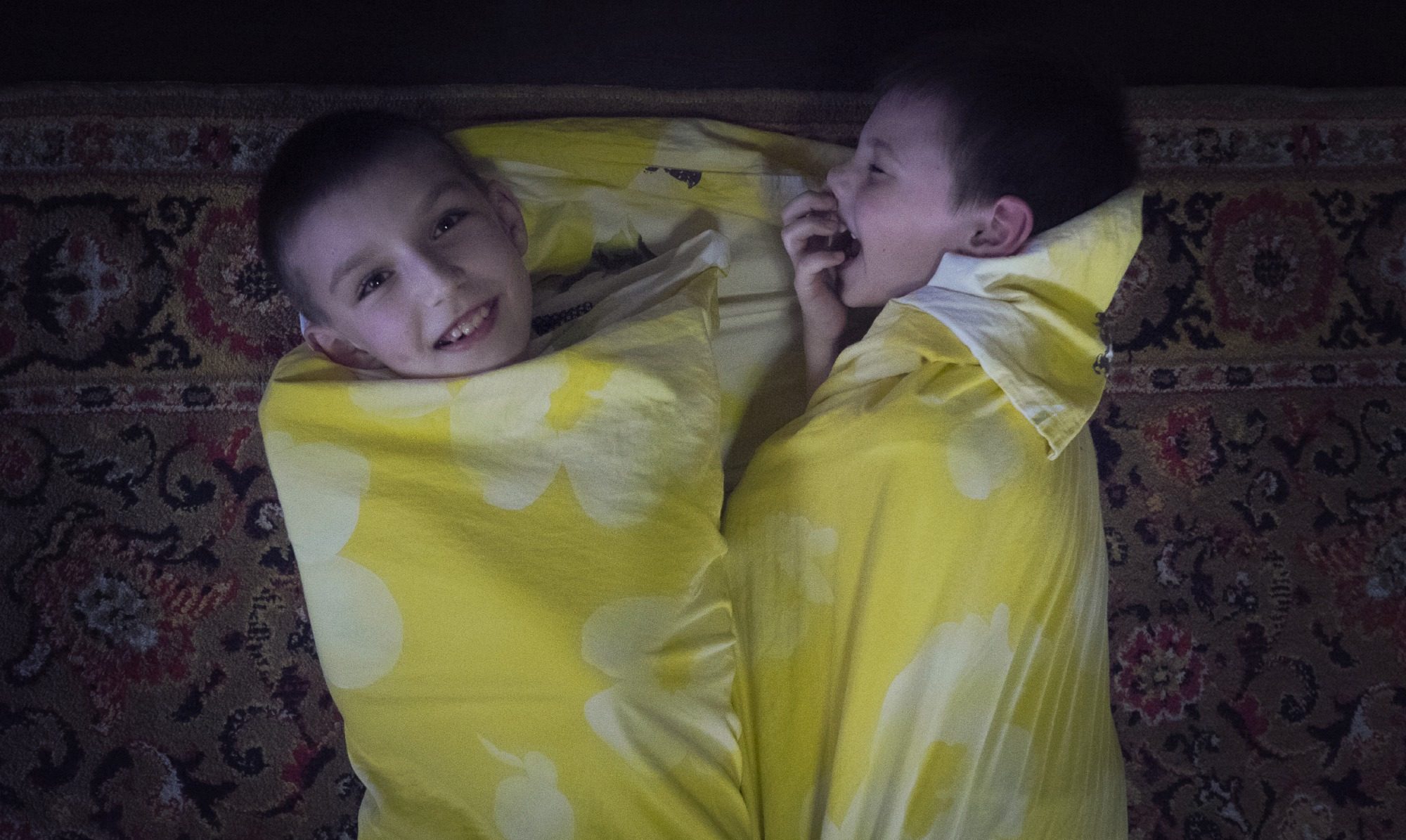
In 2015, in Vladikavkaz, a unique project was created on the basis of school No. 1 - “Resource Class”: a model of inclusive education, which allows children with autistic spectrum disorders to study in ordinary schools. But in 2018, the existence of a resource class was at risk
Eve
Says the mother of Eve, Oksana Makeeva:
“In a year and two months, Eve was already well and clearly pronounced some words, was sociable and cheerful. And suddenly - as if clicking the switch, and everything went out. In children's books, the girl began to paint the eyes and mouth of the characters with a black and red felt -tip pen, sometimes the whole face. I put on different hats and pulled them over my eyes. She even went to bed in panamas, berets, hats. If there was nothing at hand, it could even put a basin on my head. So she tried to hide from the surrounding world. Previously, when we went out into the courtyard, Eve ran through all the grandmothers with pleasure: he would climb into one in their hands, hug the other, chirping with the third about something. Everyone was nursed. And then she began to scream in a bad voice, if someone approached, turned to her, took her hand. Literally fell into panic. Categorically refused to make any contact.
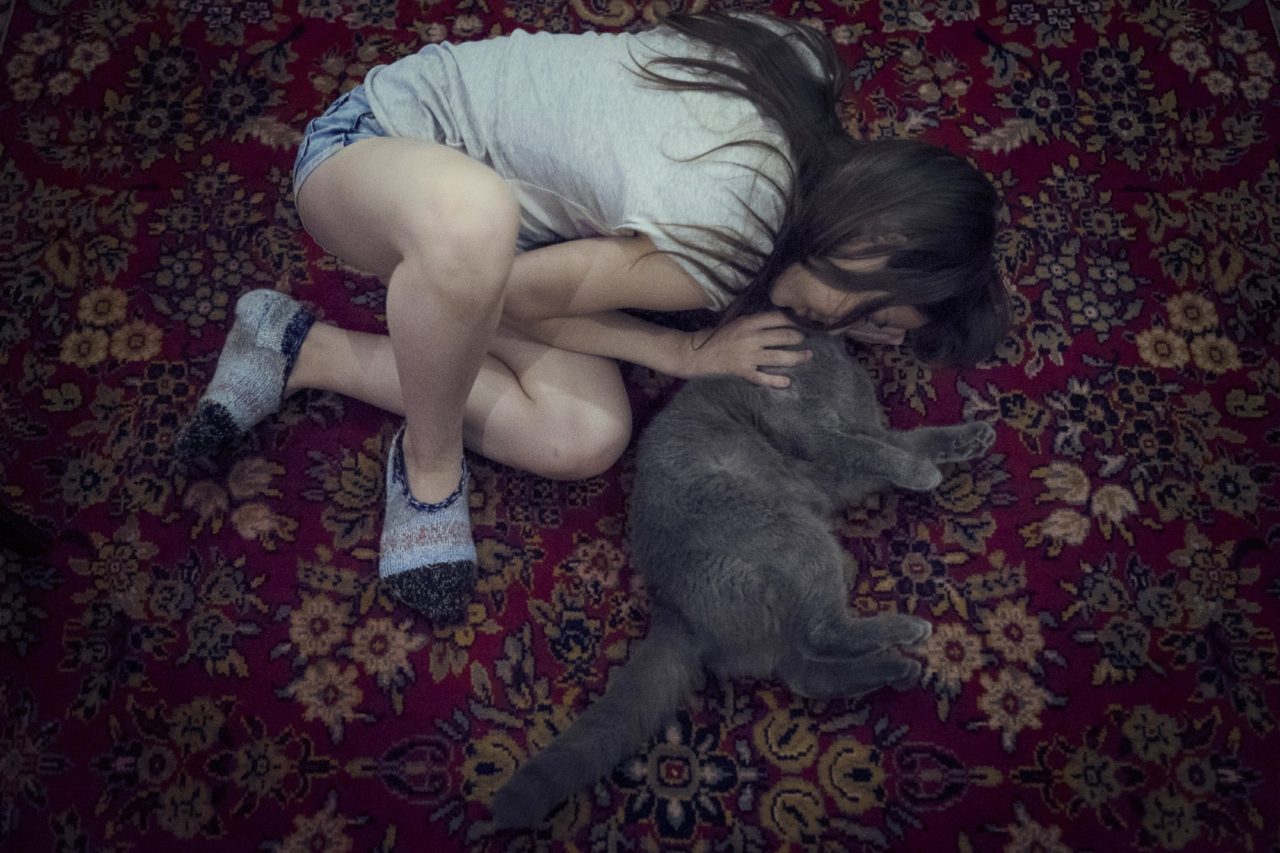 Eva photo: Oksana Yushko for TD
My mother’s friend, a child psychologist, was the first to say: “Eve has something autistic.” But I could not find the information useful to me anywhere, even on the Internet. Our doctors shook their hands. And the psychoneurologist said: “This happens,” and advised him to contact the grandmother. That is, the doctor of the city hospital sent us to the leader. In addition to laughter, then it did not cause anything, but the laughter was rather hysterical. Then we were at the speech therapist, neuropsychiatrist and other doctors, but they did not understand how they could help.
There was no one else to contact. Then I began to focus on academic knowledge. By the age of seven, Eve read fluently, thought, wrote in words. Everything was easy for her. With her father, the Evka listened to music, she loves rock very much, Deep Purple, for example. But as before, she could not at all in society. It was a nightmare, hopelessness and a dead end. I literally forcibly pulled it out of the house-exhibitions, museums, parks, tried to at least somehow accustom to be among people. But it did not help. She always had a “magic” hat with her, she put her on her eyes and pretended that she was not.
We tried to give her to an ordinary kindergarten. Formally, they could not refuse us, but in a personal conversation, the manager said: "Your child will not go here." The manager insisted that Eve is an abnormal, threatened that she would find his specialist, and he would make a diagnosis to Eve. Everything is just because Evka refused to communicate with other children: she sat quietly in the corner and painted. But an adult aunt believed that my child’s presence would cause her reputation damage to her kindergarten, and set himself the task of surviving her.
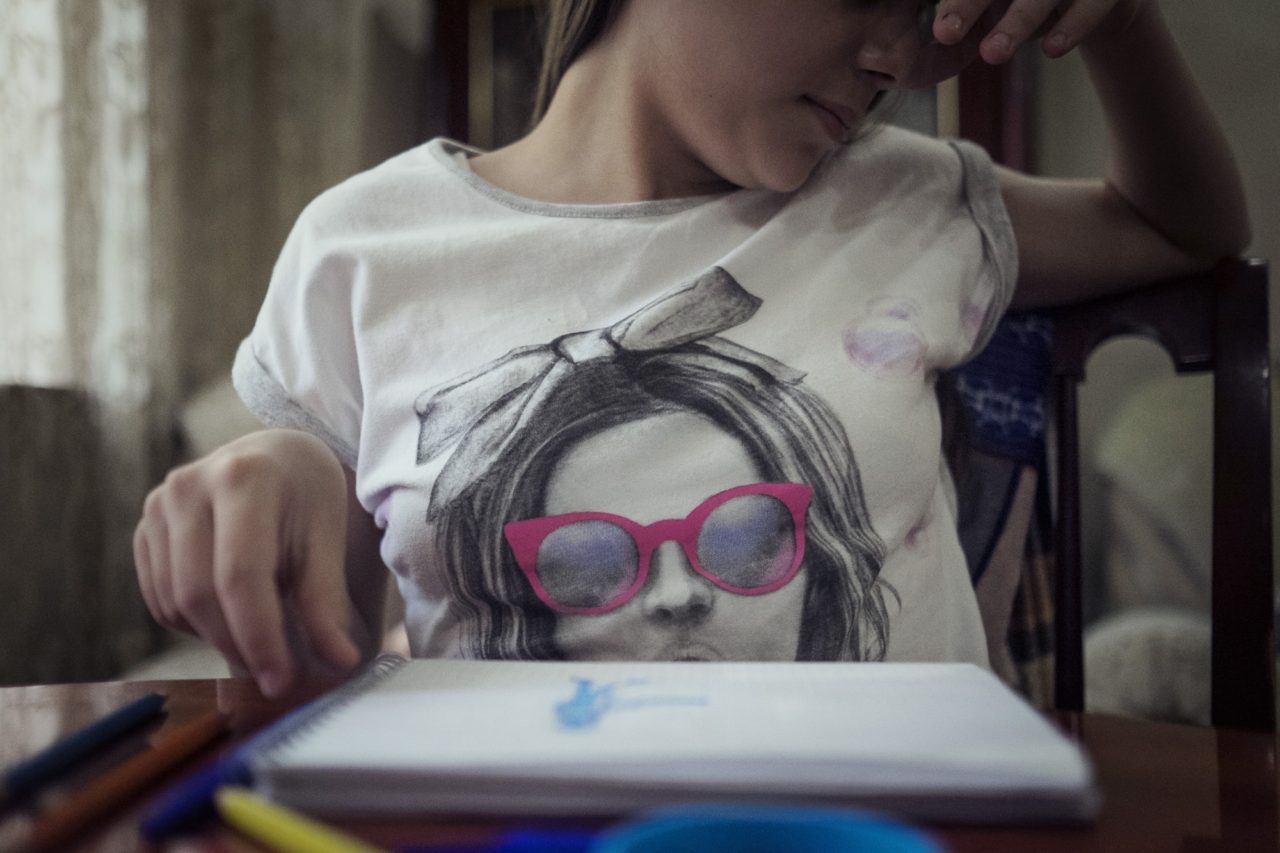 Eva photo: Oksana Yushko for TD
Once I saw the drawings that Eve drew in kindergarten. At home, my child painted bright, live pictures, Eve then especially loved the cartoons of the Mickey Mouse club, and in kindergarten - completely black circles. I realized how bad she was there, burst into tears and took her daughter from the garden.
For six years I lived in delirium. As it has not gone crazy, I still do not understand. The feeling of unknown and misunderstanding, how to continue to live, was corroded from the inside. I quit my job. Eve demanded my constant presence: there is no two minutes in sight, she began to look for me with a cry. The main difficulty was that I was alone, completely alone. We have no specialists in the republic. And the school was already on the way. I was desperate. And once I heard about the resource center. This has become our salvation.
***
In 2015, a unique pilot project began in North Ossetia - “Resource Class”. The inclusive education model that allows children with autistic spectrum disorders to study in ordinary schools. The project was embodied by enthusiasts. First, a resource center arose in the republic, then a resource class appeared on the basis of the first school of Vladikavkaz. The idea was to have a regular first class, where twenty ordinary first -graders would study, add two children with an autistic spectrum disorder. The main task of experts is not only to socialize children with autism, to teach them how to communicate and make friends, but also, very important, not to violate the fabric of the educational process. In other words, so that other children do not experience any inconvenience. This is the ideal model of inclusive education.
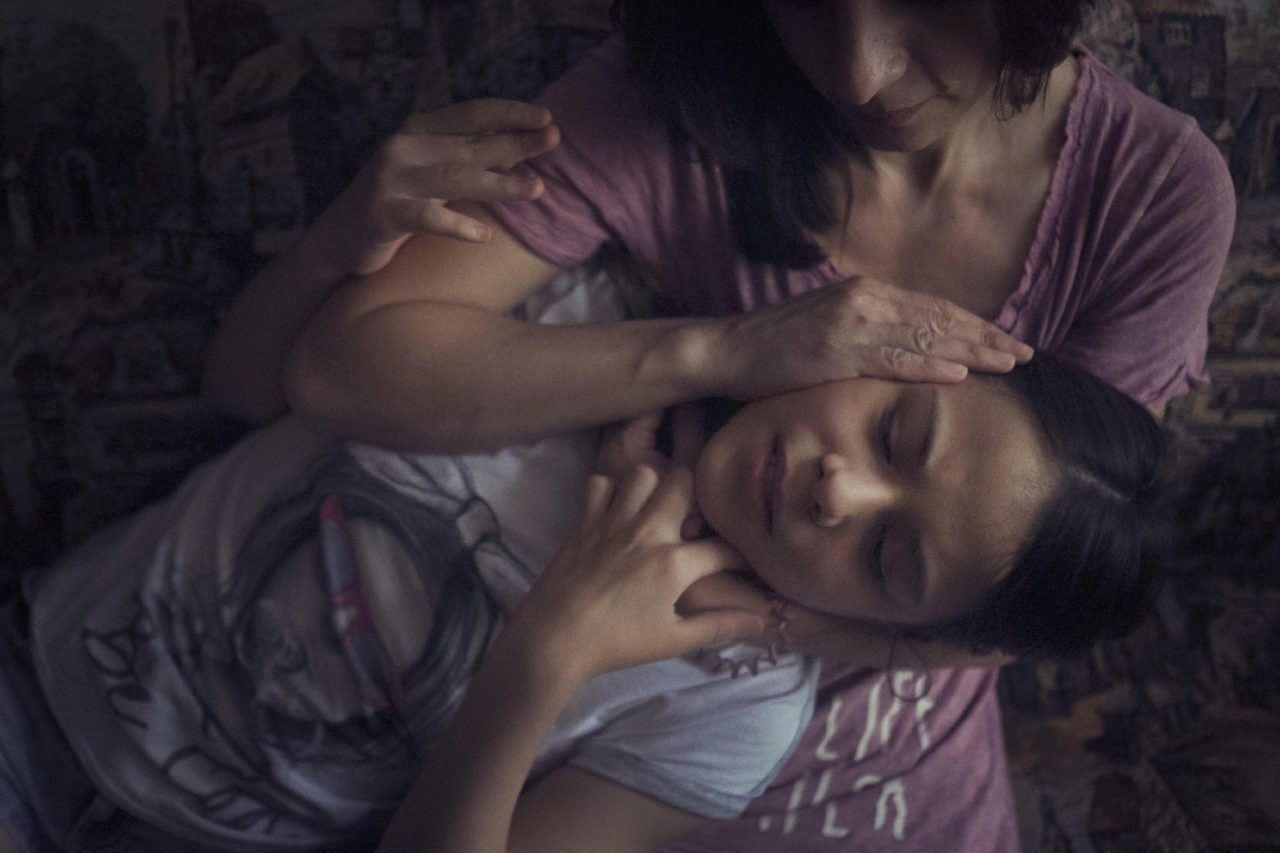 Eva and mother Oksana photo: Oksana Yushko for TD
 ***
Relatives and acquaintances told me: "Do not give her to an ordinary school, they will laugh at her there." And I think, let them laugh better than they regret. My Eva is a kind and smart little man. I do not want her to grow up unaplosed, unnecessary in this life. They laugh now, then get used to it, and everything will be forgotten.
We went to school. And I must say, no one laughed at her. The school carried her away. At first it was very difficult. She did not sleep at night. I could not stand the pace. And three months after the start of study, she told me: “Go. Go home. I myself. " And she began to drive me out of the class.
Children are quickly used to her. Her classmates somehow immediately began to feel responsible for Eve, as if it were a game of mother-mother. Now Eve is always involved in noisy games. Or simply - the girls whisper, and she sits and listens. The very fact of being with them is important, that from which it used to be so fiercely banging. What can be obtained in any correctional schools. Ordinary communication.
It was very difficult for her to cramming, Krylov’s fables, for example. But it is necessary. No concessions. And suddenly she became furious: she screamed, cursed, stomped. It was so pure emotion that I began to laugh into my voice. For the first time in 11 years, my child; A child who generally stopped expressing emotions at a year and a half showed a pure emotion. My husband ran to our room, scared: I have laughter with happiness, I choke, and the Evka freaks out and curses at Krylov.
 Eva photo: Oksana Yushko for TD
This year I gave it to additional English. The circle is not at school. There are about 20 people in the group, classes last an hour and a half. Eve goes there itself. The teacher says: “She pulls the whole group with me - the children see that Eve reads, writes and translates better than her oddity, but they are not so easily given, they are behind. How so?" After classes, the Evka is now increasingly trying to slip away, to go home with the guys. You have to catch it. She is no longer afraid of anything.
***
11-year-old Eva is the favorite and pride of specialists of the resource class of North Ossetia. It is a living proof of how effective the methodology of applied behavioral analysis and the resource class model for the development of children with autism are. Four years ago, in a small group of children, Eve kept only four minutes. After she rolled a panic, the child’s nervous system ceased to cope, and the girl fell into hysteria. Eve was literally carried out in her arms from the class. A year after the start of therapy, Eve went to the first grade of comprehensive school No. 1 of Vladikavkaz. Now she finishes the third grade, reads Mandelstam, knows English and can independently sit a full -fledged school day in the lessons.
Alena
Says Alena Ramonova, head of the resource center and resource class at school No. 1:
Six years ago, I lived in St. Petersburg and home, in Vladikavkaz, was not going to return. She worked in one of the large inclusive family centers, was engaged in the social adaptation of children with autistic spectrum disorders. I traveled a lot to work. I watched how they worked with children in Israel, Austria, Norway, gained skills and gained experience. Then, unexpectedly, the mother of four children with autism, who lived in Vladikavkaz, came to me. She begged me to come and help. At that time in the republic no one was engaged in children with races. “Let's do something here, we are completely alone. No one wants to help us. ” And in December 2012 I returned home.
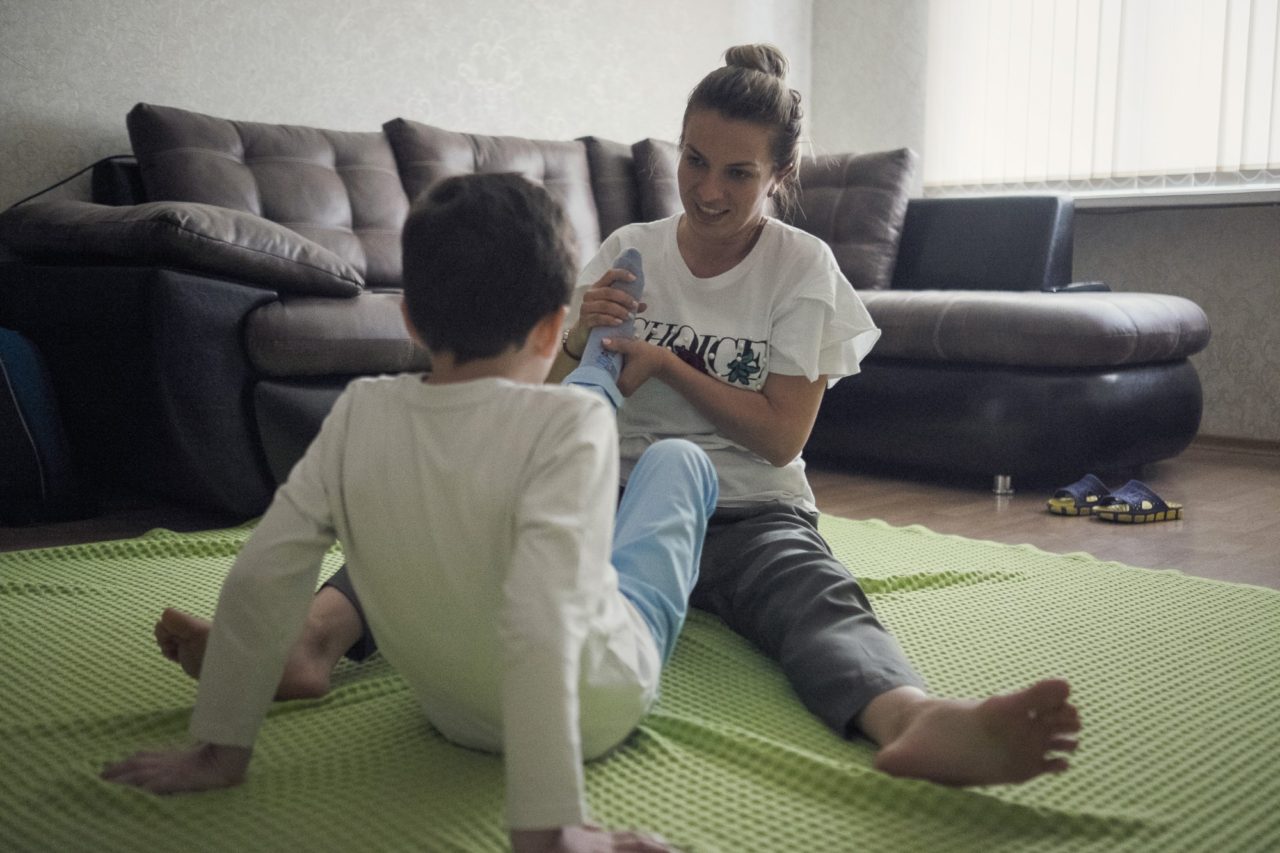 Alena Ramonova - coordinator of inclusive education photo: Oksana Yushko for TD
 ***
The head of the resource center and the pioneer of the implementation of the resource class model in Vladikavkaz Alena Ramonova graduated from the Faculty of Psychology of St. Petersburg State University with a degree in social adaptation and psychological correction of the individual. Now she leads the recently open department of inclusive education at the North Ossetian State University. The experience of Alena and her associates proves that any obstacles can be overcome by enthusiasts. There would be a desire.
***
The first thing I did when I returned to Vladikavkaz was to meet all the parents of children with autism. We opened a resource center, scored specialists there. The parents of the children who were thrown out of the system came to us, they refused to take them even to a correctional school: they say, why mess around? It's easier to refuse. We began to work with them. The work went successfully, and the parents began to insist - let's organize a resource class, our children can study at a regular school. Let's try.
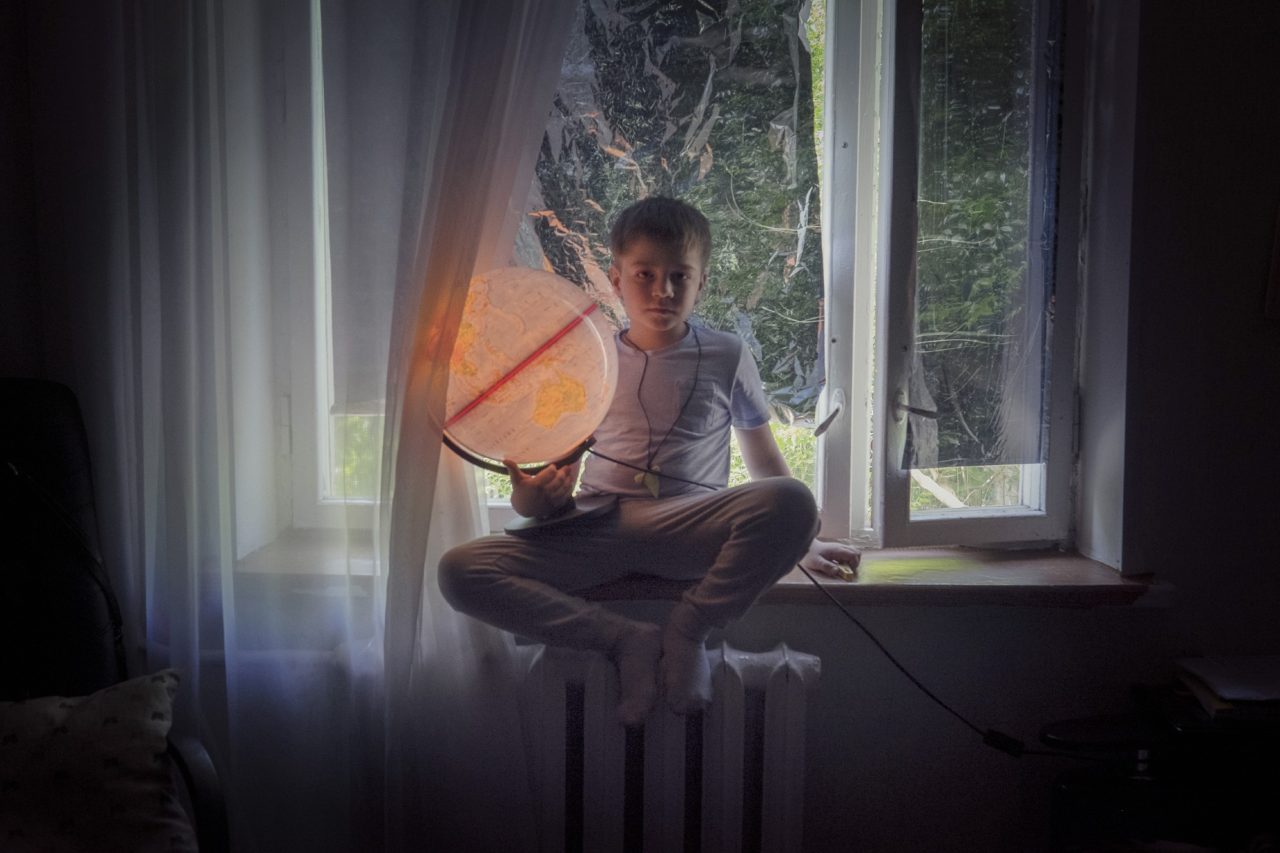 Arsen photo: Oksana Yushko for TD
The fact is that the presence of a resource zone and specialists is the only opportunity for children with autism to study at school. This is a very delicate process. If it is incorrectly organized, then the child will not develop, and by the fourth grade he will inevitably diagnose mental retardation. The child will not be to blame for this, adults will be to blame, because they did incorrectly with him. This subtlety is important here: initially, the child himself cannot cope at school. He needs to help.
***
According to the Russian law “On Education”, inclusion in our country is a priority. Any school is required to accept a child with developmental features. But in practice it does not work. Without the necessary experts, such children will not be able to adapt to the usual rhythm of the school. Therefore, many are doomed to existing outside of society.
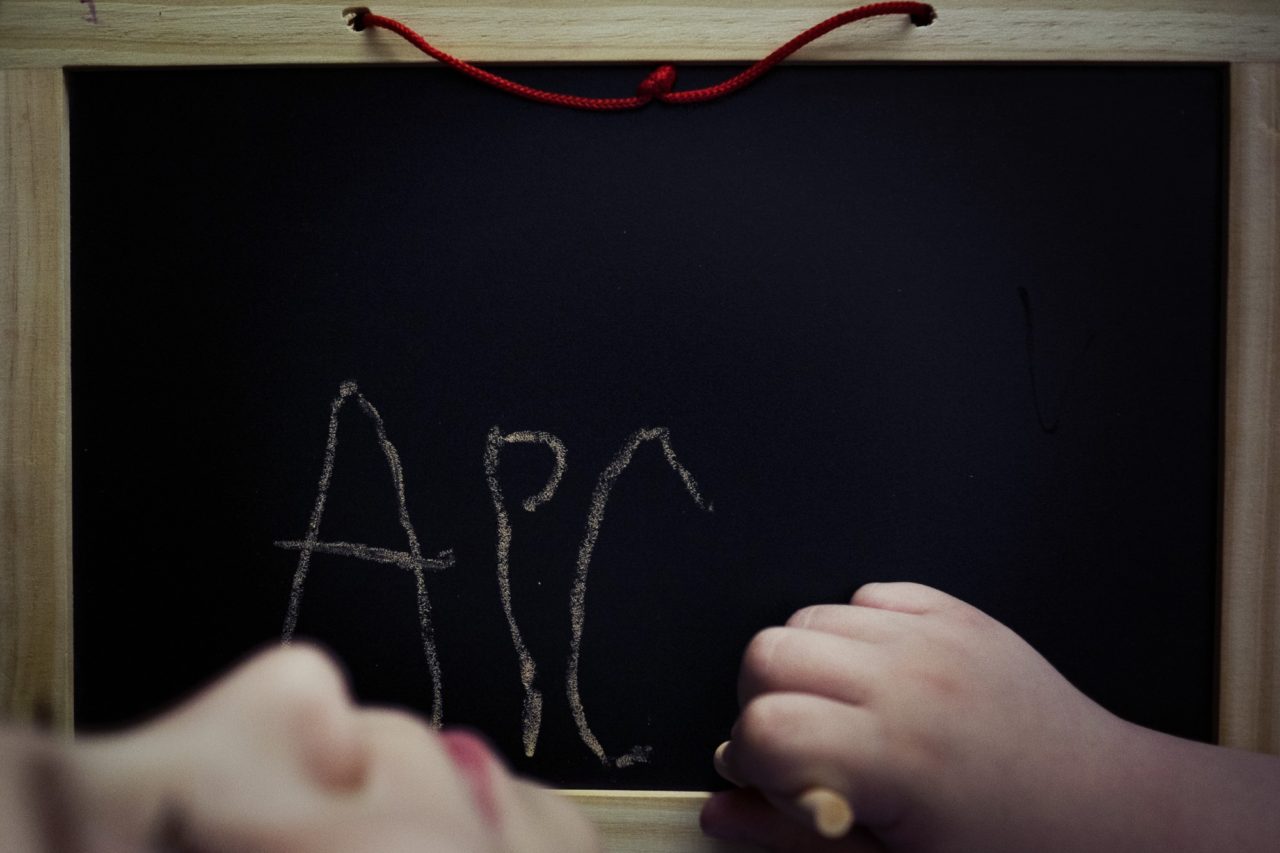 Arsen photo: Oksana Yushko for TD
The resource class model is a correctly organized system for supporting such children. A separate room is allocated at the school where there are desks, a schoolboard, a teacher’s table, but also a game zone with trampolines, pillows and soft designers, where children can retire and relieve nervous excitement. The tutor is assigned to each child. He sits with him at a desk in a regular class and is a guide between the child and the outside world. At the slightest signs of overexcitation, he leads the child to the resource zone where he comes to his senses. At the changes, the tutor initiates the communication of the autistic with other children, and other children learn to play with them. As socialized, the presence of the tutor in the class becomes less and less until the child ceases to need it completely. As a rule, this process takes from year to three. In addition to tutors, the resource class includes other specialists: a defectologist, speech therapist and a psychologist.
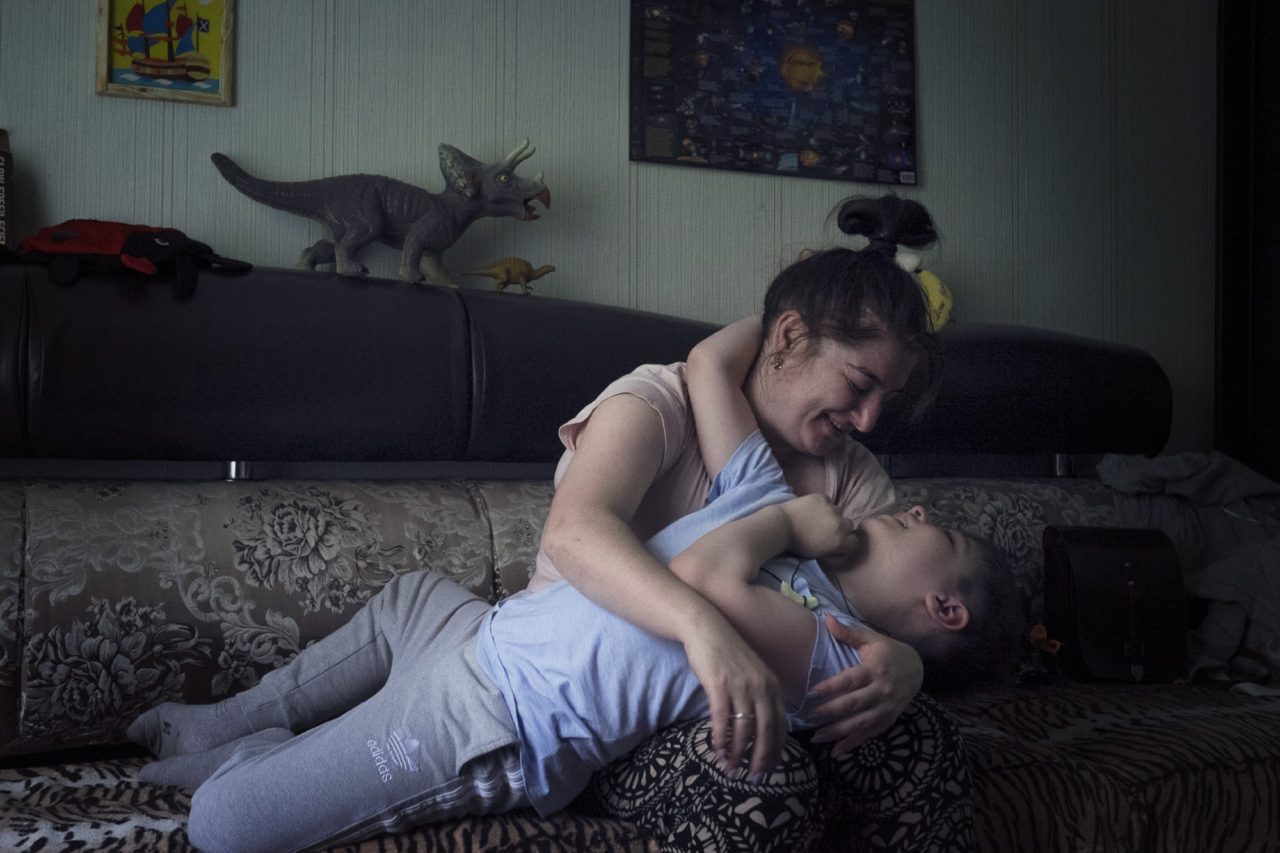 Arsen and Mom Irina Photo: Oksana Yushko for TD
 ***
We were very lucky. At that time, Alan Yelev was the Minister of Education of North Ossetia. He said: “Great idea. I will do everything in my power. You just do it. ” We were given school number 1 in Vladikavkaz. At that time, it was the most “difficult” school in the city where the small “Geklberry Finns” studied, completely ravings. Teachers did not deal with them at all. The academic performance was so low that parents refused to put their children to this school. They told us: “Where are you going? You will not succeed. "
The processes that have occurred at school in these three years are amazing. This is an ideal example for serious scientific work on how the introduction of inclusive education affects not only children with autism, but also ordinary children, and teachers, how the atmosphere of the educational process is strikingly improved. The attitude of teachers to children has changed, the children began to open. For example, no holidays were held at the school before us. There was no social life at all. Now there are holidays, and exhibitions, and photo contests, and joint trips to the mountains, picnics, excursions. Now this is a family where children are interested.
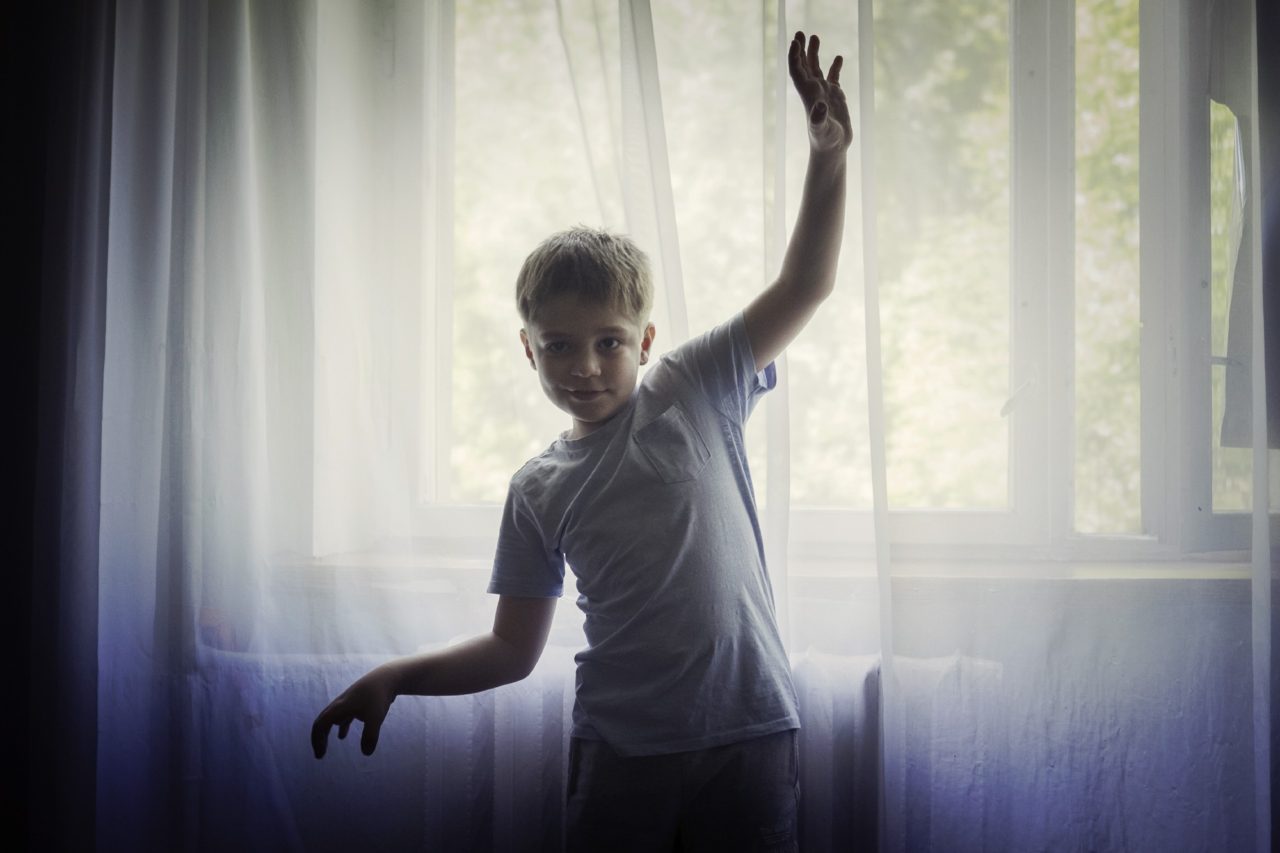 Arsen photo: Oksana Yushko for TD
When we were just starting, we were taken in hostility. Teachers were sharply against the appearance of special children in their classes. There were terrible tantrums: “I don’t know, I don’t know how, I never had such an experience. In my classes will two adults sit - tutors? I do not want someone to follow my work and evaluate, ”the teachers are angry.
One of them said: “Yes, I’d better go on maternity leave or quit, but“ these ”will not study from me.” In fact, they were just scared. After all, “these” is a special responsibility and approach. “These” subtly feel more sensitive to manifestations of neglect and aggression by adults. The most interesting thing is that when fear passed, it turned out that teachers are very conscientious.
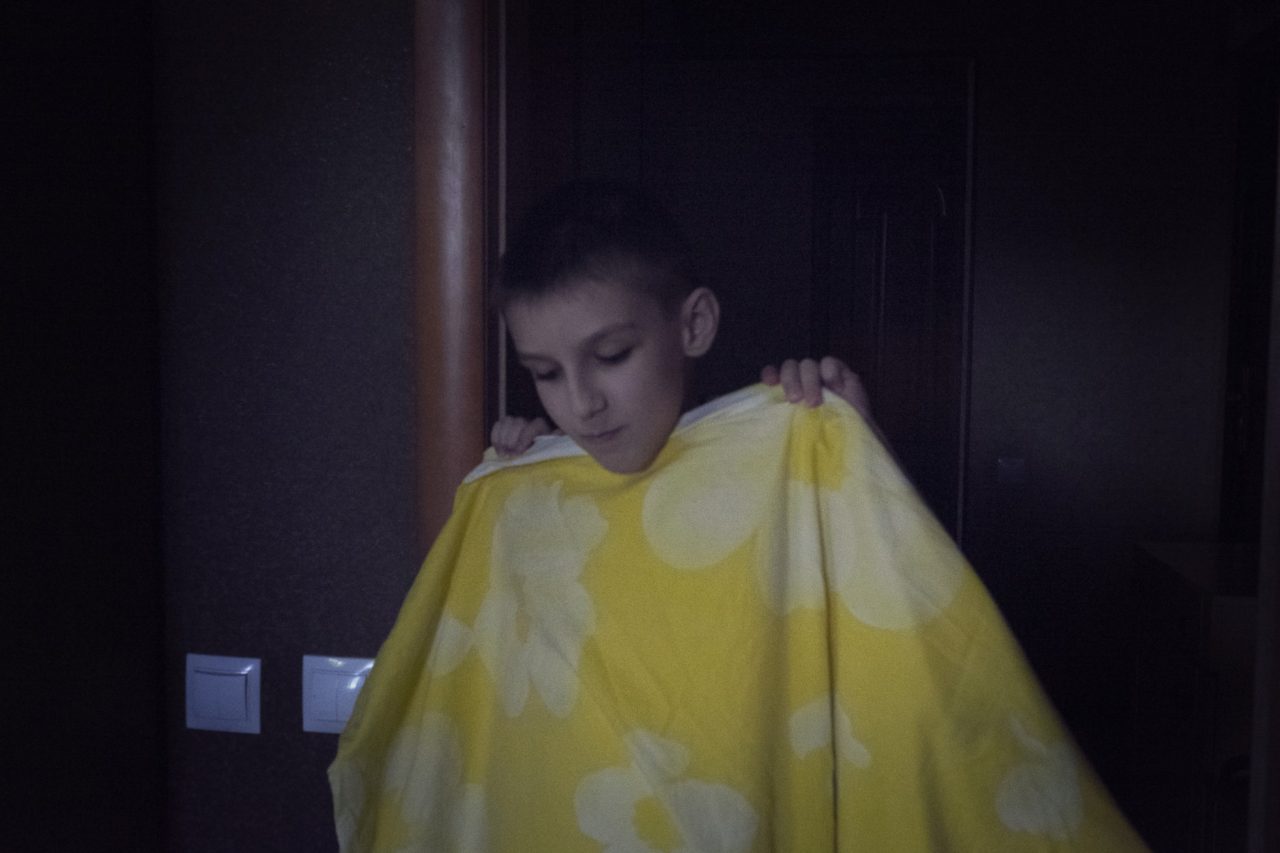 Seryozha photo: Oksana Yushko for TD
A year passed, and the same teacher began to understand the intricacies of child psychology better than tutors. Now in her class all the children study according to individual programs. She has grown sharply professionally, other teachers can only dream of her level. And two special children taught her this.
In our country, the problem of school education is that the future teachers teach to see the program, see their needs, but at the same time forget about the needs of children. With all the children, you need to build a system of motivation, and with children with races in the first place. And if you can wave your hand on an ordinary child, ”he will cry out himself, then the child with features should have clear and iron motivation, otherwise nothing can be achieved. It must be understood that the attitude to unlike children of other children depends only on adults. In the class, this bar is set by the teacher. When children see the attitude towards a child with impaired development of another adult, and the attitude is respectful, they will not have ideas that you can behave with him somehow differently. In cases where unlike children are poisoned at school, teachers are primarily to blame. They are triggers.
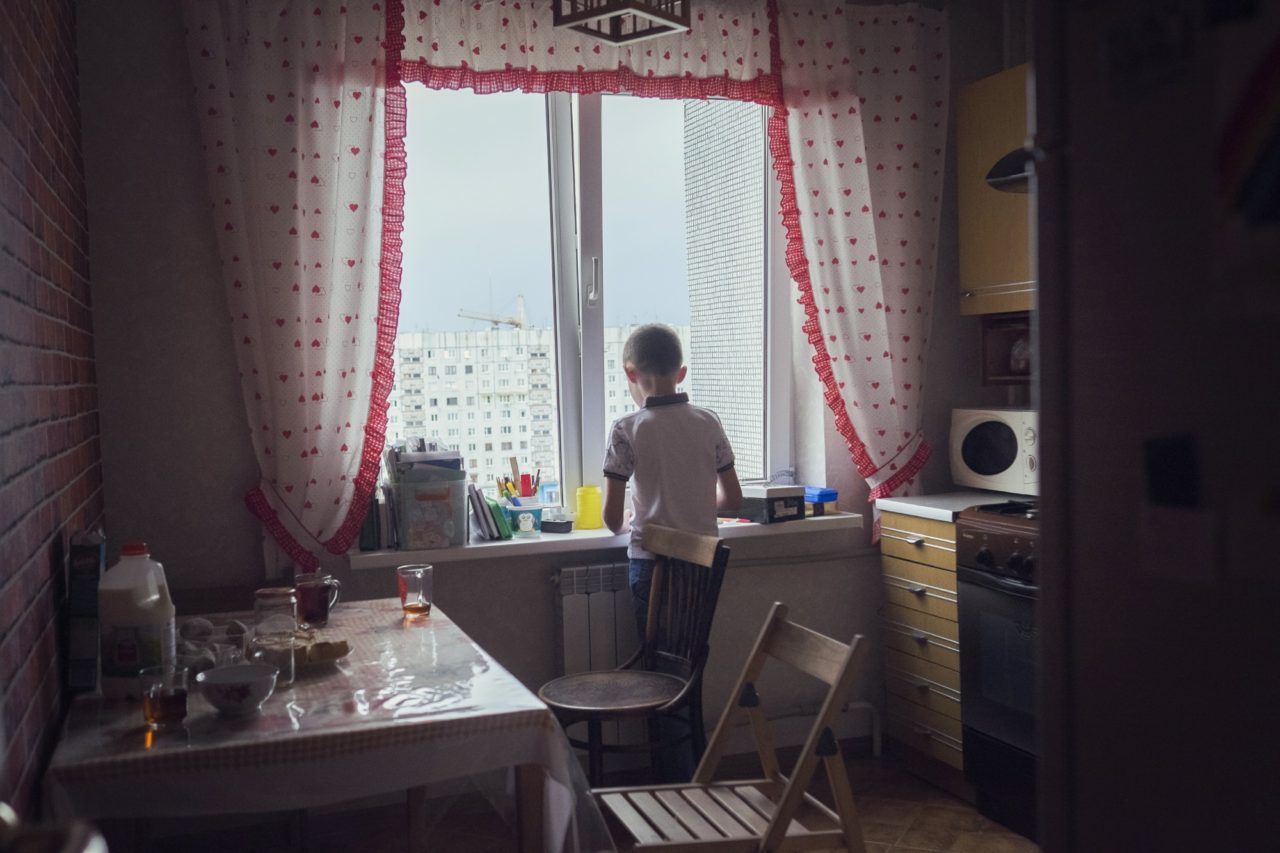 Seryozha photo: Oksana Yushko for TD
We specially did not prepare children for the fact that they would come to them dissimilar children. We just came to the classroom to first -graders and said: “Hello, Eve and Serega will study from you. Eve and Seryoga have not yet cope with the program. Eve and Serega will have assistants. And we hope for your help. " All.
Assistants are students. We chose girls and boys who only graduated from the university - psychologists, teachers who are interested in inclusion. They are more flexible and interested. But the school teachers, in whose classes we gave our dissimilar children, we prepared. They conducted special trainings, explained, showed video materials. At first, everyone refused. But gradually we overcame this stubborn resistance, and the teachers themselves got involved.
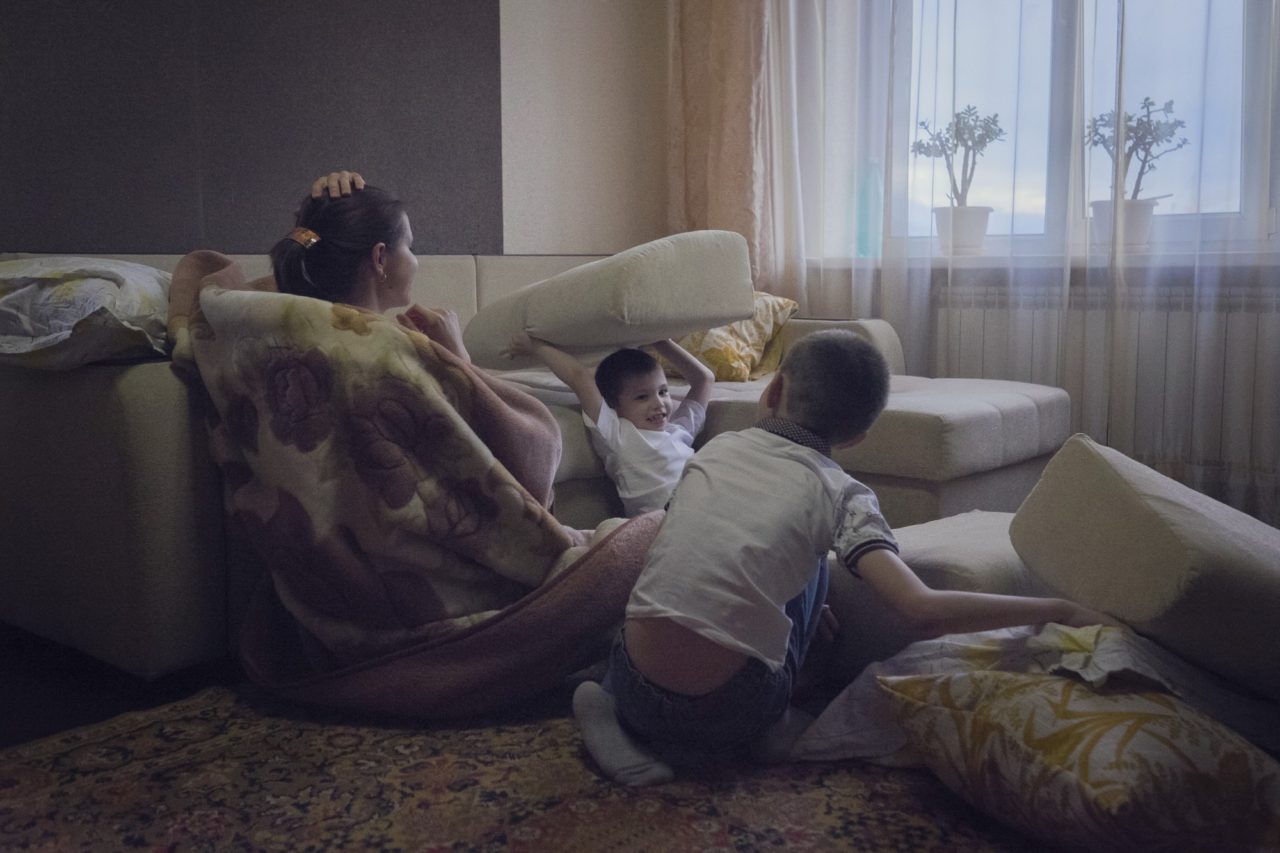 Seryozha, his brother Maxim and mother Olga photo: Oksana Yushko for TD
For example, Serega, now he is a second -class student. When he was offended, he was hiding under the desk. Suppose he was preparing a presentation, but he was not asked. Resentment. The children began to reassure him, say: "Do not worry, you will be asked." He reacts very sensitively to this. Its goal is to attract attention. It’s like many children - I want that toy, and if my mother says no, they begin to sob, scream or fall to the floor until they get what they want. Manipulate. Here is the same principle. Serega hides under the desk, begins to express her insult. Then the tutor leads him to the resource zone. He is even more upset - he was taken out. The tutor explains that such behavior is not constructive. The child calms down, and he will be started back to the class. This does not affect the educational process. Our main task: do not interfere with the process and preserve the lesson. Autists then themselves catch up the tasks that have missed. For this, tutors exist.
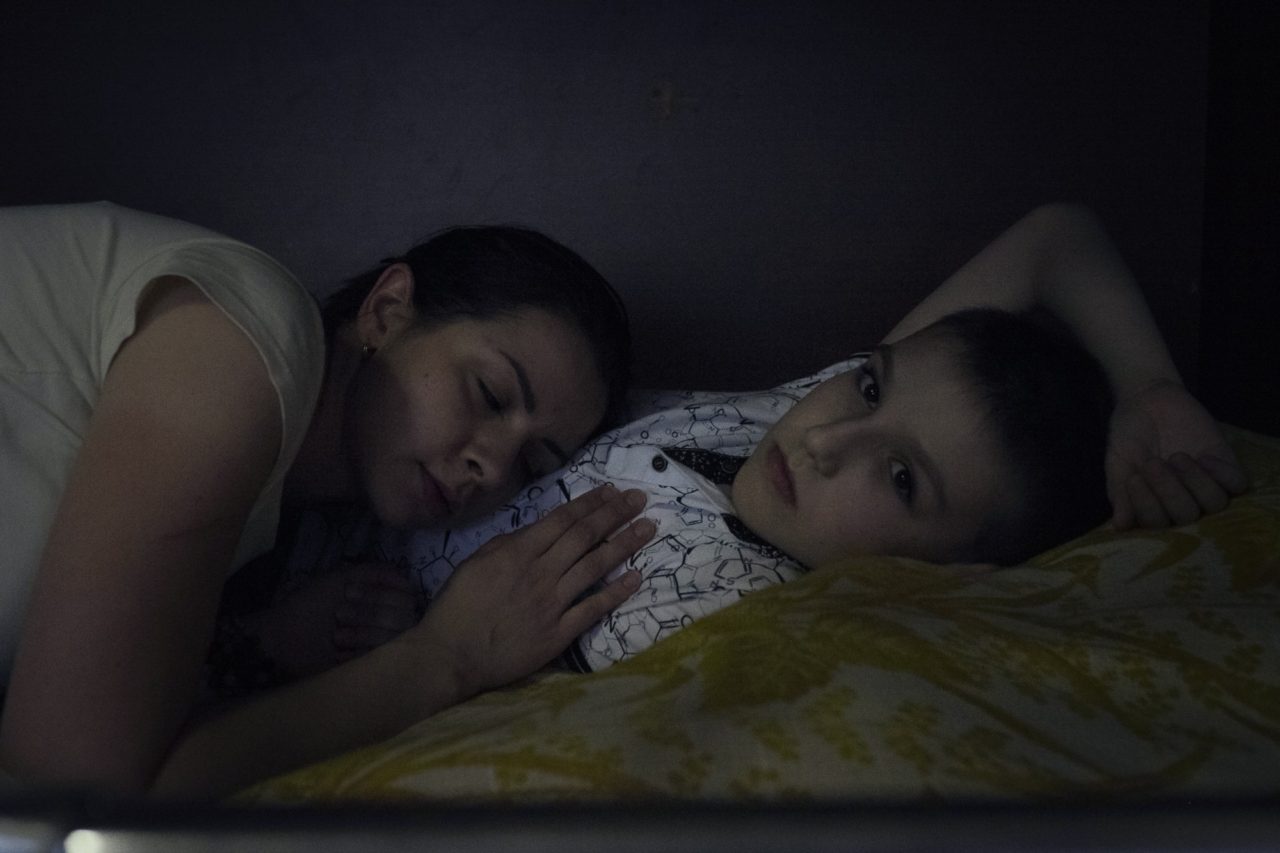 Seryozha and Mom Olga Photo: Oksana Yushko for TD
For two days, the children caught this story with Serge, the teacher once calmly said not to pay attention. And such behavior - the most problematic in children with autism - disappeared by Seryoga in two days. The correction of such behavior in the correctional class could take months, or even years. Plus, along with tutors, a psychologist is also added to inclusive classes. He helps the teacher not only with special children, but also with the others who study in the classroom. I call it a "human system." All children are, without exception, and each child will receive an answer and his own share of attention to his questions.
Achilles
Says Marina Zafirida, mother Achilles:
The closest ally and deputy Alena in all her endeavors is Marina Zafirida. Now she is a certified AVA therapist and a specialist in applied behavioral analysis. One of several for the whole republic. In her first education, Marina Biophysicus. At 39, she entered the Moscow Institute of Psychoanalysis. “I had to become a specialist when Achilles appeared,” she says. “When I realized that the state cannot offer anything sensible to my child.”
“Achilles was about two and a half years old. I looked at our photograph taken the day before. Suddenly, it seemed to hit me with an electric shock. I clearly understood that I had been bothered for so long: I had never seen my child’s gaze, my eyes in my eyes. He always did everything to avoid contact. He was like mercury - you will touch - he immediately spreads and eludes.
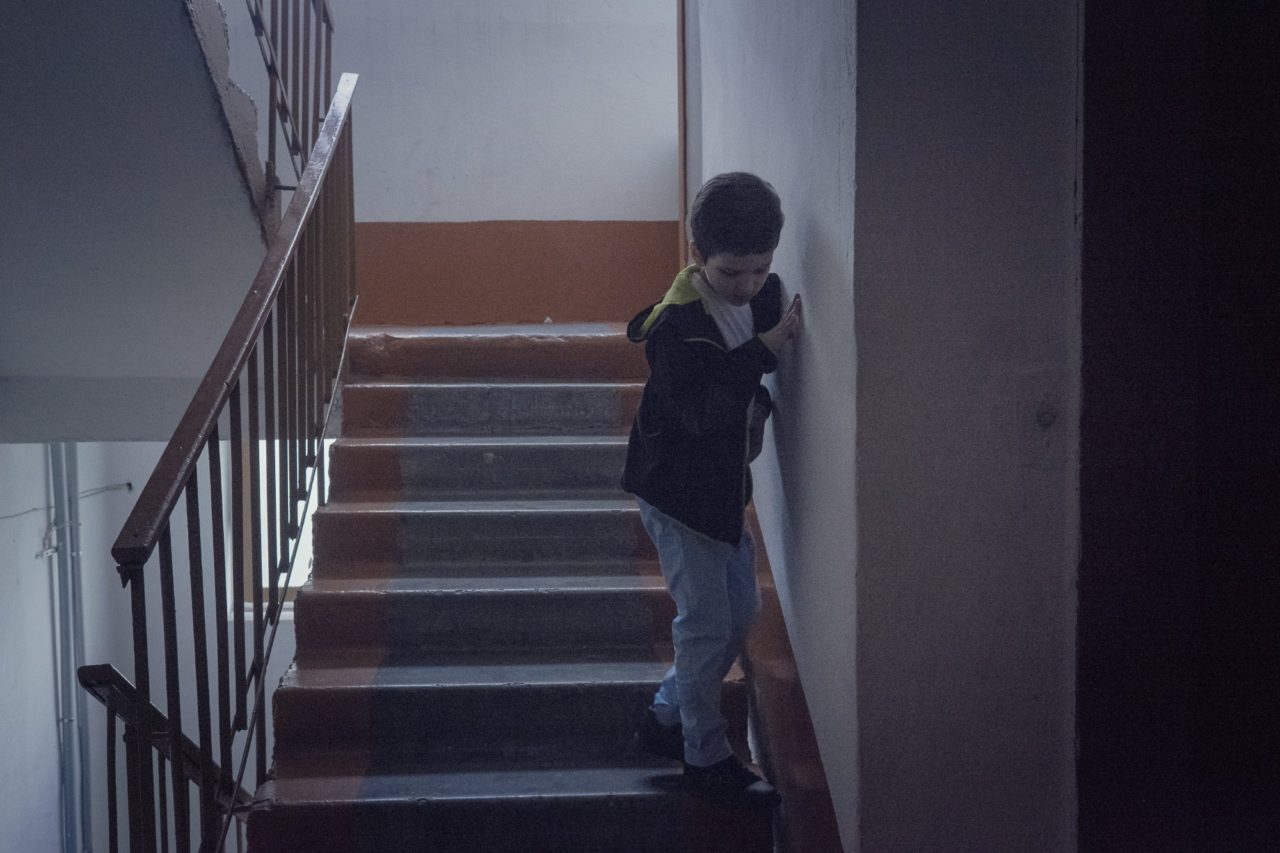 Achilles photo: Oksana Yushko for TD
Мы тогда жили в Греции. Специалисты провели ряд тестирований и деликатно дали понять: речь идет об аутизме. Я отказывалась верить. Следующие две недели я прожила в интернете, изучила десятки книг, статей, форумов. И убедилась: у моего малыша расстройство аутистического спектра. Узнала я и другую важную для меня вещь: аутизм не означает умственную отсталость, как думает большинство людей, как думала я тогда. Да, умственная отсталость может сопутствовать, но сам диагноз ничего подобного не подразумевает.
Ахиллес был долгожданным ребенком. Нашему старшему сыну уже было десять, когда он появился на свет. Ничто не указывало, что он особенный: маленькое улыбчивое счастье. Это сейчас я уже понимаю, что были звоночки в развитии малыша, которые давали понять — что-то идет не так.
У него отсутствовал указательный жест, не было желания близкого общения ни с кем, даже со мной, его мамой, он не играл игрушками, как другие дети. Нарушения сна и особенности в пищевом рационе. Я не знала, что это важные детали, и не обращала внимания. Он был как все: живой, веселый, смышленый. По мере роста особенности все больше проявлялись. — «Вас беспокоит гиперактивность? — удивлялись врачи, — ничего страшного, перерастет».
Обстоятельства сложились так, что нам надо было возвращаться домой. Я знала, что во Владикавказе будет сложно, но насколько сложно, не могла представить. Мы вернулись, когда Ахиллесу было четыре. К тому времени откат в развитии был очевиден. Он стал бояться открытых пространств. Категорически отказывался заходить в помещение, если там было больше двух человек. Боялся громких звуков, яркого света.
Оказалось, что тут, во Владикавказе, никто ничего не может предложить ни моему ребенку, ни вообще аутистам. Эти дети были самые неохваченные, их родителям некуда было идти, никто не знал, что с ними делать. Я стала отчаиваться. Понимала, что драгоценное время уходит, и я могу окончательно упустить своего ребенка.
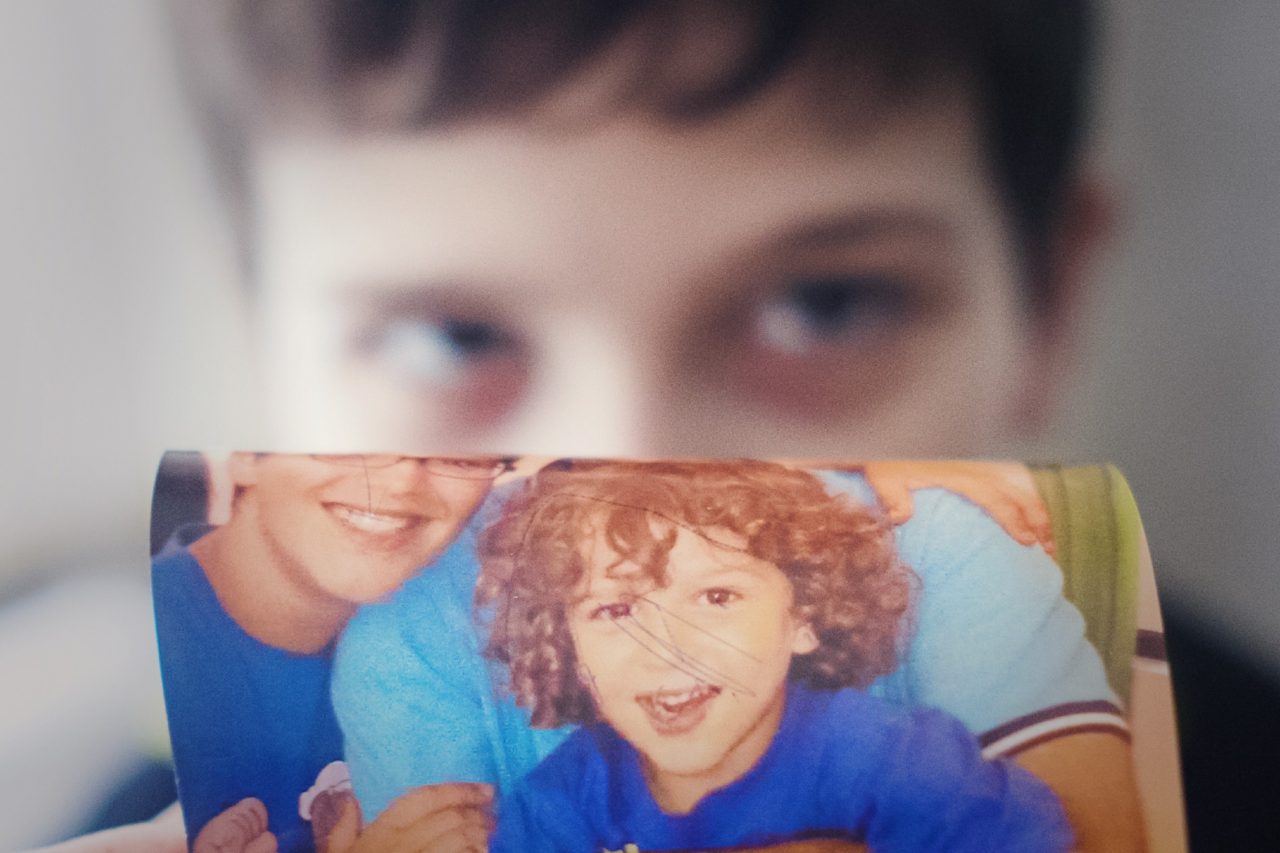 Ахиллес Фото: Оксана Юшко для ТД
Случайно познакомилась с Аленой. Мы объединились. Пошла учиться на терапевта ABA. Учиться надо было три года. А детям нужна была помощь здесь и сейчас. Мы решили не ждать и с колес организовали Ресурсный центр. Это теперь у нас замечательные психологи, специалист по сенсорной практике, дефектологи, тьюторы. А тогда не было никого. Только мы и огромное желание.
И скоро пошли результаты. Я поняла, что с такими детьми можно и нужно работать. Главный вопрос у нас в республике даже не в том, что нет специалистов для детей с особенностями, просто те, которые есть, для детей с РАС не подходят. То, что хорошо работает с ребенком с умственной отсталостью, с задержкой речевого развития или с задержкой психо-речевого аппарата, никак не работает с аутистами. С другой же стороны, мы это поняли уже потом, методика, которая эффективна ребенку с аутизмом, автоматически подходит деткам с другими расстройствами.
***
До появления модели ресурсного класса в России отсутствовали специальные методики обучения таких детей. Аутичных малышей, в соответствии с канонами советской школы психиатрии, «лечили» нейролептиками и током, а этот путь гибельный, он превращает ребенка в овощ. Проще всего поставить диагноз «умственная отсталость» и отправить в коррекционную школу. Классы коррекционной школы полностью сформированы из детей с нарушениями развития, дети с аутизмом не могут в них развиваться и после ее окончания для общества они потеряны. AВА терапия в корне не согласна с такими подходами. Аутисты — не умственно отсталые люди, их можно и нужно социализировать. И чем раньше начнется этот процесс, тем полезнее такой ребенок может в будущем стать для общества.
***
Сейчас Ахиллес заканчивает второй класс. Он спокойно высиживает все уроки каждый день. Ему все еще сложно в предметах, где нужен пересказ, повествовательные навыки. А вот математика, английский у него блестящие. Учитель никак не может понять, почему так легко ему дается язык. Постепенно мальчик стал соглашаться на взаимодействие, на контакт с другими детьми. Ахиллес очень любит театр, ходит в театральный кружок. Если слышит громкую музыку или звуки, больше не впадает в панику, он научился прикрывать ушки руками, прекратились его срывы. All this is in the past.
В первом классе был такой момент. Самый-самый первый момент. Подходит ко мне одноклассник Ахиллеса Давид и спрашивает:
— Почему Ахиллес не обращает внимания, когда его зовешь, он что, глухой?
— Нет, он не глухой. I answered. — С ним надо немного по-другому. Давай я тебя научу.
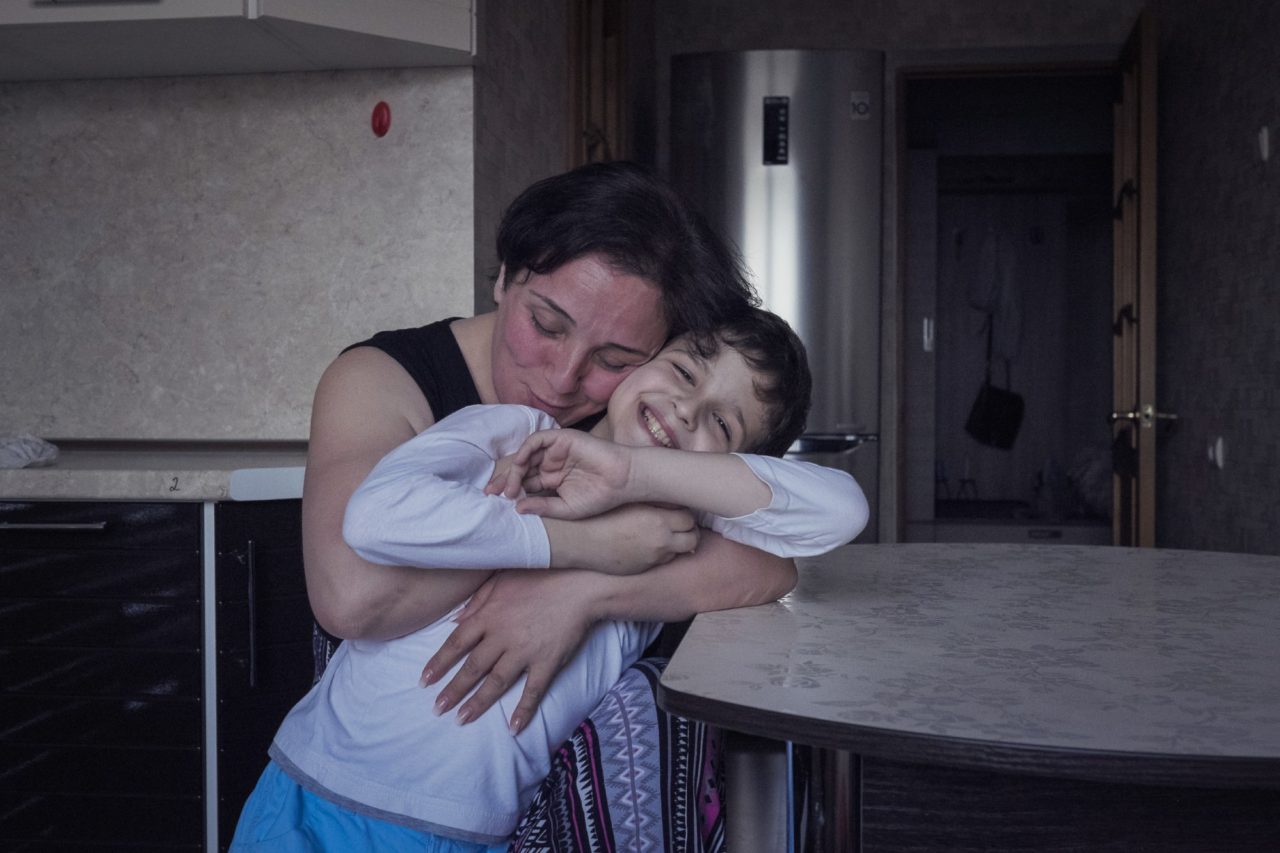 Ахиллес и его мама Марина Фото: Оксана Юшко для ТД
Я взяла за руку Давида и подвела его к Ахиллесу. Мы встали перед ним. Я положила руку сына в руку Давида и сказала: «Веди его». Они пошли играть.
На следующий день я вижу, как еще один мальчик зовет Ахиллеса, он не реагирует. И тут подбегает к нему Давид и важно так говорит: «С ним надо немного по-другому, погоди, я сейчас тебе покажу, как надо». Берет его за руку и подводит к Ахиллесу. Вот эта фраза: «Как надо» — дорогого стоит. Дети с ранних лет учатся чуткости. Когда это разнообразие с детства окружает малыша, тогда для него непохожесть не является чем-то чужеродным, чем-то странным, чем-то страшным. А то иногда на улице можно услышать и такие вопросы от взрослых: а не заразен ли аутизм?
Находясь бок о бок с особенными ровесниками, дети учатся внимательности, заботе, учатся принимать других — непохожих. Это обоюдный процесс. Конечно, особенно поначалу, родители настороженно интересовались у своих детей, что происходит в школе. Но постепенно привыкли и они. За все время нашей работы ни одного эксцесса у нас не было. Ресурсный класс — это ресурс для всей школы, а не только для наших детей.
 Ахиллес Фото: Оксана Юшко для ТД
***
Проект инклюзии в Северной Осетии успешно развивался на протяжении трех лет. Каждый год Ресурсный центр выпускал в первые классы особенных детей, готовых к обучению. Сама Первая школа преобразилась. Из учебного заведения с дурной репутацией она превратилась в одну из лучших школ города. Однако долгое время родители особенных детей и специалисты Ресурсного центра не могли найти взаимопонимания с нынешним руководством министерства образования, которое в 2016 году возглавила Ирина Азимова. В кулуарах министерства им говорили: «Понарожали дебилов, а теперь мы должны ими заниматься». Работа центра и само существование ресурсного класса в Первой школе оказалось под угрозой. Пока писалась эта статья, сложные переговоры с чиновниками, наконец, дали свои результаты. При личной встрече Азимова пообещала выделить новую школу для ресурсного класса и оказывать полную поддержку развитию инклюзивного образования в республике.
Автор — специальный корреспондент «Новой газеты», специально для «Таких дел»
дети с аутизмом образование расстройства аутистического спектра социальная помощь