Translated material
The Greeks are not allowed
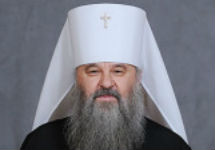
The Greece authorities refused to issue a visa for a "pilgrimage trip" to Greece to the manager of the Moscow Patriarchate of Metropolitan of St. Petersburg and Ladoga Barsanophy, TASS reports with reference to the management of the Patriarchate.
"Vladyka Barsonofius has been making a pilgrimage to Athos for many years. This year, the consular department (embassies. - Ed.) Greece was denied a Schengen visa," the administration said.
To visit Athos, in addition to the Schengen visa, it is necessary to obtain a special written resolution from the Greek Bureau of pilgrims (Diamonicity).
In early August, it became known that the Greek authorities refused to issue visas at least ten clergy of the Russian Orthodox Church. Among those who were not able to get a visa were an employee of the missionary department of Abbot Agafangel (Belykh) and the former head of the press service of the Patriarch of Moscow Archpriest Vladimir Vigilyansky.
In response to the Russian Foreign Ministry on August 6, the Ambassador of Greece Andreas Friganas was called . He was awarded a note "informing about the mirror measures accepted by the Russian side in response to the unfriendly actions of Athens in relation to Russian diplomatic employees and citizens." What kind of response measures were meant, was not specified.
On August 11, the media reported that Athens recalled Friginas from Russia . It was claimed that the decision was made by the head of the Greek Foreign Ministry Nikos Croesas. Meanwhile, on the website of the diplomatic mission, he is still listed as an ambassador.
On July 11, it became known that Greece sent two Russian diplomats , and forbade two more entry into the country. The newspaper Kathimerini called the name of one of the exiled officials - this is a certain Viktor Yakovlev.
The Russians were accused of attempts to intervene in the internal affairs of Greece and actions that undermine national security. According to Kathimerini, it was about illegal collection and dissemination of information, as well as attempts to bribe Greek officials.
It was noted that Moscow tried to strengthen the influence on bureaucracy and clergy, including through the Imperial Orthodox Palestinian society, and also intervened in the conflict around the name Macedonia .
The press secretary of the Russian Foreign Ministry, Maria Zakharova, called the decision of Athens a "dirty provocation" and threatened Greece "consequences". Later, Smolenskaya Square said that the "anti-Russian" decision of Greece "was dedicated to the NATO summit", which was held just on the 10th day of July, and that it "stands in Washington".
In response to the Greek Foreign Ministry, Moscow was accused of "unchanging disrespect" to their country. “It was such a negative way of thinking” by Moscow, noticed in Athens, and ultimately led to the expulsion of Russian diplomats. The evidence that the officials of the embassy tried to intervene in the internal affairs of Greece and took actions to undermine its national security were represented in a timely manner to Moscow.