
Translated material
RBC: The Ministry of Energy offers to begin to subsidize gasoline prices ahead of schedule
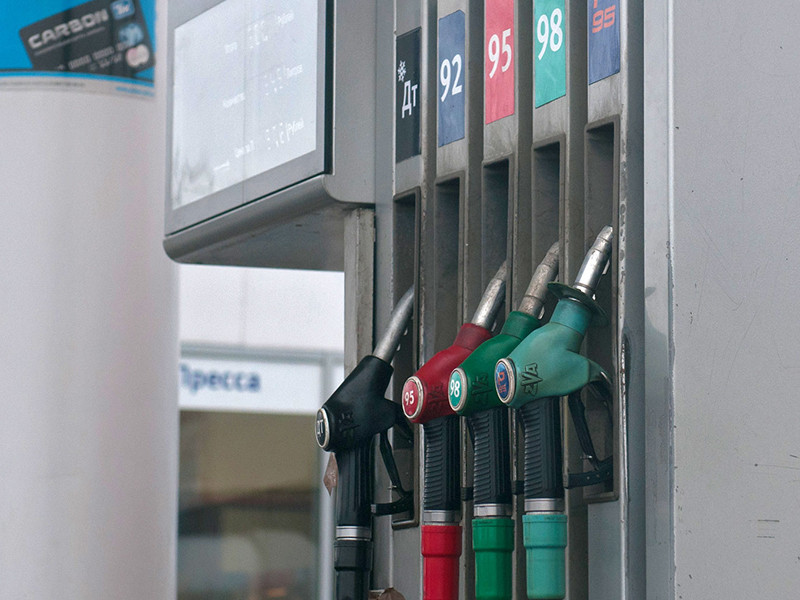
The Ministry of Energy turned to the government with the initiative to start subsidizing gas prices not from January 2019, as was supposed earlier, but from October 2018, RBC reports with reference to sources close to the government and one of the specialized ministries, as well as to the federal official.
It was reported that the authorities can revise the size of the so -called damping allowance, which, in the event of global fuel prices, will maintain low gasoline prices and diesel fuel in the country. It was noted that oil companies can receive 120 billion rubles from the budget to maintain low gas prices, but are asked to increase the amount of up to 200 billion.
The authorities have been going to introduce a subsidy from the beginning of next year. However, due to changes in the macro recently, officials have counted everything and realized that measures should be taken earlier, the article said. Now, by agreement with the government, oil industry workers are forced to hold fuel prices at the end of May.
The damper was calculated, focusing on $ 60 per barrel of Brent oil and 58.5 rubles per dollar. It was assumed that oil prices would fall by the end of the year, but this did not happen.
According to one of the sources, the government agreed with the oil workers that in the fall it would allow them to gradually release gas prices, since it is impossible to keep them on the same level forever. The Ministry of Energy decided that the introduction of subsidies in October would avoid too sharp increase in gas stations.
As the representative of the Ministry of Finance noted, from October 1, the use of the damping components is impossible, since these expenses are not laid down in the budget law. The costs of solving the problem of maintaining prices in the domestic market at an acceptable level should share the state and oil companies among themselves, the department noted.
The representative of the chilling fuel and energy complex, Deputy Prime Minister Dmitry Kozak, Ilya Jus, told RBC that so far it has not been made decisions on the early introduction of the damping allowance. However, the government will constantly monitor the situation and has the necessary tools in its arsenal to stabilize retail prices in a dangerous case, he assured.
Representatives of the Ministry of Energy, Rosneft, Lukoila, Gazprom Neft, Surgutneftegaz and Tatneft have not yet answered the request of RBC.
Recall that the price of gasoline in Russia began to grow at the end of May and by the beginning of June exceeded the level of 41-43 rubles per liter. At the end of May, the government announced a decrease in automobile fuel excise taxes and agreed with the largest oil companies that they would temporarily record prices at the level 30 before making a decision to resolve the situation.