
Translated material
The EU extended individual sanctions against Russia for another six months due to violation of the sovereignty of Ukraine
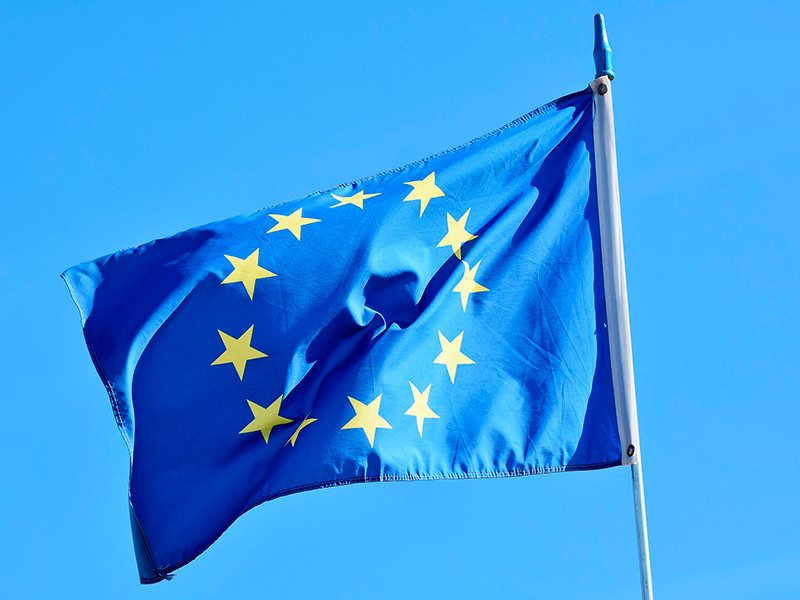
On September 13, the European Union extended anti -Russian sanctions for six months - until March 15, 2019. They affect 155 individuals and 44 organizations.
"The EU Council extended restrictive measures due to actions that undermine or threaten territorial integrity, the sovereignty or independence of Ukraine for further six months - until March 15, 2019," the statement published on the website of the European Council said.
Sanctions will affect 155 individuals and 44 organizations. Measures include freezing assets and restrictions in movements. Now information about this decision will be published in the EU official Journal on September 14, 2018.
"The assessment of the situation did not justify the changes in the sanctions regime," the EU Councils notes in the statement.
Currently, the EU’s economic sanctions are in force against Russia in relation to certain sectors of the Russian economy - in July they were extended until January 31, 2019, as well as restrictive measures in response to the illegal annexation of Crimea and Sevastopol, they are extended until June 23, 2019 .
In total, Russia has several packages of EU sanctions: economic, individual restrictive measures and sanctions on Crimea and Sevastopol. All these packages were introduced during 2014. The first two sanctions blocks are extended once every six months, and prohibitive measures against Crimea - once a year.