
Translated material
Konstantin Sonin: "What to do with money"
Konstantin Sonin 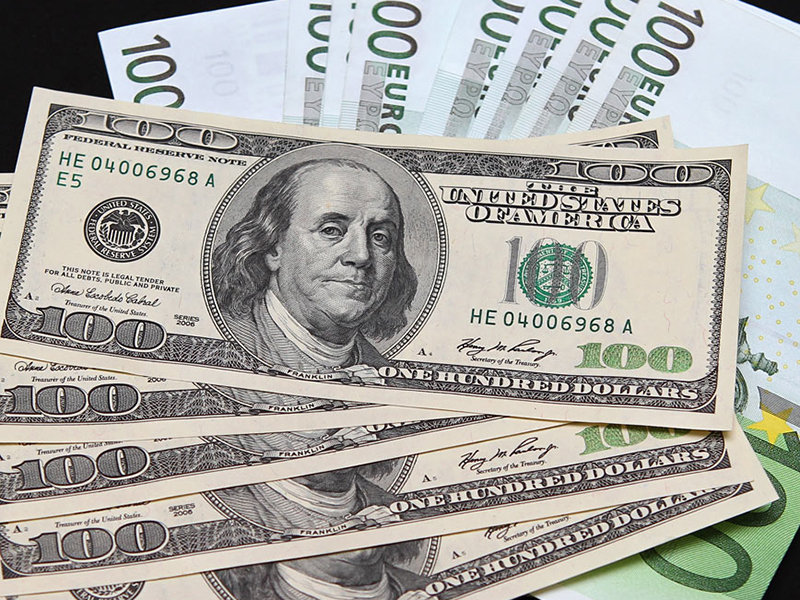
“Each sharp jump in the ruble course raises questions to the economist - what to do with money? Since all my answers to friends and acquaintances are different options for the same answer, I decided to write it briefly. Use - or do not use it at my own fear and risk,” the economist writes on his Facebook page.
"1. Never, you need to" play on the foreign exchange market. "Of course, you do not need to play at any venues, but you don’t need to dispose of your savings, based on considerations about currency courses. On average, a person who even knows how to trade, loses and loses money in the foreign exchange market. Only insiders and very large players can win without serious risk.
2. The main reason to keep your savings in dollars is "avoiding risks." Savings in dollars will not give you additional earnings-but the risk that the ruble will lose 30-50 or even 100 percent (relative to goods) is significant, albeit small, and that the dollar is almost zero. There is no safer and liquid asset in the world than a dollar or euro. When the politician - whether President Erdogan or Minister Maxim Oreshkin says "sell dollars" - he cares about macroeconomic policy, and not about your wallet.
3. Are currency deposits reliable in banks? Firstly, it depends on the reliability of the bank-respectively, during the period of shocks, you do not need to chase a high interest rate-it is necessary to the contrary. Secondly, there is, albeit small, the danger that foreign currency deposits will be forcibly turned into ruble, as happened in 1998. (President VTB Kostin said this yesterday) In this case, of course, the return will not take place at the rate that will be on the day of issuance - that is, there will be significant, ten percent, losses.
If there is a major currency contribution, I would now, in 2018, have removed a third or half and put in a bank cell. Of course, in this case there will be losses (interest + dollar inflation, about 3% per year now), but it makes sense - this is expensive insurance for a possible, but unlikely and extremely unpleasant scenario.
4. Is the bank cell much more reliable than the currency contribution, say, in Sberbank or VTB? Well, I would assess the risk of what Kostin is talking about - forced conversion into rubles, say, 5-10% (escalation of insulation and strengthening of sanctions to such an extent), and the risk of removing bank cells is less than 1%, the difference is several times. The conversion was in 1998, and in the world it occurs periodically-and requires, roughly speaking, a political decision. The expropriation of cells last time happened during the revolution a hundred years ago and requires about the same - a real, not a palace revolution, with a security of property, apartments, cars. It seems superfluous to insure from this. "