
Translated material
England: Paracetamol Forever
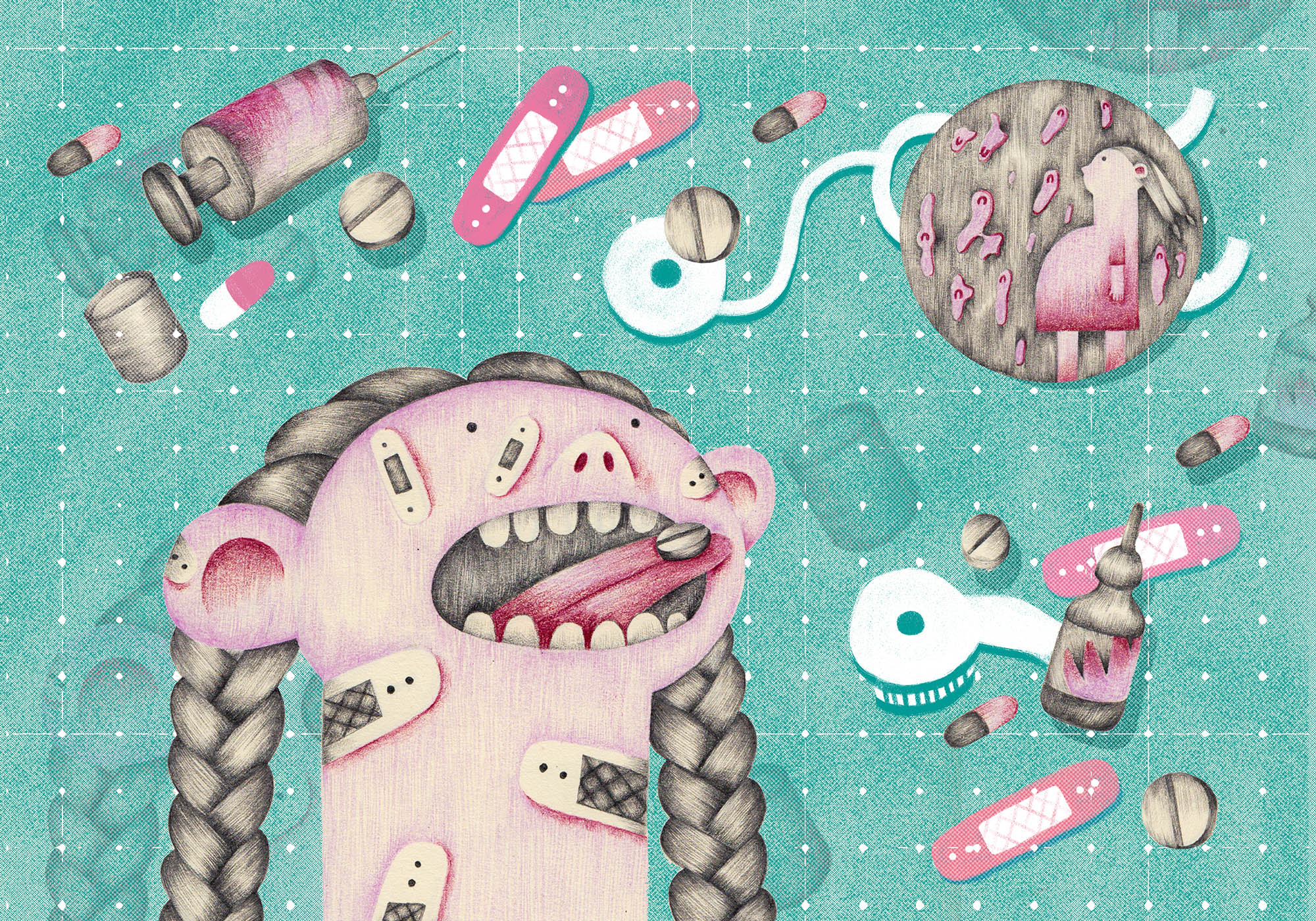
The English free healthcare system NHS is at the same time national pride and subject for the most severe criticism. A rare immigrant will not be horrified by the paracetamol prescribed for all occasions and refusal to prescribe tests at the request of the patient. But when it comes to really difficult cases, it becomes clear why the British started all this and how they live with it
In English society, it is customary to treat diseases calmly and even stoically. If something hurts, then the first advice will wait, because most likely it will pass by itself. In addition, the British have long known: most of the ailments begin with dehydration - even posters in the London subway will remind you of this (“Always carry a bottle of water with you”).
Well, if time and water did not help, then it is necessary to drink paracetamol, then everything will definitely pass. The addiction to paracetamol has a truly national scale. It must be drunk in any case, with any problems and always carry it with you. In rare cases, ibuprofen can be added to it. In supermarkets, they are sold without brands, simply under the names “Paracetamol” and “Ibuprofen”.
My English acquaintance said that a few years ago an article was published in the newspapers that paracetamol helps from mental pain. The question is so serious and important that the doctors had to release an official refutation: “Take into account: after clinical trials, we came to the conclusion that paracetamol does not help to calm the pain from serious emotional experiences.”
With such introductory ones, one could expect that the British love to engage in self -medication as much as, for example, Russians. But no. The fact is that only the most basic and elementary drugs are freely sold in the pharmacy. To buy a more or less serious medicine (for example, drops for the ears), you need to have a prescription that the therapist gives out.
It is then that NHS is on the stage-the national healthcare system that any resident of the country can use free of charge.
How did NHS work and how it works
NHS was created in 1948, shortly after the Labor Party came to power. The fact that it was the Laborists is important, because since then NHS has become a kind of symbol of the party that adheres to socialist ideas.
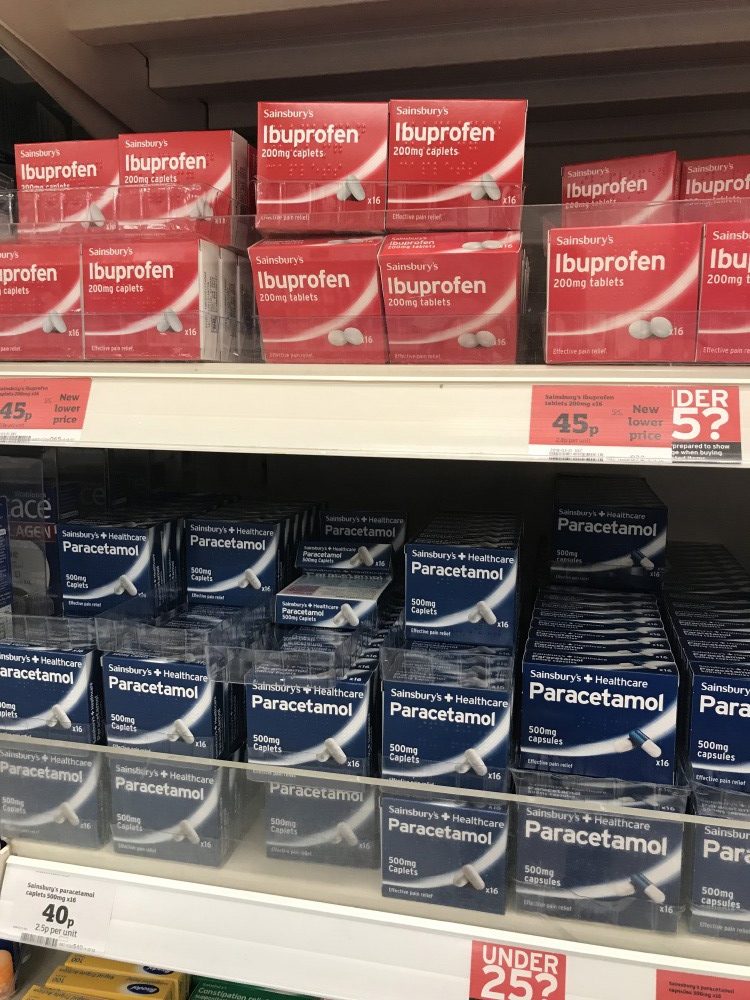 Paracetamol and Ibuprofen in the English supermarket Photo: From Personal Archive
Then the Ministry of Health promised to create a medical system that would be free, accessible to all residents and was funded exclusively at the expense of taxes. And they did it. For 70 years, NHS has become one of the foundations of English society and a national treasure. For free, everything except dentistry and ophthalmology. Moreover, it does not matter what complexity the intervention requires the patient: a general blood test or an open heart surgery.
The lower stage of the NHS, through which you will have to go through any disease, is the doctor GP (General Practitioner), which is also a local therapist. He will accept you in the clinic, to which you are attached to the place of residence.
For a Russian person, the first appointment of an English therapist is a shock. My doctor silently looked at the sore for half a thing on my arm, then in my eyes climbed into Google, drove eczema, went on a page with pictures and 30 seconds thoughtfully betrayed: “Yes, it looks like! ..” I incorrectly interpreted my dumbfounded look, he added: “Don’t worry, I will print you with you.”
No more than ten minutes are allocated to the reception of one patient, during which the doctor should decide what to do next with you. One of the favorite (and fast!) Methods of diagnosis in this situation is to ask the patient to evaluate his pain on a scale from one to ten. My husband tried to cure constant pain in the shoulder, which appeared after playing tennis. Having visited the therapist, he returned home in a gloomy mood. To my question, what happened, it was annoyed explained that he had forgotten what figure from 1 to 10 named last time. Therefore, when this time he appreciated the pain on the five, the therapist joyfully said: “Oh, the last time it was seven, it went to improve!”
The maximum that you can count on after ten minutes at the therapist is a prescription for a medicine or a referral for a blood test.
This system as a whole works on the principle that I heard from my grandmother as a child: “The treated runny nose passes in two weeks, and the untreated - in 14 days.” At first it is difficult and even scary to get used to it, but over time you understand: the runny nose is really almost always passing by yourself, for a cold and there really is nothing better than plentiful drinking, and antibiotics do not make sense to write out without a good reason.
Therefore, it is necessary to take paracetamol and wait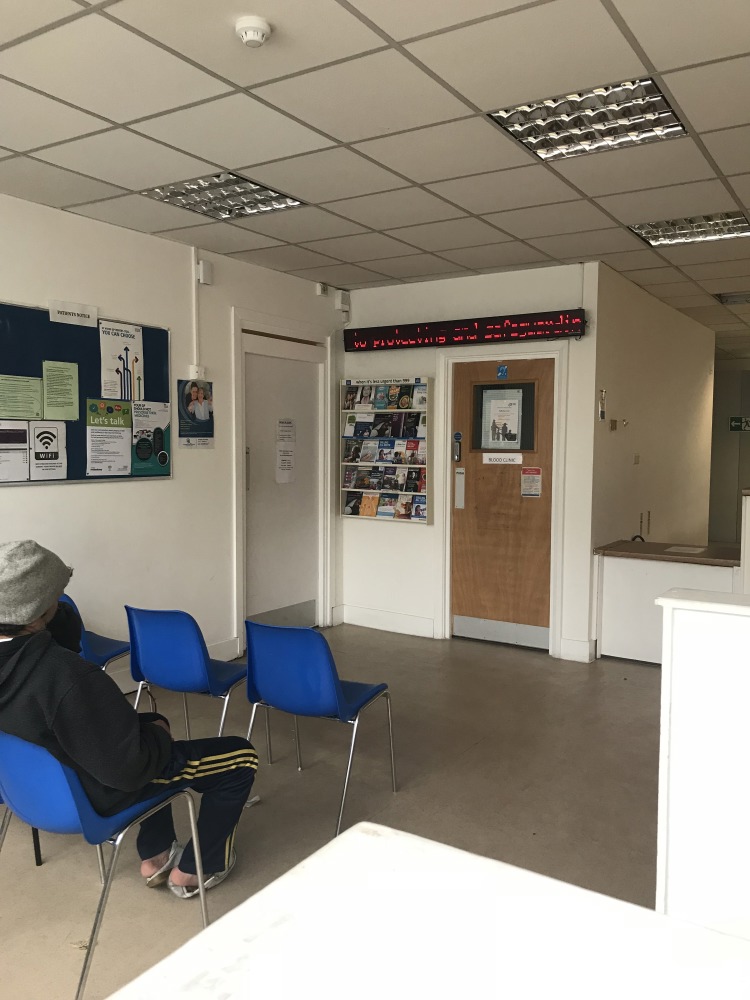 This is how the typical reception of a GP doctor photo: from a personal archive
You will be able to achieve the reception of a lorus, gynecologist, neuropathologist, or any other specialist if something is seriously wrong with you. The number of these experts is limited, they work at large hospitals, so only those people who have passed into a chronic sinusitis, and a cold - into the lung inflammation come to them. If the problem is not acute, you can wait for months - all for the same reasons.
But if you suddenly need urgent help - you will be in good hands with NHS. The fact is that any doctor in the UK is obliged to work in NHS - even a private specialist who has 250 (and sometimes 600) pounds. It doesn’t matter whether he spends one shift per month in the hospital or appears every other day - without working in the national healthcare system, he will simply lose a license.
Many London hospitals have separate paid departments: with beautiful new chambers, three meals a day and jacuzzi. The night in such a ward can cost a thousand pounds and more. In the next department, the bed will be free, and the service and situation are much more modest.
But no matter how much you paid for hospitalization, when it comes to serious intervention, you will find yourself in the same operating NHS with the same doctor as ordinary mortals.
Pregnancy and principles of evidence -based medicine
When I arrived from Russia to the UK three years ago and first collided with NHS, everything was wildly annoyed. Why can’t you just get to the gynecologist, and not describe the therapist on the fingers, what's wrong with you? Why can not you get a referral for an ultrasound or x -ray if I worry and want to be checked? Why, in the end, cannot be paid and make everything quickly bypassing the common queue?
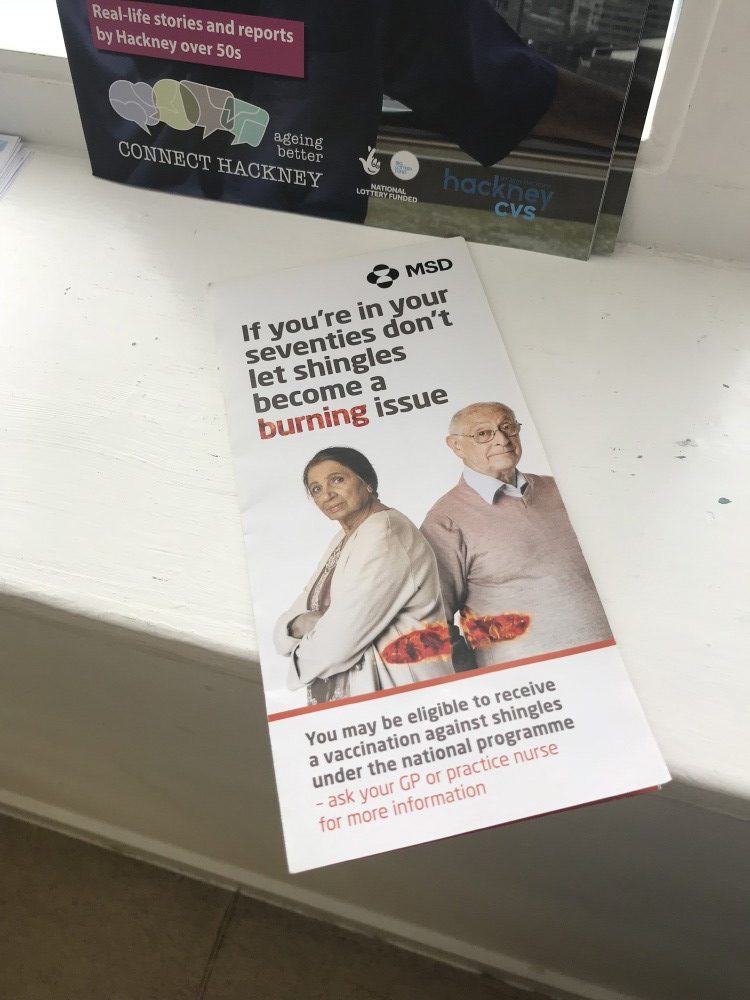 Booklets on the prevention of all in the world in the reception of GP (in the clinic) photo: from personal archive
As a result, I avoided free medicine and on urgent issues I only went to paid doctors. This tactic had to be changed during pregnancy-paid birth in England cost an average of 15-20 thousand pounds. And then it became finally clear to me that the NHS system is based on two whales: prevention and following the rules.
Free medicine in combination with the rapidly aging population and the constant appearance of new diseases cannot exist without prevention. Therefore, all the inhabitants of England aged 40 to 74 years undergo a full examination every five years - statistically, this helps to prevent heart disease, kidneys and so on. It is much cheaper than dealing with a patient who takes a place in a hospital bed.
This also applies to pregnancy: every woman for pregnancy relies on three ultrasound. If there are no grounds for additional checks, then you will not receive anymore.
Each examination at the midwife begins with a measurement of pressure (helps to detect all sorts of diseases dangerous for pregnant women), express urine analysis (a special testing stick is painted in different colors right in front of the eyes) and ... measurement of the abdomen with a centimeter ribbon. This struck me to the depths of my soul: how accurately such a dimension is, and most importantly - what can it show?
But this is just the second principle of NHS in action - following the rules. The rules of these billion, the patient learns about them by chance, but the doctors and medical staff follow them strictly.
This is how this principle worked with me. During one of the control measurements, it turned out that my stomach is two centimeters less than normal (someone once installed these norms!) And this meant that I urgently needed to conduct an additional ultrasound, which would appreciate the size of the fetus. If he has too low weight, then this must be monitored - the fetus may not develop properly.
Thanks to the following rules, doctors not only did not miss anything important, but also closely watched how the child developed.
These rules eventually saved my life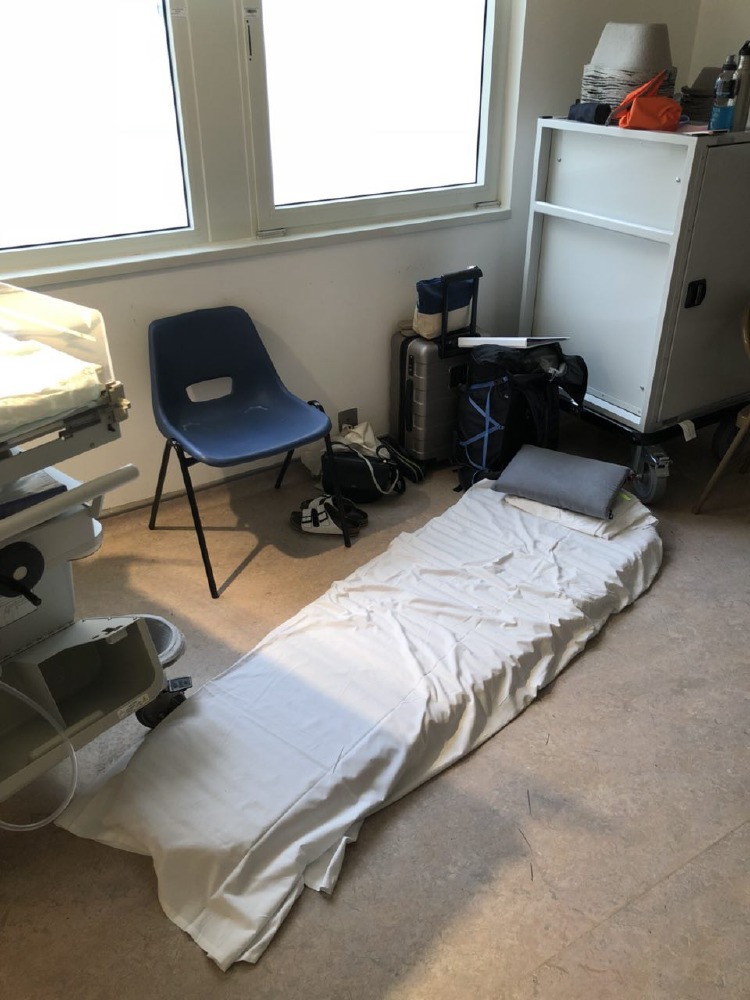 Maternity department in a hospital with a place where a partner can sleep : from a personal archive
During not the simplest births, I lost more than one and a half liters of blood (according to the protocol - the rules! This is the basis for blood transfusion). Then for two weeks I drank antibiotics (rule after blood transfusion). I got to the hospital again in two weeks (the rule is to hospitalize a woman with postpartum bleeding, if it does not become less). It turned out that there was a part of the placenta in me. It is quite unusual and dangerous to find out this two weeks after childbirth. But thanks to the long course of antibiotics (see the rules above), I managed to avoid sepsis and more terrible consequences, and I arrived at the hospital by bus, and not by ambulance.
It all ended well, but such a story is a huge stress. Therefore, according to the rules, I was supposed to have additional visits of midwives, which were separately interested in my psychological state. In principle, great attention is paid to this issue in England, and pregnant and young mothers, according to the rules, are risk groups. I was given a lot of booklets about postpartum depression, methods of self -diagnosis and with information about where to contact.
So after pregnancy and childbirth, I changed my attitude to the system - having learned that professionals with a high level of medical training and incredible empathy for patients work in it: they not only treated me, but also spared, listened, at each stage they explained every detail and held my hand when I could not hold back her tears.
Now I drink paracetamol and, as the British do, I try to not contact doctors without urgent need not to load them. After all, while you take a place in line with your trifling rhinoma, someone else, perhaps, really needs help.
England Free Medicine Medicon is such an alien emigration