
Translated material
The territory of the world
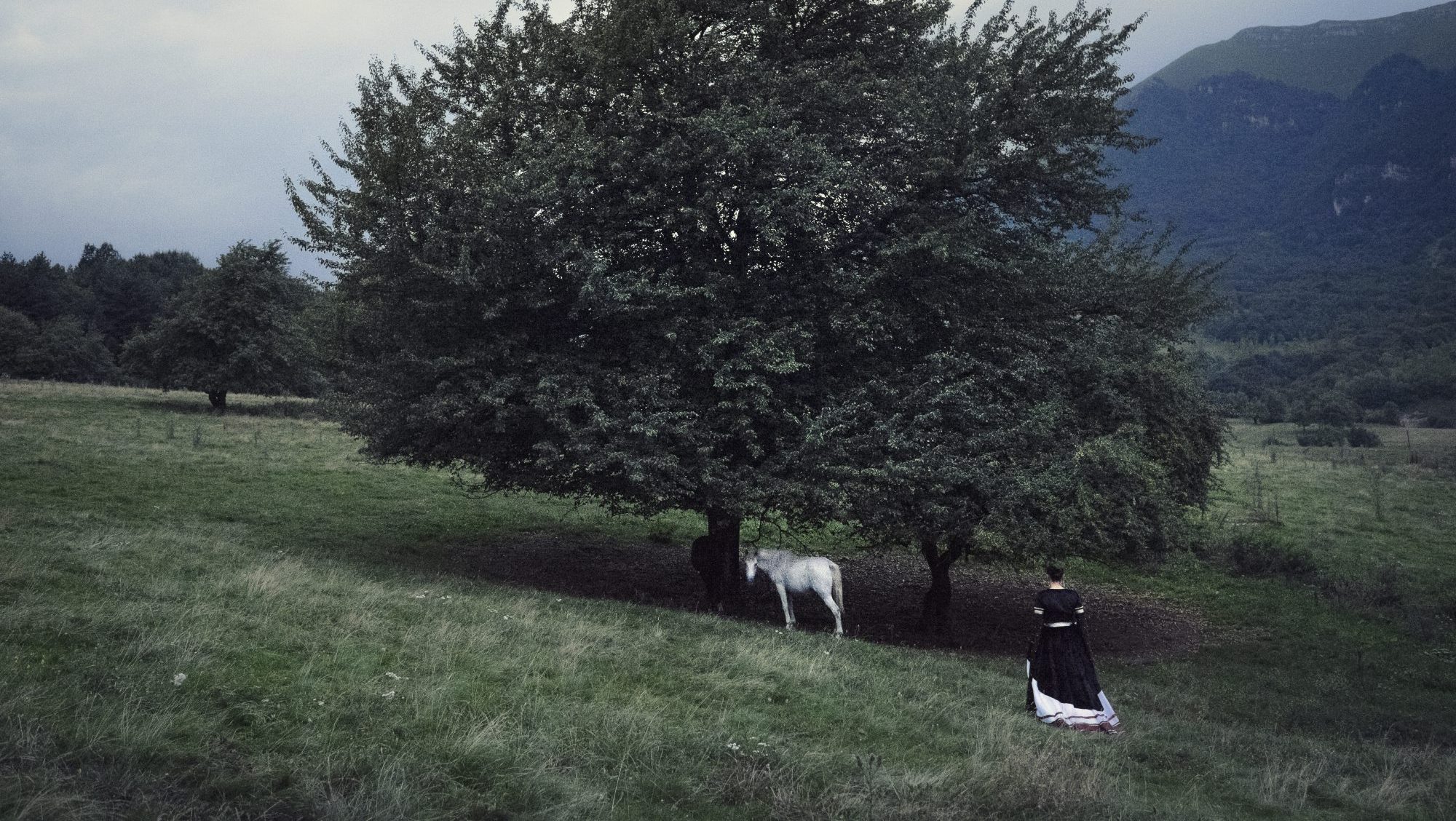
In the Caucasian village of Balta Bok, Ossetians, Ingush, Georgians and Russians live. And despite all the wars around, they manage to avoid ethnic conflicts
I stand in the middle of the village of Balta in North Ossetia between Stalin and Lenin. Lenin is silver, Stalin is golden. Between them, the police station and the policeman in Budochka, who is embarrassed to get into the frame with the bust of the leader. Behind the Terek is seething. Ahead is the track along which heavy trucks are frightening. Behind the highway and around are mountains. From the mountains, a bearded man in a black horse descends to me. The horse has a long mane with a woven red ribbon. The horse approaches the edge of the highway, and the world, along with heavy trucks, freezes. Kamazy stops, a bearded man on a horse crosses the road. The horse is large and norovy - mechanically pressed into Stalin. The stallion stops nearby, delights on the asphalt with a hoof and snorts, blowing off the bangs from my face. From this moment, the real life ends.
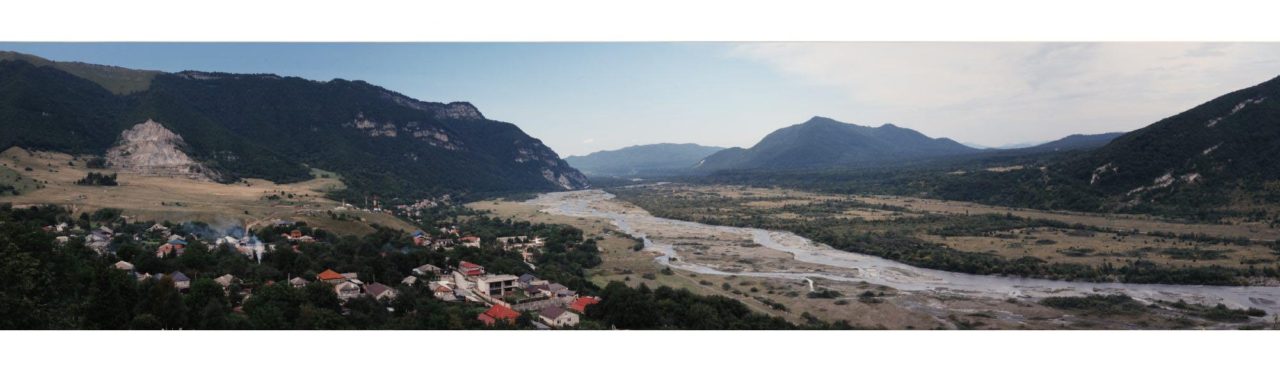 View of the Terek River from Upper Balta Photo: Oksana Yushko for TD
The village of Balta in North Ossetia is located on the military road, on two borders: Georgian and Ingush. Before Georgia (Upper Lars) 15 minutes by car, to Ingushetia - about 40. Thanks to this neighborhood in the village, everything mixed up: nationality, traditions, cuisine, marriages and religion. But most importantly, the inhabitants never shared anything and did not fight even when they killed and burned around.
In the early 1990s, a Georgian-Ossetian conflict occurred, and in 1992, a bloody struggle between Ossetians and Ingush launched around the suburban region. And finally, in 2008 there was a Russian-Georgian war.
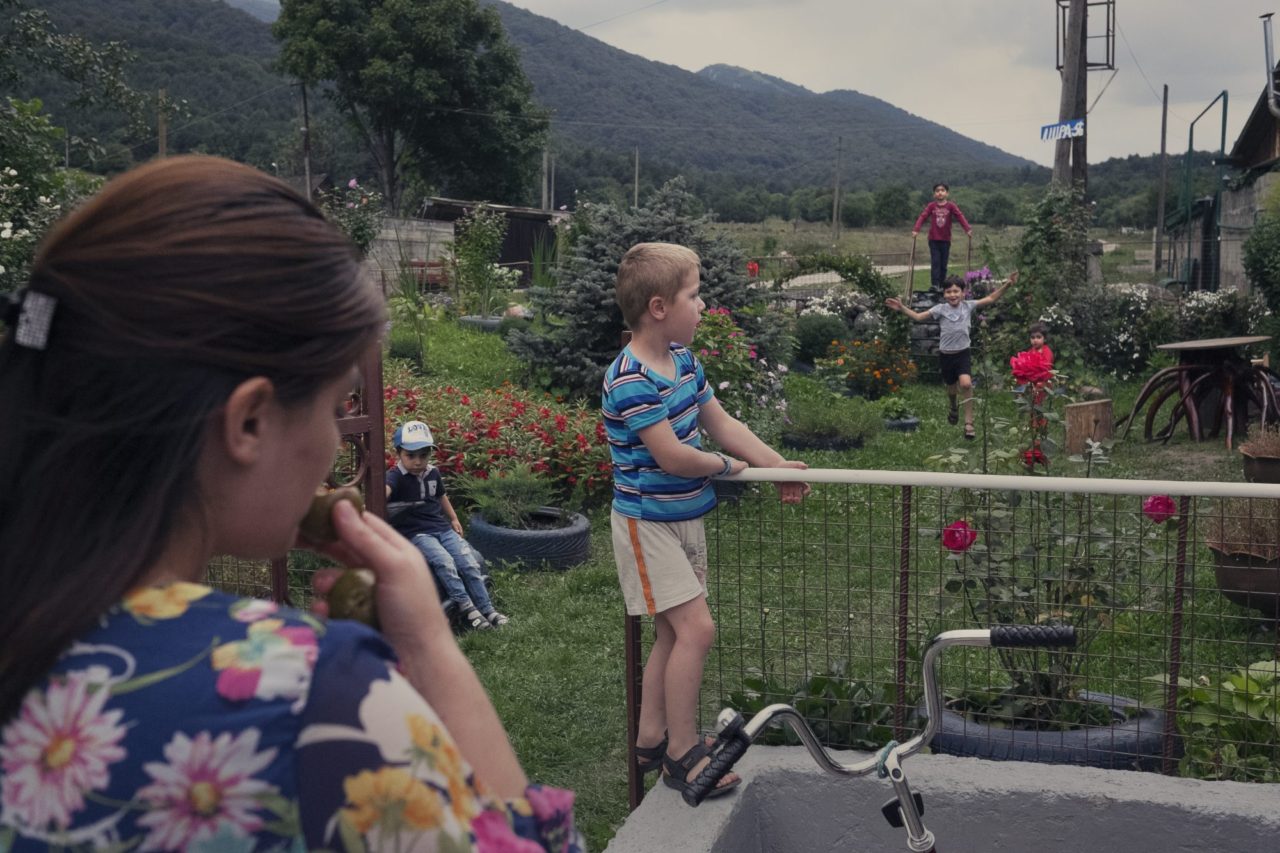 Balta village photo: Oksana Yushko for TD
Ingush, Georgians and Ossetians, who themselves do not remember how many years they live in close proximity, gathered the advice and decided: “We always lived together, all here brothers, so let everyone fight, and we will not be.” As a result, Balta became the only settlement where not a single shot sounded towards the locals.
Over the years, the inhabitants of the border Baltic were mixed (burned) with each other, and in every family there are “strangers” who are like their own. Here you can even meet the Ingush-Georgian and Ossetian-Ingush families, which is generally difficult to imagine due to the differences in religions. When standing in Balt, it is difficult to immediately understand where you got - not in Ossetia, or in Georgia, or even in a Muslim village. Women in hijabs and men in colorful hats walk the streets next to girls in jeans and long skirts. On the fences, carpets with different national patterns are dried. And from each house it smells of a national dish: somewhere Khinkali is boiled somewhere, somewhere Ossetian pies from beetroot tops are baked, and a dense smell of beef is swirling over someone’s roof-there will be a rich Ingush levy soup.
Balta is divided into two parts - the lower and upper. In the Nizhnyaya, on the international street, Ossetians and Ingush live mainly. Here is the mosque built with the money of the inhabitants. The upper one was inhabited mainly by Georgians. There, on the hill, there is a small chapel, on which they also dropped off the whole world.
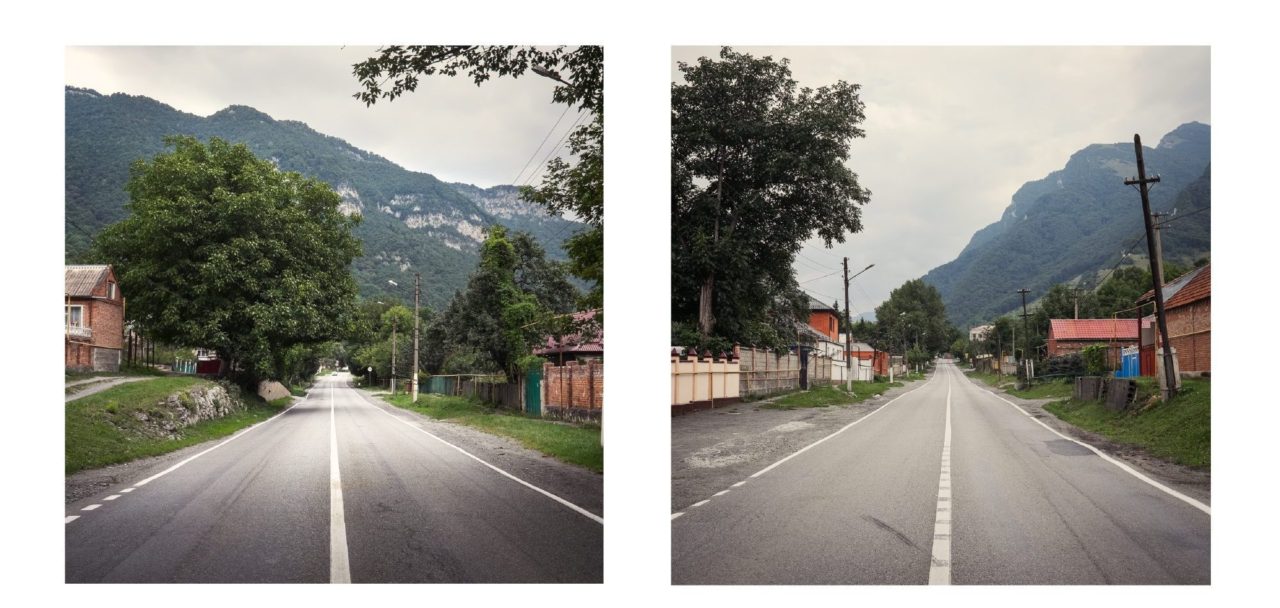 Military Georgian road. On the left: the road leading to Vladikavkaz. Right: the road leading in Tbilisi photo: Oksana Yushko for TD
There is no normal road to the upper Baltic. There is a rocky embankment along which the bus climbs several times a day (they don’t take money). And there is a “short path” - a path hidden by bushes, along which I am advised to climb up to save time.
I climb into the upper Balta, slinging on the drain. They ripened the fruits to anyone, fell to the ground and fell ill. The smell of "fermented plum wine" is so strong that the head is spinning. And while you reach the upper part of the Baltic, you feel intoxicated. Intoxication, however, is caused not only by plums. The village from all sides is surrounded by mountains of incredible beauty (Georgia just begins behind one of them) - you want, you don’t want to sway.
Apples and pears
In the village, I do not know anyone, but everyone knows everyone. While delirium up the path, wiping sweat with a handkerchief, local residents, including dogs and roosters, turn their heads after me. I choose a house with a beautiful front garden. In the yard there is a man with a thick mustache. I greet and tell me why I came. The man cannot answer questions about Ossetian-Georgian conflicts (there was nothing!), But he is ready to talk endlessly about traditions and life. I do not have time to blink, as I become a hostage to Georgian hospitality.
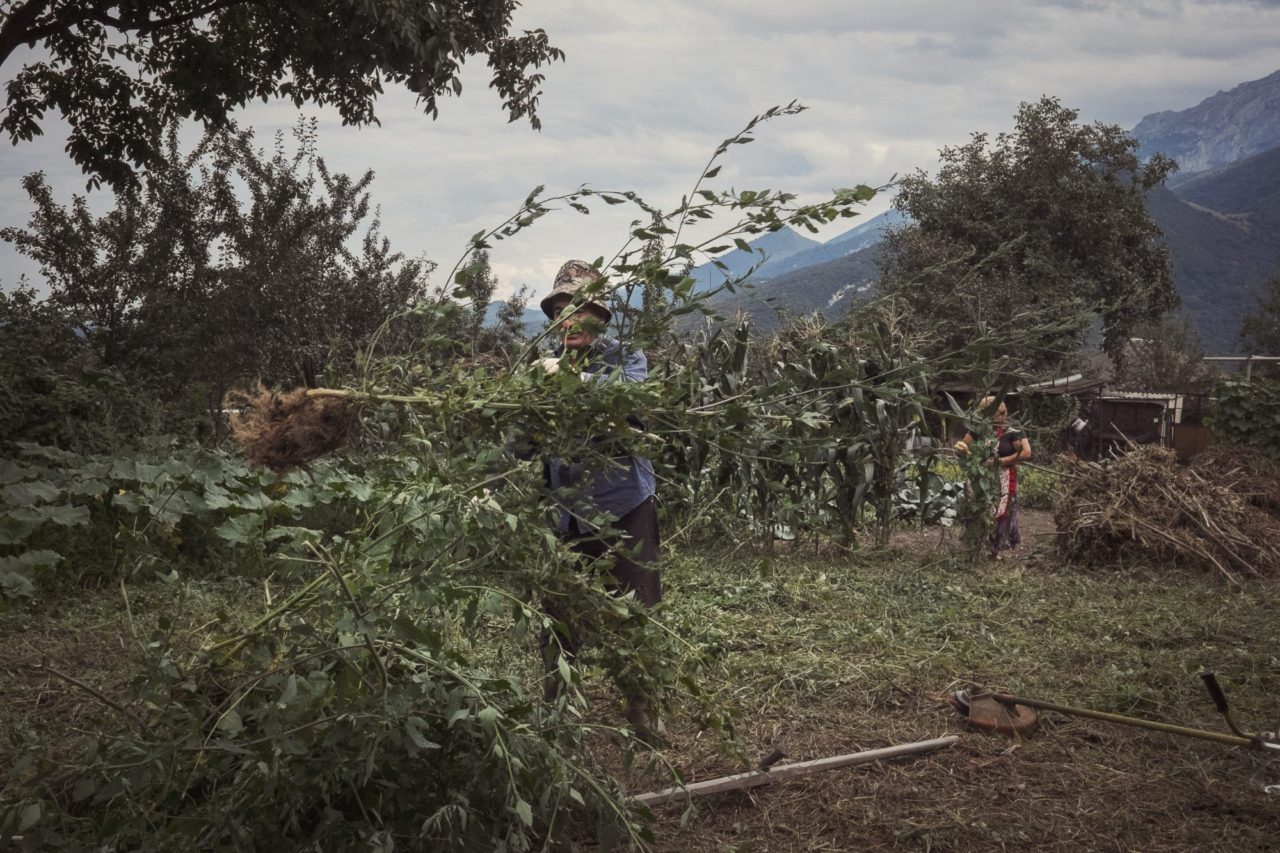 Alik mows hay photo: Oksana Yushko for TD
On the table, at which Alik Tinikashvili seats me (he is a Shota, but in the village everyone calls him Alik, and his wife Lily often goes to Lech - cross -border costs), food appears. “Here is Lavash - you haven't eaten like that! Try bread, fresh! But the blackberry - they just collected. Eat apples and pears yet, be sure. Here is tincture. Eeei, sniff first, then drink. What does it smell like? Well, what are you, this is a rose! Drink in one gulp. Try the cheese. I will give you “I can’t,” it’s not customary to say that! Tomorrow we’ll bake you firewood pies in the morning. Here is a Georgian coffee. Here is the bed - stay. But my wife, she will show you everything now. ”
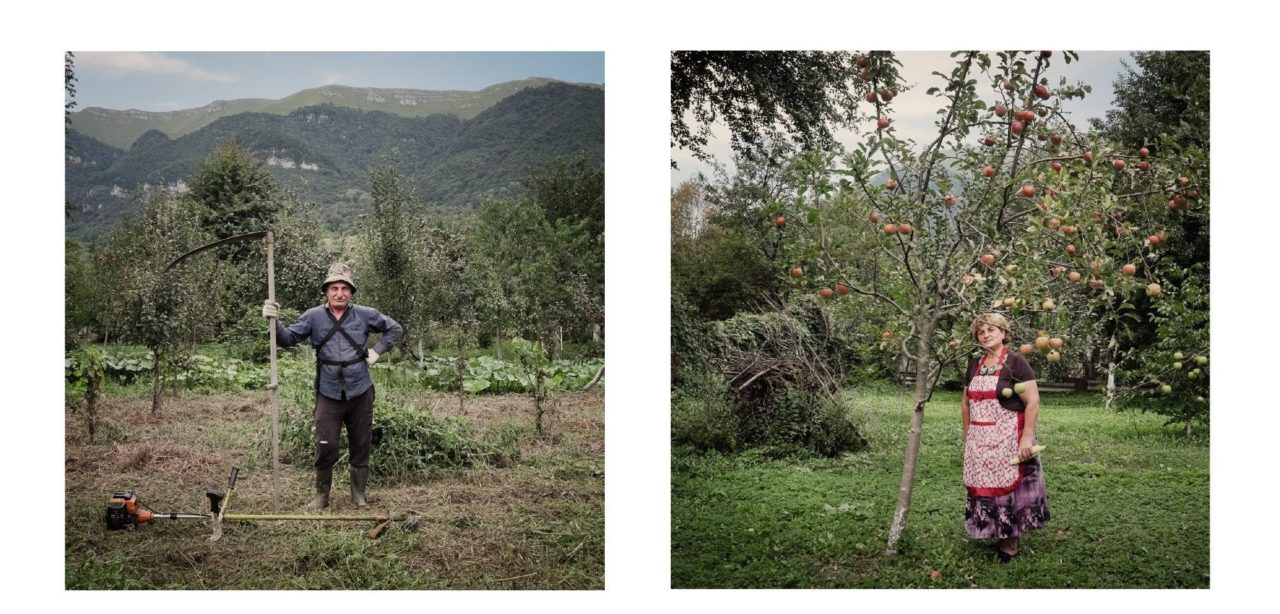 Alik and Lily in her garden photo: Oksana Yushko for TD
The wife of Alika Lily 55. He jumps around the mountains, like a girl, in home velvet slippers. I have hard to keep up with it. The tail of local children stretches behind us. Someone told them that I am their new teacher-they are looking at with respect, without taking out his fingers from his mouth. It smells of herbs, manure and normal life. On the right, wild pear, on the left, apples, fall directly onto the head. They bring me to a cliff - below the river, around the sky. I stuff my pockets with acorns, cheeks - apples. When there is no room left in the cheeks, Lily wrapps apples into my T -shirt.
We move from a hill to a hill in search of holy bushes - a symbol of Georgian Orthodoxy. Each family in these parts has its own bush - a place where they come to pray and sacrifice a ram. Lilya does not calm down until we go around all the bushes, and then shows the chapel. Small and comfortable, there are many icons inside - the locals brought, who had something. And who did not have - embroidered with beads. Right on the chandelier, swallows knocked the nest. Most people here happen during the mountain folk festival of Lomisob.
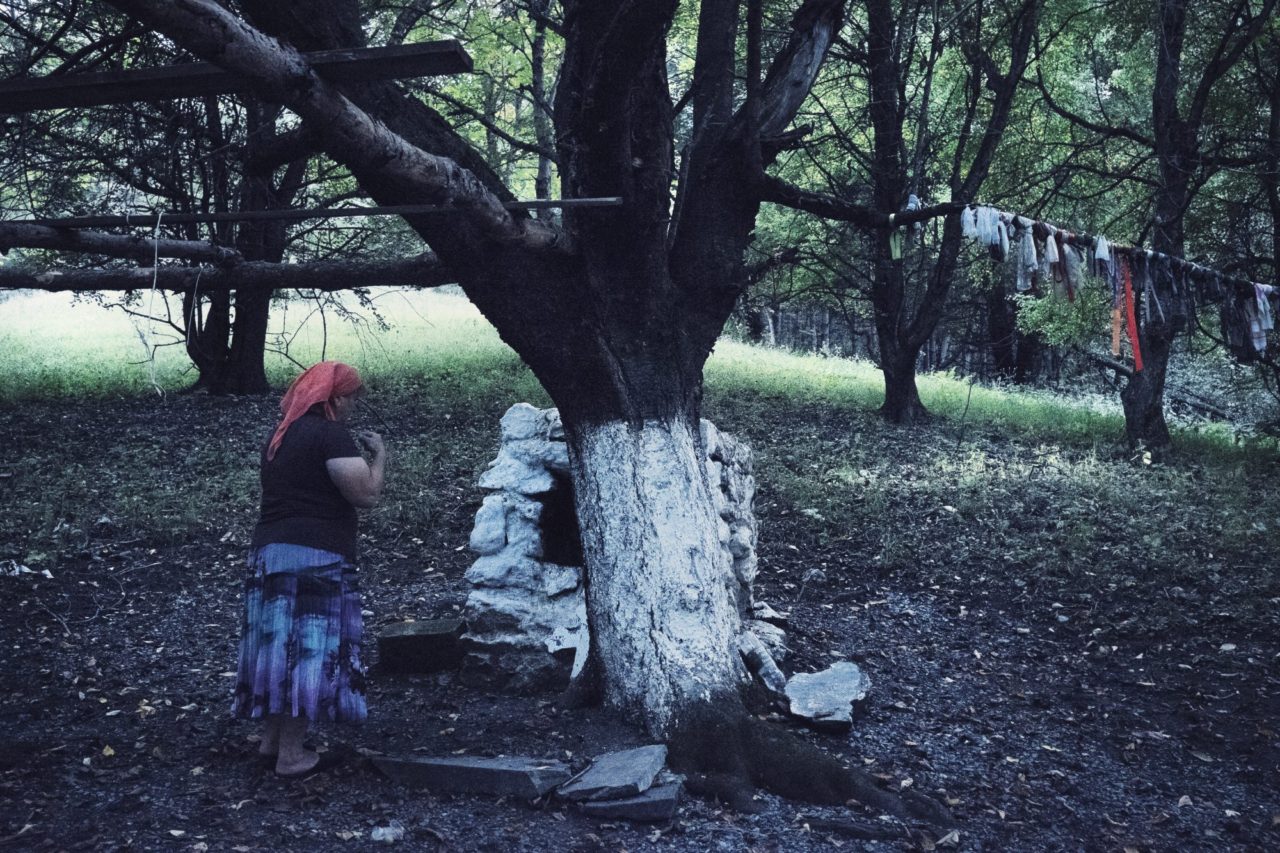 The holy place where the Orthodox residents of the village of Photo come: Oksana Yushko for TD
When I barely stand on my feet from smells and severity in my stomach, Lily leads me back to the house. On the table melon, halva, homemade wine, lemon balm instead of tea. Darkens. The whole crowd suddenly freezes. “Chshshsh, do you hear screams? It’s jackals shouting in the mountains. ” A piercing howl is heard in complete silence, and I forget where I came from.
The ancestors of Lily and Alik - from Georgia. Many moved here in search of a better life. They did not find a very better one, but they took root and remained, divided with the relatives of the border checkpoint.
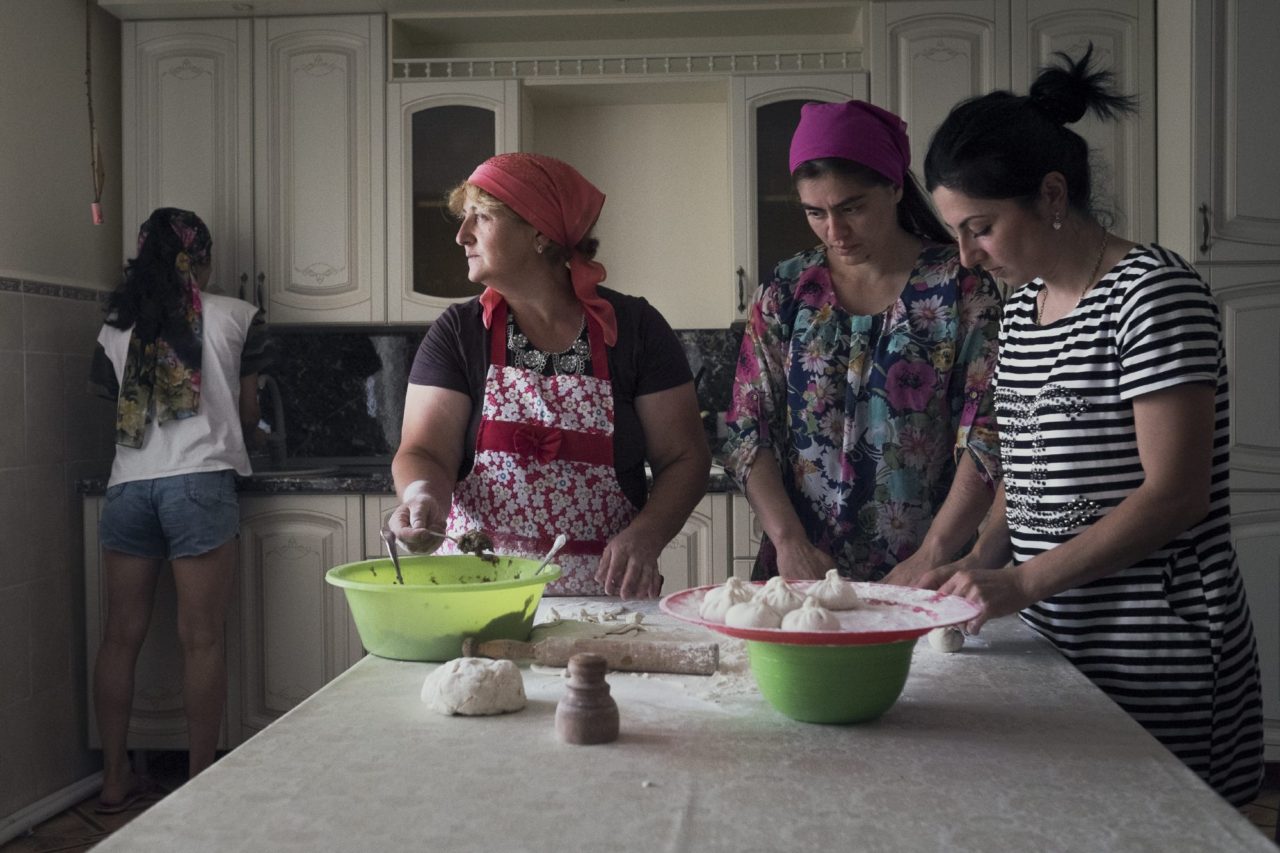 Alika family sculpts khinkali photo: Oksana Yushko for TD
Alik - Georgian, his cousins of Ossetians. Lily's family (her maiden name Pavliashvili) is a similar situation. Lily and Alik have three adult daughters. The youngest, Llyana, is studying at the university in Vladikavkaz on a psychologist. Two elders, Angelina and Gayana, work. Gayana is also raising his son. Tinikashvili has a good, neat house. Two pigs, chickens, garden. At first they seem to be wealthy and prosperous, and then we get to know each other better.
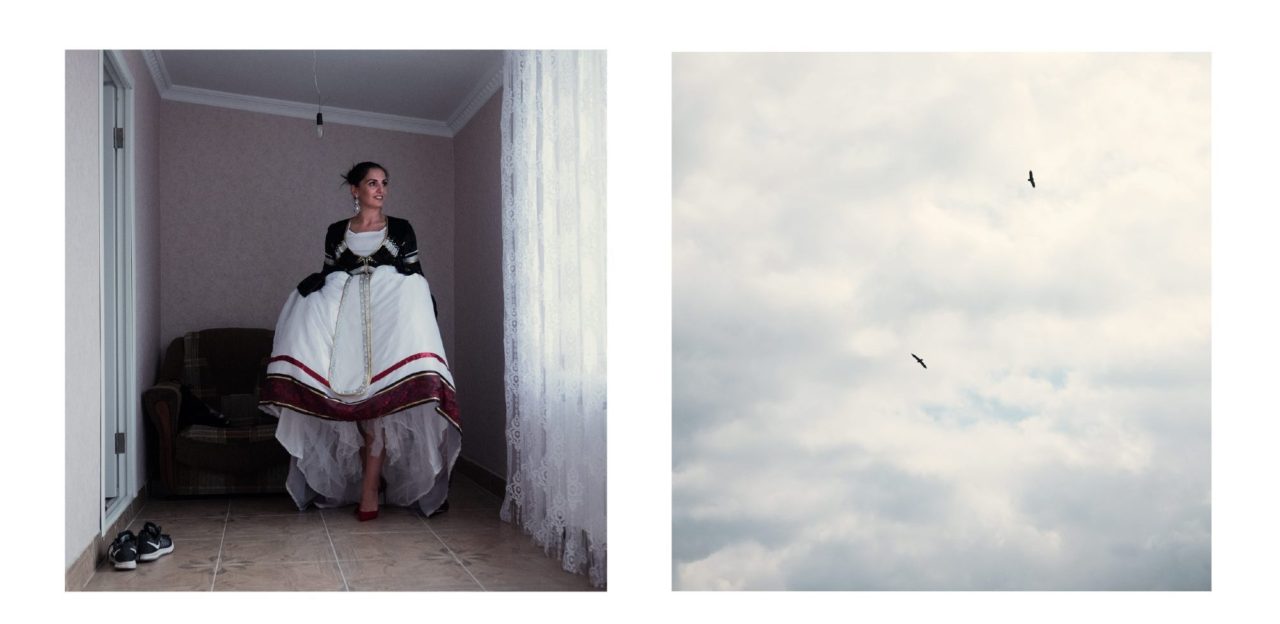 The middle daughter of Alik Angelina in a wedding Georgian dress, which she sewed in the courses. She doesn’t have a groom yet, everyone who likes it - relatives photo: Oksana Yushko for TD
Lily works as a teacher in a local kindergarten. He dreams of a fur coat, which she has not been able to accumulate in her whole life. On the holidays of Georgians, it is customary to wear the best, and in winter people come to the chapel in fur coats. And Lily is in a simple jacket. Alik never had a vacation - he was a driver all his life. Now he retired, but there can be no rest - there is nothing to live on, so he is working on a construction site. His first house in Balta, he and his father were independently built from walnut rods. “They smeared clay outside and from the inside and lived,” says Lilya. - Then he built this house. They built for many years - Alik's father worked as a loader in his career, what salaries there are! And so we are still completing everything. And there is no end. ” The kitchen of Tinikashvili was recently bought on credit. Alika’s car, the old “nine”, falls apart and rattles. For communal lily, she does not pay another month - there is nothing. And when it is possible to pay all debts in a lot, the family sits on what has grown in the garden. The standard of living in Balta is very low. The only plus of the boundaries is additional jobs at customs.
Despite the need, Tinikashvili, like real Georgians, always roll out on the table to the guests everything they have. And bread is cut from the heart, in large pieces. It’s not that they want to fire me with bread, just Georgians, in principle, do not recognize subtle slices.
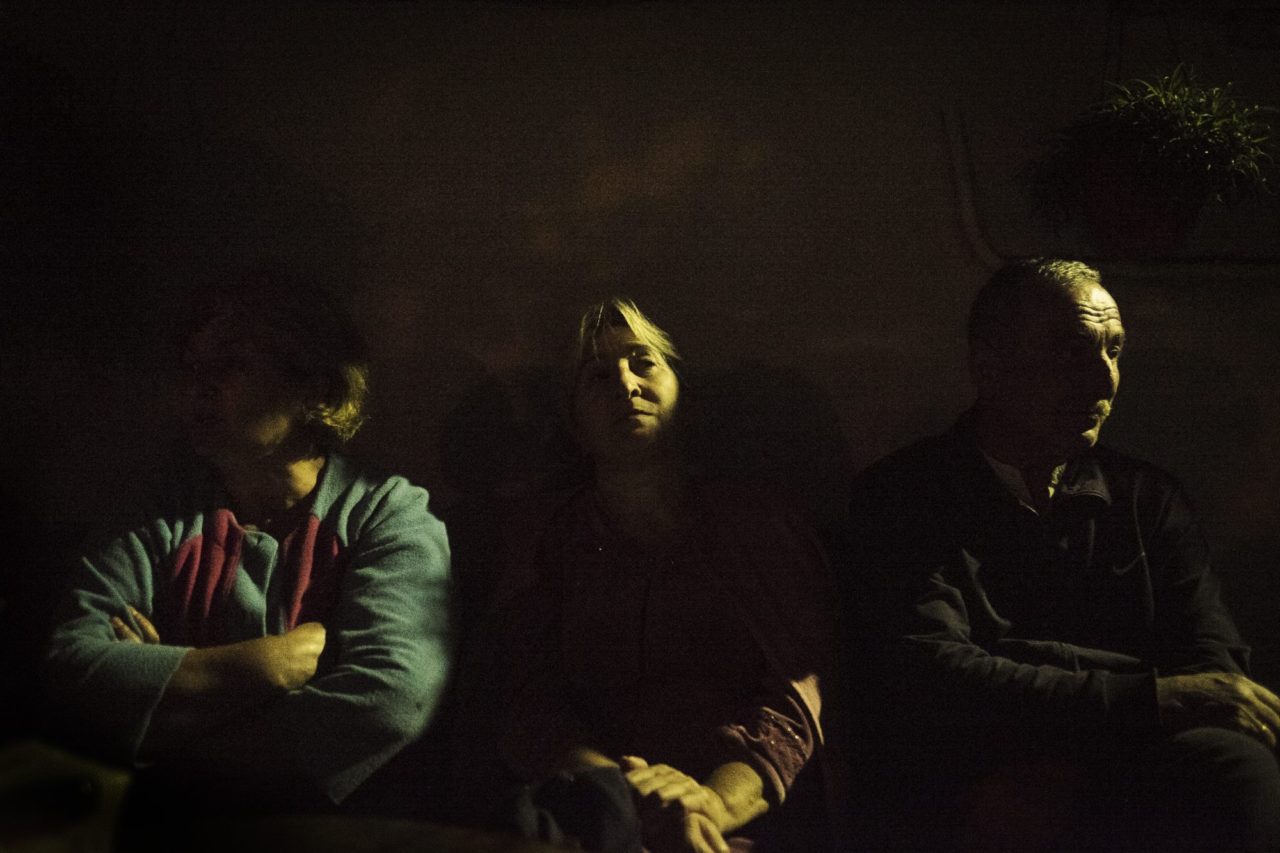
District gatherings with neighbors photo: Oksana Yushko for TD
“Once I was in Moscow,” says Alik, watching how I hardly bite off a thick piece of white bread with jam. - We went to the cafe with the sample. We ordered bread, they brought us six pieces: so thin, they are already shining through. We ate them in one bite. They called the waitress. “Bring us two loaf of bread! And cut it not thinly, but three centimeters. ” Bring. We did not get the first, but there are no two loafs. They asked for three more. People mow on us, but we cannot understand - how do they live without bread? ”
Difficulties in the sheep
Previously, many kept cattle in Balta. Lily recalls how to mow hay climbed into the mountains to a fantastic height, because in the lowlands everything was pumped out. And now only the most desperate are kept by cattle. For example, David. The 26-year-old guy, who, according to the locals, "lives with his sheep and does not see anything besides them." It is difficult to say who in the village of a big attraction is a herd of David sheep of a thousand heads or David himself, who does not seek to leave for the city, but plows like a horse on his own land. It was he who met me on his black at the entrance to the village.
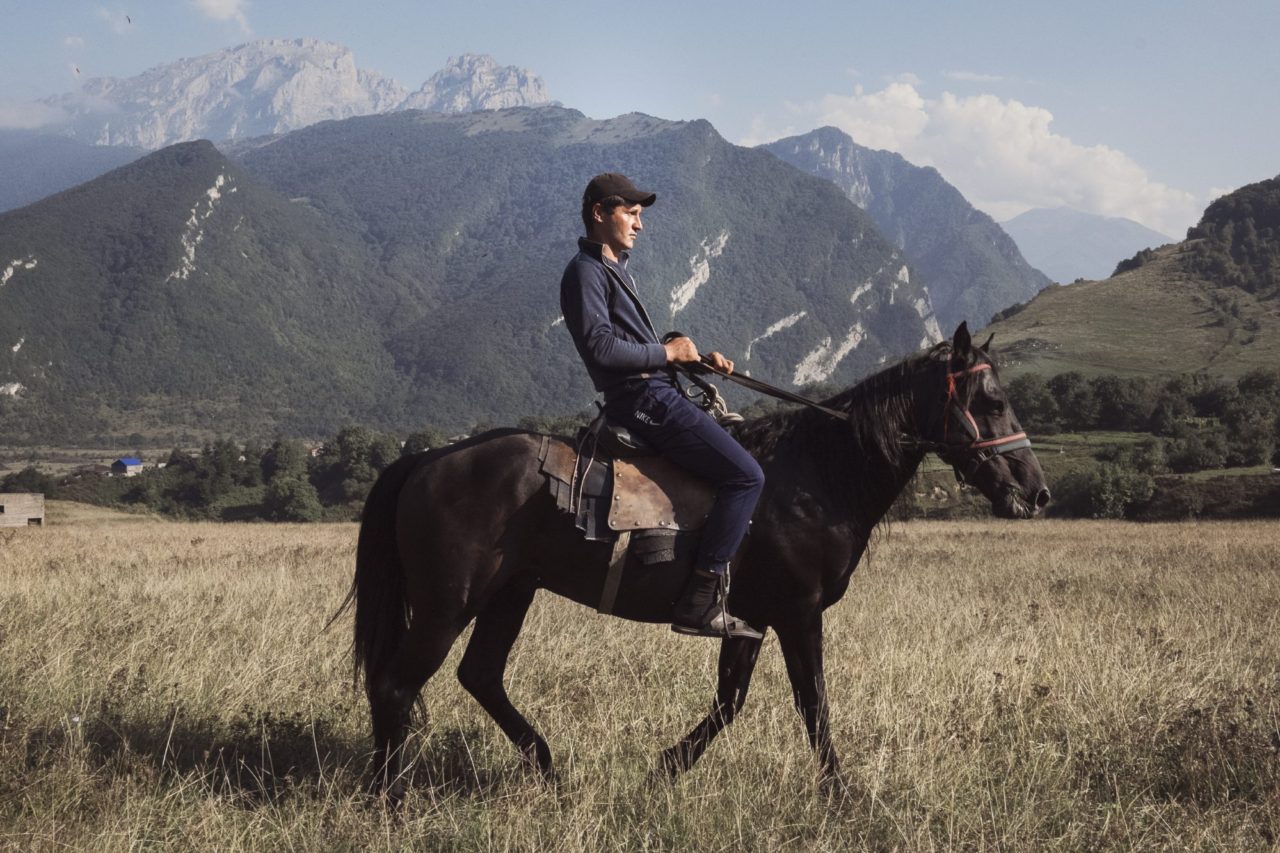 David on his horse black photo: Oksana Yushko for TD
David (according to Dato passport) Kujiyev is half Georgian, half Ossetians. A modest and taciturn guy. There is especially no time to speak with anyone - there are only rams around. He wakes up at four in the morning and goes to check his herd. And all day in the mountains (he has a hut there for spending the night) - there are a lot of work on the rams regularly come to the rams. He sells them alive from four thousand behind his head. Or, at the request of the buyer, he cuts on the spot. David’s superpowiality is the ability to cut a ram in two and a half minutes, no one can quickly. At the holidays, his hands are taken away - he sells and cuts so much that he cannot count. His brother, who came to visit from South Ossetia, tells about the income of the modest David with pleasure. “So tell me, why should he go to the city, label there by taxi, at these construction sites, when he does as much as you do as much as you do at the construction site? And during the holidays, it is generally unnecessarily raising money. ” When asked why he succeeds, but others have no, David explains that he is simply not too lazy to plow. Keeping cattle is incredible work, but from childhood he went with his father behind the herd, helped him. And got used to it.
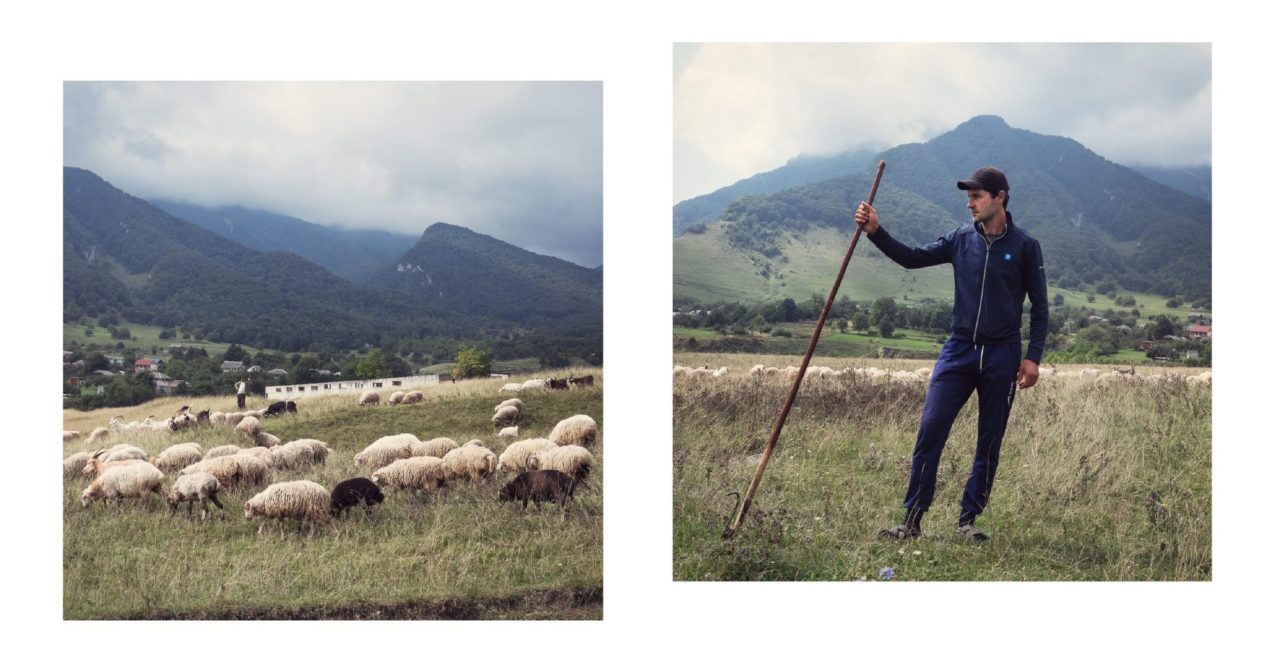 David and his sheep photo: Oksana Yushko for TD
Once David sold six rams to Ingush Anna. But nothing came of them. “At first I had goats and sheep,” she recalls. - The goats went up, lost. And the dog scared the sheep, and they also fled. Then I bought small lambs from David. I brought dry milk, nipples, bottles from the city. I cooked semolina porridge. They were pretty! If it’s cold outside, they lived in my house in a box. How the kids ran after me. While you feed one, the other is jerking your ear, the third nose ... Once I hear, they wander in the yard. Usually they ask for the house. I do not open, let them walk, nothing. And they scream and scream. Well, I went out into the yard and saw their corpses. It turns out that they were yelling due to the fact that two dogs climbed into the courtyard. And while I drank tea, they were all laid out. How I cried! They shouted “Maaa-Maaa” like children, but I did not understand ... And that’s all, I won’t conquer anyone anymore. ”
Two cakes "for good"
David is an enviable groom, but he does not have a bride. Try to find the right one when everyone around each other is relatives. “This one is impossible, that one cannot,” he laughs. “All relatives.” For the same reason, her husband also does not have the beauty of Angelina, the middle daughter of Alik. But, for example, Irina Khabalova was lucky about Settin, she married Georgian Vano Pavliashvili, a relative of Lily. According to Irina, in the XXI century, and especially in the good neighborly Baltic, they close their eyes to mixed marriages. “Grandma told me that you should marry the one who was born in one cradle with you, a person of your traditions. But I did not listen, I went beyond Georgian, ”she explains. - My mother -in -law is also mixed: she has a Georgian mother, father Ossetian. Our family is modern. ” But, for example, Irina Praobabushka was less lucky: “She was a princess. Very beautiful. For her mother’s grandfather, Ossetian, her parents did not marry her. Grandfather decided that if she shot her leg, she would not need a lame. And shot. And indeed, the grooms all disappeared. And her lame for him was given. ”
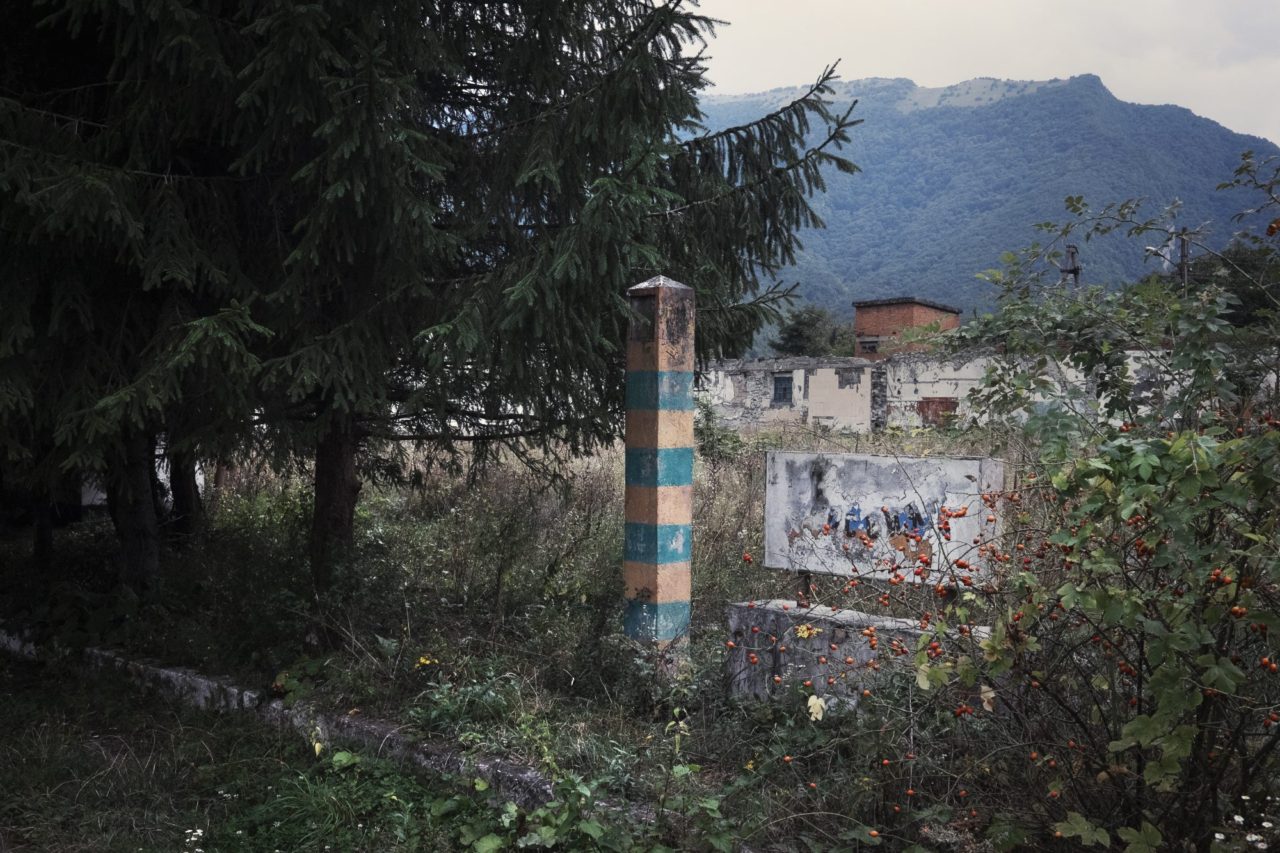 Border post on the old military base in the village of Balta Photo: Oksana Yushko for TD
According to Irina, going to the Georgian family, she received more personal freedom. Starting from the opportunity to independently choose the name for his child (the elder calls the Ossetian of the child) and ending with the right to attend his own wedding.
“Ossetians have strict rules, a woman is impossible. And here you live for yourself, for children, for the family. It is not customary for a woman to sit next to the mother -in -law. The bride is not present at her own wedding - stands in the corner in the far room, and guests come to her in turn. And I sat next to the groom. If I went out for Ossetian, my husband would not have picked up the child in his arms - for us it is ashamed, the child is brought up exclusively by the mother in the Ossetian family. ”
Irina tells the Ossetian legend: the child played near the cliff, stumbled and flew into the abyss. He was able to grab his hands by the edge of the cliff and hung. Father was nearby, but could not touch him with his hands. Therefore, he stepped into his hands and held it so until his wife came and pulled out his son.
“Everything is changing now, of course,” says Irina. “But the boundaries still remain.”
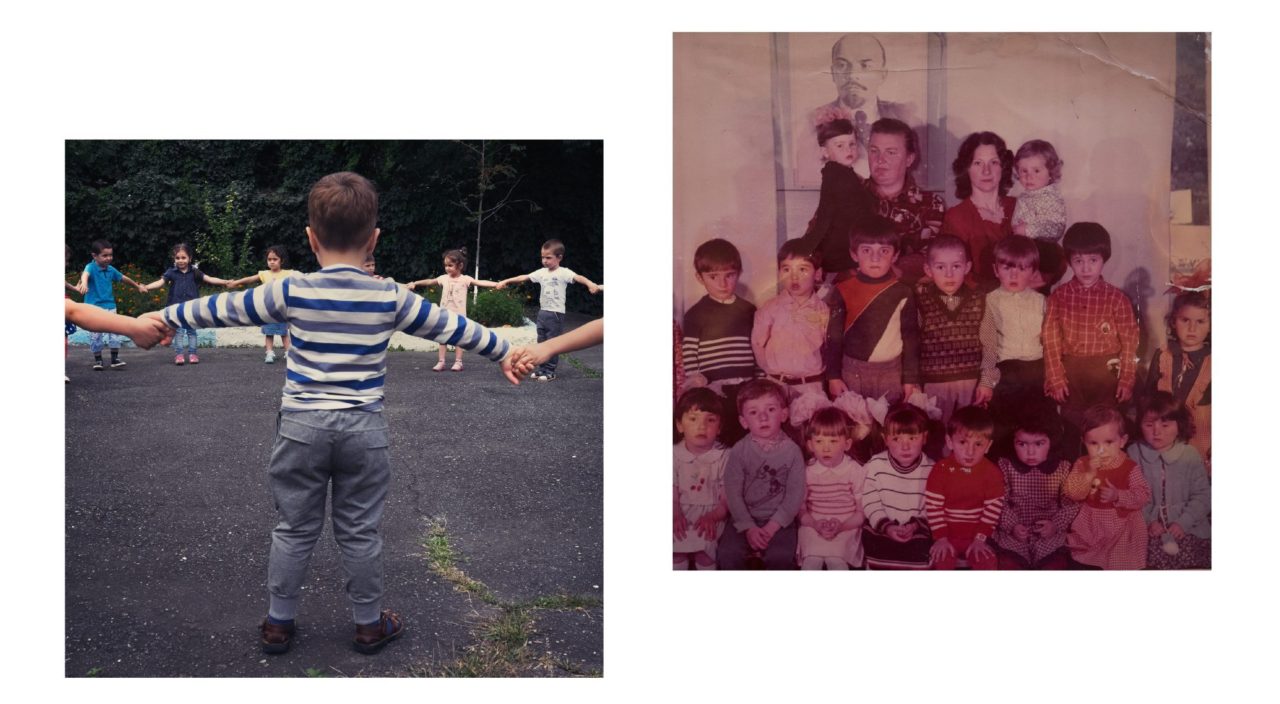 In kindergarten - today and in Soviet times photo: Oksana Yushko for TD
Irina got used to the relationship within the family, but can not get used to the pies. For holidays, Ossetians serve three cakes on the table. And the Georgians have two bakes. “Well, imagine, I got used to the fact that three pieces are made for my birthday, and when a person dies, two. And then I went into their family, where two pieces are baked for my birthday. And my associations are not on the holiday, but with death. I just can't get used to it. ”
Ira teaches from a rural school. She doesn’t care what a child of nationality, but she changed part of the program. For example, instead of the “Ossetian ornament” in her lesson, the Ingush is drawn by the Ingush ornament, Georgians - Georgian. “And we also draw costumes each of our own, national. Our children are generally amazing, many speak three languages at once. ”
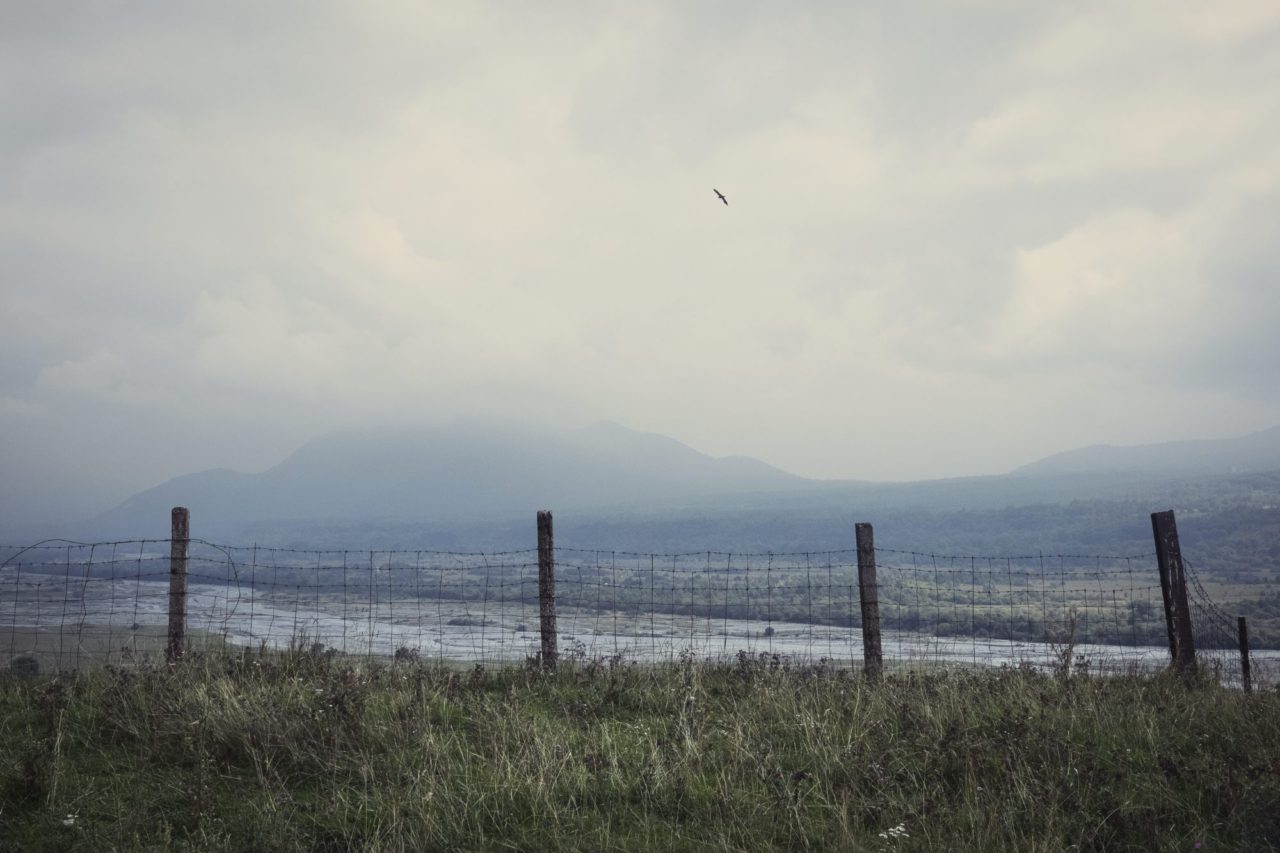 Terek photo: Oksana Yushko for TD
If marriages between Georgians and Ossetians are a common thing, then with the Ingushas everything is much more complicated. “ If our boyfriend likes it, they will not give her away,” Alik explains. “They will rather give their daughter for the old man than for a guy of another faith.” One of my friends wanted to marry an Ingush, but they did not give him a girl. They secretly met, loved each other, and in the end he stole it and was lost somewhere. ”
Nevertheless, Lily calls several families where Georgians, Ossetians and Ingush mixed. “Here the family lives below, there the husband has two wife. One is Ossetian, and the second is an Ingush. He goes to Chupa-Chups (so I call Georgians hijab). There is also a family where Ossetian is married to Ingush, she is not visible, not heard. ”
"I have nothing with you"
Murat Tsitskiev is one of the oldest Ingush in Balta. He lives on the international, below, and I go down from the mountains by bus. Lily who escorted me and her daughter Llyan offers to guess what the difference between the bus from Vladikavkaz and from the neighboring Ingushetia. I am lost, and they themselves answer: “Women are sitting on a local bus, and men are standing. In Ingush, on the contrary. There are even pregnant women there. ”
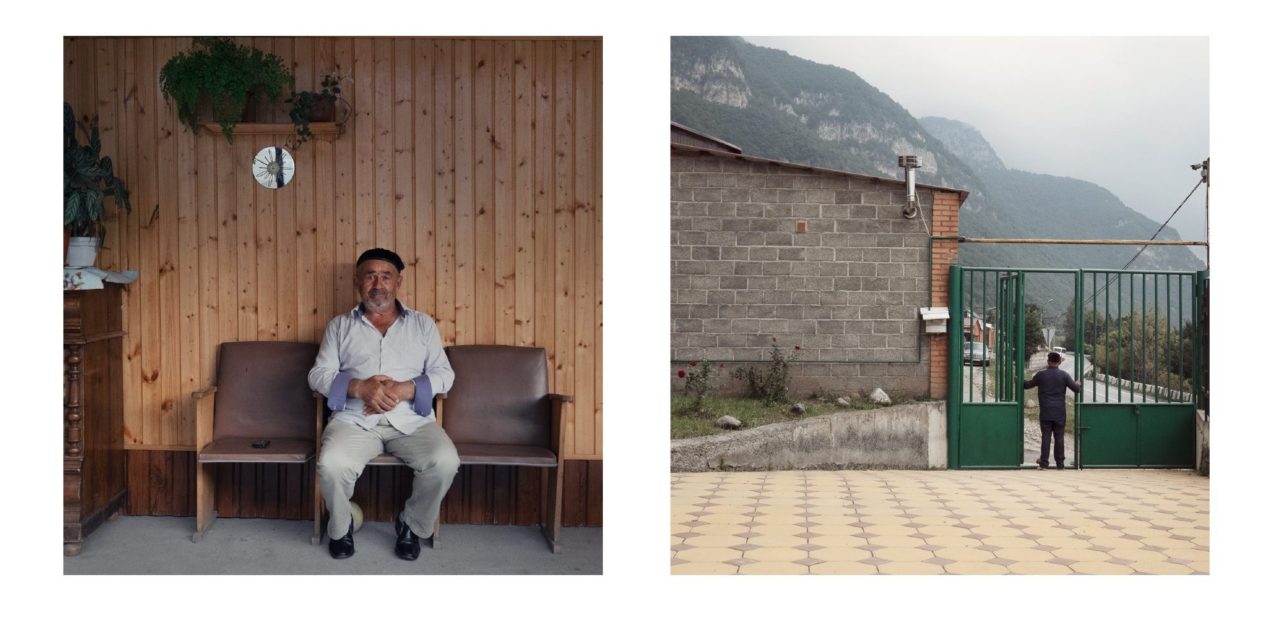 Murat at home and at the gate of the mosque photo: Oksana Yushko for TD
Murat has a hefty house by local standards, a spacious courtyard. The owner of the house is resting in a chair on the terrace, children play nearby, beautiful women are sitting nearby in bright scarves. As soon as I sit down to Murat, his daughter brings the table. Murat does not even move to help her. The daughter -in -law takes out fruits, sweets and tea from the house. Climbing my gaze, Murat explains: “A car with bread comes to us early in the morning, and my wife goes after him. Ossetians asked me a couple of times why I did not go for bread myself. I say: "I did not pay a huge Kalym for that to worry about bread and order in the house." Everyone is doing everything for me. And I'm worried about money. "
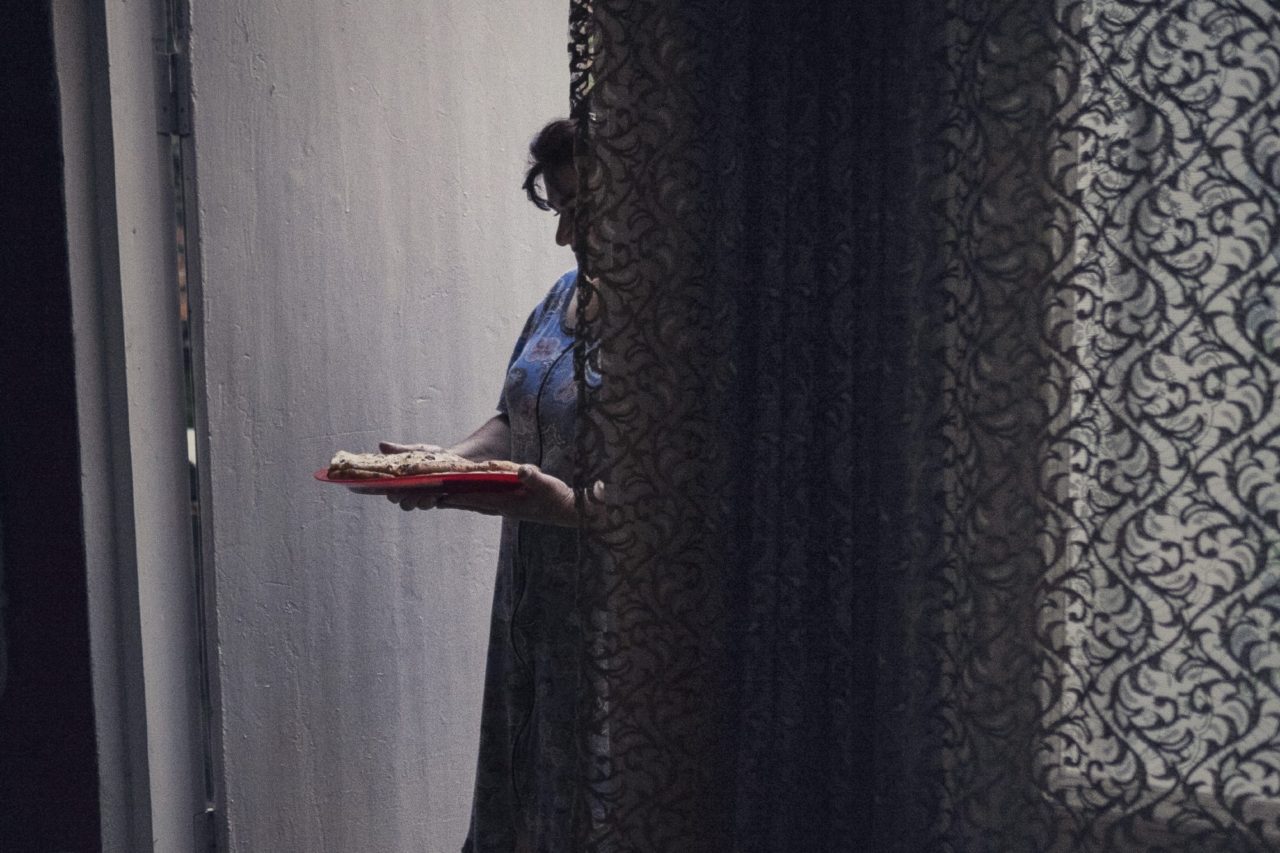
Anna - Ingushka, but pies bakes Ossetian photos: Oksana Yushko for TD
“In this village, unlike others, there was no conflict with the Ingush,” says Murat. - When everything spun, we gathered in the village and decided that we would live as we lived. That Ossetians in Baltic have nothing to do with us. There was not a single shot in this village either from our side or from them! Not a single person came and did not tell me anything bad. Because we lived here for a century. I went to first grade here. How can I tell them something, to these people whom I know since childhood? And we were sitting until the last at home, until the militants already came close. Начали гореть соседние села, люди стали оттуда убегать, и появился риск, что и сюда придут. Нам и грузины, и осетины сказали: «Что вы сидите, бегите пока отсюда, потом вернетесь!» А мой сосед и хороший друг был осетин. Я говорю: «Раз такое дело, вот тебе ключи от моего дома, береги его». Сел с семьей в машину, и уехали мы в Ингушетию».
Многие дома боевики перевернули вверх дном — искали ингушей. Многие сожгли. Дом Мурата сохранил сосед. Сказал, что он его выкупил.
«Когда все улеглось, мы решили вернуться, — продолжает Мурат. — Я приехал, люди собрались, и я у них спросил: «Земляки, вы против меня что-то имеете?»— «Нет».— «И я с вас ничего не имею». И мы остались жить тут. В Ингушетии я жить не хочу, почему я должен уезжать отсюдова? Мой отец тут похоронен, мать. Родню в Ингушетии я навещаю, мои вот полчаса назад в гостях были. Проблем нету».
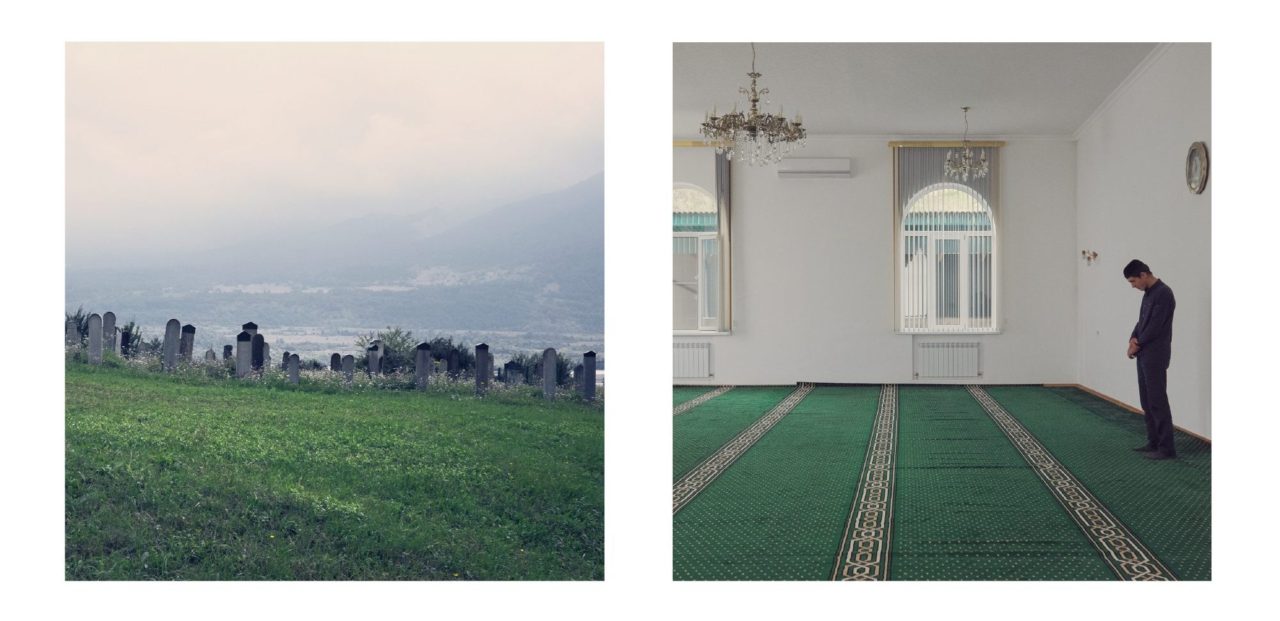 Ингушское кладбище и сельская мечеть Фото: Оксана Юшко для ТД
По словам Мурата, в итоге потихоньку в Балту возвратились 36 домов. Недавно им удалось собрать денег и построить мечеть, Мурат очень гордится этим. «Должно быть место, чтобы обращаться к Богу. А не как осетины (как у грузин, у осетин тоже есть святые кусты), для которых каждый куст святой. Как может куст быть святым? Он не святой, он КУСТ!»
Мурат Цицкиев подтверждает слова грузин о том, что ингушские браки с осетинами и грузинами не желательны. «Раньше за такое убить могли, а теперь проще. А так, тут и кражи невест бывали, и отец отрекался от сына из-за невесты-ингушки… Тем не менее, такие семьи есть. Вот, рядом у одного жена русская. Сходите к ним. Галина женщину зовут».
С опущенной головой
Галина Цицкиева, едва ли не единственная русская в Балте, живет с мужем в красивом двухэтажном доме. На заборах сушатся ковры, на лестнице — цветы в горшках. У входа в дом растут неведомые мне растения — Галина выращивает цветы, привезенные из Батуми. Справа на ступеньках сидит мужчина. Он даже не поднимает головы. Это муж Галины.
Галине 70. У нее русская мать, отец — наполовину немец, бабка — азербайджанка, прабабка — турчанка, свекровь — осетинка, а свекр — ингуш.
Галина родилась в Челябинске, потом родителей переселили в Казахстан. Отец был не последним человеком в городе, и сама Галина тоже работала в правительстве. Деловой тон и непробиваемую уверенность в себе она сохранила до сих пор. Можно не расспрашивать мужа, чтобы понять, что хозяйка в доме она. But this was not always the case.
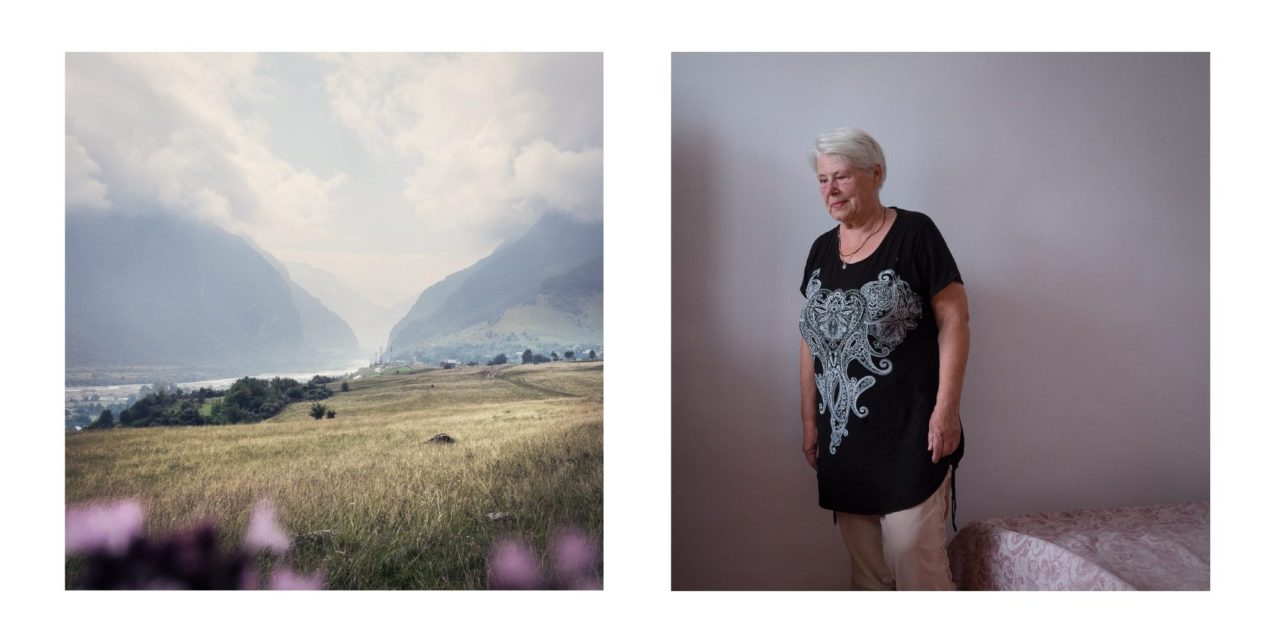 Галина Фото: Оксана Юшко для ТД
Замужество за мусульманином в Галине ничто не выдает. У нее обычная одежда — свободные брюки и кофта, голова не покрыта. Когда-то она подчинялась ингушским обычаям, но теперь, по ее словам, они с мужем живут по «ее традициям».
«Я работала в главке, — рассказывает Галина. — Это сейчас я страшная, а в молодости у меня были красивые ноги. Как-то мы с сестрами пришли на танцы. И тут подходит нерусский парень и приглашает меня. Я ему резко: «Я с черномазыми не танцую!» Мы пошли домой, он следом. Я ему: «Парень, отвали!» А он молчит и идет на расстоянии. Мы кружили с сестрами, кружили, я не хотела, чтобы он узнал, где я живу. Утром я просыпаюсь, смотрю в окно — лежит во дворе, якобы спит. Я на работу, он за мной. На проходной его не пропустили. И весь день он сидел на скамейке в сквере — ждал. Вечером иду домой, он за мной. And so a few days. А однажды я вышла с работы — его нет. Прихожу к дому, а он во дворе с моим отцом ковыряется в машине. Стал ходить каждый день. То они с папой в карты играют, то в шахматы, то вместе куда-то едут. Однажды он заявил отцу, что хочет жениться на его дочери. А тот только засмеялся. Мне было 24, мне никто не нравился, я даже не целовалась ни с кем тогда, клянусь хлебом! А ОНО (так Галина называет мужа) мне не нравилось тем более.
Тем временем он начал общаться с моей младшей сестрой. Как-то в воскресенье мы с подружками пошли купаться на канал. Вдруг бежит сестра, кричит: «Галина, с ЗАГСа звонят, ругаются, что тебя до сих пор нет!» Оказалось, что они взяли мой паспорт и подали за меня заявление.
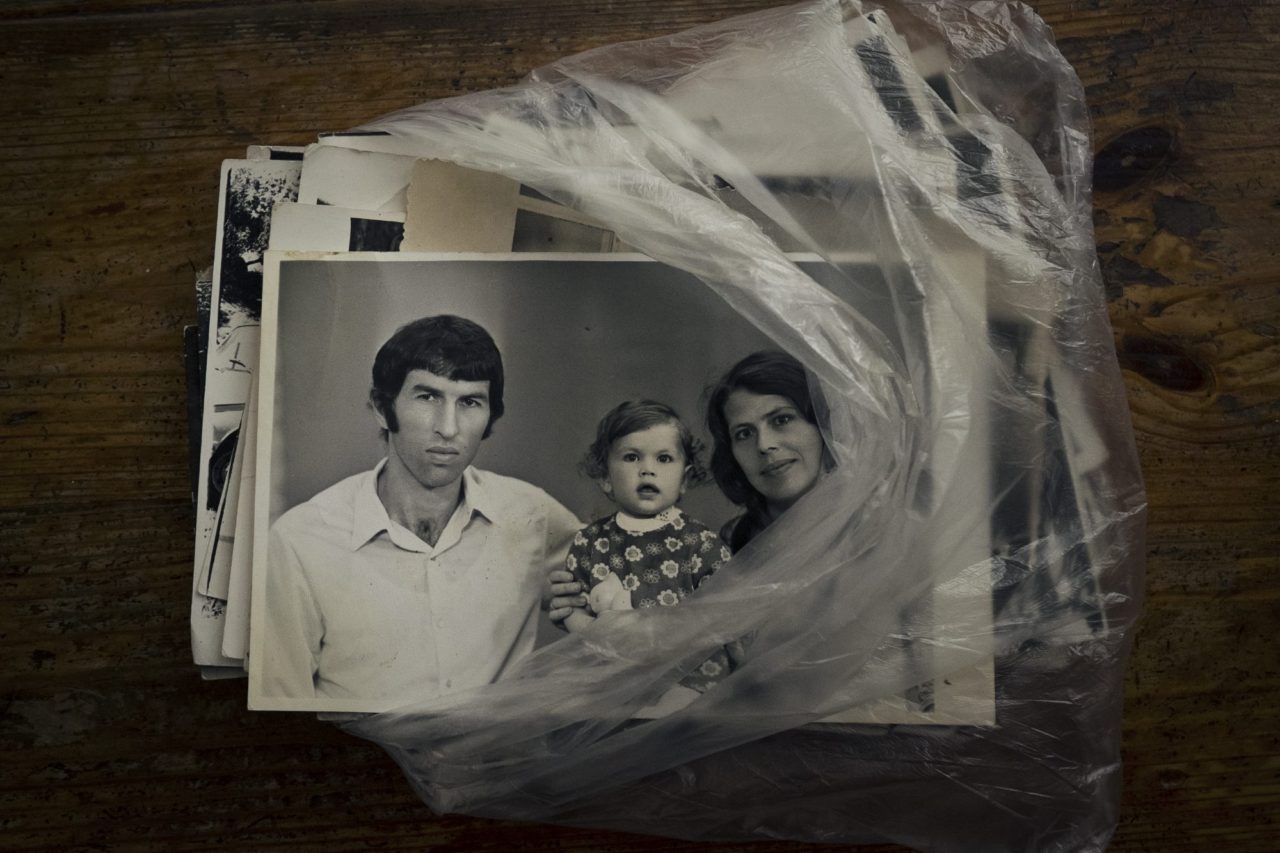 Галина с мужем и старшей дочерью Фото: Оксана Юшко для ТД
Я иду домой в мокром купальнике, захожу к себе в комнату, а у меня платье лежит на кровати. White. Ну, я решила повеселиться — надела платье, туфли на шпильках и пошла с ним в этот ЗАГС. Посмотрю, думаю, что там вообще бывает. И как-то так вышло, что нас в итоге расписали».
Зачем Галина вышла замуж, она объяснить не может. Говорит, просто заигралась, а потом было уже поздно. Можно было развестись, но строгий отец сказал: «Все, дорогая, раз вышла замуж — живи». И Галина подумала, что поживет, а там будет видно.
После ЗАГСа Галина с мужем легли спать в разных комнатах. А утром она сообщила на работе, что вышла замуж. Руководство и коллеги были в шоке, но подарили ей квартиру.
«В тот день я пришла с работы домой, смотрю на него и думаю: «Твою мать! И что же мне теперь — спать с ним, готовить ему?» And cried. А потом успокоилась. Сделали мы в новой квартире ремонт, переехали. Я купила две кровати. Он ко мне не лез. Решил, что я сама сдамся. Баб у него навалом было, они с друзьями гуляли — только в путь. А потом я забеременела».
Галина родила девочку Венецию. И через несколько лет уехала с мужем в Балту, к его родне. И тут свобода закончилась.
«Я делала все, как у них принято. Жены у ингушей не имеют права голоса. Ты должна ходить с опущенной башкой, в косынке. Все, что сказал муж, должна немедленно выполнять. В любую погоду носить чулки, не красить губы. Я не выходила никуда без мужа, вела себя прилично. “Он идет, ты идешь сзади, десять шагов от него ты идешь! Рядом идти — позор. Наша дом позор не надо”, — учила меня его мамка. Ребенка он маленького на руки ни разу не взял — это позор. Ты должна быть услужливой тенью. Ты кушаешь после того, как пожрут свекр, свекруха и оно. Ты не можешь сесть, пока они едят. Должна стоять в углу и смотреть, что они хотят. Они ели с общей чашки, руками все туда… Я смотреть на это не могла.
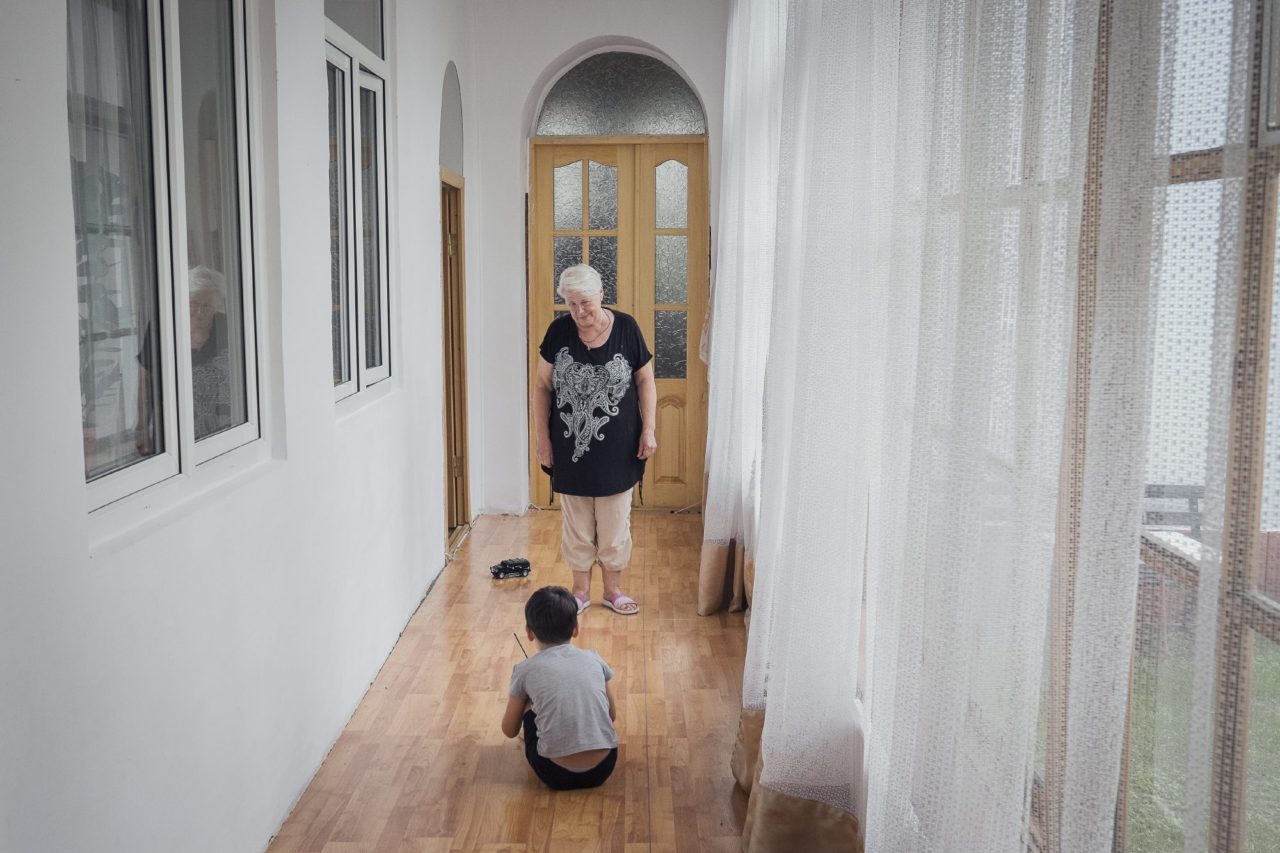 Галина с внуком у себя дома Фото: Оксана Юшко для ТД
Приезжает брат его матери, я снимаю с него вонючие сапоги, мою их. И так со всеми их родными. В ответ же я видела только гадости. Сварю кастрюлю супа, бабка берет ее и выливает: «Эта кто пакушает? Эта что? Эта что!?» Надо, оказывается, было кусок мяса вооот такой кинуть, и все, весь суп. Никаких борщей, ничего из нашей кухни они не признавали. У меня тогда умерла двухлетняя дочь. Родилась с раком печени, и ничего нельзя было сделать. Так меня даже на похороны не пустили, потому что на похороны у них женщины не ходят. Я издалека наблюдала, как девочку мою мыли. И потом меня гоняли с кладбища, потому что на кладбище женщине тоже находиться нельзя. И я терпела это все. А потом нашла записку».
Как-то Галина убирала в доме и решила вымести мусор из-за печи. А вымела туго свернутую бумажку. Развернула — там гроб, крест и что-то по-ингушски. Соседка перевела, что там написано про смерть четверых.
«Третья дочь у меня родилась с циррозом печени. Так что я решила, что “смерть четверых” — это я и мои девочки. И рассвирепела. Позвала мужа и всю его породу. Показала записку и сообщила, что с сегодняшнего дня меня для них нет. Я поняла: от того, что я мою тебе сапоги, суп тебе варю, ты как меня не уважал, так и не уважаешь. Они к себе не пускают. Чтобы меня похоронили рядом с дочкой, я должна принять их веру. Потом как-то быстро свекруха умерла. Потом свекр. И вы меня извините, я не смогла заплакать».
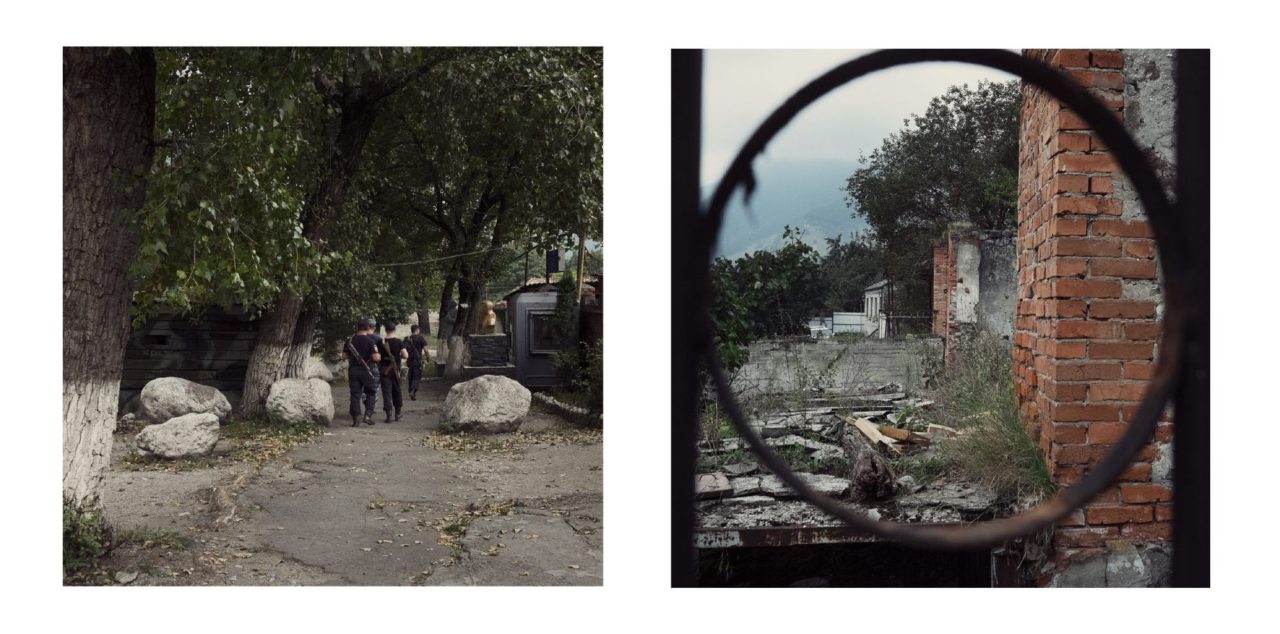 Старые заброшенные ингушские дома Фото: Оксана Юшко для ТД
Во время осетинско-ингушского конфликта Галина была в Балте. Когда в соседних селах началась стрельба, прибежал муж и закричал: «Бери детей, бежим!» Женщин и детей затолкали в «жигуленок» и отвезли в горы.
«Мы там сели в ущелье, обнялись с детьми и боялись дышать, — вспоминает Цицкиева. — Народу много было, некоторые бабушки умерли прямо там. Я так двое суток с детьми голодная просидела на улице. А свекр с мужем остались в доме. Свекр вырос среди грузин, осетин и ингушей, поэтому чисто говорил и на грузинском, и осетинском, и ингушском. Ему сказали повесить белую тряпку на ручку дома — это будет значить, что здесь живут осетины. И он срочно стал осетином, иначе мы бы сдохли все».
Когда показалось, что выстрелы в округе утихли, Галина и еще одна женщина-грузинка решили идти в село. Что тут от голода умирать, что под пули — разница небольшая. Шли, нарочито говорили по-русски. И встретились с ингушами, которые привезли их домой.
«За эти два дня из села ушли все ингуши. Остались только мы. И я сказала: «Катитесь все, я буду жить, как нормальные русские люди!» И стала нормально одеваться, варить борщи. Муж бузил сначала, а потом успокоился.
Сейчас жизнь Галины тиха и вполне благополучна. Нянчится с внуком, ездит к родне в Батуми, выращивает цветы. Среди ее подруг есть как ингушки, так и осетинки с грузинками. Она со всеми в хороших отношениях, а муж, которого она так и не смогла полюбить и ни разу не назвала в своем рассказе по имени, ведет себя тихо и не докучает.
За детей и дружбу
Вечером в семье Алика Тиникашвили мы учимся готовить хинкали. За ужином он достает из закромов бутылку грузинского Киндзмараули.
— А ингуши не пьют почти, — говорит Алик. — у них на праздниках один чай. Чай, чай, чай.
— Они этот чай тебе будут носить, пока ты не перевернешь стакан — это значит, что все, не могу я больше ваш чай пить, — смеется средняя дочь Гаяна.
— А еще бывает, что молодые мусульмане у нас в гостях едят свинину втихую от старших. Возьмут кусочек и съедят с удовольствием.
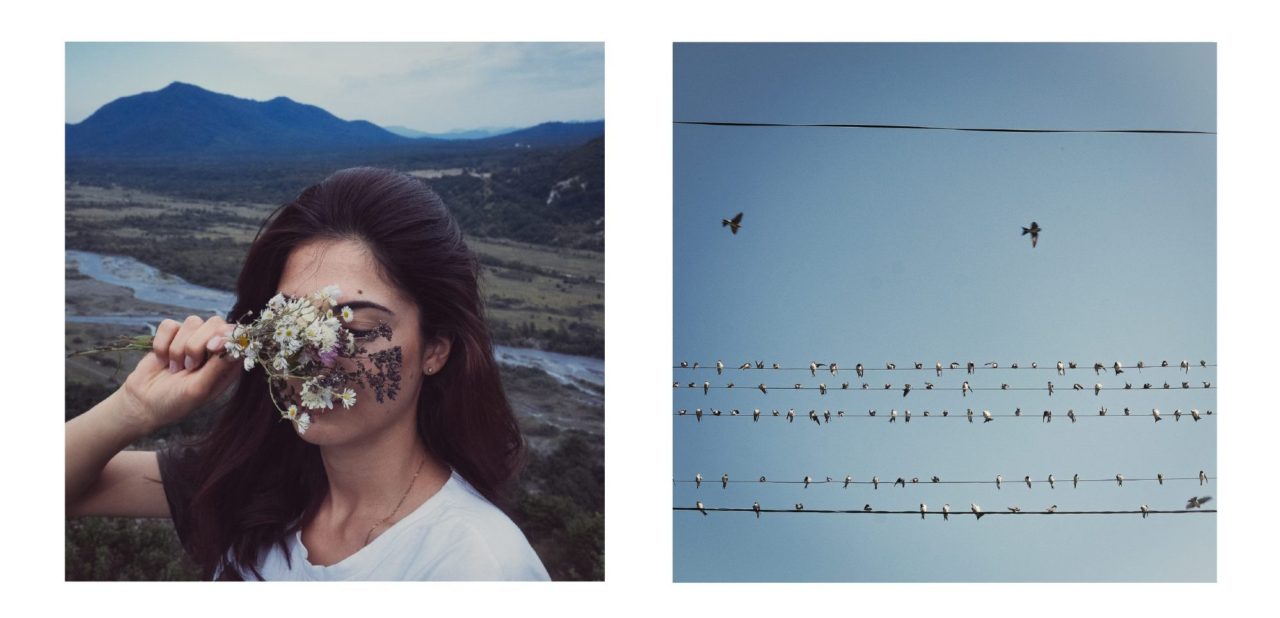 Льяна — младшая из трех дочерей Алика и Лины Фото: Оксана Юшко для ТД
Алик, как старший, говорит тосты перед каждым глотком — за дружбу, за детей, за благополучие и непременно за ушедших родственников. Тост за тех, кого уже нет, сопровождается ритуалом: мы три раза обводим бокалом свою тарелку и капаем немного вина на блюдо.
Посреди ужина я выхожу из-за стола, чтобы ответить на звонок. Алик хмурит брови. А когда возвращаюсь на место и отпиваю из бокала, говорит, что вообще-то должен меня выгнать, потому что я нарушила сразу два правила: вышла из-за стола без разрешения старшего и выпила вина без тоста. «Я могу сейчас обидеться, встать из-за стола и уйти, — шутит Алик. — И тогда вы все тоже должны будете уйти, потому что если старший встал из-за стола, то трапеза окончена. Даже если вы не допили и не доели».
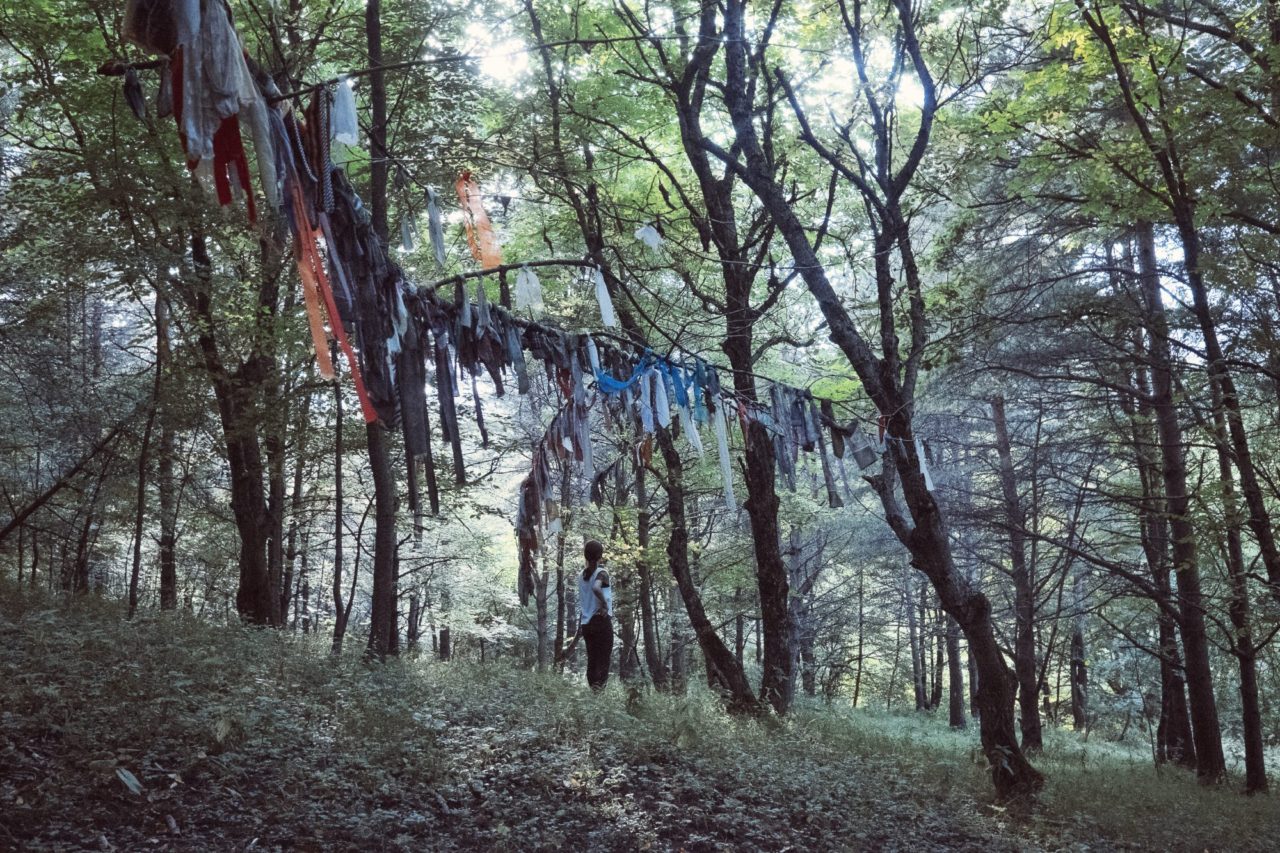 Село Балта на границе Северной Осетии, Грузии и Ингушетии.
Святое место в лесу Фото: Оксана Юшко для ТД
Мы выходим во двор и усаживаемся пить кофе прямо в саду среди взлелеянных Лилей роз. На кофе снизу по нашему приглашению приезжает и Галина. Когда она в последний раз была в Верхней Балте — не помнит. Смотрит по сторонам и только ахает: «Как у вас тут красиво!»
— Хочу, пожалуй, чтобы меня на русском кладбище похоронили, — вдруг задумчиво произносит она. Лиля бодро отвечает:
— А приходи к нам на кладбище! Сюда, наверх. Тут хорошо!
Грузия Ингушетия осетия россия село Балта традиции трансграничные проблемы