
Translated material
"Twice killed"
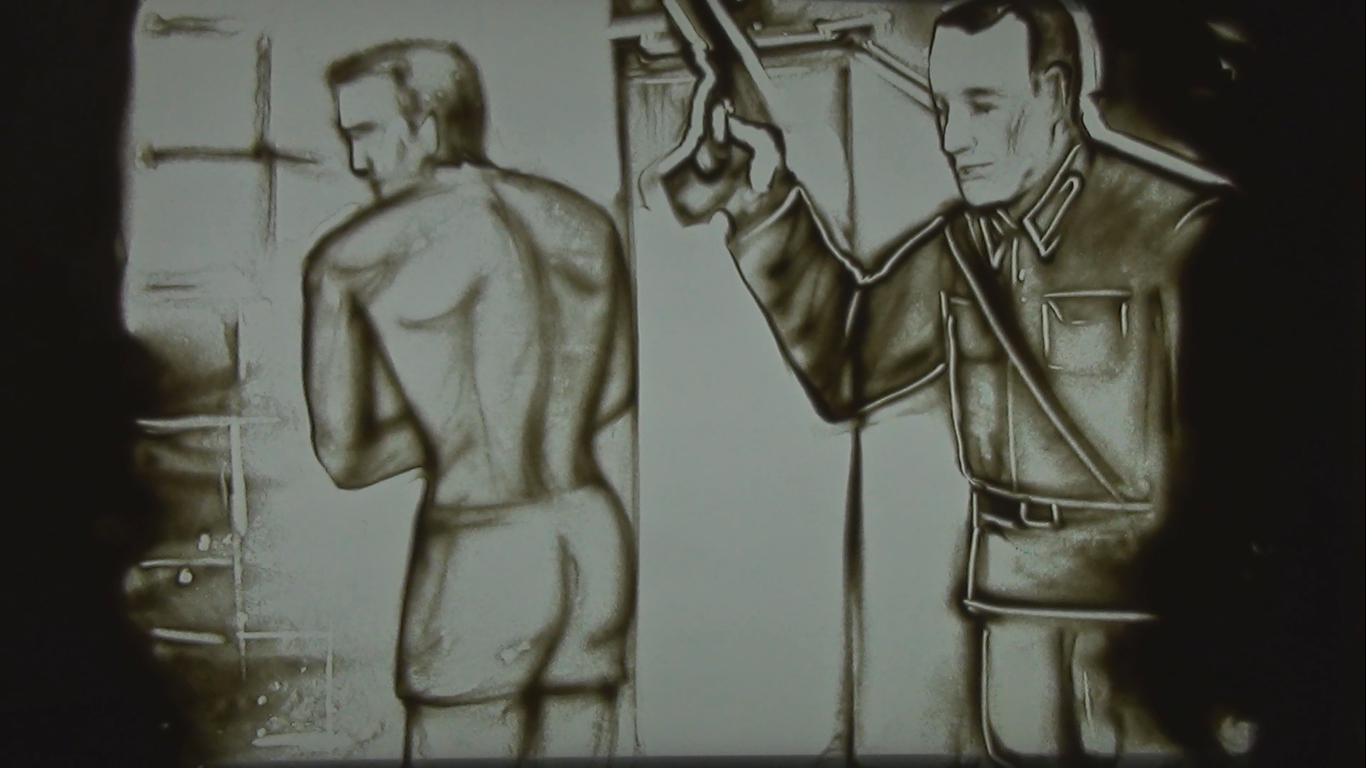
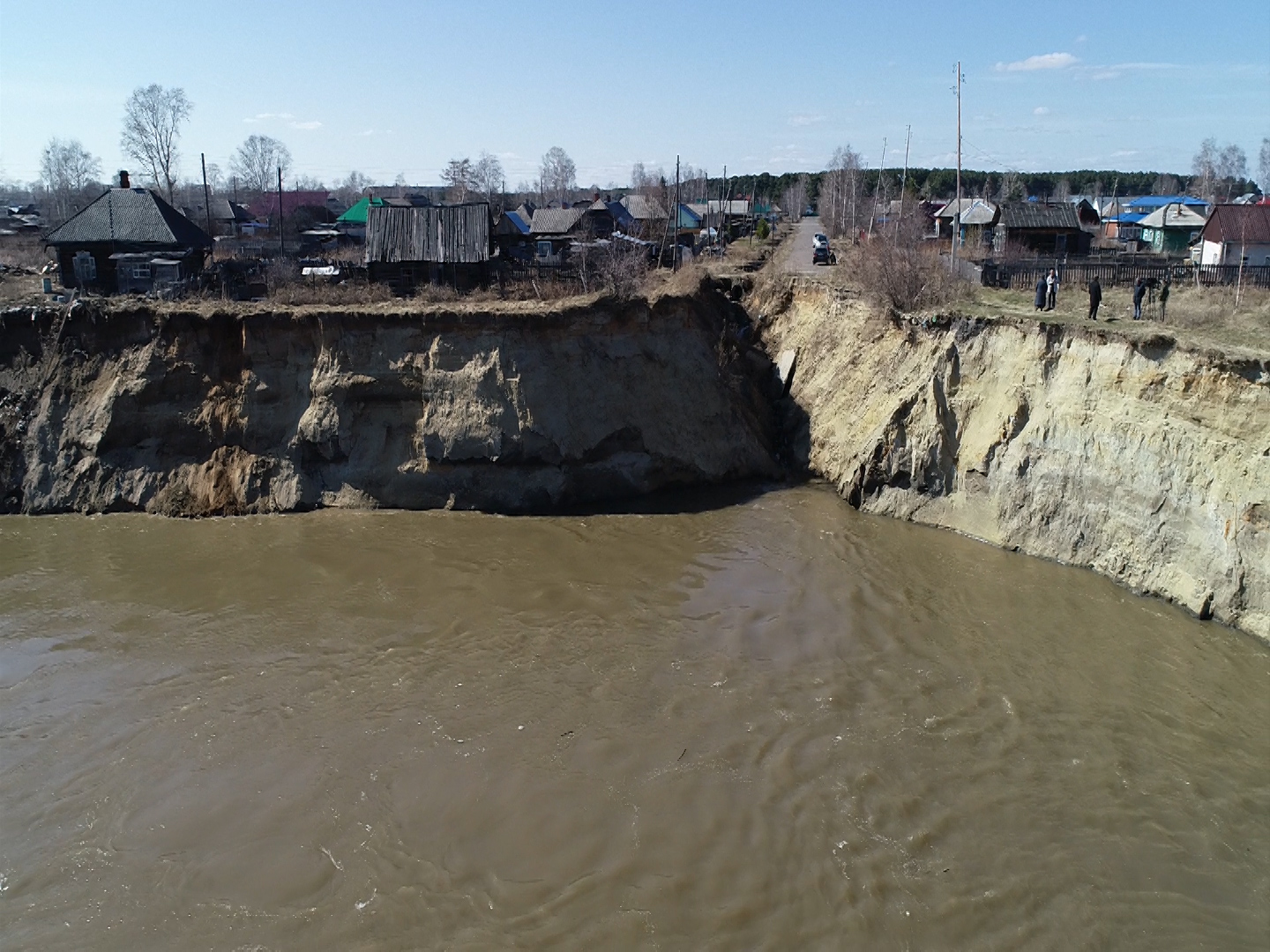
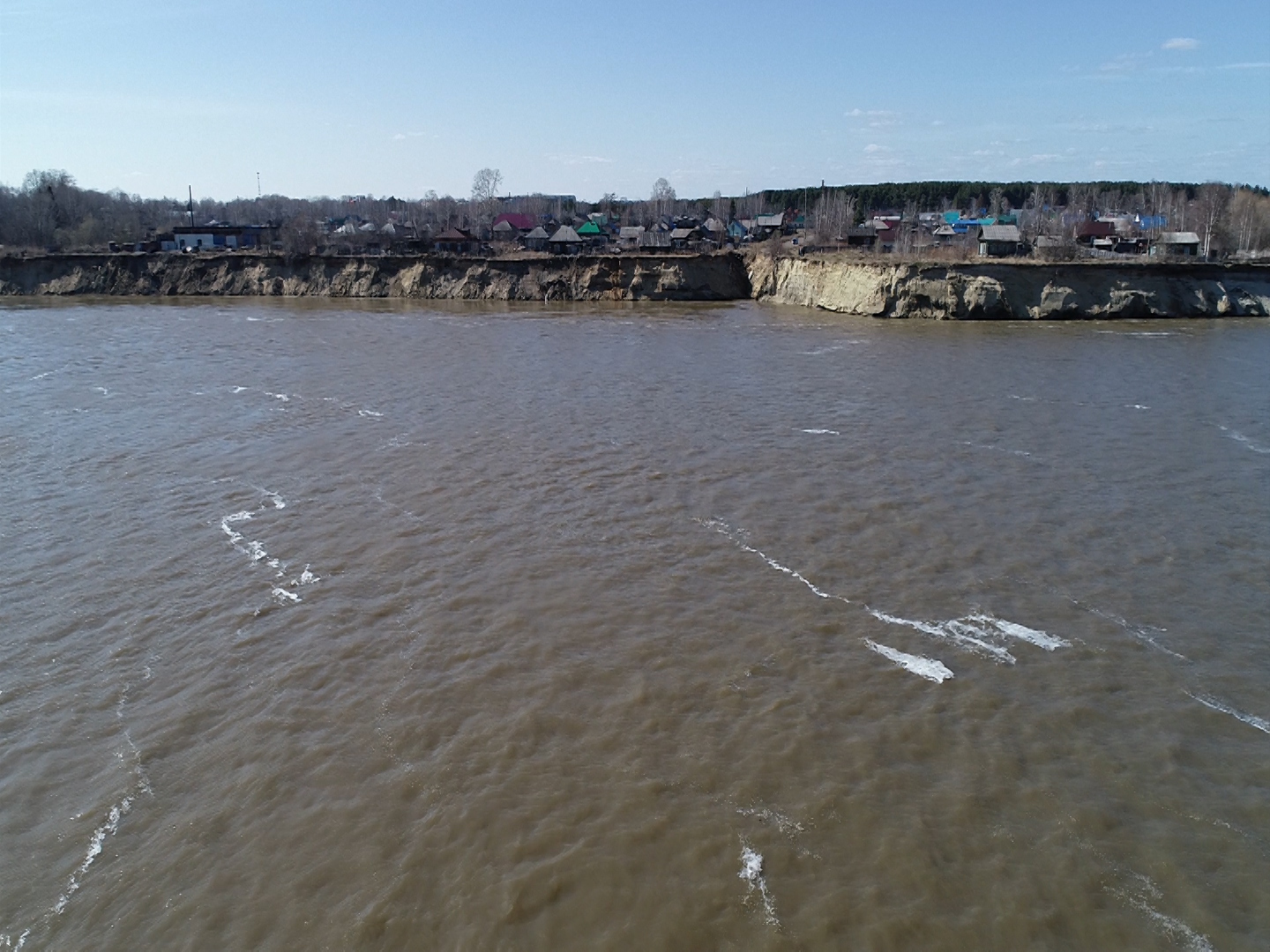
On September 20, in Tomsk, the film "Yar" , the first of the authors of the "Anthropology of Terror" conceived by the authors, was shown. Kolpashevsky Yar on the Ob - the place of mass burials of executed and dead in the prisons of Naryma during the years of large terror. In May 1979, the unexpected happened - the river washed the burial. The remains were carried by the current. Then the KGB and the Ministry of Internal Affairs conducted a "sanitary operation": special brigades in motor boats were engaged in the search for corpses and their destruction.
"These are May Day holidays, and I was responsible for the district department, acted as the boss. I was informed that two on the shore
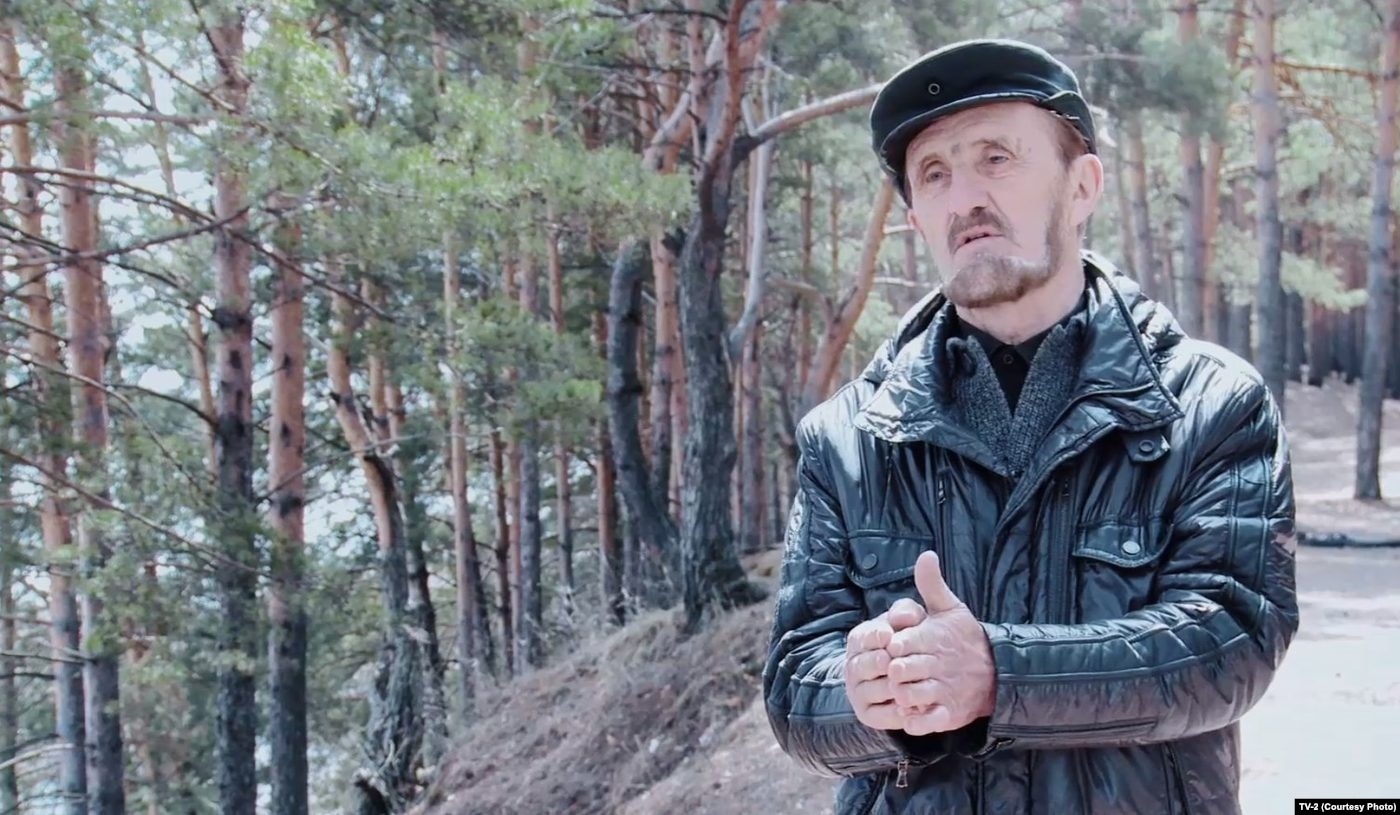
corpse. When he arrived, he looked, it became clear that it was from Yar. It was a cake - a parchment cake. And in the water she decomposed and swelled. And it turned out that it was like a person. He was not quartered - this is a whole corpse of a person, ”says Ernst Walter , who performed the duties of the head of the Kolpashevsky GOVD in 1979.
The eyewitness of the May events of 1979 Tatyana Shabanova recalls :
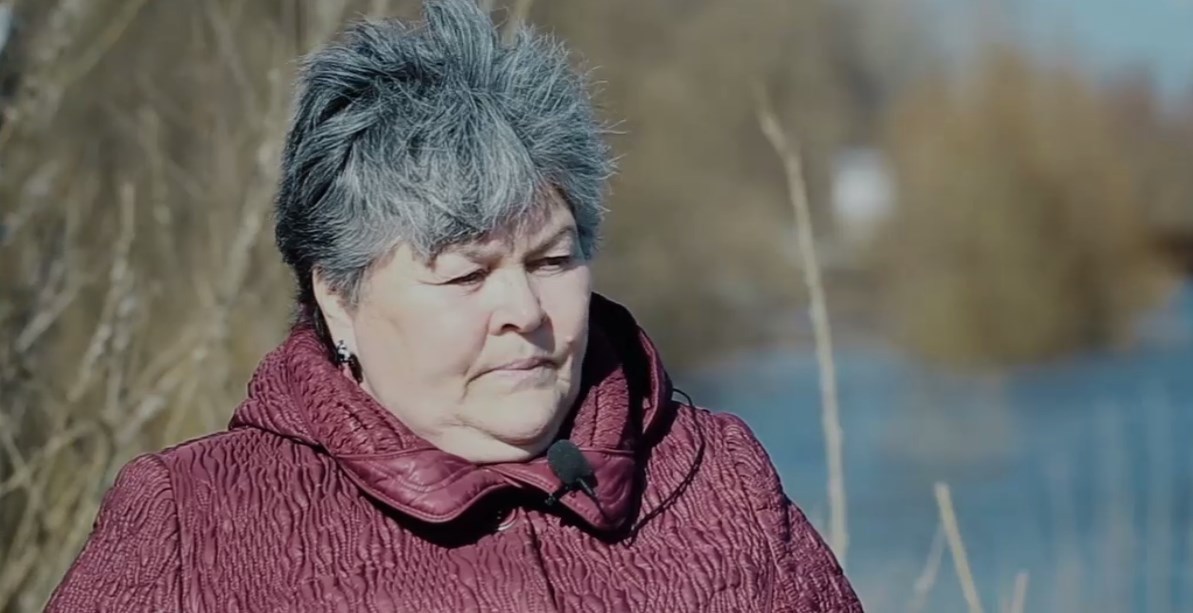
"There were two or three bodies hung - right above this abyss, and there was a feeling as if the old wine was shed ... It was just such a burgundy."
After almost 40 years, the authors of the film-the journalists of the Tomsk television company TV-2-are returning to those events of 1979. The story of the Kolpashevsky Yar, they say, the reason to talk not only about the past, but also about us today.
“There is nothing to come up with anything,” says director Denis Bevz , “the connection of times lies on the surface, starting from the 20-30s, when people were exiled to the Narymsky district, then 1937–38, when one day exiled, they repressed, shot, and then these are the events of 1979, when the burials were revealed, and finally, today's events were even twice-even the monument-even the monument twice-even the monument twice-even twice the monument-even the monument to twice-twice and even the monument to twice. The killed in this place did not appear, although many spoke and talk about the need for such a monument.
For the current generation, this story looks like a terrible fairy tale
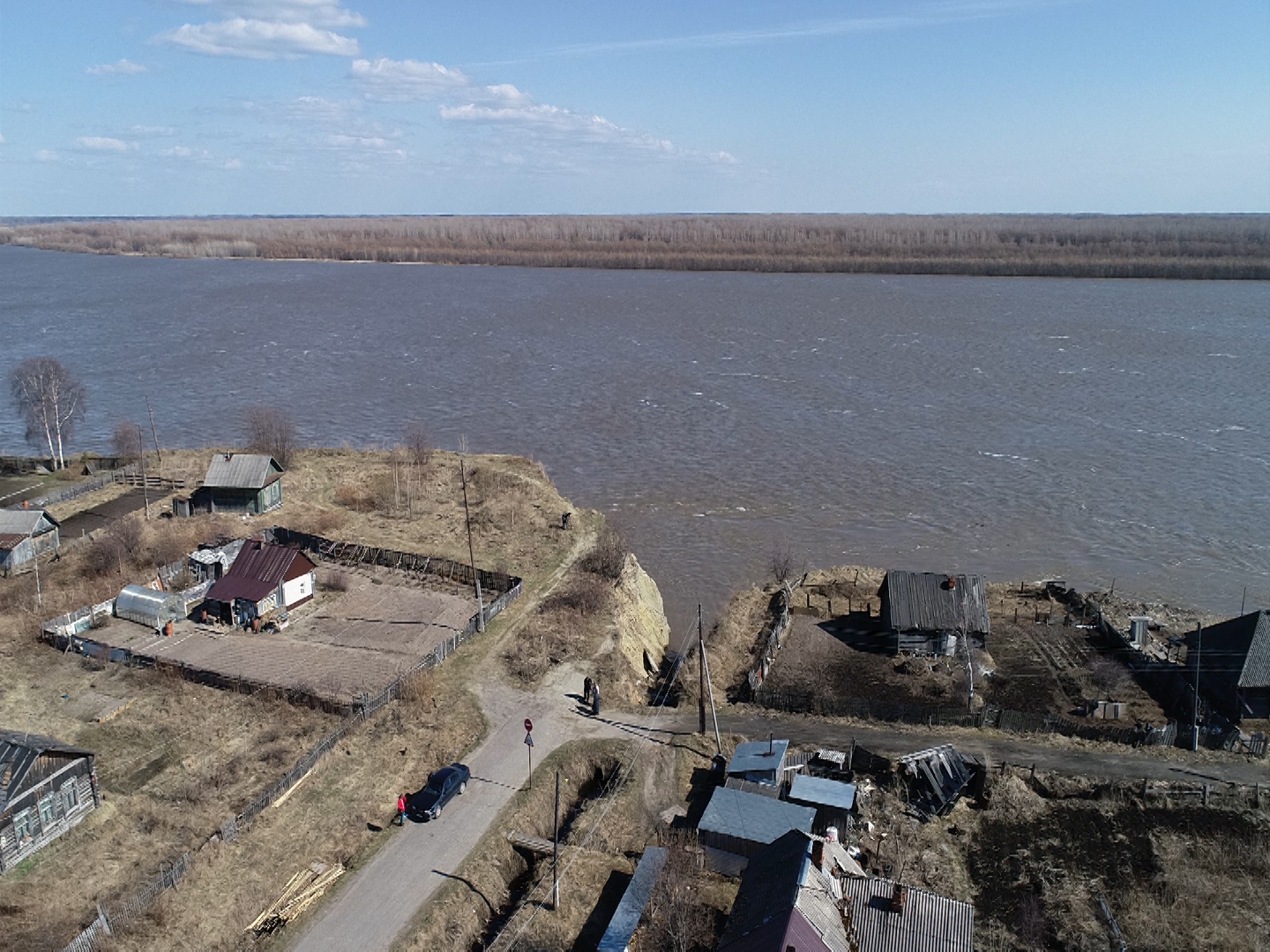
Kolpashevsky Yar is a story about twice killed people. Eyewitnesses in the film recall how on May 1, 1979 the coast of Ob fell and human remains were exposed in the dumps. The bodies of varying degrees of preservation of layers also appeared in the surviving slope. There were hundreds, thousands, literally mountains of corpses.
“There was such a whitish layer from above - lime, and you look at the bottom - apparently, the blood was impregnated, there were large ones, where there are smaller flow of blood. The layer was 70 centimeters. Now, if living people are applied, the meat will disappear - the bones are difficult to say how many people were there. But there were a lot of people,” Vladimir Panov recalls in the film, which was sent to the authorities to the place to the place collapse - stand in a cordon and not allow local residents.
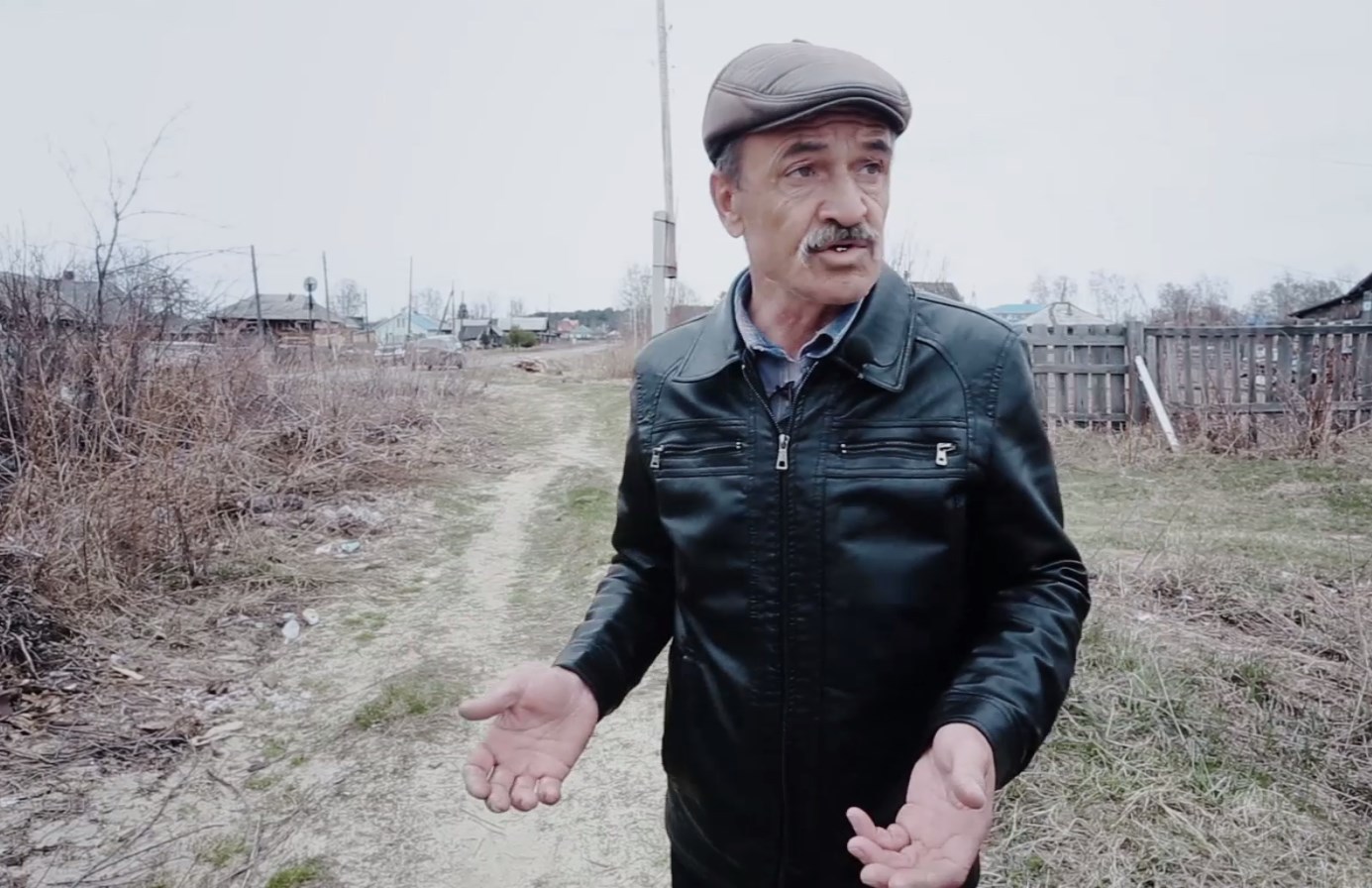
For the Soviet regime, it was logical to shut up an emergency that refused May Day. But the authorities went much further. Instead of rebooting the remains, it was decided to destroy them in place. According to eyewitnesses, Kolpashevo was then flooded by people in civilian - "committees".
“One student recently passed the work at the Faculty of History, I took exams, she talked about the phenomenon of historical memory and remembered that when her dad told her about Kolpashevo as a child, she took it as an invention, a terrible fairy tale,” says project manager Viktor Mushnik . - I asked why, and she said: "Well, to drown the dead - can a sensible person understand this?" For the current generation, this story may look like a terrible fairy tale, as something that is not directly related to their life. Of course, they are mistaken, this is related to their present life, and the most direct. This is related to everything that happens in our country today.
In May 1979, the authorities adjusted two powerful tugboats along the Ob and deployed by screws to the shore. Salting water, tugboat was blown away, the earth, along with the remains, fell into the river. Downstream in boats, the squads of volunteers were on duty. They caught the bodies, tied a metal scrap to them, sent from the factories, and drowned.
"They destroyed traces of everything as they could and how they could. They drove the ship, such a screw - so that they were destroyed, like a meat grinder. There are so many bodies ... Actually ... Actually the river buried them," recalls them, "recalls them
Nina Bagogly , director of the Kolpashevsky bureau of excursions in 1979.
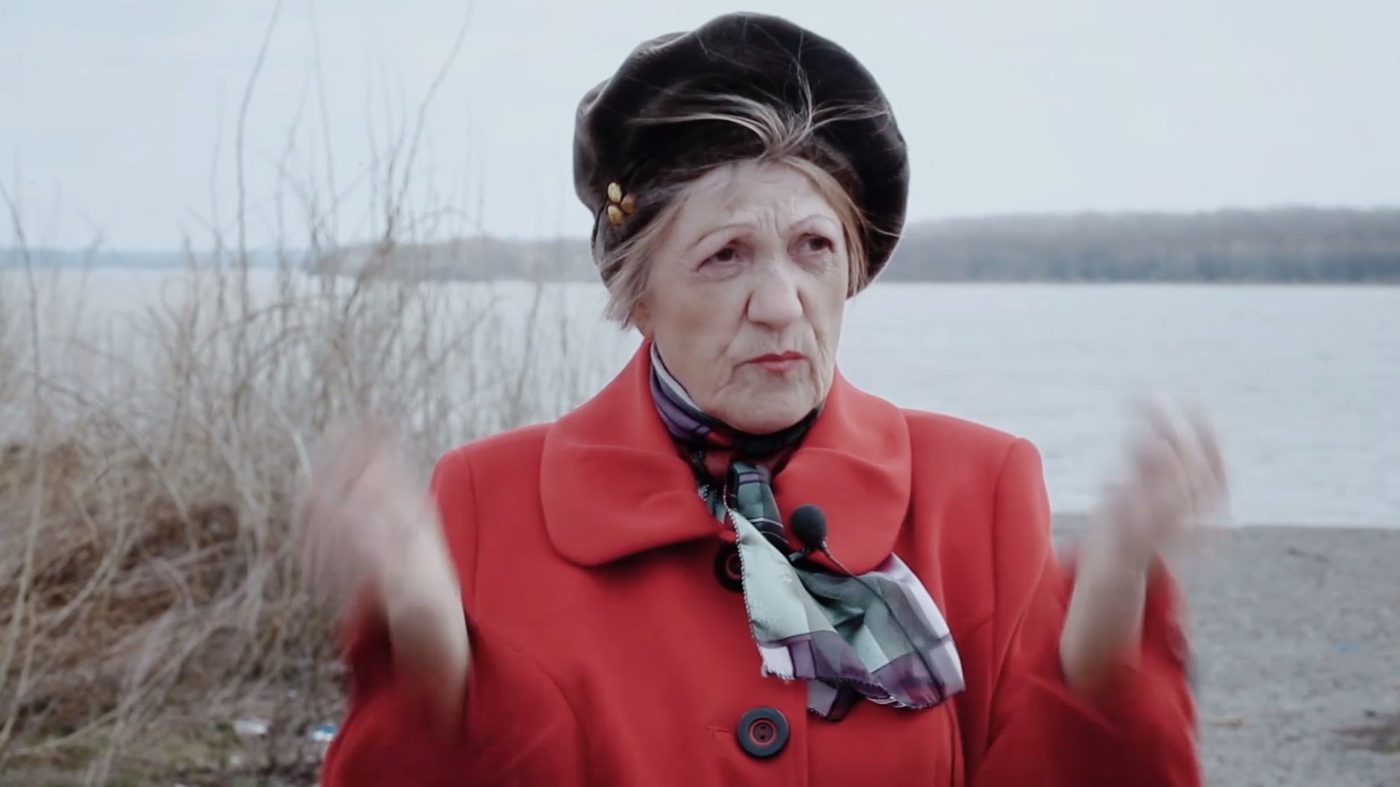
Among those who drowned the corpses, stood in a cordon around the graves, as they were told, "executed deserters of the war," the descendants of the victims, their relatives or neighbors could well. Some eyewitnesses of the events of 1979 became the heroes of the film "Yar" and, together with the authors, are trying to understand why everything happened that way.
To watch the movie "Yar", click on the link below:
"It seemed that we turned this page"
In addition to the main characters, ordinary residents of Tomsk and Kolpashev appear in the film, who do not know anything about the tragic story of Yar. Or they just say that they don’t know, Victor Muchnik suggests:
- Some of them, I think, will partially be cunning. I think they know, but they don’t want to remember and talk about it. There is such a thing: postpam is a memory of injury even among those people who were not directly injured. It seems to me that we all live with this injury, we just worry it differently.
Muchnik himself knew about this story from the very beginning, exactly since 1979. Just in those years, he graduated from the History Faculty, events in the Kolpashevsky Yar were discussed both in the circle of friends and in the family. Publicly talking about this story in the late 80s, Denis Bevz recalls:
- The first secretary of the regional committee in 1979 was Yegor Ligachev, who then safely went to promote in Moscow, held high positions, sat on the presidium and so on. And so, during his visit to Tomsk in the late 80s, people had already gone to meet him with posters-they demanded to answer why the authorities did this then with this burial.
There was no clear answer. Although in 1990, according to the statement of the Tomsk and Novosibirsk "memorials" the main military prosecutor's office of the USSR, a criminal case was opened on the fact of abuse of the bodies of the dead. During the investigation, many participants in those events were interrogated, including party leaders. All of them spoke of their allegedness of the ignorance of the one whose names of the body were destroyed during the special operation and justified themselves by simply "fulfilled orders and orders of higher authorities." In 1992, the military prosecutor's office terminated the criminal case on the concealment of the Kolpashevsky burial "for the absence of a crime in anyone's actions."
-At the same time, in the 90s it still seemed to me that we had already turned this page of history. And, perhaps, that's why then we did not make a movie about these events in Kolpashevsky Yar, ”explains Victor Mushnik. - Now another attitude to this story. There is a feeling that the time that began in 1917 continued in 1931, in 1937, in a sense did not end-we continue to live in it, this story has been updated in a new way now.
In 1979, the participants in those events recall, everyone had a persistent feeling that "it is impossible to do otherwise in that system of relations." But today it turns out that after many years, not everyone manages to forgive themselves.
“Now, when we shot the film, we interviewed Ernst Walter, who then led the Kolpashevsky District Department of Internal Affairs, was one of the people who were responsible for the destruction of the burial,” says Viktor Mushnik. - And we saw a person who is still tormented by what he did then. And you understand that this person still doubts that then he had no choice. Already 40 years have passed, and he has been worried and tormented. This is his price, which he pays for what he acted as part of the system, and he could, perhaps, act differently.
Even if we asked Stalin, as it happened, he would probably also tell us about a certain abstract state that bent him
- Other participants in those events feel the same?
- No, they are all different, and there is a different degree of participation in this story. There was this person who was directly involved in the organization of work to destroy traces of burial. There was a squad there, who stood in a cordon, and he looks at things differently: "What could I do then? Probably, he could refuse, but then I didn’t even think about it." There were just witnesses. Finally, there were people who tried to figure out this story, went to some instances, to power, tried to find out whose bodies these are the bodies ... that is, people were different, behaved differently. But many of this are perceived in one way or another as a certain guilt.
I think also about Yegor Kuzmich Ligachev, the first secretary of the regional party committee, the owner of that time. This person, of course, bears a huge responsibility for what was happening in Kolpashev. Moreover, his wife’s father was shot during the years of large terror, and Ligachev at one time married the daughter of the “enemy of the people”, to some extent it was, of course, an act. That is, his family experienced all this. And so I think how he explained to himself everything that happened in Kolpashev in 79, how did he justify himself? Was it able to justify to the end? In the early 90s, he testified and said then: "I could not do anything, there was such a time."
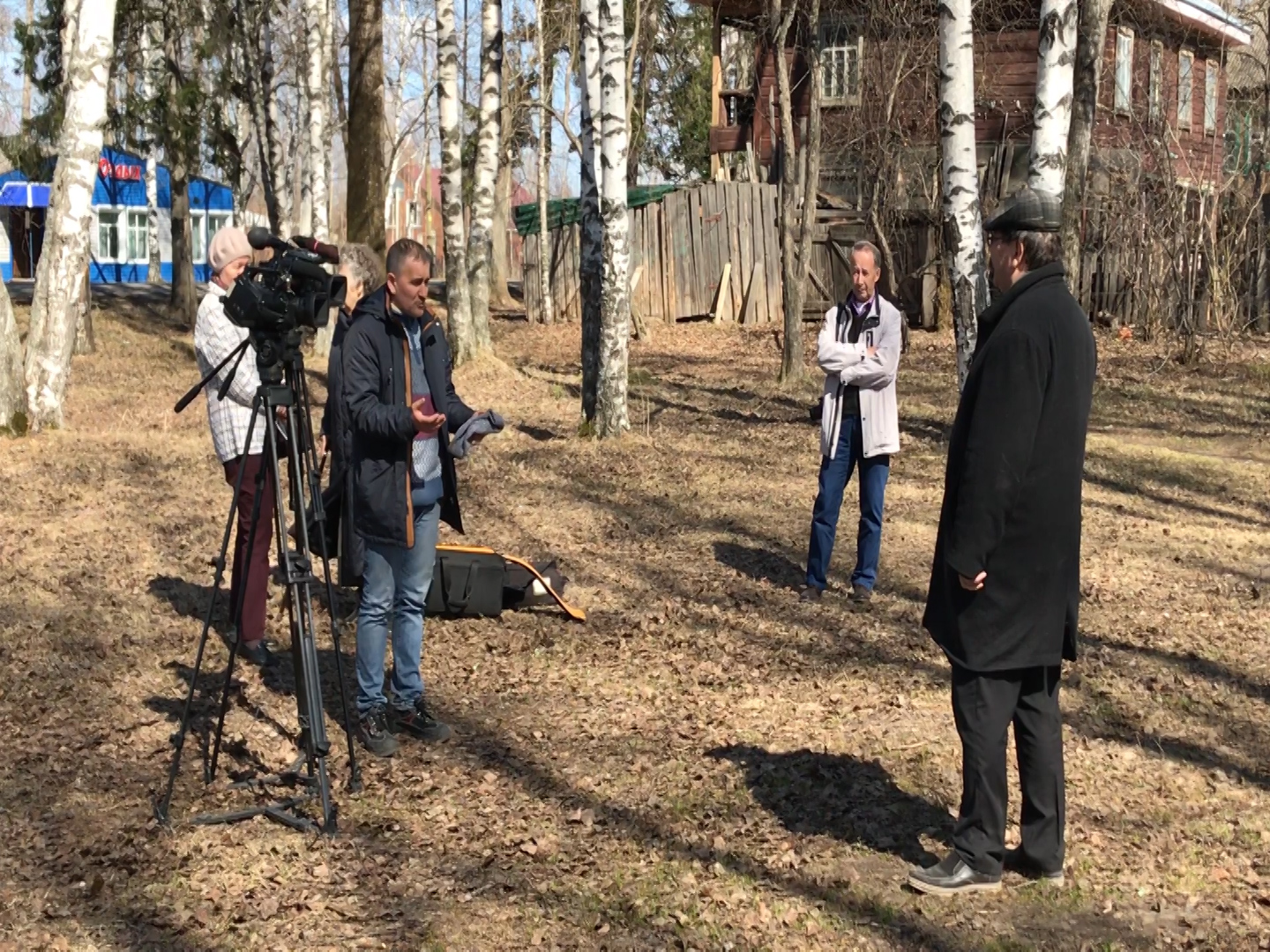
Denis Bevz in the process of working on the film read the testimony of the high authorities during the proceedings of the early 90s.
“You understand what the whole snag is: the film has a squad, there is an acting boss, there are protocols of interrogations of very large officials, and everyone exceeds responsibility to a certain abstract state,” the director says. -Even the largest people with the largest positions say that they were forced to do some kind of abstract state. I have a feeling that even if we interrogated, say, Stalin, as it happened, he would probably also tell us about a certain abstract state that forced him to do what he did. And so far we still cannot or do not want to understand: when the state and the system are liable for crimes, and where is our personal responsibility?
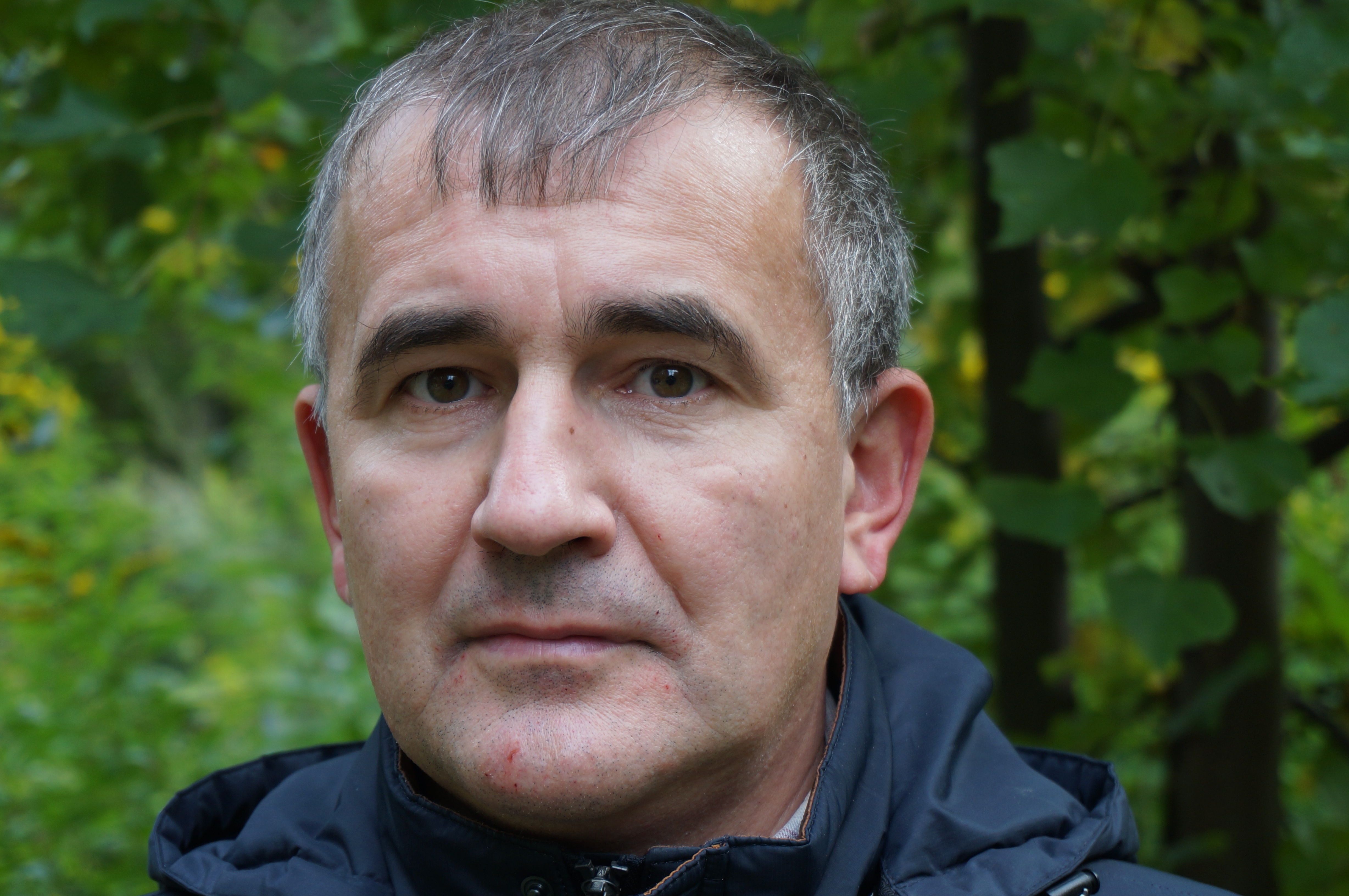
- Today, many are also justified by the system - the system forces to rewrite the protocols in the elections, put pressure on his subordinates, beat the detainees. Do you see analogies with today?
The strings that began in 1917, in 1931, 1937-they certainly did not break
- The analogies here are very dangerous, because these are some kind of stamps that just prevent the specifics of today. Nothing in history is so stupidly repeated.
But the topic of personal responsibility today, of course, is relevant. A person can live all his life without facing a choice. It may turn out - and make such a choice. And he can make a completely different choice, and, say, will go out into the street and say “no” to all this system. He will say, for example: “I will leave work if they force me to vote for who I do not want to vote for,” and will leave work. If there are quite a lot of such people, then those who intimidate them and bend, maybe they will think.
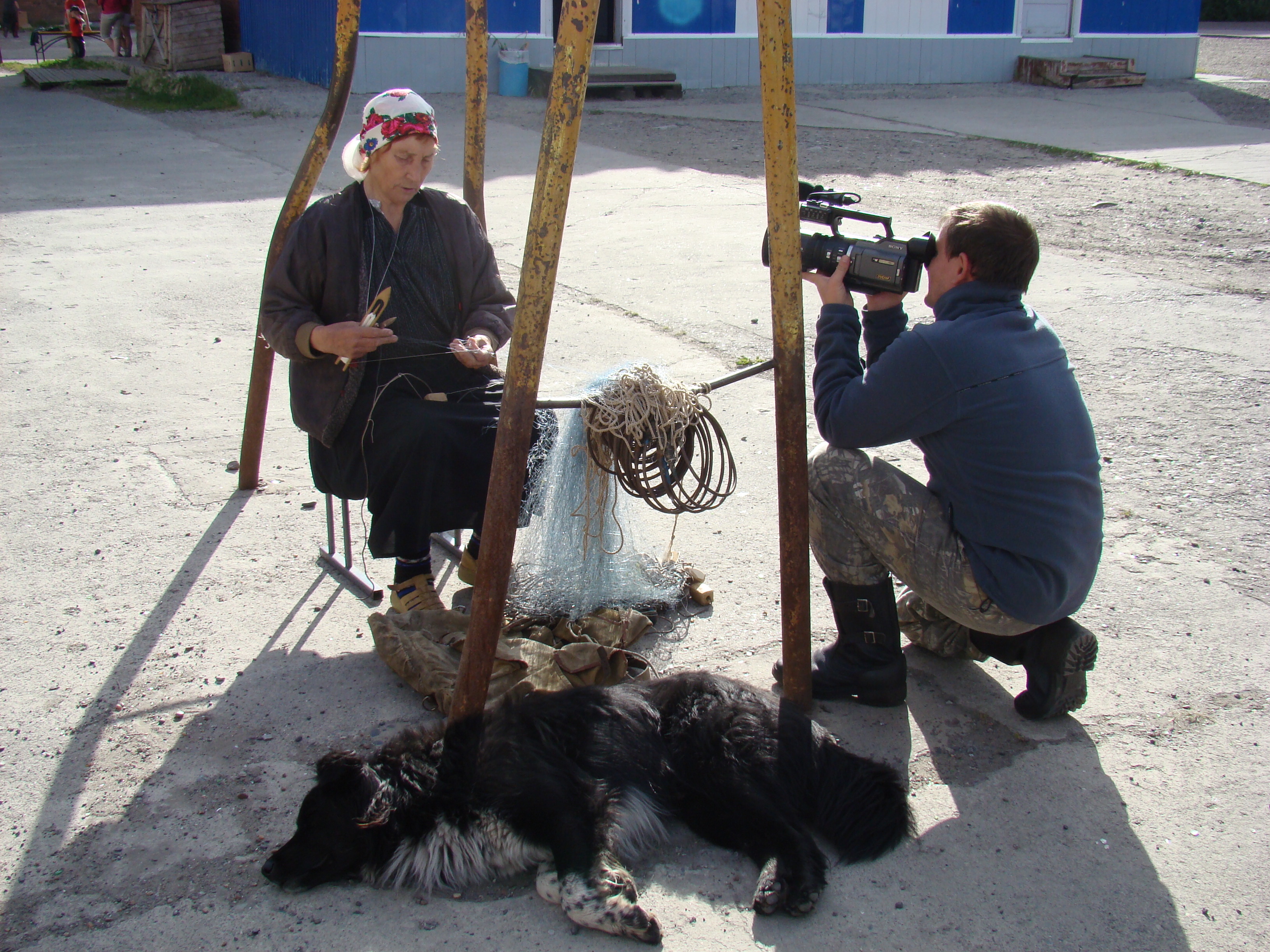
"The story is not repeated, but it lasts"
Today you can often hear words about "New 37 years." But Viktor Muchnik believes that these comparisons are meaningless:
-Still, the time is completely different. Yes, something terrible can happen, but it will be terrible differently than in 1937. I would say this: history does not repeat, but it lasts, and we are still in this duration. And we are in it, including because, as I think that we did not survive this injury, did not talk, did not fully understand what happened to us. We are still trying to figure it out.
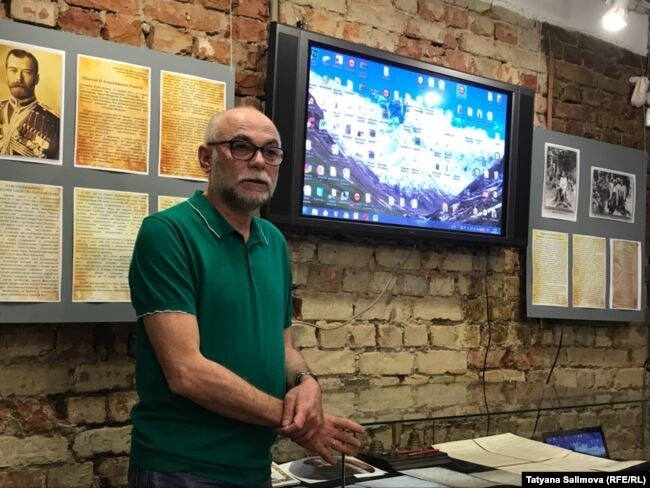
- Well, if we try, and not just close our eyes.
- Well, yes, not everyone is trying, that's for sure. And many are actively resisting, and I understand that this resistance goes from the fact that a person is injured and he simply does not want to know about it, is protected. And besides, there are still all these theories about "the forest is chopped, chips fly", about the fact that our vast spaces cannot be controlled otherwise, well, etc. etc. But partly the survivability of these theories in our space is from hopelessness. People feel their powerlessness in front of the system, do not see the strength to resist, and it is easier to find at least some excuses for everything that happens. A peculiar "Stockholm syndrome".
- Do you think, without a purposeful state policy, without maintaining such films, to include these episodes in the school curriculum, without a planned, expensive state work - society itself will be able to cope in this injury?
- From my point of view, society is primary in this case. The society must form a well -defined request to the state, a certain and tough request, a request to ensure that the state contributes to the spread of true views on the past, and not myths and propaganda. This is first.
Secondly, of course, there is the responsibility of the elites, and the more resources and powers you have, the more your responsibility. And if the elite - political, cultural, media, anyway - unequivocally agreed that to destroy several million people for the sake of mythical "state goals" - this is a crime that can not be justified that it is definitely bad ... If this simple thought had realized with all certainty in teaching history, in memorial practices, literally in everything, of course, in the right direction. But this does not happen.
However, our current state cannot unequivocally decide all this. It is also a gazeskae stands on the field of memory policy. Because he also wants to inherit what it considers great victories, on the one hand, and on the other, to somehow separate himself from those crimes that were happening in the name of these great victories. And therefore, on the one hand, it seems like you want and you can even put some monuments to the victims of repression, and they are really erected, and on the other hand, it is said about historical continuity, that everything was "not so unambiguous", that even "let's figure it out, whether they were correctly rehabilitated, whether some were repressed."
The state so far allows itself some ambivalence on these issues. And at the same time, it is more and more said that "state greatness" justifies certain sacrifices today. And accordingly, the talk that no state goals are worth millions of human lives, and one life, become more and more dubious from the point of view of the state.
The skeleton by the river
"I feel very severe pain. The pain for not seeing this grandfather who was shot here. We did not see their uncle. Aunts who died, from the fact that the grandmother was left alone - they were sick,
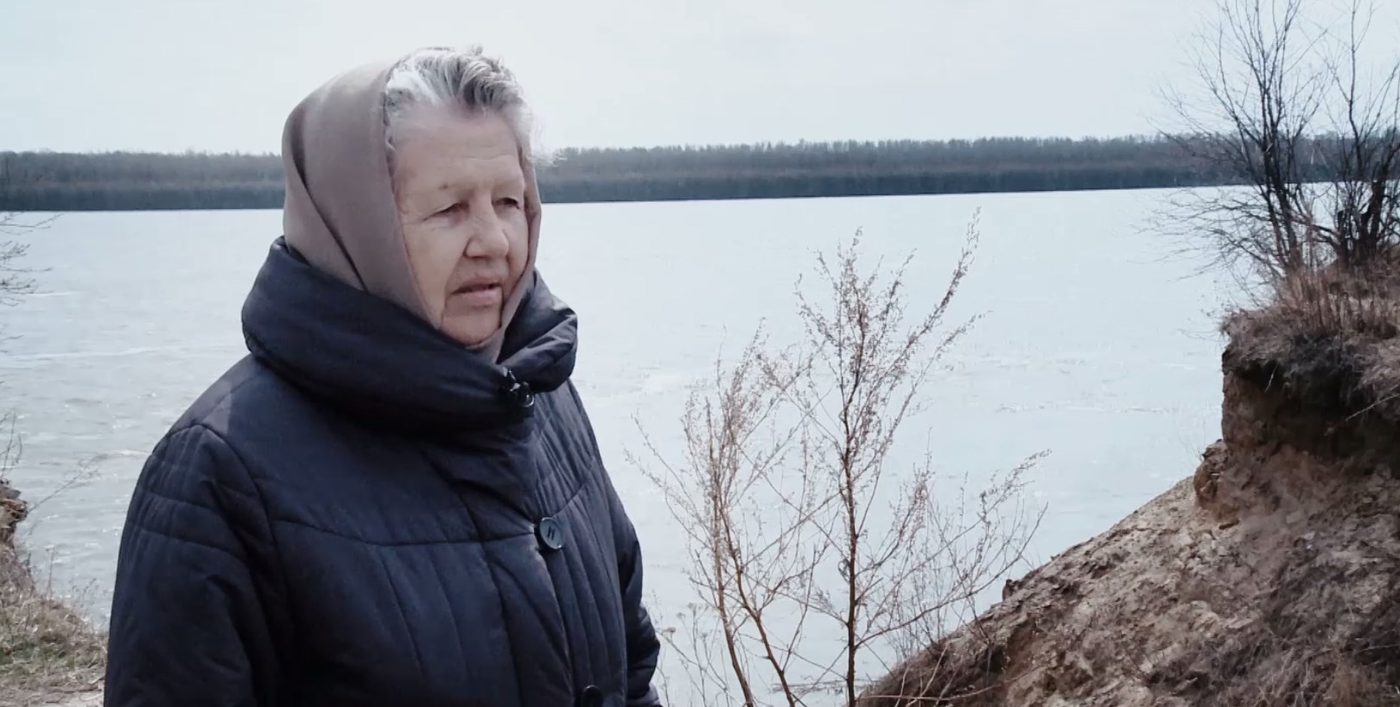
Died here. We did not know anything in childhood. But as soon as they found out what happened here and what happened to our grandfather, since then the pain has not let me go, ”says Jeanne Shestakov , the granddaughter of Andrei Shestakov, who was shot in Kolpashev in 1938. her grandfather was one of those who were buried in a common grave, and then drowned in Ob in 1979.
Her sister Nina Fedorova continues:
"But how, how can one wash away the memory? It is impossible to wash away the memory of anything. Well, the pain, it was, remains. And nothing is done to somehow perpetuate the memory of these people."
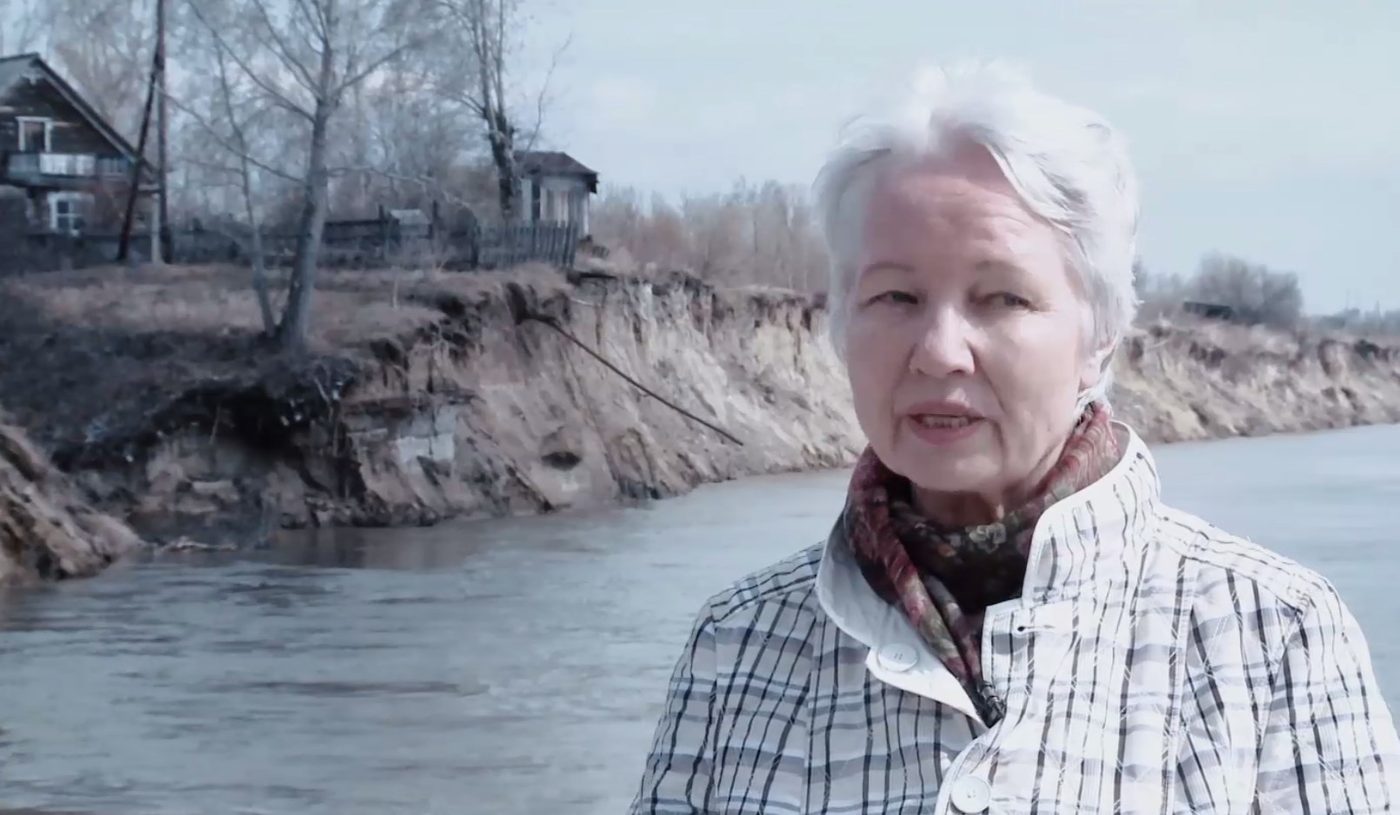
There is still no monument to the victims of repression in Kolpashev, although a mortgage stone was erected a long time ago. To honor the memory of their repressed ancestors, people come to the shore of the Ob and throw wreaths into the river, mercilessly exposing the terrible truth.
The river is the main image of the film, says director Denis Bevz:
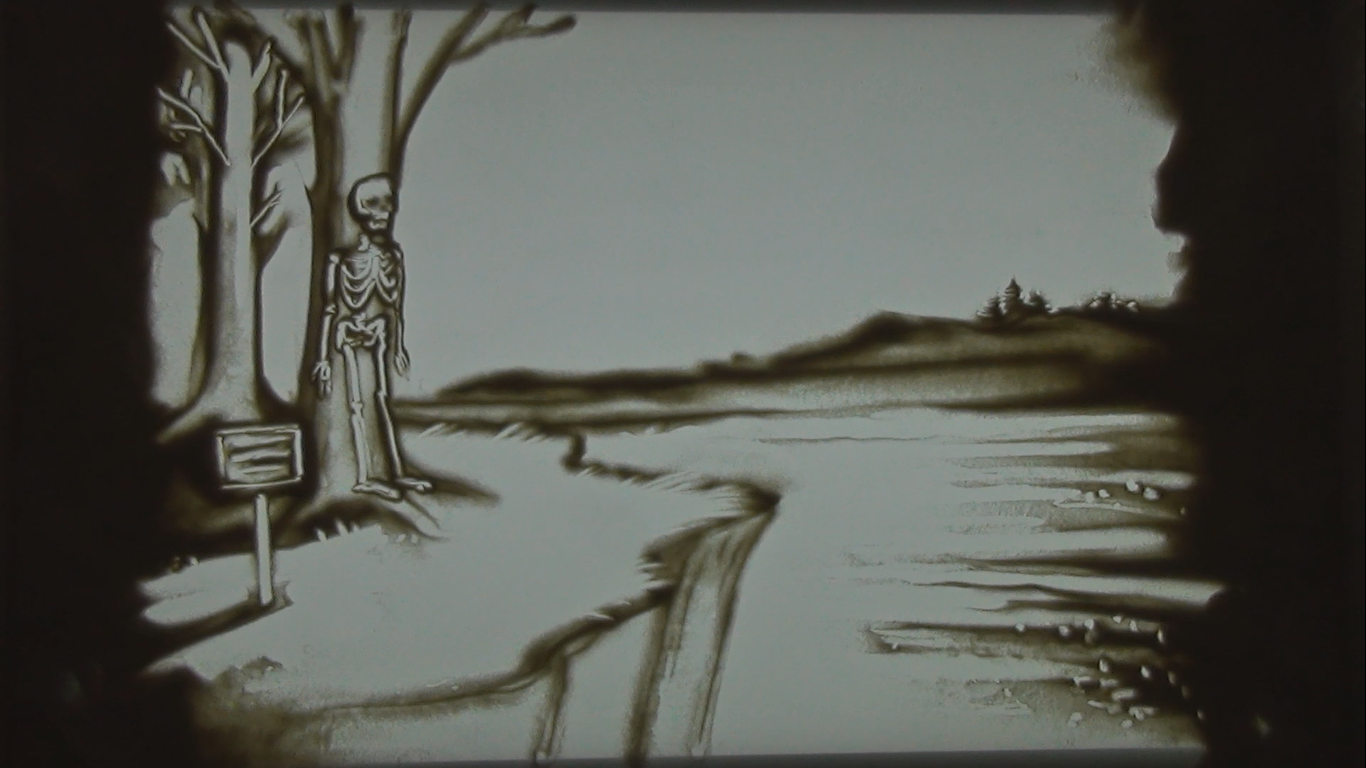
- There is one scene very strong. After all, there is still no monument there, and the son of a twice killed in this Yara came, a skeleton from tin was nailed to a tree, and this skeleton, nailed and a tree, for many years was the only monument of the tragedy. But his river also makes sense, she washed and carried away this tree with the skeleton.
-It turns out this is some kind of oblivion? ..
- May be. What is the most important difficulty: after all, asking some questions for ourselves, we cannot get one answer to all. If we suddenly order everyone to think: and this is bad, because this and that, then it will again be some kind of totalitarian society. We all have different ideas, different fates, different family stories ... And everyone should come to the answers to all these questions. And making the film, the heroes and I were looking for answers to a variety of questions.
-They told me about one person (I don’t know whether we are true or not, until we found him, although we are trying to find him), about some captain who nevertheless refused to participate in the destruction of the burial. He just refused, and that’s it, ”says Victor Muchnik.
“And there was nothing for him?”
- There was nothing for him. This is still 1979, you could lose maximum work. In the film, the combatant himself says: "I would not have been imprisoned, I could refuse, I just did not think." Could refuse. There people say about this, one woman says: "Novocherkassk would have happened, if we all went there and began to protest against the destruction of the burial." And perhaps, if people were spontaneously indignant, even if the bodies would have buried humanly. Naturally, without a memorial, without proceedings, but at least they would have acted with the remains in love. They would have buried some signs, that is, they carried out simply reburial, and not this monstrous destruction of the dead a second time. But it did not happen.
There is no subjunctive mood in history, and you can’t turn it over. Но обустроить мемориал в память без вины убитых государством людей еще не поздно, – говорит Виктор Мучник.
И так совпало, что на следующий день после премьеры фильма "Яр" 21 сентября на территории Вознесенского кафедрального собора в Колпашеве был заложен и освящен камень в основание будущей часовни – памятника жертвам политических репрессий.
– На мой взгляд, для Колпашева это очень важно. Люди должны знать, что произошло с их родными, что произошло с их страной, что произошло в том локальном пространстве, в котором они живут. Хорошо, что будет часовня, но кажется важным, чтобы недалеко от того обрыва был еще и памятник – обязательно с именами убитых. Тем более что там погибли люди, принадлежавшие разным конфессиям. Я считаю, что это было бы принципиально важно не только для потомков этих людей, но и для жителей Колпашева. И я надеюсь, что такой памятник рано или поздно будет тоже в Колпашеве поставлен, – говорит Виктор Мучник.