
Translated material
"I have never seen a person and a bear in one grave"
Russian archaeologists - that they dug up in 2018 in Crimea, Vietnam, Abkhazia and the Leningrad Region
In October, the archaeological season ends in Russia: every year, archaeologists go on expeditions to a variety of regions of the country and the world in order to find new important evidence from the life of ancient cultures and civilizations. The Special Corps of Medusa Polina Eremenko talked with the participants in these expeditions and found out that they dug up interesting things this year (for example, an ancient Greek city near Sukhumi and a perfectly preserved burial ground for 300 burials near the Crimean highway).
Anton ANYOKIN
Senior Researcher at the Institute of Archeology and Ethnography of the Siberian Branch of the Russian Academy of Sciences
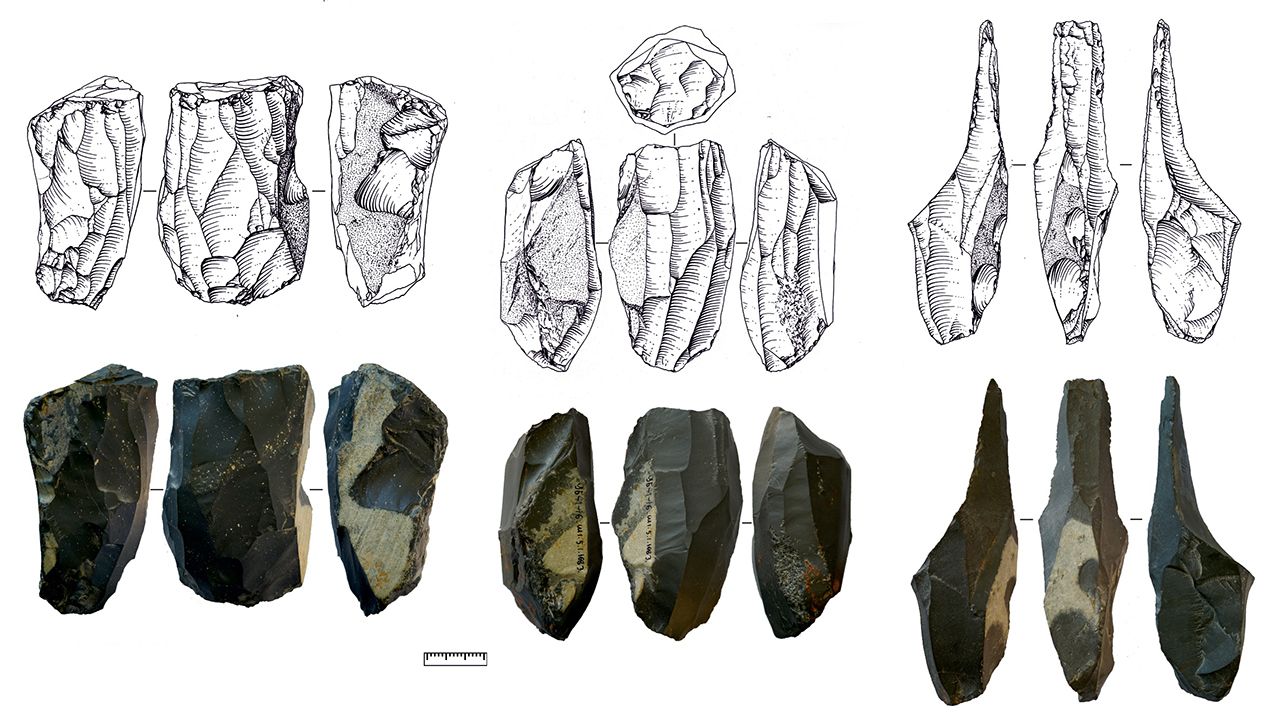
It's hard to talk about your findings. For a specialist, this can be a unique, beautiful material, and a non -specialist will say: "Found a couple of cobblestones."
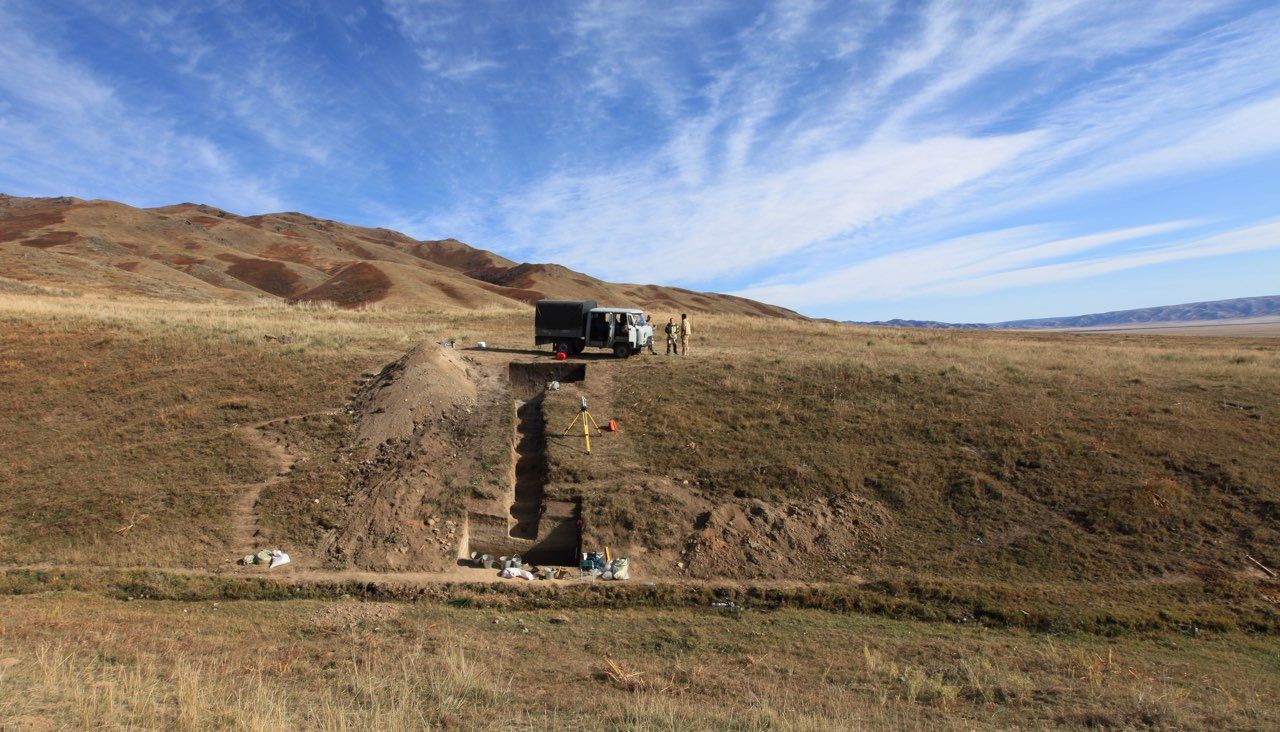
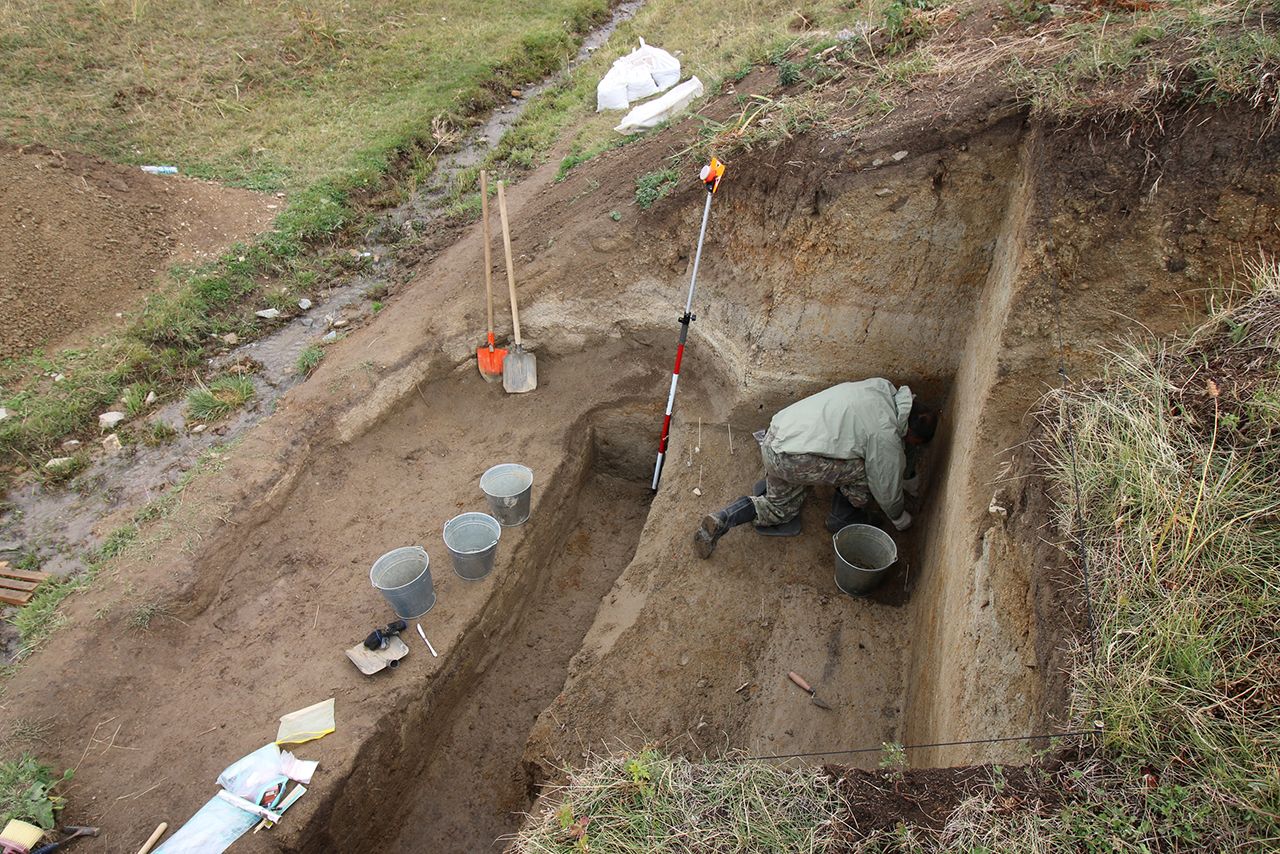
This year we continued the work that was started in East Kazakhstan in 2014. In the year before last in the Shilktinsky Valley, literally 5 kilometers from China, a monument unique for Central Asia was found - the Ushbulak parking lot. Such monuments are known in Western and Eastern Europe, there are a large number in Russian Altai, but there were no such parking lots in Kazakhstan. In 2016, we had exploration work, in 2017-2018 - already excidest.
If the age of the parking, which we predict, will be ancient than that of the Altai monuments, then we can assume that a person was walking through Uzbekistan, then Kazakhstan and only then ended up in Altai. If the dates turn out to be younger, then the center of culture formation was still in Altai.
This story is not about national pride. She simply draws us more accurate ways to spread our ancestors in the continent. Pride can only be for all of humanity as a whole, since at that time there were neither borders nor nationalities.
It is interesting for me to plunge into history partly because the world was then more integral. Now we have created our own nature and live in it. We depend on the “normal” nature only during periods of cataclysms. And at that time, a person depended entirely on what surrounds him, was better adapted [to nature]. As we are now inscribed in the cities, so the people of the upper Paleolithic were inscribed in some sections of the territory. But they were much more mobile than us. They depended on stone raw materials, from which they made tools. For high -quality raw materials, they could go for 300 kilometers, and it was normal. Now we have planes, the ability to move quickly over long distances, while we practically do not move over short distances. And for them every day 50, 100 kilometers to pass, it was quite normal. They lived in motion.
There was a hard world. We also have tough, but rather psychologically. In physical terms, we are inferior to the ancestors - but they could hardly survive in our world, despite all endurance.
Pavel Kolosnitsyn
Head of the field research sector of the Center for Archaeological Research of NovGU
A good year for Novgorod: the weather is very archaeological - dry, warm summer, favorable for excavations. There were no sensational finds, Rurik’s personal belongings were not found. But archeology is a constant accumulation of knowledge. Our task is not to find something so that everyone would see and gasp, but to accumulate information. We explore the estates, the remains of wooden pavements. Here they threw off kitchen waste, here there was a cattle yard. In the remains of houses - broken dishes, the remains of guns, jewelry. We find the city - this is the main difference between archeology and treasure hunting.
The brightest find, of course, is always birch bark letters. This year they found several absolutely chic. Why are these letters important? Here you have to start a little from afar. The problem of studying Russian history is a small number of written sources. The reasons are a narrow spread of literacy, the high cost of writing material. In addition, approximately 99% of written documents died in fires. If we are talking about the pre -Mongol period, written documents of this period can be counted on the fingers.
In the XI century, someone had a very progressive idea for that time, the idea of using birch bark as a feasting material. Beresta is in any forest, in any yard, from the log you can tear a piece. On this birch bark, with a sharp stick (metal or bone), texts were scratched. Around the great Novgorod and the old Russa are lands in which organics are well canned, and birch bark, falling into this layer, did not decompose. The birch bark letter can be obtained, expanded and read.
Most often these are personal notes, debt recordings, drafts of will. The husband sends his wife a note: "From Boris to Natya, I ask you to send a person to me on a stallion, I have a lot of things to do, and they came a shirt." Or a son from Smolensk sends a letter to his parents to Novgorod, where he reports that in Smolensk cheap bread - sell estates and come to Smolensk. From this letter we understand that in Novgorod there is clearly a period of lack of food.
You can learn the names from the letter. There are baptismal names - Natalia, Boris - and there are names that were used in everyday life and are not recorded anywhere. For example, a girl named a long scythe. Even in diplomas, the mention of settlements is important. The author writes to Novgorod that he was coming from Yaroslavl, frozen in ice near Uglich - this is information about trade routes. There are reports of family foundations - the husband insulted the woman, she turns to the brothers and father with a request to protect her from this insult. There are also love notes - the woman writes to the man: "Why don't you come to me anymore?"
This year, a group under the leadership of Elena Toropova found a letter - a list of either debtors or taxes. It is said that such and such-the size of such and such and such and the “size”, in the most common opinion, is a measure that was measured by salt during sale. Further to decipher this letter will already be linguists, archaeographers who specialize in the Old Russian language.
Alexander Kandyba
Researcher at the Institute of Archeology and Ethnography of the Siberian Branch of the Russian Academy of Sciences
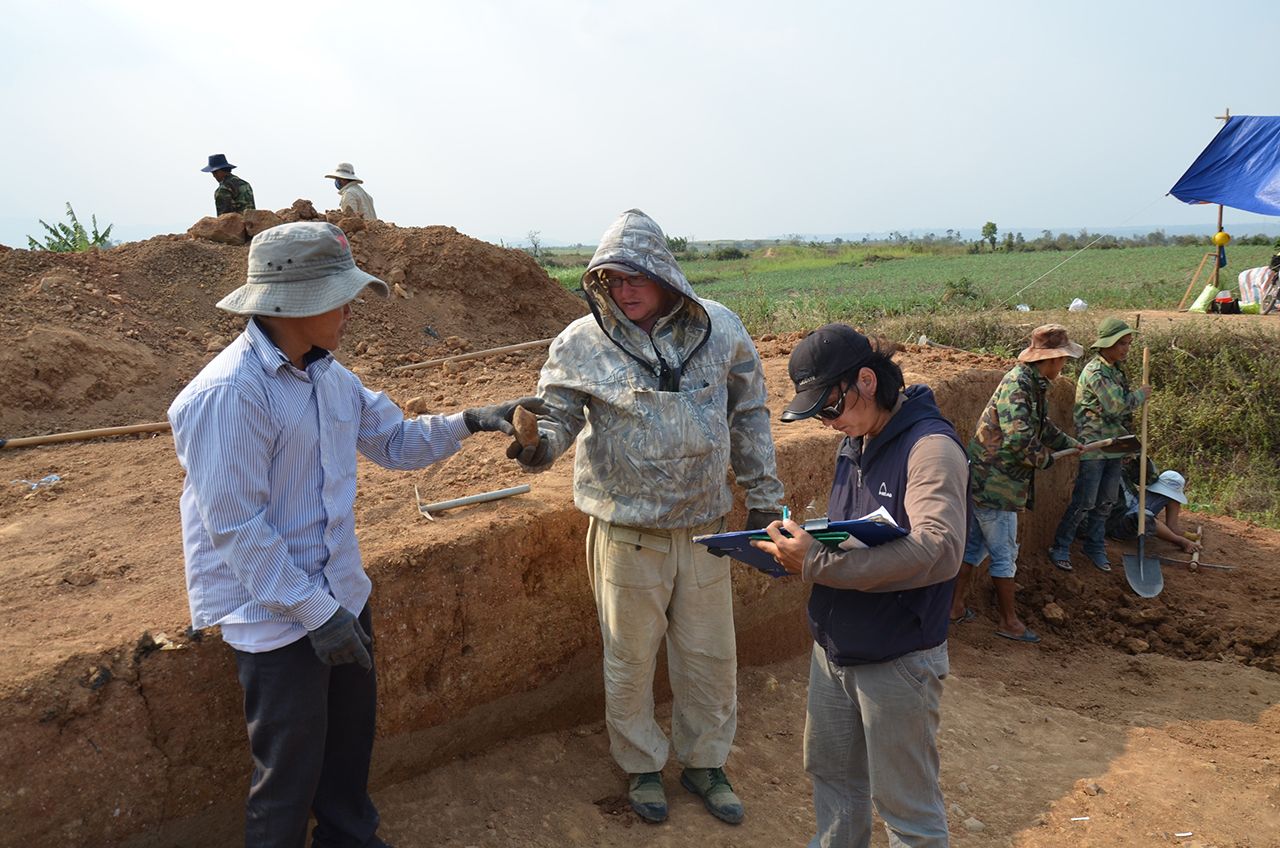
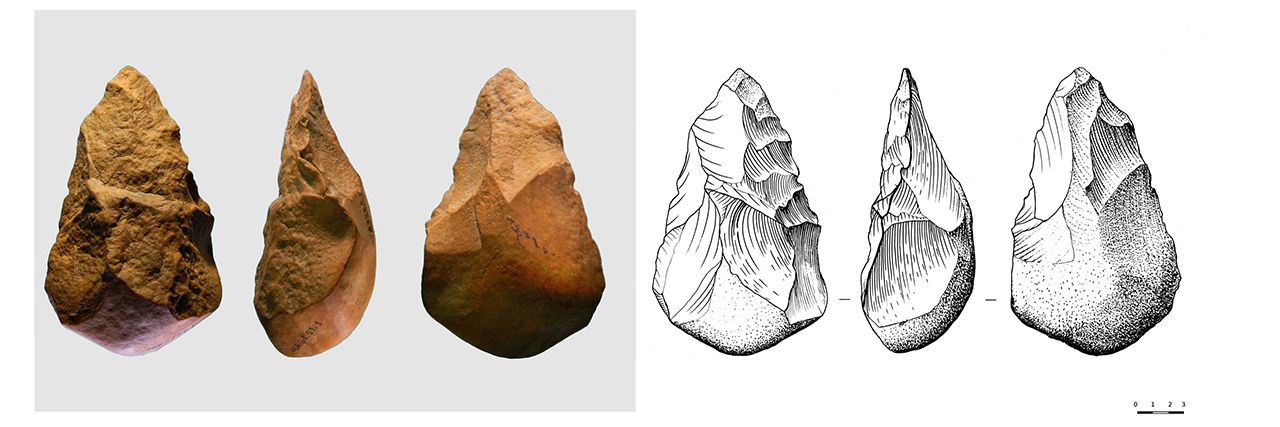
This year I worked in Vietnam, in Dagestan and in the Altai Territory. I spent most of my time at the Vietnamese expedition, where I am the deputy head for work. My specialization is an early paleolitis: this is when a person took a stone for the first time and created a gun out of it.
In Vietnam four years ago, we opened a new culture - Ankhe. What do we call a new culture? Some kind of river, village, mountain, stream are being searched. Ankhe's culture was named in the nearest city. She is about 800 thousand years old. They discovered stone tools, sold the deposits in which they lay, and received age. To declare that we opened a culture, one monument is not enough - therefore, we have 23 of them. Seriality is important to prove that the find constantly existed in culture. Just one item, which does not look like anything, raises only more questions.
We were invited to work here in Vietnamese archaeologists. The tradition of cooperation between Russian and Vietnamese archeology is very old-since the 60s of the last century. Then the guys from the St. Petersburg Institute of Material Culture worked, and now for nine years our Novosibirsk Institute of Archeology has been working.
For the Vietnamese side, our discoveries are important. We are supervised by the Communist Party, which is still in power here. All officials cooperate with us, help. On one monument that we opened, we have already built a museum. There is much more than in Russia, attention is paid to the preservation of cultural objects, and no matter what - such installation from above. We will be frank, these are additional glasses for officials - so they show that they take care so that they will save, do not pull, do not plunder. Assistance is awesome - where we work, there were field roads, and now they build an asphalt road to make it more convenient for us.
I communicate little with the locals-for me the language is very complicated, so I speak only sometimes through our colleagues-westnames, who know English. In general, they are friendly, especially in relation to the Russian Federation. Sometimes some local fruits bring us for excavations. I don’t know the names, because we are not for sale. They say the name, but I forget in two days. On an amateur.
Vietnamese technologies at excavations from Russians do not differ. Their teachers were Soviet archaeologists, so we have the same methodology, it is convenient to work. The only thing we do not have, but what is very fond of here is karaoke. In the evening we go somewhere-almost always karaoke. They love Katyusha - they remade her, baked it. And not only her: “Moscow Regions”, “Million Scarlet Roses” - the Vietnamese text, a slightly changed melody. I can’t sing to you now - even if I try very hard, I’m not sure that I will say “a million scarlet roses”. With their tonal language, you can try to pronounce a “million red roses”, but it turns out “I want to go home”.
Nikolai Makarov
Director of the Institute of Archeology of the Russian Academy of Sciences
This year, a burial ground on the Simferopol -Sevastopol highway was excavated. If it were not for the survey of the territory that preceded the construction of the road, we would not have known anything about this burial ground for a long time.
In the burial ground - more than 300 burials. They were not plundered in antiquity and did not even affect modern robbers, who until recently were very active in Crimea. Crimea until 2014 was a place where robbery flourished. Still, under the Russian government, laws are respected, more supervision. I do not want to idealize the situation - there is also fresh damage to the monuments, so I am not ready to say that this problem now does not exist. But the scale is different. This is not the 1990s, when the excavators were simply driven to the mound.
Each of the three hundred burials that we found is a straight work of art, installation. Burials were equipped for God, for eternity (as you want and call it), some inhuman creativity was invested in them.
There are almost no things produced by the local population in these graves. Many objects that were found there could be found in the Eastern Mediterranean, and in the Western Mediterranean, and in the Roman provinces, and on the Black Sea coast. This is an example of the strongest ancient influence on the barbaric population. Globalization is not only a modern world.
Things are beautiful - glass products, beads, weapons, metal jewelry. After a few years, we will see all this in the exhibition of Crimean museums. So far, the task is to take a breath, because excavations of 300 burials are a serious operation that requires great forces. This is large -scale tactical work - to clear the burials, document complexes, collect things, carry out the initial restoration so that everything does not crumble. But this, of course, gives a drive, a feeling of touching the past.
Mikhail Shunkov
Director of the Institute of Archeology and Ethnography of the Siberian Branch of the Russian Academy of Sciences
We continue to study in the Denisova cave in the Altai Territory. This is one of the leading archaeological objects in the world. There, 10 years ago, a new, unknown to science, the population of an already extinct ancient man was revealed - Denisov’s man, Denisovets.
Two years ago (I wrote an article about this in the journal Nature) there was a fragment of the human bone, which belonged to the hybrid: my mother was Neanderthal, and the father was Denisov. That is, Denisov Cave is also the only place in the world, known today, where these two ancient populations coexisted. Not just coexisted, but entered into a very close relationship.
This year, many guns and bone jewelry were found in the Denisova cave, which indicate a high aesthetic level of inhabitants. Bone needles with a drilled ear, for example, say that Denisovets himself sewed his clothes. Moreover, these findings date from 40 to 50 thousand years - a very ancient age for human history. So, the south of Siberia, Altai at this time is one of the centers of cultural formation.
Only one expedition works in the Denisova cave - our Novosibirsk Institute of Archeology and Ethnography. But experts from around the world take part in it: Paleogenetics of the Institute of Evolutionary Anthropology Max Planck, specialists in radiocarbon dating from Oxford University. Naturally, such an object attracts the attention of leading specialists from around the world, and we willingly respond.
Victor Lebedinsky
Head of the Underwater Archaeological Expedition of the Institute of Oriental Studies of the Russian Academy of Sciences
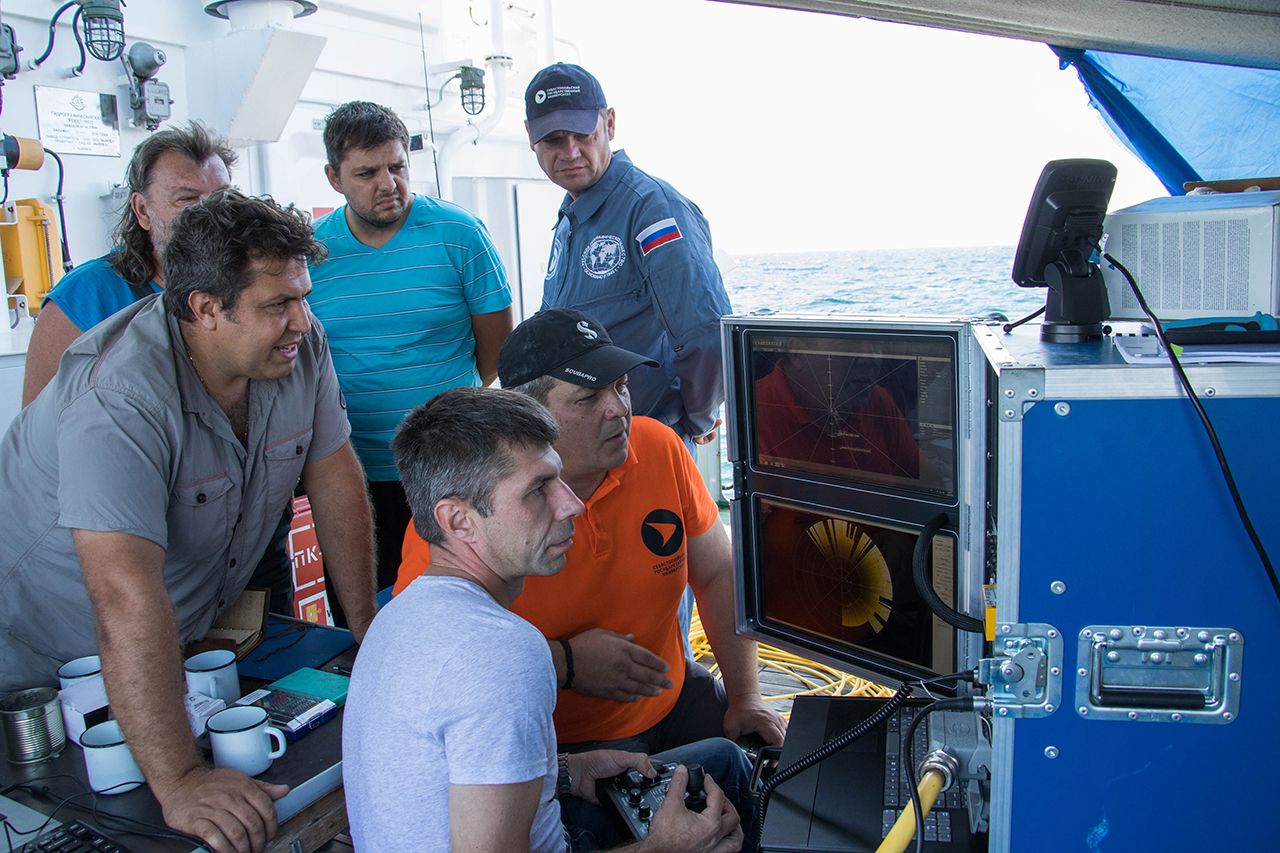
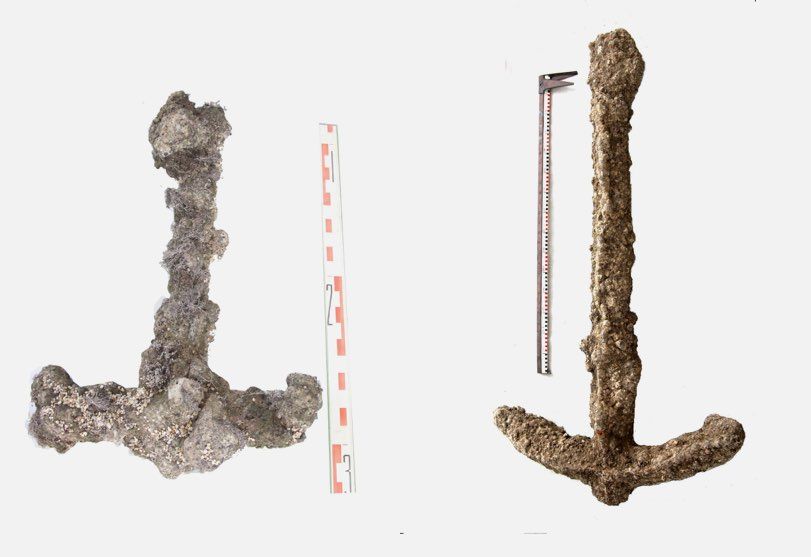
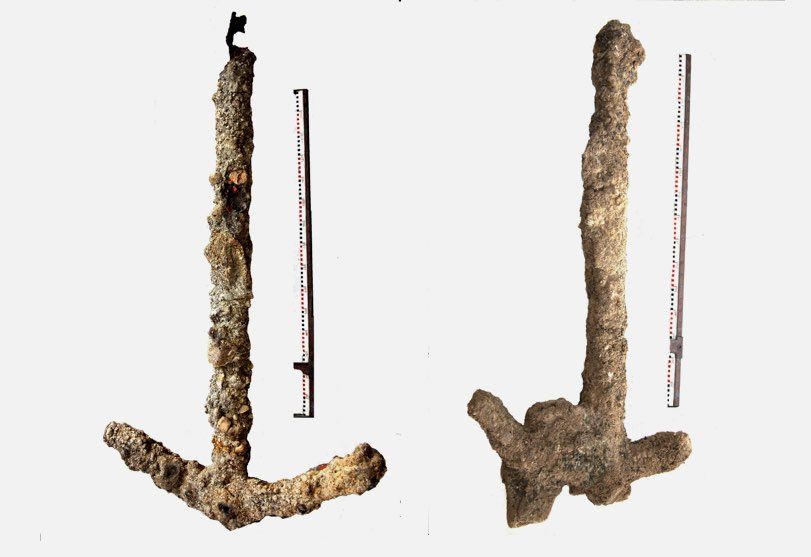
This year we worked at the mouth of the Belbek River on the north side of Sevastopol - we thoroughly examined the sea bottom. They found lead dishes, local residents handed us a lead boiler, which was also discovered in this area.
All these finds suggest that in the 2nd -III centuries there was a shipwreck. How? It is easy to determine that this is a thing of the times of antiquity by lead utensils: lead was actively used in the Roman period on ships, since he was inexpensive, he did not fight like ceramics - and, which is important, because his harmful properties were not yet known.
How is this information valuable? We have so little information about the navigation of the era of antiquity and the Middle Ages (a small number of images on frescoes, graffiti) that any find - anchor, dishes - helps restore the history of navigation, customs. Even the lead boiler makes you think - was heated food on a fried or open fire? This is a subject for further research.
In addition to lead utensils, we found anchorage at Cape Ayudag. The anchors of the 5th - VII centuries were found until the XI century of our era. This means that there was a constant parking of ships in the era of Byzantium. This correlates with excavations on land - Byzantine buildings and the Byzantine temple of the VI -IX centuries were discovered there. The anchors of the XVII -XIX centuries were also discovered there - it means that the anchor parking was there during the periods of new and recent history. What do knowledge give us this? Anchor parking lots allow you to restore the history of navigation: where there were ports where unloading and loading occurred - these are all the elements of the mosaic. The sea component is very important for understanding the life of those times. These modern people live on land, and earlier the cities and countries connected mainly sea routes, the movement of goods and passengers went by the sea.
Finds allow you to gain information for further dating anchors. Unfortunately, the anchors that we now find are dated to fairly wide time ranges. We can determine the age of the anchor only if it is found at the place of shipwreck. The shipwreck, in turn, dates from the ceramics found in its place. Ceramics are the best dating material, it along with coins gives narrow chronological frames. The anchors do not have this, so each new anchor helps to clarify the temporary scale.
The result of our research may be scientific articles, monographs, expositions in museums. For 20 years I have been engaged in underwater archeology - the story of navigation still hurt me from the university. This aspect in the life of antiquity is not sufficiently studied, we are actually discoverers here. There are very few scientists who are now working under water. We collect material that will use many more generations of scientists.
Askold Ivanchik
Head of the comparative study of the ancient civilizations of the Institute of General History of the Russian Academy of Sciences, professor of Moscow State University and the RANEPA
This year was our first season of excavations in Abkhazia. The task before us is this. The east coast of the Black Sea is one of the zones of ancient Greek colonization. Other coasts are well studied, ancient Greek cities were found there, this is not so with the eastern coast. We know from the sources that the main Greek city in this area was called Dioscuriad, but it has not yet been found.
Since the beginning of the twentieth century, there is an opinion that Dioscuriad is in the place of modern Sukhumi. Excavations on the territory of Sukhumi have been conducted for a long time, a large area is opened, but all layers are dated to time no earlier than the 3rd century BC. This is a problem, because Dioscuriad was in the VI century BC. We studied the descriptions of travelers and Greek sources that mention this city. Thanks to them, it was possible to find a place that is very suitable. Last year we visited there, it turned out that some settlement was there, because ceramics were found on a very large area.
This year we started excavations there. The results are amazing. All finds date back to the end of the 7th and 3rd centuries BC. The most impressive find is a crushed Greek vase, which is painted in a well -known style of wild goats among specialists. But the main result is a defensive wall of high power, at least four meters thick. Это существенный аргумент в пользу того, что древняя Диоскуриада находилась именно здесь — мощная оборонительная стена говорит, что здесь находился большой город, а не какое-то мелкое поселение. Этой же гипотезе соответствует обнаруженный материал, который датируется тем временем, когда существовала Диоскуриада.
Пока это только гипотеза. Чтобы это стало сенсацией, нужно подтверждение. Например, надпись, где будет название города. Если такая надпись будет найдена, то это стопроцентное доказательство. До тех пор можно считать, что гипотеза более или менее обоснованна. В следующем году продолжим работать. Если все подтвердится, то там работы на долгие-долгие годы.
Stanislav Belsky
научный сотрудник отдела археологии МАЭ РАН (Кунсткамера)
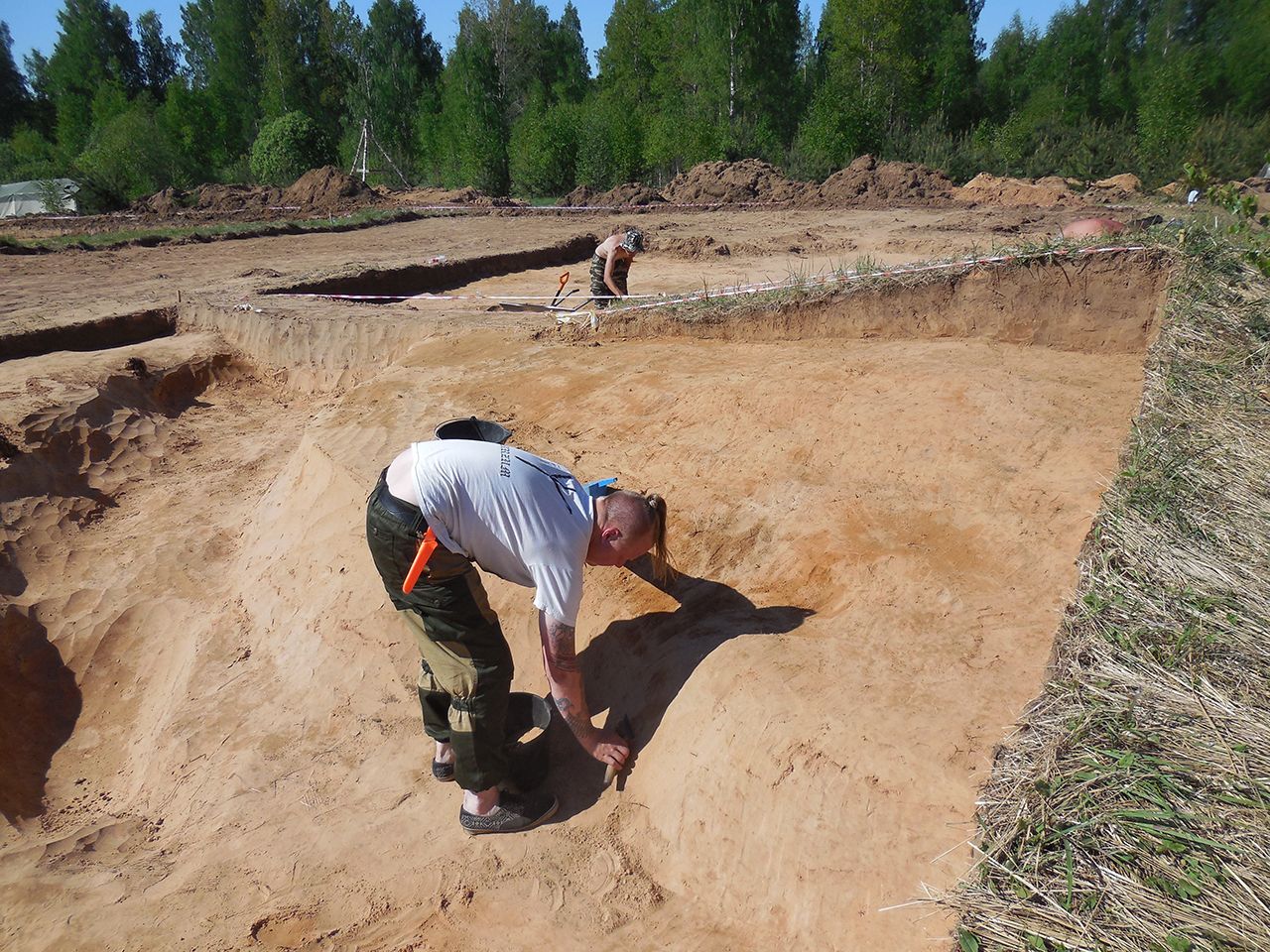
В могильной яме глубиной два метра в Ленинградской области мы нашли очень странную вещь: череп и длинные кости. Я пока еще зоологам их не показывал, но, скорее всего, это кости медведя. Я совсем не понимаю, что все это значит. Медвежий культ — известное явление, но я никогда не видел, чтобы медведя хоронили вместе с человеком. Медведь для обитателей лесной зоны был важным животным, они его считали своим предком, поклонялись ему, это все в русских сказках есть. Иногда встречаются медвежьи лапы рядом с погребением человека, иногда имитация — глиняные лапы. Но я никогда не видел кости в одной могиле с человеком. Как с этим работать, будем думать.Человек не сожженный, рядом с ним вещи, поэтому, думаю, не ошибусь, если скажу, что это XI век — первые попытки христианизации уже идут, тела уже не сжигают, но все еще хоронят по древним ритуалам вместе с вещами.
Огромная проблема для меня и моих коллег — то, как сильно у нас в Ленобласти грабят средневековые кладбища. Фатальная совершенно ситуация. Делают это своего рода профессионалы — работают бригадами по несколько человек весной, когда нет травы. Можно в апреле проехать по области — и заметишь персонажей, которые по полям ходят с металлодетекторами. Много объектов в Приозерском районе, где я в основном работаю, были очень сильно разграблены этой весной. Пришлось докапывать то, что осталось. Мне, конечно, было нерадостно наблюдать эту картину. Ужесточение законодательства не помогает, с каждым годом грабят все интенсивнее — видят же, что их никто не наказывает. Достаточно заехать на Удельный рынок и посмотреть — там полно археологических предметов продают. Следующим поколениям, которые будут заниматься эпохой железа, нечего будет копать, потому что все разграблено в дым.
Recorded Polina Eremenko