
Translated material
For intestinal bacteria they will create noev ark "
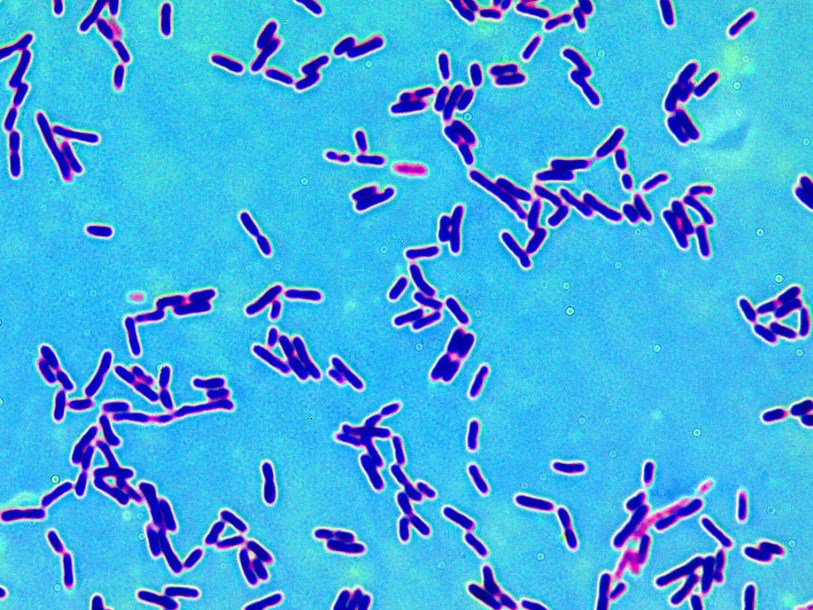
Scientists plan to create a repository for useful strains of intestinal bacteria living in organisms of representatives of various peoples of the Earth. The need to save these strains is caused by fears that a modern lifestyle will destroy unique bacterial communities that play an important role in supporting human health.
“We want to create a backup copy of all these collections in a safe, neutral country where they can be preserved until we fully study them,” says Biologist Maria Dominguez Bello from the University of Ratger. “We assume that they perform very important functions, and we cannot lose them.”
The project of storage for bacteria, published in the journal Science, resembles the existing worldwide seed storage at Spitsbergen, where since 2006 samples of seeds of agricultural crops have been stored. Only in this case, storage of not seeds, but frozen samples of human feces, in each of which is a unique community of microorganisms are provided. Recall that the release of pure bacterial crops in this case does not justify itself, since the properties of the intestinal microflora, as it turned out, are also determined by the ratio of the number of different types of microorganisms.
Studies have shown that people in isolated traditional communities have much more diverse intestinal microbiomas than representatives of urban civilization. For example, the microbioms of most US inhabitants are half as much as those of hunters-gatherers in isolated Amazon villages. The difference is caused by many factors, from antibiotics and chlorinated water to antiseptics and cesarean section.
But, as Dominges-Bello established, traditional cultures steadily lose their rich diverse microbioms, since they are increasingly coming into contact with the wide world. A gradual decrease in the variety of intestinal microbiomas can play a certain role in the spread of a number of modern diseases, for example, asthma, diabetes, obesity, inflammatory diseases of the intestine and food allergies.
The role of some types of bacteria in preservation of health has already been confirmed. For example, due to the use of antibiotics in the intestines, the bacterium Oxalobacter Formigenes often disappears, capable of destroying oxalic acid. The absence of this bacterium increases the risk of kidney stones, as these stones are calcium oxalate deposits.