
Translated material
Important questions about American education. Students answer
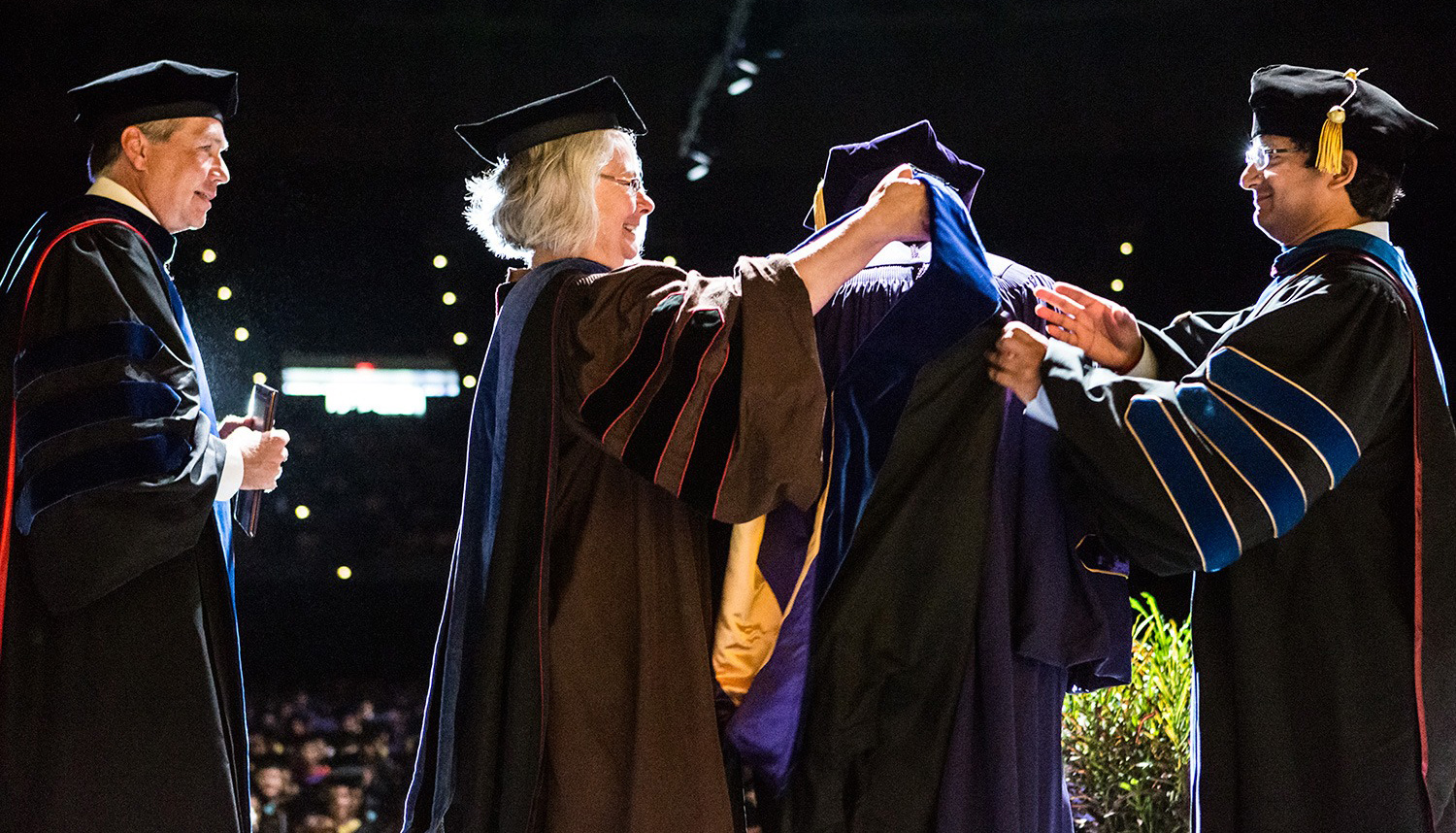
Universities in the United States every year fall on the lists of the best in the world. Together with IQ Consultance , which helps applicants with admission to foreign universities, we talked to Louisiana State University by George Ageenkov (studying oil and gas production) and Florida International University technologies Alexander Baryshnikova (studies hospitality). They answered important questions about studying in the United States - about receipt, study, practice, dormitories and communicating with foreign students.
How to prepare for exams in order to do exactly?
Georgy Ageenkov: I had to pass a test in English and pass an interview with a representative of the university. I wrote the test in the IQ Consultance office and did not prepare for it specially: there was enough school knowledge and what I gathered from computer games and films - I used to watch them in English with subtitles. Sometimes I confuse the times of verbs, so I advise future students to hire a tutor and pass TOEFL. An interview with a representative of the university took place on the Internet: I was asked how my day goes and why I chose an American education. As a result, I received a discount on education - 25% per year. I was told that this is the maximum. After the first year, the discount can be obtained again if the grades are good.
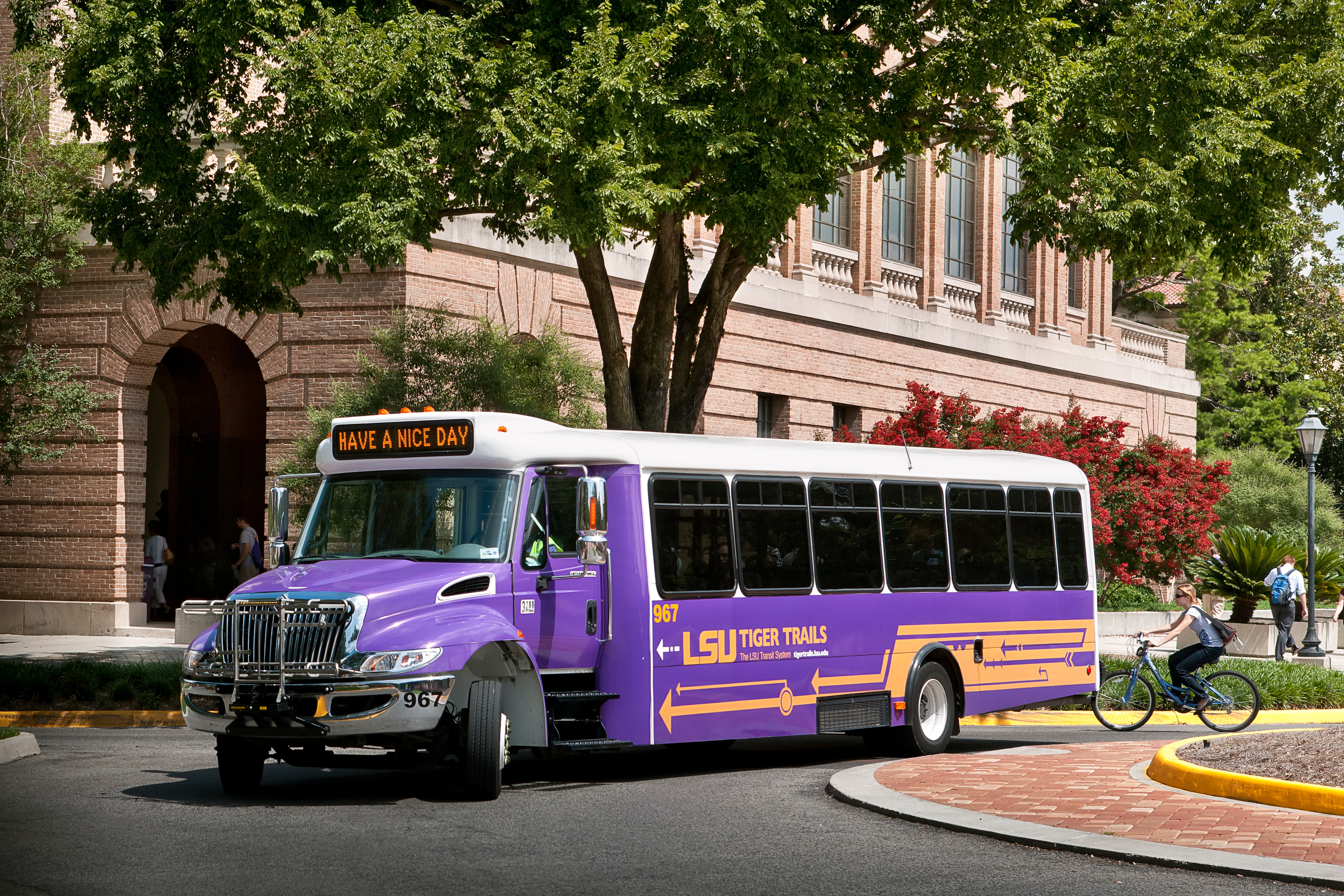
Alexandra Baryshnikova: For admission, I had to hand over TOEFL and go through an interview. To prepare for the test, I went to English courses in IQ Consultance a few months before the exam. And for an interview, special training was not needed. A representative of the university spoke to me: I asked what I know about Florida State University, why I chose the hospitality direction and what are my plans for the future. According to the results of the interview, I received a scholarship - $ 7,500 a year. I also had to pass exams at the university - mathematics and English. For the first I had enough school knowledge, and the second is similar to TOEFL. As a result, I was sent for two semesters to study in a group with students from different countries. This program is called Global First Year, and I really like this format. Then I will go to the group to the Americans.
More information about the terms of receipt can be found in the presentation conducted by IQ Consultance . Representatives of several American universities will arrive at once: University of the Pacific (California), Adelphi University (New York), University of Central Florida, Louisian State University (Louisian Of California (California). But at the meeting they will talk about admission to other universities. Their list can be seen here .
In American universities, they are not taught in the same way in Russian? What are the features?
Georgy Ageenkov: The learning process is similar to Russian. Students go to classes, hand over tests, receive grades - all as in other universities. But there are still some features. For example, students are given a personal schedule of classes. I go to five items: mathematics, sociology, agronomy, English and introduction to college studies - there is no such subject in Russia. In fact, this is a course about study and everything that is connected with it. In my group on this subject they teach to write an essay, for example, about the goals of study. And in other groups, teachers conduct a campus excursion for students and talk about local life. Another feature of training in the United States is teachers all the time pushing students to communicate with each other during classes. No matter how modest you are, the professor will smile and say: come on, discuss this topic with a neighbor!
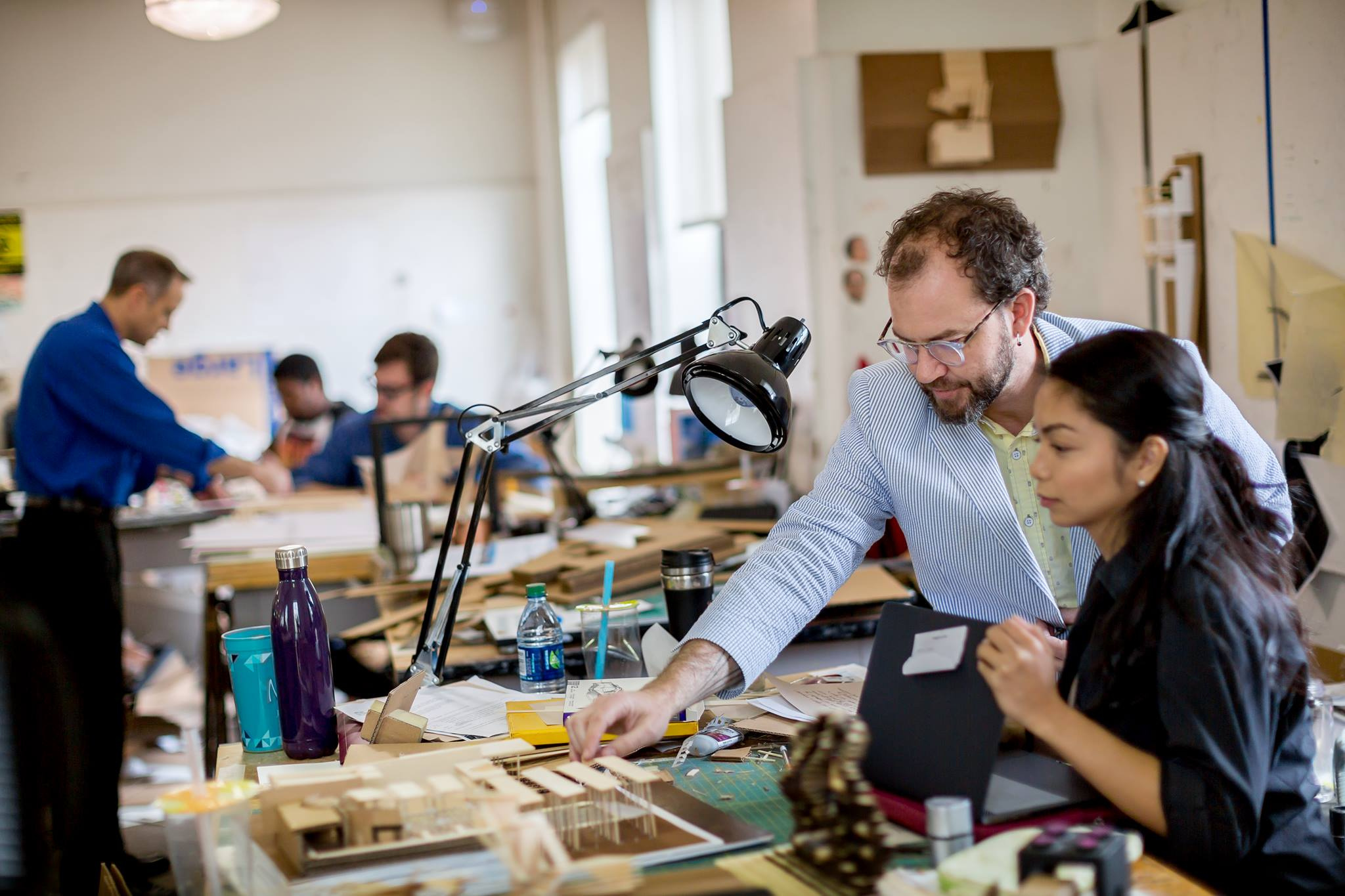
Alexandra Baryshnikova: We wrap the university everything is not arranged like in Russian universities. We make homework online, and in the classroom we work on computers. Now there are five items in my schedule: English, additional English on which we are taught to write essays, mathematics, oratory and economics. But soon I will be able to choose which classes to attend. Professors and students are friends - we communicate a lot and even have dinner together. Even the university employees are closely monitoring the emotional health of students, psychologists work at the university.
Is there practical classes at the university?
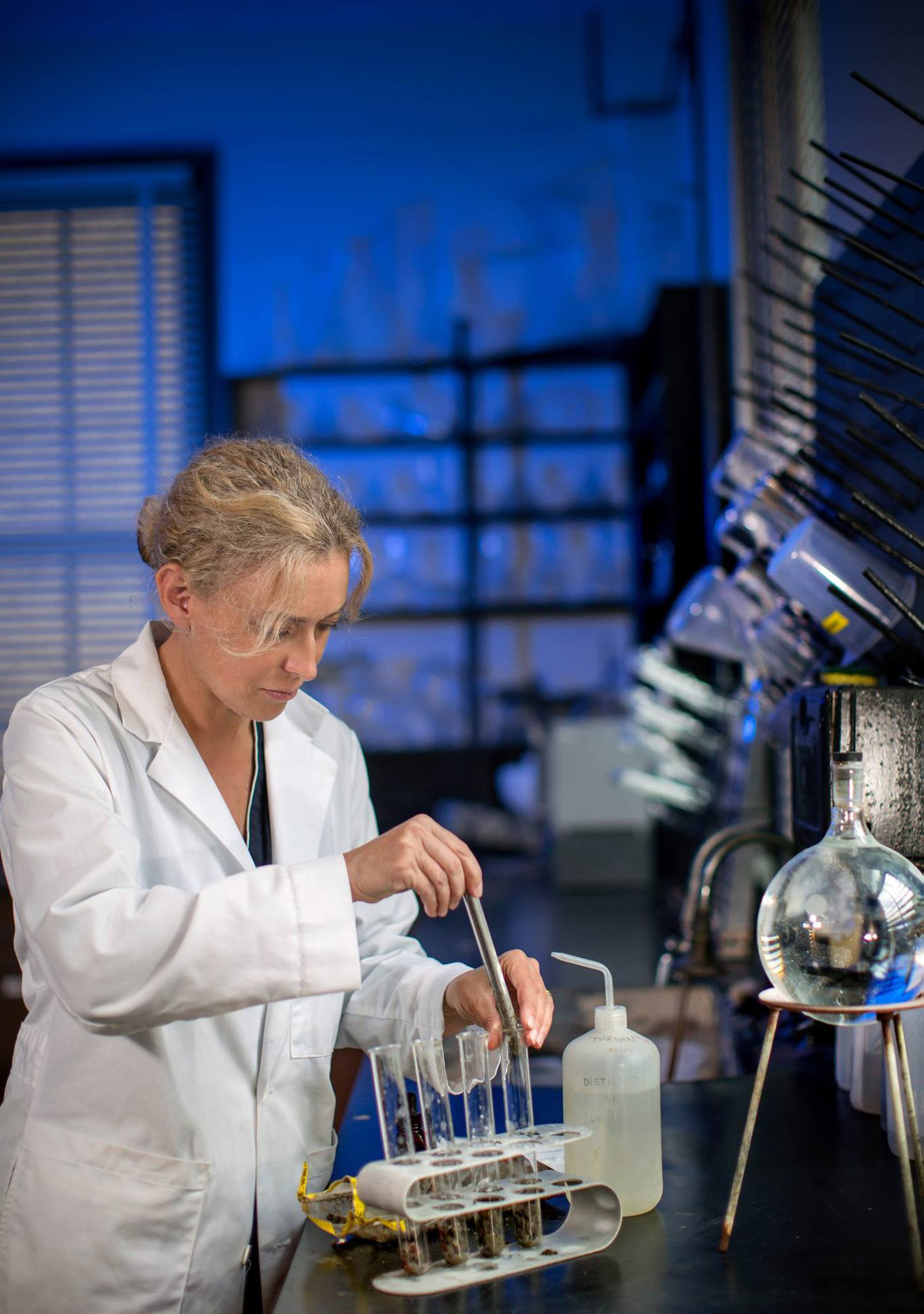
Georgy Ageenkov: We have many laboratories and workshops at the department for practice. A real drill tower has been installed on the territory of the campus, and students are also practiced on it. And recently there was an exhibition at the university where representatives of the companies came, and senior students were settled there. It’s too early for me to work, but I talked with representatives of Chevron. According to them, before getting a job, you need to go through an internship - Internet. I know that my university organizes such a practice and even helps students draw up a portfolio.

Alexandra Baryshnikova: In February, I will work at the food festival in Miami - volunteers are recruited for him at our university. The festival will be held on the beach: volunteers will register guests and spread food. Representatives of different hotels come to the university and those who have just recently finished studying and got a job - they share experience with us.
At a meeting with applicants, representatives of American universities will also tell you how to make a career in the USA after studying. And it will also be possible to go to a personal advice on experts on education abroad.

Tell us about the hostels: are they or have to look for housing?
Georgy Ageenkov: At my university there are hostels - they are divided into western and eastern. I live in the western part, there are many three -story houses. There are four apartments on each floor of the house, in each apartment there are four rooms and two bathrooms, a room with a washing machine and a kitchen. Each student has his own room with a closet, a table and a comfortable wide bed. The only negative is very thin walls, but Berushs solve this problem. Even in the campus there are dormitories with rooms for two people and a shower on the floor, mostly Americans live there. The cost of living is included in the cost of training, as well as food. We have a dining room with a Swedish table, it is allowed to go to it 12 times a week. Additionally, food can be bought in a store or in a cafe on the territory of the campus. We pay not dollars, but by local currency, it is called PAW POINTS. This currency (in dollars - 600) at the beginning of the semester is credited to student cards.
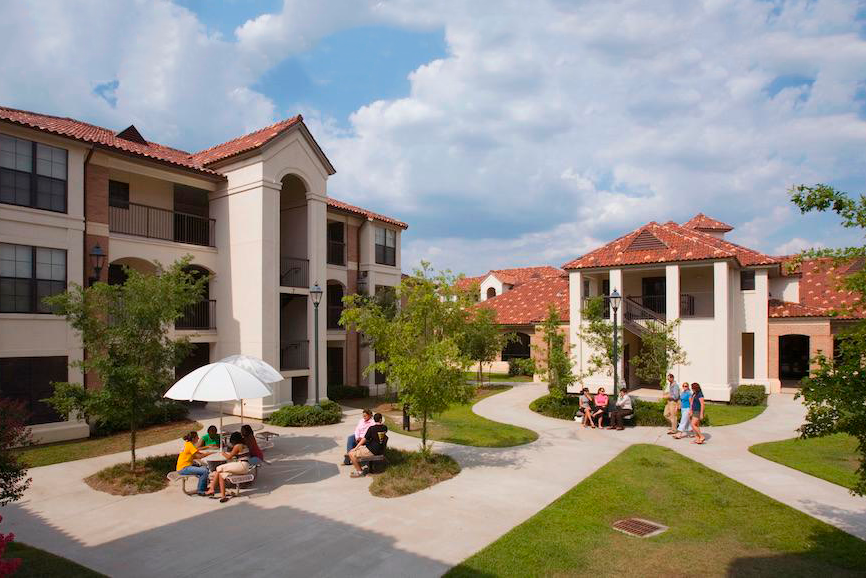

Alexandra Baryshnikova: There are several hostels of various formats in my university: for students over 18 years old, for athletes and for students with families. I live in a building for adults, it is new and clean, there are five floors. Our apartment is designed for three students, each has its own room, and the kitchen and toilet are common.
And what can you do after studying?
Georgy Ageenkov: I spend almost all my free time in a sports complex in the campus. This is a huge space with two pools, a two -story gym, as well as the sites for basketball, football and volleyball. On the street there are 10 tennis courts, volleyball in the sand and a separate pool for water polo. Sometimes in my free time I communicate with American students. There is a special program for them here, called Ambassador Program - it is designed to teach Americans to communicate with foreigners. Most Americans know only English, and they need to learn to communicate with students from other countries in order to go on business trips or to study, say, to Europe. My Ambassador is an American from a neighboring town. Usually we meet on weekends - recently we went to the cinema together, and now we are planning a walk along the lakes.
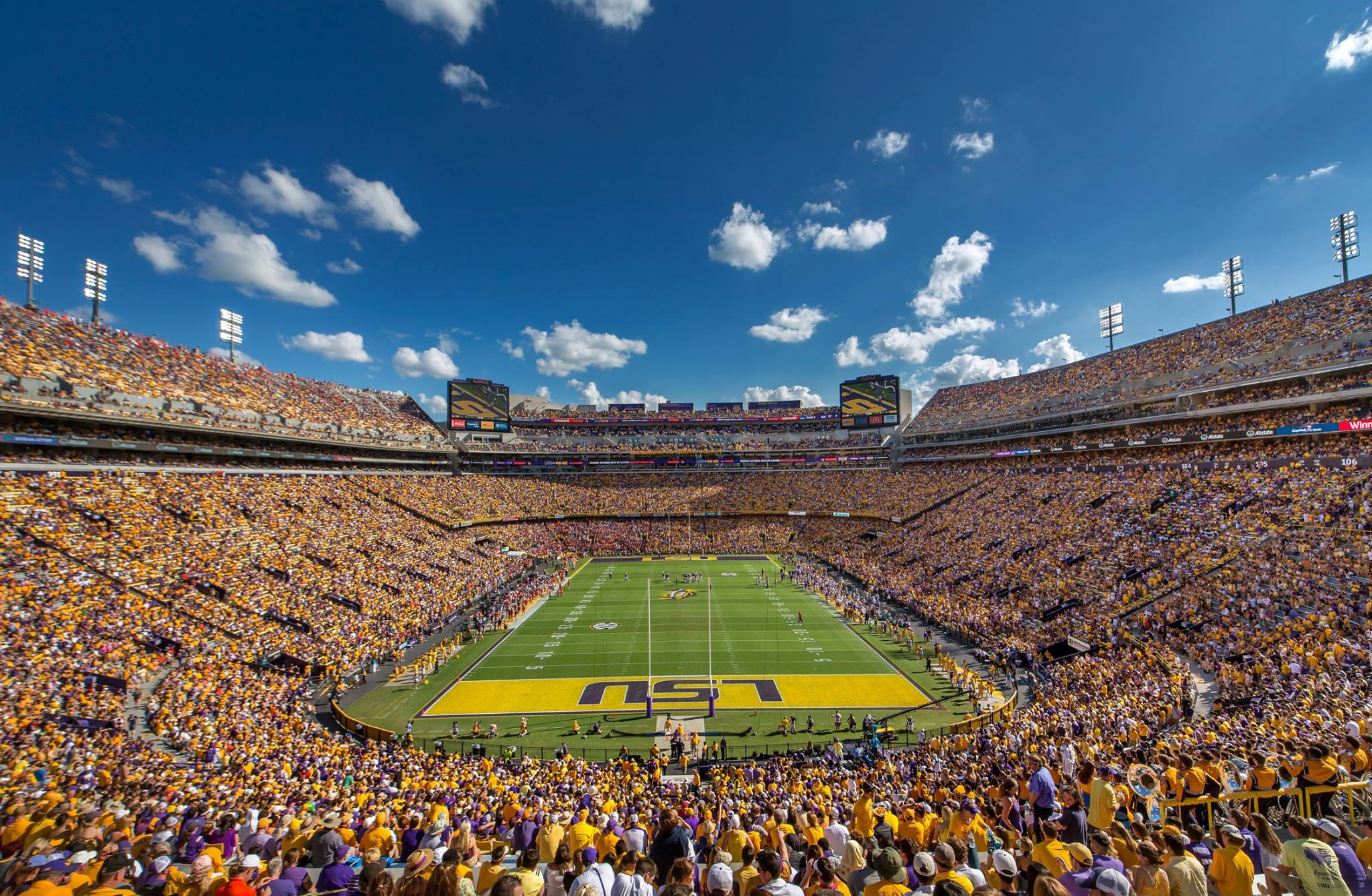

Alexandra Baryshnikova: We are given a lot of homework, so after classes I mainly do or go to university events related to my future career. We also have a large sports complex, so in our free time we play sports. The campus is a 30 -minute drive from Miami, and we get out to the city on weekends - we go to the beach and parties. And this week we planned a trip to Disneyland.


How do foreigners relate to the United States? And specifically to students from Russia?
Georgy Ageenkov: I don’t feel a negative attitude towards myself - rather, American students show interest. A couple of people were quite seriously asked if it is true that every Russian in the family has a bear and that in Russia they drink strong alcohol from an early age. Children from different countries study at the university: Ukraine, Kazakhstan, Vietnam, Latin America and China. The situation is very friendly.
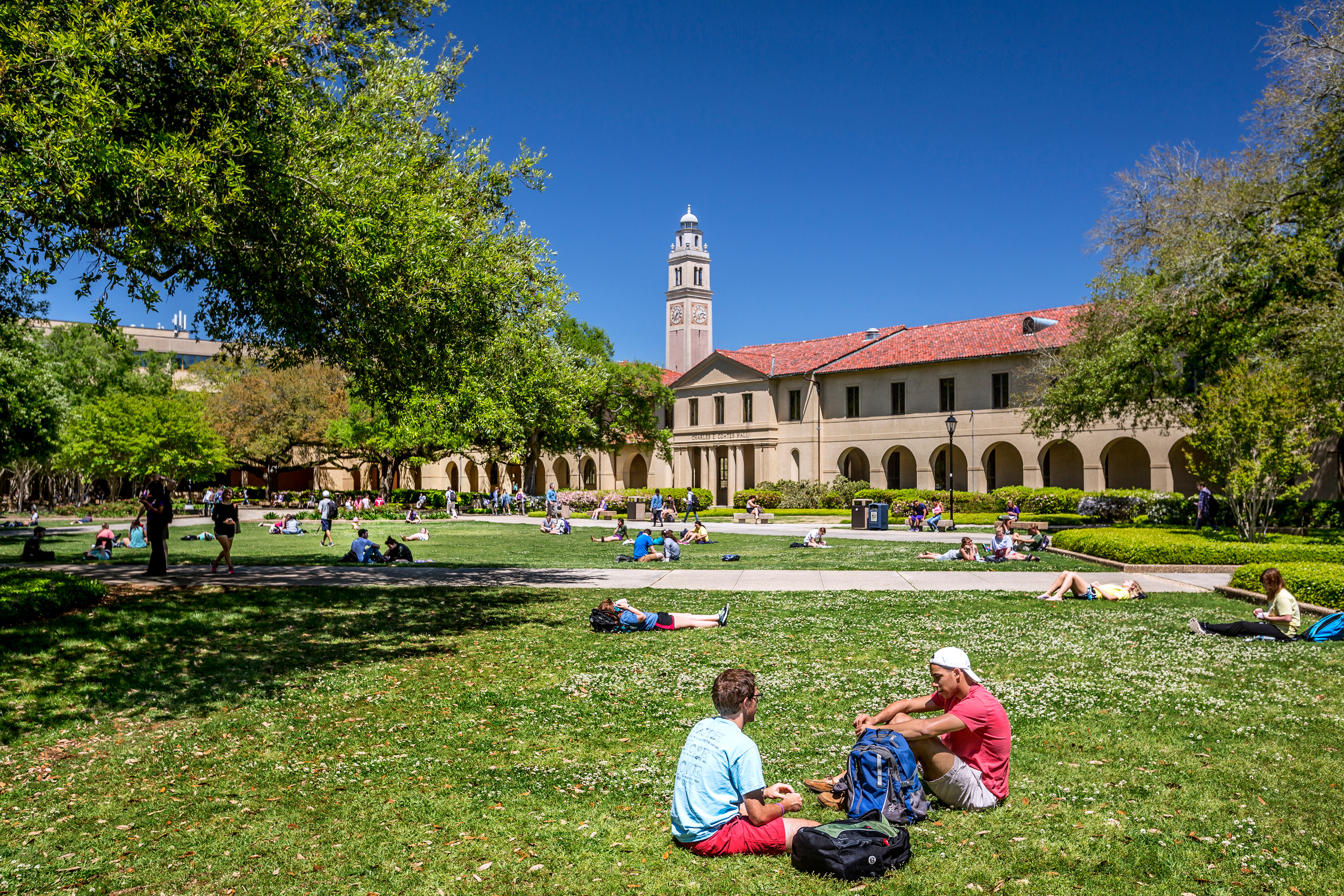
Alexandra Baryshnikova: When others find out that you are from another country, they immediately begin to ask you. Sometimes they ask stereotypical questions about life in Russia, for example about vodka. Everyone also thinks that it is cold everywhere in our country. In general, the students of my university are very friendly, and I try to communicate with everyone. I have my own company: these are girls from Brazil, Colombia, Uzbekistan, Myanmar and a boy from a dominic. We also communicate with the Americans, but not so close: when the study only began, we spent a lot of time with international students, and the closest relations developed with them.
Studying in the USA is expensive?
Georgy Ageenkov: My training costs $ 33,000 a year. This amount includes study, accommodation and nutrition. I bought aircraft and training supplies separately. Textbooks, by the way, are quite expensive. But you have to pay not only for books. For example, we carry out tasks in mathematics on a special website, the teacher posts the necessary materials there. Access to the site costs more than $ 100 per semester.

Alexandra Baryshnikova: The first year of study is the most expensive, it costs $ 22,500 a year. They gave me a discount of $ 7,500, but the cost of training does not include accommodation and food. Therefore, in the end, it turned out about $ 20,000.
Will it be possible to stay in the USA after studying? And is it necessary?
Georgy Ageenkov: I have no clear plan in the United States. But soon the Green Cart rally begins, and I want to participate. In the summer, I would love to pass the internship here. And there is also the opportunity to leave to study in Europe. Now I can do this in the status of an American student, so training in Europe will be cheaper. Further prospects will depend on whether I will receive work in the USA. In extreme cases, I will return to Russia - with my specialty, I can easily find a good job.
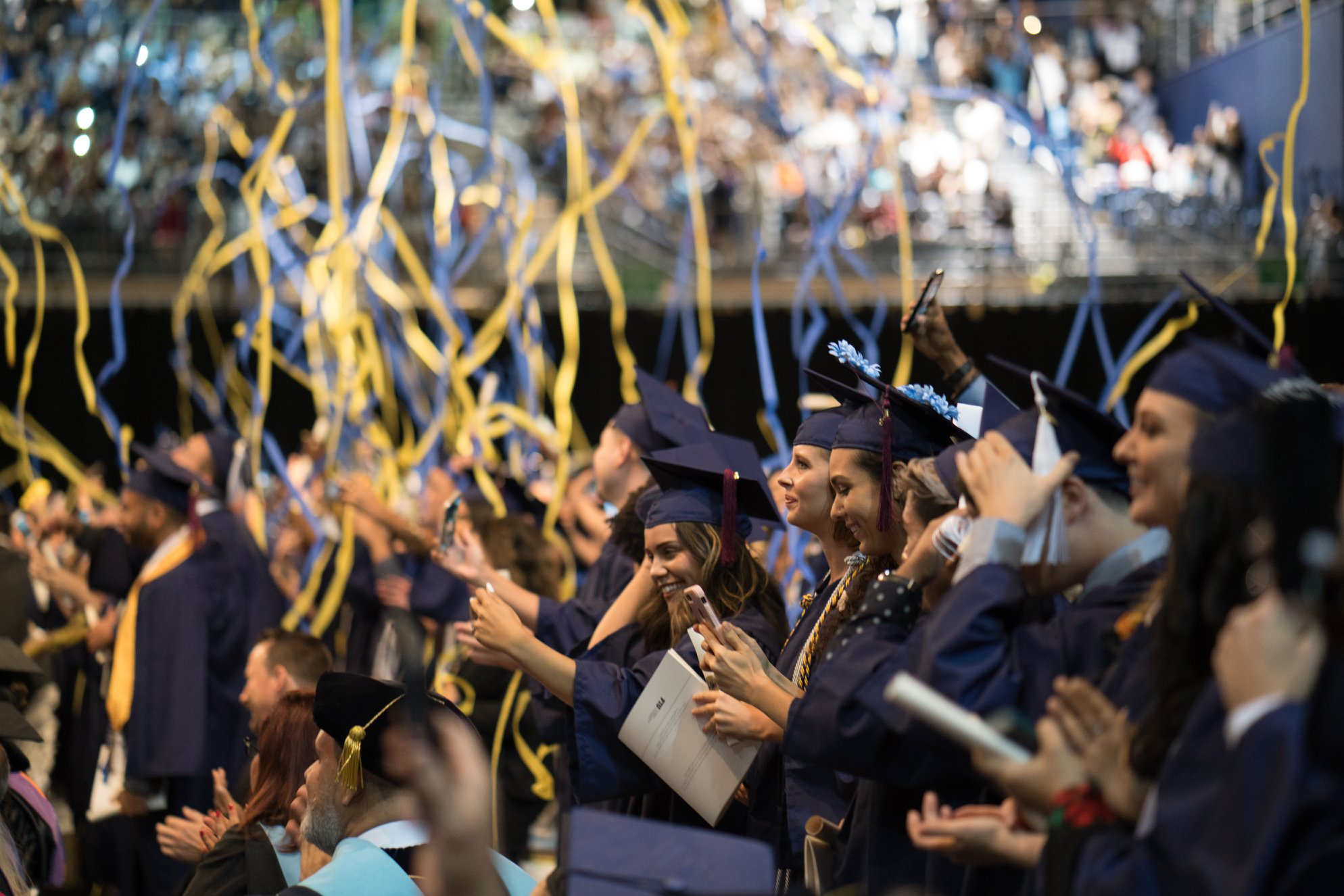
Alexandra Baryshnikova: I used to really stay after studying in the United States, but now I think to return to work in Russia. I would like to be closer to the family and apply my knowledge at home. At the same time, it is quite realistic to stay in the USA: there are many hotels in the same Florida, and they will always need employees. If your portfolio has a list of good internships, you will definitely be hired.
You can learn about other details of training in the United States at consultations with a specialist in the IQ Consultance Educational Center (you can sign up here ). You can also take entrance tests in one of the offices of the company-in Moscow, St. Petersburg, Novosibirsk, Kazan, Ufa or Kyiv.