
Translated material
Devastation
The budget of the federal program “Sustainable Development of rural territories” is almost equal to the budget of the Zenit football club and 221.2 times less than the budget of the weapons program
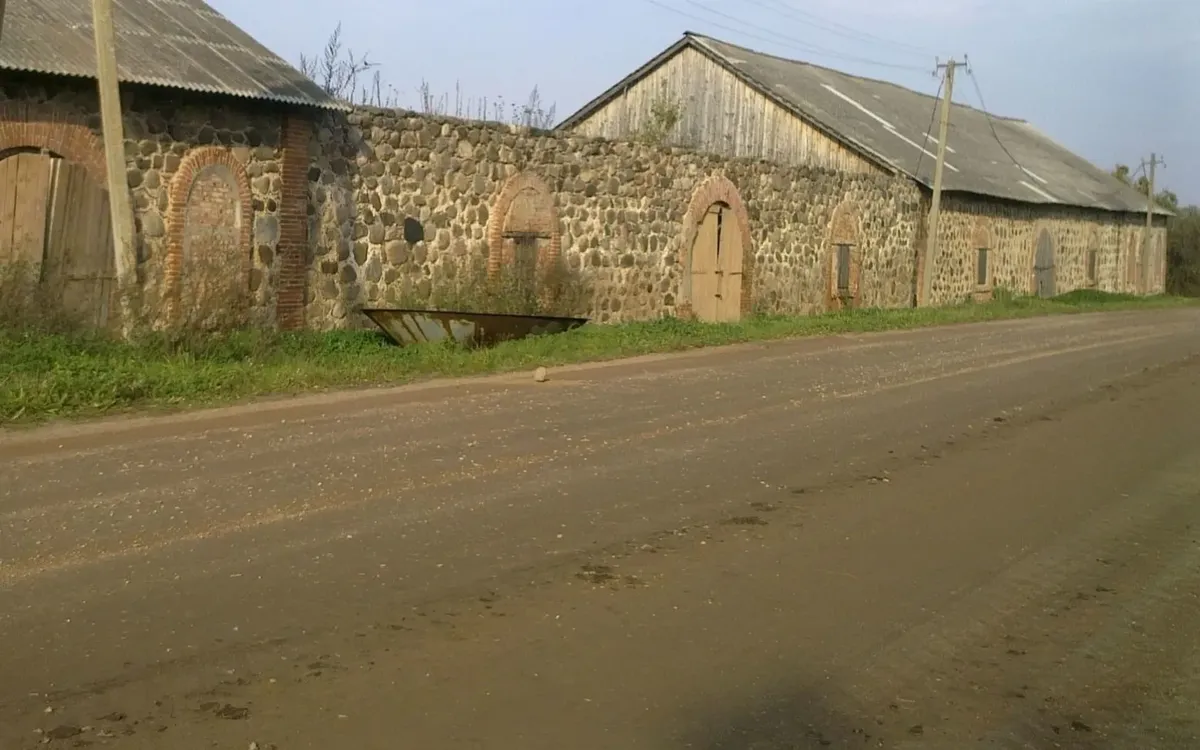
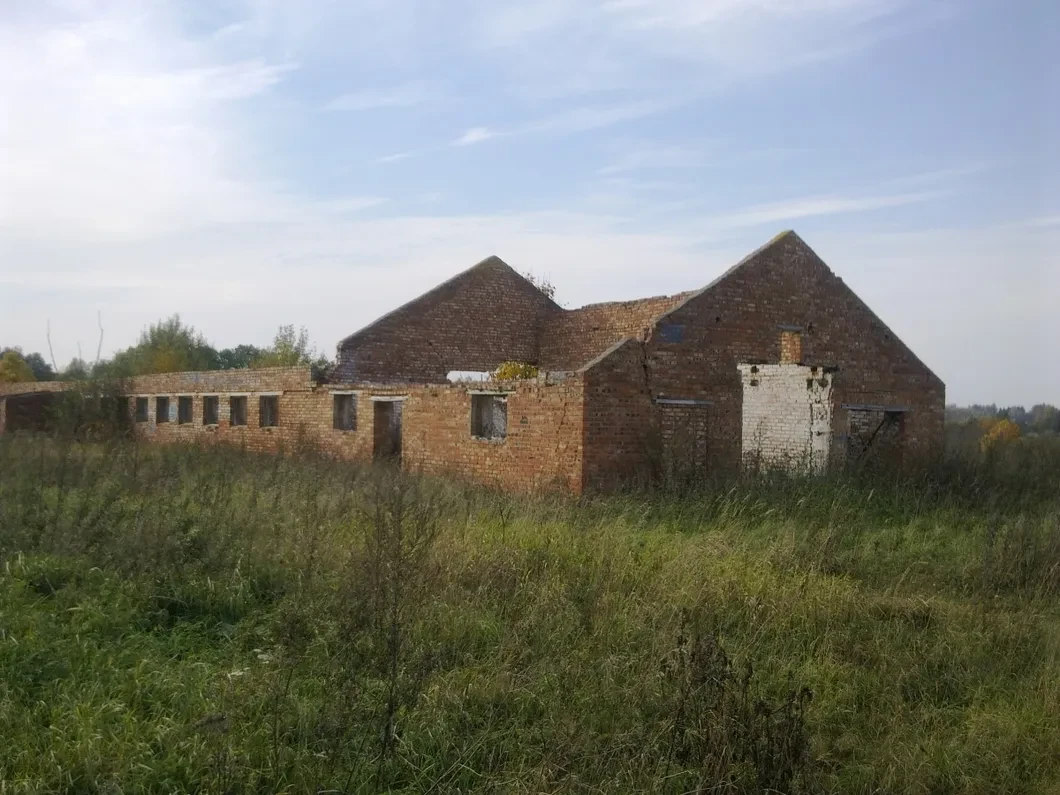
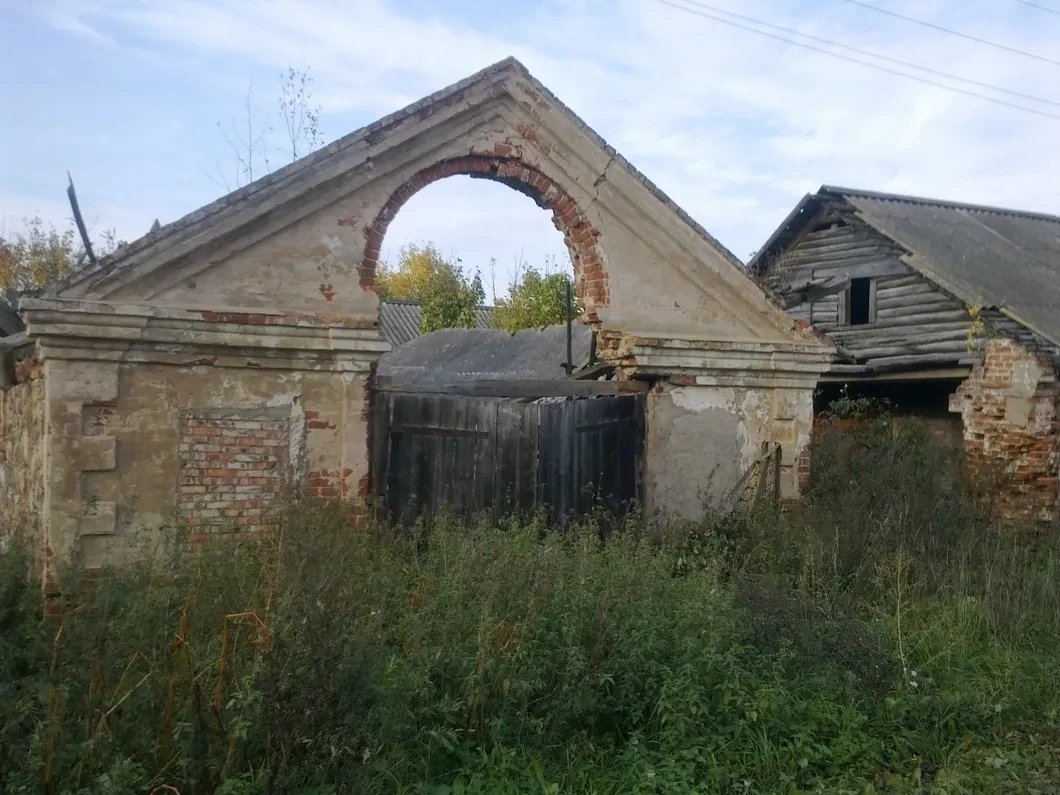
You will not surprise anyone with Celsk desolation. But this time on this trip, somehow everything visually concentrated in space and time, including the distant past. Typically, abandonment is associated with inaccessible deaf? And the rural districts in the north-west, where we were, are inhabited: everywhere roads are laid, asphalt and ground. The district center is not far-20 kilometers, 400 to St. Petersburg, and there were some 550 to Moscow. There was a strong state farm: with calfs, pigsties and cowsheds, new and old, buildings of the 1850s, that is, the middle of the century before last. From the stones remaining from the slide of the glaciers. They were brought from the fields, Riga, cattle yards, barns were built. Strong, indestructible. There are many of them.
Moreover, they built not only with special care, but also with artistic effort. Small stones are laid in a solution between large for a reason - they border them like a pattern.
Now even these seemingly unquenchable buildings are destroyed or empty. Destroyed and cowshed cowsnings set under the Soviet regime. But the remains of the pig farm for 4500 (!) Heads.
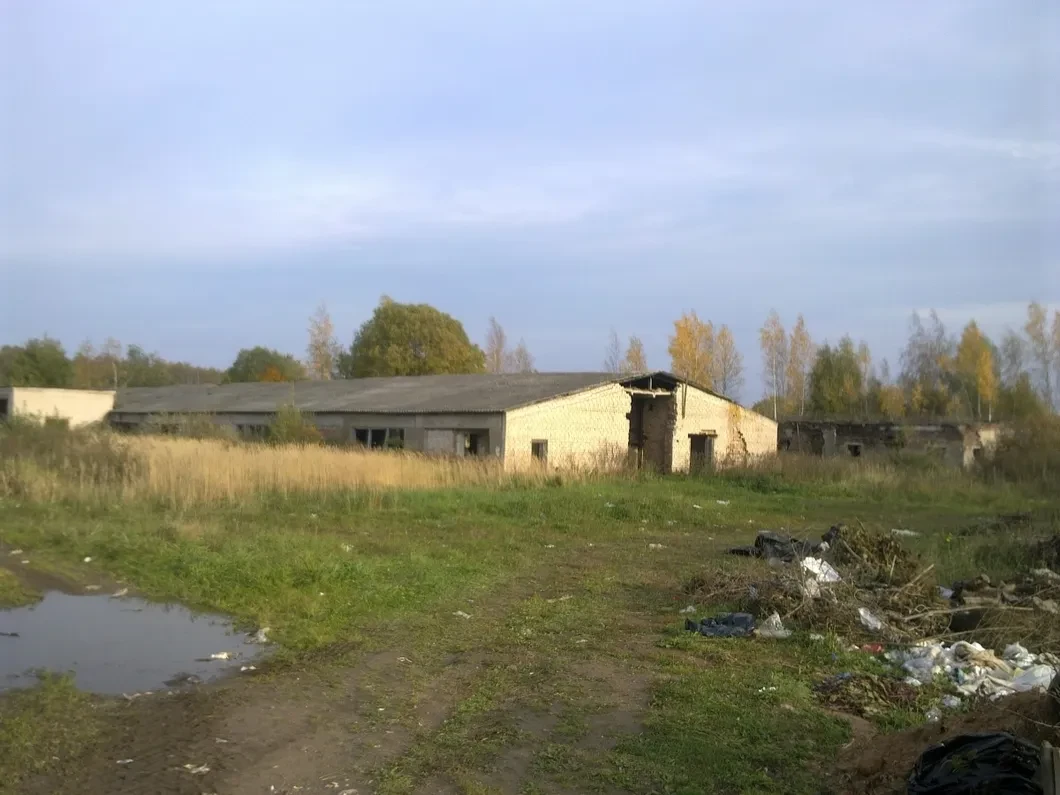
There is nothing and nothing now. Of course, there was a school - in the old (middle of the 19th century) a landlord estate, with a park in the English style, with lawns, a pond system, an artificial hill, marble steps. Now it is gloomy jungle, overgrown with weeds with weeds, impenetrable shrub, nettles in a person’s growth. The school is abandoned.
I took these photos in the same district at a distance of no more than three kilometers. I do not call the villages so as not to bore the wounds of the locals.
Of course, there is no one that is called the socio-cultural infrastructure. Of course, the club is no longer needed: there is no one to walk, the local elderly people - on TVs. The once solid one -story red brick building was overgrown with shrubs so that it is impossible to photograph.
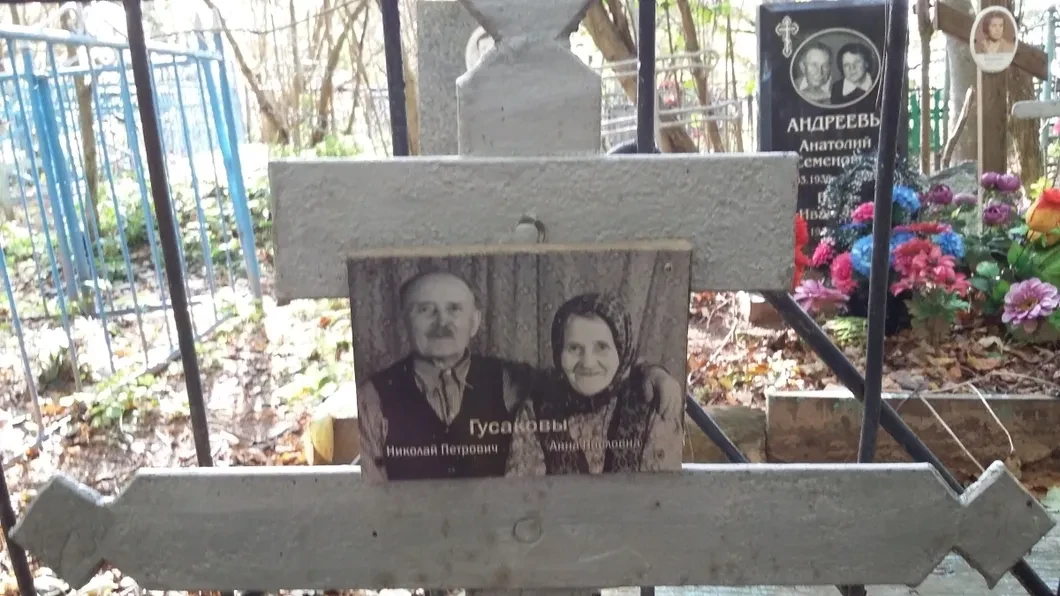
Thus, a more or less well -groomed public space is only a rural cemetery. The few residents remaining in the surrounding villages take care of the graves, relatives come from the district and regional centers, from St. Petersburg. How my second cousins came to put flowers to the grave of great-grandfathers and great-grandmothers-Nikolai Petrovich and Anna Pavlovna Gusakov, who passed away in 1967–68, at the age of 80.
And what? What will happen next? As the Center for Economic and Political Reforms predicts, “while maintaining the current trends”, the Russian village will disappear from the face of the Earth in 17–20 years.
Since 2003, we had the federal target program “Social Development of the village until 2013”. Then they accepted the same new one - for another 7 years. These were and are plans for the development of socio-cultural infrastructure: “Improve housing conditions, access to the services of cultural and leisure facilities, increase the prestige of the rural lifestyle, raise the level of engineering arrangement, repair schools, expand the network of feldsher-midwife points ...”
7 years after the adoption of the 2003 program, villages with a population of up to 10 people were 23.7%, 100 thousand children studied in emergency schools, medical institutions were available only for 49.4% of the population, for 40%, they are inaccessible, for 9% are not available.
From 2000 to 2013, the number of schools decreased by almost 1.7 times, hospital organizations-4 times, outpatient clinics-2.7 times.
The budget expenditures for the new program - “Sustainable development of rural territories for 2014–2020” - amount to 90.4 billion rubles. Is it a lot or little? Compare.
The budget of the state program for weapons for 2011–2020 - 20 trillion. That is, more than 221.2 times.
The annual budget of the Zenit football club is 10.8 billion.
That is, the annual budget of the federal program for the development of rural territories all over Russia is almost equal to the budget of the Zenit football club.
If it were some kind of private “Real”-one thing. But Zenit belongs to Gazprom, and Gazprom to the state.
Projects of social development of the village are related. The main thing is production. Without the restoration of agriculture, life cannot be returned to the village.
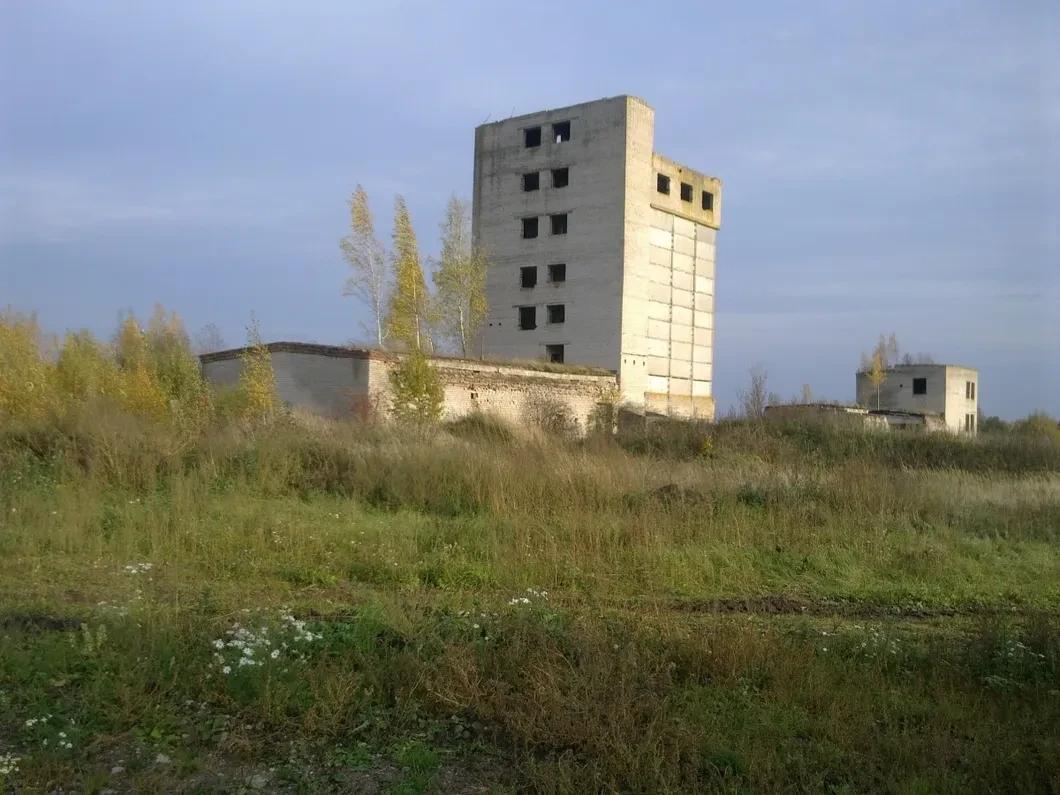
By 2005, the livestock of cattle in Russia compared to 1986–87 decreased by 2.6 times. Of these, cows are 2 times. The number of pigs is 3 times.
The global task of restoring agriculture was devoted to the national priority (!) Project “Development of the agro -industrial complex for 2005–2011”. With a priority, of course, financing. The amount of financing is no longer set. Where did the money go too. The results were also modestly silent.
Now the "State Program for the Development of Agriculture for 2013–2020" is valid. The total financial support is 2.22 trillion rubles. This is 9 times less than into service. But still gigantic money. 75% have already spent.
What are the results?
From 2005 to 2017, inclusive (over 13 years of “agricultural development programs”), the number of cattle decreased by another 4.3 million heads - by 18.7%. Of these, the number of cows decreased by 2.07 million by 20.1%. This is compared to 2004. After trillion financing rubles.
Total: by 2018, the amount of cattle in Russia, when compared from 1986–87, decreased by 3.2 times.
In recent decades, the press is trumpeting about our successes in the production of grain: “Russia squeezed the United States in the grain market”, “Record export of grain”, “Foreign supplies have doubled ...
This is true.
But officials do not say, and the press does not write that we provide ourselves only with wheat, bread, and sell excess. And with normal agriculture, the main part of the gross collection of grain goes to livestock, to feed livestock, so that there is its meat, milk, cheeses. We got rid of this concern: we cut out, the collective farm and state farm cattle, which then, in the RSFSR, was not enough.
And in the fields where barley, oats, rye, triticale, millet, corn (it also gives silage) should be grown, storms are growing, and a forty bush. According to the agricultural census of 2016, we have abandoned 44% of all agricultural vehicles - 97.2 million hectares. These are almost two France - without overseas territories. Is it conceivable to imagine France, completely overgrown with a thistle?
By the way, about France. In the 18th century, Jean-Jacques of Rousseau wrote: “The only way to keep the state in a state of independence from anyone is agriculture. You have at least all the wealth of the world, if you have nothing to eat - you depend on others ... Trade creates wealth, but agriculture provides freedom. ”
At the same time, Russia in an agrarian sense is a special case.
We are the only ones in the world who have almost everything: 20% of fresh water reserves, 20% of world reproducible fertile lands, 55% of the world's chernozem reserves.
At the same time, Russia depends on the import of food. What is his share now? Even according to official statistics. I say “even”, because every day, seeing in stores a carrot from Israel and potatoes from Egypt, you involuntarily become a skeptic and begin to believe those who talk about a 50 percent addiction, without giving evidence.
According to Rosstat (after the ban on the import of food from Liechtenstein, Iceland, Albania, Montenegro, Norway, Canada, Australia, the USA and the European Union), the share of imports of food in 2015 amounted to 28%. In 2016-23%. And in the column "2017" - empty. For some reason. But the numbers for four quarters are given. If you add them and derive the arithmetic mean, you get 22.9%.
However, immediately, in other data of the same Rosstat, it is reported that in 2017 we purchased foreign food for $ 5.1 billion more than in 2015. And 6% more than in 2016. Even from these cunning summons we can conclude that the share of imported food in the country is a good third.
I wandered among the ruins of cattle yards, barns, farms, suppressed by painful feelings and thoughts. And at this time, a report was on a TV from a meeting of agricultural workers in the Stavropol Territory-with the participation of the President, Prime Minister and Minister of Agriculture: the Head of State said: “Over five years, the volume of agricultural production increased by more than 20 percent. This is without any exaggeration and is called a breakthrough, it is called, without any exaggeration, a sprout forward. ”