
Translated material
Garden of the living and the dead
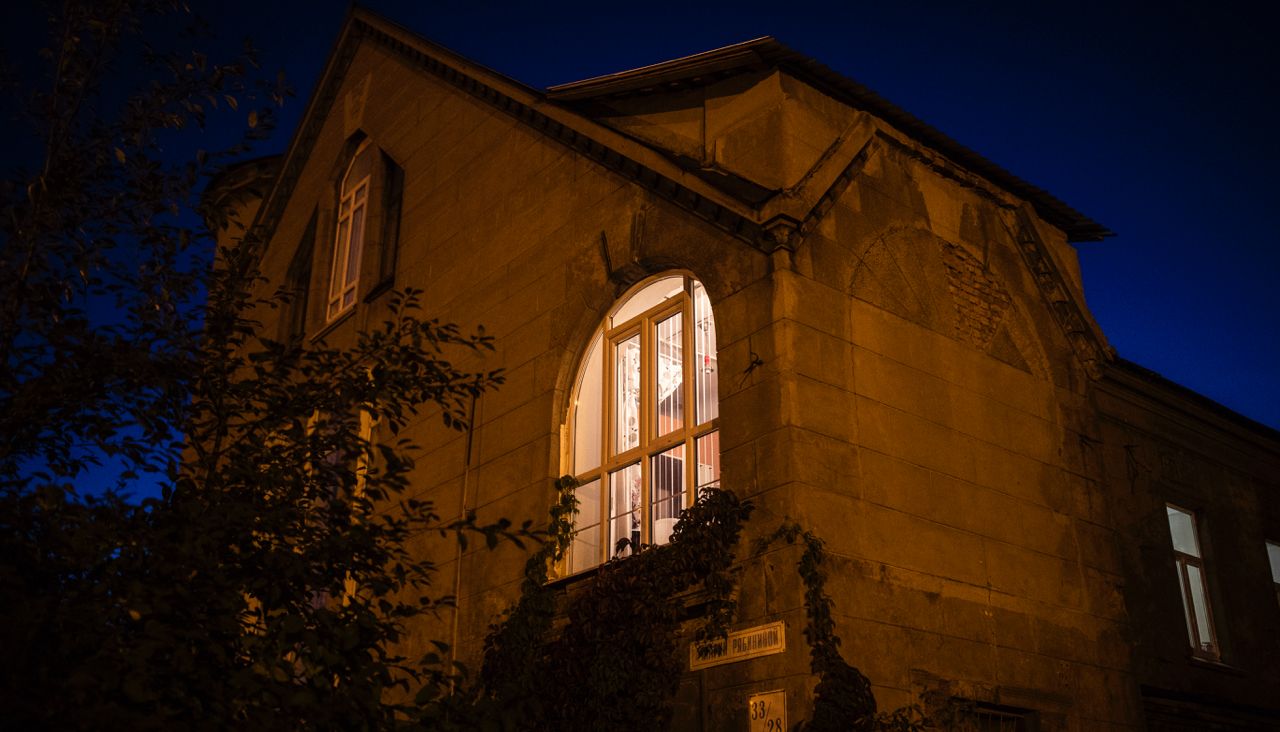
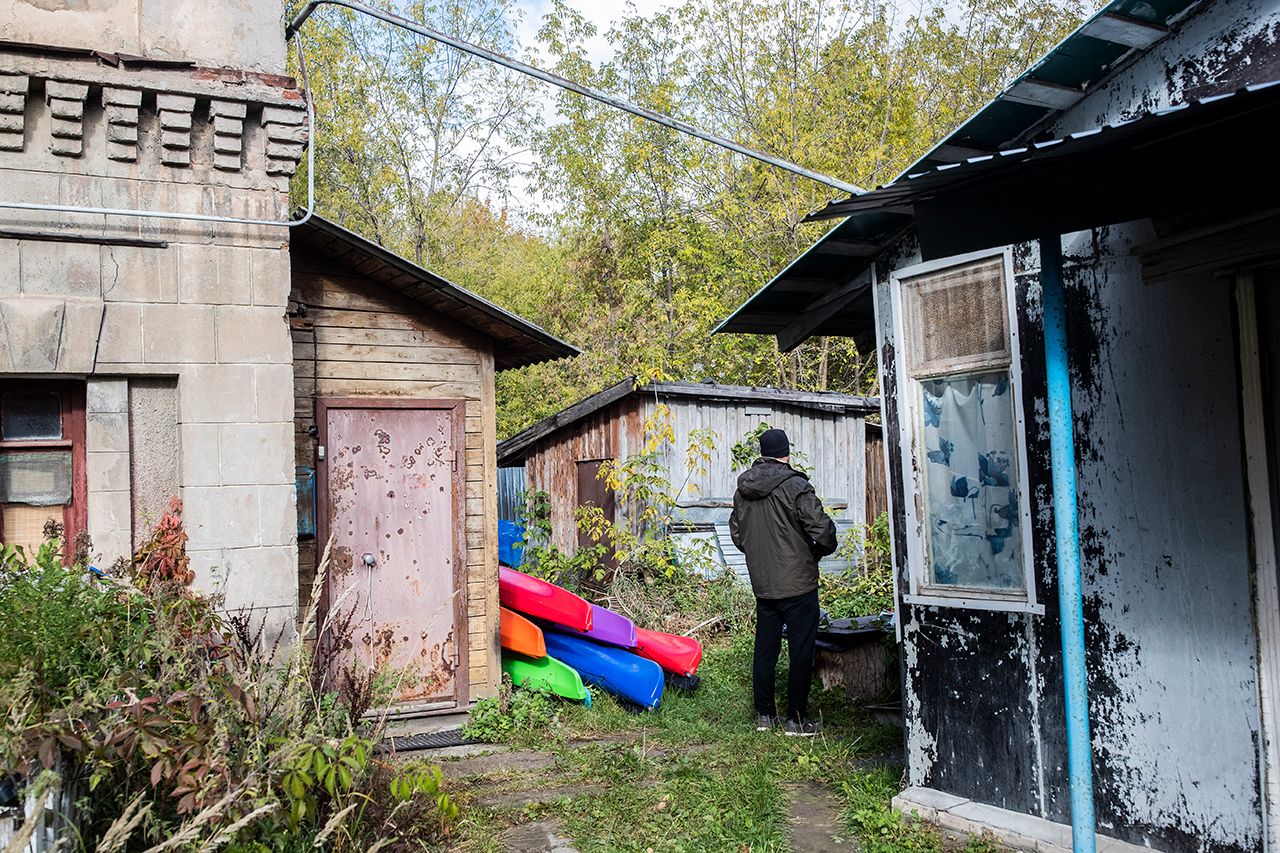
In Ivanovo there is a pseudo -Gothic castle. It has not been restored since the beginning of the 20th century, but people still live in it. Reporting Polina Eremenko
Podcast "Text of the week" about this material can be listened to here.
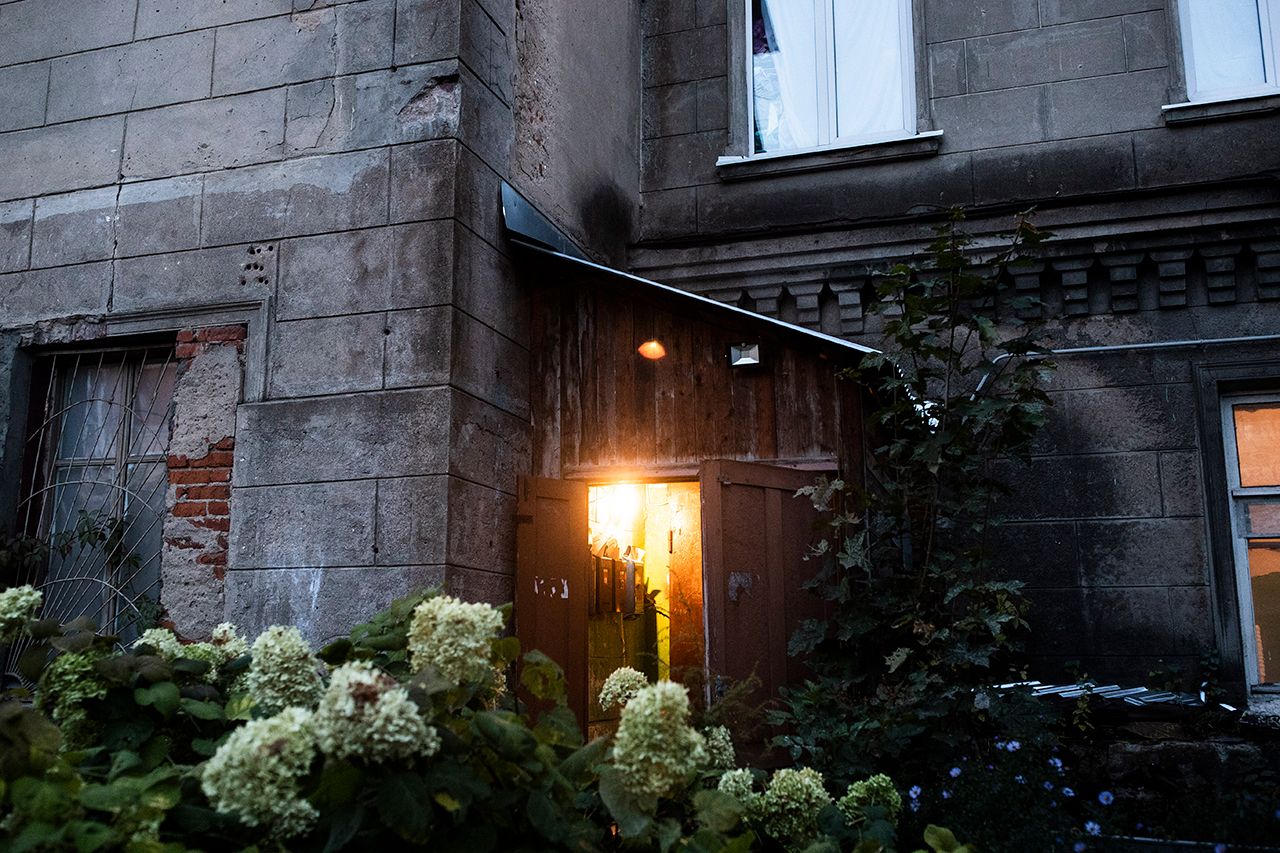
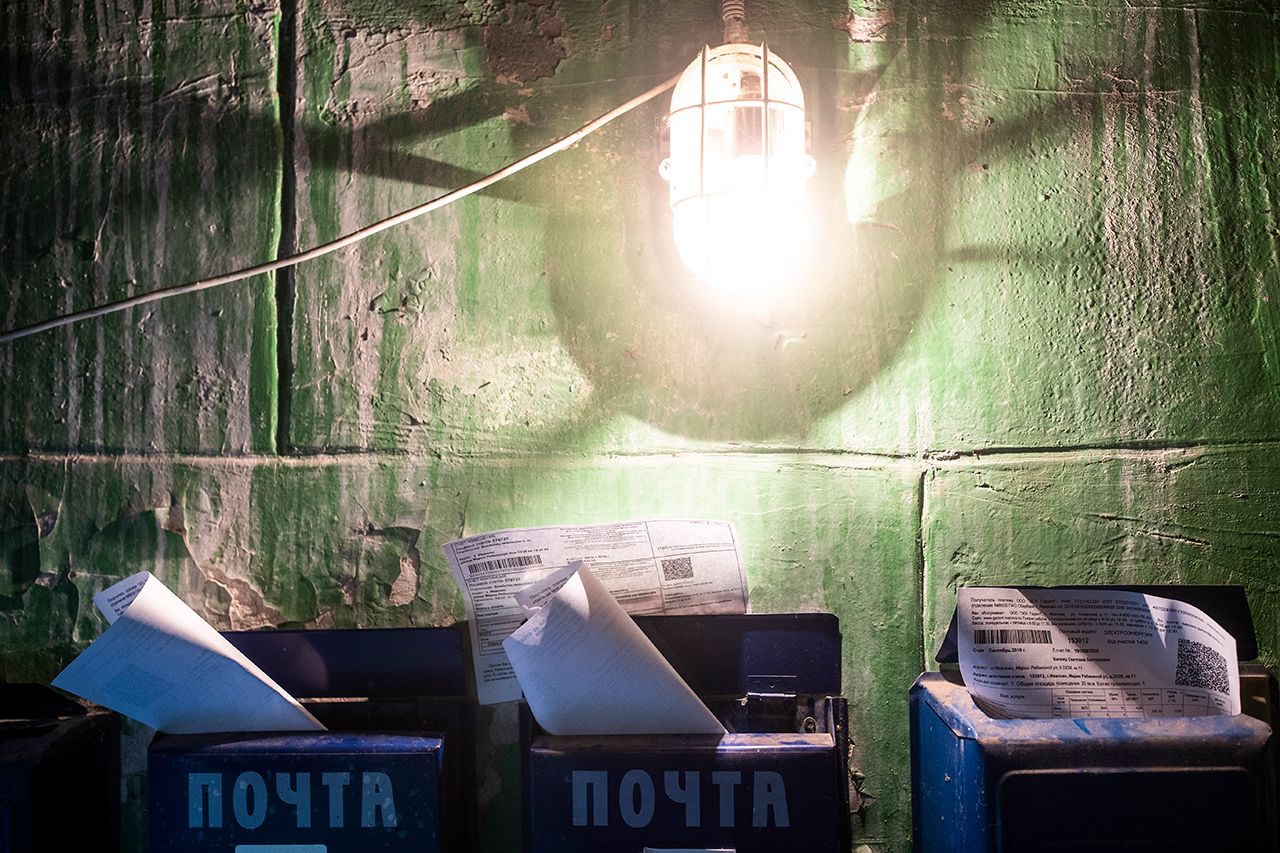
The 80-year-old Valentine enters the entrance of a residential building No. 28 on Maria Ryabinina Street in Ivanovo and checks the mailbox with number 17-nothing. On the door of the entrance there is a sign "Neighbors !!! Close the door !!! The dog’s cold goes to the porch. ” He leaves the door open, turns right and enters his apartment. He takes off his leather hat and puts it on one of two refrigerators standing opposite each other. He explains that he needs two refrigerators in case one breaks. Both are disconnected and forced by empty banks.
Apartment No. 17 is one of the twenty, which divided the Ivanovo “castle” of the Swiss businessman Alexander Durer, at the birth of Henry Ignatsa. Ignats was born in the Swiss city of Stekborne in 1871, in 1904 he arrived in Moscow, where he met the director of the company for the production of textile industry, became its representative, accepted Orthodoxy, took the name Alexander Yakovlevich Düringer, married Olga Trofimovna, got nine children and moved to Ivanovo.
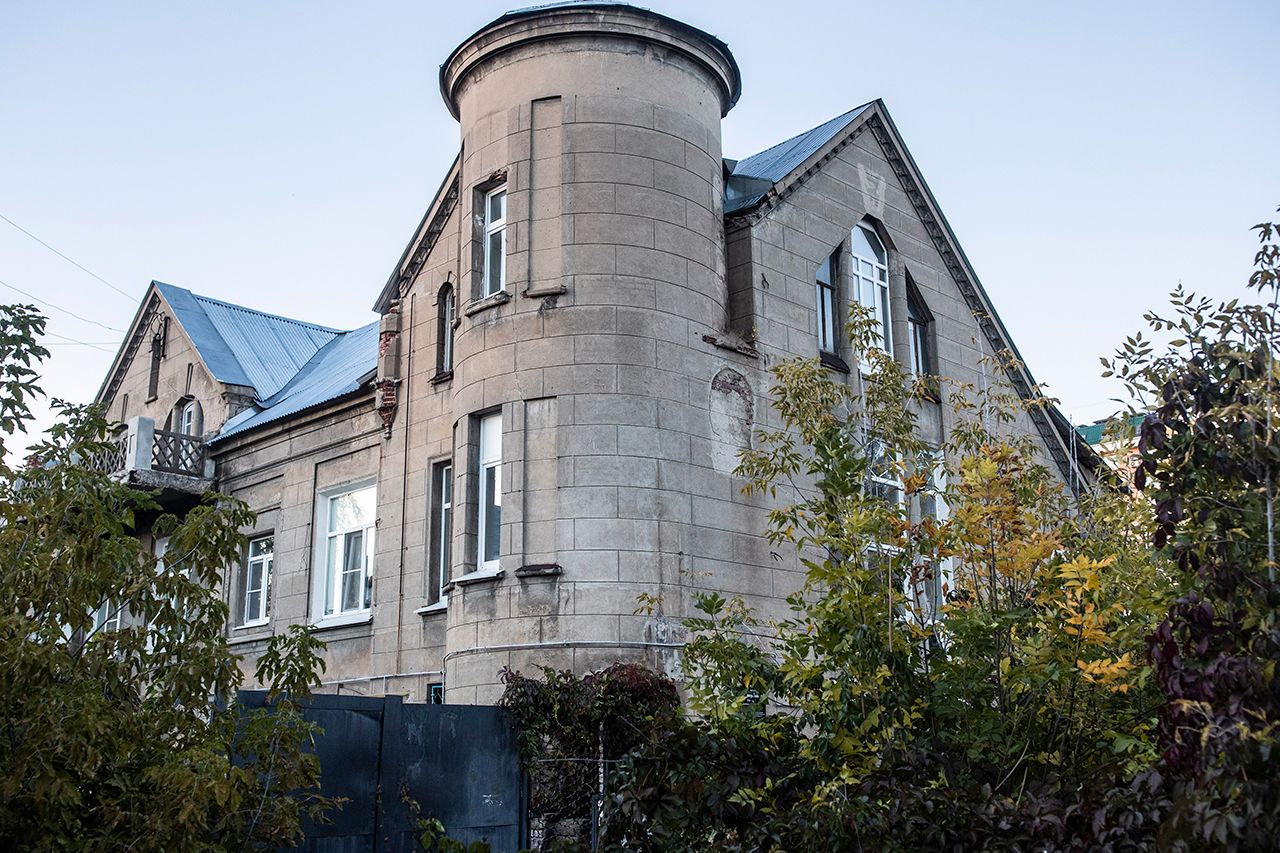
There, on the future street of Maria Ryabinina, in 1914 he built a house in the style of “Modern with elements of neo -Gothic” - as local local historians say about it. In February 1917, Dünger died of black smallpox , he was buried in a closed coffin, in a grave, which could no longer find. Traces of almost all of its nine children disappeared - and the “castle” remained.
Aesthetics of the ruin
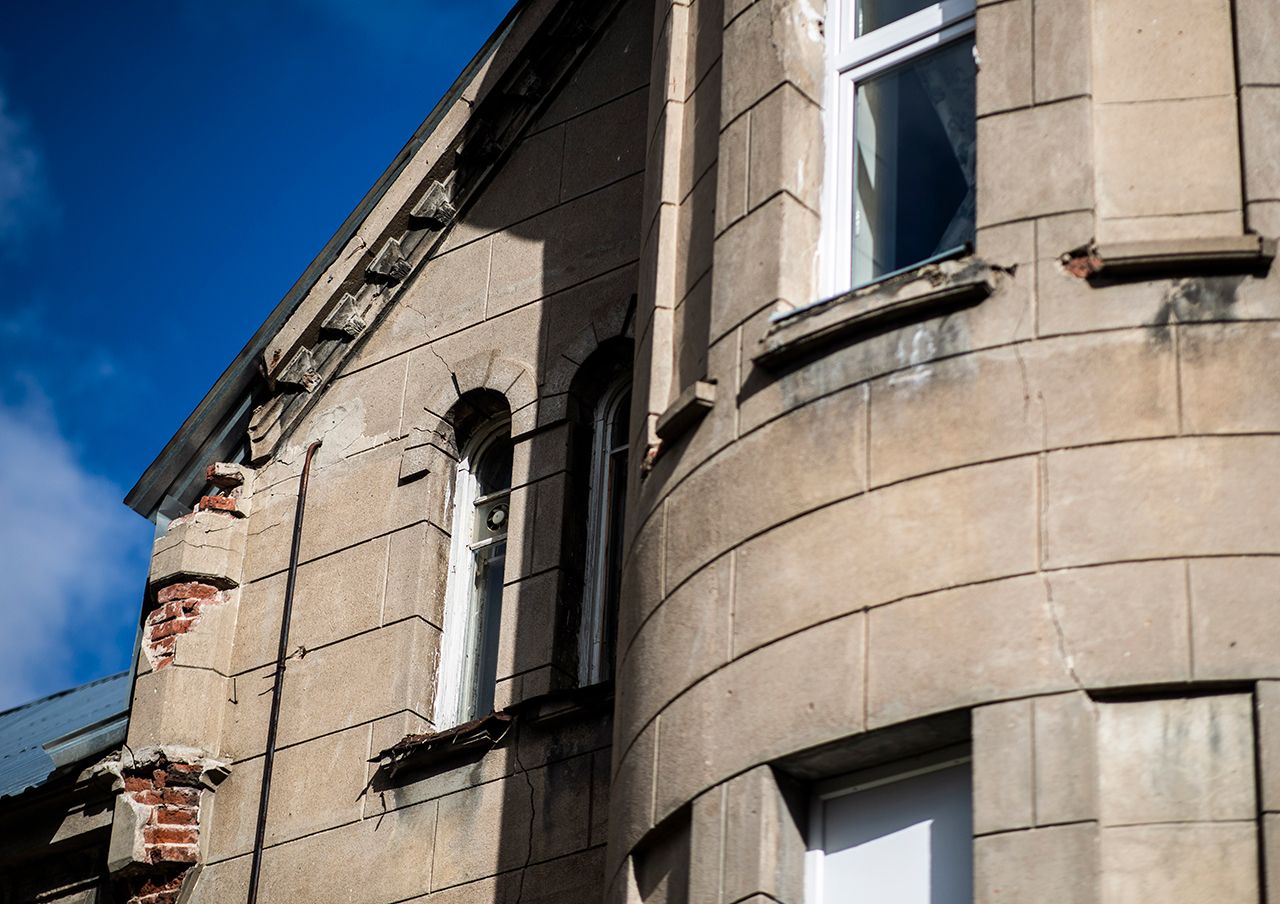
The consultant of the Department of Culture of the Ivanovo Administration, Mikhail Moneyzhkin, who is engaged in the development of tourism in the city, says that tour operators are asking not to include Duoringer’s house on the excursion: “It is too bad.” According to him, the aesthetics of the ruins can appreciate the "intellectual tourist", but not an ordinary people. “People need a classic, mansions in good condition. Tour operators are not ready to go into the nuances of the Düruringer type - it is dangerous for business, ”explains Moneyzhkin.
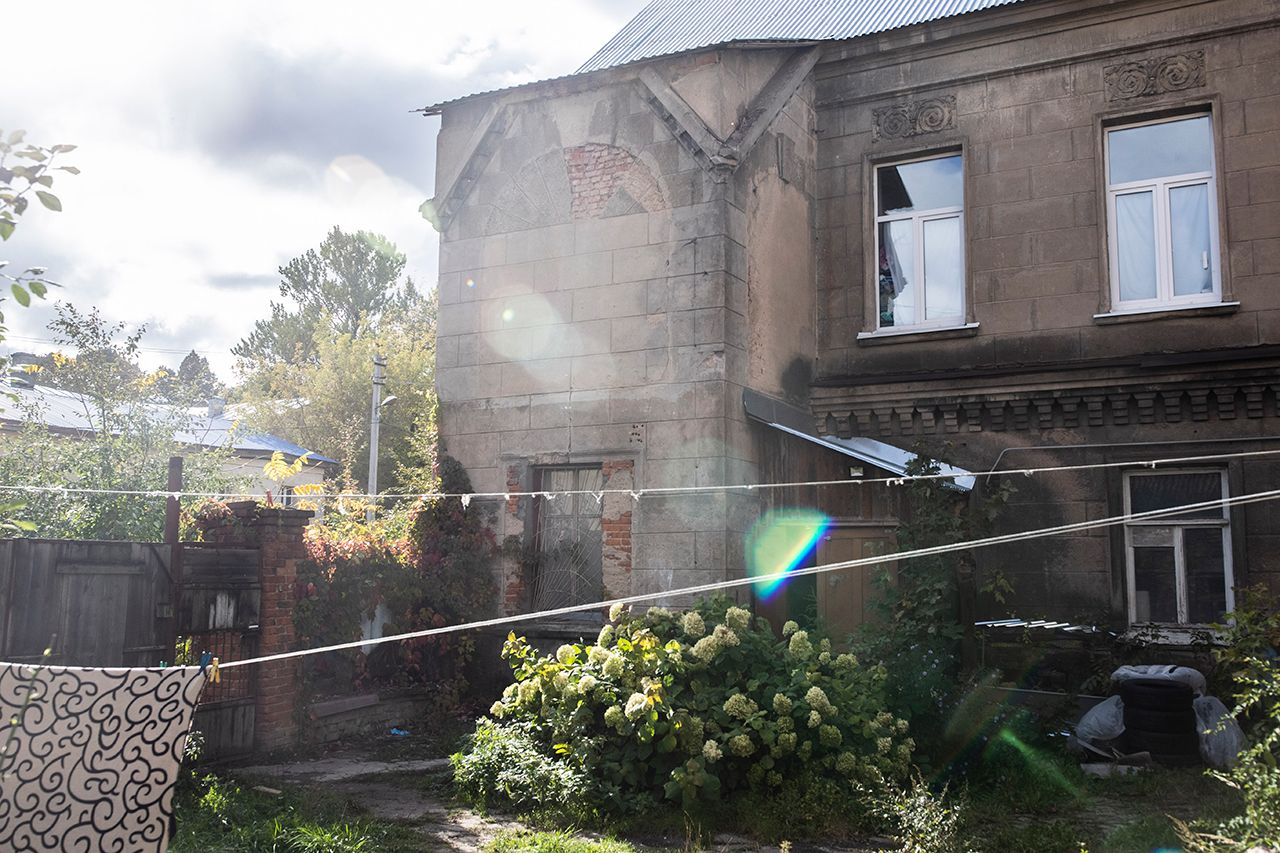
In the training manual for the Higher School "History of the region. Ivanovo: The past and the present ”, published in 2011, is dedicated to four small paragraphs to Duoringer's house. The authors of the textbook call the estate “unique for Ivanovo-Voznesensk ”, and the main building is described as “a modern house using the elements of Western European medieval architecture”. “At present, both houses [estates] are residential, many elements of interior decoration are lost,” the textbook says.
In social networks and the Ivanovo press, they write from time to time more colorfully - as a “Gothic castle” or “House with ghosts”; Against his background, wedding photo shoots are sometimes held . Five years ago, in the interiors of the house they shot a mystical short detective “Mirror Hall” - about two police officers who were influence the Dünger hypnotist. On the YouTube, the film has 534 views, at least one of them is a Medusa correspondent.
Düringer's house is really a mystical reputation. On the information and service portal of Ivanovo 37.ru, the main legends about the house are listed : supposedly there is a secret room, underground passage and noble treasures. “Color windows of the inter -joint staircase gave the building a romantic, fabulous appearance,” the text says 37.ru. - Before the entrance and above the cornices stood gypsum sculptures, the facade decorated the bas -relief in the form of a mask. The interiors of the “castle” were also struck by originality and sophistication. In the lobby, guests were met by two figures of knights in armor. "
Russian Manchester
Associate Professor Alexander Tikhomirovotzhe talks about Düringer's house with passion. He has been teaching the zoology of invertebrates for 38 years at Ivanovo State University, located on Lenin Street, but his hobby is to study urban architecture. Tikhomirov is a certified expert at the Ministry of Culture on Cultural Heritage, author of guidebooks on Ivanovo: “10 best mansions”, “10 philanthropists”. Duoringer's “castle” is his favorite.
We meet with Tikhomirov on the fourth floor of the IVGU, at the department of the faculty of zoology; The company is made up of a bull-goby (in a bank) and a Mississipian alligator (behind glass). The zoologist tells how, together with the restoration council of the city, he conducted an examination of the state of the house. "The head of the field of skates was indignant: why do we have so many houses to take for protection, what will we do with them?" According to Tikhomirov, in Moscow such a house would have long been bought, but Ivanovo is a poor city and investors with money and taste in it.
On the eve of the revolution, according to Tikhomirov, in Ivanovo, the construction of the mansions blossomed, and the city itself survived the entire cycle from birth to decline for a century and a half. At the end of the nineteenth century, it was an innumerable small city. By the end of the 1920s-the Center for Industry of the Soviet Union. The title “Russian Manchester” was fixed behind him. The leadership of Ivanovo wanted to emphasize the new status of the city. Tikhomirov shows the general plan of 1936, which remained on paper: "Three -level interchanges, skyscrapers, America!" They had to demolish the old Ivanovo and build a new fairy tale. The castle was lucky - it was on the outskirts and did not fall under the demolition.
However, the plan was never implemented: “It turned out to be unnecessary, the status of Ivanovo decreased again. An example of failure. We have many failures. The scope was enormous, so much broken! But they only managed to break and managed, ”says Tikhomirov. From the entire plan, only one House of Soviets was built with the preserved sign “Proletariat of Moscow, St. Petersburg and Ivanovo-Voznesensky ... I proved in practice that the revolution would not give in any cost.”
There were years, and few people recalled about the “castle”: “Then everyone - museums, writers - were fixated on the first council - and no one spoke in Düringer, and therefore there was no business before him.” Now, however, says Alexander Tikhomirov, and there is no particular care to Soviet monuments. And the glory of Ivanovo himself approached sunset. “See which city is poor? The industry was faded, began to be imported. There was an attempt to switch to the production of cheap fabrics - they thought to sew from gauze. But even she had to be imported from China. The fabric is more expensive and worse, ”the zoologist concludes.
Servant, icon, woman from the calendar
Valentin from the 17th apartment lived in Ivanovo all his life-almost without leaving the city. "Do you love Ivanovo?" "Yes". "For what?" "Yes, for no reason - if you live, you have to love." Valentine does not remember how many years he lives in this house-either 10 or 30. His only friend from a neighboring, 16th apartment, Valentina Semenovna, died either five or 10 years ago. Valentine has not heard of any Düringer, but he hurries to show his home -made toilet - he screwed the hose from the kitchen crane to the toilet.
Above two non -working refrigerators, a rope is hanged - two rags and a plastic bag are dried on it. On the table is 15 plates in a stack: "If someone comes to the anniversary of the victory." The second half of Valentina’s apartment is the living room. The TV screen is covered with a newspaper - "so that the sun's rays do not spoil." Valentine loves programs with old songs: "There are no new songs." There is also a sideboard with glass utensils in the living room. "For what?" "So it should." There are two icons on the sideboard. "Are you religious?" "No, my mother put it." The carpet is wrapped in a roll. "Did you take off the wall?" "Yes, so that the dust does not catch." Above the sideboard "Running Lights". The sideboard has a table, and above him a poster is a 1998 calendar with a woman in linen. “I’ll put a chair here when I eat, a plate, I’ll sit down, look at her, and I have lunch.” The windows overlook the neglected garden with roses and ivy.
Black smallpox and betrayal
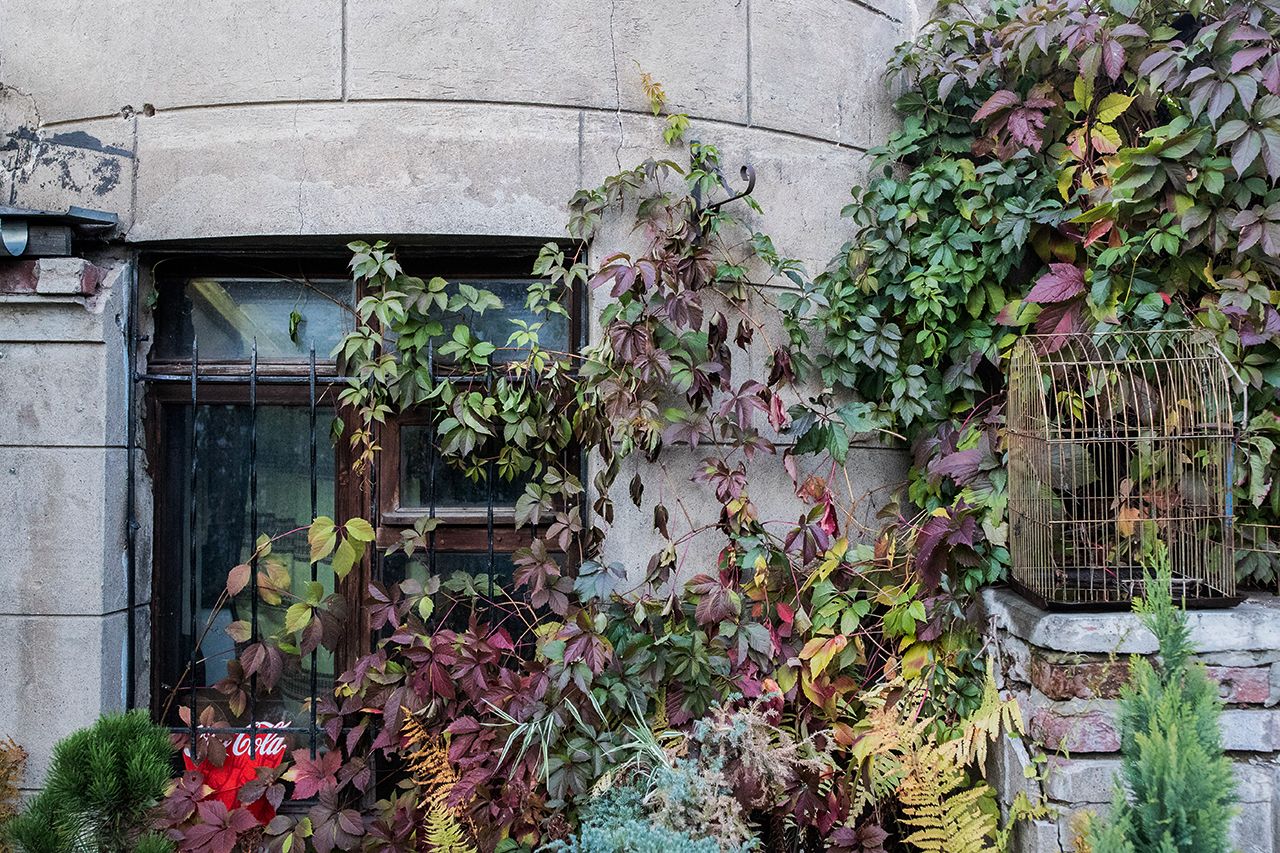
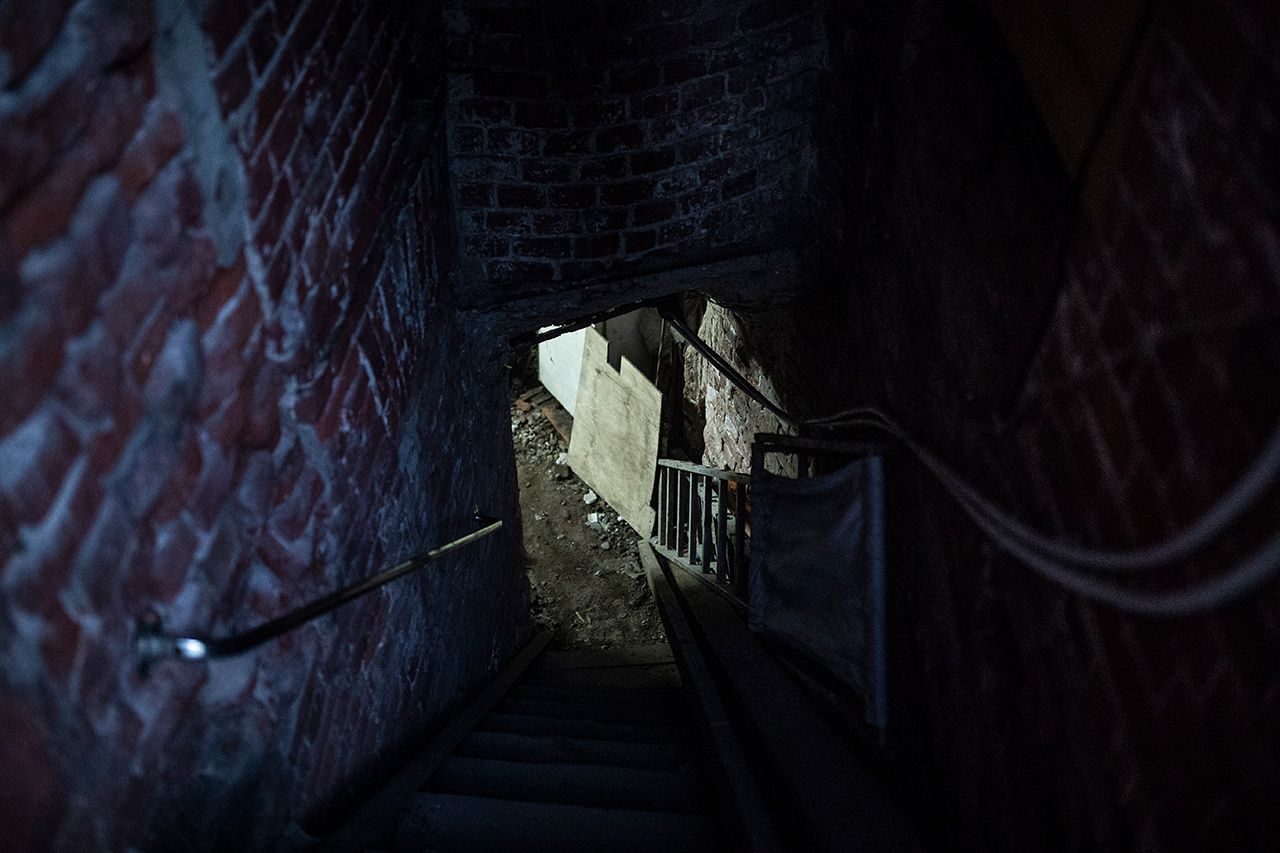
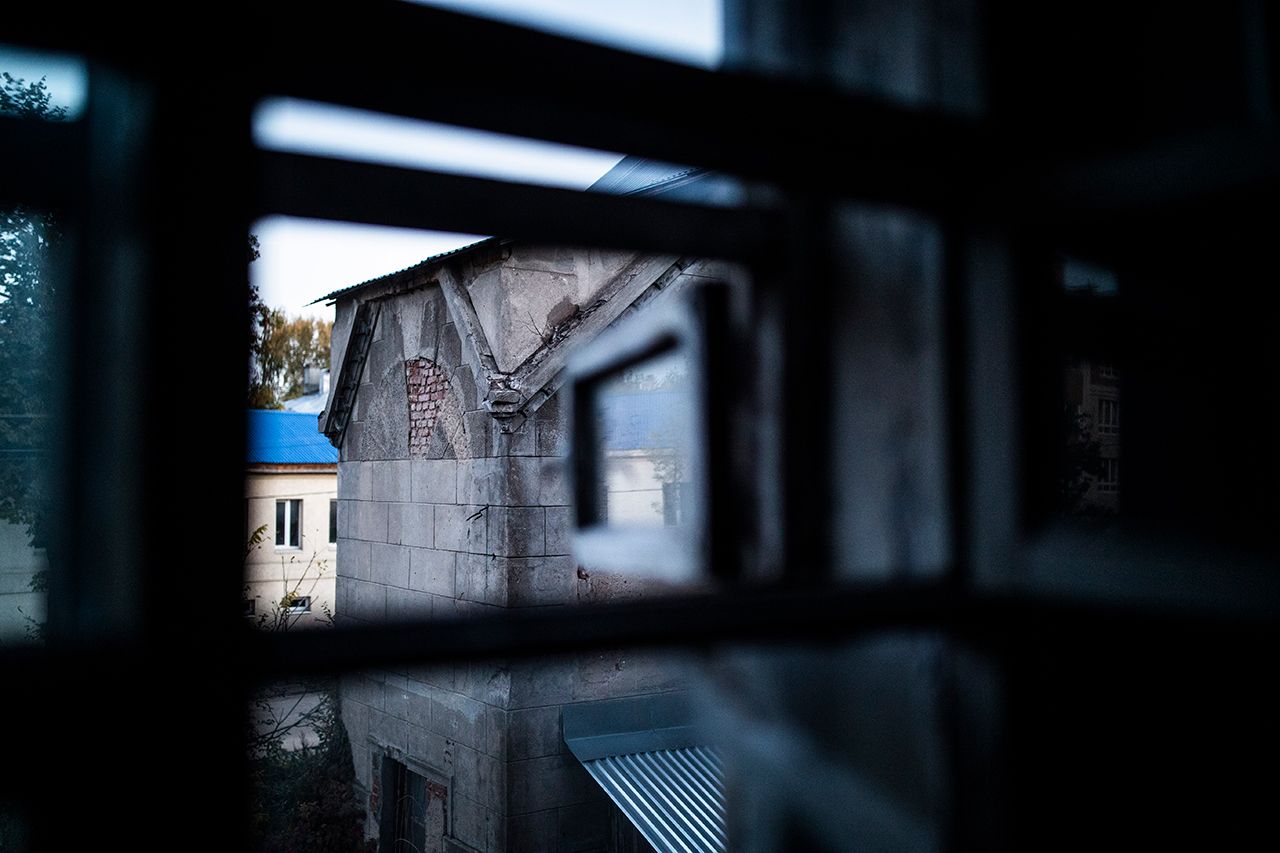
The windows of the room in the tower entered this garden, where in February 1917 Alexander Yakovlevich Düringer himself was dying. Now she is boarded up, her last tenant died a couple of years ago - as his neighbors say, "from the rein." As Dünger fell ill with black smallpox, no one knows for sure. Only the maid could enter him - so as not to deliver the infection. “There, of course, there are more riddles than a guess, because where could you become infected with black smallpox? - thinks Tikhomirov. - But in the metric book it is also written: “The cause of death is the Black Ospa.” And the [wife of Dünger] Olga has a dash in this place. " Two years before the death of the owner of the “castle”, she shot himself.
The land plot, where the “castle” was built, Dü Hurnher bought from the owner of the fur workshop in 1909. The house was built in several stages. The main part was built on the site of an existing warehouse, from which grandiose basements remained. Everyone searched for a treasure in the revolution - they thought that the Swiss was supposed to be very rich, but did not find anything.
“There are many legends about his wealth. They say that the precious stones on the table lay in a heap. Well, how could they lie on the table? There is also a servant, ”says Tikhomirov. He is sure that Dünger was rather a model of what is called the middle class today: “The company's trading representative did not produce anything, that is, an intermediary, in modern language. He entered into contracts, apparently, with enterprises and brought, supplied them with these colors. ”
In 1914, the Dünger family moved to the "castle", and the very next year the entrepreneur's wife committed suicide. According to the main version, in spite of the husband, who started an affair with the wife of the owner of the neighboring house. Built in the style of neoclassicism, this house belonged to the son of the head of the trading company Sokolov Ivan and the Sons. Now in Sokolov’s mansion with peeled to the brick columns and the Ionical Order is the Department of Anatomy IVGU. The windows are hung with a mattress grid. A man at the entrance asks not to photograph the palace. "Why?" He silently points to the plate "Without interchangeable shoes do not enter."
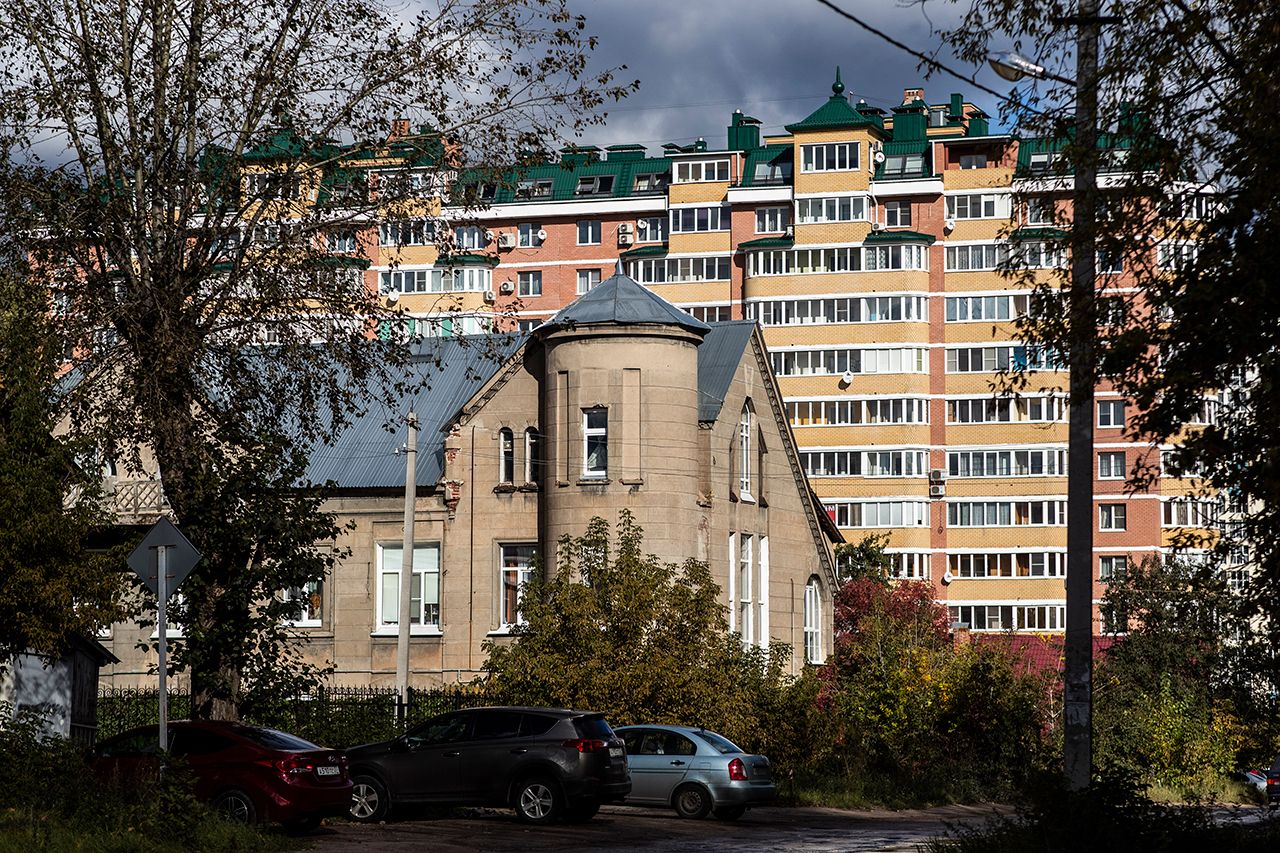
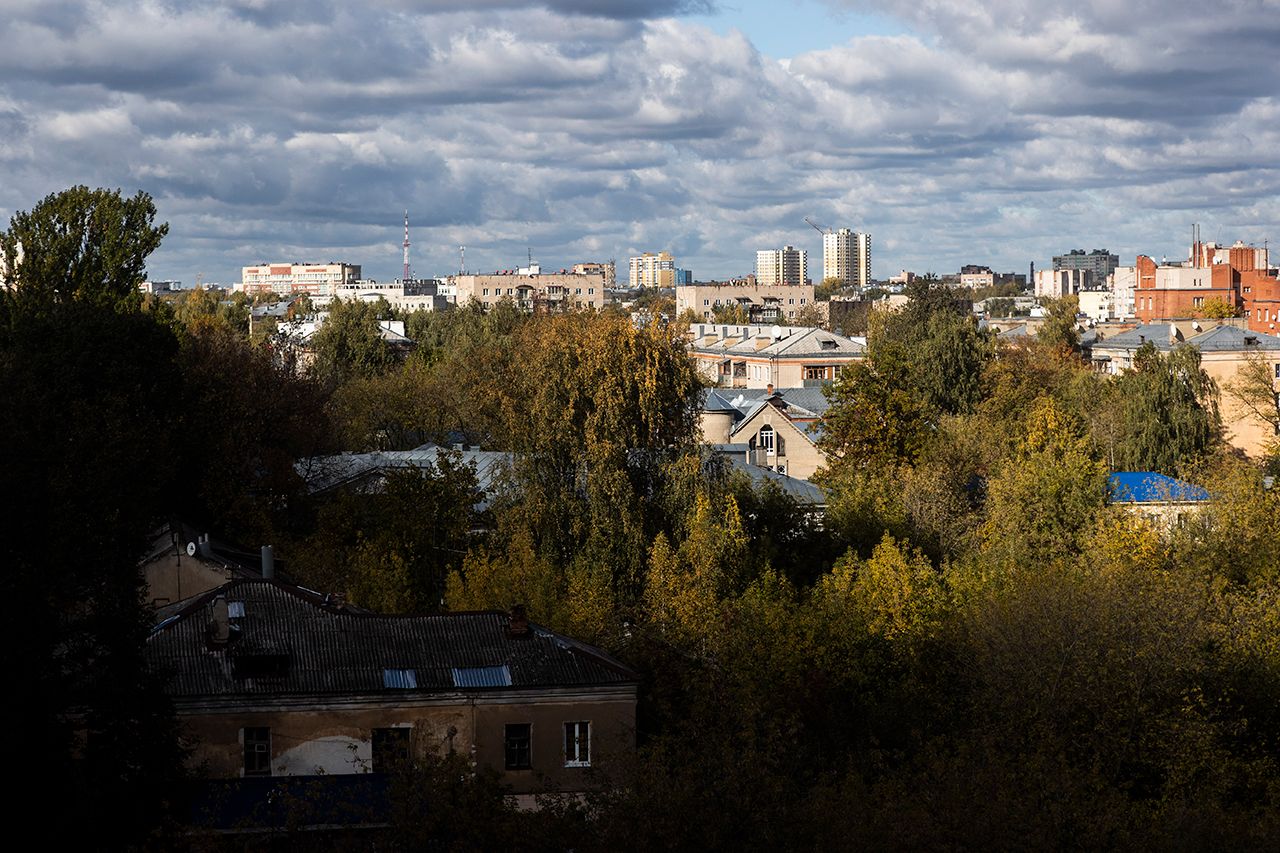
Sokolov’s mansion and Düringer Palace are surrounded by 13- and 21-story buildings, nearby is a one-story house, where Düruringer’s dining room was once located (so that the castle does not smell like food), and now a fur coat store. Nearby is the Maria Hotel, where you can stop for four hours, and the round -the -clock cafe “Grapes” with the slogan “Enjoy responsibly!”.
After the suicide of Olga, the Düringer's house almost did not get into the news. The revolution came, the children were evicted, someone got into the orphanage, someone was lost in Moscow. Where the couple Dünger is buried is also not known for certain. Most of the cemeteries of those times have already built up, on the site of one of them they arranged a disco, which the people were called the "garden of the living and the dead." The Palace of Duoringer himself first gave the NKVD (on the ground floor criminals, on the second-employees), and by the end of the 1920s they sent under the hostel for employees of the Sewing Plant "Red Talka".
Drunk house
Olga Alekseevna is 51 years old - and she lived all her life in a billiard Dünger. Her grandchildren have already grown in the billiard room: "Therefore, I already consider it my family castle." Her father was a worker on the Red Talka, and mother at the Red Dawn. As a child, she envied the children from Khrushchev. Those lived in separate apartments, and in their castle - four people in the room. “I have one toilet for the whole house, wash - go to the bathhouse, and also the nickname is Olya from the castle.” At the age of 12, I got a job, then unlearned an analyst at a chemist: “I achieved everything only with my labor and brains. Not blat, nothing. " By 51, Olga bought two more rooms in the “castle” in a mortgage and already paid off loans.
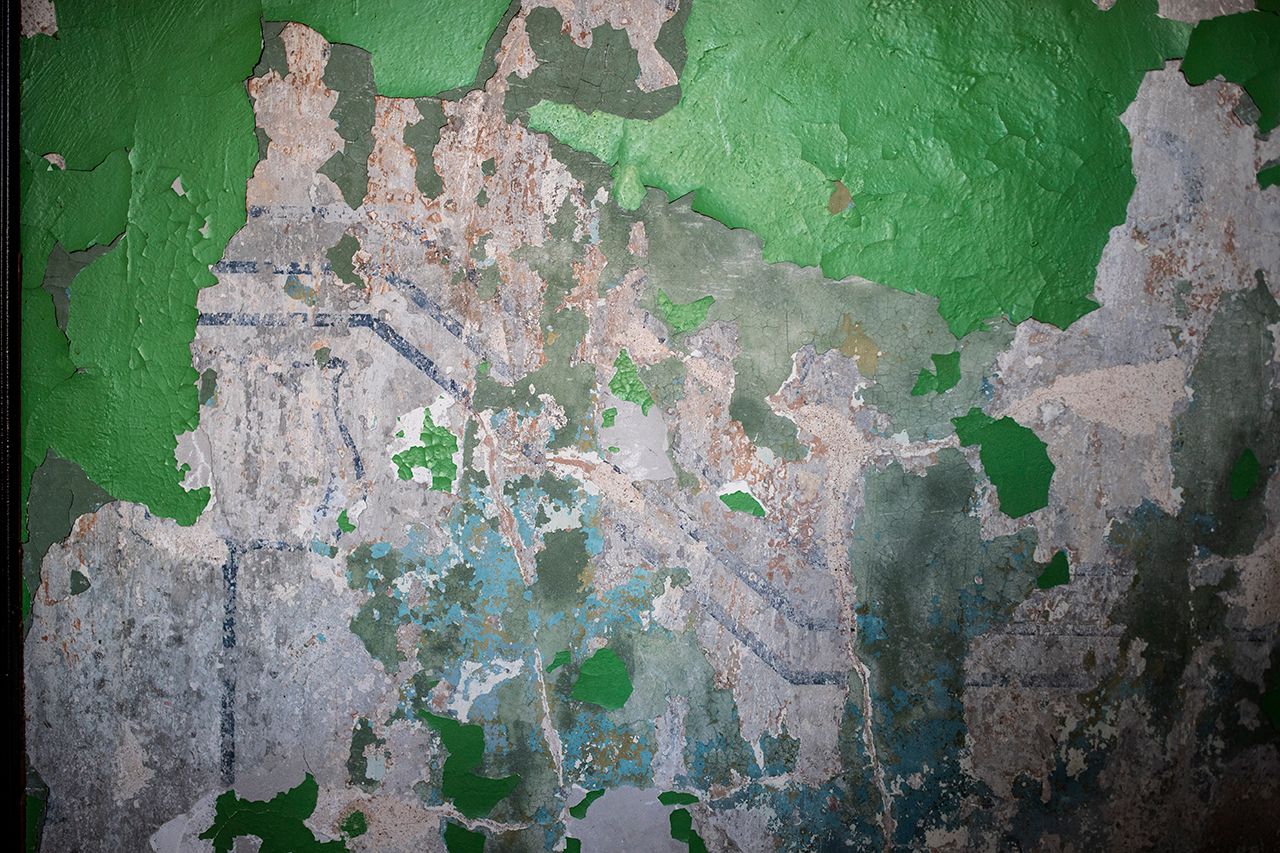
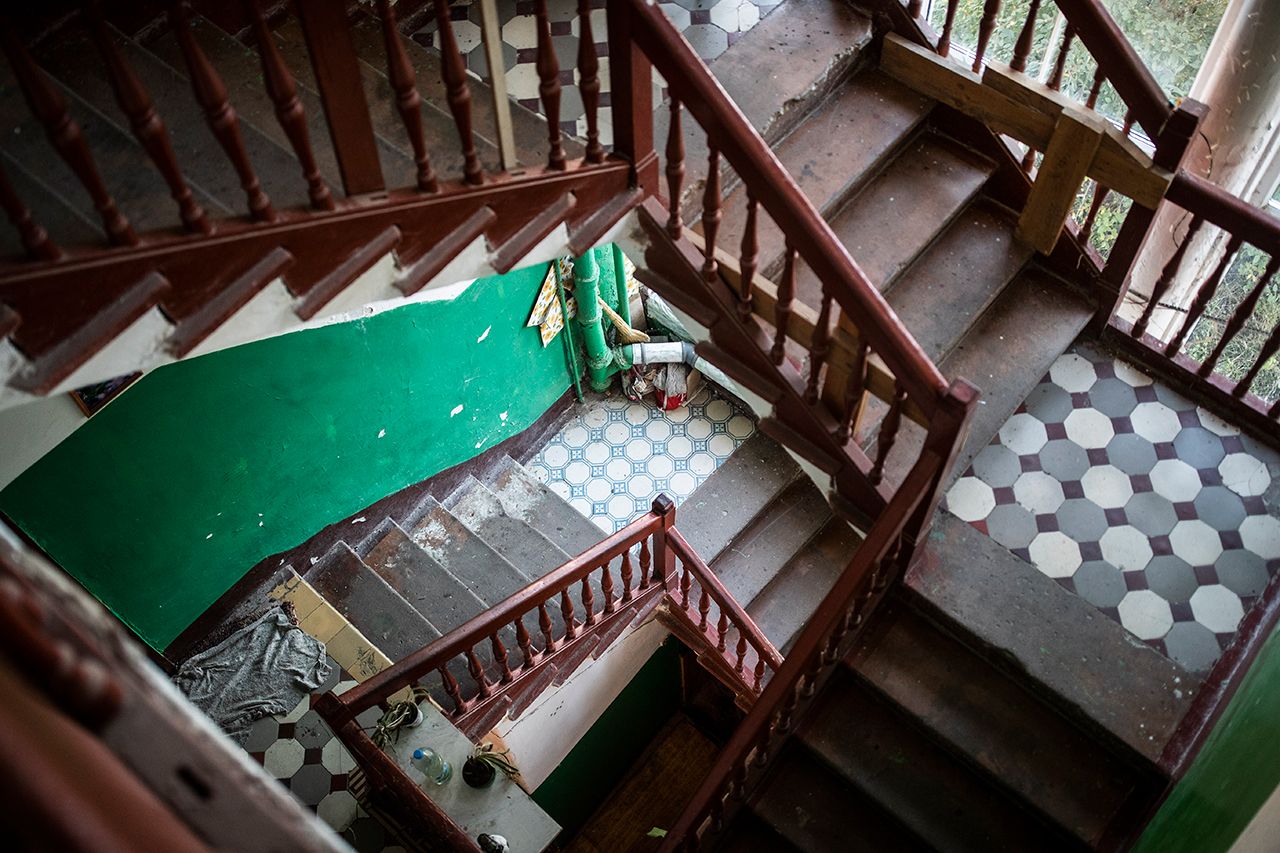
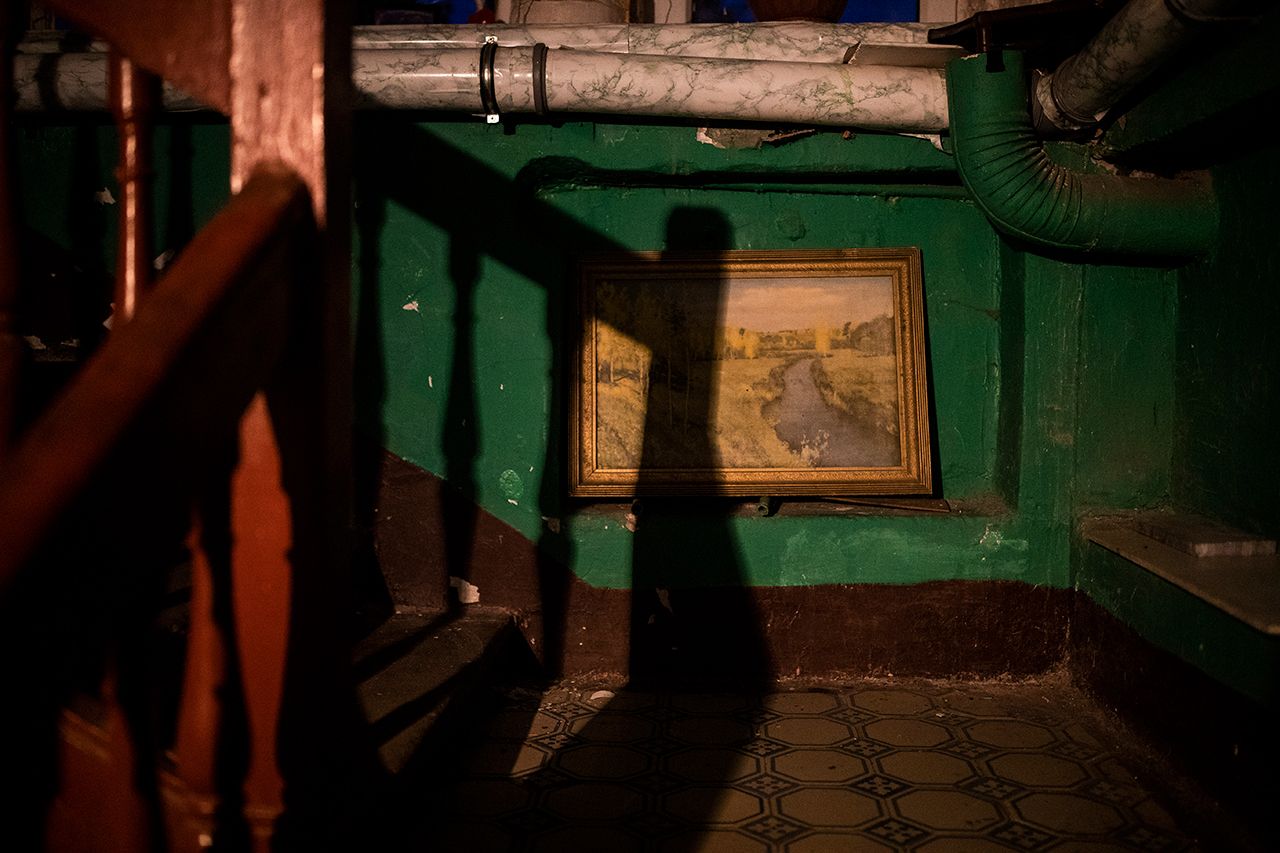
Olga stands in the entrance of the "castle" and smokes. The walls are painted half green, half white. "What is under this layer of paint?" “There are some pale flowers, the drawings are plain,” says Olga Alekseevna about the 1910 ornament, which can still be seen in some places where the paint was peeled. -She herself painted the flowers in some places, where she was peeled. Do not admire the flowers! "
The last insides of the house that Düngers saw were several tiles with ornaments on the stairs and the railing, along which Olga rode in childhood. There was still a chopped tile - it was stored in the attic, but then one of the neighbors sold it. Four -meter old windows were replaced by double -glazed windows. They are an object of pride of Olga Alekseevna: “Even when replacing windows, we made inserts as before,” she shows plastic separating strips “under the old man”. Window sills and sewer pipes are covered with marble self -adhesive. The water rustled. “Someone went to the toilet,” Olga Alekseevna laughs.
-Olga Alekseevna, did anyone fall from this stairs?
- We fell to death.
- Who? How did this happen?
- The drunk fell. Knock on the door, police. In Soviet times, the house had a nickname - "Drunk house." Each room is drunken. The police did not come out of here.
-And it was-someone left here, and after 10 years you watched the TV-oh, did our neighbor become a celebrity?
- It was not, of course. The start is not the same. It was necessary to survive here, not celebrities.
“People write on the Internet:“ The ugly windows are set. ” Live yourself in Halabud. Yes, our glasses poured on the asphalt, no one was doing to us, ”Olga Alekseevna swears for a cigarette. Mikhail Moneyzhkin in a conversation with Medusa says that the city administration can not help the “castle” - its owners are responsible for houses with the status of “Monument of Culture”. If the owner has no money, there is an auxiliary federal target program, but its action applies primarily to churches, hospitals and schools. And there is no free Ivanovo money for restoration at home: the area is subsidized. According to Tikhomirov, there was talk that the house would restore the Union of Architects, then they talked about the chess association, then the Krishnas supposedly became interested in them. But every time it reached the estimates, everything calmed down.
"Big Drama", according to Olga Alekseevna, did not see this house after the revolution: "Well, what can be the drama among the drunk?" From the 1970s it was remembered how my father was stabbed before her eyes: “I was six years old, without feelings fell. Drunk showdowns. Survived. Then he died from drunkenness at 42 years old. ” From the 1990s-as one of the neighbors “with a filthy character” got a job at the construction site, where his colleagues dropped him from the ninth floor: “Then he was brought here broken, his wife nursed. Lay a broken and screamed. Three months. Then he sucked. ” From the news - two weeks ago, a neighbor was buried. Washed, did not come out of binge. Now Olga Alekseevna feeds his cat: "The day before yesterday I fed twice, tired already."
Duoringer's granddaughter and watermelon
A large event, according to her, happened in the house in July 2016: the daughter of Sergei Düringer - Evgenia Poleshchenko came to the “castle”. Her father was the youngest of Dünger's children - he was born in 1910. In 1917, he was orphaned, hit the shelter, fled. Then the grown -up Sergey told the children how, having escaped from the shelter, he went to the “castle”, but could not enter - the guard did not let. Only one of the watchmen recognized the boy and fed him. Of the children's pre -revolutionary memoirs, Sergey remembered the wedding of Anna's older sister. There were 40 cakes in the castle, and he assured that he had tried the cream from each. He twisted the orphaned Sergey in the basement in Ivanovo and moved on to Tashkent, Kyiv, Velizh. He stopped in the Great Luki in the Pskov region, where he settled down a forester. In 1942, he was wounded in the throat in the war, and after the war he again went to Ivanovo. The inhabitants did not let him into his father. In 1978, he died of throat cancer.
Leschenko arrived in Ivanovo with her son, daughter -in -law and two granddaughters - and she was also afraid that she would not be allowed into the house. But it happened exactly the opposite: having learned who she was, the tenants got tea, watermelon and cakes. Eugene said that he lives in the Great Luki, a few years ago her son gave her a laptop and she began to look for her relatives: she found relatives in Cheboksary, Zaporozhye and Moscow. Now he writes a letter to the Patriarch - with a request to lighten the memory of her shot dead grandmother. Eugene then told the Ivanovo journalists: "We were very well and touching in our house." In memory of Eugenia, they gave a brick from home. Olga Alekseevna's voice changes when she talks about Dünger's granddaughter. Especially when she recalls how she stroked the walls: "I can see immediately - the breed."
Angel torso under a fern
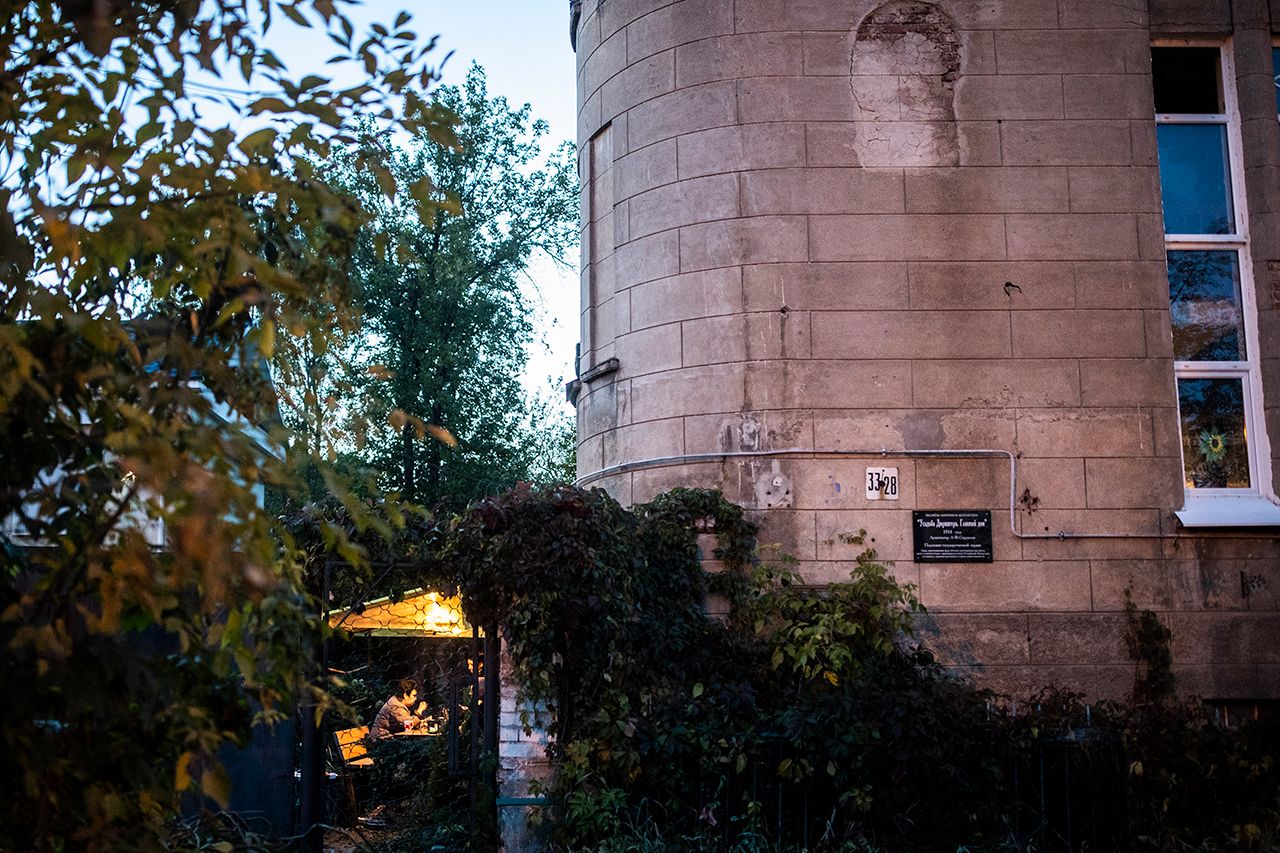
Late October evening on Maria Ryabinina Street is raining. The neighbors Sergey and Natalya are seated in the garden under a canopy - drink tea from a samovar. Natalia is picking in the jam, which Sergei put on the table: "Strange jam, as if from a dinosaur." To the left of the canopy, a garden gnome, on the right of fern. Under the fern, the fragment of the statue, which was found in the attic, is hidden: "There was something like an angel, there was a wing and a body."
There used to be a tent. His Natalia herself was awake. "The blue and yellow strip and things hung on the sides - as in the Middle Ages we had!" There were a Christmas tree, champagne, and a barbecue of three types of meat under the tent. But seven years ago, a strong wind blew, the poplar fell, which Dünger himself remembered, broke the fence, tent and windows broke. The poplar sawed and exported the whole house. They left only one stump as a keepsake.
Sergey and Natalya recall the legendary residents of the house. Grandfather Leshe from apartment No. 2 in the 1940s clamped the head between the wagons at the station, "he became a fool." He walked in a handkerchief, his head began to freeze, and in all the photographs he laughed. He sat for a long time at the church and collected gingerbread and sweets. The war did not reach Ivanovo, the churches were not closed here in the Soviet years.
Aunt Sonya from the 19th, Polish Jewish, worked all her life in kindergarten. I walked with painted lips and in a wig. The wig was dumped, dark chestnut, curly. I played the accordion. The son of Mishka was harmless, but drank everything, even a chandelier. In the 11th apartment, Baba Masha lived, who worked as a bell to death in the zero. Сергей запомнил, что она «чудненькая» была: «Мне нужен был холодильник, а она повесила объявление: „Продам холодильник „Смоленск“, 4000 р.“. Захожу, он у нее дребезжит аж весь от старости! Говорю: „Баб Маш, в магазине новый столько стоит!“ А она: „Так я больше, чем в магазине, не прошу“. Логика железная!»
Наталье 45 лет, она работает технологом на швейном заводе, Сергею 54 года, он — сантехник на ивановском железнодорожном вокзале. Наталья заехала в «замок» в 1995 году — к мужу, здесь у нее родилась дочь. Наталья любит пить чай и смотреть сериалы. Из последнего на нее произвела впечатление «Большая маленькая ложь». Она хочет уехать из «замка»: «Так случилось, что муж ушел от нас, поэтому хочется все забыть». В детали не вдается: «Нет, мне не больно, просто уже проехали».
Наталья выбирает между своей родиной, Пензой, и Петербургом. «Я два раза была в Эрмитаже, — вспоминает она туристическую поездку в Петербург. — Первое впечатление было — вау, рот открывала. А второй раз бегом бежала. Во-первых, многие картины — мне стыдно признаться, я их не знаю. Во-вторых — слишком много иностранцев, бесят, особенно китайцы — громогласные и фотографируют все подряд».
Сергей поселился в замке Дюрингера в 1997 году. Он утверждает, что он потомок графа Бобринского : «По сравнению с нашим поместьем в Богородицке в Тульской области, где сейчас краеведческий музей, „замок“ Дюрингера — шалаш. Я там не был, но бабушка рассказывала, что там одна зала только 50 метров и у каждого своя спальня». Сергей любит сидеть на кухне — в «Одноклассниках». Он мечтал стать офицером, успел «помотаться по всему Союзу» до переезда в Иваново и теперь размышляет, не уехать ли в Москву: «Я вступил в наследство. Досталась квартира от бабушки у Щелковского автовокзала. Но пока не решил — в Москве воняет немытыми телами и козьим дерьмом. Нет кислорода и русских. Я не националист, но Родину люблю».
— Может, и правда в Москву уехать. Мужиков в доме практически не осталось. В Москве побольше мужиков, — говорит Сергей.
— А я в Петербург, — вторит ему Наталья.
— Как-то так у нас. Иваново не город, где жить.
— Уеду.
— Врешь, кто тебя отпустит, — глотает чай Сергей.
Polina Eremenko