
Translated material
Alexey Losev and Pavel Florensky
Conversation of lovers of the Russian word
Ivan Tolstoy: In the new program, which Boris Mikhailovich Paramonov and I called the "mediums of the Middle Ages", we will talk about Losev and Florensky.
Boris Mikhailovich, I saw on the website of our radio your text dedicated to the anniversary of Alexei Fedorovich Losev, who turned 125 in September. The text is truly anniversary, noting the cult merits of the Russian philosopher, the last of the Mogican of pre -revolutionary Russian culture. But I remember one of your long -standing publication about Losev, published in the St. Petersburg magazine "Zvezda" an article entitled "The Long and Happy Life of the Clown." Losev really lived for almost 95 years, and somehow it seemed that such a nickname did not stick to his gray hair.
So I ask the question: what is your attitude to Losev? What is he deserves - panegiric or acutecritical?
Boris Paramonov: This is difficult. Losev causes an ambivalent attitude. Yes, of course, the last of the Mogican, a person of frightening scholarship and, as it were, a call to the communist regime: here, they say, not everyone destroyed you.
Ivan Tolstoy: There is such an apocrypha, or something. Stalin asked: are there still idealist philosophers? They answered him: there is one, Losev. Stalin says: Well, let alone remain.
Boris Paramonov: This, it would seem, is aable situation - a smart Jew under the governor. But Losev’s case is more difficult. To start with the fact that he was not a Jew, but an ideological anti -Semite, by no means everyday, but metaphysical. As well as the second same fragment of the Russian past - Pavel Florensky. And you know, Ivan Nikitich, I also want to talk about Florensky today: they are even more interesting than separately. Here a certain common topic is planned - about the Russian Middle Ages. Well, what comes to mind in the first place, when we are talking about Russian interpretations of the Middle Ages?
Ivan Tolstoy: Nikolai Berdyaev, of course, his book "New Middle Ages", which made him a name in the West. And she appeared if the memory does not change me, in 1924.
Boris Paramonov: Well, here, let Berdyaev quote the "New Middle Ages", where he, as it seems to him, sums up the result of a passing era, the line of which was the First World War. In this war, says Berdyaev, an perhaps a death sentence of a European educational myth of continuous optimistic progress was sentenced.
Announcer: “The old world that collapses and to which there should not be a return, is the world of a new story with its rationalistic enlightenment, with its individualism and humanism, with its liberalism and democratism, with its brilliant national monarchies and imperialist policies, with its monstrous-capitalist system Technology and external conquests and successes, with unbridled and boundless lust of life, with its godlessness and soullessness, with an angry struggle of classes and socialism as a crowning of the whole path of a new history. "
Boris Paramonov: From this discredited-primarily a world war-such as liberal-educational culture, an entrance to a certain new Middle Ages, that is, to religious models of culture, opens. And Berdyaev is inclined to see the potency of such a culture even in post -revolutionary Russia - yes, yes, in Bolshevik Russia.
“Religion is again made highly general, universal, all -determining business. Communism shows this. It cancels the autonomous and secular principle of the new history, it requires the“ sacred ”society, the“ sacred ”culture, the subordination of all aspects of the life of the devil, the religion of the antichrist. This is the great importance of communism. In this, it goes beyond the limits of new history, obeys a completely very principle that I am completely in the form of a foreign principle, which I I call the medieval.
Boris Paramonov: That is, the era of atheistic dishes ended, the world is self -determined religiously. Yes, Satanocracy has been built in Soviet Russia, Berdyaev says, but still Satan is a religious character, and not some kind of advanced pharmacy of the Ome from the Flobertovskaya "Madame Bovary". A religious theme has returned to the world - here is Point Berdyaev. This is the topic of the new Middle Ages. And the same inspirations owns Losev - and Florensky, when he (they) concerns (very casually, without emphasy) the current position of Russia. Such thoughts, or rather even hints, can be found mainly in Losev’s book “Dialectics of the myth”, partly in his extensive “essays of ancient symbolism and mythology”.
Ivan Tolstoy: "Dialectics of the myth" and was the book for which Losev suffered.
Boris Paramonov: We can say that Losev himself was substituted. He diversified his scientist and, highly specialized text, diversified all kinds of Yernic inserts, like the following:
“ They say: I can’t think that the world has a spatial border. Lord, you are my God! Why do you need to think this border? After all, you ever raised your head up or slid through the horizon? Well, what else do you need? This border is not only conceivable. It is completely visible. And there is no reason not to trust your eyes. The vulgar of the hole in the hole was said: go to us, a complete realism, living life; instead of your fantasies and dreams, we will bodily feel the whole of the surrounding, and what we have come, threw “fantasies” and “dreams”. There is no fantasy; do not believe any border - no border, do not believe the ears, do not believe ... my priest, but where did we get it in this badly. Lower the skin, and not make me a realist.
Boris Paramonov: This escapade follows a completely intelligible discussion of internal inconsistency, from the point of view of dialectics, the idea of a homogeneous Newtonian empty space and the infinity of the world. It is impossible to constitute the very concept of the world, if you think it endlessly: that which has no end, border, limit, does not exist at all, cannot be conceivable, determined. Quality is certainty, as Hegel is also known. And if so, it is impossible and non -war -quality Newtonian space. So, the cosmos has a border outside, and inside it is not empty, but diverse, figures, as Losev says. That is, the world in the understanding of Newton, educational positivism in general is not the truth, but the myth.
But the very concept of the myth does not imply falsehood, deceit. How to understand this? Any culture, says Losev, has a kind of a priori, a prerequisite, within the framework and development of which it exists. This means that the myth is necessary, how many cultures, so many myths. This is not necessary to be afraid, I repeat, the cultural a priori. There is a proletarian socialist myth, and it is ridiculous to reject it, it must be realized and, accordingly, it is navigated. The problem is that the Bolsheviks, socialists do not recognize their own myth: they talk about equality and at the same time retain, for example, the opera theater in which Chaliapin sings, and sings best. But under socialism, it is not necessary for someone to have better than others in any respect.
And Losev writes (this is not from the "dialectics of the myth", but from another essay "Essays on ancient symbolism and mythology"):
“The proletarian state, for example, cannot and should not allow the existence of free art and free science. Give free science, and it will begin to refute the theory of Darwin or Newton's mechanics. We want to come from a monkey, and now in the West this theory causes only a smile, and in America it was even forbidden to teach it in schools. How can we be ? It is necessary to release a large funds to the Ainstein’s refutation, because it is not possible to get the question of the limb of the world and the impenetration of matter. The non -Bell system with freedom of thought. "
Boris Paramonov: This is a provocation in the style of the Ehrenburg Hulio Hworenito. Losev differs from Khurenito only in that he is exorbitantly scientist, and not picked up by tops, like Erenburg, who, however, had his own mind, without an appeal to the ancient Greeks to understand some modern plots. Losev, with his erudition, should have lurked, and not give out invectives to the commanding uncle.
Ivan Tolstoy: I will give a parallel place from Hulio Hurenito. The great provocateur invites the Communists to eliminate art, but they are wandering, you see, you see, not alien to beauty, and they expect to link art with the construction of communism. Khurenito grins: they want to hide the zipper in the iron, and then notes: of course, this will not prevent lightning from hitting their bald head. And so it happened: remember at least "Dr. Zhivago", at least Solzhenitsyn.
Boris Paramonov: But in the case of Losev, everything is much more complicated. The fact is that he would forbid art itself. And if he did not forbid it, he would introduce him to another worldview context, would adapt to his own ideal - to the very absolute mythology that he proclaimed in the "dialectics of the myth". And this is precisely for him precisely the medieval ideal: the dominance of the Church, Christian collegiality, theocracy. But here a certain paradox takes place: for Losev, with all the sophisticated development of various cultural myths, the Middle Ages and antiquity are essentially similar, or rather, they cause, say, of identical feelings. They are equally or precisely essentially opposing the hated liberal-bourgeois myth with its emphasis on individual freedom. He hates what Konstantin Leontyev called liberal-egalitarian progress, leading to Leontyev to secondary mixing simplification. The world loses beauty, total organization, a pronounced sculptural face. Estete Losev cannot reconcile with this. And it seems that he would be closer to communism, if the Communists had not kept the bourgeois relics like scientificness or that very Bolshoi Theater. In short, and rudely speaking - Losev Totalitarist, a totalitarian thinker. And in communism, he should have impressed the late Stalinism, closest to Plato's ideal state. And the Platonic ideal state is an enduring, for all times this model of totalitarianism.
I repeat, this system of thoughts is easiest to understand by the example of Konstantin Leontyev, in which aesthetics gives rise to a totalitarian organization. This is his formula: beauty is a despotism of a form that does not allow matter to scatter. Running of matter is entropy, death. It turns out that aesthetics is the most important science, the most all -encompassing, truly ontology, teaching of being. This moment is most important to understand: the totalitarian social-state system is aesthetically oriented. Because it is the work of art that organized total, totalitarian, there should not be unrelated elements in it. That is, there is no freedom in it. Nabokov would understand that. Yes, any poet understands this. And in my quality, either the poet or the philosopher understood this without Losev: in 1977 he wrote and printed the article "The cult of personality as a secret of Marxist anthropology." Where he spoke about the totalitarian project as an organized aesthetically.
But back to Losev - and let's say the main thing about his totalitarian inclinations. They are deeply ambivalent. His very attitude towards Plato is ambivalent. He sees his complex problematicity better than others, one might say, the depravity of his worldview and peace. We give some quotes-from the same "essays of ancient symbolism and mythology." This is already a serious Losev, without clowning and foolishness:
Announcer: "All living and non-living lives that he receives from the cosmos and gives him to him, and the very education of a person imitates the universe here. That is, the most social system preached by Plato, remarkably Negybe, statue and gives the impression of numbness. Hence the monstrous socio-political redrism, inadequate and regulation." An ideal "state. This is a Platonus, this is a completely marble statue There is no historicality, there are no ideals, there is no struggle, there is no confession and the resettlement of souls is not a story built by astronomy; Static and only within itself a uniformly rotating statue, self-sufficient, eternal and impressive.
This deepest non-historism, even anti-historism, distinguishes all ancient attitude. Not a single philosophical system has given the theory of sociality as being Suigeneris here. Plato is a completely anti -historical thinker. And again, this is not his drawback, but-his own, peculiar style of philosophizing. This is his typology. And it is justified in the deepest roots of the Platonic and generally ancient attitude. ”
Boris Paramonov: Think what you want, but this interpretation of the social, and other Plato philosophy is difficult, it is simply impossible to consider complimentary. This is the sharpest, to the very depth of criticism. After all, the state ideal of Plato is in such an interpretation no less deadly than the very Leontyevsky run -up of matter, social entropy. Not like stories - life itself is not here.
And so we find in Losev such a paradoxical approach to Platonism itself, which is very difficult to put in any connection with philosophy in general. Losev wants to find the specifics of Plato's philosophy - and he sharply fares to those interpretations that style Plato in the new European spirit, pull him to Christianity: he is supposedly dualist, idealist, moralist. Nothing of the kind, says Losev. And writes the following:
Announcer: “Of course, each of us, for the first time reading“ Fedra ”and“ Feast ”, is amazed at what is written there. Instead of Christianity and romanticism, we find things that can shock the most corrupted taste. Reasoning and feelings about homosexual love are given here with such undisguised passion and interest, with such poetic expressiveness that only deaf and blind can not notice this. Everyone notices, and everyone sees the prejudice and the habit of Christianizing and romanticizing Plato so fed into the flesh and blood of researchers and non-research that we, contrary to our immediate feeling and with great embarrassment in the mind and in the soul, still continue to characterize Plato-Spiritative praise.
Why did Plato need all this mystical pederasty and what internal impulses he was prompted for this? What type should his doctrine of ideas relate to actually and practically rely on pederasty and homosexuality? It was then that I will express a consideration that, as far as I know, first connects pederasty with the doctrine of ideas in the last creature and significance of both. ”
Boris Paramonov: One can imagine how the jaws were inhabited by respectable professors of philosophy who read this. In the twenties there were still such professors. But here it is not a matter of morality, but again in philosophy itself. What Losev writes here is a real psychologism, and the Husserlian Losev could not but know that Husserl phenomenology prohibits any psychologism and rejects it as the main enemy of philosophy, pure knowledge.
It could be said that Losev has one of the main motives of the later existential philosophy here: a person philosophizes not by the mind, but by the fullness of his personality, total experience - what has brought to the philosophy of Nietzsche. But we read on: how does Losev see the connection of this purely psychological attitude with the main point of Plato - his teaching about ideas.
Only Aidos can be arranging, imposing, comprehending the beginning. Matter always has something perceiving, conceiving, giving not meaning, but the body, not shape, but the material (...)/ We will now ask the following question: when the sculptural (in our sense of the word) intuition lies at the basis of all intuitive comprehensions - can such a philosophy really feel the gender and, consequently, genuine and literal birth of children? Can a philosophy brightly feel the nature and significance of the literal birth of children, if the very idea on which it is based forbids it to deeply evaluate and even just stop for a long time from Aidos to Matter? The intuition of the transition, formation is not ancient intuition (...)/ The initial intuition of antiquity and Plato is static plastic, alien to the very problem of transition and formation. Here, the formation is only inside the same idea (...)/ Therefore, Plato, like all antiquity, is organically not able to have the most experience in marriage and birth. To do this, you must feel the transition from Aidos to matter; This requires dynamism of the original intuition. To do this, you need to have experience in becoming a become and generated being, the experience of occurrence, sophia generation and increasing. Platonism is deprived of the experience of conception, the experience of generation (in the literal sense of the word) ... The masculinity of Aidos and the femininity of matter are only abstractly established principles (...).
That is why Plato preaches his mystical pederasty. In the doctrine of ideas, he is limited to intellectual-bodily forms, without turning into the sphere of formation as such ”(...).
Boris Paramonov: And here is further development, not even with psychology, but physiology:
“ Infantics: “ In the field of love, he is limited to love acts, not turning into the sphere of formation as such and not wanting to give birth to anything in the true sense (the birth of children is too low for him, but what is higher than this - crafts, poetry and contemplation of ideas - is not at all the birth in the original sense of the word). The doctrine of ideas is dialectics, where he is like a shamelessly fed Preventing some kind of eidos, then destroying it (...). The logical conclusion from Pederasty is a real Platonic dialectics, and its dialectics is necessary and homosexual, because it does not have concerns and generation in her experience, and not just the bodily body, but not just a living and a cold statue.
Boris Paramonov: Here you need to recall the most general characteristic of antiquity, taken by Losev from Spengler: the popenom of the ancient worldview is a limited body in space. But after all, the Greeks have this body, despite all its statue, sculpture, is still a living body. And it turns out that sculpture is not a sublimation of the ancient popenoma, but almost the only reality among the Greeks. You might think that the Greeks did not give birth to children. Losev replaces the general particular. That is, we can conclude that here we are dealing not with an objective characteristic, but with a private idiosinocrazia of the researcher.
Hence the duality, stronger - the ambiguity of Losev’s attitude to the Greeks, to Plato: either he is identified with this worldview, or rejects it. This is very felt when reading Losev’s texts.
It is interesting that the young Losev, in his first work of 1916, "Eros at Plato" also tried to pull Plato to Christianity, moralized him in every possible way - against which he himself objected later. And he corrected Plato: in the teaching of Eros it was necessary not to talk about boys, but about a woman. I quote: "What Plato said in" Fedra "about Eros is such a fullness of feelings and aspiration of human nature that we can directly cross out this annoying boy and say with force: a woman." And the woman stands through the word. That is, Losev wants to avoid these annoying boys, but this is what says at the very end of this article:
“ At the sight of beauty, sometimes at one fleeting gaze, we are languishing and waiting for the next century. Our Eros, Eros is truly and vital, there is an Eros of a feat - and loneliness, for the work of the Lord is difficult, and it is not destined to breathe with divine fire. To be alone, to press Eros and under his dreams to understand and endure the last religious excuse Erosa ".
Boris Paramonov: Smart enough, having ears and hears. These are the words of a person who understood his doom of the lonely obstruction of fate.
Ivan Tolstoy: Boris Mikhailovich, but Losev was married.
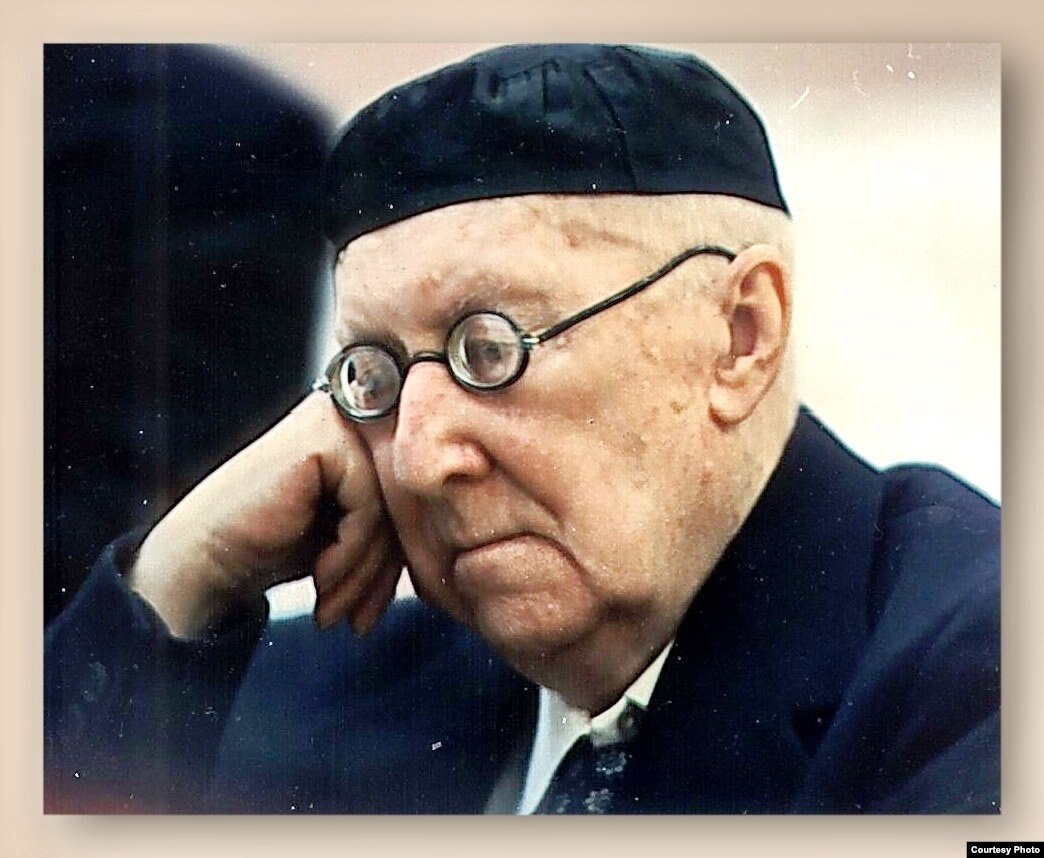
Boris Paramonov: Well, yes, and he, together with his wife, took secret tonsure, monasticism. I all thought: that these are Losev in all the pictures in an academic cap - he was a professor, but not an academician. It turned out that this is not an academic hat (like a chemist of Zelinsky, I remember, in a school textbook), but a monastic skuck.
Ivan Tolstoy: Like Florensky in the picture of Nesterov, "Philosophers", where he is depicted with Sergey Bulgakov.
Boris Paramonov: Yes, but before moving on to Florensky, something else about Losev-in relation to his medieval ideal, which Florensky will share. Here we must touch on one strange document, which is called "addition to the dialectics of the myth." Researchers tend to think that they arrested Losev for these additions when he tried to insert them into his book after passing censorship. But in the well -known text of the “dialectics of the myth” there are no these additions, but there are those Yernic Escapades cited, which, I think, were these inserts.
The strangeness, even some inaccuracy of this text, then the consideration strengthens that it seems to be Losev’s recognition during interrogation, the protocol of this interrogation. What did he say here, and what the investigator entered is not always clear. There are also completely unambiguous signs of the protocol: for example, Losev says that in exile the right wing of monarchism is closest to him. It looks like a self -negotiation, which they achieved in the NKVD from the arrested. In general, everything is somehow hidden, as if vulgarized. On the other hand, it is not difficult to present Losev’s signature under these words. Here, for example, is this:
“I ... I affirm that the feudal system and its ideology did not strive for the exploitation of the workers, but to the truth - so, of course, as it was understood then. The truth that the feudal system professes, there is a church and obedience to it. The secret of centuries -old serfdom is the secret of obedience and abandoning their will, in the name of salvation of the truth, the idea and soul of serfs. It is not the exploitation of the workers, but the salvation of the soul and church dogmas must be remembered.
Medieval serfs differ from ancient slaves in the same way as the icon differs from the statue, as a person from a bodily organism, like the music of spiritual crush from a physically tangible thing. The serf is thought fundamentally free: he is a person, not a thing. His summary state is by no means a slave state. "
Boris Paramonov: Well, what can I say? Losev acts as a great reactionary than the tsarist government, which has canceled serfdom. This is such anti -historism that Plato did not dream.
Or here is Losev’s arguments about Judaism, about Jews emanating from the analyzes of the ancient Kabbalah. The hebist, go, did not know about its existence, and Losev, it is known, studied it with the help of B.G. Stolpner - a philosopher who remained little -known, because he basically did not write, but spoke, spoke at all kinds of intellectual meetings. Losev was inclined to consider Jewry a generating bosom, on the one hand, Christianity, and on the other, liberalism, socialism and anarchism. We quote:
Announcer: “Israel wants to create a salvation with his own hands, therefore the Israeli element is the basis of the new-European culture. Renaissance, enlightenment, revolution-all this has experience in the information of grace, which is given for nothing and by unknown definition, for the natural efforts of a person, which should be rewarded by justice and in which there is nothing mysterious, but everything is bodily and bodily and bodily and bodily bodily and bodily bodily Sensual Kabbalah.
Kabbalah is the deification and absolutization of Israel. Israel is the principle of falling away from Christianity and the stronghold of all world anger against Christ.
Israel is the curse of all Christianity, the people persecuted, beaten by all the light and Christians, first of all, the subject of the most black, deepest malice of all the highest representatives of Christianity. But what is the result of all this. As a result, "all Israel will be saved," as the mysterious prophecy of the Apostle says. "
Boris Paramonov: And the final formula, code: "Jewry with all its dialectical and historical consequences is Satanism, the bastion of world satanism."
Иван Толстой: Борис Михайлович, так что же получается у Лосева, если он и христианство считает порождением еврейства? Где тут правда, а где сатанизм?
Борис Парамонов: Полагаю, что Лосев ценил и любил не столько христианство, сколько феодализм, средневековье с его насильственно организованной жизнью, с установкой на тотальную организацию человеческого бытия. Своеобразный эстетизм средневековья.
Иван Толстой: Что и молодой Мандельштам чувствовал, писавший о "физиологически гениальном средневековье".
Борис Парамонов: Ну да, эстеты, эстетизм, всегда стремящийся к тотальности формы, оформления, вот к этой самой скульптурной выразительности.
Лосев ценит то, что было общего у средневековья с любимым его Платоном – автором всемирно тоталитарного проекта, справедливо названного первой коммунистической утопией. Которая и осуществлялась посильно в России. Которую и одобрял, и как бы корректировал Лосев, указывая коммунистам на их непоследовательность. Опять же о театре вспомним, которого не должно быть в коммунистическом обществе равных. Ну или вот об искусстве в целом из "Очерков античного символизма и мифологии":
Диктор: "Ни Средние века, сурово подчинявшие себе всякое искусство ради услужения себе, ни, наконец, русский коммунизм, признающий всерьез только пролетарское искусство, – органически не могли и не могут допустить свободного искусства и незаинтересованного, бескорыстного наслаждения. Свободное искусство могло существовать только в эпохи развала того или иного культурно-социального режима, когда этот режим кормил революционеров, а революционеры, пользуясь его культурными и экономическими ресурсами, разрушали его и подготавливали революцию… Но так не может быть в сильном и крепком режиме, не умирающем, но рассчитывающем на долгую жизнь… всякую такую "свободу" в Средние века сжигали, а теперь расстреливают.
Борис Парамонов: То есть такая репрессия эстетической культуры и требуется в организованном обществе. Лосев призывает правителей, платоновских мудрецов в советском обличье не забывать об этом. Тут же он говорит, что и науку такой идеал требует взять в колодки, особенно экономическую науку: платоновским мудрецам (монахам, как называет их Лосев) совершенно чужды экономические интересы.
Повторяю: чтение этих пассажей у Лосева вызывает мысль о провокативности его мысли: то ли он разоблачает полную нежизненность платоновского или средневекового идеала, то ли призывает на них ориентироваться. Лосев – человек двоящегося сознания, и в каком-то – очень значительном! – отношении типичный декадент Серебряного века.
Ну и теперь можно к Флоренскому перейти – еще одной культовой фигуре постсоветского культурного возрождения. Принято этим фигурам поклоняться, этим иконам молиться. Началось это еще в советское время, вместе с робкими попытками заполнить лакуны в знании дореволюционной русской культуры. Начинали помаленьку печатать тексты Флоренского, некоторые из них в изданиях русской православной церкви, некоторые и в светской советской печати. Помнится, работа Флоренского об иконах с их обратной перспективой была напечатана и вызвала всеобщее оживление. Действительно, замечательная работа: Флоренский показал, что обратная перспектива на православных иконах – это не от неумения средневековых иконописцев, это прием, собственная, автономная эстетика. Культуролог Флоренский, что и говорить, замечательный. Тут же начались и экскурсы в собственно философию Флоренского. С этим даже связан небольшой тогдашний скандальчик – статья Ренаты Гальцевой о Флоренском в пятом томе позднесоветской философской энциклопедии. Статью эту сочли апологетической: как же можно восхвалять попа в советской печати. Тогда же Гальцева защитила докторскую диссертацию на тему о русском утопизме: трех философов взяла – Бердяева, Шестова и Флоренского. Тут еще какая деталька просматривалась: Гальцева – новообращенная христианка, склонная поэтому к некоторой ортодоксальности, и вот именно у Флоренского этой ортодоксальности она не обнаружила, чуть ли не поставила под сомнение его христианство.
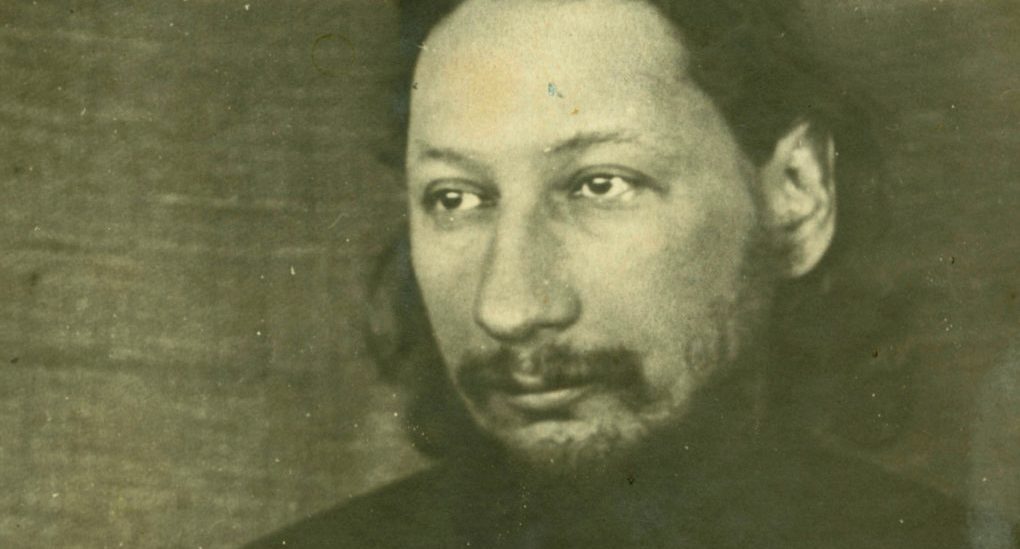
Иван Толстой: Борис Михайлович, но ведь это давно уже говорили, еще до революции, когда в 1914 голу вышла известная книга Флоренского "Столп и утверждение истины". Об этом Бердяев написал статью под названием "Стилизованное православие", он первый усомнился в ортодоксальности Флоренского, хотя тот всячески таковую демонстрировал (что Бердяев и назвал стилизацией).
Борис Парамонов: Да, конечно, и вот что первостепенно интересно: Бердяев писал в той статье, что Флоренский неправомерно производит онтологическую транскрипцию индивидуального психологического опыта. Особенно едко он отозвался о той главе "Столпа", которая называется "Дружба". Церковную соборность, писал Бердяев, Флоренский подменяет древнегреческими нравами – понятно какими, коли речь идет о "дружбе".
Иван Толстой: Опять туда же!
Борис Парамонов: Не совсем туда, сейчас объяснимся. Но еще хочу сказать, что Флоренского, так сказать, полностью реабилитировал Сергей Хоружий – сделав это еще в самиздатской работе: очень солидной, объемистой, в 400 страниц. Работа, что называется, широко читалась в узких кругах, и создавалась всячески положительная оценка Флоренского, этого русского Леонардо, как его стали называть.
Иван Толстой: Действительно, он и философ, и богослов, и математик (окончил математический факультет), и искусствовед, и физик – автор книги о диэлектриках.
Борис Парамонов: Хоружий показал целостного Флоренского, дал очерк общей его философии, которую он развивал уже после "Столпа". Он подытожил философию Флоренского в термине "конкретная метафизика". Флоренский исходил из интуиции тождества идеального и реального планов бытия, явленного в любом бытийном феномене. Такое тождество он называл символизмом. Но это, кстати сказать, ядро философствования и Лосева, и все это из того же платонизма идет. При этом Хоружий показал плюралистичность картины мира у Флоренского: его бытие состоит из автономных сфер, как бы наслаивающихся одна на другую. Это то, что у Лосева называется фигурностью пространства.
Иван Толстой: Можно ли говорить, что Лосев, бывший младше Флоренского, испытал его влияние?
Борис Парамонов: Безусловно, и сам Лосев говорил об этом, когда можно стало говорить. Лосев отдал должное Флоренскому в одной из частей "Античного символизма и мифологии", указав на его новаторскую трактовку Платона: он понял платоновскую идею как имя – порождающую модель бытия, энергетический источник оного. И Лосев позже написал обширное сочинение под названием "Философия имени". Это очень специальный вопрос, нам незачем его касаться. Нужно только назвать одну работу Флоренского, еще дореволюционную, в которой дано такое понимание Платона, – "Смысл идеализма". И тут не обошлось без как бы ереси: Флоренский стал говорить о магии, о магичности знания, неким теургом выступил. Вполне средневековый сюжет тут обозначается, причем отнюдь не ортодоксально христианский – мотив Фауста, конечно. Ну и еще одна деталь: в книге "Античный космос и современная наука" Лосев пользуется теми разработками, которые Флоренский дал в работе "Мнимости в геометрии", когда оказывается, что мир не беспределен и Земля – центр Вселенной.
Иван Толстой: Шах и мат Копернику и Ньютону!
Борис Парамонов: Но это у Флоренского и Лосева отнюдь не средневековый обскурантизм, а самая что ни на есть современная наука: такие выводы они делали из формулы Лоренца. Лосев даже говорил, что современная физика позволяет понять древнее верование в оборотней: коли масса тела зависит от его скорости и на предельных скоростях может исчезать.
Борис Парамонов: Ну а теперь о действительном средневековье, на этот раз у Флоренского. От него тоже один выразительный документ остался в недрах Лубянки. Он называется "Предполагаемое государственное устройство в будущем". От него хотели признания, что он является главой некоей подпольной антисоветской организации и соответственно автором ее программы. Полагаю, что никакой организации не было, а значит, и программы, но кое-какие мысли Флоренского, изложенные в этом тексте, можно признать аутентичными. Конечно, открытое отрицание западных демократических моделей. Демократия губит страну и портит людей. Человеку не политические права нужны, а возможность осуществления его внутренних возможностей. Вот это очень средневеково звучит: можно вспомнить слова Гете, говорившего, что ценность человека определяется не его местом в иерархии, а тем достоинством, с которым он осуществляет свои обязанности. Флоренский отрицает политические партии, пишет о необходимости единоличного управления государством во избежание всяческого разброда и борьбы интересов. Еще интересный мотив: необходимость автаркического устройства экономики – полностью опора на собственные силы.
Иван Толстой: Идеология чучхе.
Борис Парамонов: Да, если угодно. Но я призываю к тому, чтобы не зацикливаться на этом документе: следственные камеры НКВД – не то место, где рождается истина. У нас есть куда более интересные документы из недавно опубликованных, которые куда больше говорят о Флоренском и на большую глубину идут.
Я имею в виду опубликованную в 2010 году переписку Флоренского с Розановым. Она вошла в один из томов уже много лет выходящего собрания сочинений Розанова под редакцией Николюкина. Я буду говорить об этой переписке, опираясь на замечательное исследование Натальи Константиновны Бонецкой "Античная школа у монастырских стен", опубликованное в журнале "Звезда" за 2017 год, номер 9.
Сам автор удивляется тому, что до сих пор эта переписка не привлекла внимания исследователей – ибо она вынуждает к радикальному пересмотру и переоценке наследия Флоренского и его самого в его типологии. Бонецкая склонна вообще отрицать христианство Флоренского: Флоренский у нее не христианский мыслитель, а древний маг, напоминающий даже не доктора Фауста, а чуть ли не сибирских шаманов.
Надо начать несколько со стороны, нам уже известной. Флоренский и Розанов очень много говорят о проблеме, зашифрованной ими в латинской букве S. Это значит содомия, гомосексуализм. Меня весьма заинтересовала вот какая деталь. Розанов, несомненно осведомленный о сексуальной ориентации Флоренского, был тем более впечатлен фактом его женитьбы – и последующего деторождения. Но он же и объяснил гениально причину такой переориентации Флоренского. У Флоренского был "друг" Вася Гиацинтов – и женился он на его сестре. Бонецкая пишет:
Диктор: “Циник Розанов, "психоаналитик" Флоренского, впоследствии объяснит брак последнего именно родственной близостью Анны к Василию Гиацинтову: "Вы как полу „S“ женились на Ане „через брата“ („Вася“), и отношения к жене тайно и для Вас незаметно переплетаются, я думаю, с токами к „Васе". Но как Флоренский, так и Розанов признали в простой девушке – деревенской учительнице Анне Гиацинтовой – "богоданную жену" (письмо Розанова к А. М. Флоренской от 1 декабря 1910 г.). Их "безнадежно-христианский" (там же) брак был, как известно, счастливым и многодетным; самые интимные его стороны приоткрываются в письмах Флоренского к Розанову”.
Борис Парамонов: Меня этот сюжет особенно заинтересовал тем, что он сходствен с обстоятельствами женитьбы другого “полу-Эс”, которым я всю жизнь интересуюсь: Томаса Манна. У того еще выразительнее: у его жены Кати был брат-близнец.
Иван Толстой: Борис Михайлович, вот вы сами сегодня говорили о неправомерности лосевской трактовки Платона, выводящей его из этой самой "мистической педерастии". Так уместно ли во главу угла разговора о Флоренском ставить его, скажем так, юношеские поиски?
Борис Парамонов: Весьма уместно. Если Розанов, как известно, считал первоначальных христиан сублимированными содомитами, о чем писал в книге "В темных религиозных лучах", то в интимной переписке с Флоренским объявляет содомитом самого Христа. И Флоренский ему отнюдь не возражает! Он только говорит, что это не важно, что этого самого S вообще не следует бояться. Он даже самый завет Авраама с Богом мыслит как гомосексуальный союз. Но главный интерес переписки, конечно, не в этом, не в психологии, а в метафизике Христа у Флоренского, в христологии Флоренского. Он идет в этом, пишет Бонецкая, от Вячеслава Иванова. Иванов подтягивает Христа к Дионису: религия убиваемого и воскресающего бога. Христос, как и Дионис, – жертва. Но кто приносит его в жертву, какие, так сказать, корибанты? Бонецкая отвечает на этот вопрос так:
Диктор: "Русский "серебряный век" создал целую галерею объязыченных, постницшевских образов Христа. Это "Христы" Иванова, Волошина ("Аполлон" – "Христос" "солнечного диска"), Мережковского (полупризрачный "страдающий бог" Атлантиды); здесь же и "Исус Христос" Блока в пиршественном венке из роз. "Христос" –Эрос, вдохновитель "античной школы", в письмах Флоренского к Розанову дополнен еще одним образом – еврейским. Христология Флоренского, очевидно, имеет два лика – эллинский и иудейский, отражая действительное присутствие в христианстве начал "Афин" и "Иерусалима". Трактуя евангельские события, Флоренский создает на их основе жуткий миф в духе своего и розановского антисемитизма. Он исходит из представления о Христе как жертве, принадлежащего привычному богословскому контексту, но традицией слабо разработанному. В самом деле, жертвование предполагает субъектов, но на естественные вопросы, кем и кому была принесена жертва Христа, богословие не отвечает. Неразработанность богословия жертвы – одна из причин нужды в теодицее. По-видимому, метафора "жертвы", взятая из контекста древнего ритуализма, все же неважно работает в кругу христианских идей. Обыкновенно богословы обходят молчанием семантику слова жертва. Не то Флоренский: Христос именно в качестве жертвы – предмет его пристального интереса".
Борис Парамонов: И вот он находит тех, кто жертвует Христом:
Диктор: (…) для Флоренского, как и для Иванова, Иисус Христос – не просто жертва уклончивого богословия, но жертва вполне конкретная – ритуальная, причем ритуал здесь – не карнавальный обряд Сатурналий, как полагал Иванов, но древнейший тайный кровавый ритуал иудеев. Флоренский и Розанов верили в существование страшного иудейского эзотеризма, жертвой которого стал и Андрюша Ющинский. Сходная участь, утверждает Флоренский, постигла и Господа Иисуса Христа. Миф о ритуальном жертвоприношении Христа, осуществленном еврейством, и есть (один из аспектов) христологии Флоренского”.
Борис Парамонов: Андрюша Ющинский, напоминаем, это тот христианский мальчик, в ритуальном убиении которого был обвинен Бейлис. Против этого обвинения выступили в России все порядочные люди – кроме Василия Васильевича Розанова, издавшего целую книгу под названием "Обонятельное и осязательное отношение евреев к крови". Известно также, что некоторые разделы этой книги написаны Флоренским.
Но, Иван Никитич, в чем здесь, как теперь говорят, фишка? Это же написано не в осуждение евреев, а как бы им в похвалу. Розанов в такой экстремальности видит позитив иудаизма, евреев. Это свидетельство жизненности их религии в эпоху всяческого духовного оскудения и измельчания. Евреи, говорит Розанов, сохранили древние содержания жизни, не разошлись до конца на цивилизационную суету, в которой главную роль играют газетчики и адвокаты. И Флоренский ему в той переписке всячески поддакивает, даже, собственно, сам наводит его на соответствующие мысли. Самое важное, пишет Флоренский, – кровь и семя, все остальное – скучно. Вот тут главный мотив, главная средневековая тема. И даже не средневековье, а еще глубже – архаика, со всяческим колдовством и магией. Бонецкая очень красноречиво об этом пишет.
Вот каков, по новейшим материалам, православный священник отец Павел Флоренский: древний маг, жаждущий кровавых жертв.
Иван Толстой: Так и в самом деле можно назвать его фашистом?
Борис Парамонов: Да, но при одном условии – углубить наши представления о фашизме. Не просто бесноватый фюрер, а нечто принципиально мировоззренческое. И вот тут мы должны опять обратиться к Томасу Манну, к его "Доктору Фаустусу". Томас Манн увидел трагедию Германии в этом древнем образе – мудреца, продавшего душу дьяволу. И вот в одной из глав романа описываются эти самоновейшие мудрецы, отнюдь не с горьким смехом рисующие актуальность нового средневековья. Это сцены в интеллектуальном салоне некоего доктора Кридвиса. Все, к сожалению, не процитировать, но вот возьмем хотя бы такой фрагмент:
Диктор: (…) очень живо чувствовалась порожденная войной тяга к переоценке и отмене мнимо незыблемых жизненных ценностей. Живо чувствовались здесь и объективно определились: невероятная обесцененность индивидуума как такового в результате войны, невнимательность, с которой жизнь проходит теперь мимо отдельной личности и которая претворилась в людских душах во всеобщее равнодушие к ее страданиям и гибели. Эта невнимательность, это безразличие к судьбе одиночки могли показаться порождением только что закончившегося четырехлетнего кровавого пиршества; но никто не заблуждался: как во многих других аспектах, война и здесь лишь завершила, прояснила и нагляднейше преподала то, что давно уже намечалось и ложилось в основу нового жизнеощущения. Но так как это нельзя было ни хвалить, ни ругать, а можно было лишь объективно констатировать и принять к сведению; и так как в беспристрастном познании действительности, познании ради радости познания всегда есть что-то от приятия ее, то как же подобные наблюдения могли не повлечь за собой разносторонней, даже всеобъемлющей критики бюргерских традиций, то есть критики ценностей, созданных образованием, просвещением, гуманизмом, критики таких идеалов, как совершенствование народов через приобщение к науке? То, что критикой этой занимались люди, связанные с образованием, со школой, с наукой, и занимались весело, нередко с самодовольно-благодушным смехом, придавало делу какую-то особую, щекочуще-тревожную или даже слегка извращенную пикантность”.
Борис Парамонов: Каким же предстает новый мир в рассуждениях высокоумных собеседников доктора Кридвиса?
Диктор: Это был старо-новый, революционно-архаизированный мир, где ценности, связанные с идеей индивидуума, такие, стало быть, как правда, свобода, право, разум, целиком утратили силу, были отменены или во всяком случае получили совершенно иной смысл, чем в последние столетия, будучи оторваны от бледной теории и кроваво переосмыслены, поставлены в связь с куда более высокой инстанцией насилия, авторитета, основанной на вере диктатуры, – не каким-то реакционным, вчерашним или позавчерашним способом, а так, что это переосмысление равнялось исполненному новизны возврату человечества к теократически-средневековому укладу. Если это и реакционно, то лишь в той мере, в какой путь вокруг шара, естественно огибающий его, то есть заканчивающийся в исходной точке, можно назвать движением вспять. Таким образом, регресс и прогресс, старое и новое, прошлое и будущее сливаются воедино, а политическая правизна все больше и больше совпадает с левизной. Беспредпосылочность анализа, свободная мысль, далекая от того, чтобы объявлять себя прогрессивной, становится уделом мира отсталости и скуки. Мысли дается свобода оправдывать насилие, подобно тому, как семьсот лет назад разуму предоставляли свободу разъяснять веру, доказывать догму: на то он и существовал, на то и существует сегодня и будет существовать завтра мышление. Анализ во всяком случае получает предпосылки – какие бы то ни было, а предпосылки! Насилие, авторитет коллектива – вот они, эти предпосылки, настолько сами собой разумеющиеся, что наука вовсе и не думает считать себя несвободной. Она вполне свободна субъективно – внутри объективной скованности, настолько вошедшей в ее плоть и кровь и естественной, что никоим образом не воспринимается как обуза. Чтобы понять предстоящее, чтобы избавиться от глупого страха перед ним, достаточно вспомнить, что обязательность определенных предпосылок и священных условий никогда не была помехой фантазии и индивидуалистической смелости мысли. Напротив, именно потому, что духовная стереотипность и замкнутость были заранее, как нечто само собой разумеющееся, заданы церковью средневековому человеку, тот был в гораздо большей степени человеком фантазии, чем гражданин индивидуалистической эпохи, и мог в каждом частном случае куда беззаботнее и увереннее дать волю личному воображению".
Борис Парамонов: Разве нельзя представить Лосева и Флоренского в этом собрании высоких умов? Да каждой фразе из этого фрагмента можно найти параллельные места у Лосева и Флоренского. Это вот и есть новое средневековье, которое предвидел Бердяев.
Но ведь мы не можем назвать этих людей фашистами, они не проповедуют фашизм, не программы в будущем строят, а описывают то, что есть, что появилось. Это люди, провидчески узревшие такое будущее. И у самого Томаса Манна есть замечательная формула немецкого греха: Германия, говорит он, взяла на себя вину времени.
Иван Толстой: Можно и другой афоризм вспомнить: Сын Человеческий должен быть предан, но горе тому, кто предаст Его.
Boris Paramonov: Of course. В этом и трагедия. Трагедия гения, я бы сказал. Лев Толстой не предвидел крестьянскую революцию и гибель культуры – он сам был такой революцией и погромщиком культуры. И так его ведь не Ленин трактовал, а Бердяев в сборнике "Из глубины". Так же и Маяковский был Октябрьской революцией, а не только ее певцом. То же о Платонове можно сказать, и о Блоке с его Христом во главе красногвардейских бандитов. И то же – о Флоренском и Лосеве. Это люди, через которых говорила эпоха. Это ее медиумы. Гений всегда медиум.
К счастью, эпоха оказалась не столь уж долгой, на века не растянулась. Надо было просто, как Томас Манн, уехать в Америку и оттуда наблюдать поражение дракона.
Иван Толстой: Америка – рыцарь Ланцелот?
Борис Парамонов: Точно – нравится это кому-то или не нравится.