Date
Author
Светлана Виданова, Алла Гераскина, Влад Докшин
Source

Preserved copy
Translated material
The queue of memory
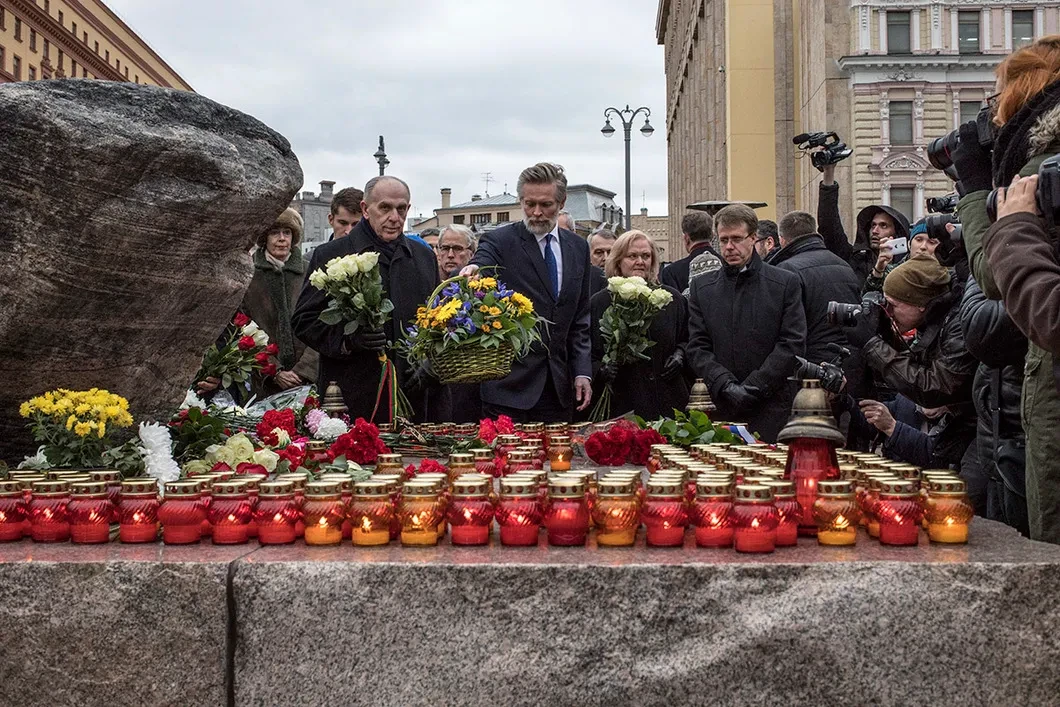
At Solovetsky stone on Lubyanka and at the wall of sorrows on Sadovoy, they remembered victims of great terror
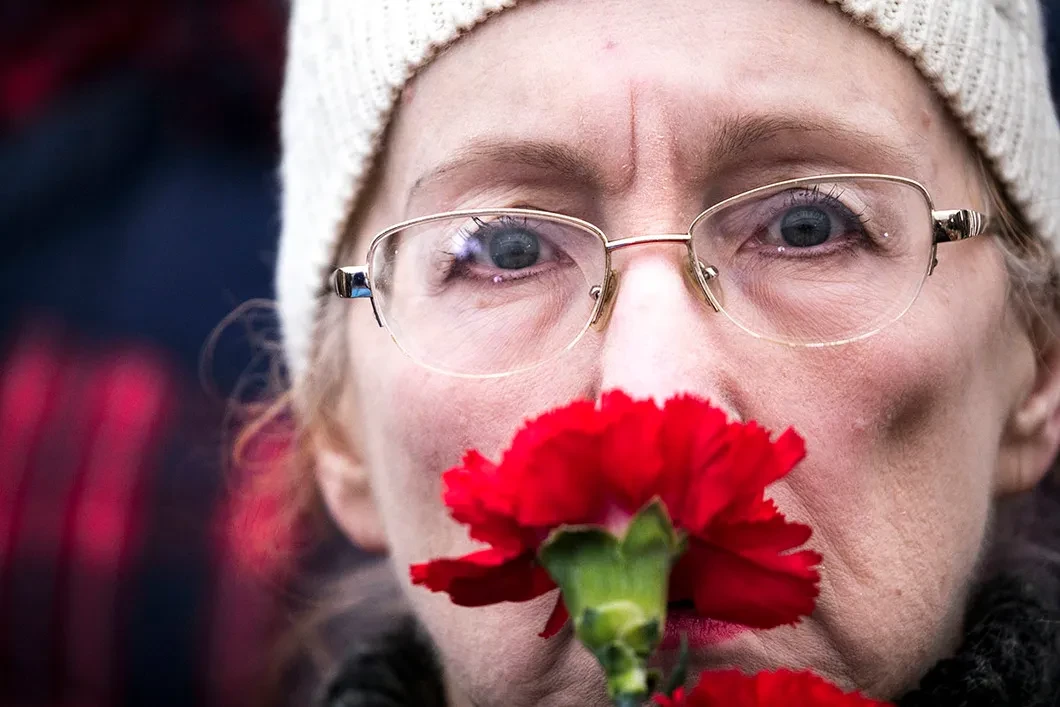
-Peter Alexandrovich Skatov, 38 years old, the Red Army soldier of the 16th Guards Cavalry Regiment. Shot on September 1, 1942 .... Vasily Afanasevich Brandukov, 62 years old, is busy with agricultural work. Shot on March 10, 1938 ... Pavel Nikolaevich Perezhogin, 51 years old, ice cream-master. Shot on September 27, 1937 ... Mikhail Nikolaevich Golovin, 39 years old, the planning and economist of the Tizpribor plant. Shot on October 21, 1937 ...
Grigory Sevastanovich Kovalev, 74 years old, hieromonk of the Novospassky monastery. Shot on October 9, 1937. Ivan Nikolaevich Glazkov, 44 years old, lawyer of the Moscow City Board of Defenders. Shot on June 4, 1938.
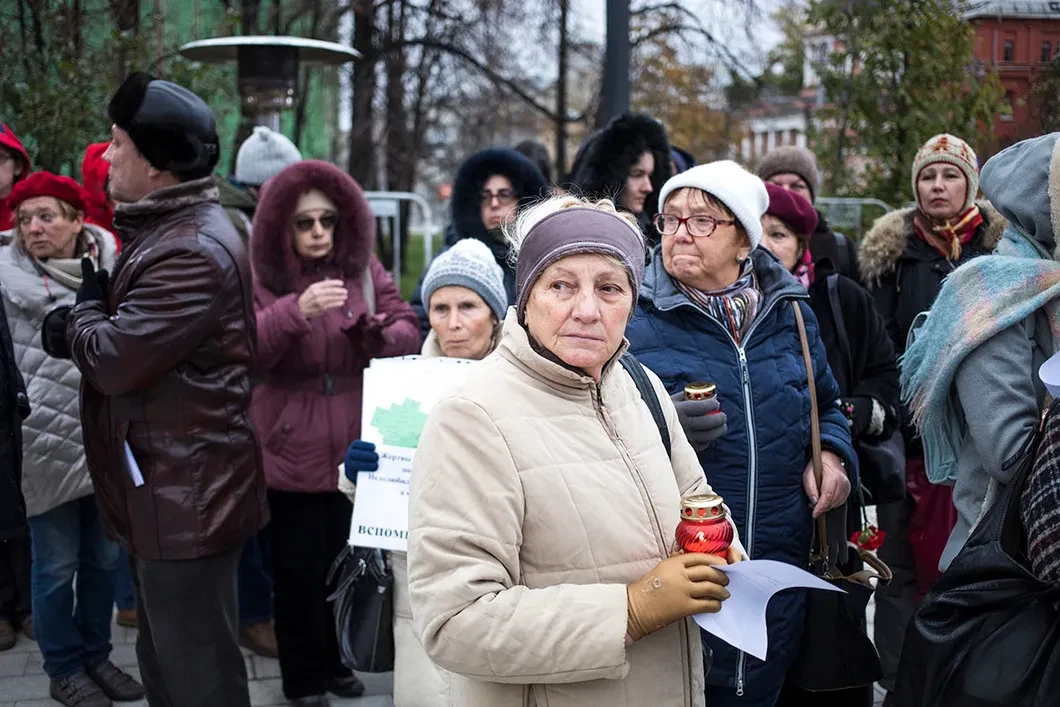
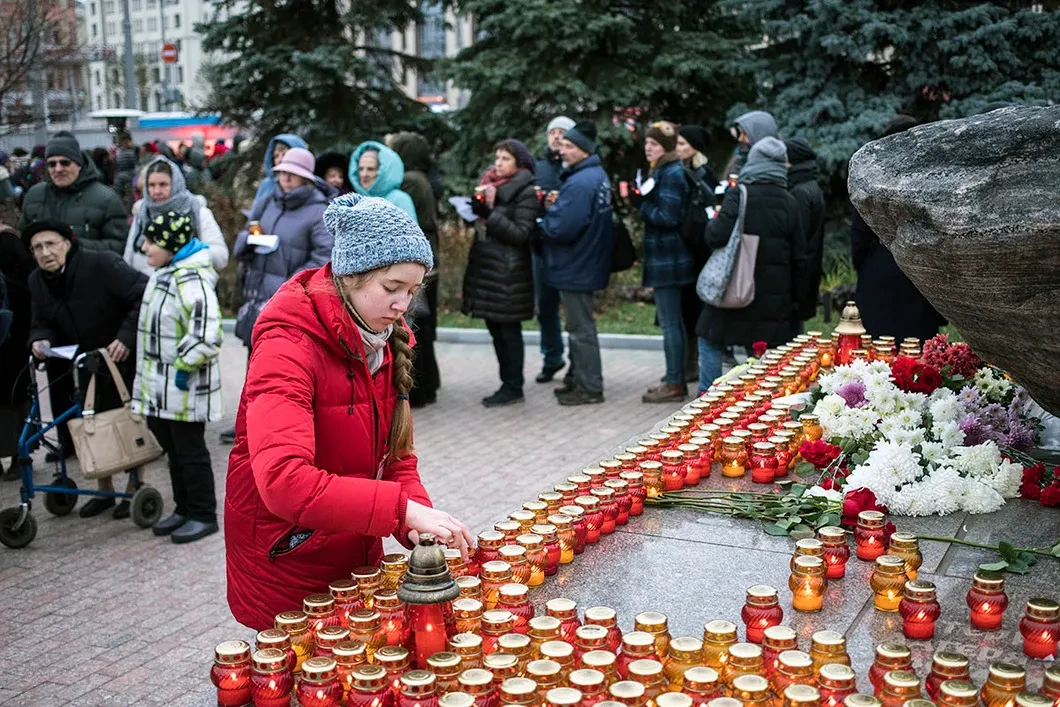
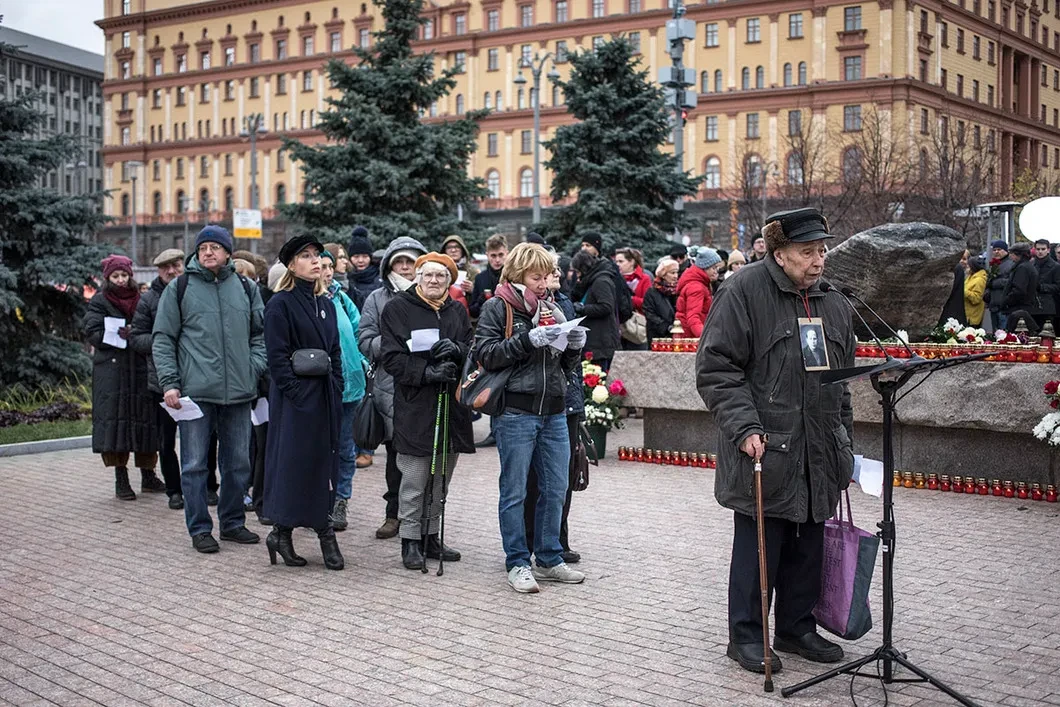
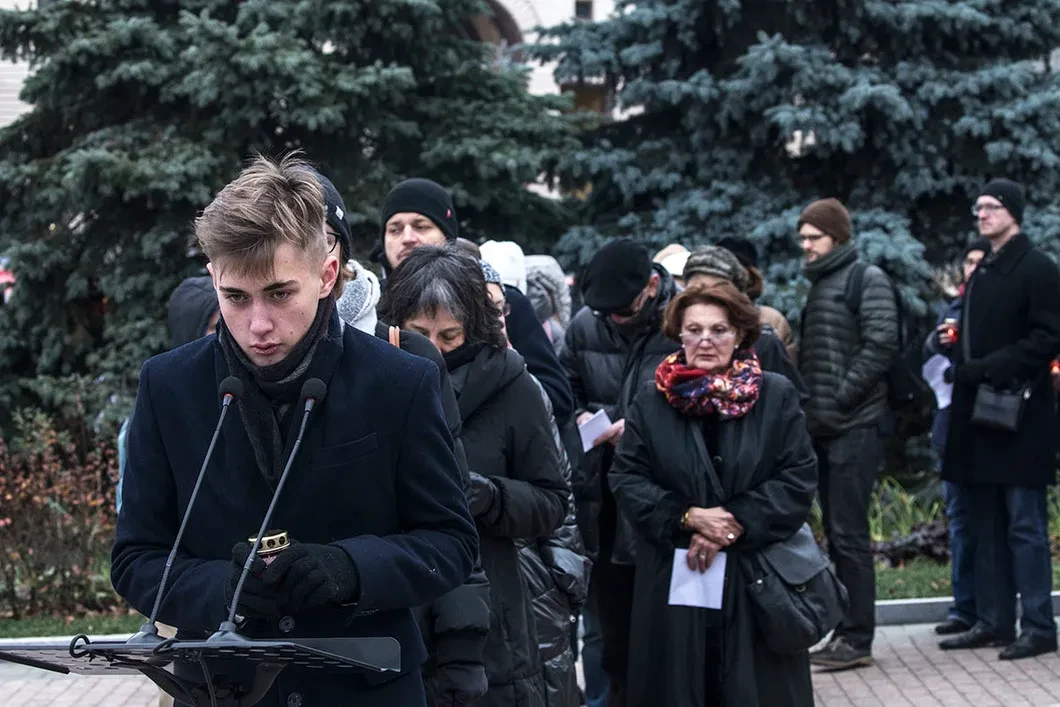
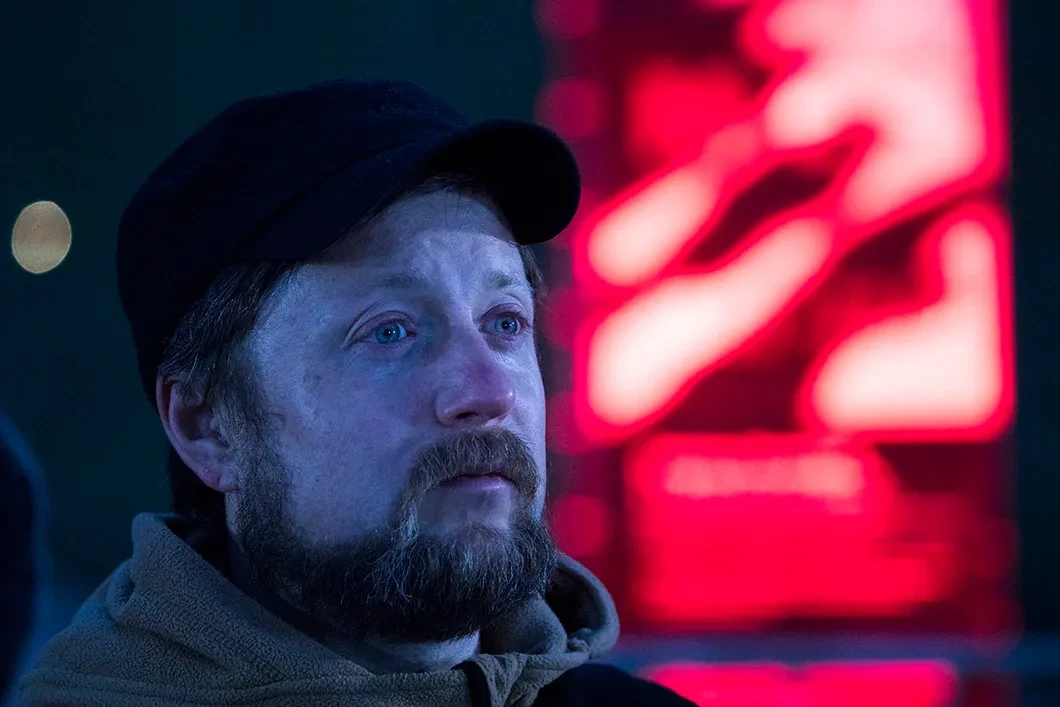
From 10 a.m., Solovetsky stone on Lubyanka remembers them aloud. Very young girls and guys, mothers with strollers, pensioners, men, women, children heavily based on sticks. Many, having read a terribly short biographical certificate - name/position/date of execution - recall their repressed relatives. “My great -grandfather Samoilenko Fedose Petrovich was brutally killed for bowing his head in front of the Soviet government”, “My father Roman Petrovich Abramov, 56 years old, managing the All -Union Trust“ Khlebostroy ”, shot on January 8, 1938. My mother and I have been declared members of the family of the Motherland’s family, my mother spent 8 years in Kazakhstan at hard work, I in Siberia in the orphanage. Eternal memory to my relatives "...
They add “eternal memory” or “sorry”, “freedom to our political contemporaries!” Or more specific: "Freedom to Dmitriev!"
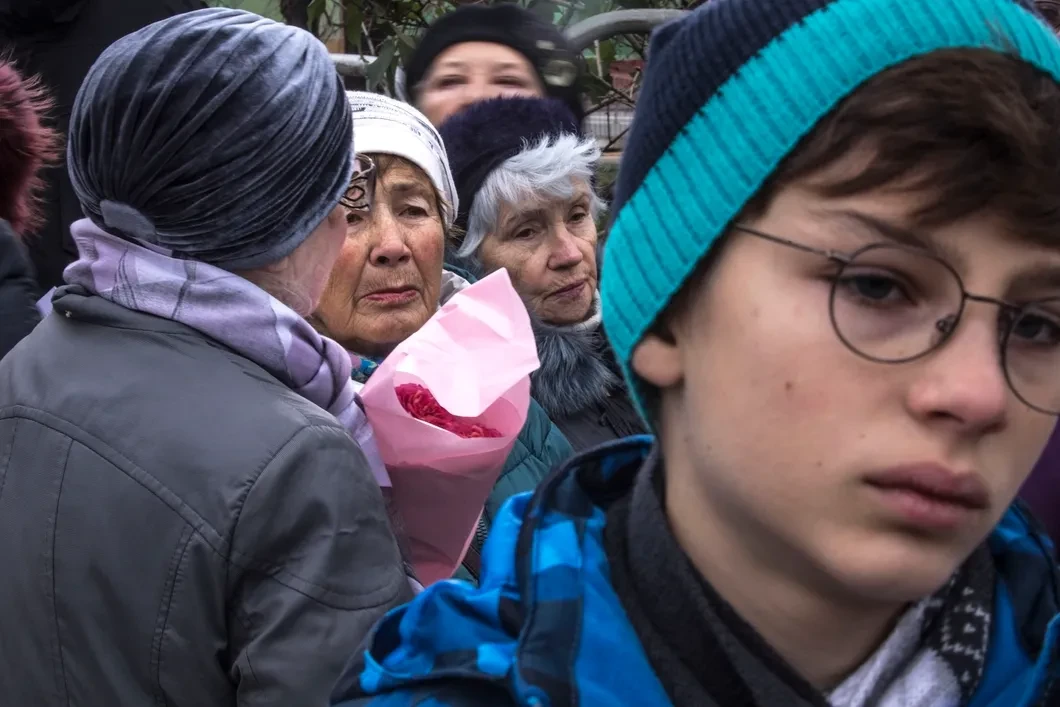
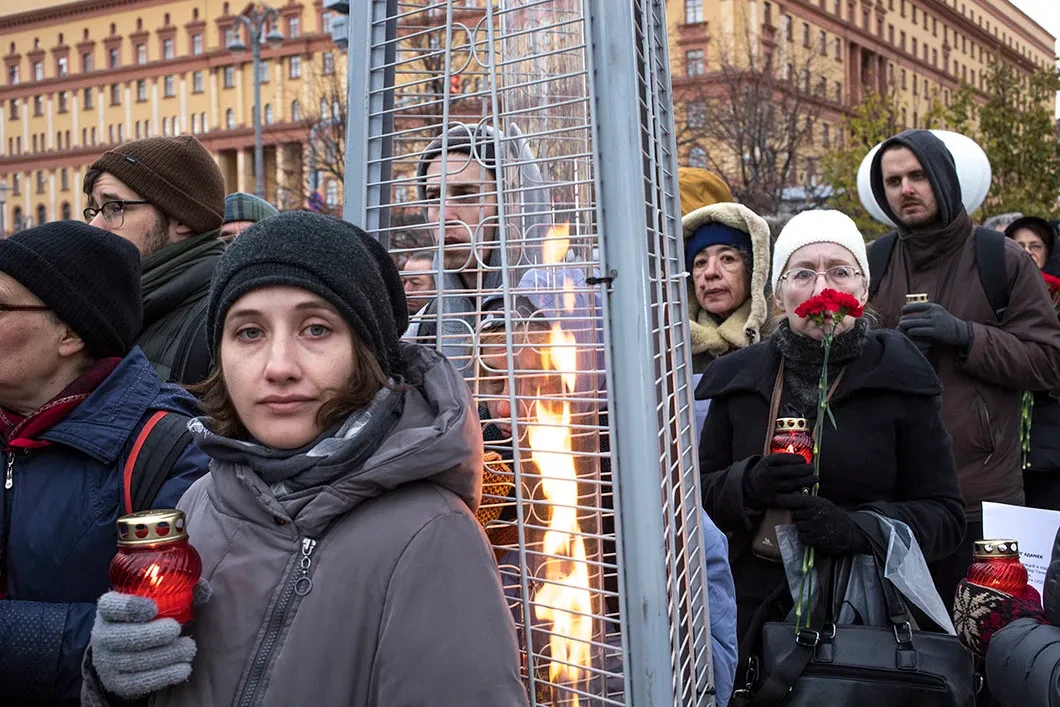
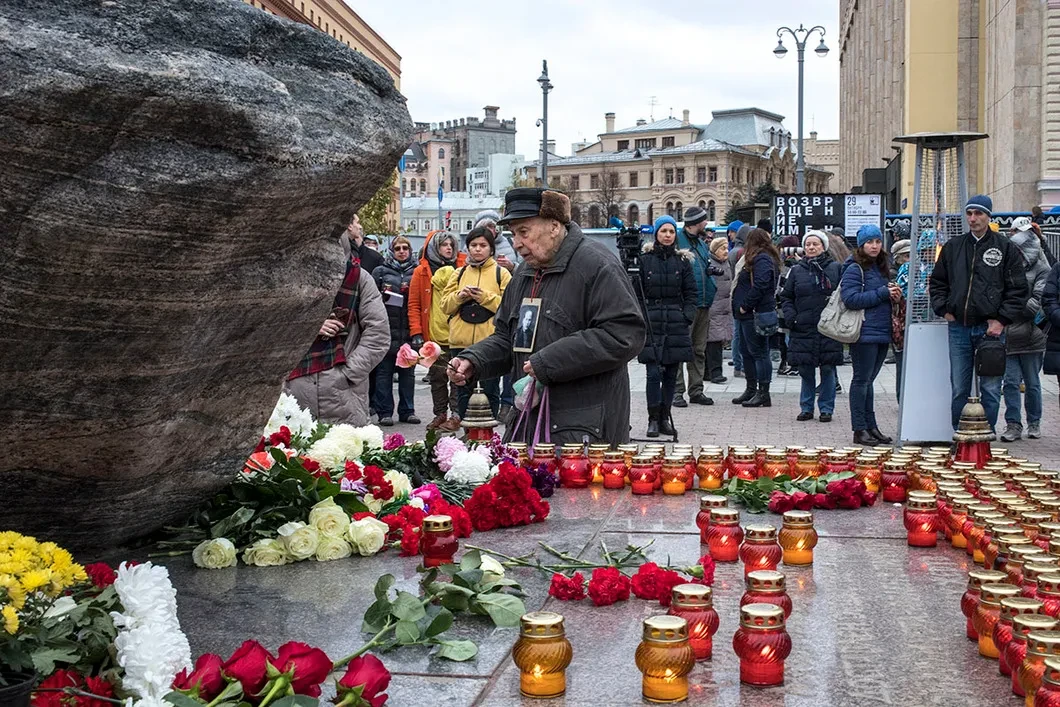
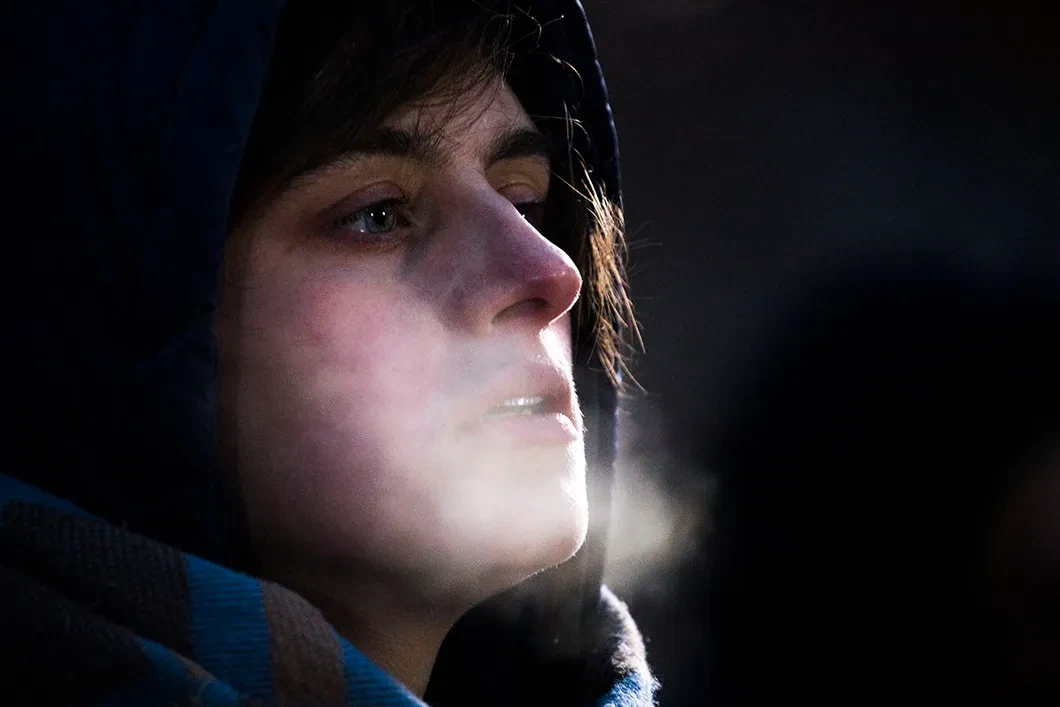
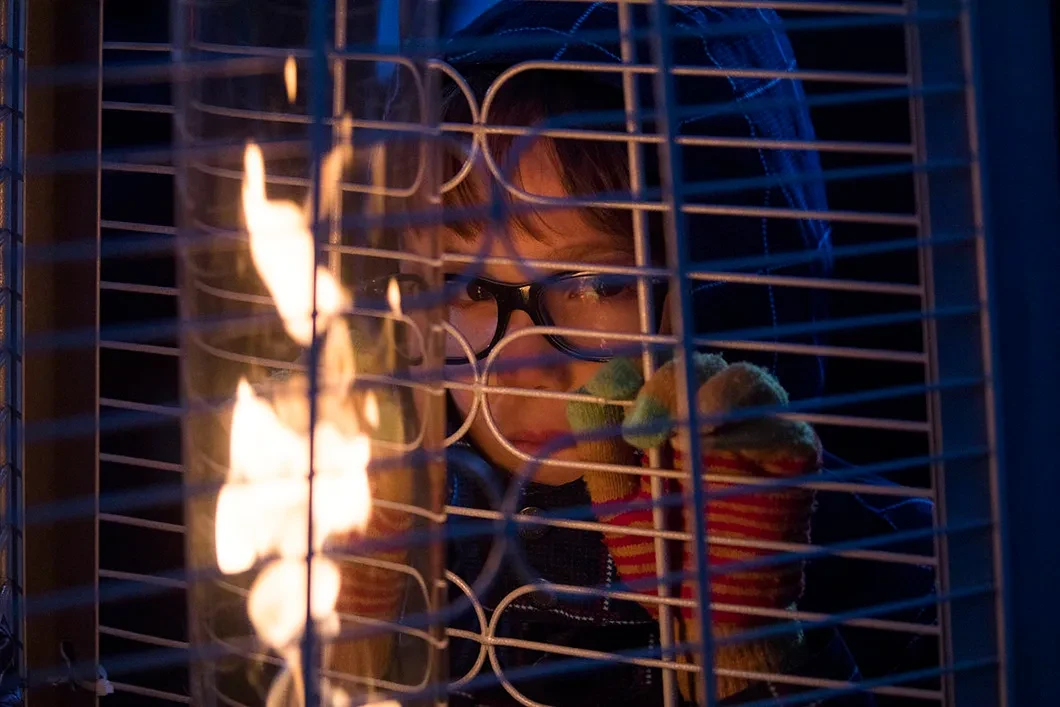
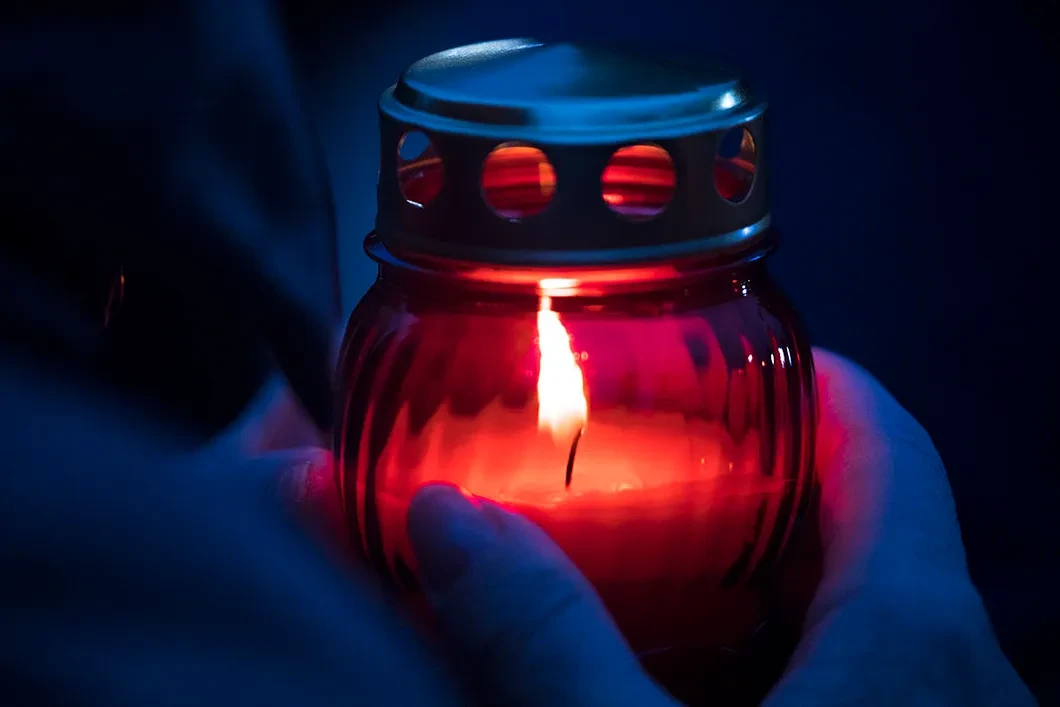
A site enclosed by a construction fence with a stone in candles in the middle. Street heaters, white portable lanterns, microphone, and to it - a long, envelope of the site. Very cold, a little closed, and yet-somehow warm. I stood in line at 10.15 and received a white sheet at number 423. “Grigory Ivanovich Karaskov, 39 years old, deputy chief of Soyuznabosoaviahim. Shot on April 27, 1938. " I read it two hours later, holding a candle in a mitten. The mittens took out from my backpack a completely unfamiliar to me, before that, Natasha - has been participating in the action for several years, captured in reserve. Natasha “only” of the cousin repressed, however, the native in the 37th disappeared, but “specifically -went to the“ white pillars ”. She and her grandmother then at 35 Arbat, lived, many gangs were registered at this address.
-Something like that, how else to decipher, why am I here? She asked me.
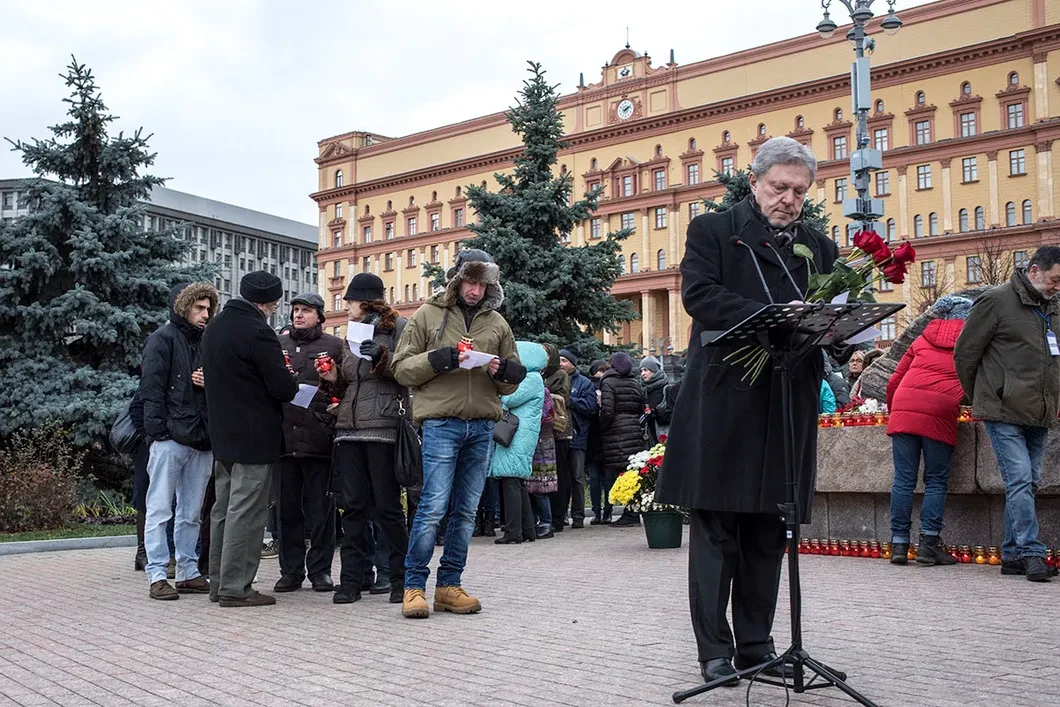
And names, professions, dates all sounded. A loader at a pasta factory, a movie operator, a manager, a locksmith of a car factory ... Of course, today they will not have time to mention everyone here. In Moscow alone, 30 thousand people were shot in 1937-38. But the main thing is that the action still took place. It took place in a traditional place near Solovetsky stone. The public defended, the Moscow authorities went towards. You can defend the turn of memory today until 10 pm. The entrance is from the underground transition of the Lubyanka metro.
Direct speech
"This is the most important action of the year"
Alexander , 24 years:
- I think we must remember. My grandfather was also partially repressed, but, fortunately, not shot. If he had been shot, there would be neither my father nor me.
Ksyusha , her children Dina and Grisha , classmate Dina Zhenya :
- I come and bring children every year, because the most important thing in life is memory. I want the children to know about executions, I want this to not happen again. I am very glad that I met here and classmates of my children.
Grisha :
- I came to read about ( reads on a piece of paper - A.G. ) Vasily Ivanovich Gurko, the mechanics of the third car depot. He was shot, sorry ...
Alexey Motorov , writer:
- It seems to me that this is the most important action of the year. This reading of the names we clean ourselves, recalling the executed, scolded people who were forgotten for years. And when you perceive these names, a occupation at an acoustic level, it is clear what a terrible war with your people was fed in those years. In the philistine consciousness, the years of great terror are still repressions regarding a high party leadership, military ranks and so on, but here they pronounce the names of ordinary people: a lomova cabman, a deacon, a housewife, an employee of a photo post. It is wonderful that the action takes place in the same place, no matter what. When this story began with the transfer, I even wrote letters to the Moscow government, and they even answered me.
Natalia Self -Stol , Coordinator of the Archnadzor public movement:
- I go to this action for as many years as it exists, because it is the most lively and most natural form of commemoration of our ancestors. It is impossible, knowing about this action, not to come to it.
Elena Zhemkova , "International Memorial":
- Everything turned out. There was an absolutely constructive approach, and we managed to coordinate everything: to put the frames normally, to bring the equipment and adjust everything. I can say that now there are definitely more people than usual, but we asked people to come in the morning, because in the evening many will go after work. In general, everyone worked very well, with understanding. But there is great grief towards the leadership of the subway, which tore off all our signs from the underpass of the underpass to the entrance. But people must somehow be organized. By the way, during the years of repression, almost the entire metro leadership was repressed ...
The next day ...
& Nbsp
"He was shot, sorry"
Tuesday. October 30. "Wall of sorrow"
And again - from 10 in the morning to 10 pm. This time - at the memorial on Academician Sakharov Avenue. The construction of the “Wall of Sorrow” was the first project of the Gulag History of the Gulag “Foundation“ Malication of the memory of victims of political repressions ”established by the State Museum of the History. The result of a joint initiative was the new action “Bell of Memory”, it is planned to be held annually.
The symbolic “Bell of Memory” was created according to the project of the author of the monument “Wall of sorrow” Georgy Frangulian. At the base is a piece of rail from Solovki and a small metal crowbar brought from the expedition to the former Kolyma camps. Once upon a time, a blow to the suspended rail was woke up for the hard work of the prisoners. According to the organizers, every year on October 30, any participant in the action will be able to hit this “bell”.
To admit frankly, this in the morning of Tuesday in the morning the sound of a “bell” was heard quite rarely. Young people and girls handed out white cloves, urging Muscovites in a hurry to work at the “Wall of Sorrow”. With me, for an hour, twenty people approached the “wall”, with difficulty breaking through the crowd of journalists.
“We came to honor the memory of the victims of political repression,” the girl Barbara girl exhaled tiredly into my recorder. She came here with her son and nephew. - Children have a vacation, there is time, you can show, tell.
-You showed them something before, did you read some books? -I turned to a question that sounded from behind. The Channel One came to us with Barbara.
And Barbara began to tell how she carried her son to the Butovsky training ground, and Danila admitted that he admitted that until today he knew nothing about repression. And then the corresponding girl asked why Varvara believes that it should be told about this to the children, and Varvara replied:
- This is experience, this is our past, mistakes. This is like the Great Patriotic War - we must remember not to happen again.
I talked with grandmothers.
“Today there is no people, because everyone left in Butovo, they also open a monument there,” Julia Davydovna told me. And she and Irina’s friend began to remember how much a person “with surnames” was shot in “Kommunarka”. It seems 6900? - They shot there, buried them into the graves, watered them with blackened lime, and there is now scorched land. Ours from the museum go there for many years, they want to plant something, and there nothing grows there.
The granddaughter of Julia Davydovna Katya on Monday stood in line for the Solovetsky stone for two and a half hours.
- Do you worry that few people have come? - I asked the director of the State Museum of the History of the Gulag Romanov.
- No no. In fact, all shares are so born, including the “return of names”, to which thousands of people are now coming. Yesterday, Elena Zhemkova, Solovetsky was with Elena, and some lamps were brought from there in the evening. "International Memorial" - our partners, friends, so I would not want any contrasts. This is rather complementary actions, and people who are engaged in this business, I would like to remind, remind, remind ...
By 11, official excitement has calmed down. The chairman of the Council of the “Memory Fund”, also a member of the Federation Council Vladimir Lukin, quickly left in the direction of Sakharov Avenue. The executive director of the international memorial Elena Zhemkova left. Journalists began to disperse.
And grandfather with a bag approached the wall, took out pieces of black bread from it and laid it to the candles.