
Translated material
In Belarus, Lukashenko celebrated the centenary of the Komsomol with activists
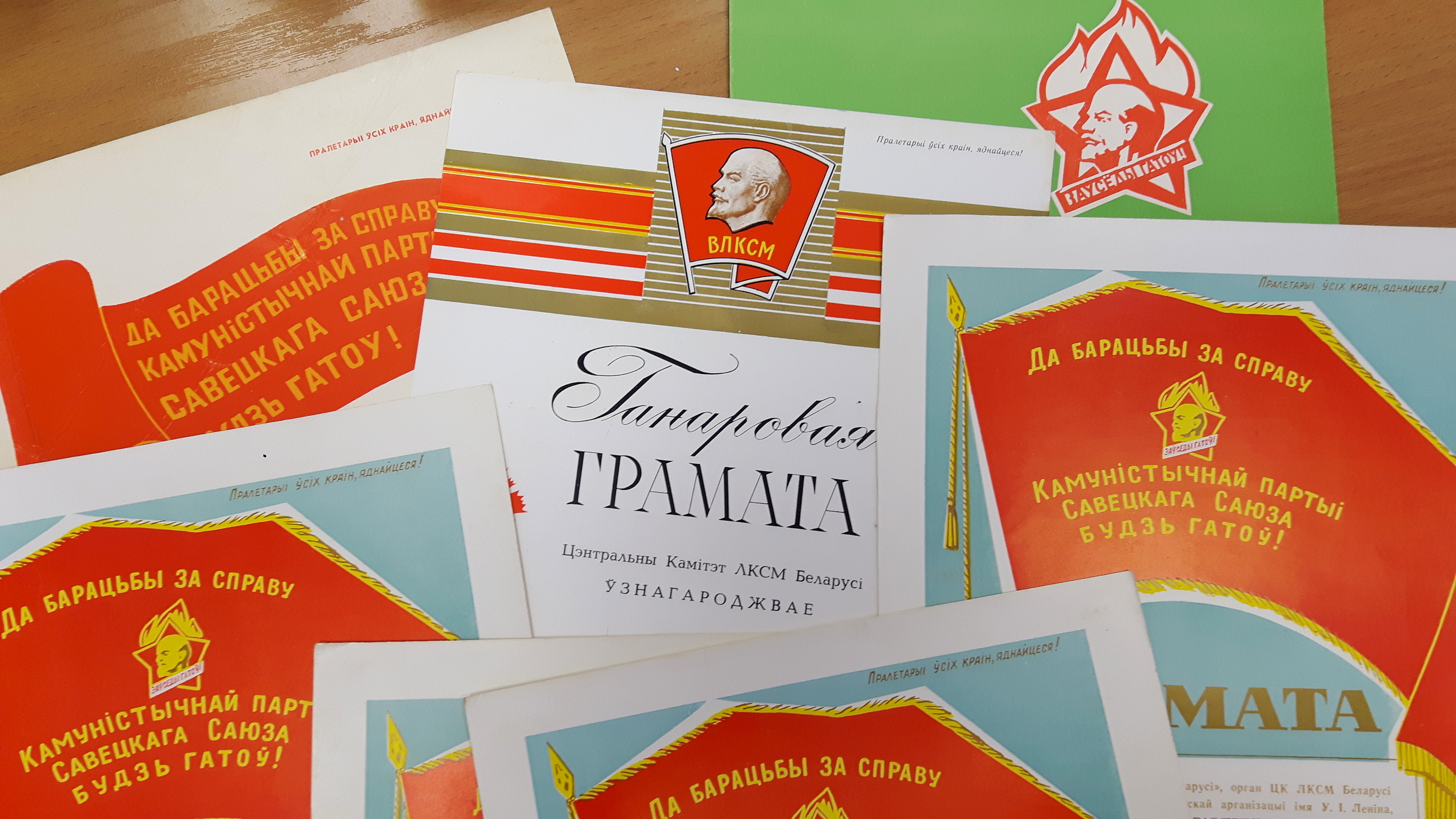
On Monday, in Belarus, solemn events were held dedicated to the centenary of the All -Union Lenin Communist Communist Union of Youth (Komsomol). Belarus is the only country in the post -Soviet space where the successor of the Komsomol supported by the state still exists.
As part of the celebration of the centenary of the Soviet organization of youth in the Independence Palace in Minsk with activists of the Belarusian Republican Youth Union , President Alexander Lukashenko met . At the beginning of the celebration, having demonstrated his own Komsomol ticket to the audience, Lukashenko said that he had only good memories from participating in the Komsomol organizations. In the celebrations, the son of Komsomol (14 years), the son of Lukashenko, Nikolai, took part in the celebrations, he played on the piano "The Song of Alarm Youth."
Kolya plays, dad sings: Lukashenko celebrates the 100th anniversary of the Komsomol Pic.twitter.com/oufypsmfzk
- Dmitry Smirnov (@Dimsmirnov175) October 29, 2018
Lukashenko’s opponents accuse the Belarusian Republican Youth Union of being used by the President as a propaganda tool among young people.
Unlike Belarus, in Russia the celebrations took place for the most part at the local level. In particular, a capsule was removed at the factory in Kolomne near Moscow and read the Epistle of the Komsomol members of 1968 to the Komsomol member 2018. A monument was opened in Yaroslavl by the centenary of the Komsomol. The anniversary was also celebrated in the annexed Crimea.
Greeting to the anniversary was sent by the head of the Federation Council Valentina Matvienko - in Soviet times, she was a prominent functionar of the Komsomol. She called the memory of the Komsomol "moral guideline" for Russia.
The All -Union Leninist Communist Union of Youth is the association of organizations of Soviet communist youth founded on October 29, 1918. For more than 70 years, almost all young Soviet citizens were recorded in the ranks of the Komsomol. For many future leaders of the Soviet Union, active participation in the Komsomol became the beginning of a political career.