
Translated material
"There was a real universal grief"
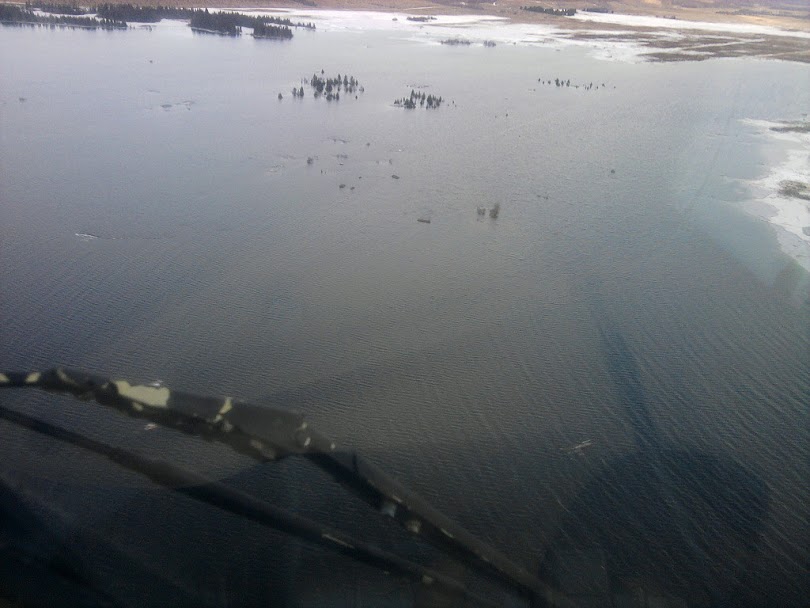
During the construction of the Boguchanskaya hydroelectric station in Siberia, dozens of old -timed villages were destroyed. Thousands of people from the flood zone were forced to move. But even after many years, they yearn in their native places, try to maintain ties with each other and get together.
At the end of October, a traditional Thanksgiving Motherland took place in Krasnoyarsk, which has been holding Kezhemaism for the seventh year in a row. Thus, the pre-revolutionary tradition was restored-from the 1881 to the 1920s, the Siberians celebrated this day in memory of the "Yermak coming" and thanked "Siberia Mother for abundance and convenience." Former Angars, now residents of dozens of cities scattered throughout the Krasnoyarsk Territory gathered in the regional center to recall the small homeland, which were forcibly deprived of.
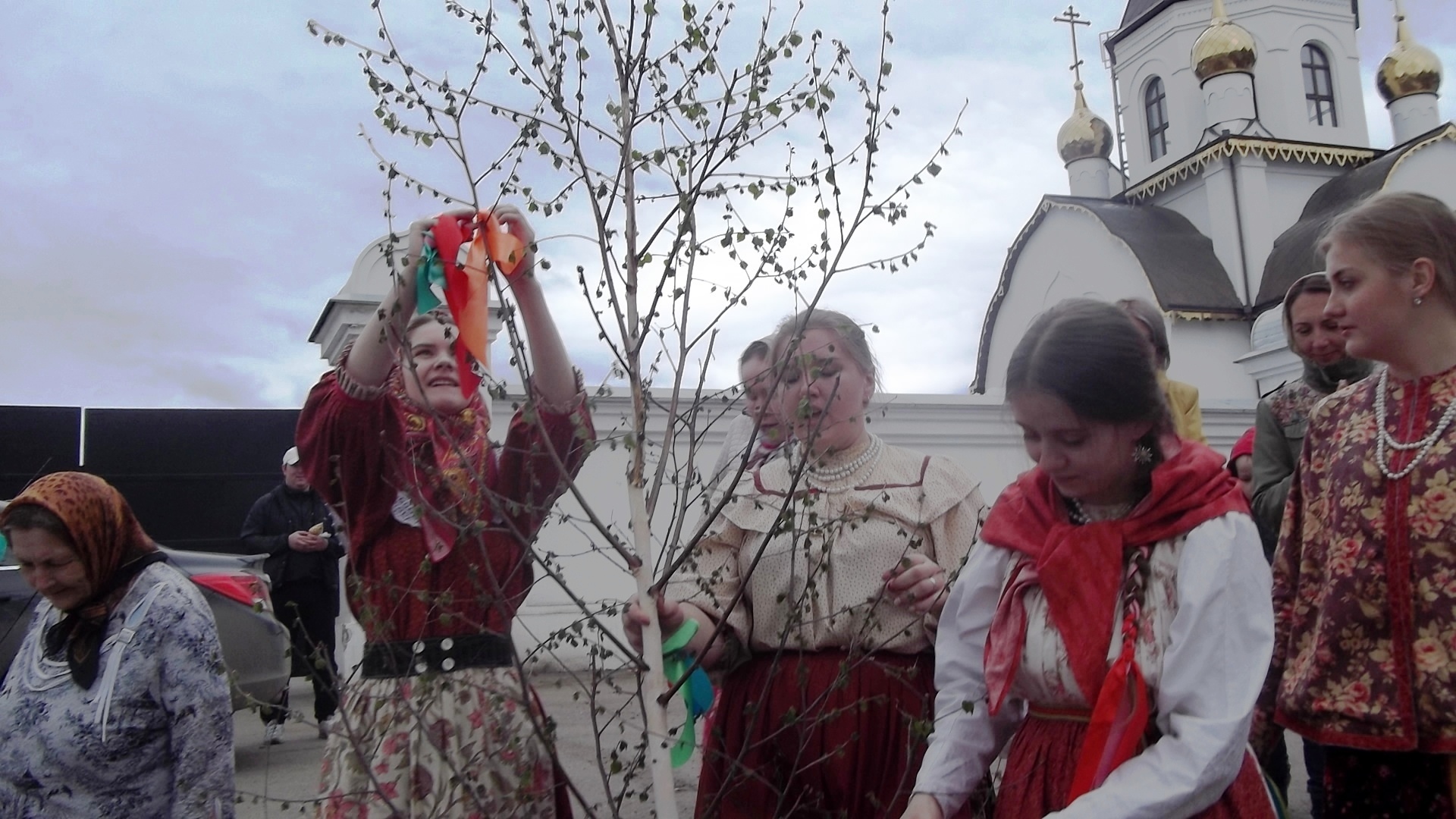
The holiday was opened by a concert of the Folklore ensemble "Living Old Man", this team is the only one in Russia performs ancient Angarsk songs. Then a competition was arranged for knowledge of old-timed words and expressions, as well as a master class on the preparation of traditional dishes: flooded fish, bird cherry pie and frozen cakes from cottage cheese and blackcurrant.
The construction of the Boguchanskaya hydroelectric power station stretched for forty years and lasted from 1974 to 2014. Nikolai Popov, who left the flooded village of Panovo thirty years ago, annually organizes the memorial trips of Kezhmarei along the hangar. At the past in October, a meeting of fellow countrymen, he sang beloved songs of fellow countrymen under the guitar, including his main hit "And steamers will swim over our house ...".
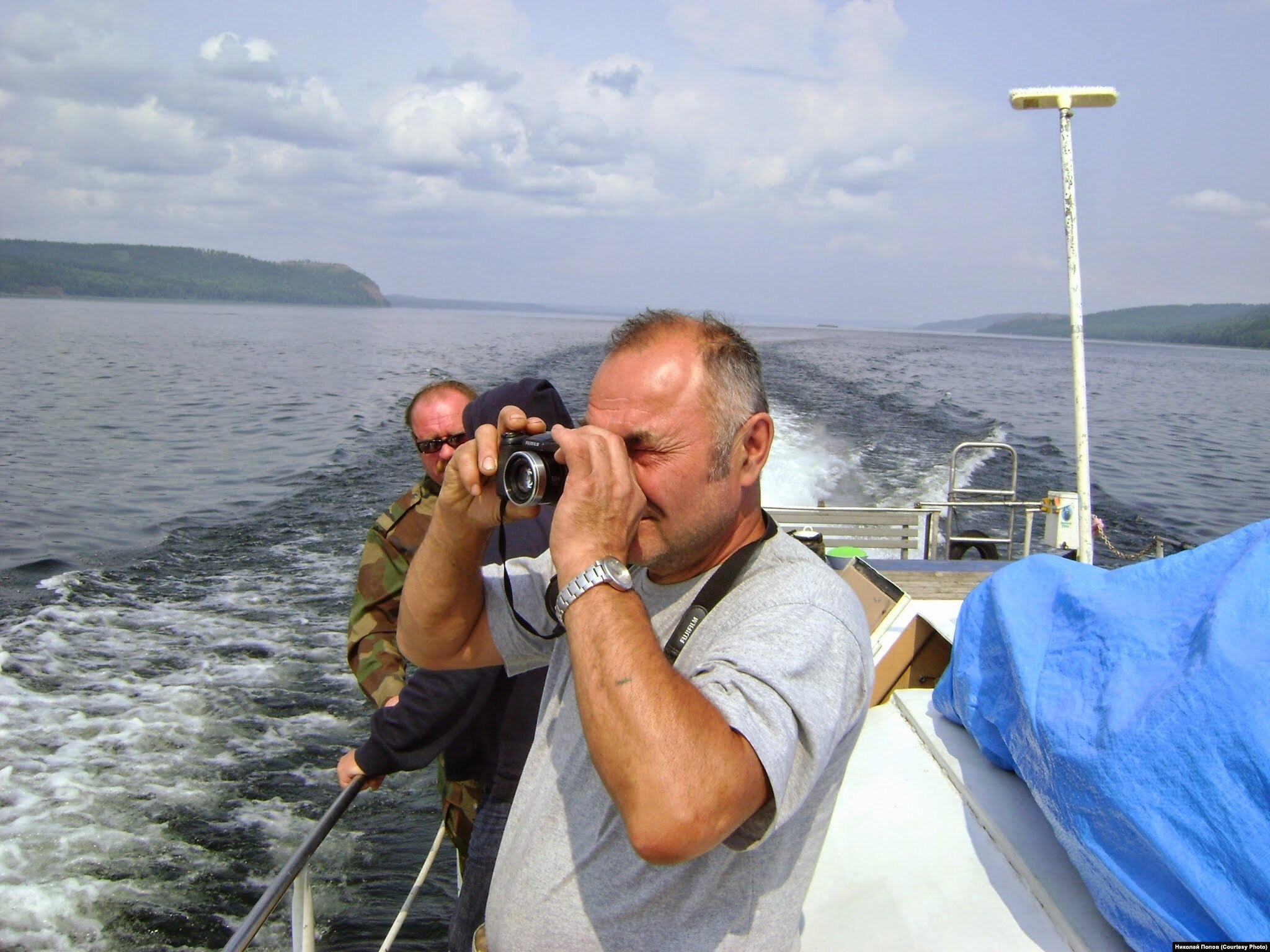
“The resettlement was terribly organized,” Nikolai Popov recalls. - People lived in the same village, were friends, talked, and they were settled far from each other. The apartments were specifically given in completely different places so that the people did not contrast: in Kodinsk, Sayanogorsk, Sosnovoborsk, Sharypovo, Khakassia. It is evident that the authorities were afraid that if all the dissatisfied were gathering together, unrest would rise. The area that people received in return for their estates was much smaller. Imagine, in addition to the house, a garage, a bathhouse, a garden, a garden, sheds. And you once - and in a one -room apartment on the sixth floor. Many at home were well -maintained, technology in garages. Where is it all in the city? People were forced to throw a lot. There were mountains of tractors and motorcycles. I think this fascism is complete.
The territory of the Irkutsk region also fell under flooding. So there, they say, people were compensated to the maximum, up to the dog booth. Why in the Krasnoyarsk Territory it was so poorly organized is incomprehensible. People were thrown out, and that’s it.
Every year I go to the hangar, just sick with it. The last time was with his son in September. In the place of our village, now a green puddle of rotten standing water, just the tongue does not turn to call it sea. The places cannot be recognized at all, the trees are not drunk, the flooding zone was prepared poorly. 95 percent of the forest remained not drank in the flood zone. The Chinese suggested, let's dig. But no, they didn’t give it, we’re better drowned. The most valuable Angara forest! And they reported that everything was done.
A very difficult feeling when you go on a boat, and under you your village. After people were taken out, cemeteries were organized. If relatives submitted an application, digging coffins and transported to Kodinsk. I have not seen this, but the one who saw is afraid to even tell. The event is not for the faint of heart. Some at the insistence of the priests left the graves for flooding. The arson of the houses were generally tough. People have not yet given apartments, and they were already burned. They with the children in their arms, with documents jumped out into the street.
This is not our hydroelectric station. Today there is no work in Kodinsk, people drive the shifts, the electricity is expensive. How to live there? They say that three power plants: Irkutsk, Bratsk and Ust-Ilimskaya give a huge excess of electricity. Why was it also to build Boguchanskaya? People cannot understand. They say that in the 90s construction was stopped due to a lack of funds. But there is information that at some point there, upstairs, there was insight, and construction was banned. Because the station was experimental, a bullying. She has only a third part of concrete, where the machine department. And the rest is covered with earth. It was an experiment like that .
"People lost their homeland and suffered incredibly"
Director-documentary Andrei Grishakov has been shooting a series of documentaries about flooded villages and people for several years now, who keep the memory of their small homeland.
- When you first learned about how exactly it was
eviction of people and flooding of the territory of the future hydroelectric power station why
Interested in this topic?
Soon all this should disappear, go under the water and perish. And people will not have the past
- Quite by accident, on a duck hunt in 2009. It was the opening of the season. Everyone sat by the fire and parted on the tents. I could not fall asleep for a long time. Suddenly, I hear someone approached our fire, sat down and let's scream on the guitar: “But steamers will swim over our house ...” I thought that the ships could swim over the house. I went out, look, a man sits, plays the guitar and cries. I ask - what's the matter? He replies: "And you, or something, do not know that our homeland, Kezhemsky district, is flooded and soon my house will go under water?"

So I met the indigenous Angars Nikolai Popov, we began to communicate. Since then, this topic has not let me go. I was amazed that I had not heard anything about this before, in the summer of 2010 I first went to Kezhma with Nikolai. And he saw all this horror. There was a real universal grief. Everyone crying around, someone is preparing to leave. Fires, set fire to individual houses of those who have already left. Around the wild horses that the owners threw. It seems to be Russian people, but they say differently: “Ahh, whoever is soaring, whether someone was distributed,” “such a thing, dear.”
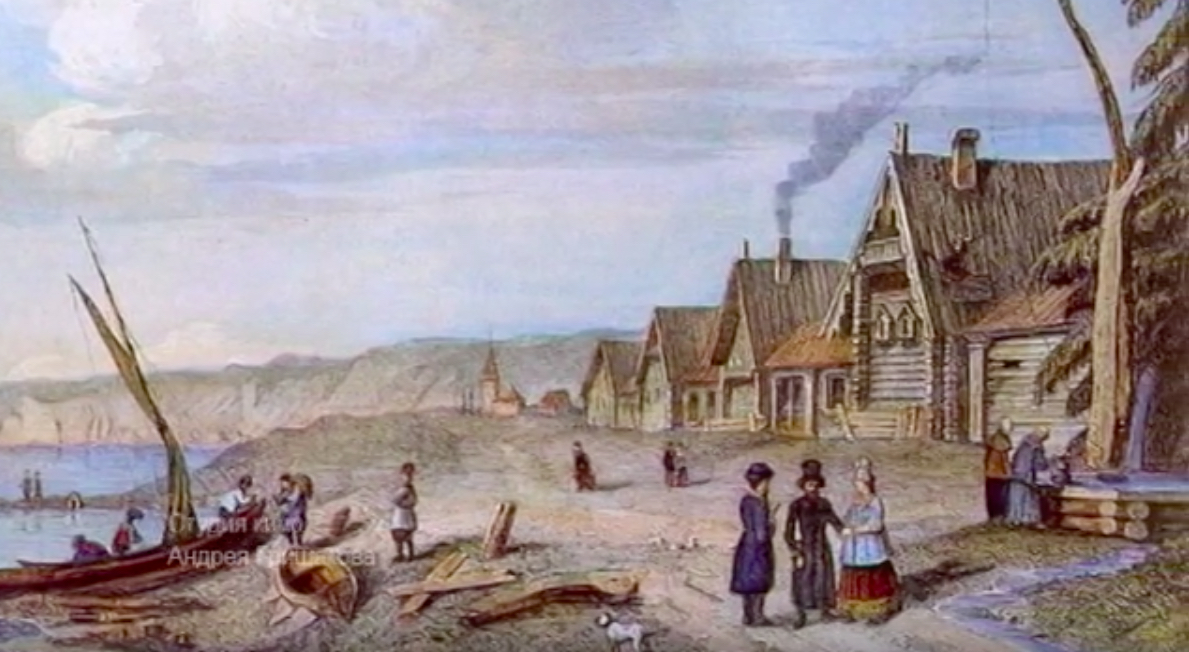
- Because this is a very special old -timed culture ...
- Yes, there, 800 kilometers from Krasnoyarsk, people had their own special language and a characteristic way of life, not even according to the church, but their own, special, Angarsk calendar. In the evenings, grandmothers gathered for gatherings, sang lingering songs, jumped over bonfires. Such a real old Russian life of the 18th century, especially in linguistic terms, in behavior. Even experts note that the Angars in those places lived as if mothballed.
Some get to know you, others invite you to visit, others are offended that I left them and went to others. Nicholas and I went to his native village Panovo - the most distant settlement of the former Kezhemsky district, almost on the border of the Krasnoyarsk Territory and the Irkutsk region. Wild, unknown places, fishing, mushrooms, berries. In parallel, the thought did not give rest that soon it should all disappear, go under the water and disappear. And people will not have the past. It was impossible to reconcile with her. And I started shooting. That's all that I saw: how grandmothers sing, the steamer is on the river and the villagers escort the shores, which will not soon be, the arrangement of houses: carvings, platbands, shutters that are about to begin to burn.
-The hydroelectric power station began to be built in the 1970s, did people know that it would once come, they would have to leave? But, it turns out, it is impossible to prepare for this?
One man in Kezhama chained himself to the bed of handcuffs and said that he would not go anywhere, he would go under water
-In fact, the people there are different, someone was high in high, and they were happy to run "for a warm impetus." But the majority lost their homeland and suffered incredibly from this. They did not fully believe that they would still have to move. They were told 40 years old that the hydroelectric power station is being built. And the construction either stopped or renewed again. In the same place, the whole generation grew, which was planted every year, thinking that the crop was unlikely to be gathering - suddenly he would flood this year. There were those who until the last did not believe and hoped that everything would be canceled. Those who tried to save every day, said that even if they start to drown, they would not immediately reach them until this reservoir will fill. Or suddenly the water stops and will not flood them at all. People just did not believe anyone. Since 1974, they said: "Leave, leave, the station will be completed, and they will flood you." And all of her was not completed.
- How did people react to what happened? They understood why they should break from the inhabited places, throw their native graves?

- Most spat and the Mati government. But no one was going to fight. Apparently Christianity brought the Russian people to the point that they agree that all power from God. And everything that is done by power is from God. Smiriness was mainly, humbly people went to this slaughter.
There were certain cases. For example, one man in Kezhama chained himself to the bed of handcuffs and said that he would not go anywhere, he would go under water. But this is rather an exception.
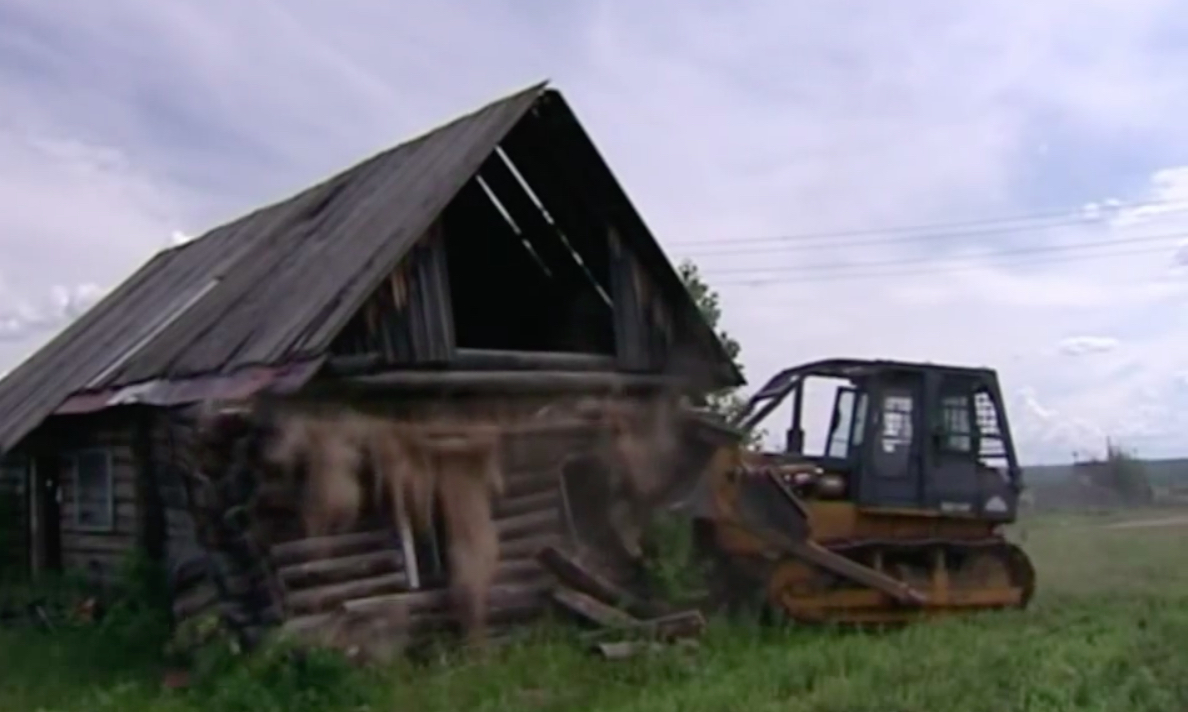
In general, the preparation of relocation began a long time ago. According to the old-timers, the "Angara ended" back in the 70s, when they began to place colony-settlements there. Why was this done? It is easy to guess - so that people themselves do not want to live next to the prisoners and begin to drive away. Locals began to lock their homes, which they had never done before. The prisoners were then engaged in cleaning the territory before flooding.
- Which shots were the hardest to shoot?
- I managed to remove how the Angars turned the switch at the diesel station in order to forever de -energize the village. Ivan Schneider, a tractor driver, had to do this. The Schneiders brothers were from the Volga Germans. Their family was already experiencing a second relocation. And it was they who put the last point in the life of Kezhma. With tears in his eyes, Ivan came up, I asked to rehearse for shooting. He seemed to turn off, then I look, is already barely restraining. And he really turned off the second double.
So we buried dozens of villages. I talked about this in the film "Farewell, Angara" ( the film became the finalist of the TEFI Award. - Approx. S.R. ) - about Panovo, Frolov, Usoltsev, Kezhma, Prypikhino, Mozgovoy, Nedokoku, Slop -Koy Bull, Pashin, erased from the face of the earth. The fact that a person torn from a generic nest suffers and cannot take root in another place. Because his roots went under water along with burned houses and graves. About how people experienced this painful process first expectation of relocation, then the resettlement itself. In general, about the hangar that we have lost.
- But, having shot this film, you did not leave the topic?
They were pulled out of their usual life, and the roots remained there, under water
- The film was shot at the means of the channel on which I worked, and
Limited in time - 20 minutes. Not everything that I had. Filmed almost every village. And today it is the most valuable material. All that is on the frames is now deep under water. Since then I have been going to those places almost every year. I spend all my holidays in a dying hangar. For me, she is a symbol of the disappearing Russia. I communicate with people, write down their memories and the life that they live now. I accumulate material for the following films. He shot many plots in the spirit: "The Last Resident of the District", "The Last Entrepreneur of the District".
Say, farmer Ivan Markovsky worked in the area to the last. At one time, he bought several combines and tractors from the collapsed collective farm and cultivated the Earth. When relocated, he was not compensated at all. The program was designed only for the resettlement of residents, not business. Markovsky did not survive this resettlement. His ulcer opened, and after a short time he died. My next film will be about him.
Once I shot a video how the family baked the last pies. Here they already need to leave, around fires, they already disassemble the roof and healed with it, since there is nothing, but they conceived the pies. I arrived with this video in Krasnoyarsk, jumped home on the way, mounted, I think, now I will show at the Angartsev meeting. I go in, it smelled of boggy. I turn it on, but they somehow reacted coolly, they did not hook them, several grandmothers burst into tears, and that’s all. People very quickly lose their connection. Especially ours, Soviet. The state at one time trained us very well, turned us into a passage.
These materials will slow down, and I think that over time their historical value will increase. Of course, the quality of shooting is not exceptional there, today it would be possible to remove better. But they have a fact that it is no longer possible to re -transmit. To be honest, I'm afraid to even start reviewing it. For me, it’s like going to war again.
- In the central media, there is still almost no information about what happened and is happening on the hangar? It seems that an unspoken taboo has been imposed on the topic of resettlement of people.
-In Soviet times, it was impossible to say at all that something negative was happening in the country. And now the official press is trying to keep quiet. I have learned about this quite by accident and not from the news. Nowadays, when the construction of the station was over, I heard that television was paid for the silence on the air. I am sure that today 80 percent of the population of the Krasnoyarsk Territory does not know where it is - the Kezhemsky district and the Boguchanskaya hydroelectric station. Even in the names they are difficult to tie them. The hydroelectric power station is called Boguchanskaya, as a result of its construction, the Kezhemsky district was flooded, the center of which is today in Kodinsk (until the 80s the center of the district was in Kezhma). It is possible that this was done on purpose.
- with people who have experienced that relocation, you, so it turns out, have already lived a large period of life ...
- Yes, this summer my beloved grandmother Anna Usoltseva, nicknamed Kazorich from the village of Panovo, left. Angarsk star. She was 84 years old, but she was more living than all the living. A good, sympathetic old woman, Pevunya, started the main swearing in the village. She so subtly and skillfully inserted mats into her speech that everyone immediately understood her. She raised seven children, until the last lived alone and coped with the household. I went out into the street, and around it I was immediately gathered by the children of the children, and she treated everyone with candy. If you come to her, first he will drink tea, then he asks why he granted. Everyone with her was easy and simple. Her house was the center of Panovo. Nobody passed by, and each visiting was pointed to him. She never got out to other places, in Kodinsk she was a couple of times in her life, and he bent over all flying helicopters.
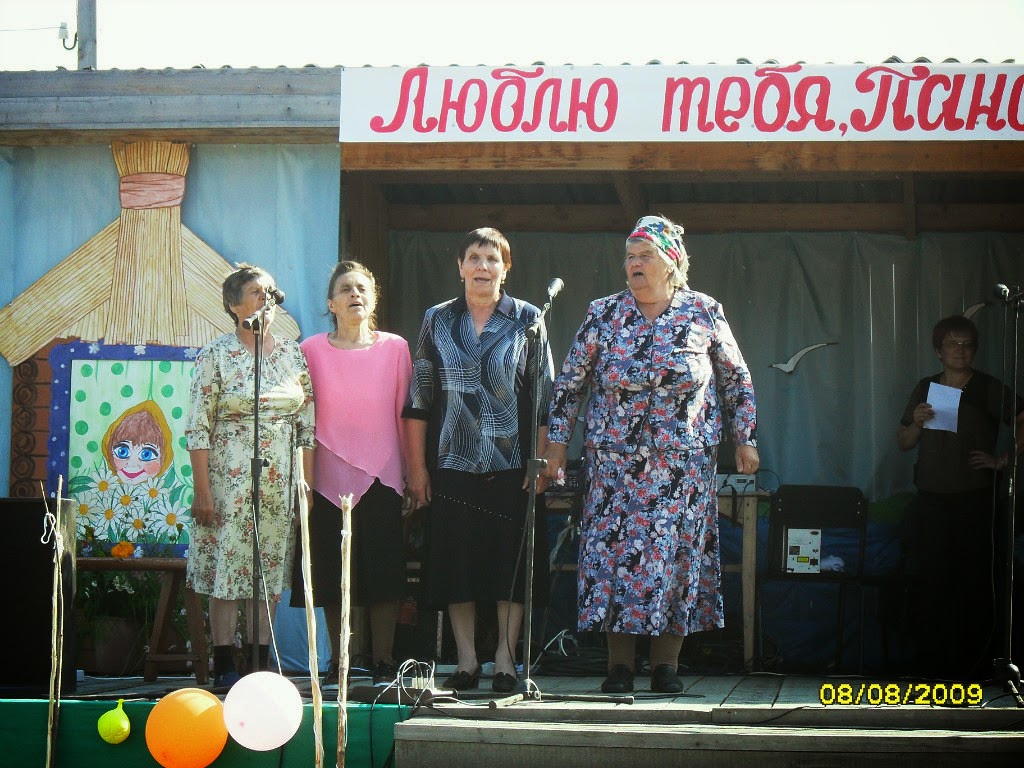
When she was moved to Kodinsk, in a one-room apartment 26 meters on the 4th floor, she sat on her chest and looked at the window silently for several days in a row. There are old women talkative, singing, who once - and fell silent. This is nowhere worse. There was nowhere to look there, opposite her house the window in the windows stood another one. And so the immigrants looked at each other and gradually passed away. They were pulled out of their usual life, and the roots remained there under water. As a plant dries without a root, and these grandmothers are as if they were torn from the root.
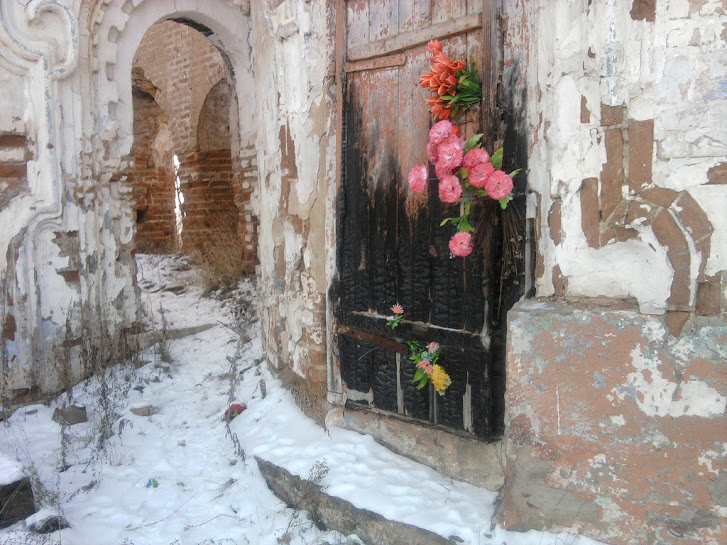
None of them really adapted to a new life now, although seven years have already passed since the last Angrer left. Every year meetings of the villagers are held. Remember, songs sing, walk. The main leitmotif of all meetings is called in their own way, in Angara: "Here, soaring, the will was, there was no more will in your life."
- Work on this topic that has changed you personally?
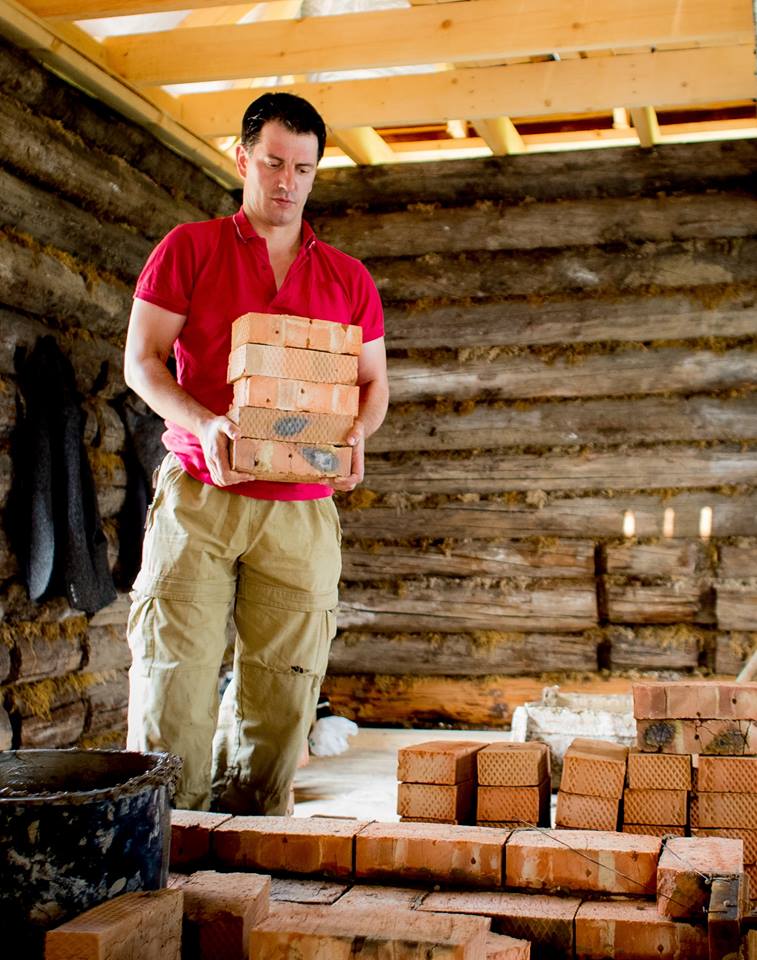
- I became different completely. Suddenly he began to be interested in his roots, the history of his family. I transported the house of my great -great -grandfather to Krasnoyarsk 1880 of the construction and now I am engaged in the preservation of antiquity. I laid out a Russian stove there, I buy up ancient spinning wheels, beds. I want to make a kind of museum for my children and grandchildren. I am looking for a handwritten diary of a great -great -grandfather.
Having got acquainted with the Angars, I realized what kind of family is, how valuable the family and the connection of generations are. I am very interested in the theme of the village in general today.
I am sure that Russia is not skyscrapers and the city, namely the village. With its architecture, wooden patterns, where each platband has its own story. Today, all this is not interested in anyone and is slowly decaying. Namely, this is our national identity. But all this disappears, and accordingly, the nation disappears. Together with a dying village, Russia dies. And this is very painful.
"The wound began to drag on only now"
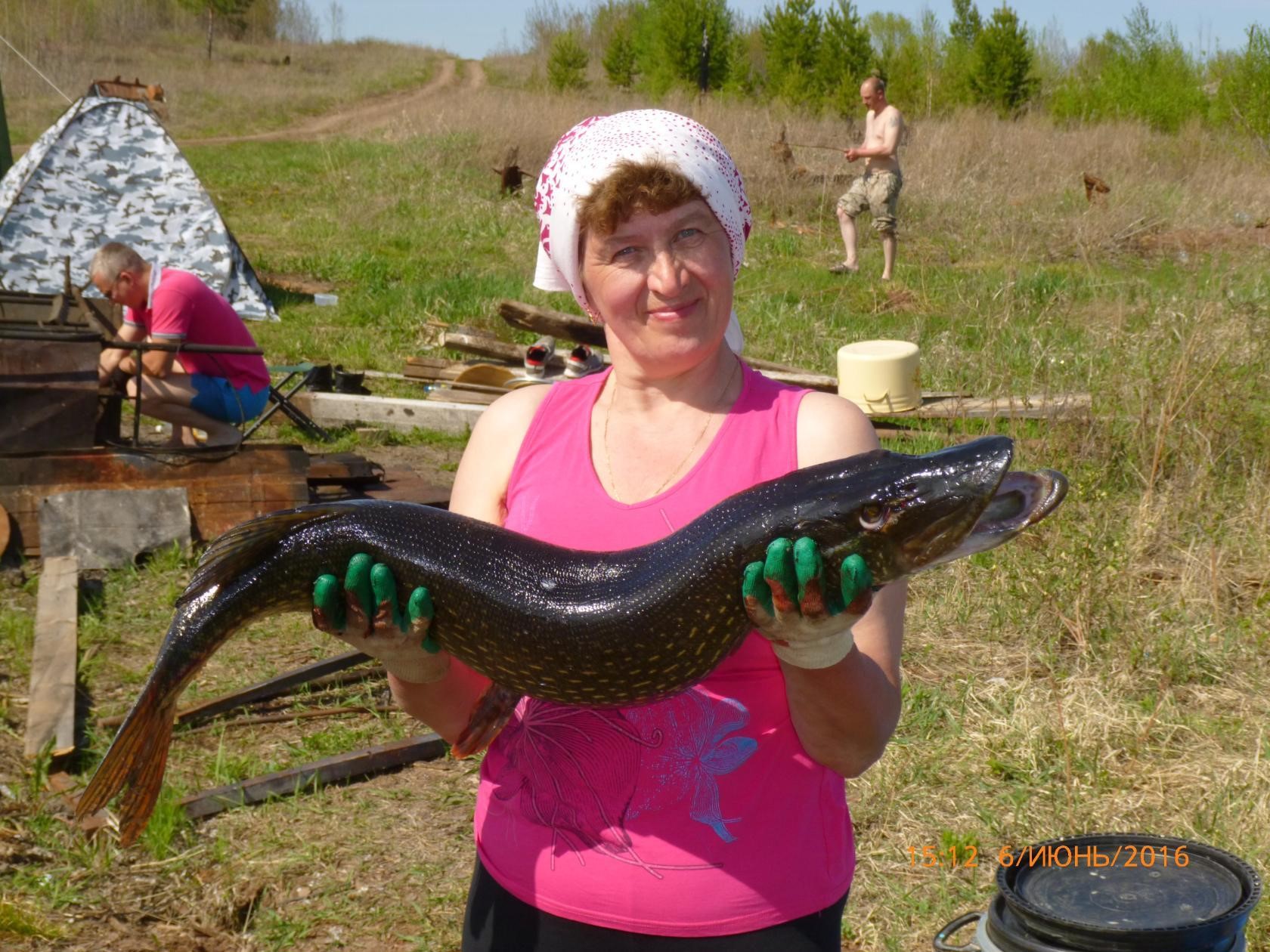
Tamara Turova left the already burning Kezhma of one of the latter. She still cannot forget her native hangar and every summer comes there for fishing.
- I worked in the housing and communal services, and we were left the latter to clean up Kezhma. The village burned before our eyes, we passed each building through the heart. Here is a school, here is a department store, here is a hospital. At first they ran to each building. I can’t even explain what, as if they were escorted. I did not see the war. But at some point it seemed to me that she looked like that. I somehow walk along the street, and it all burns, on both sides the crack of flame.
I was born and raised in Kezhma, all my ancestors from there. Our clan Yakimyat is very large. On the hangar, each family had its own nickname: Yakimyata, Barbasyat, Mishkins. And now they all scattered us all.
How we burned our house, we did not look. Our neighbor, only from the house came out, as the prisoners are already running there. He could not stand it, returned, kicked them out, doused the house with gasoline and set fire to himself. One man had a Ural motorcycle. Everyone was already loaded on the ferry. Он доехал на нем до берега, открыл краник с бензином и поджег, потом сел на паром и поехал. И долго еще горящий мотоцикл на берегу было видно.
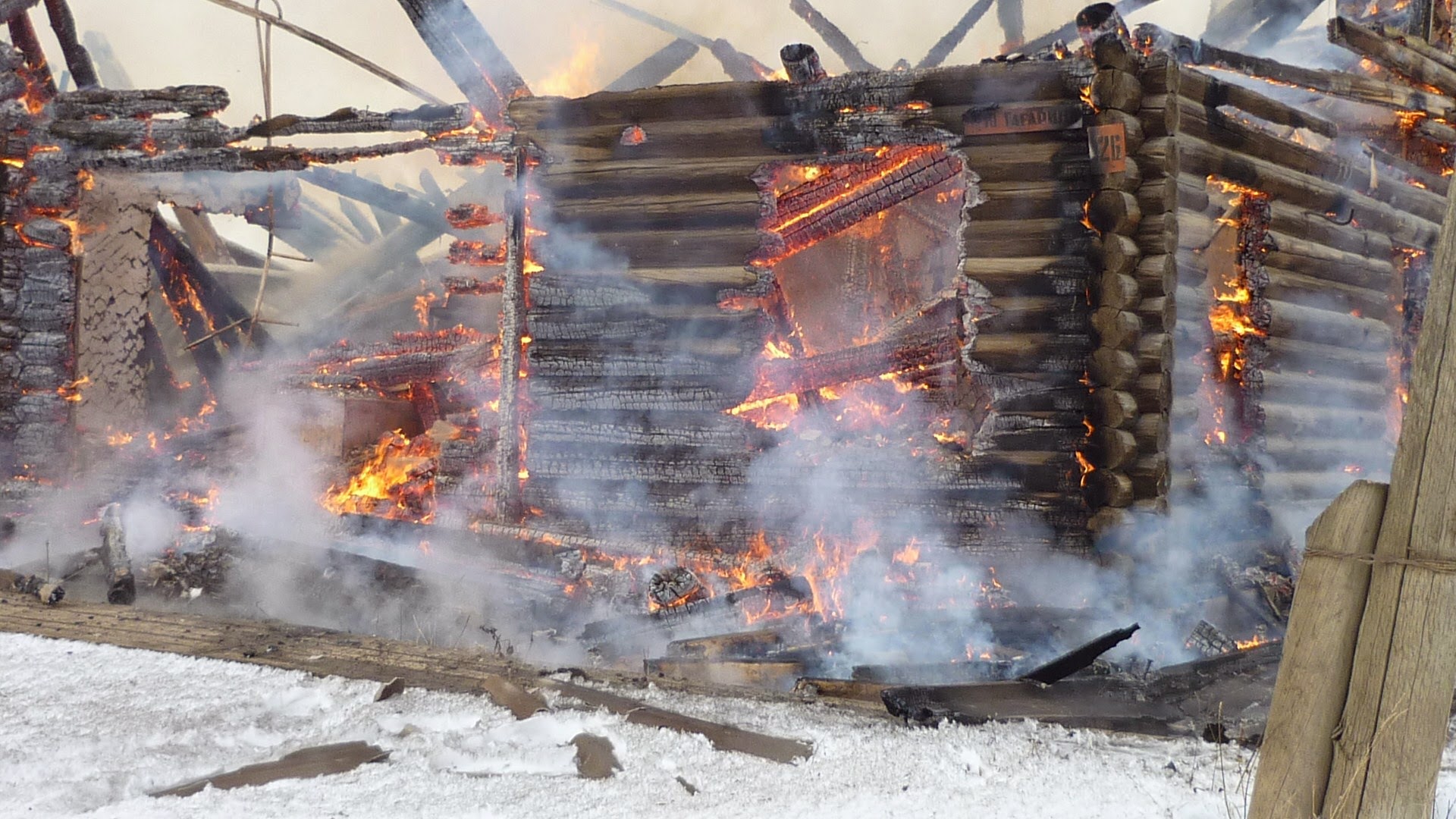
Забрать все свое было нереально. Бесплатно перевозили только 5 тонн. Люди годами жили, конечно, у них было больше. Но даже то, что перевозили, ломалось, билось, и доезжало не все.
Мы уезжали колонной. По дороге заехали на кладбище, попрощались с родными могилами. Мои взрослые сыновья не могли слез сдержать. Мы получили квартиру в Сосновоборске, однокомнатную. Найти работу я так и не смогла, ухаживаю за больной мамой.
Елена Калинина , глава Кежемского сельсовета, "закрывала" село и была главой уже не существующего поселения еще три года, сейчас директор районного музея в Кодинске:

– Я родилась в Кежме. Работала учителем в школе, в 40 лет стала главой сельсовета Кежмы и проработала на этом посту почти 10 лет до самого затопления. Вся наша жизнь прошла под постоянной угрозой, что нас вывезут. В 1965 году в Кежемский район приехали изыскатели, которые начали искать место для строительства будущей Богучанской ГЭС. А в 1974 году наша учительница провела классный час, где рассказывала о том, что Богучанская ГЭС начала строиться, и скоро нас всех отсюда переселят. Но это "скоро" растянулось на долгие годы. Все это время мы жили в подвешенном состоянии. Глобальных вложений не делали. Зачем вставлять новые окна и обшивать дом? Со временем на благоустройство территории перестали выделять и бюджетные деньги. Забросили взлетную полосу, отменили рейсы самолетов, перестали строить новые дороги и ремонтировать старые. Все, кто мог, уезжали. Территория обезлюдела. Я представляла себе затопление по стихам нашего ангарского поэта: "Село мое уйдет на дно морское". На самом деле село не ушло на дно. Последние оставшиеся дома сгребали бульдозерами в кучу, делали огромное кострище и подожгли. И села просто не стало. Переехав в Кодинск, я еще три года числилась главой несуществующей Кежмы, так как у бывших сельчан было много юридических проблем, долго передавался архив. Сейчас я живу в Кодинске и работаю директором районного музея. По моим ощущениям, рана начала затягиваться только сейчас. Боль постепенно уходит. А предыдущие шесть лет прямо сил не было, как тяжело.
Такие истории бывшие жители Кежемского района рассказывают на каждой встрече односельчан. А что еще остается людям? Прошлого не вернуть, можно только вспоминать о нем, перебирая подробности былого, которое сейчас кажется настоящей жизнью по сравнению с тем, что они получили от государства взамен.