
Translated material
History for demolition
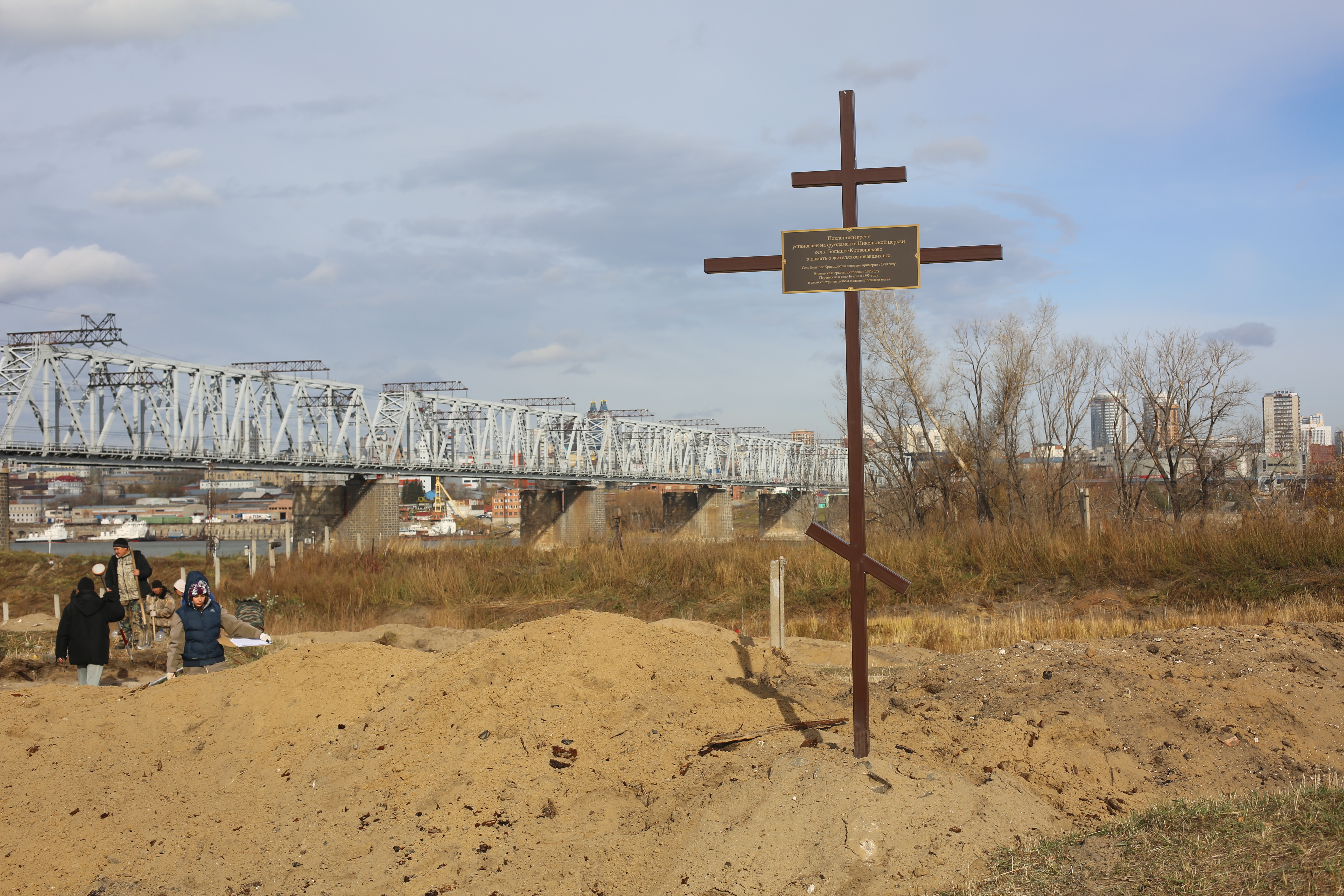
In 2019, the construction of the fourth automobile bridge across the Ob will begin in Novosibirsk. On the left bank of the river, where there will be its supports, there are excavations of the first Russian settlement in the territory of modern Novosibirsk. Two hundred years, from the beginning of the XVIII to the end of the 19th century, there was a village of Krivoshchekovo. They found him almost by accident. What awaits a unique monument now?
Archeology for salvation
The purpose of the current excavations of the first Russian settlement in the territory of the modern Siberian city is not only a study, but also the salvation of the monument of history: part of it falls into the construction zone of a new automobile bridge across the Ob and will inevitably be destroyed. So now it is important to have time to extract priceless evidence of the past.
Our city was born twice
- We are excavating in an amazing place. Here, in the 18th century, our city originated: Russian people settled among other people's territories, lived, worked, plowed the land, traded and buried loved ones, - we find evidence of this in the ground, ”says Sergey Kolontsov , an employee of the Institute of Archeology and Ethnography of the SB RAS.
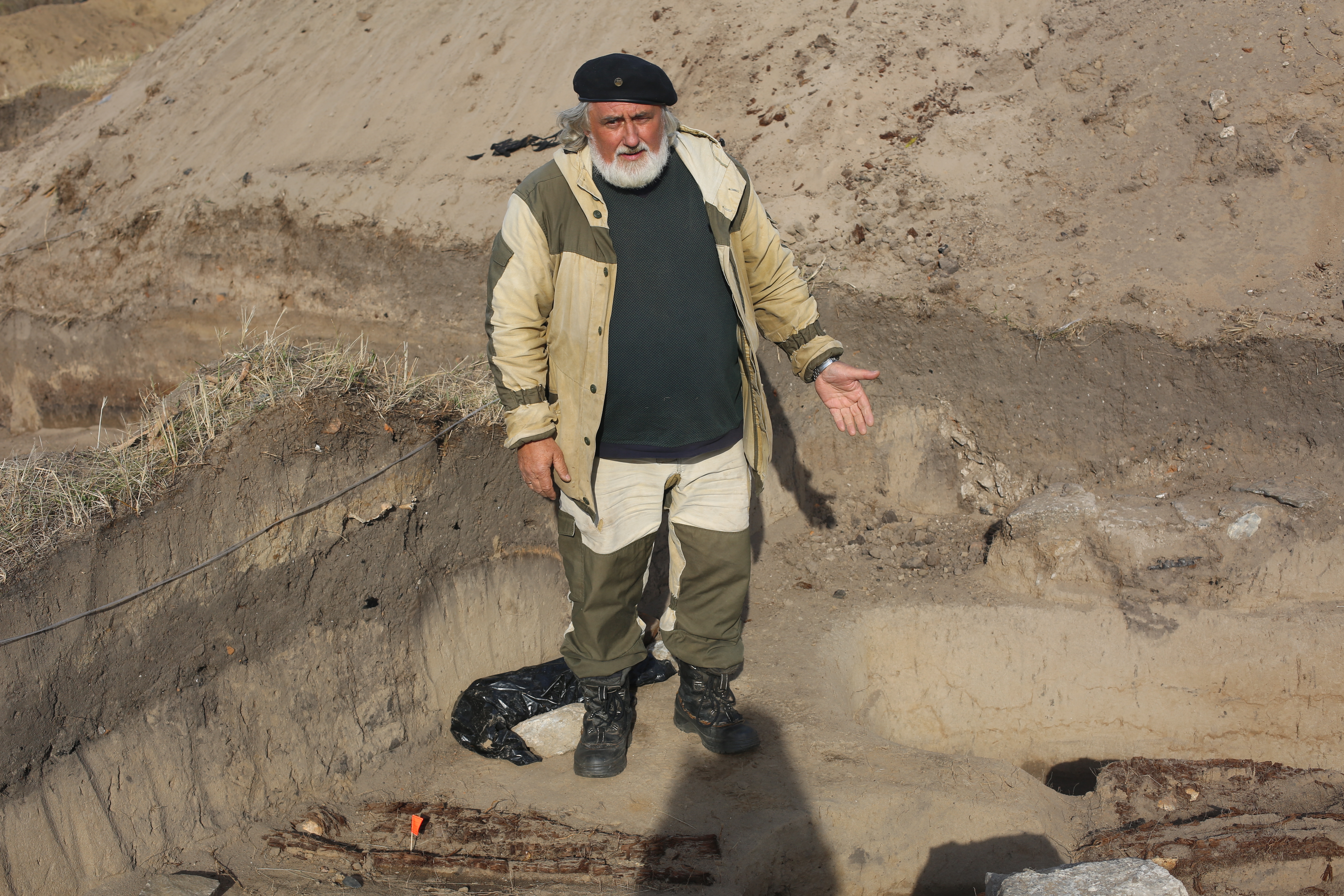
The inhabitants of Novosibirsk have long known that somewhere on the left bank of the Ob stood the village of Krivoshchekovo-the first Russian settlement in these places. But where exactly? Nobody knew about the exact location of the village. By the way, the researchers argue about the date of its foundation. According to various sources, the settlement formed from 1697 to 1708.
In the spring of 2012, the Krivoshchekova map of 1893 was almost accidentally hit by the Novosibirsk forum for the forum "Novosibirsk" in photo glass.
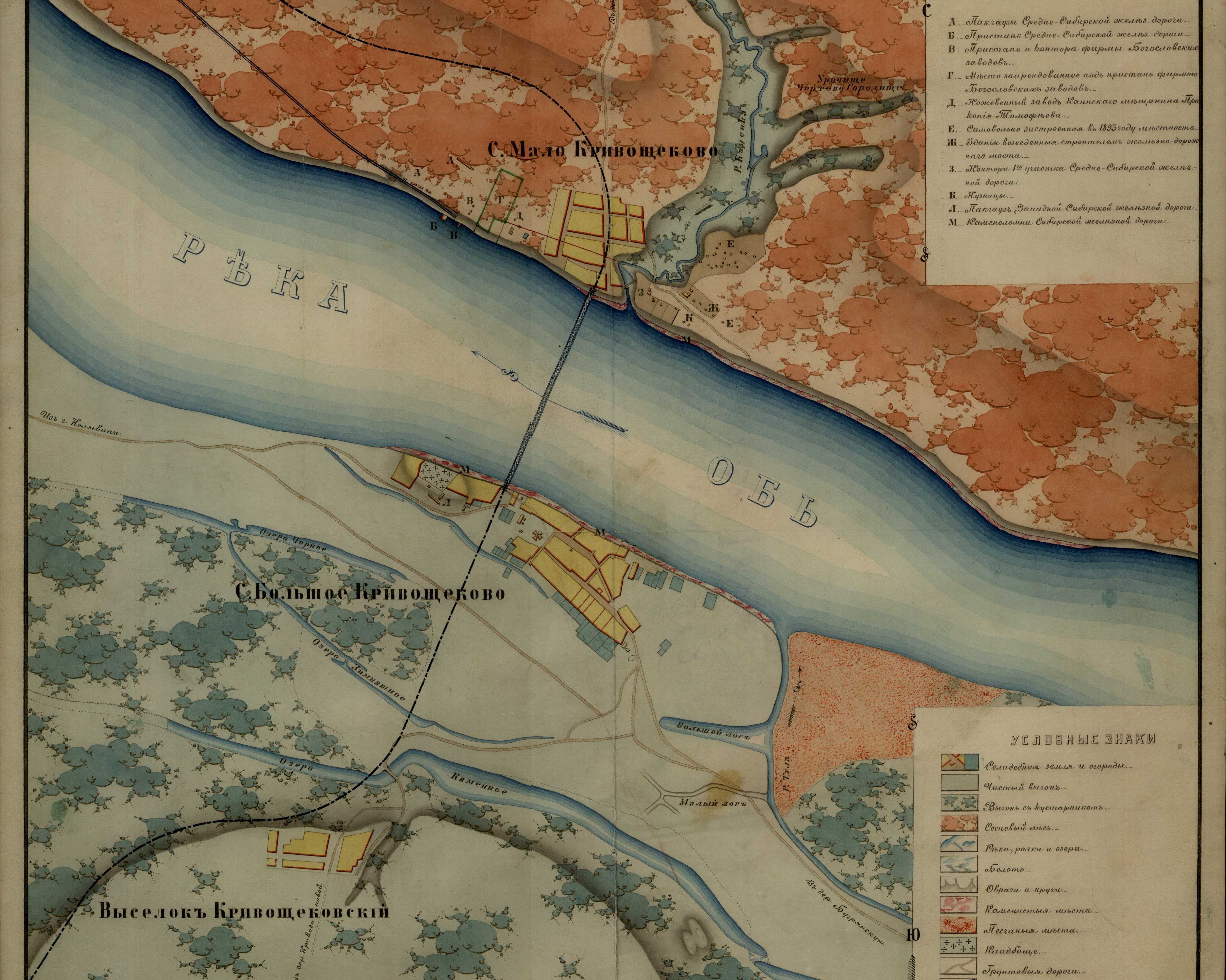
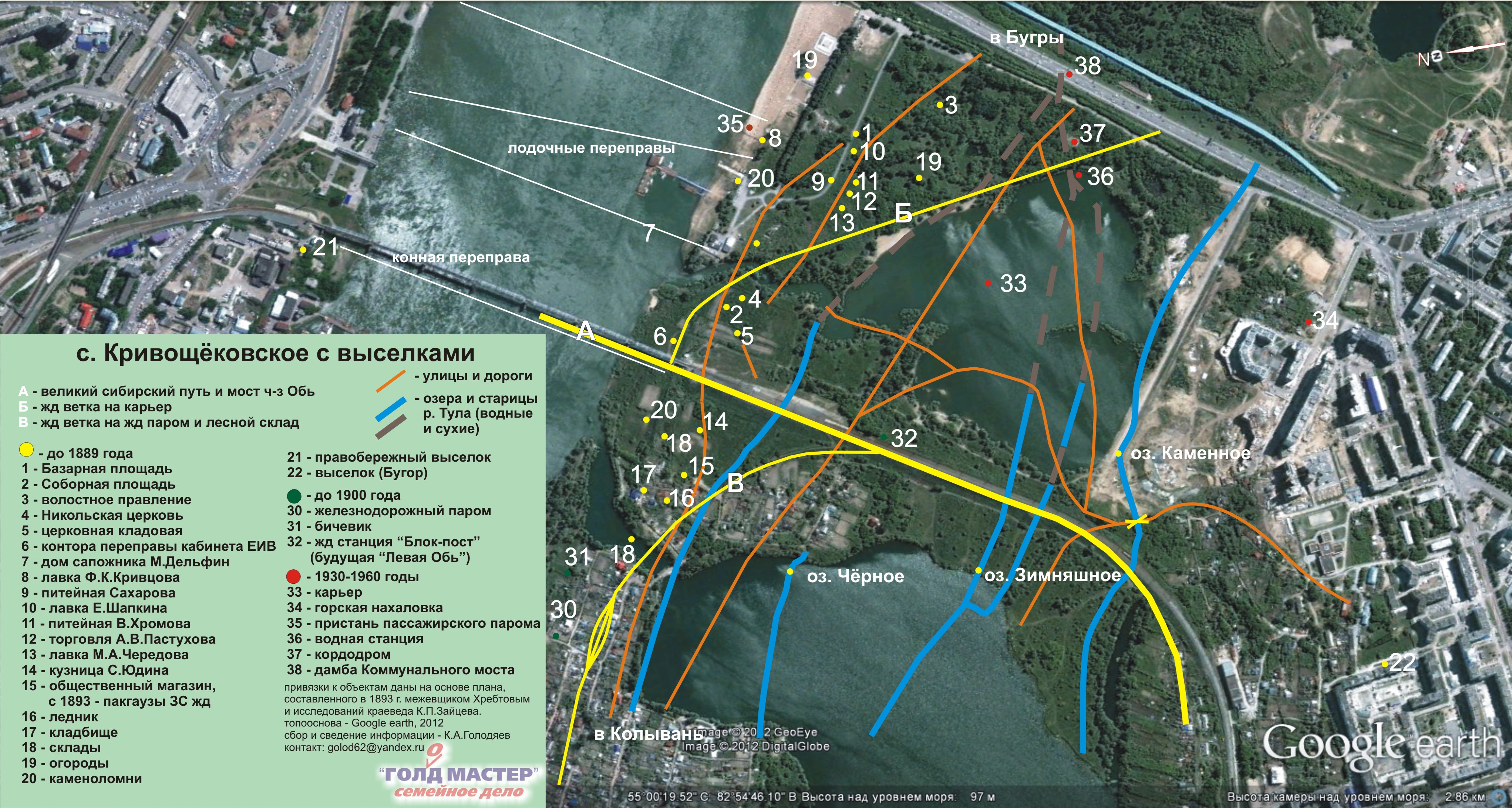
“The card was not very detailed, the church was designated on it and, importantly, the first railway bridge was already applied across the Ob (built in 1893–1897. - Approx. Ed.) ,” Says Konstantin Golodyaev , an employee of the Novosibirsk Museum, local historian, and specialist in the early history of the city. - Further is the work of technology. In the CorelDraw program, I put different cards of Krivoshchekov on the modern scheme of Novosibirsk, taken according to satellite images, “tied” key points, focusing on the coastal supports of the railway bridge, access roads and river Kamenka. So I received on the map of Novosibirsk the approximate outlines of the disappeared village.
Scientists went to the place where, judging by the scheme, there could be the Nikolsky Church. And, indeed, they discovered the remains of her foundation in 1879 there.
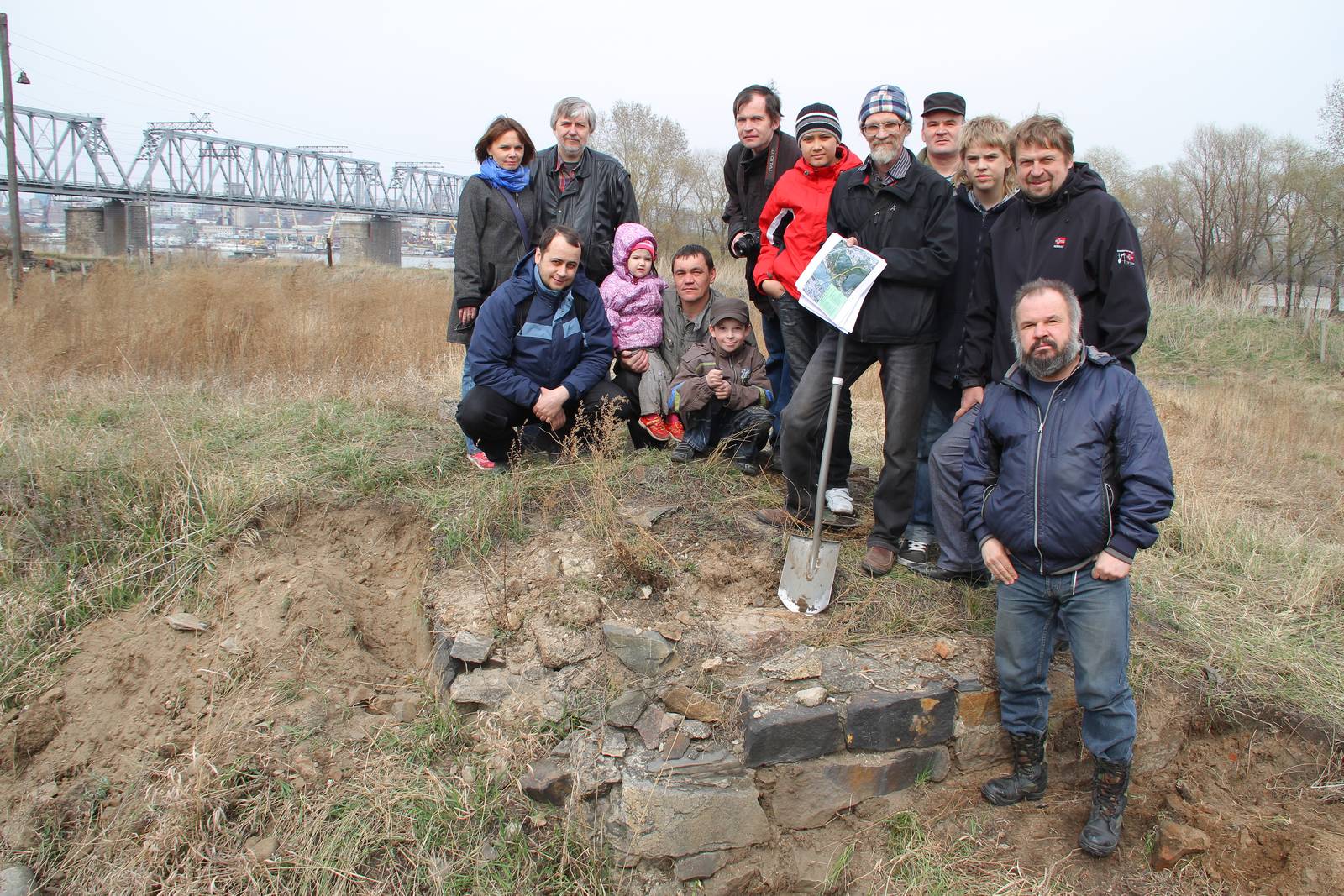
“Everything spoke of the correctness of calculations,” says Konstantin Golodyaev. - I showed a photo of finds at the museum exhibition "Archpriest. Cities from the bottom of the sea." She interested an employee of the Institute of Archeology and Ethnography of the SB RAS Sergey Kolonsov. He quickly wrote a letter to Moscow, to the Ministry of Culture, and received permission to excavation.
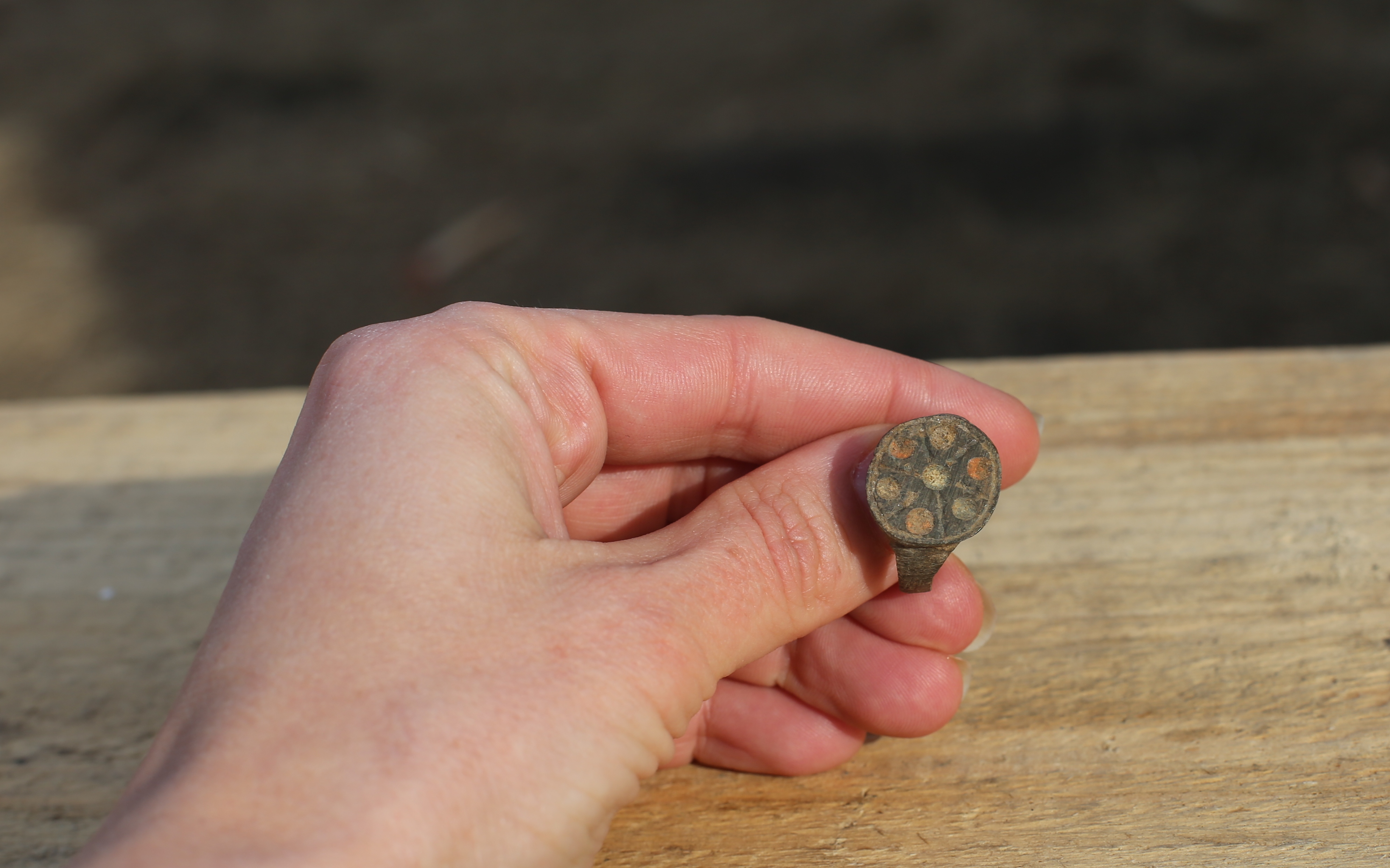
In the fall of 2015, archaeologists conducted reconnaissance of the territory in which Krivoshchekovo could be located. Under the ruins of the stone foundation of the Nikolsky Church, a cemetery of the 18th century, coins, Orthodox hijes and other objects confirming: the settlement was here was also discovered.
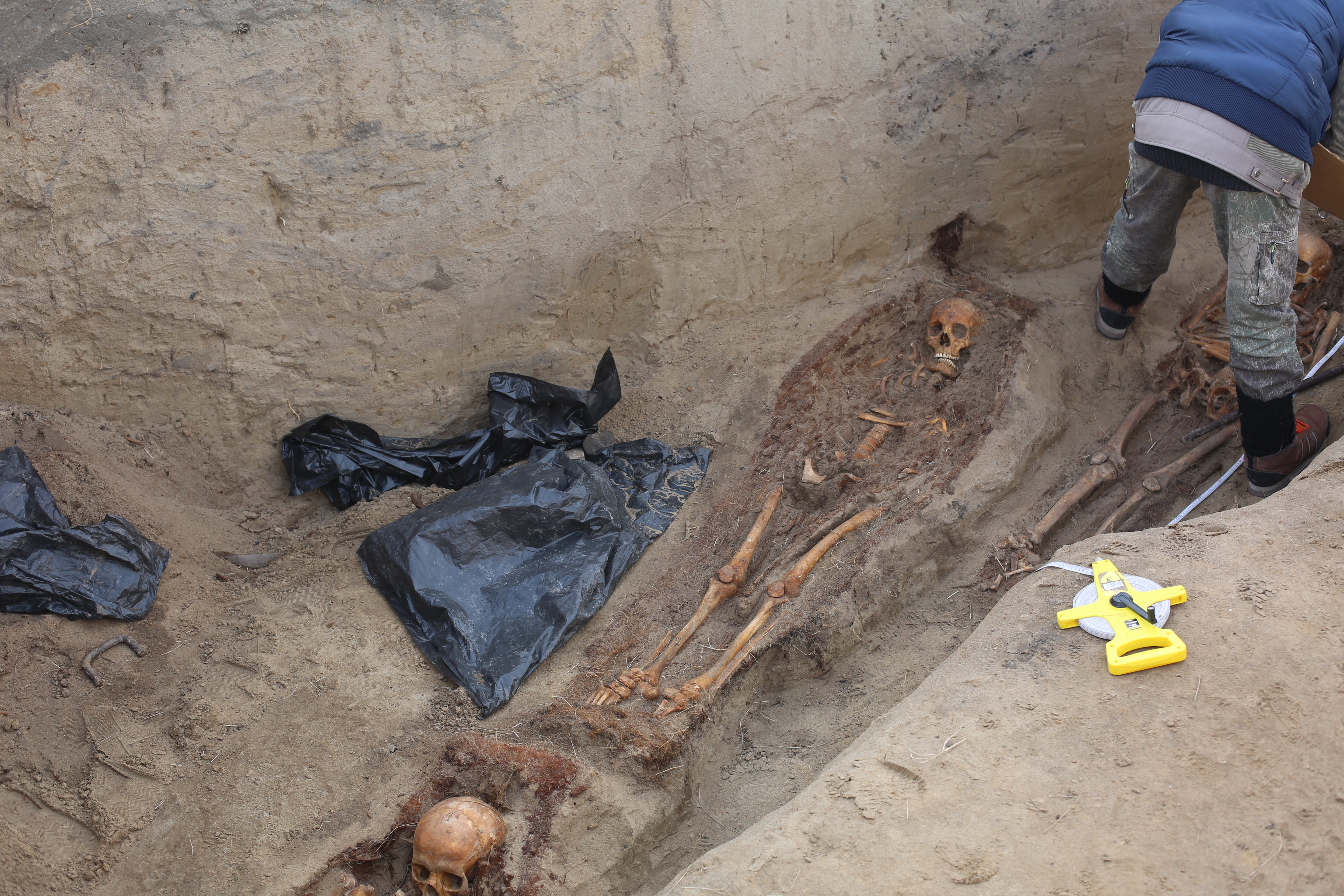
- When we started digging, we already knew that in the XVIII century there was a cemetery, but we did not expect such a density of burials. More than 180 burials have already been excavated by amazing safety, ”says Sergey Kolontsov. - The funeral ceremony indicates that this is the Orthodox cemetery: they put the dead with their feet to the east, on the chest of all the Orthodox hijacking crosses. However, these people are buried not in the tombs, but in decks, hollowed out from a solid tree trunk, which is more characteristic of the Old Believer tradition. There are also unusual burials - legs south: it is possible that these are the graves of Gentiles. In the XVIII century, different nations lived here, there were mixed marriages. Anthropologists and genetics will analyze the collected material.
Sergei Kolontsov filed an application with the management of the protection of monuments, which included Krivoshchekovo in the list of newly identified objects of cultural heritage. This gave the village the security status, which engineers and builders should have taken into account when developing a project and building a bridge. But in the end, archaeologists are now simply given the time before the start of construction to extract everything that is of historical and archaeological value from the ground.
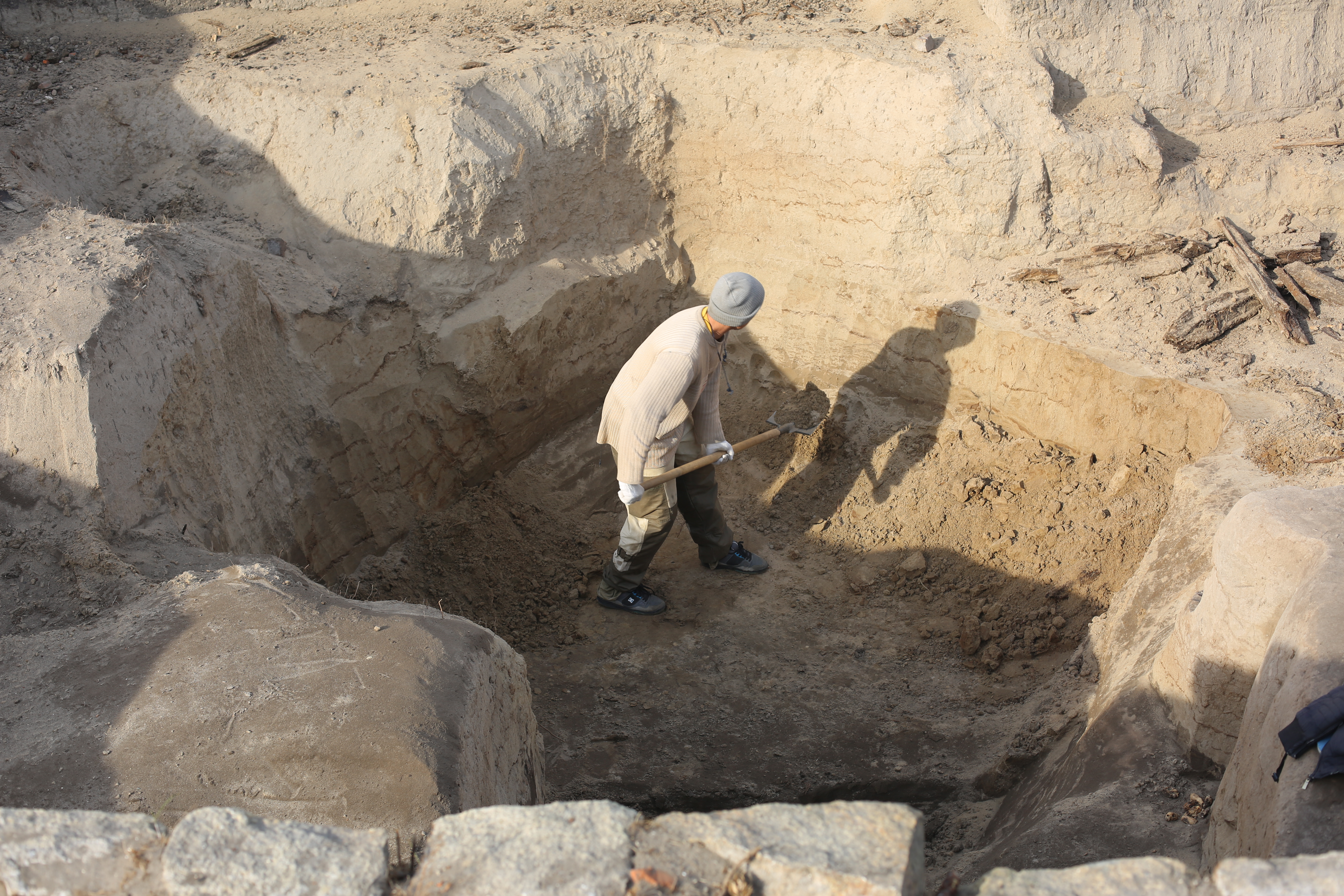
The area of the preserved section of the archaeological monument is 4845 square meters, almost half of the bridge falls under the support of the bridge: 2100 squares. This territory must be excavated in the first place. Archaeologists have only a few months to find and preserve evidence of the life of the first Russian settlers. This is called rescue archeology.
"Found their names"
What is now known about the emergence of the village of Krivoshchekovo?
In the XVII century, most of the upper acquaintance, including the territory of the present Novosibirsk, occupied the feudal state of Teleutsky ulus. The Russians entered these lands hard and long, for more than a hundred years. At the turn of the centuries, the Mezha (border) between the television and Russian possessions moved south, and the Russian settlement, which became the center of trade, appeared on the left bank of the Ob - Nikolsky Pogost. At that time, this word did not mean a cemetery, but the place where guests gather - merchants. The Russians brought goods from Tomsk, and televisions supplied livestock, horses. There was a lively bargaining slaves and prisoners here. This "business", despite the prohibitions, existed in Siberia until the end of the 18th century.
When the Teleuts left these places, they were populated by the plowed peasants. After 1713, the village of Krivoshchekovskaya "on the Teleuta Mezh" is attributed to the Chausky prison. And when in 1746 the Kryvoshchekists equipped a small prayer house, the village officially became a village.
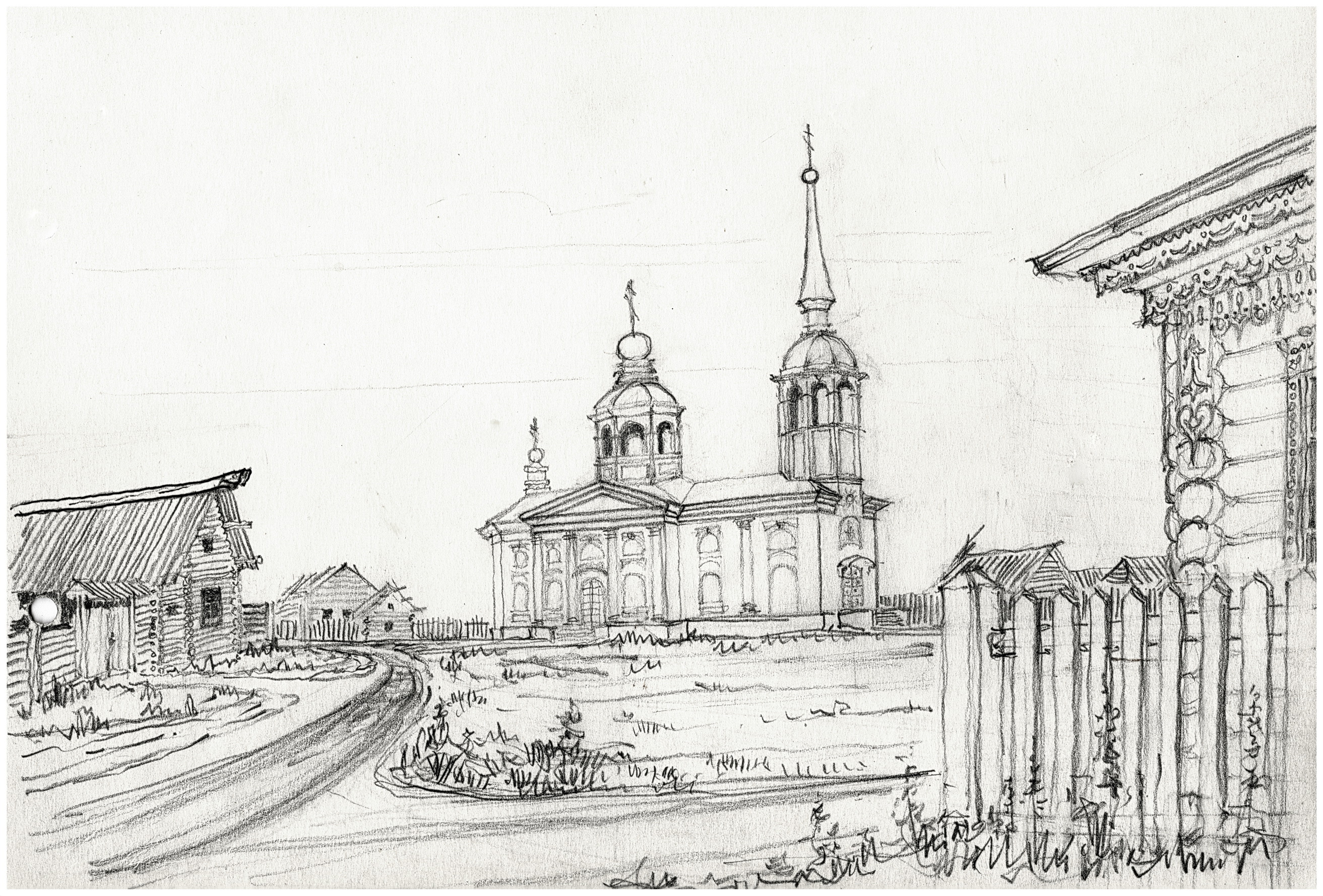
By the end of the 18th century, the village became the center of the Krivoshchek volost, uniting 37 villages, in which more than four thousand people lived. Krivoshchekovo blossomed - its own production appeared, forge, a brisk trade.
The stone foundation of the Nikolsky Church - the one that was first discovered on the territory of the settlement by local historians and archaeologists - was laid in 1879. A large wooden church was built on it in five months, but soon it burned down to the ground. Two years later, a new log -headed church was erected on the same foundation.
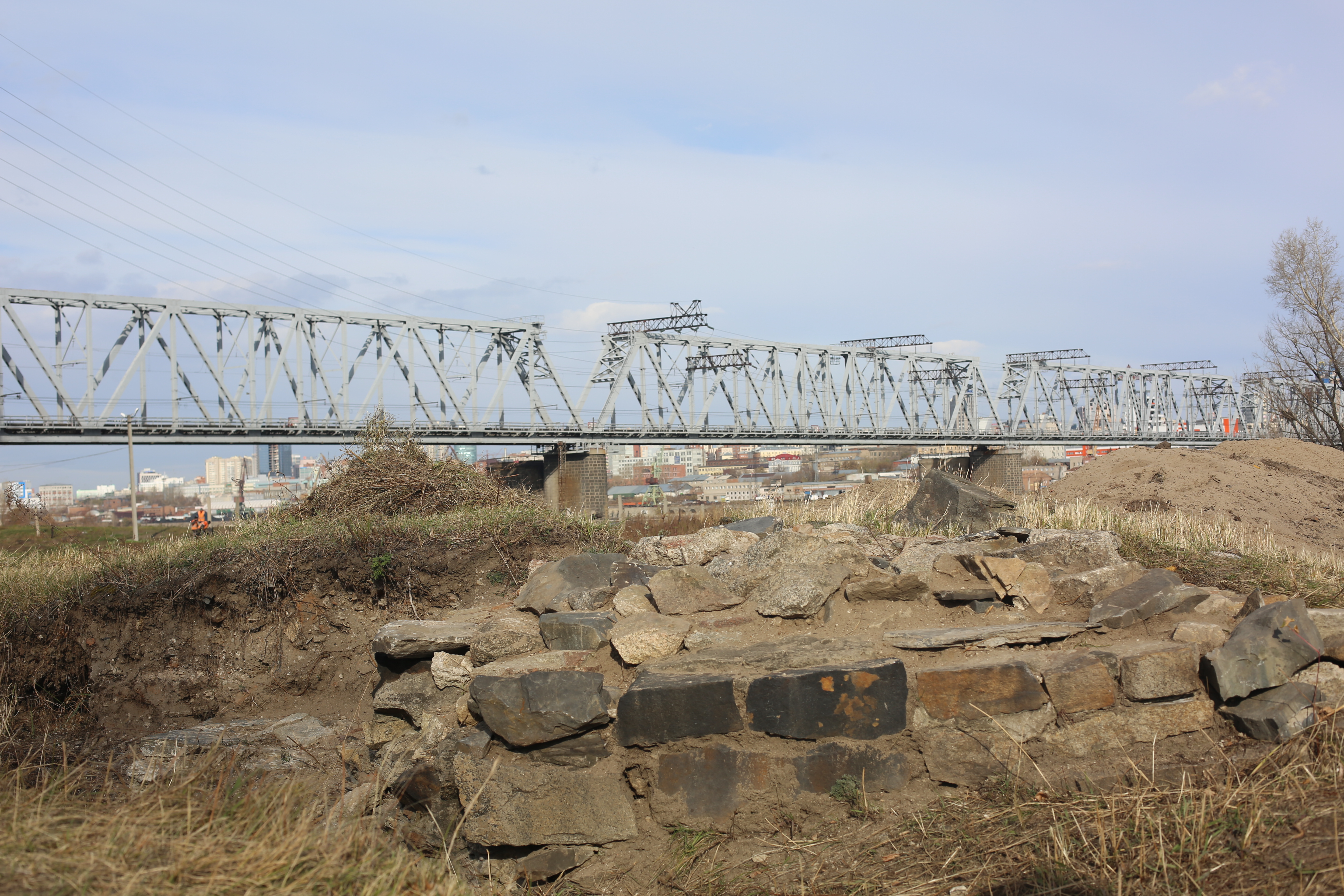
- The date of the base of Novosibirsk is quite arbitrary. We say that this is 1893, but the territory on which the city is located has a much deeper history. We still see its traces in modern Novosibirsk. And many Novosibirsk residents will find their names in the lists of residents of the village of Krivoshchekovo, ”says Konstantin Golodyaev.
They find - and this sheds light on the history of their families. The Siberians Yulia Bykova and Elena Chernova did not even assume that their ancestors were the first Russian settlers in the territory of the present Novosibirsk. Now Elena Chernova is sure: her distant great -great -grandfather is one of the founders of the village of Krivoshchekovo.
“When I was just starting to study my pedigree, I knew that my direct ancestors on the paternal line lived in Altai and were Old Believers,” says Elena Chernova . - At that time, I only knew about my great -grandfather and great -grandmother. Then I had to search in the archives. After studying the materials, it became clear: my Altai ancestors were among the first settlers of the Beloyarskaya fortress, from the construction of which the development of the upper acquaintance began.
It was nice to know that one of my direct ancestors participated in the foundation of the first villages inhabited by Russian people, on the site of which Novosibirsk later arose
In the book of Tamara Mamsik "First -settlers of the Novosibirsk acquisition" Elena found a mention of the questioning speeches of Fedor Ilyin, a resident of the new -populated village of Krivoshchekovo. It was he who founded here in 1707 a bargaining with televisions, and with it they came “rose Tobolsk settlements of the families of the 20 and the Bolsha and settled up the offers on the border of the Teleutskaya courtyards with a man of 10, and other denstrae rivers 3 and 5 and big.”
“I managed to definitely establish that Fedor Ilyin is Fedor Ilyin, the son of Nekrasov, my direct ancestor,” says Elena Chernova. - He was born around 1665 in the village of Mountain Nikolsky parish in the volost of the Chadrom - one of the Ustyansk volosts, which was part of the Arkhangelogorod province. Novosibirsk is my hometown. And it was pleasant to know that one of my direct ancestors participated at the foundation of the first villages inhabited by Russian people, on the site of which Novosibirsk later arose.
The ancestors of Julia Bykova also came to these lands at the very beginning of the 18th century and were taken into account among the first residents of Krivoshchekov.
“For the time being, I was not thinking about the history of my kind, and I was not interested in the history of my hometown,” she says. - But I always loved the old photos - I got to the local history forum "Novosibirsk in photo gratings". And there she first found out about Krivoshchekov, but then she did not suspect that my family was rooted in this settlement.
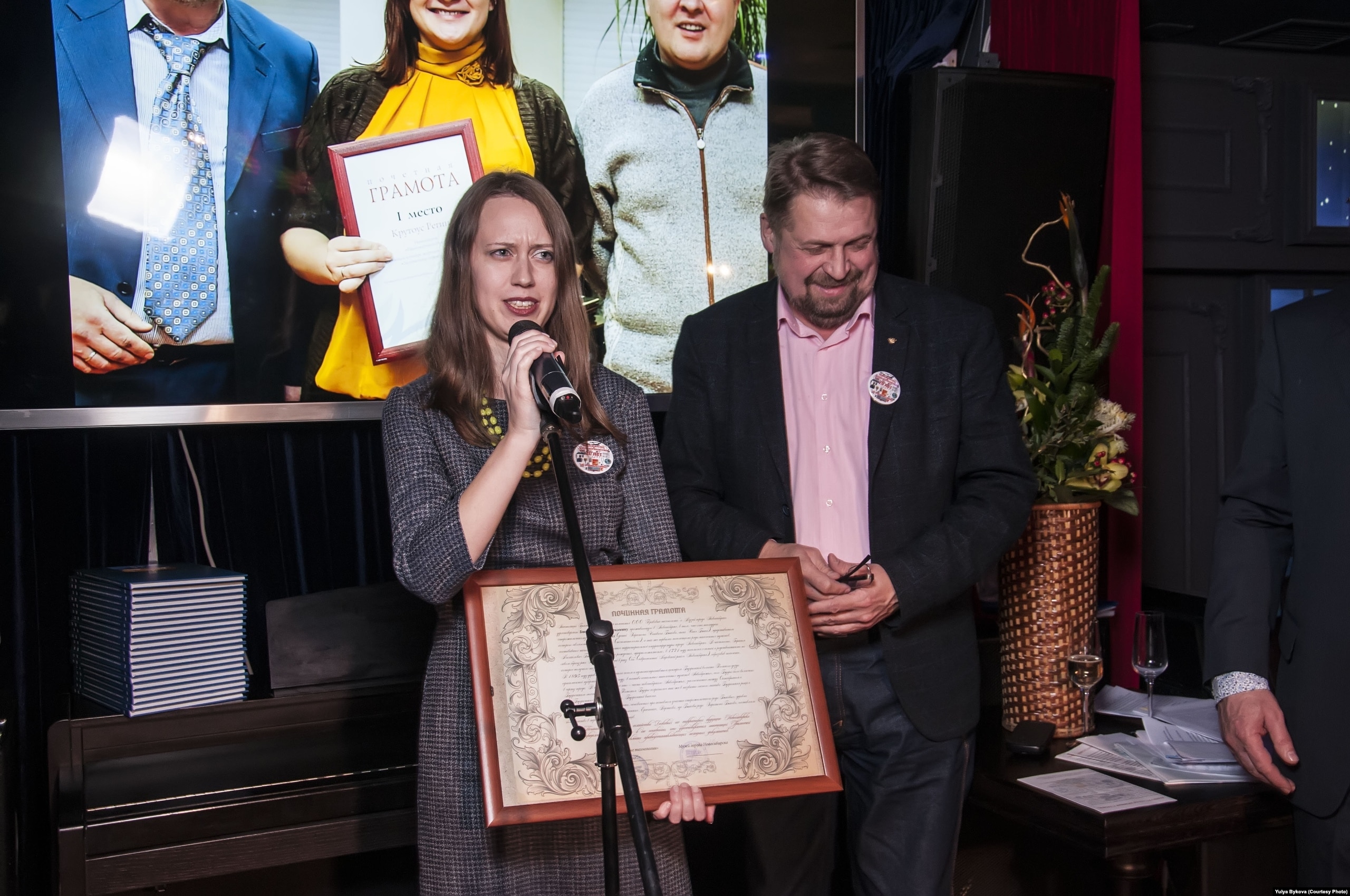
Julia began the study of her pedigree with the search for great -grandfather on the site "Memory of the people" . Then, to find out the details about him and other relatives, she turned to archival documents.
- About the family of my great -grandfather on the line of my father - Bykov - I knew almost nothing. The Bykovs lived in the village of Planov (previously the village of Nizhnya Ptoyy), the great -grandfather and sister are too early orphaned, they were sheltered by a neighbor, so there was no information in the family archive, ”says Julia Bykova.
After a long search in the archives, she managed to find out that her ancestors, Bykov, were taken into account in the second revision of 1743-1747 of the village of Bolshoi Krivoshchekovo.
- In 1743, two large branches of Bykovov lived here - the grandchildren of Procopius Bykov and the children of Khariton Bykov. There is evidence that Procopius and Khariton were brothers, sons of Isaa Bykov, ”says Julia. - My branch comes from Khariton Bykov. Four of his sons in 1710 lived in the Slobod of Orlovo settlement of the Tobolsk district. By the time of the first revision (1718-1724), they had already arrived in Krivoshchekovo.
Do not disappear again
More than a hundred years ago, Krivoshchekovo was already demolished-and also due to the construction of the bridge across the Ob, the first railway. The construction plans were decided by 1892, and in 1895 they began to resettle Krivoshchekovo: they dismantled and transferred the church, school, volost reign, catalak and solid residential buildings to the neighboring village. On this, Krivoshchekovo ceased to exist. The new village of Bolshoi Krivoshchekovo lasted until 1930, after which it entered the city line of Novosibirsk.
The story is repeated: due to the construction of the bridge, Krivoshchekovo just opened by archaeologists may disappear again. Scientists say: after excavations, all materials will be transferred to the Institute of Archeology and Ethnography of the SB RAS for study and subsequent reconstruction. The entire territory of the unique monument will definitely not be able to save: the construction of the bridge cannot be canceled. Now the main thing is to save what is possible.
- The value of this place has not yet been evaluated. But this is a monument of federal significance - a monument to the Russian breakthrough to the south of Siberia, the first bridgehead of the difficult and long settlement of their upper acquaintance, ”says Konstantin Golodyaev. - Most of this monument, leaving for the support of the bridge, has already been lost. But the rest can be used to create a memorial park.
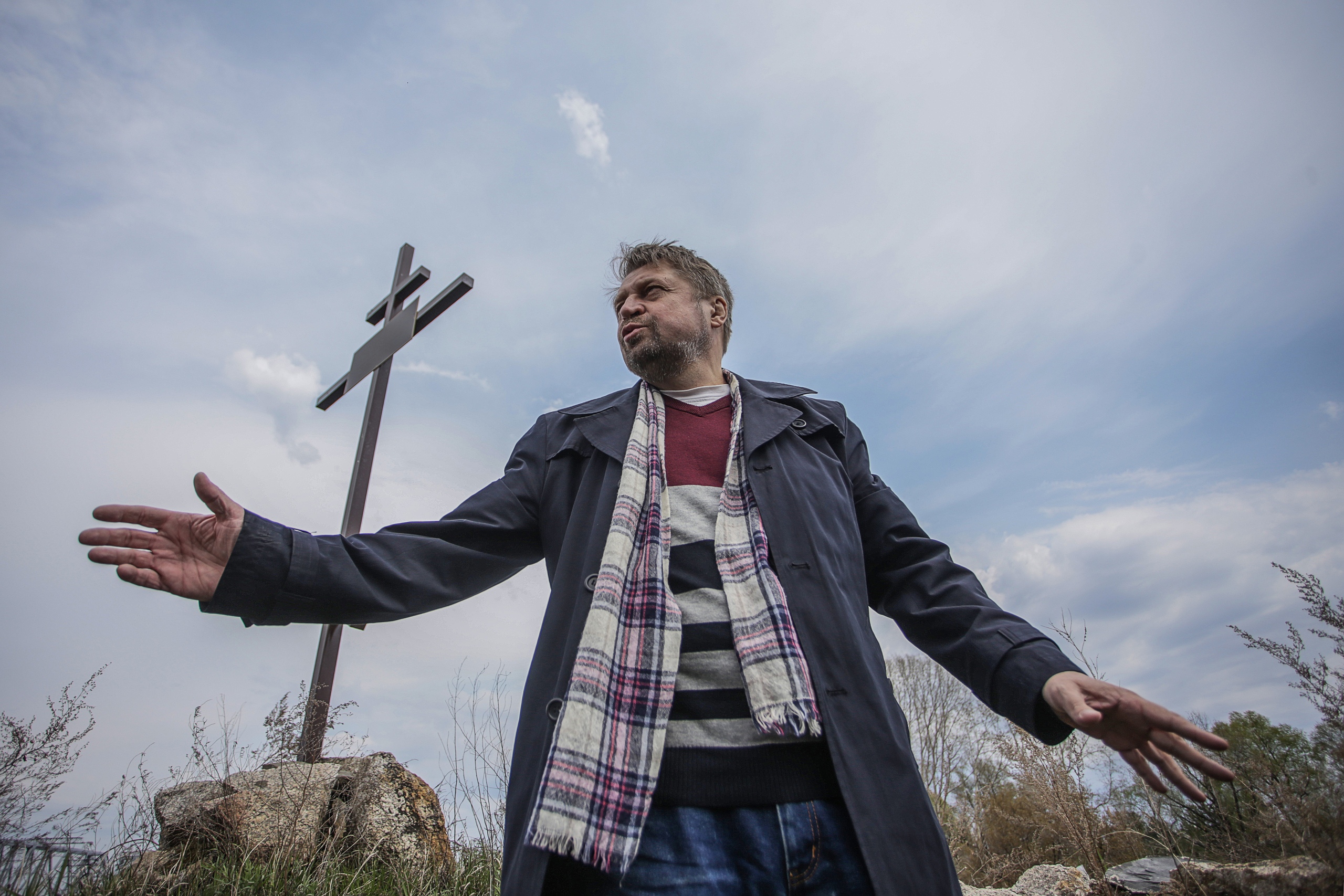
In addition to the museum exposition with the display of burials, the remains of the buildings, historical reconstructions can be carried out here, Holodyev proposes. You can create an ethnic group, recreate the houses of different settlements in the territory of the purchase, from yurt to wooden log huts. In them, place craft workshops, forges, taverns, prepare Russian dishes.
“This is an educational, educational, if you like, a patriotic project,” says Konstantin Golodyaev. - Yes, and the tourists will show something.
This is an educational, educational, if you like, a patriotic project
But will there be a big question. In response to the request "Siberia.real", the head of the Department for the State Protection of Cultural Heritage of the Novosibirsk Region, Alexander Koshelev, said: the result of rescue archaeological work should be a scientific and technical report-on its basis the boundaries of the monument of archeology can be changed. But after that, the "customer of the construction of the fourth bridge over the Ob (GKU" Most ") will have the right to apply for a permit for construction work on the studied part of the monument." As for the possibility of creating a memorial complex on the site of Krivoshchekov, "the question remains open."
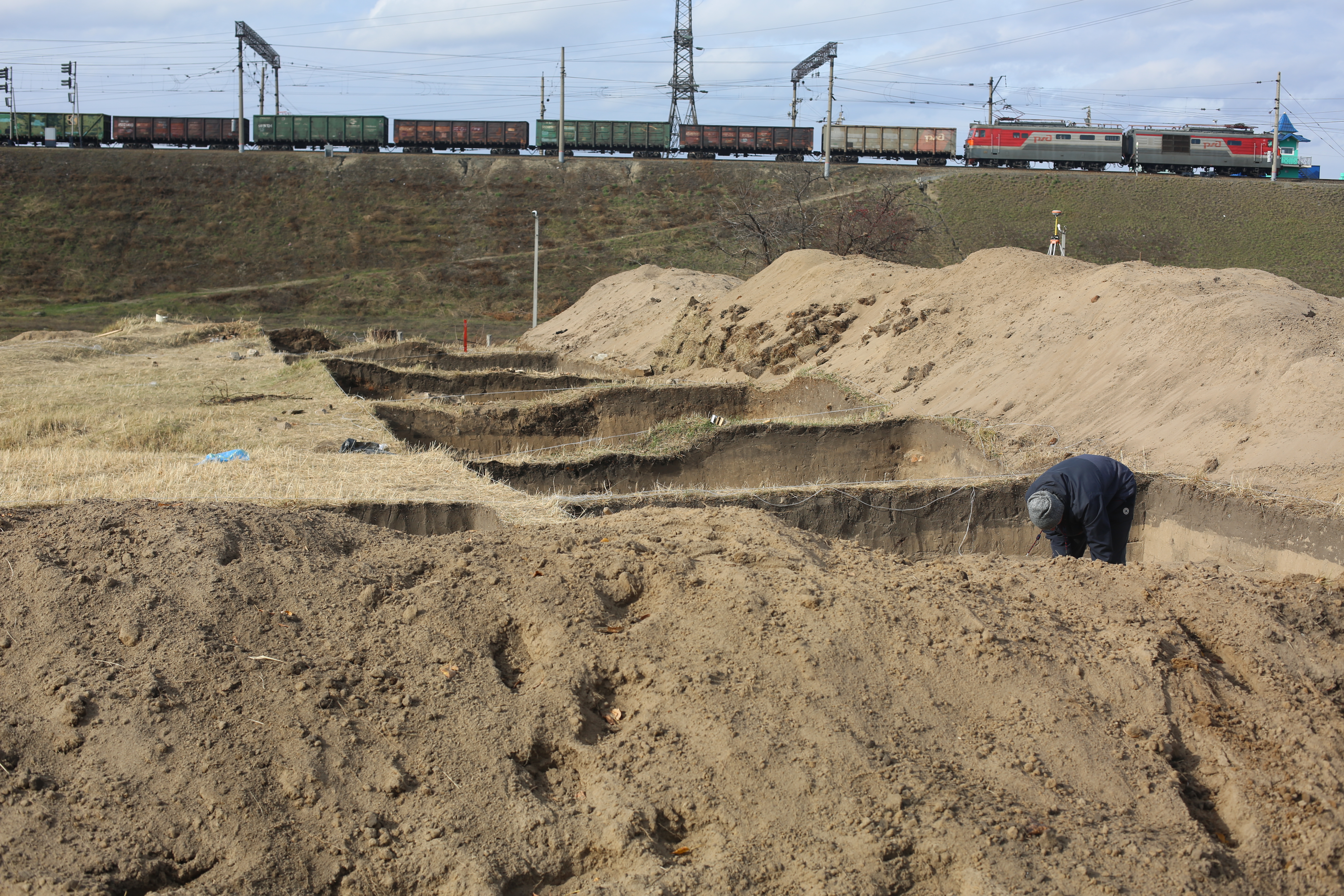
“There is not a single village in the Novosibirsk region, not a single cemetery with security status,” says Sergey Kolontsov. - Yes, by and large there are no archaeological objects of Russian time in the region. This is the first time that archaeologists dig a Russian village of the 18th century here.
Nevertheless, half of the unique archaeological monument will definitely be demolished by builders. Whether it will be possible to preserve the rest of the old village Krivoshchekovo is not yet clear.