
Translated material
Goodbye, soft power
Why the Kremlin will not introduce a mirror ban on the entry of Ukrainians
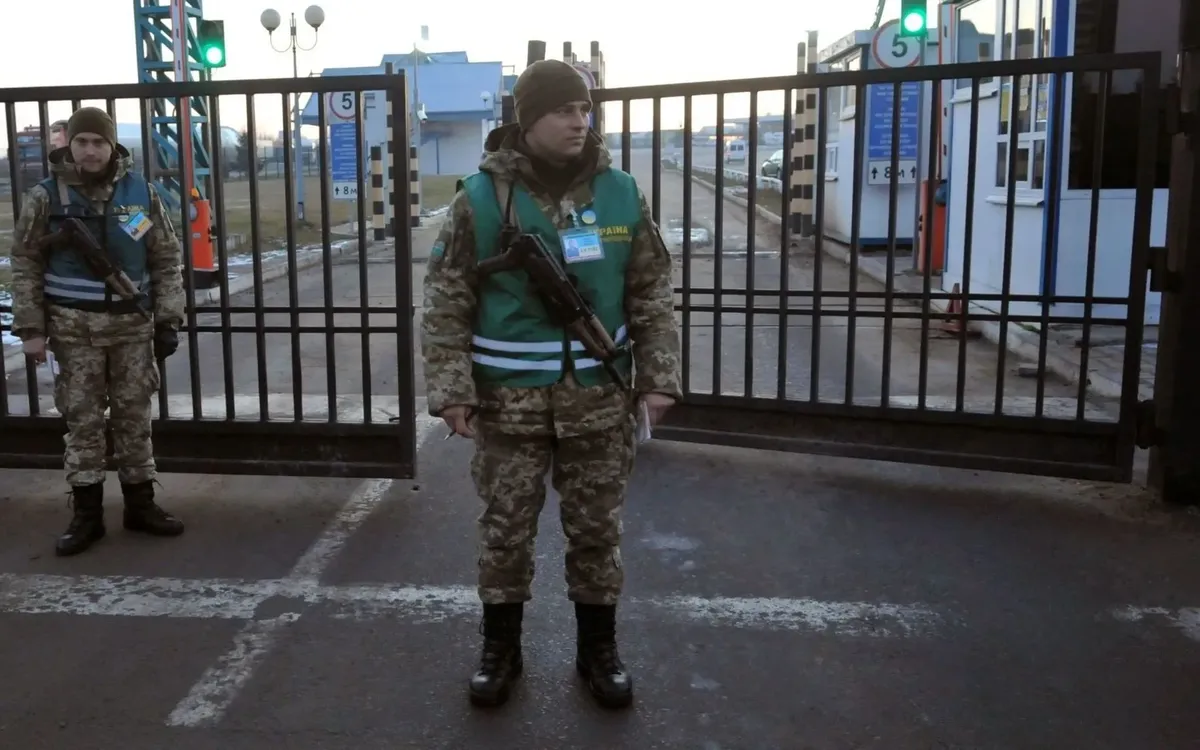
On Friday, Ukraine introduced a ban on entering the country of male Russian citizens aged 16 to 60 years. So far, border guards are making decisions individually: people are passing if they can clearly explain the goals of the trip, says Grigory Chizhov, head of the Ukrainian Bureau of the Center for Political Technology Foundation.
The head of the Ukrainian State Border Service Petr Tsigikal said that instructions will be sent to the checkpoints in which the grounds for exceptions from the ban will be prescribed. Russian citizens with a permanent or temporary view of the border, probably, will probably not touch.
Theoretically, in response to the actions of Kyiv, Russia could limit the entry for Ukrainian citizens. The flow of people in this direction, especially in the category of long -term migration, is much larger: many Ukrainians still go to Russia to work. However
Mirror measures from the Kremlin, most likely, will not follow, and not so much for the considerations of the well -being of the Ukrainian diaspora or the needs of the Russian economy, but from the goals of the propaganda struggle.
“To undermine the orientation of part of the Ukrainian population to Russia is rather the task of the Ukrainian side. Russia, on the contrary, wants to keep as many loyal Ukrainians as possible who live and work here, ”says Chizhov. Some Ukrainian experts believe that the Russian migration service deliberately overestimates data on the number of refugees from the east of Ukraine.
The leader of the LDPR party Vladimir Zhirinovsky called for “accelerating the issuance” to Ukrainians of Russian passports, as this will help “in the end to devastate” Ukraine. In a similar way, the Russian authorities previously reacted to discussions around the introduction of a visa regime between the two countries.
Zarobit residents in Russia
On the territory of Russia at every moment in time there are almost 2 million citizens of Ukraine, says a researcher at the Institute of Social Analysis and Prediction of the RANEPA Julia Florinskaya. This figure includes both those who came to the country with private purposes and the off -season labor migrants - the so -called "Zarobitans".
The work on hiring as the purpose of the trip in the migration map was indicated by 250 thousand people, but in reality there are significantly more Ukrainians working in Russia, the expert notes. Many work without registration: for example, women are often arranged in households as nannies, housekeepers or cleaners (unlike migrants from Central Asia, who more often work for the state or large companies). Others, on the contrary, have a residence permit or residence permit and therefore are not required to buy a patent for work, which makes them invisible to statistics. “Apparently there are also hundreds of thousands of such people,” says Florinskaya.
Special project "Muscovites". Who makes Moscow - Moscow. LOOK
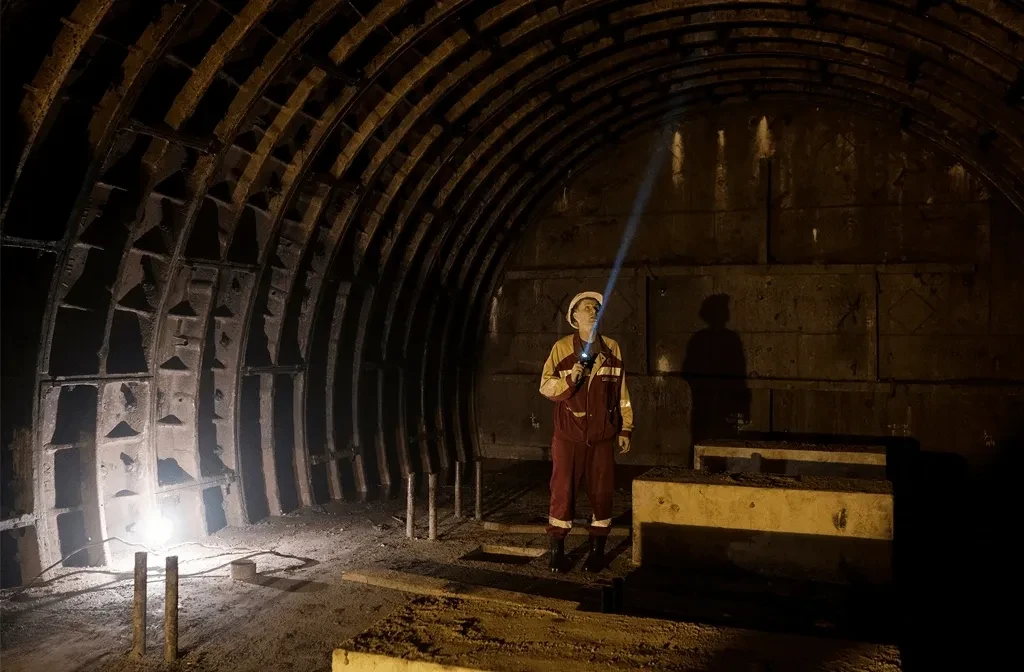
Ukraine is not even included in the three leaders in the number of labor migrants in Russia. According to official figures, in addition to 250 thousand Ukrainians, about 1.6 million Uzbeks, 800 thousand Tajiks and 500 thousand Kyrgyz (only 4 million people, about 6% of the working population) work among Russians. However, a few years ago, Ukraine was the first in the pace of migration growth: in 2015, Ukrainians provided 60% of all official migration to Russia, experts of RANEPAS calculated.
However, the reason for this was forced: Russia accepted the flow of refugees from the Donbass, who were saved from hostilities. Otherwise, the attractiveness of the Russian route for foreign workers in recent years has been steadily reduced.
Poland instead of Russia
Many Ukrainians, after introducing a visa -free regime with the European Union, prefer to go to earnings in a western direction - primarily to border Poland, where the average salary exceeds 1 thousand euros (against 530 euros in Russia). For a number of reasons, the Russian direction is still attracted by a number of Ukrainians: here is a familiar language and cultural environment, relatives, in some cases, established work ties. Many construction brigades from Western Ukraine have been working in Russia for a long time and have known their customers well.
But after 2014, against the backdrop of intense political relations and stagnation of the Russian economy, these advantages began to fade.
"Russia has lost the status of a country in which the most Ukrainians on earnings, it was replaced by Poland."
“ In general, in the EU countries it now has many times more Ukrainians than in Russia,” says Chizhov.
Other post -Soviet countries have not many alternatives for labor migration, but after the ruble devaluation they are much less willing to go to Russia. For example, Uzbeks in Russia are now a quarter less than in the pre -crisis period.
Tough migration policy is added to economic problems. The rules for the stay of foreigners in Russia are constantly tightened. The point is not so much in specific legislative measures as in the general political will, which today is aimed at tightening the boundaries.
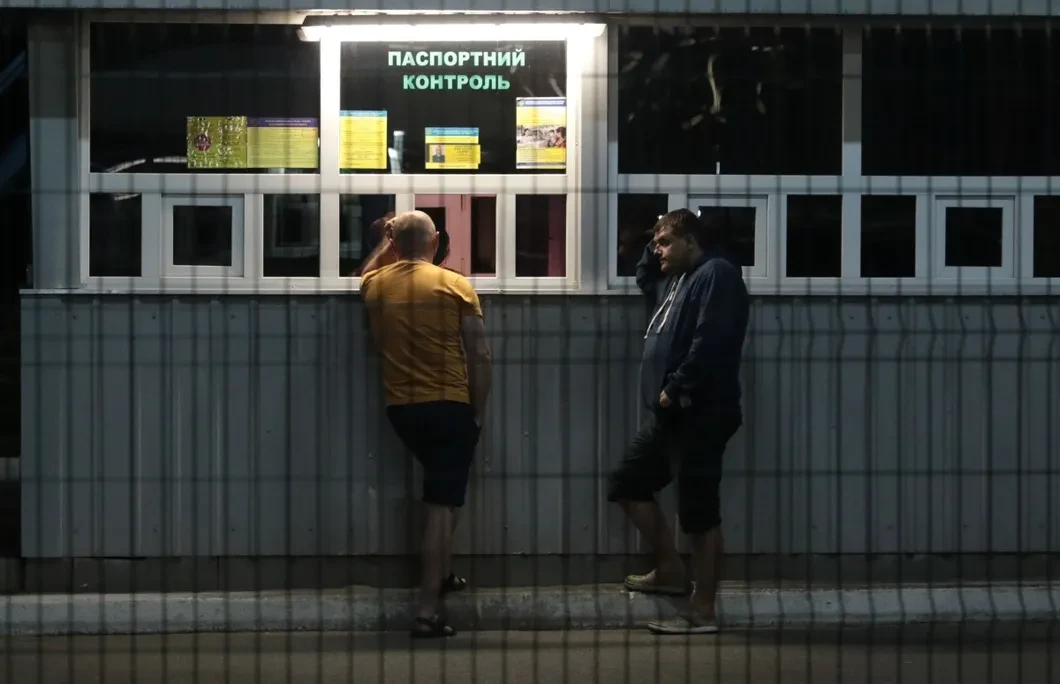
“Previously, Ukrainians were in a better position than everyone else: the rule of 90–180 did not operate on them ( *the need to leave the country after 90 days of stay and spend the next 90 days outside Russia. - *a. Kh .). Now at any second you can be detained on the border (with the exception of those who are traveling from Donetsk and Lugansk), ”says Florinskaya.
In such conditions, the Western CIS, Ukraine and Moldova, are gradually turning away from Russia. If the Russian market will continue to lose its attractiveness for citizens of the former Soviet republics, then this will significantly affect the foreign policy influence of Russia in the region.
“Perhaps the most effective“ soft force ”is an opportunity to earn something in Russia. Without this, it will be difficult to somehow influence moods in neighboring countries, ”Chizhov believes.
However, a slowdown in the migration stream from Ukraine does not mean that everyone has already arrived and can be painlessly closed. Of the 2 million Ukrainians who live in Russia, most of them are moving along the trajectory of the pendulum. “They will lose from administrative restrictions, as always, ordinary people,” Slorinskaya complains.
The benefits for the economy
While the State Duma deputies are making plans for the “devastation” of Ukraine, their own demographic problems are aggravated in Russia. Due to changes in the age structure of the population, Russia is experiencing a growing need for employees, which only migrants can make up for. Moreover, foreign workers often perform low -paid “black” work in which the local population is not interested.
The fall of the attractiveness of the Russian market for migrants is already making itself felt. According to January - April 2018, the migration growth of the population in the country decreased by 13% (mainly due to the attenuation of the conflict in the Donbass) and ceased to compensate for the excess of mortality over birth rate. As a result - by the end of the year, according to the forecasts of experts of the RANEPA, in Russia the first time in Russia will be recorded in Russia.
The able -bodied population of Russia has been reduced for several years in a row, and in the next decade the effect of the “demographic pit” will lead to a shortage and increase in labor. By 2020, the labor market will lose about 3 million people, and this is fraught with the slowest economic growth and preservation of the archaic employment structure. Nevertheless, the quality of Russian migration policy continues to sacrifice current political benefits.