
Translated material
Mordor among the city
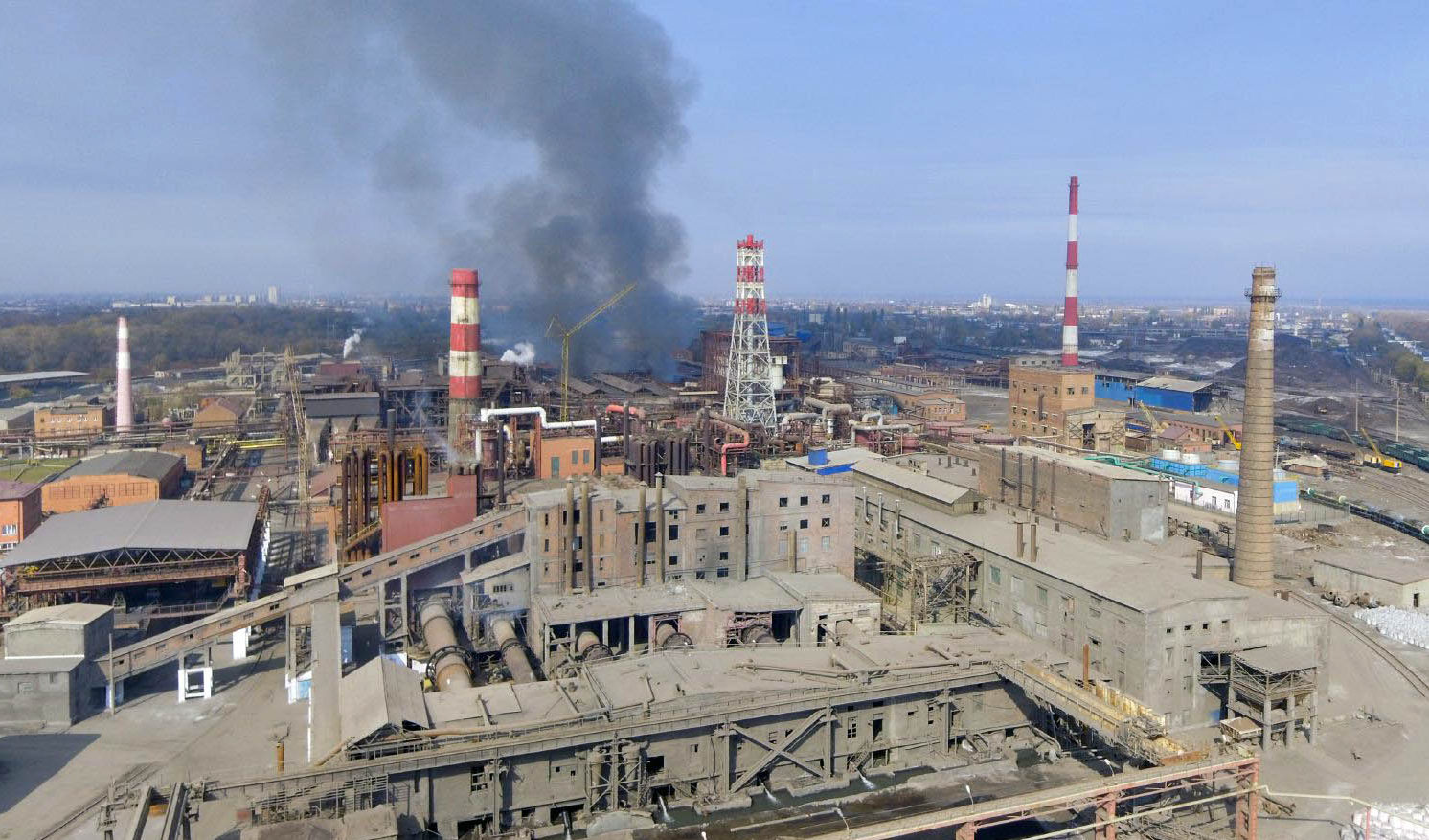
The confrontation between the inhabitants of North Ossetia and the Electrocink plant has been going on for more than one decade. How real is the chances of closing harmful production after mass protests? And will happiness come if the plant leaves?
On October 21 of this year, a fire occurred at the Electrozink plant in Vladikavkaz: an electrolyte workshop was completely destroyed by fire. The company is not able to continue work without its restoration.
The plant in the city, to put it mildly, is not like. It is believed that it systematically poisons the environment. The protest moods dozing to the fire gained new power and unconditional support (at least in words) of the republican government. The opponents of Electrocinka are sure that the decisive moment has come in a long -term struggle of people with the plant.
The surroundings of Mordor
Olga Gassieva is one of these people. She is a candidate of economic sciences, teaches at a local university and agreed to show me the fields of the factory’s waste, the so -called clinker.
We are going around the city: here is the maternity hospital, the railway station, the school, the tuberculous dispensary, the art school, another school, the puppet theater. All this is within a kilometer radius from the plant, where, according to modern standards, there cannot be public and residential buildings at all. There should be a sanitary protection zone.
Nearby, the house where Olga lived most of her life. Mom told her that in Soviet times it was possible to go out of the threshold and immediately plunge knee -deep into the sizu haze. Sighing linen to dry on the balcony meant to give it a gray color and a monstrous smell. Olga has two frozen pregnancies associated with this house. Now she lives in another area of the city, far from the plant. And she has five children.
It is the absence of the sanitary protection zone that Olga considers the weakest in legal terms the plant’s place. At this point, it is necessary to beat, combining efforts and filed hundreds, thousands of claims to an “electrocinka” from private individuals.
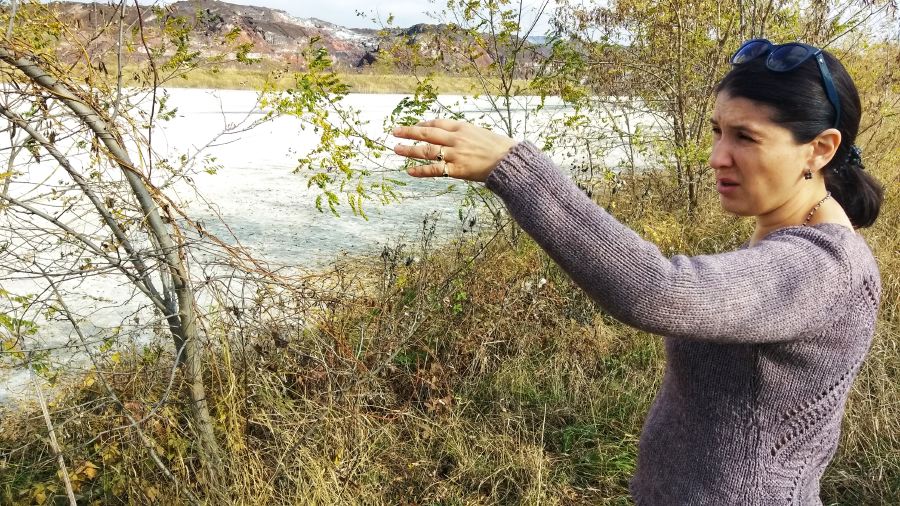 Olga Gassieva photo: Nikolai Zhukov
We drive along the territory of the plant. Behind the concrete fence there are huge - a height of several meters - heaps of redesigned ore. But when we drive up to a different field on the edge of the city, they are already remembered as cute low mounds. Before us is a real mountain ridge. These are several million tons of waste that have been accumulating here for decades. The clinker in fact is ownerless. The plant no longer considers it its own, but it was not possible to prove the opposite in court. Olga has repeatedly been at the court hearings, where the local department of the natural supervision opposed the plant. Its most flattering characteristic of these meetings is absurdity.
The gates of the clinker are closed, the territory is fenced with a thorn, but going through the fence is not difficult. We climb the hill - and a post -apocalyptic landscape opens in front of us. The dried bottom of the sump, covered with white deposits. Immediately behind him, a dark array grows into the sky, with brown spots. Lifeless and sinister. Until complete similarity with the environs of Mordor, there are not enough red reflections of boiling lava. But smoke is present. Here and there, the breed under pressure is spontaneous, the wind spreads the caustic smell in the vicinity.
Rumor has it that the Japanese once became interested in these waste. Namely, a large residual content of rare -earth and valuable metals in them. They even wanted to redeem. But the deal was banned at the highest level: it is not worthwhile to squandering the strategic product. Now the "strategic product" is a serious headache of local residents. Moreover, both figurative and in the most literal sense. I felt it on myself. For five minutes a tight acquaintance with the clinker - and the mind envelops the fog, it begins to fade in the throat.
“The first hazard plant cannot stand in the city center,” Olga says and immediately recalls the example of the Norwegian plant of the same type, which is located in the town on the shore of the Fjord. It is absolutely environmentally friendly.
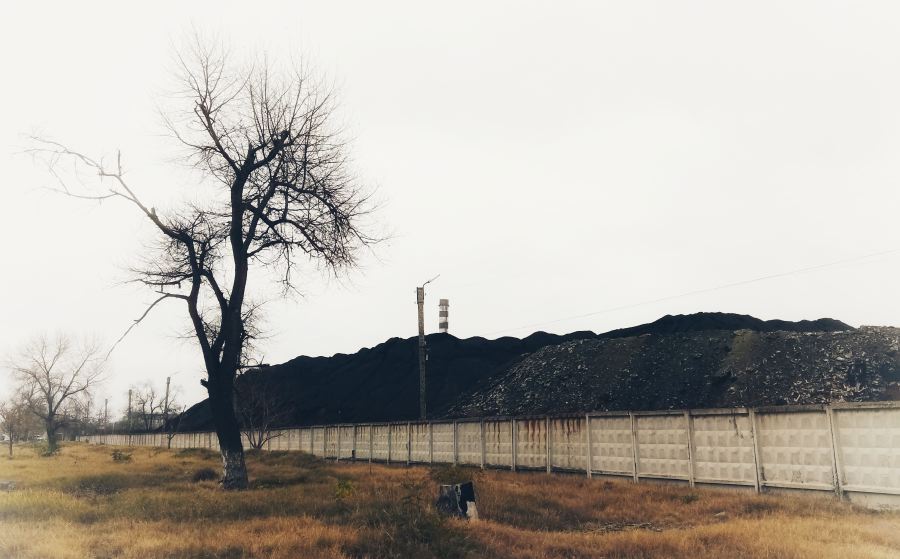 Waste photo: Nikolai Zhukov
- Why don't Vladikavkaz go along this path?
- I cannot imagine clean production in Russian conditions. Here, do not care about people, only money matters. By the way, in the words "Electrozink" is now completely harmless.
Olga does not believe the plant, does not believe the authorities, which are now formally on the side of the protesters. And he does not believe in the effectiveness of the public commission, which is designed to unite all those interested in the fight against the plant: “My father says: when the authorities do not want to solve anything, she collects commissions. I believe him. "
What kills us
The plant was built at the beginning of the last century. As expected, on the outskirts of the city. With an increase in demand for strategic raw materials, production, grew and a city, carefully surrounding a dangerous enterprise. No one thought about ecology then. Thick smoke from the pipe symbolized the victory of man over nature and the power of Soviet industry.
At the end of the twentieth century, outdated technologies and new market conditions almost brought the plant to bankruptcy. It was possible to avoid this thanks to the UMMC (Ural Mining and Metallurgical Company). Having become part of the metallurgical holding in 2003, Electrozink sharply increased the production of zinc, lead, cadmium and sulfuric acid. As often happens in such cases, modernization did not keep up with a thirst for profit. And very soon, local residents began to feel the production success of the plant literally all the senses.
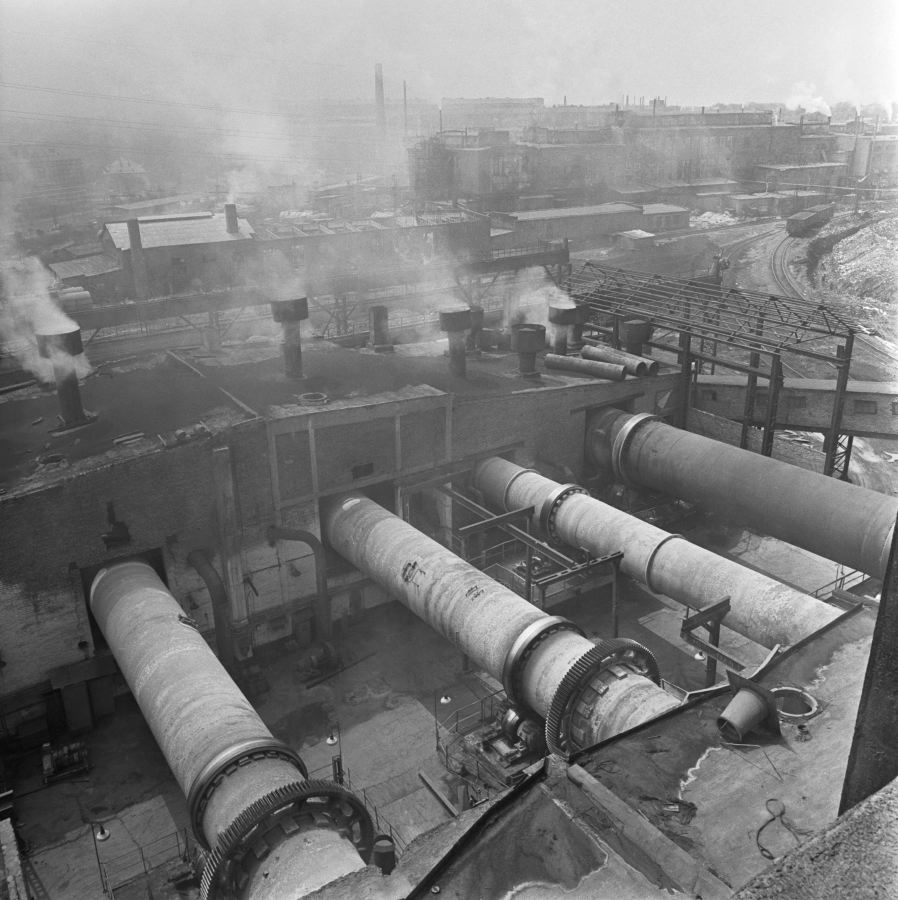 USSR. North Ossetian Autonomous Soviet Socialist Republic. August 30, 1984. Plant "Electrozink" in Ordzhonikidze, a Sulfuric acid production workshop : Dick Rudolph/Photo Chronicle TASS
Atsamaz Khadikov first visited the plant in 2005. As a sanitary doctor, as part of a prosecutor's audit. What he saw there made him become one of the most stringent and consistent opponents of the enterprise.
“No terrorist attack can be compared in scale with the consequences of the“ electrocircka ”. It poisons all living things tens of kilometers around. As a result, the level of diseases characteristic of chronic poisoning by cadmium, zinc, and arsenic is growing. Cemeteries are growing, lines are growing in clinics. In the official statistics of the Ministry of Health, this is not reflected, but the one who wants to see sees a real picture. ”
The Acamaz plant can talk about the malicious activities of the plant endlessly. He cites the data of numerous studies, scientific papers, examinations and dissertations. He talks about the “night shifts” of the plant, when the bulk of harmful emissions is produced - and this, according to him, is the usual practice of metallurgical plants throughout Russia. Asks for a rhetorical question about the scale of corruption, which allows the plant to continue its activities.
ACAMAZ is part of a public commission, which he calls with irony the government-folk. But it does not have much optimism about the effectiveness of its work. It is caused by skepticism and the idea of creating a fund, which will finance complex environmental research.
“What else do they want to find out new? He is perplexed. “There is more than enough data that already exists to justify the closure of the plant.”
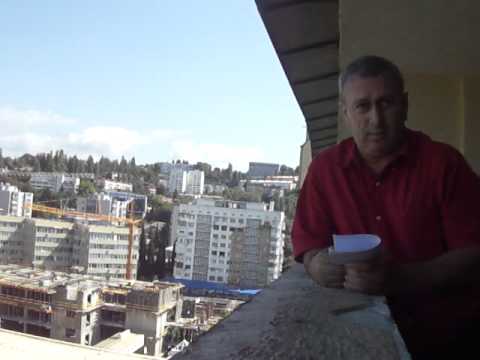 ACAMAZ Khadikov photo: YouTube screenshot
Data is really excess. True, some of them cause disputes even among like -minded people. But there are those who believe almost everyone. This is, for example, the results of an examination organized this year by local deputy Dzambolat Tedeev. Studies of water, soil and plants were conducted by specialists from the Moscow Institute of Mineralogy, Geochemistry and Crystallochemistry of rare elements (FSBU IMGRE) and St. Petersburg Center for Expertise and Exhibitions. Experts discovered the excess of the MPC of heavy metals not only in the territory of Vladikavkaz, but also in nearby villages. Moreover, ten times, and in some areas of the city - more than a hundred times.
Doubtful hopes
Previous mass protests against Electrocinka were provoked by unprecedentedly strong emergency emissions of the plant in 2009. The high degree of public indignation was then successfully shot down, on the one hand, with grin, on the other - concessions. “The smoke from the barbecue is more harmful than the exhaust“ Electrozinka ”,” Mamuraz Mamsurov, who headed the republic at that time, issued. The plant changed the general director and concluded a settlement with the city. It provided for the modernization of production, the installation of the sanitary protection zone and the conduct of measures to improve residents. Over time, the most harmful production was stopped - a lead workshop.
The October fire became a much stronger stimulus, although in fact everything was not as terrible as it looked (according to the Ministry of Emergencies, the excess of the MPC was recorded in the city’s atmosphere only for carbon monoxide). But on the day of the fire, Vladikavkaz covered a panic. Who could leave the city, huge traffic jams formed on the exits. Those who stayed tightly closed the windows and doors, preparing for the worst.
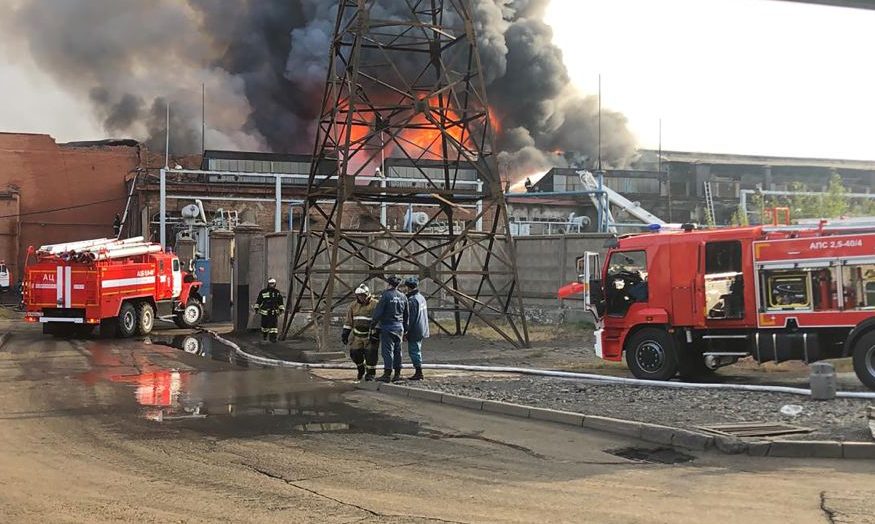 Vladikavkaz. During fire extinguishing at the Electrozink plant. When extinguished, one fireman died, a partial collapse of the roof of the workshop and part of the wall photo occurred: Olga Smolskaya/TASS
And the next day, fear was transformed into anger. The people began to flock to the main square of the city. Only Vyacheslav Bitarov, the head of the republic, managed to defuse the situation. He personally went to the protesters and promised that the plant would be closed.
“I don’t know if it was fear or a normal human reaction,” says Anna Kabisova, “but he spoke not as an official, but as one of us. However, soon the tone of his statements changed. Maybe he cooled down, realized that he could not cope. Or maybe initially I just wanted to reassure the people. But he must be aware that just such words cannot be said. They were remembered and ready to ask for them. ”
Anna is a journalist. And she has her own accounts with the factory. 30 years ago, when she was three years old, she and her family drove into a new housing - a three -room apartment in a newly rented house. The father received it as an Electrocink worker with twenty years of experience and was very proud of such an achievement. The whole family was happy. But happiness was short -lived. Soon he was discovered by cancer. The disease was serious, associated with the lymphatic system. The diagnosis sounded like a sentence. Father left at 45.
Then Anna understood little, but over time, a desire came to make her contribution to the fight against harmful production. Once, during an interview with director Aslan Galazov, the theme of Electrocinka surfaced. We talked, in many respects agreed and decided to make a documentary together together. It received the name "Pipe".
“We understood that we would not be able to somehow radically affect the situation. And they did not seek to make a loud investigation with hot facts. Rather, a calm conversation was obtained in order to enter a public discussion. ”
The film was born at the beginning of this year. He did not interest any of the local television channels, so you can only see it on YouTube. After looking at this tape, you begin to better understand the mood in Ossetian society.
Anna says that while working on the film, she talked a lot with people who live next to the factory. I took dramatic plots from almost every house. People talked about the diseases and death of their relatives and associated them with an “electrocysk”. But the main tragedy is that the inhabitants literally became hostages of the plant. They would be happy to leave here, but they can’t: no one will buy them at home. They have only one thing - doomed to live their life with a view of the smoking pipes.
But hope still appeared. Anna recalls the October rally and the enthusiasm that covered people when the authorities announced the support of their demands.
The fact that the words must be responsible, I agree with Anna and Alexander Bagaev is one of the bright, charismatic speakers who performed at the rally. True, he has much more optimism.
- Power is now completely on the side of the people. But if she does not cope, the people will draw conclusions. And they will not be the most impartial.
“Will people go out again?”
- The legislative body of the republic in full force must go out into the street, because they loudly declared their position and should defend it, is it not?
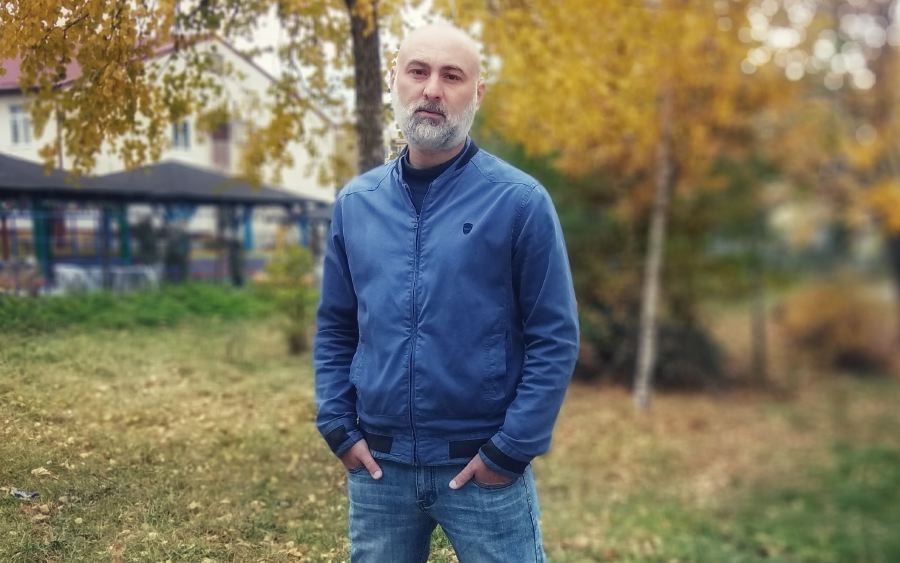 Alexander Bagaev photo: Nikolai Zhukov
Of his 34 years, Alexander gave the army for seven years. Now he wants to "create, work for people." He himself participated in the elections, was an assistant to the deputy. According to the results of the rally, he became part of the Public Commission on Electrocinka. True, now he doubts that he can take part in her work. Referes to a lack of time. But he says that he will always be next to those who are fighting with the factory until he finally closes.
- I don’t understand one thing: why can't this issue be resolved for so many years? After all, in hand there have long been documents that allow you to do it. Until specific people turn on ...
- Who is this?
- Well, the center. Moscow.
He tries not to pronounce the president’s name in vain. But I am sure that he can solve any problem. Well, or almost any.
"We have not learned to hear each other"
Zalina Dudueva immediately made a reservation: "Of course, I could be wrong." This was the first similar phrase I heard in Vladikavkaz.
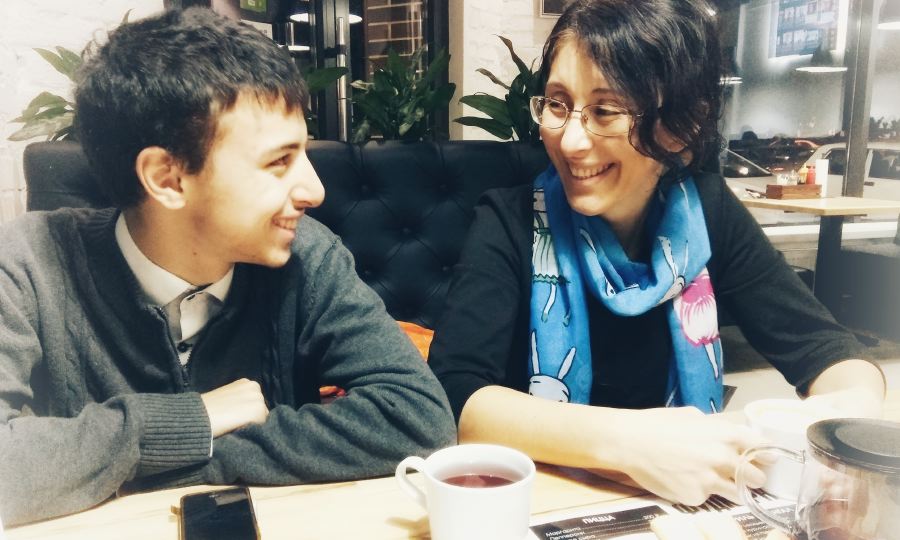 Zalina Dudueva with his son photo: Nikolai Zhukov
“Take, for example, a car,” she says. - The main thing in it is the engine. And the way I follow him. If I start to fill diesel fuel instead of 92nd gasoline, he may last several days, but most likely it will immediately be covered. Of course, the external environment also acts on the car. But even if it is watered with acid, the problems will not be critical. Yes, the paint gets down, it will begin to rot, maybe even the car will turn into a convertible. But if the motor is in order if I use good oils and gasoline, it will last a long time. So with a person.
The human body is so unique that over time it can adapt to any aggressive environment. If we throw the fuel correctly.
But in reality how? Our air is bad, the water is bad, and the fuel is generally disgusting. What can afford a person who has income below the subsistence minimum? Surrogate instead of cheese, transfigure instead of oil, the cheapest products in which all kinds of poison are full. Plus alcohol and cigarettes. And when the body can no longer cope, when our motor refuses, any negative effect can finish it. The same "electrocink". "
Zalina is a master of analogies. The ability to explain very complex things with simple examples is a skill that is honed to perfection when you are dealing with children. Especially if these are children with disabilities. There are four of them. Each has its own developmental features, including an autistic nature.
Previously, she taught customs at the Institute of Management. But due to the fact that I often had to take children to rehabilitation far beyond the borders of the republic, I had to refuse work. Now Zalina has two classes - care for children and legal support of the same parents like her.
He tells how the other day she communicated with representatives of the Public Commission on Electrocinka. The dialogue was approximately as follows.
-Do you think that your children disability are not due to emissions of the plant?
-I am sure that not because of this.
- It turns out that you are for Electrozink?
-No, I, in fact, for common sense.
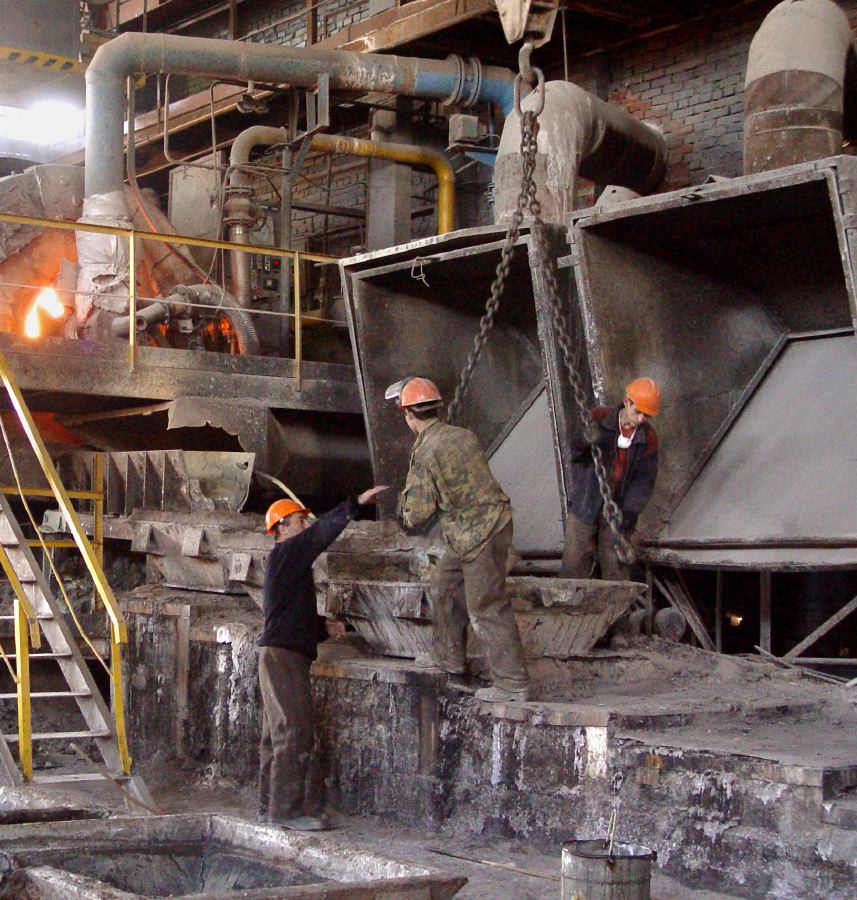 The processing workshop of batteries "Electrozink" in Vladikavkaz, 2005 photo: Vladimir Mukagov/TASS
Zalina believes that if there is an opportunity to transfer the plant, we must try to do this. If not, we need modern treatment facilities, a sanitary zone. This must be achieved. But you need to do everything correctly and with a cold head.
“We need to learn how to listen to each other. But now it is much more important for people to tell their truth. To convey it, shove it. It doesn’t matter what the other thinks. We all want some of our happiness, not thinking about others. And I feel good when others are good. If we have such thinking, no problems are afraid of us. Otherwise, there will not be an “electrocircus”, we will be different from ourselves. We will find reasons. "
Pierce the next bottom
In a few days in Vladikavkaz, I met dozens of views on the problem and with hundreds of various arguments of the opponents of Elektrozinka. Some can be distinguished in a separate category. These are chilling details about droplets of mercury, rolling into balls and falling from the ceiling in the workshops of the plant. About railway compositions, which now, one after another, leave the territory of Electrocink and take out the evidence of unknown atrocities from the territory. The fact that the fire was not a tragic accident, but by self -heiling the outdated workshop in order to simplify the procedure for building a new one. All this, to put it mildly, is doubtful. But there are such statements that they firmly settled behind the line of common sense. About the purposeful genocide of the Ossetian people, that it is the emissions of lead that make people indifferent to pollution. The fact that one of the areas of “Electrocinka” is experiments on people, and the legs of local ecologists that indulge this are growing from America.
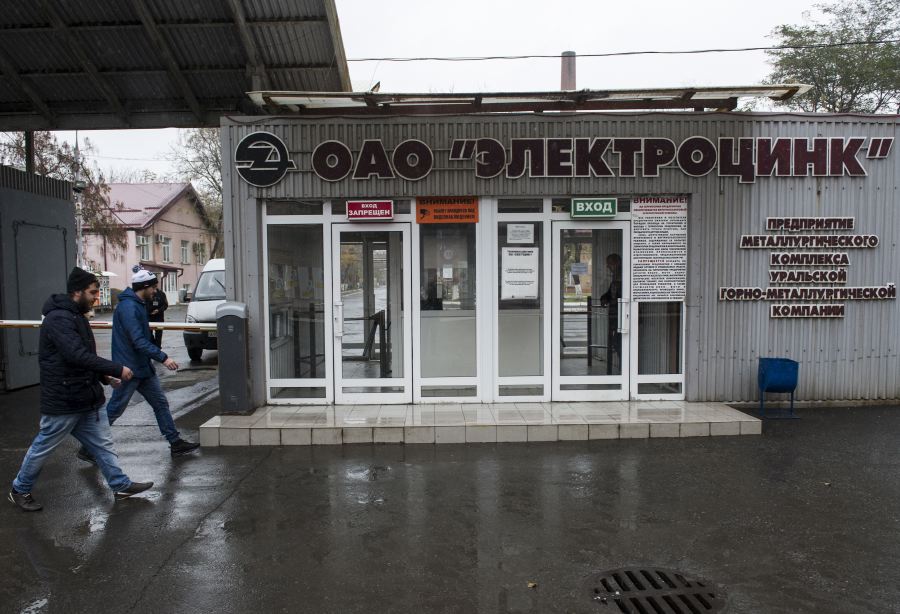 The enterprise of the metallurgical complex of the Ural Mining and Metallurgical Company OJSC Elektrozink in Vladikavkaz photo: Kirill Kukhmar/TASS
Someone will call this paranoid fantasies, but I see a direct relationship with the information policy of Electrocink. Its essence is this: there are no big problems, emissions are reduced from year to year, modernization is on schedule. And in addition - unreadable information about minor violations. This means that the plant does not see serious power in its opponents, prefers to ignore social moods, dissolve and not speak.
Meanwhile, it is the information vacuum that gives rise to rumors and speculation. Everyone draws his own monster. А расчет на то, что люди никогда не объединятся, чтобы всем миром уничтожить мифическое чудовище, выглядит очень самонадеянным.
Еще одно расхожее мнение в среде противников «Электроцинка»: не существует людей, которые искренне считают, что завод должен продолжать работать. А если они и представлены в природе, то одурманены высокими зарплатами или просто безнадежно глупы. Я сумел убедиться в обратном.
Это вполне адекватные люди, проработавшие на заводе десятилетиями, вырастившие здоровых детей и внуков и продолжающие работать, уже выйдя на пенсию. Есть те, для кого важна сопричастность к тем позитивным переменам, которые происходят в городе благодаря социальной политике завода. Есть и такие, кто «готов убить первого, кто придет закрывать завод».
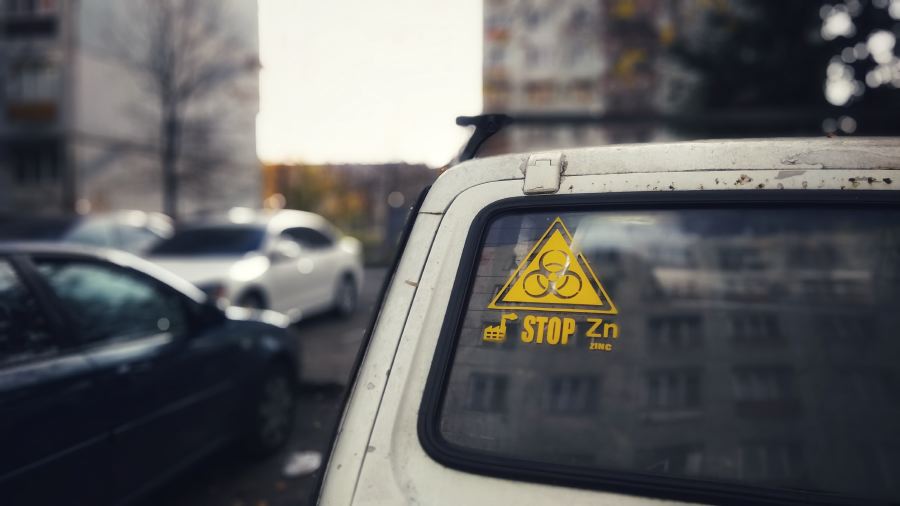 На улицах Владикавказа Фото: Николай Жуков
Я встретился с Виталием, большая часть жизни которого была связана с производством. По понятной причине он не захотел афишировать свою фамилию и попросил изменить его имя в тексте.
Он подробно рассказывает о технологической цепочке завода и тем самым снимает ряд вопросов. Признает, что аварийные выбросы случаются. Приятного в этом мало, но и смертельно опасного ничего нет. Загрязнение почв — это факт. Но закрытие завода не решит проблемы. Уверен, что кто-то ловко манипулирует настроениями в обществе, чтобы извлечь выгоду.
«Если в руководстве УГМК ребята психанут — они все-таки могут его закрыть. Сейчас челябинский завод расширен, производство можно перенести туда. Безусловно, это связано с огромными издержками. С другой стороны, не придется сюда руду возить с Урала».
Отец Виталия два раза лежал в онкологии. Так что он хорошо знаком и с этой проблематикой. И с реальностью местных медицинских учреждений. Мужчина говорит об уровне диагностики раковых заболеваний, который в регионе стремится к нулю. О специалистах, которые уезжают в поисках нормальной зарплаты или потому, что на их место претендовали родственники начальника. Говорит о деградации. И не только в медицине — во всех сферах, куда ни глянь.
«Но никто не хочет смотреть, а тем более думать. Это неприятно и сложно. Придется ведь искать ответы на множество вопросов, и к выводам можно прийти неблагозвучным. А так все предельно просто: стоит только избавиться от “Электроцинка” — и наступит благоденствие. Не наступит. “Электроцинк” — это серьезные отчисления в бюджет, около двух тысяч рабочих мест и масса социальных проектов. Убери отсюда завод — и без того нищая республика пробьет очередное дно».
Противоречивые цифры
Согласно данным прокурорской проверки, в период с декабря 2016-го по январь 2017 года деятельность предприятия осуществлялась с превышением установленных допустимых нормативов выбросов по свинцу в 2,2 раза, по цинку в 2,7 раза, по оксиду кальция в 2,2 раза. В установленном порядке ОАО «Электроцинк» не уведомляло управление Росприроднадзора по РСО-Алания об 11 аварийных остановках сернокислого цеха и связанных с ним аварийных выбросах загрязняющих веществ в атмосферный воздух за 2015—2016 годы.
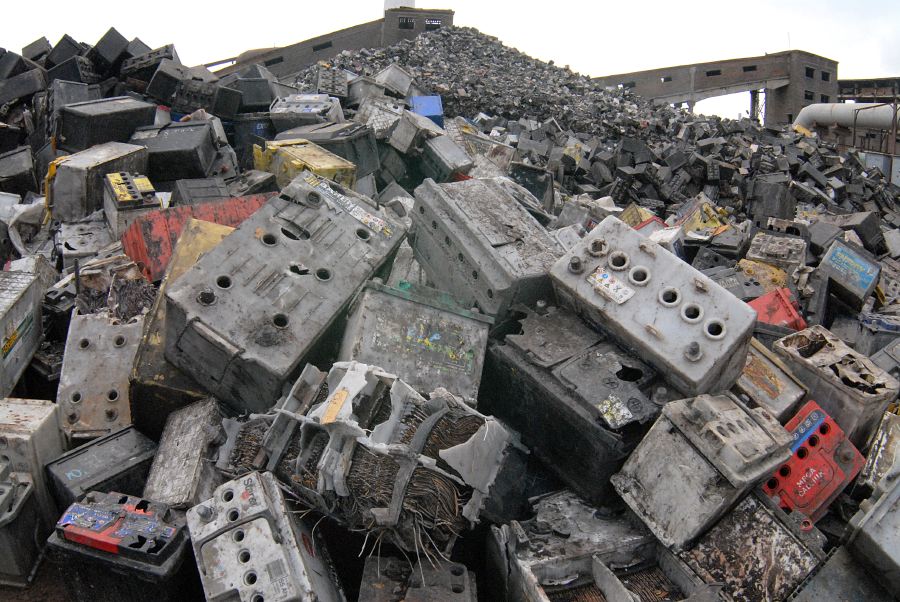 Vladikavkaz. Свалка старых автомобильных аккумуляторов
Виктор Погонцев/Интерпресс/ТАСС Фото: Виктор Погонцев/Интерпресс/ТАСС
Осуществлялся сброс в реку Собачья балка производственных сточных вод с превышением установленных нормативов допустимых сбросов в 2,6 раза. Предприятие проводило захоронение не подлежащих дальнейшему использованию отходов цинкового производства четвертого класса опасности — шлама нейтрализации серной кислоты (гипса). Поверхность хранящихся насыпью отходов не была защищена от воздействия атмосферных осадков и ветров.
За 2017 год выдано 23 предписания об устранении нарушений природоохранного законодательства. Сумма штрафов в отношении юридического лица составила 2310 тысяч рублей, а в отношении директора предприятия — 193 тысячи рублей.
У Роспотребнадзора иной угол зрения на проблему.
Фактические выбросы загрязняющих веществ в 2017 году составили 885 тонн, то есть 55% от установленного норматива ПДВ. Фактические выбросы загрязняющих веществ снизились в 2017 году в 7,3 раза по сравнению с 2004 годом, когда объем выбросов составлял 6488 тонн. Сброс сточных вод в водные объекты сократился за этот же период в 21 раз, а сбросы тяжелых металлов — в 1608 раз.
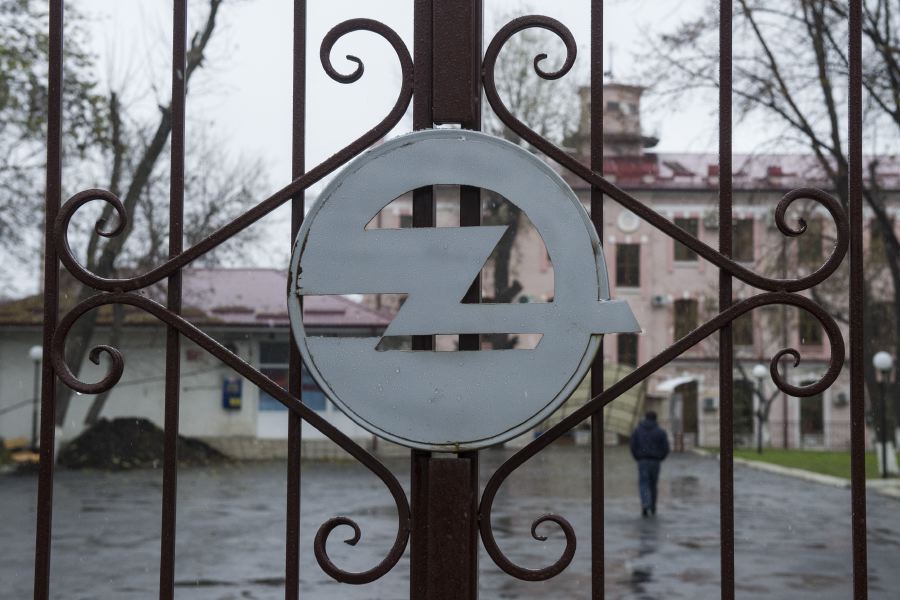 Vladikavkaz. Предприятие металлургического комплекса Уральской горно-металлургической компании ОАО «Электроцинк» Фото: Кирилл Кухмарь/ТАСС
Плановая проверка в отношении ОАО «Электроцинк», проведенная управлением в 2017 году, не выявила превышений установленных нормативов в атмосферном воздухе и воздухе рабочей зоны. На стационарном посту ФБУЗ «Центр гигиены и эпидемиологии в РСО-Алания» за полтора года исследовано 3226 проб атмосферного воздуха, в том числе и на ионы свинца — 162, все пробы соответствуют требованиям гигиенических нормативов.
Владикавказ вредное производство Северная Осетия экология Электроцинк