
Translated material
The British parliament published more than 200 pages of internal documents Facebook
The fight against competitors and the possibility of selling access to user data were discussed there
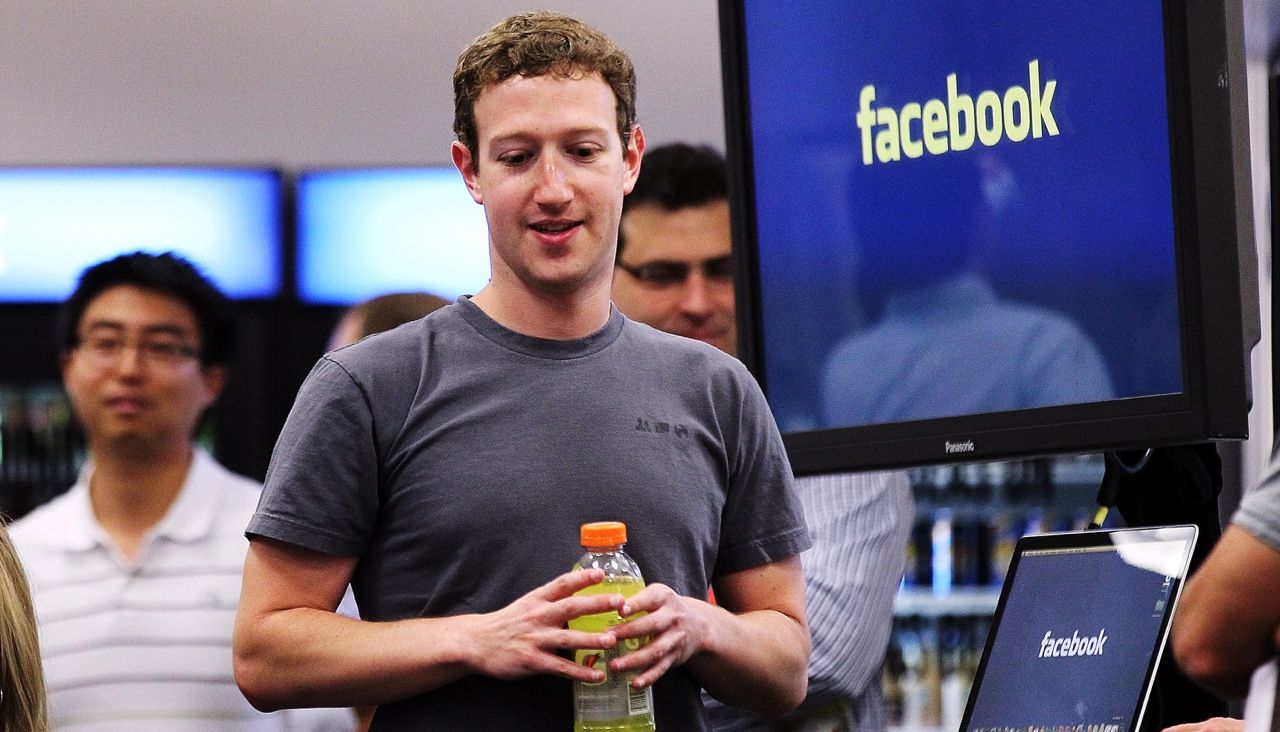
On December 5, a member of the UK Parliament Damien Collins published more than 200 Facebook internal pages, to which he gained access in late November. Documents include the correspondence of the company top managers about monetization methods, cooperation with developers and handling users.
Collins is headed by the Parliamentary Committee, which is investigating the work of Facebook due to the scandal with Cambridge Analytica and the spread of fake news. The parliamentarian said that the publication of documents is “significant public interest”, and explained it by the lack of “direct answers” from the company.
Collins listed the main, in his opinion, conclusions from these documents. Below are some of them - as well as what the journalists paid attention to.
- After the decision to limit the access of user data developers in 2014-2015, Facebook made an exception for several large companies, including Netflix, Airbnb, Lyft and Badoo. Collins claims that companies were given "full access to friends about friends." Facebook said that “any short -term exceptions during the transition period” were designed to prevent problems in the use of services, reports The Guardian.
- Facebook discussed the possibility of earnings by providing developers with paid access to user data. In particular, in 2012, in one of the letters, the founder of the company Mark Zuckerberg wrote that from developers you can take money for "reading any data, including friends." On December 5, 2018, in a post on the publication of documents, Tsuckerberg said that on Facebook, “like in any other organization, there were many discussions and people offered different ideas.” “In the end, we decided to provide the platform for developers for free and allow them to buy advertising. <...> This is different from the data. We have never sold any data, ” Tsuckerberg said.
- Facebook discussed how to hide from users a collection of data about their calls and messages in the application for Android. In 2015, one of the employees wrote to colleagues that the operating system would ask users permission to collect these data, and this represents for the company the risks in the field of PR - and even suggested that this would lead to the emergence of loud headings that Facebook monitors users. From the documents it follows that the company found a way not to show users a dialog box. In March 2018, Facebook rejected the accusations assembly of these data without consent, although the experience of many users speaks the opposite, writes The Verge.
- Facebook used the data of the ONAVO VPN service belonging to him to collect information about the work of other applications-and, according to Collins, for the adoption of business solutions. So, in the documents there are 2013 data on the growth of the popularity of the WhatsApp messenger; A year later, Facebook bought this company for $ 19 billion.
- Facebook aggressively fought with competitors. On the day of launch of the Vine service on January 24, 2013, one of the employees wrote: “Twitter today launched Vine <...> they allow you to find friends with Facebook. If no one objects, today we will turn off their access to the API to search for friends. ” Mark Zuckerberg answered the letter with the words "Yes, come on." The closure of Vine was announced in 2016.
- Mark Zuckerberg doubted that data leakage is likely and represents strategic risk for the company. In the 2012 correspondence - before the data of millions of users illegally found themselves at the disposal of Cambridge Analytica - he said that "it cannot present a situation where the data leaked from one developer to another and this has become a serious problem for us."
Facebook said that the publication of these documents in this form “misleads” without “additional context”. Mark Zuckerberg wrote that he “understands” close attention to managing the company and considers it a “healthy” situation, however, “it is also important that the coverage of our activities - including the explanation of these internal documents - is not represented by our actions and motives in the false light.”
The documents published by Collins were seized in London from an American entrepreneur Ted Kramer from Six4three, which suits Facebook in California. Kramer lawyers received them during the trial; Documents, some of which are noted as secret ones should not have been made public and, as Buzzfeed writes , Kramer himself should not have access to them.
When the businessman came to London in November, the Collins Committee sent him several written demands to transfer documents to his hotel; One of them personally brought the parliamentary bailiff. Kramer, in his own words, was frightened by threats to hold accountable, and gave the files to the parliament, after which he quickly left the UK. According to Buzzfeed, Damien Collins could learn about the whereabouts of Kramer from The Observer journalist Carol Cadwaleser - the businessman claims that he said only to her in which hotel he stopped. In 2018, the cadlater was one of the first to write about the scandal with Cambridge Analytica, and in November the first to report the removal of Facebook internal documents.
Victor Davydov