
Translated material
Russia was called the main source of misinformation during elections and referenda in the EU countries
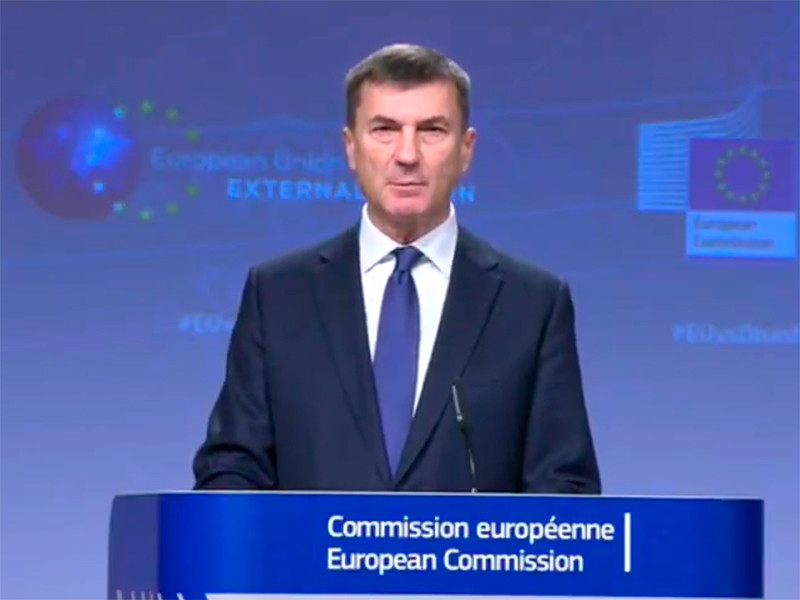
The Deputy Head of the European Commission Andrus Ansip said that Russia is the main source of misinformation for European countries during elections and referenda. This statement was made against the backdrop of the preparation of the European Union for elections in the European Parliament in May 2019, Interfax notes.
"We saw attempts to intervene in our elections and referendums and evidence indicating Russia as the main source of these campaigns," the Ansip agency quotes. “We need to be together, unite our forces to protect our democracy from misinformation.”
Earlier, the European Commission proposed creating an emergency warning system for misinformation, which would operate between the EU countries and the authorities of the Union. It is also supposed to increase the budget for countering propaganda - from 1.9 million to 5 million euros. This money should go to expand the staff of specialists and additional equipment.
In addition, the European Commission ordered Facebook, Google, Twitter, Mozilla to actively respond to statements about the facts of disinformation and submit EC monthly reports on its work in this direction from January to May 2019.
In recent years, Russia has been accused of intervention in the 2016 US presidential election, which Donald Trump won, and also suspected attempts to influence politics in several European countries.
In July 2017, Reuters reported that Russian intelligence officers tried through fake accounts on Facebook to spy on the election headquarters of the Emmanuel Macron, which later became the president of France.
At the end of the same year, British Prime Minister Teresa May accused Russia of interfering with the internal affairs of other countries with the help of fake news and hacker attacks. In October last year, the British parliament requested a data on the possible intervention of Russia in the Facebook social network to the British exit from the EU (Brexit), as well as on early parliamentary elections in 2017 with the help of cyber attacks, fake news and disinformation in the democratic processes that took place in Britain.
At the end of October 2018, the Great Britain government stated that it did not have evidence of Russia's effective intervention in domestic political processes in the country. At the same time, the Cabinet of Ministers noted that London continues to cooperate with foreign partners in order to counter the disinformation campaign from Russia. In addition, the government intends to spend more than 100 million pounds (about 130 million dollars) in the next five years to confront the subversive activities of the Russian Federation.
In September of this year, US Minister of Defense James Mattis accused Russia of trying to influence the results of a referendum prepared in Macedonia regarding the agreement with Greece about the new name of the country and on the issue of its entry into NATO and the EU. The referendum took place on September 30 and was recognized as failed .
Earlier, in July, Greece sent two Russian diplomats and banned the entrance to the country to two more, accusing them of trying to bribe officials and incite protests to disrupt the agreement between Athens and Skopier. In Moscow, the charges were rejected and reacted by the expulsion of Greek diplomats.
The Russian authorities also repeatedly rejected all the statements of Western politicians about the alleged intervention of Moscow in foreign electoral processes.
We add that recently, Twitter and Facebook have been making great efforts to identify fake accounts in social networks that distribute false information. It is assumed that behind this propaganda system is not only Russia, but also Iran. Earlier, assumptions were made that such accounts and pages are used for misinformation in order to influence the election results.