
Translated material
The right to IMEI
Senators want to register smartphones following the example of Kazakhstan
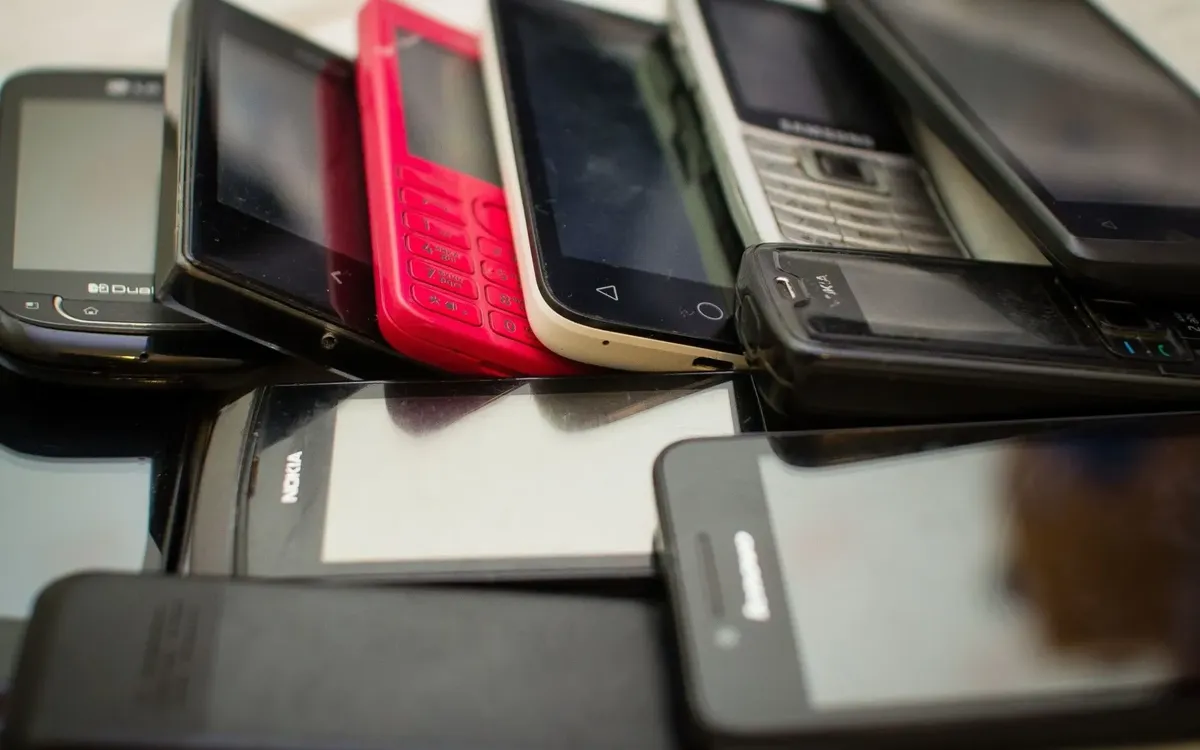
It took Russia a little more than six months to adopt from its largest border neighbor and friend - Kazakhstan - the practice of registering mobile devices. If earlier the authorities had enough information about the subscriber issue and its owner, now the regulatory authorities want to know which device belongs to you. The Federation Council put forward the initiative, in the Duma they already spoke approvingly regarding the future bill.
In Kazakhstan, this rule has been operating since the end of March, and active registration has begun in June. Those who do not provide the IMEI code of their apparatus tied to IIN (an individual identification number attributed to each resident of the country) will automatically turn off the connection from January 1, 2019. If the subscriber tries to take another phone, there will be no connection either, because it is not registered.
If he took someone else's phone and did not register it on himself (even if it is a wife’s phone, for example) - in fact it will be considered a theft.
If the subscriber has a phone with two SIM cards, it must be recorded twice. If the device changes, it must be removed from registration. If the device is lost, it is necessary to notify the mobile operator about this (behind which the national security committee looms). In addition, tablets, modems with SIM cards and children's hours with a call function are subject to registration.
In Russia, the story with registration so far looks softer: the base of unified IMEI codes (this is a 16-digit code on the sticker inside the phone) should be created by 2023, the phones produced in the country will enter there automatically, imported importers and private individuals need to be recorded. Registration will be paid, but the initiators (expert council under the government) argue that the amount will not exceed 100 rubles. All concepts were discussed back in July, and last week amendments to the Code of Administrative Offenses were presented, which suggesting fines for fake IMEI.
The logic of legislators is that registration will allow collecting taxes - according to the July estimates available to the Vedomosti newspaper, we are talking about 14 billion rubles a year. In addition, this measure will ideally allow you to deal with the import of gray phones, since unregistered phones simply will not work, which meaning all the smuggling. But in the same Kazakhstan, the main motive for registration of devices from a particular subscriber is the possibility of objective surveillance and wiretap.
“It is not yet very clear what is meant by“ IMEI registration, ”says Vladislav Zdolnikov, the IT specialist, founder of TGVPN. - If this will be done by the importer of the devices or their seller, and there will be no personal data of the end user - this is a story only about collecting additional money. Plus, obviously, some gray schemes for bribes will appear, as it always happens in such cases. As for surveillance-at the moment, when a person turns on the phone with a SIM card, the operator retains the bunch of “phone number + IMEI”. By this connection, you can track all the following SIM cards, even if they are decorated on another or fake person, that is, the phone loses anonymity forever. ”
Another thing, the specialist adds if, when registering IMEI, it will be necessary to indicate the personal data of a particular person, as implemented in Kazakhstan. “But in this case, it is not very clear what the problem is to indicate the fake data or the data of another person,” the healthy people are perplexed. Unlike Kazakhstan, the Russians do not have a binding to their own identification number, so you can be in the "gray zone" without much stress.
In other words, the dragon plans of the special services, if any, are traditionally at risk due to the principle of the optional performance and the ability of people to bypass even the most severe rules. Interesting, however, what
In many controversial or forbidden initiatives, Russia is one step behind Kazakhstan, as if a strategic partner is used as a test training ground.
In fact, this, of course, is not so, just Astana with great pleasure introduces frankly repressive rules.
In Kazakhstan, they know how to convince citizens that everything for their own good: when at the beginning of last year officials forced people to register in another place if they leave the house for more than nine days (even if they move to a neighboring apartment), people died in lines, but registered. Russia takes from the “god of this neighbor” (the characteristic of Nursultan Nazarbayev about the relations of the two countries) the most efficient initiatives and realizes them in its manner.
So far, an obvious leitmotif for borrowing experience is a fiscal interest - but in the political sense, Kazakhstan of Russia has something to adopt. For Astana, problems-2024 simply would not exist, since Nursultan Nazarbayev runs the Constitution for various reasons regularly and has long removed the norm on two presidential terms for himself. In order not to look for the successor, he strengthened the role of the Security Council, becoming there as the main leader - although, like some, Nazarbayev always said that he would not stay in his post longer. Astana calmly figured out social networks (they can be blocked at any time, and Kazakhstanis are already accustomed to malfunctions on Facebook, they do not protest), I brought journalistic investigations to zero, obliging correspondents to ask for written consent to the publication of personal data of officials.
Following Kazakhstan and Russia, by the way, the practice of monitoring and twisting of nuts on the Internet is introduced by Belarus. From December 1, a mandatory preliminary identification of users of online resources has been introduced there. In addition, all information about users, site owners (primarily socio-political) will have to transfer to regulatory authorities (including tax authorities) at the first request. There is no more anonymity. Watch the words, be careful.
The reverse side of such an experience is an open sliding into the past, but for hybrid authoritarian regimes this is not a problem at all. It remains to decide whether the problem for Russia is that it gradually becomes such a regime.
With the support of the "Mediasa"