
Translated material
Trade crisis with delivery
The leader in the Internet trade market has lost $ 1 billion. What does this mean for Russia?
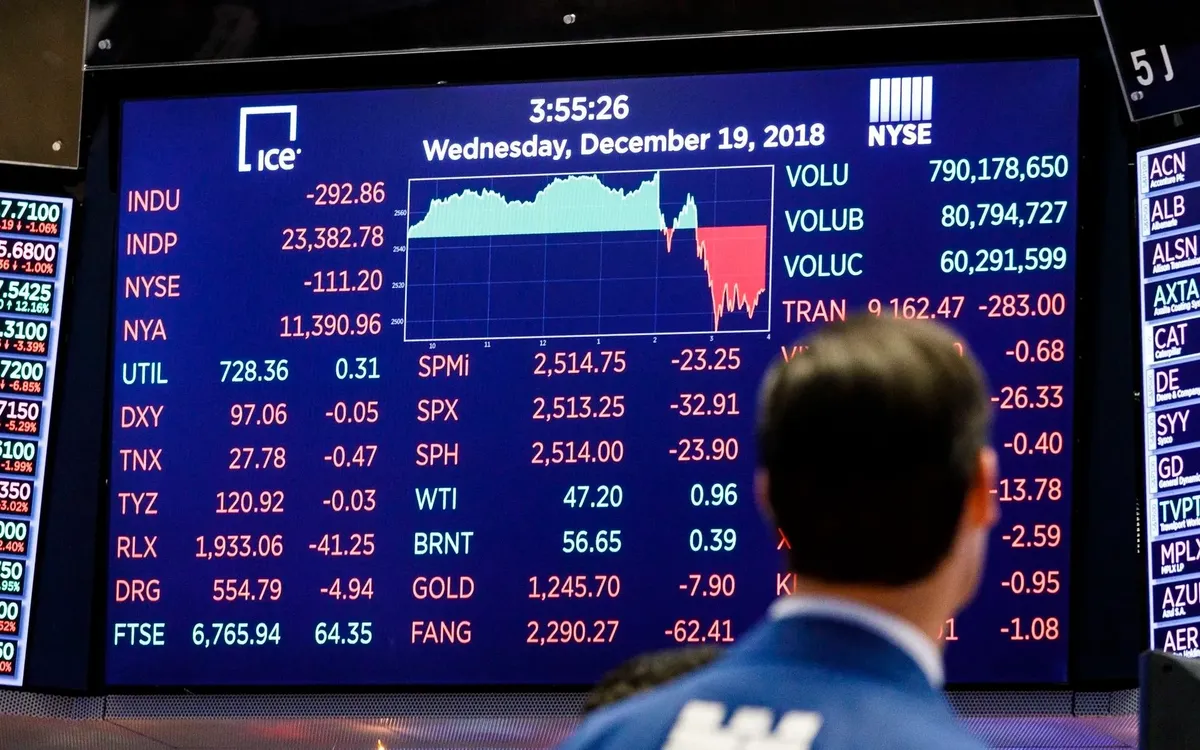
On Monday, the capitalization of the largest British online retailer of ASOS collapsed by 40% (more than $ 1 billion). So violently, the market reacted to a decrease in forecasts for the growth of company revenue in the festive season. In consumer demand, the uncertainty around Brexit and the protests of the "yellow vests" in France are pressed. As a result of the sale of a store this year, only 15%, and not by 25%, as previously expected.
Following the ASOS, shares of other major retailers have fallen in price. For Western analysts, this collapse was a surprise: no one expected that the “great retail apocalypse”-a crisis of traditional offline stores, which has been counted since 2010-will get to electronic trade so quickly. And the point here is not only in specific risks for the British economy, suffering from a prolonged clarification of relations with the European Union, but also in the problems of the transformation of modern trade in general.
In recent years, massive bankruptcies of large inpatient retail in the West have become familiar. The announcements of the rental were shed every fifth commercial on Manhattan.
Even Walmart faced financial problems - a symbol of American consumer well -being. The malls and retail networks with many years of history (which, however, continue to control the main segments of retail) began to come to come new technological companies, among which Amazon, which today occupies almost half of the American E-Commerce market.
The business of these companies is not based on bright windows and spacious trading halls, where people are pleased to spend time, but online platforms and nondescript warehouses, which are scored by robots-sorties ( or more often unskilled migrant workers. - Ed. ). The pleasure of shopping with the advent of the Internet faded into the background, losing competition with convenience from purchases in one click.
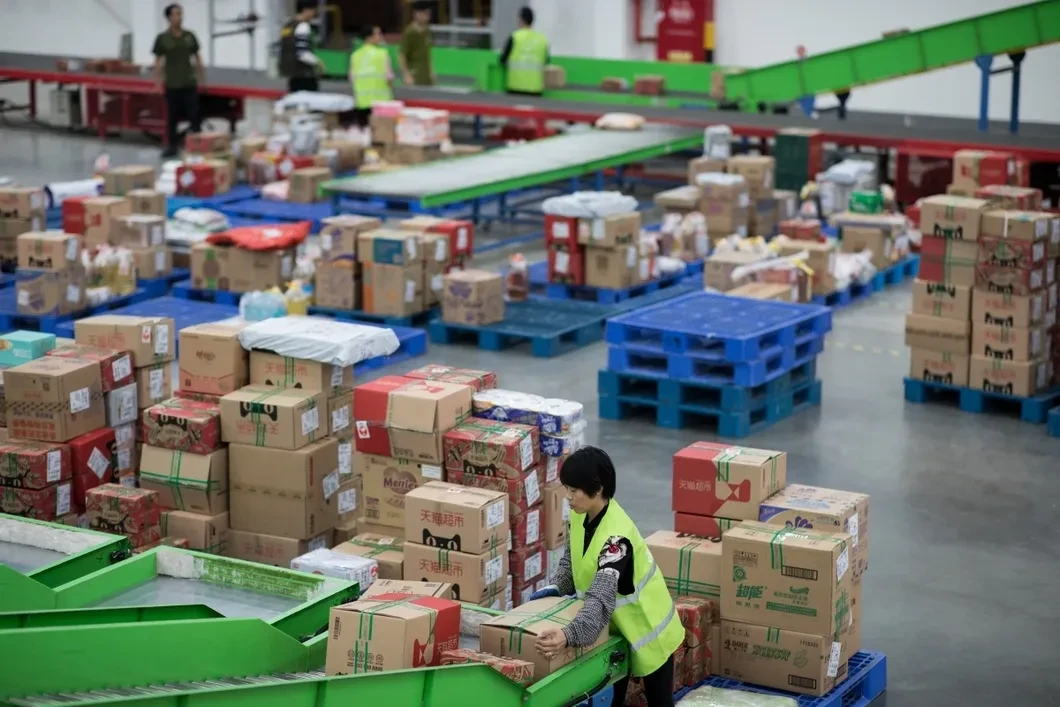
Accustomed to the variety of goods, personalization and instant delivery during purchases on the Internet, people are not very willing to return to physical stores. Therefore, the old retail is trying to rebuild on digital rails in full swing to save buyers. The key to success consists in the variety of retail formats and sales channels: by 2021, the same Amazon plans to open 3,000 stationary “smart stores”, which work without cashiers.
In Russia, e-commerce quickly became a hit, including due to the wide Internet cover and spread of smartphones (the number of Runet users is 90 million people). According to the Romir holding, online sales of everyday demand in 2018 grew by a third. The market volume is estimated at about 1.5-2 trillion rubles. Trade via the Internet is 5% of the total retail turnover, although by 2025, according to the forecasts of the Ministry of Industry and Trade, it can grow up to 20%.
The largest domestic players in the online online market-Ozon and Wildberries, but 2018 became a turning point for the industry. In recent months, it has become known at once about two large -scale projects applying for the status of “Russian Amazon”. One is implemented by Yandex and Sberbank, the other is Mail.Ru Group, the Russian Direct Investment Fund, MegaFon and the Chinese Alibaba. Each consortium has its own competitive advantages, so it will be curious to follow this fight.
At the same time, a deep stagnation was an economic backdrop for the paper of online sales in Russia. It was the retail trade sector, which was the growth driver in the zero years, who suffered most of all from the crisis of recent years and is not going to recover. 2018 has every chance to continue the trend for the fall of real incomes of the population, which has not stopped for five years.
Due to the growth of the tax load and increase in fuel prices, Russians will expected the rise in price of all the main goods and services, including socially significant categories.
The economic crisis adjusted the consumer habits of Russians: people began to make purchases more carefully and carefully plan the budget. And Internet services are just ideal for comparing prices and finding the most profitable offers (it is no coincidence that the number of orders from Chinese online stores is growing quickly). This is more concerned with non -food goods, where the share of delivery fees is not so large.
Nevertheless, the case of ASOS shows that the prospects of online retailers are far from cloudless. Due to high costs for logistics and attracting customers, the marginality of the online rendil is very low. Amazon earns on cloud technologies and advertising, and the trading direction brings an IT giant loss.
Actively investing in the expansion of its market share, Amazon prevents everyone else. Competition forces retailers to hardly dump, luring buyers with all kinds of promotions and loyalty programs.
The final result partly resembles the Uber phenomenon: a taxi aggregator that has radically changed the device of urban transport, is still reporting on tremendous losses.
Against the backdrop of ASOS, analysts again spoke that the E-Commerce sector could be overestimated. And since 2019 promises to become the year of consumer nervousness, you can wait for new reports about the procession of Retail apocalypse online.