
Translated material
Art as a guess and inquiry
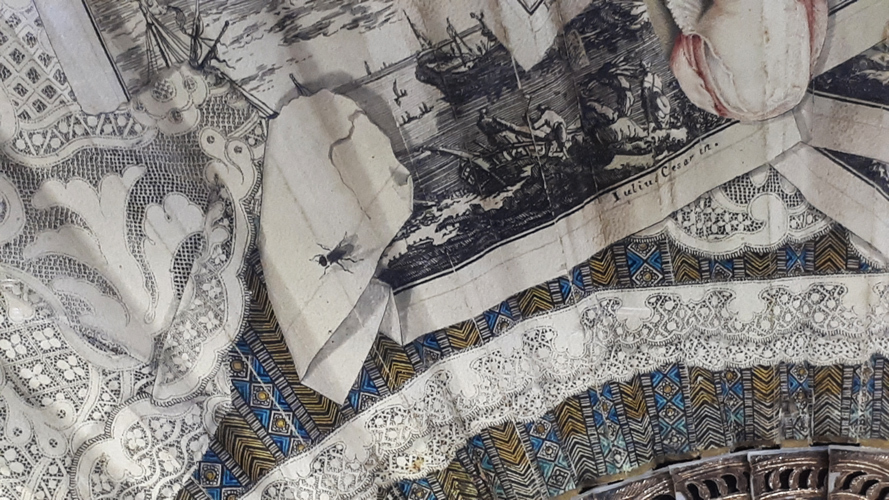
2018 was the year of farewell to those who largely determined the image of domestic culture. In the last days of the year , a professor at Moscow University Mikhail Allenov passed away . A world -famous scientist, one of the best specialists in Russian art of the New Age, he was a favorite of many generations of students of the history of art of the History Faculty of Moscow State University. The elegant, elegant, wisest and thinnest in the figures of speech Mikhail Mikhailovich generously shared the ability to admire art and be free in judgments about it.
The classic of science about art was his monograph “Alexander Ivanov”, books on the history of painting, sculpture, architecture of the 19th century. The method used by Mikhail Mikhailovich inherited somewhat to hermeneutic tradition and the tradition of interpreting the images/images specified by the memory of the civilization of the culture. This tradition is associated with the so -called Hamburg school (traditionally called "Abi Warburgh school").
However, with all the proximity and parallelism of the search, Mikhail Allenov created his own navigation in the world of creativity. Discussing the dogmas and violating the main routes, he accurately brought the resonant systems of speech of many territories at once: music, theater, fine art, architecture and, of course, literature. In the literature, he saw the key to the so -called opposite illustration: monuments of spatial arts recognize themselves in verbal paths. It is not without reason that one of his most famous books is called "Texts about texts."
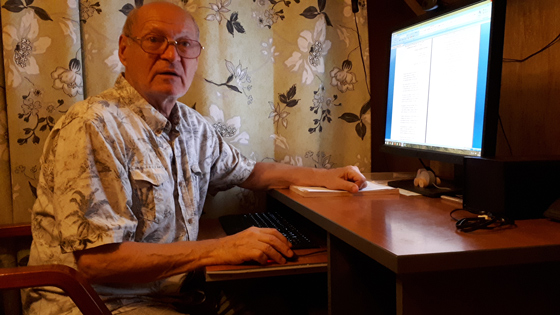 © S. Khachaturov M.M. Allenov
This hybrid method is very in demand today, when the boundaries of species and genres are transparent, the aesthetics of interaction determines the horizons of interpretation, and large academic narratives and “school” attitudes have gone into the shadows. I will say more as a student: the metamodern method with its atopia of metaxis, swings of images, estimates and emotions moving for the sake of formulating new value meanings was anticipated by Allen in 1980 in the monograph “Alexander Ivanov”. In it, on the material of a large picture (“the appearance of Christ the people”) and other works of the Russian painter, the theme of the pause, the equilibrium of the system before its further rocking, the topic of conscience as a compulsory personal choice of not only characters, but also the viewer, are difficult to articulated for the first time.
Today are two exhibitions of the State Hermitage, “Pierrot della Francesca. Monarch of painting ”and“ Do not believe your eyes. Deliveries in art ”, as if revealing that world of images and their interpretations, which always fascinated the famous scientist.
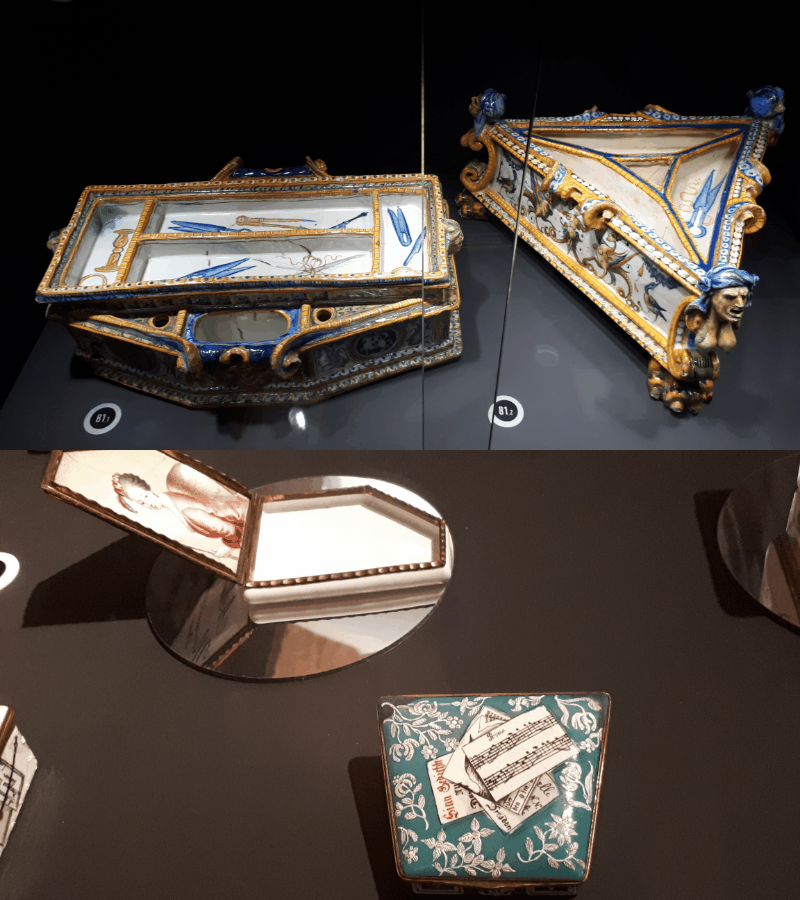
Snacks. Western Europe, the middle of the XVIII century. Copper, enamel
© S. Khachaturov
The exhibition of the master of the Italian Renaissance of the 15th century Pierrot Della Francesca, formed by artists Andrei Sheleutto and Irina Chekmareva, is installed in the likeness of a certain ghostly temple - a chapel with translucent parchment walls. In a cloud of matte light, the art of a brilliant master of the Renaissance is perceived amazingly voluminous, smart and difficult. Highlighted color and painting with almost no shadows, with modeling forms of lightness gradations and gold medieval amer lines force the viewer to perceive the space of a paper chapel as a kind of project of the future temple, which the artist from Borgo-Sansepolcro only partially decorated ...
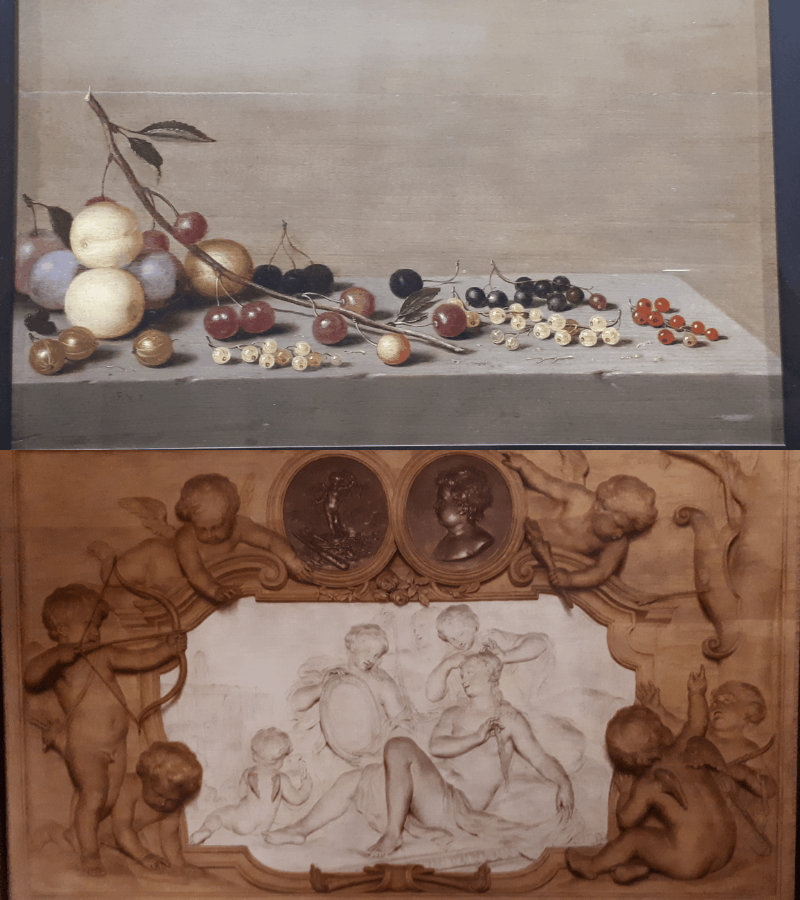
Floris Herrit Van Sudota. Still life. Holland, the first half of the XVII century
In the second frame: Martin Joseph Gerarts. Decorative panel "Toilet of Venus". Flanders, approx. 1750s. Canvas, oil
© S. Khachaturov
A medium is created that is very malleable to the idea of an art of art as assumptions, incorporation. It was this topic of the inconsistent, based on the guesses and inquiry of criticism that became the main thing in the works of the employee of the Institute of Warburg Michael Baxendall in his essay “Truth and other cultures:“ Baptism of Christ ”Pierrot Della Francesca. There are no baptisms at the exhibition in the Hermitage, but there are sacred images for Borgo-Sansepolcro, portraits of Montephaltro and Malatrot family members, as well as treatises on mathematics and geometry.
Mikhail Mikhailovich Allenov loved to turn to the formula of the romantic universe: the contemplation of everything under the sign of the whole. The works scattered at the exhibition create the opportunity to complete the Della Francesca universe in intellectual guesses and emotional forebodings of the audience. Strange removable, while the axial images are like columns, capitals, vaults of an imaginary temple. In this space, the light flows from the inside. His source is elusive. Inquiry-conference on the method of Pierrot della Francesca help to make books laid out in the windows. The heads in them turn into geometric shapes dotted with numbers in the numbers.
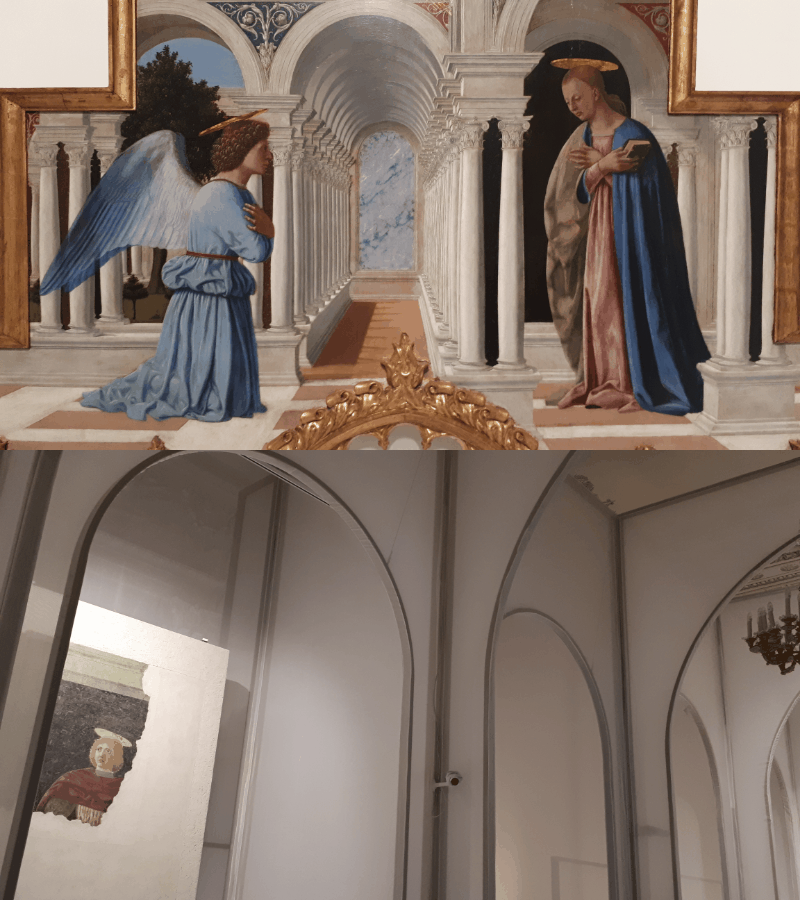
Annunciation (the upper part of the polyptych of St. Anthony). 1460s-1470s. National Gallery of Umbria, Peruja. Fragment
In the second frame: Fragment of the exhibition Pierrot della Francesca
© S. Khachaturov
Pierrot della Francesca was a mathematician and, in addition to drawing and color, very highly put the concept of commensuratio - Michael Backendall is analyzing him in detail in his article. Commensuratio is a kind of “smart proportion”, which creates the consent and promising correspondence of all parts of the composition, and also provides harmony between the surface of the picture and the illusory depth of space. That is, relying on our vision, we can foresee that della Francesca worked in painting as an architect. What explains the unique dialogue of different types of creativity in the art of the master, and at the same time that he was the author of a popular geometry textbook. The closer, armed with guesses and assumptions in accordance with the world of culture of the 15th century, peering into the paintings of Della Francesca will give us a deep understanding of their complex design (intentions) in different registers of interpretation. So Bacendall thought. Mikhail Allenov strove to such exhaustive conclusions about the nature of the masterpiece, guided by his linguistic forebodings and preferences.
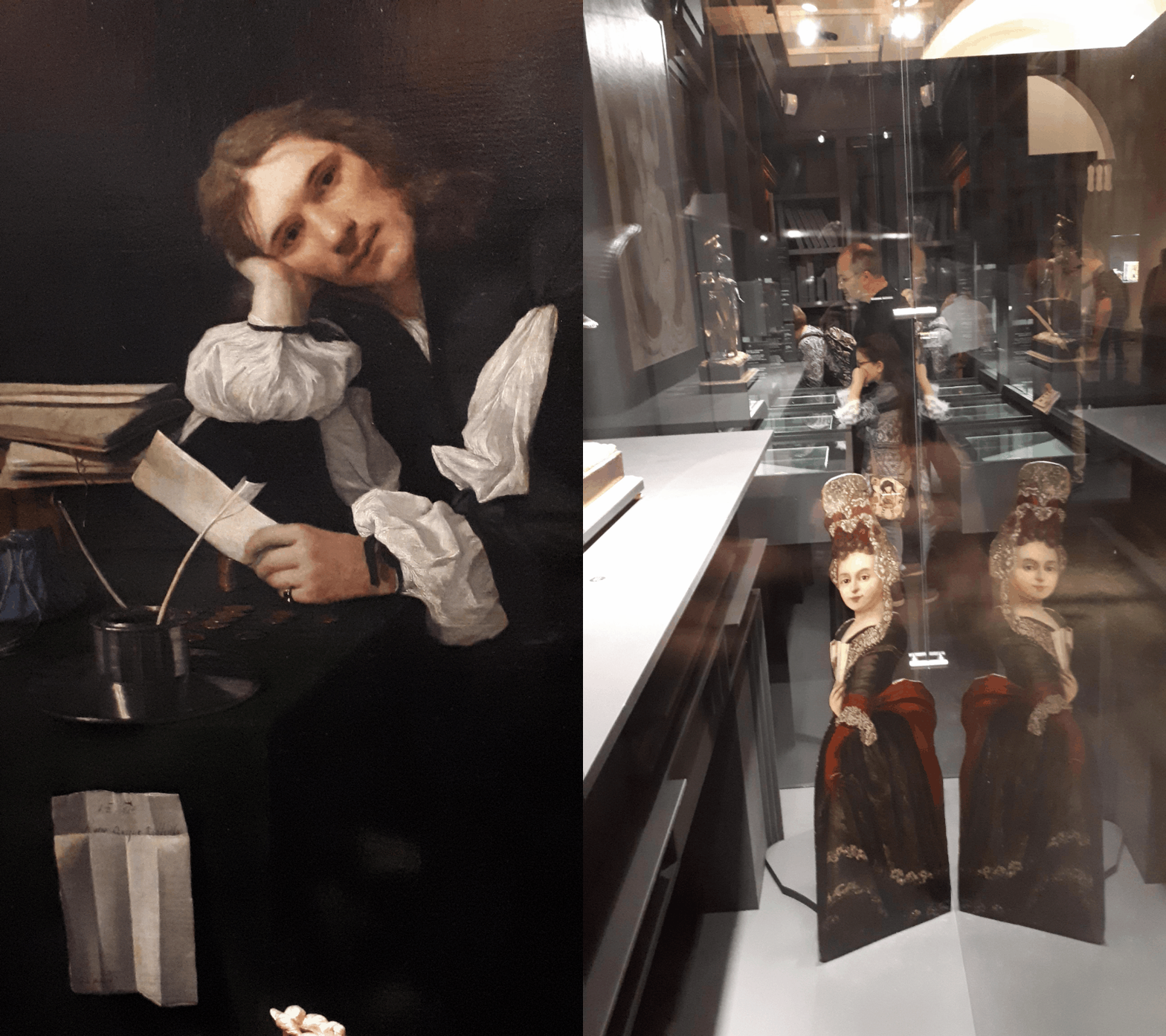
Michael Sverts. Portrait of a young man (self -portrait?). 1656
© S. Khachaturov
The gambling, adventurous, adventure nature of artistic creation was very welcomed by Professor Mikhail Allenov. These definitions correspond to another exhibition in the Hermitage - “Do not believe your eyes. Deliveries in art. " The theme of inquiry, evidence, quest enters the world of deception programmatically. Through the efforts of the same group of artists (Andrei Sheleutto, Irina Chekmareva, Timofei Zhuravlev), the exhibition space in the Hermitage Manege resembles a giant cabinet with a lot of doors, wings. On the main axis, the visitor sees the prospect of the central corridor, decorated as ancient regiments with architectural elements. Along the perimeter around there are five more corridors, separated by false walls with architectural tricks and landscapes. There are many secret boxes in the giant cabinet-cabinet. They have different Kunstkameric rarities from the collection of the Hermitage, from the ancient Egyptian to the era of Ar-Nuvo.
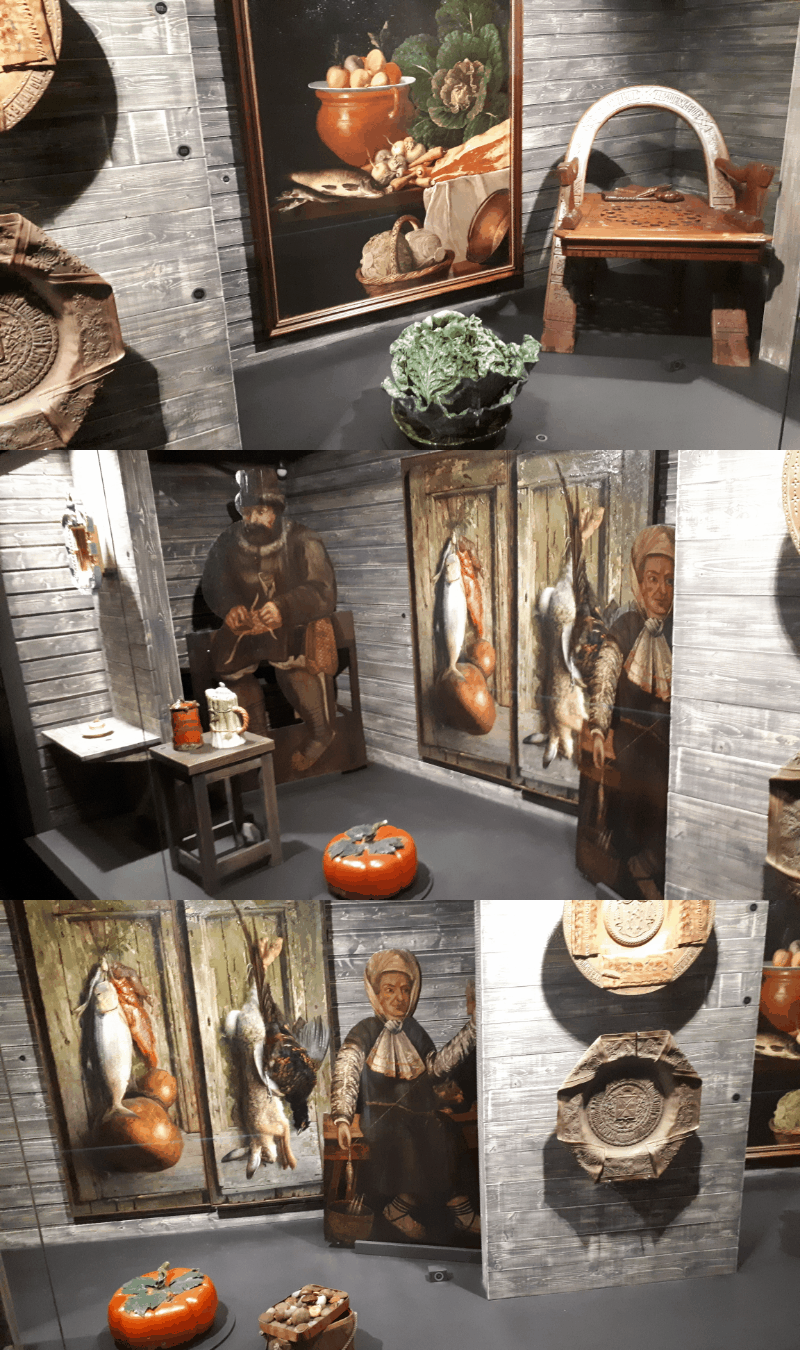
Fragments of the exhibition of the exhibition "Do not believe your eyes"
© S. Khachaturov
In general, curators Irina Bagdasarova and Natalya Bakhareva created the image of artistic heterotopia. It is known that the theme of heterotopia (other spaces, topos of civilization) was introduced by Michel Foucault. In his book “Words and things”, he explained the attractiveness of these places: “Heterotopia is disturbed, apparently because they imperceptibly undermine the language; Because they interfere with calling this and that; because they “break” household names or create confusion between them; Because they destroy the “syntax” in advance, and not only the one that builds sentences, but also the one, less obvious, which “lips” words and things (by adjacency or confrontation with each other). ” Coarisms with tricks is the best example of heterotopic places in the world of art.
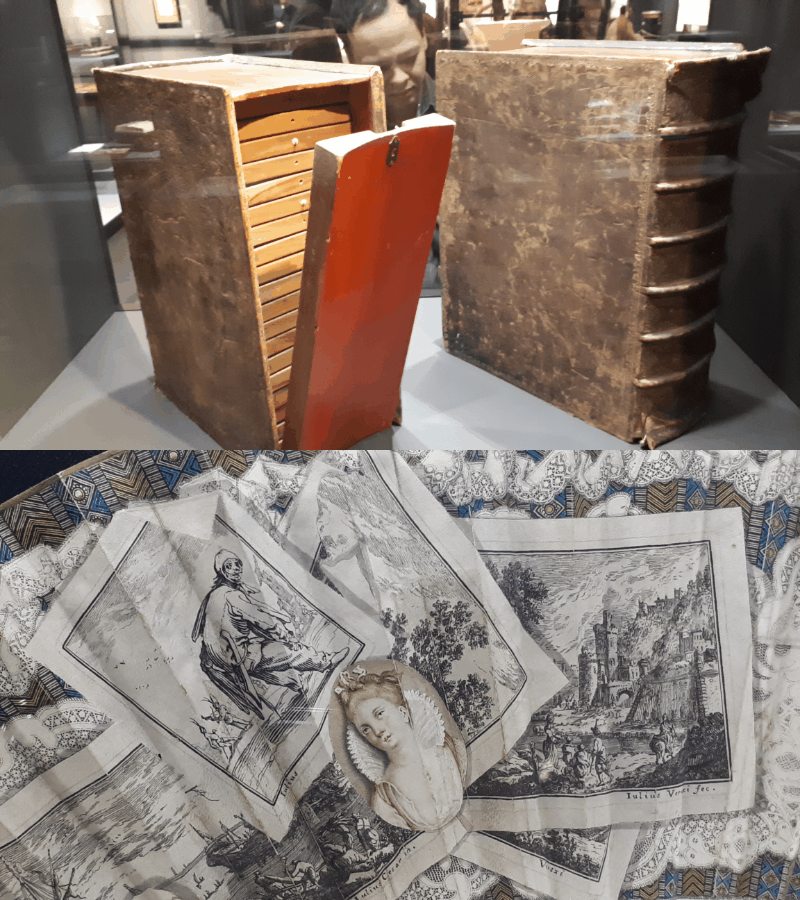
Caskets in the form of books. Switzerland, 1880s. In the second frame: fan. Parchment, mother of pearl, engraving, carving, gilding. Italy, 1750s. Artist Yu. Veratsi
© S. Khachaturov
The essence of the “deception” by curators is understood from the standpoint of quite academic. Deliveries are divided into architectural illusions, tromblets (Trompe-L'œil) , an imitation of relief, objects, objects of wildlife, materials. All these categories are abundantly illustrated at the exhibition by various wonderful little things. For example, a musical box hidden in the binding of a book; bronze clocks that turn out to be cut out of wood; Pictures in the technique of Grisili (reproducing the marble relief); overlaid figures; porcelain in porcelain fruits and vegetables; A transparent crystal, according to which drawn flies crawl ... Separate sections are devoted to non -European tricks of the ancient East and Antiquity.
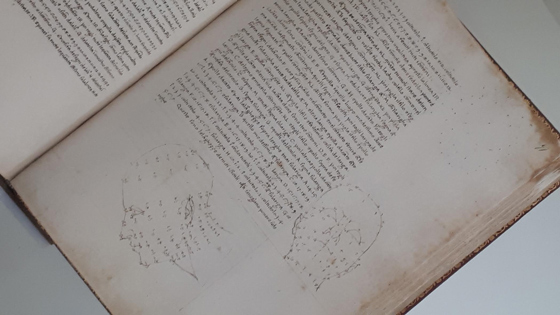 © S. Khachaturov Piero della Francesca. A treatise on perspective. The beginning of the 1480s. Library of Palatine, Parma
In fact, it turns out that the authors of the exhibition, luring us into their wonderful casket, then try with all their might so that the heterocleet, heterotopic place is completed in our imagination to the “normal”. That is, the level of generalizations is immediately set, where the specifics of the trick is lost and we fall into the territory of common places about the nature of the illusion (antiquity) that the Trompe-L'Ail should be as “real”, about naturalism as the highest goal of the game in vision.
All this acts in some kind of a priori understandable system of coordinates of communication with art. But it is more interesting when, on the basis of guesses and inquiry, the coordinate system is created by a new one. Then it is necessary to adjust the thesis that the trick should pretend to be real nature. I will allow myself to make a hunch: all the pleasure of deception is built on the fact that the travee depicted in the travee mode does not fit into our visual experience. This is surrealism in its purest form. Paradox: no one is going to deceive anyone. Most of the fraud - this is precisely initially the werewolves of the correct picture of the world, and there is not a second of doubt that before us is its wrong side. It's like parodists on the stage. The nature of pleasure is as follows: we see Raikin, Khazanov, Vinokur in the role of an official, a parrot or Lev Leshchenko. And we are not looking for genuine replacement, but we evaluate the skill of reincarnation.
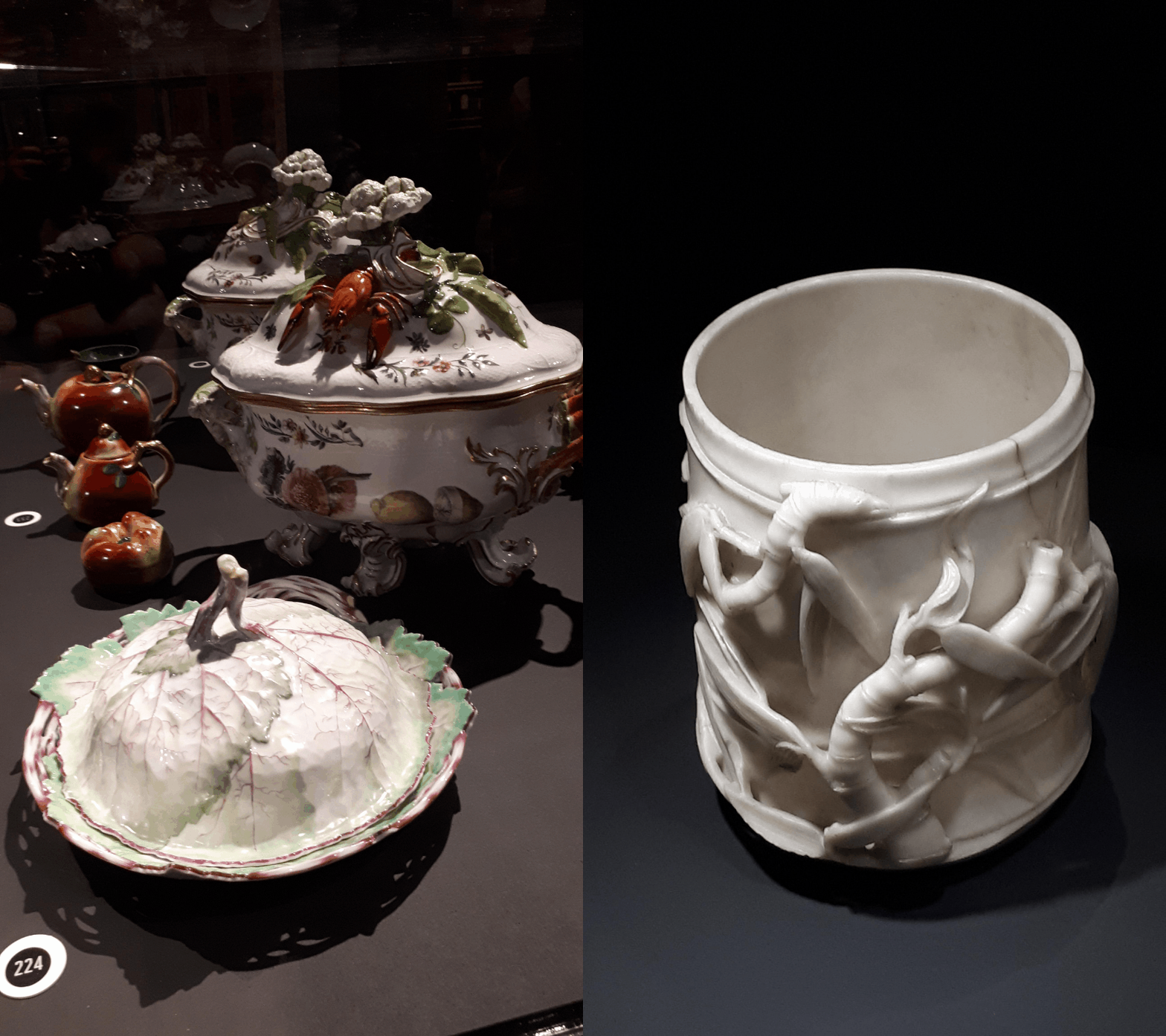
In the second frame: a glass for the hands. Imitation of ivory. Nephritis. China, Qing Dynasty (1644-1911)
© S. Khachaturov
At the exhibition, with all its abundance, there is no important section: anamorphosis. That is, the assembly of the image originally presented as visual deformation, chaos. This chaos, smeared along the walls of the cylinder, for example, we collect with the help of optical devices - mirrors. We collect ourselves. That is, we find ourselves designers of the new universe. I am sure that in each case with Trompe-L'œil, the deformation of the usual becomes the greatest pleasure for the contemplator. After all, naive promising distortions on picturesque tricks with hanging walls, guns, and hunting trophies are immediately striking. And in this gap between the recognizable (“as in life”) and the deformed (as a fruit of pure fantasy) the most interesting is found.
In his rapprocheces between visual and verbal arts, Mikhail Mikhailovich Allenov was very fond of turning to various “tricks” of the language, letter illusions such as acrostils and anagrams. After all, they do not complete poetry and prose to some given norm, but create a new dimension of speech, their heterotopic territory. This smart work of the eye and words on the search for new guesses, inquiry about the paradoxical assembly of the world are distinguished by the art of Trompe-L'Ahi and the research method of Professor Allenov.
Subscribe to the COLTA.RU channel in Yandex.Zen to miss nothing