
Translated material
Decisive reform of statistics
Authorities fired the head of Rosstat for pessimism
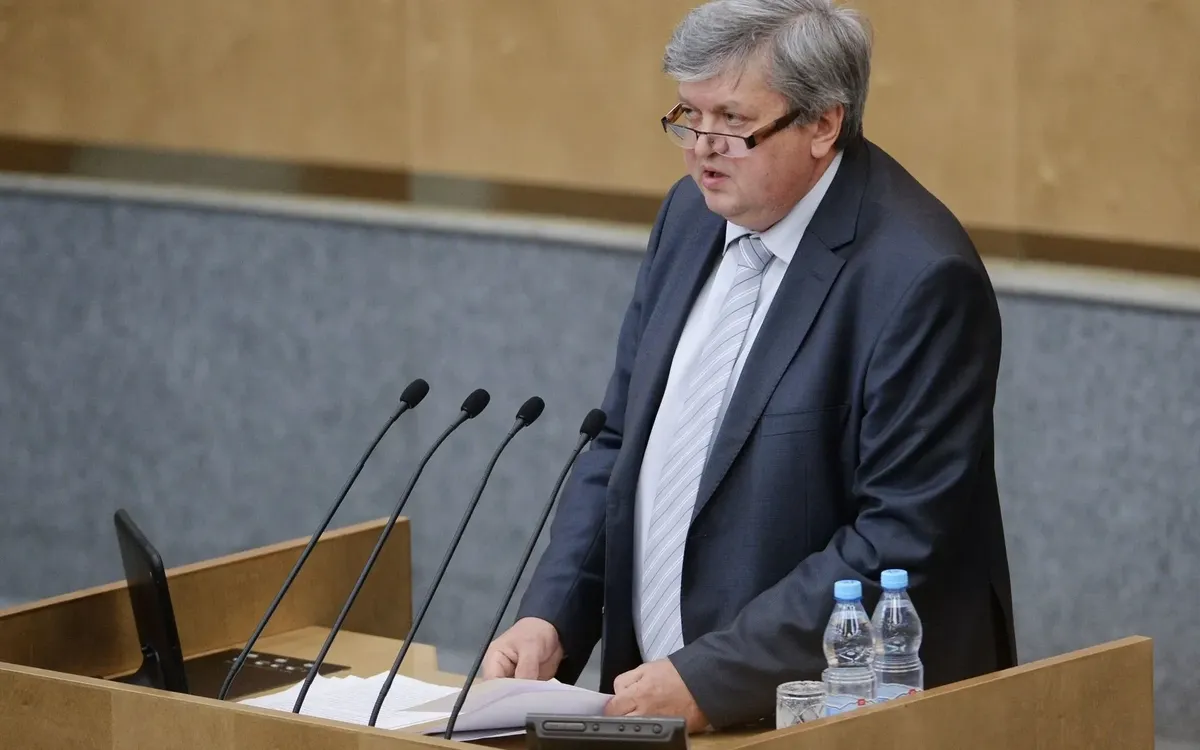
The Russian economic authorities finally responded to a deterioration in the economic situation in the country, which lasts the fifth year in a row. The reason for the indignation of officials was that the effect of the pre-election increase in salaries to state employees by November has exhausted themselves, and the real disposable incomes of the population again moved to the fall (-2.9% in annual terms). The plans of the Ministry of Economic Development on the modernization jerk were at risk even on paper. However, it quickly became clear that the government would not allow a sharp deterioration in macroeconomic indicators. For this, the most decisive measures were taken. On Monday, Alexander Surinov, the head of Rosstat for 9 years, was relieved of his post “at his own request” (or, as evil languages say, for insufficient optimism). Now, the 38-year-old ex-head of the Department of State Administration of the Ministry ofcical Development Pavel Malkov will be headed by state statistics.
The indignation of the authorities, due to the poor results of the Russian economy, turned out to be so great that the case will not be limited to the change of higher leadership of Rosstat. Deputy Prime Minister Anton Siluanov announced the need to urgently reform the service and called the quality of official statistics “terrible”, and the data obtaining tools were outdated.
Siluanov can be understood. An unsatisfactory dynamics is observed according to all key indicators of the May decree, from the level of poverty to economic growth. Moreover, to the methodology for calculating real salaries, which, according to the same official data, in November grew by 4.6%, no one has any complaints.
The head of the Ministry of Education Maxim Oreshkin argued with the Deputy Prime Minister, whose ministry has been subordinate to Rosstat since April 2017. Rumors that Oreshkin is looking for a new leader for the statistical service have walked since that time. However, the head of the mayor, it seems, was frightened by the radical statements of Siluanov, who actually accused Rosstat of drawing data, and tried to bring down the degree of discussion.
According to him, the Rosstat methodology complies with international standards, and it is not necessary to completely rebuild the work of the department-it is enough to publicly discuss the accumulated problems in the socio-methodological council under Rosstat.
The expert community really has enough questions for state statistics. Exclamations "I do not believe!" In Rosstat, in the last few months, they have been distributed especially often.
Loud statistical embarrassment occurred in November, when absolutely implausible data on the beginning of investment boom in Russia were published. The October report of Rosstat contained obvious arithmetic errors, and last week, experts of the RANEPA found that statistics on agricultural growth in 2012-17 were three times over (the production of potatoes was most exaggerated).
Therefore, with claims of the Ministry of Finance, one can agree: the origin of some numbers is known only to the employees of Rosstat. However, the same applies to the models of the Ministry of Finance itself, which are used to justify political decisions like raising the retirement age and increase the VAT rate. Rather, this is a common problem of opacity and low quality examination in the Russian authorities.
The difference is that earlier Rosstat preferred to make mistakes in favor of the authorities, but now, against the backdrop of winter spleen, the level of optimism in the system has dropped below permissible values.
The Kremlin has recently demonstrated a contradictory attitude to statistics. During a large press conference on December 20, the president habitually juggled official data, in particular, predicting the growth of population incomes by 0.5% by the end of the year. According to Open Media, on the air, Putin made about 20 actual errors. The very next day, the president instructed Dmitry Medvedev “to see what is happening in real life”, indirectly recognizing the presence of a rupture between the diagrams in macrocrodes and the daily life of millions of Russians.
It is not the fact that the “young technocrat” Pavel Malkov wants to plunge into the real life of the Russian regions. Unlike Surinov, the new head of the Federal State Statistics Service is not a native of statistical science, but he was engaged in informatization of public administration (in particular, he oversaw the work of the MFC). In the first interview, Interfax as the head of Rosstat Malkov was not too concrete and limited himself to a promise to modernize the system of collecting and processing statistical data and transfer the department to electronic reporting.
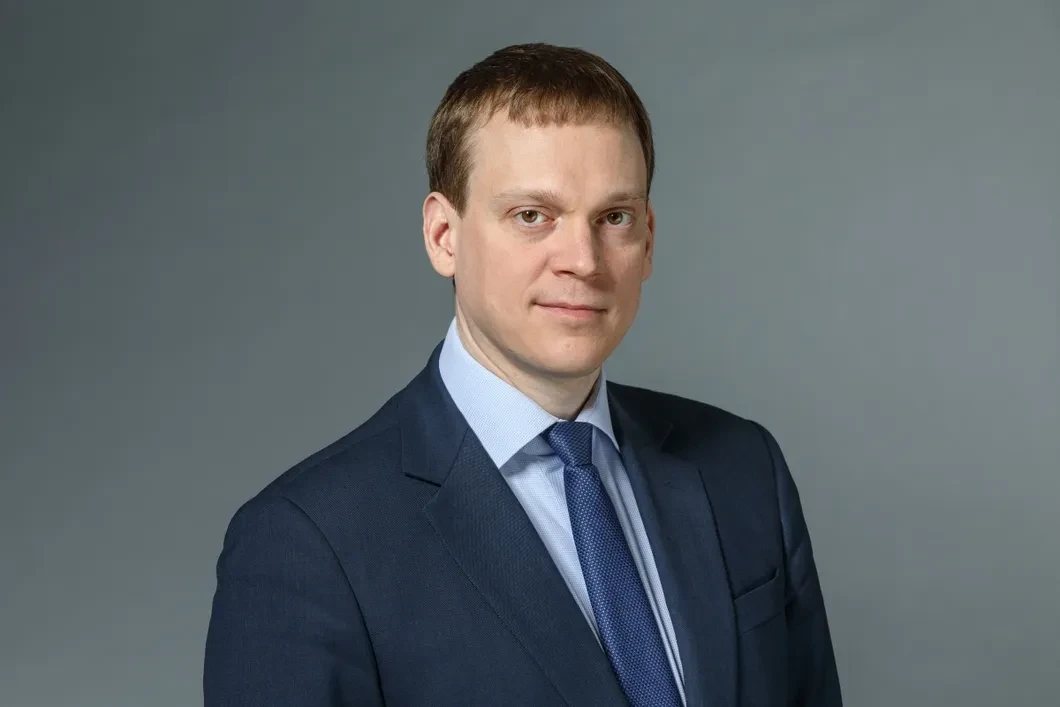
Malkov has great achievements ahead. In 2020, the Rosstat will have to conduct the next All -Russian census of the population, and in connection with which the annual budget of the department will practically double. And the next year, the service will begin to measure 90 indicators of the effectiveness of national projects implemented as part of the May Decree.
It is good if by this time it will be possible to correct at least part of the technical flaws that have long been worried about economists: low quality of primary data, chaotic reviews of the methodology, insufficient efficiency, an inconvenient interface of the site that impedes the search for information, and, of course, the complete absence of public communication with the outside world, which makes any (even justified) changes in the methodology and undermines the reputation Rosstat.
In this sense, the idea of “qualitative transition from statistics to analytics” looks quite sound. Malkov admits that “raw” data need competent interpretation and an affordable explanation.
Fears are caused by the fact that the government’s painful reaction to the quality of official statistics is caused by the publication of negative data,
contradicting the target indicators of the presidential program, and not the systemic problems of measuring the Russian economy.
Perhaps the government believes that Surinov remained the last obstacle to an economic jerk. And now, when Maxim Oreshkin, known to his adamant faith in a bright future, put a new life in Russia in which the drawn abundance will finally begin to go far beyond the production of agricultural crops in Russia.